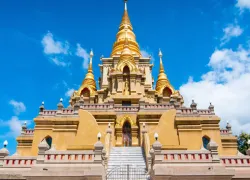
Bahiravokanda Vihara Buddha Statue
The Bahiravokanda Vihara Buddha Statue, located in Kandy, Sri Lanka, is one of the most iconic landmarks in the region. Standing tall at 88 feet, it is one of the largest Buddha statues in Sri Lanka, offering a majestic view of the city and its surrounding hills. The statue is a symbol of peace, spirituality, and devotion, and it attracts both religious pilgrims and tourists alike. The temple complex surrounding the statue is also a place of deep religious significance, offering a serene environment for meditation and reflection. How to Reach Bahiravokanda Vihara Buddha Statue, Kandy The Bahiravokanda Vihara Buddha Statue is located just a few kilometers from the Kandy city center, making it easily accessible for visitors. Here’s how you can reach the site: By Car: From Kandy city, the statue is about a 10-15 minute drive. You can hire a tuk-tuk or a taxi from the city center, which will take you directly to the base of the hill where the statue stands. On Foot: If you're staying in Kandy, you can take a scenic walk uphill from the city center to the statue. The walk may take around 30-40 minutes, depending on your pace, and offers stunning views of Kandy along the way. Public Transport: Local buses and tuk-tuks also serve the area, though it's easier to use a taxi or tuk-tuk due to the hilly terrain. Weather at Bahiravokanda Vihara Buddha Statue, Kandy Kandy, located in Sri Lanka’s central highlands, experiences a tropical climate. The weather is generally pleasant, with mild temperatures due to the elevation. However, the temperature can vary, so here’s what to expect: Temperature: Average temperatures range between 18°C to 28°C (64°F to 82°F), with cooler evenings, especially at higher altitudes. Best Time to Visit: The best time to visit the Bahiravokanda Vihara Buddha Statue is during the dry season, from December to March, when the weather is pleasant and there’s less chance of rainfall. Rainy Season: Sri Lanka’s monsoon season lasts from May to October, and you may encounter rainfall, particularly in the afternoon. Visiting during the dry months ensures a more comfortable experience. Timing of Bahiravokanda Vihara Buddha Statue, Kandy The Bahiravokanda Vihara Buddha Statue is open to the public every day. Visitors can explore the site during the following hours: Opening Hours: 7:00 AM to 7:00 PM daily. Best Time to Visit: It is ideal to visit during the morning or late afternoon for the best lighting for photography and to avoid the midday heat. Why is Bahiravokanda Vihara Buddha Statue, Kandy Famous? The Bahiravokanda Vihara Buddha Statue is famous for several reasons: Size and Structure: At 88 feet tall, it is one of the tallest Buddha statues in Sri Lanka. The sheer size and grandeur of the statue make it a prominent feature in Kandy’s skyline. Scenic Views: The statue is perched on a hill, providing panoramic views of Kandy city and the surrounding hills. The vista from the top is breathtaking and attracts visitors for both the religious significance and the natural beauty. Religious Importance: The statue is not only a major tourist attraction but also a site of deep religious significance. It is a symbol of Buddhism and a place of peace and reflection for devotees. Accessibility: Its location offers an easy yet scenic climb for visitors, making it a popular spot for both pilgrims and tourists seeking spiritual solace or a peaceful retreat. Entry and Visit Details About Bahiravokanda Vihara Buddha Statue, Kandy The Bahiravokanda Vihara Buddha Statue is open to all visitors, regardless of religious background. Here are the details you need to know: Entry Fee: There is a small entry fee for visitors, which helps in the maintenance and upkeep of the site. The fee is usually around LKR 300 to LKR 500 (approximately $2 to $3 USD). Dress Code: As a place of religious significance, visitors are expected to dress modestly. It is recommended to wear long pants or skirts and avoid wearing revealing clothing. Facilities: The site has basic facilities like washrooms and parking for visitors. There are also local shops selling souvenirs and snacks near the base of the hill. History and Architecture of Bahiravokanda Vihara Buddha Statue The Bahiravokanda Vihara Buddha Statue was constructed in 1992 as a part of the Bahiravokanda Vihara Monastery complex. The idea behind the statue was to create a modern-day monument to Lord Buddha, while also paying homage to Sri Lanka’s rich Buddhist heritage. The statue itself is made of white-painted concrete and stands tall at 88 feet, making it one of the tallest Buddha statues in the country. The serene expression on the face of the Buddha adds to the statue's calm and peaceful aura. The monument is surrounded by a small temple complex with a few other statues and shrines, offering a spiritual atmosphere for visitors. Things to Do at Bahiravokanda Vihara Buddha Statue Admire the Statue: Take time to appreciate the grandeur and serenity of the Buddha statue. The views from the top are magnificent, offering an excellent opportunity for photography. Visit the Temple Complex: Explore the small temple complex around the statue. The tranquil environment is ideal for meditation or quiet reflection. Enjoy the Scenic Views: The hilltop location offers panoramic views of Kandy city and the surrounding mountains. It's an excellent spot for nature lovers and photographers. Learn About Buddhism: While visiting, you can gain insights into Sri Lankan Buddhism and the significance of the Buddha in the country’s culture and history. Interesting Facts About Bahiravokanda Vihara Buddha Statue The Bahiravokanda Buddha Statue is one of the tallest Buddha statues in Sri Lanka, standing at an impressive 88 feet. It is painted white, and the statue is visible from most parts of Kandy city, making it a significant landmark. The statue is located on top of a hill, offering breathtaking views of Kandy and its surrounding landscapes. Although the statue was constructed relatively recently, it has quickly become an important pilgrimage site for Buddhists in Sri Lanka. Tips for Visiting Bahiravokanda Vihara Buddha Statue, Kandy Bring Comfortable Shoes: Since the statue is situated on a hill, be prepared to walk uphill. Comfortable shoes are recommended for the walk. Bring a Camera: The views from the hilltop are incredible, so make sure to bring a camera to capture the scenic beauty of the area. Respect the Local Customs: As the site is a Buddhist religious monument, visitors should be respectful, especially when interacting with locals or monks. Go Early or Late: Visit in the morning or late afternoon to avoid the heat and crowds, and to experience the peaceful atmosphere of the site. Stay Hydrated: Kandy’s tropical climate can be warm, so bring water with you to stay hydrated, especially if you're walking uphill.
Explore More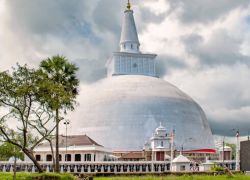
Located in the ancient city of Anuradhapura, Sri Lanka, the Ruwanwelisaya Stupa is one of the most iconic and sacred Buddhist monuments on the island. Known for its impressive size, historical significance, and architectural beauty, Ruwanwelisaya holds a special place in the hearts of Buddhists and travelers alike. As a **UNESCO World Heritage Site**, this majestic stupa is a must-visit destination for anyone seeking to explore Sri Lanka's rich cultural and religious heritage. How to Reach Ruwanwelisaya Stupa Ruwanwelisaya Stupa is located in Anuradhapura, which is easily accessible from various parts of Sri Lanka. The city of Anuradhapura is well-connected by road and rail, making it a convenient destination for travelers. Here’s how you can get there: By Car: Anuradhapura is about 205 km north of Colombo. The most common way to reach the stupa is by hiring a taxi or renting a car. The journey takes approximately 4-5 hours, depending on traffic conditions. By Bus: Anuradhapura has a central bus station that connects to all major cities in Sri Lanka, including Colombo and Kandy. Once you arrive at the bus station, a short tuk-tuk ride will take you to the stupa. By Train: Anuradhapura is also accessible by train from Colombo and other regions. The Anuradhapura Railway Station is approximately 5 km away from the stupa. You can take a tuk-tuk or walk to the site. Weather and Best Time to Visit Anuradhapura has a tropical climate, characterized by warm temperatures throughout the year. Here are some details on the weather and the best time to visit: Dry Season (December to March): This is the best time to visit as the weather is cooler and dry, with less chance of rain. It's perfect for sightseeing and outdoor activities. Rainy Season (May to October): The monsoon season brings heavy rainfall, especially in the months of May, June, and September. However, if you don't mind the rain, this can still be a good time to visit as the crowds are fewer. Warm Climate Year-Round: The temperature ranges from 25°C (77°F) to 32°C (90°F) year-round, so it's advisable to stay hydrated and wear light clothing. Why Ruwanwelisaya Stupa is Famous? The **Ruwanwelisaya Stupa** is famous for several reasons: Spiritual Significance: Built in the 2nd century BCE, the Ruwanwelisaya is one of the most sacred Buddhist stupas in Sri Lanka. It is believed to enshrine relics of the Buddha, including his hair and bone fragments. Devotees and pilgrims from across the world visit this stupa to pay homage and meditate. Architectural Marvel: The stupa is renowned for its perfect hemispherical shape and is one of the largest in Sri Lanka. Its majestic design stands as a testament to ancient Sri Lankan engineering and craftsmanship. Historical Importance: The stupa was built by King **Vattagamani Abhaya** during the 2nd century BCE to commemorate his victory over foreign invaders. It has since become an important historical and cultural symbol of Anuradhapura. Entry and Visit Details Visiting the **Ruwanwelisaya Stupa** is free of charge. However, visitors are encouraged to make a donation to support the upkeep of the site. The stupa is open to the public every day of the week, and visitors are welcome to explore the site at their leisure. When visiting, it is recommended to follow these guidelines: Dress Modestly: Since the Ruwanwelisaya Stupa is a sacred site, visitors should dress modestly. This typically means covering the shoulders and knees as a sign of respect. Quiet and Respectful Atmosphere: As it is a place of religious significance, visitors are asked to maintain a peaceful and respectful atmosphere. Avoid loud talking, and refrain from disrupting the tranquility of the site. Timing: The stupa is open throughout the day. For a more serene experience, consider visiting early in the morning or late in the afternoon when the crowds are fewer. History and Architecture of Ruwanwelisaya The **Ruwanwelisaya** was commissioned by **King Vattagamani Abhaya** in 140 BCE after his successful reclaiming of the throne. The stupa was built to commemorate the king’s victory over his enemies, and it was intended to enshrine relics of the Buddha. Over the years, the stupa has been renovated and expanded, particularly during the reign of **King Dutugemunu**, who made significant contributions to its construction. The architectural design of the Ruwanwelisaya is truly awe-inspiring. The stupa is 55 meters (180 feet) high and has a circumference of about 290 meters (951 feet). It is encircled by a series of smaller stupas and has a large stone platform around it for the devotees to walk around, known as the **Kalawewa**. The stupa’s pristine white dome, adorned with intricate carvings, is visible from miles away, symbolizing the purity and peace of Buddhism. Its central dome is surrounded by smaller statues of the Buddha, each facing different directions. The stupa’s polished surface shines brightly in the sunlight, offering a truly spectacular sight at sunrise and sunset. The architecture is designed to symbolize the spiritual and philosophical concepts of Buddhism, with the central dome representing the universe and the path to enlightenment. Things to Do Around Ruwanwelisaya Stupa Offer Prayers and Meditate: Visitors can participate in Buddhist rituals and offer prayers at the stupa. Many people choose to meditate or simply reflect in the peaceful atmosphere surrounding the stupa. Explore the Ancient City: Anuradhapura is home to many other significant historical and religious sites, including the **Sri Maha Bodhi**, **Jetavanaramaya**, and **Abhayagiri Monastery**. Take time to explore these locations to understand the rich history of the ancient city. Visit the Archaeological Museum: The **Anuradhapura Archaeological Museum** offers a fascinating insight into the history and significance of the Ruwanwelisaya Stupa and other ancient relics found in the region. Facts About Ruwanwelisaya Stupa The **Ruwanwelisaya Stupa** is considered one of the tallest stupas in Sri Lanka, standing at 55 meters high. The stupa houses relics of the Buddha, including his **bone fragments and hair**. The construction of the stupa was initiated by **King Vattagamani Abhaya** in 140 BCE, and it was later expanded during the reign of **King Dutugemunu**. The stupa is part of the **Anuradhapura Sacred City**, which is a UNESCO World Heritage Site. Tips for Visiting Ruwanwelisaya Respect Religious Customs: Always be respectful and follow local customs. Visitors are encouraged to walk around the stupa in a clockwise direction as a sign of respect. Best Time to Visit: The early morning hours or late afternoon provide a more peaceful visit and are also the best times for photography. Bring Water: The climate can be hot and humid, so it’s a good idea to carry a bottle of water with you during your visit.
Explore More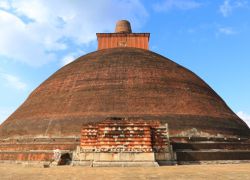
Jetavanaramaya is one of the largest and most iconic stupas in Sri Lanka, located in the ancient city of Anuradhapura. This historic monument is a part of the UNESCO World Heritage Site of Anuradhapura and holds great significance in Sri Lanka's Buddhist history. The Jetavanaramaya Stupa was constructed during the reign of King Mahasena in the 3rd century CE, making it over 1,700 years old. How to Reach Jetavanaramaya Stupa Jetavanaramaya is located in the heart of Anuradhapura, which is in the Northern part of Sri Lanka. Anuradhapura is easily accessible by road from the capital, Colombo, which is about 205 km away, a journey that takes around 4 to 5 hours by car. There are also public transport options such as buses and trains that connect Anuradhapura to major cities across the island. If you're traveling from Colombo, the most convenient way is by car or taxi, but buses from the Central Bus Stand in Colombo also run to Anuradhapura regularly. Once in Anuradhapura, Jetavanaramaya is located near other important historical sites like the Ruwanwelisaya Stupa and the Sri Maha Bodhi. Weather in Anuradhapura The climate in Anuradhapura is typically tropical, with a hot and humid climate year-round. The temperature ranges from 25°C (77°F) to 32°C (90°F) throughout the year. The best time to visit is between December and April when the weather is relatively cooler and drier. The monsoon season typically lasts from May to September, bringing more rainfall to the region. Timings and Entry Details The Jetavanaramaya Stupa is open to visitors every day of the week, from 7:00 AM to 6:00 PM. Entry to the site is free, but visitors are encouraged to make donations to help with the preservation of this ancient structure. As it is a religious site, visitors are expected to dress modestly, with shoulders and knees covered, as a sign of respect. Why Jetavanaramaya Stupa is Famous? Jetavanaramaya is famous for several reasons. It was, at one point, the tallest structure in the world, standing at an impressive height of 122 meters (400 feet). The stupa’s massive size and its unique construction make it one of the largest brick structures in the world. It is also significant because of its connection to the Buddhist monastic order, housing relics of the Buddha, making it an important pilgrimage site for Buddhists from around the globe. In addition to its architectural brilliance, Jetavanaramaya has historical importance as it was built by King Mahasena to honor the Buddha and to house important relics. Its role as a symbol of Sri Lanka’s rich Buddhist heritage contributes to its fame. History of Jetavanaramaya Stupa The history of Jetavanaramaya dates back to the reign of King Mahasena (273-301 CE), a notable ruler of Anuradhapura. According to historical records, the construction of the stupa took around 15 years to complete. It was built as a symbol of the King’s devotion to Buddhism and was intended to house the relics of the Buddha. The stupa was named after the Jetavana monastery in India, a place where the Buddha is said to have spent many years of his life. Over the centuries, the stupa faced periods of neglect, especially during invasions and natural disasters. However, its restoration efforts, starting in the 20th century, have ensured that it remains one of the most iconic structures in Anuradhapura today. Architecture of Jetavanaramaya Stupa Jetavanaramaya's architectural style is an example of ancient Sri Lankan stupa construction, known for its massive size and grandeur. The stupa’s original height was estimated to be about 122 meters, though it has since eroded slightly due to natural weathering. The structure is made up of thousands of bricks, making it the largest brick-built structure in the world. The stupa is designed in a typical Sinhala style, with a dome-shaped structure, a series of concentric platforms, and a spire at the top. The stupa is surrounded by an open courtyard, and the remains of the ancient monastery are found nearby, providing insight into the way of life of the Buddhist monks who once resided here. Things to Do Around Jetavanaramaya Stupa There are several things to see and do around the Jetavanaramaya Stupa. Visitors can explore the nearby Ruwanwelisaya Stupa and the sacred Sri Maha Bodhi tree, which is said to be a sapling from the original Bodhi tree under which the Buddha attained enlightenment. The Anuradhapura Archaeological Museum is also worth visiting to learn more about the historical significance of the area. If you are a photography enthusiast, the Jetavanaramaya Stupa offers excellent opportunities to capture the beauty and grandeur of the structure against the backdrop of the Anuradhapura landscape. The peaceful atmosphere of the site also makes it an ideal place for reflection and meditation. Interesting Facts About Jetavanaramaya Stupa It is believed that over 93 million bricks were used to construct the stupa. Jetavanaramaya was once the tallest building in the world, even taller than the Great Pyramid of Giza. The stupa houses the relics of the Buddha, making it a significant pilgrimage site for Buddhists. The stupa was built by King Mahasena, who was a patron of Buddhism and helped spread the religion in Sri Lanka. Tips for Visiting Jetavanaramaya Stupa Wear comfortable footwear as you will be walking around the site for extended periods. Carry water, especially if visiting during the hotter months, as there are limited places to purchase drinks on-site. Respect the religious significance of the site by dressing modestly and maintaining quiet while exploring the area. Consider hiring a local guide to learn more about the history and cultural significance of the stupa. © 2025 Jetavanaramaya Stupa, Anuradhapura, Sri Lanka. All rights reserved.
Explore More