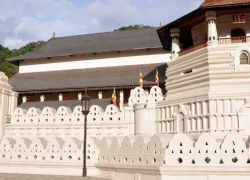
The Royal Palace of Kandy, also known as the Maha Vasala, is one of the most iconic landmarks in the historic city of Kandy, Sri Lanka. Built in the 14th century by King Vikramabahu III, the palace served as the residence of the Kandyan monarchs until the British colonial period in the early 19th century. Today, the Royal Palace stands as a testament to the rich cultural heritage and architectural prowess of the Kandyan Kingdom. Timings Of Royal Palace of Kandy The Royal Palace of Kandy is open to visitors every day from 8:30 AM to 4:30 PM. It is recommended to visit the palace during these hours to fully explore and appreciate its beauty. Entry Fee The entry fee for the Royal Palace of Kandy is 1000 Sri Lankan Rupees for adults and 500 Sri Lankan Rupees for children. Visitors can also opt for a guided tour at an additional cost. Required Time And Restricted Items It is recommended to allocate at least 1-2 hours to explore the Royal Palace of Kandy thoroughly. To ensure the preservation of the historical site, visitors are not allowed to carry food, beverages, or plastic items inside the palace premises. Architecture Of Royal Palace of Kandy The architecture of the Royal Palace of Kandy is a blend of traditional Kandyan and colonial styles. The palace features intricate wood carvings, vibrant frescoes, and elaborate roof structures that reflect the artistic sophistication of the Kandyan era. Best Time To Visit The best time to visit the Royal Palace of Kandy is during the months of January to April when the weather is pleasant and conducive for sightseeing. Avoid visiting during the monsoon season from May to September as heavy rains can hinder your exploration. How To Reach The Royal Palace of Kandy is located in the heart of the city, making it easily accessible by both public and private transportation. Visitors can take a tuk-tuk, taxi, or bus to reach the palace from any part of Kandy. History Of Royal Palace of Kandy The Royal Palace of Kandy has a storied history that dates back to the ancient Kingdom of Kandy. It served as the seat of power for the Kandyan monarchs who ruled the region for centuries before being annexed by the British in 1815. The palace witnessed numerous political intrigues, battles, and royal ceremonies during its illustrious past. Inside Royal Palace Of Kandy Inside the Royal Palace of Kandy, visitors can explore the audience hall, royal chambers, temple of the tooth relic, and surrounding gardens. The palace showcases a fascinating collection of artifacts, antiques, and historical remnants that offer insight into the Kandyan way of life. Traveling Tips When visiting the Royal Palace of Kandy, it is advisable to wear comfortable footwear and carry sufficient water to stay hydrated. Respect the cultural norms and heritage of the palace by maintaining decorum and refraining from touching or defacing any structures. Hotels Near Royal Palace Of Kandy Several hotels near the Royal Palace of Kandy offer comfortable accommodation options for visitors. Some of the popular hotels include The Grand Kandyan, Earl's Regency Hotel, Cinnamon Citadel Kandy, and Hotel Topaz. Nearby Tourist Spots Of Royal Palace Of Kandy While exploring the Royal Palace of Kandy, visitors can also visit nearby tourist spots such as the Temple of the Tooth Relic, Kandy Lake, Peradeniya Botanical Gardens, and Bahirawakanda Temple. These attractions offer a comprehensive experience of the cultural and natural wonders of Kandy.
Explore More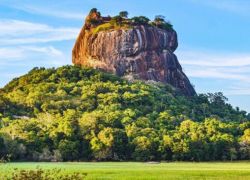
Sigiriya Rock Fortress, also known as Lion Rock, is one of the most iconic historical and archaeological sites in Sri Lanka. Located near the town of Dambulla in the Central Province, Sigiriya towers dramatically above the surrounding forests and plains at a height of almost 200 meters. The fortress, palace ruins, landscaped gardens, frescoes, and advanced ancient engineering make Sigiriya a UNESCO World Heritage Site and one of the most visited destinations in the country. Sigiriya is a remarkable example of the blending of natural rock formations with royal design and construction. Visitors come from all over the world to climb the steep staircases, admire the ancient paintings, explore the gardens, and experience panoramic views from the summit. It is not only a monument of architecture but also a symbol of Sri Lanka’s cultural and historical heritage. History of Sigiriya Rock Fortress The history of Sigiriya dates back over 1,500 years. It was developed into a royal palace complex during the reign of King Kashyapa I, who ruled from 477 to 495 AD. After seizing the throne, Kashyapa moved his capital from Anuradhapura to Sigiriya, choosing the massive rock as a strategic defensive location. He oversaw the transformation of the rock and surrounding areas into an elaborate palace with royal chambers, landscaped water gardens, moats, fortifications, and a series of stairways and pathways carved into the stone. After King Kashyapa’s defeat and death, Sigiriya lost its importance as a royal capital and was used as a Buddhist monastery before eventually being abandoned. Rediscovered centuries later, Sigiriya became the subject of archaeological exploration and restoration. Today, it stands as one of the best-preserved examples of ancient urban planning in Asia and remains a window into Sri Lanka’s architectural and artistic accomplishments. Architecture of Sigiriya Sigiriya Rock Fortress is admired for its advanced and creative architectural features. The design uses the natural rock structure as the core of the palace, with terraces, platforms, and stairs built into the rock face. One of the most significant architectural highlights is the Lion Gate, which originally featured a giant carved lion. Visitors had to enter through the lion’s open mouth to access the summit. Today, only the enormous stone paws remain, but they still convey a sense of grandeur. The Mirror Wall is another architectural marvel. Once polished so smoothly that visitors could see their reflections in it, this wall contains ancient writings, poems, and inscriptions left by visitors over the centuries. The Sigiriya frescoes are among the most admired aspects of the architecture as well. Painted on the rock’s western face, they portray beautiful figures believed to be celestial maidens or royal attendants, showcasing advanced artistic techniques. At the base of Sigiriya are complex water gardens with fountains, pools, and canals that highlight the advanced hydraulic engineering of the time. These systems continue to function during the rainy season, showing the precision and intelligence of the ancient builders. How to Reach Sigiriya Rock Fortress Sigiriya is easily accessible by road from major cities in Sri Lanka. It is around 180 kilometers from Colombo and can be reached in about four hours by private car, taxi, or organized tour. Many visitors also travel from Kandy, which is closer at approximately 90 kilometers and only a two-hour journey. Public transportation options are also available. Travelers can take a bus to Dambulla and then transfer to a local taxi or tuk-tuk to reach Sigiriya. While trains do not travel directly to Sigiriya, Dambulla is the nearest major transportation hub and offers good access to the site. Weather and Best Time to Visit Sigiriya experiences a tropical climate throughout the year, with warm temperatures and varying levels of rainfall. The best time to visit is during the dry season, between November and April, when the skies are clear and the climbing conditions are comfortable. During the monsoon season, some pathways may become slippery, and rainfall can limit visibility during the climb. The best time of day to visit is early in the morning. Climbing the rock before the midday heat offers a more comfortable experience and less crowded pathways. Morning visits also give beautiful lighting conditions for photos and views of the surrounding forests and lakes. Timings, Entry, and Visit Details Sigiriya Rock Fortress is open daily, and most visitors spend between two and four hours touring the site. Tickets must be purchased at the main entrance, with different rates for local visitors and foreign tourists. Visitors should keep their tickets with them as they may be checked on the way to the summit. The climb to the top involves steep stone steps and metal staircases, but most travelers with reasonable fitness levels can complete it. There are resting points and viewing platforms along the way to break up the climb and enjoy the scenery. Why Sigiriya is Famous Sigiriya is famous for its fascinating combination of natural geography, artistic achievement, royal architecture, and ancient engineering. The site showcases advanced construction methods, including symmetrical gardens, functioning water systems, frescoes, polished stone walls, and the ruins of a palace at the summit. The dramatic appearance of the rock rising above the flat plains makes Sigiriya both historically significant and visually stunning. Things to Do at Sigiriya Visitors to Sigiriya Rock Fortress can enjoy a wide range of activities, including: Exploring the landscaped water gardens at the base of the rock. Viewing the iconic Sigiriya frescoes painted high along the rock face. Walking beside the Mirror Wall and reading its ancient inscriptions. Passing through the Lion Gate and observing the giant paws that remain. Climbing to the summit and exploring the palace ruins. Taking in the beautiful panoramic views of the surrounding countryside. Photographing the site at sunrise or sunset. Interesting Facts About Sigiriya The hydraulic garden systems are over 1,500 years old and still operate in rainy weather. The Mirror Wall once shone brightly enough for visitors to see their reflections. The frescoes at Sigiriya are some of the oldest surviving examples of Sri Lankan art. The summit once held a complete royal palace with chambers and pools carved into the rock. Sigiriya is considered one of the earliest known examples of city planning in South Asia. Tips for Visiting Sigiriya Rock Fortress Start early to avoid crowds and heat. Wear comfortable shoes for the steep climb. Carry plenty of drinking water, sunscreen, and a hat. Take short breaks at the viewing platforms to rest and enjoy the scenery. Be respectful of protected areas, especially around the frescoes. Combine your visit with nearby attractions like Pidurangala Rock and Dambulla Cave Temple for a complete trip. Conclusion Sigiriya Rock Fortress is one of Sri Lanka’s greatest cultural treasures. From its dramatic vertical rise and ancient frescoes to its sophisticated water gardens and spectacular summit views, Sigiriya offers a journey into the island’s majestic past. Whether exploring the archaeological features, learning about the history of King Kashyapa, or simply admiring the surrounding natural scenery, Sigiriya provides an unforgettable travel experience for visitors of all ages.
Explore More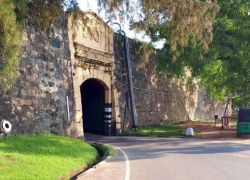
Fort Frederick is a historic fort located in Trincomalee, on the northeastern coast of Sri Lanka. Built by the Portuguese in the 17th century and later expanded by the Dutch and the British, the fort stands as a testament to Sri Lanka’s colonial past. Today, it is an iconic landmark that offers visitors a glimpse into the island's turbulent history, with its well-preserved architecture, stunning views of the surrounding coastline, and historical significance. A visit to Fort Frederick is a must for history buffs and anyone interested in exploring Sri Lanka’s colonial heritage. How to Reach Fort Frederick Fort Frederick is located in the heart of Trincomalee, making it easily accessible from the town center. It is situated near the famous Koneswaram Temple, perched on Swami Rock, offering panoramic views of the Indian Ocean. The best way to reach Fort Frederick is by tuk-tuk or taxi, which are commonly available throughout Trincomalee. From the town center, it’s a short drive, and the fort is well signposted. Alternatively, if you're staying at a nearby hotel, many establishments offer guided tours to the fort. If you are traveling from Colombo, you can take a bus or train to Trincomalee, which takes approximately 6-7 hours by road. Once in Trincomalee, local transportation like tuk-tuks or buses can take you directly to Fort Frederick. Weather at Fort Frederick Trincomalee has a tropical climate, characterized by hot and humid conditions throughout the year. The temperature typically ranges between 25°C and 32°C, with occasional rains during the monsoon season. The best time to visit Fort Frederick is during the dry season, which runs from May to September. This is when the weather is most pleasant for exploring the fort and surrounding attractions. The monsoon season, from October to December, brings heavy rainfall, which may affect outdoor activities, so it’s advisable to plan your visit during the dry months for a more enjoyable experience. Timing of Fort Frederick Fort Frederick is open to visitors throughout the day, typically from 8:00 AM to 5:00 PM. Since the fort is an open-air historical site, it’s best to visit during the cooler parts of the day, such as in the early morning or late afternoon, to avoid the midday heat. If you plan to visit the fort during peak tourist season, it’s advisable to arrive early to avoid the crowds. Guided tours are available during the day, which provide detailed information about the history and architecture of the fort. Why Famous for Fort Frederick, Trincomalee, Sri Lanka? Fort Frederick is famous for its rich colonial history and its strategic location overlooking the beautiful Trincomalee Harbor. Originally built by the Portuguese in 1623, the fort was later expanded by the Dutch in the 17th century and further developed by the British. Its historical significance lies in its role as a military stronghold during the colonial era, particularly during the conflicts between European powers in Sri Lanka. The fort is also renowned for its stunning views of the surrounding area, including the Indian Ocean and the Koneswaram Temple. Visitors can explore the fort’s well-preserved structures, including its thick stone walls, cannons, and gates, which are reminders of its past military use. Fort Frederick is a symbol of Sri Lanka’s colonial past and an important cultural heritage site for the country. Entry and Visit Details Fort Frederick is open to the public for a nominal fee. Entry fees are used for the preservation and maintenance of the fort. While there are no formal opening or closing hours, the best time to visit is between 8:00 AM and 5:00 PM when the site is fully accessible. Visitors should keep in mind that the fort is an active military area, and while the historical structures are open for exploration, some sections may be restricted due to security reasons. It’s important to respect the rules and regulations of the site while visiting. There are no facilities for food or drinks within the fort itself, so it’s a good idea to bring water and snacks. You can also explore the surrounding area, which has several restaurants and cafes serving local Sri Lankan dishes. History of Fort Frederick Fort Frederick was originally built by the Portuguese in 1623 as a military stronghold to protect their interests in Sri Lanka. The fort was strategically placed on Swami Rock, offering sweeping views of the Trincomalee Harbor, one of the best natural harbors in the world. The Portuguese used the fort as a base to defend against the Dutch and local kingdoms. In 1658, the Dutch took control of the fort after defeating the Portuguese. They expanded and reinforced the fortifications, adding thick walls, gates, and other defensive structures. The British took over the fort in the late 18th century and used it for military purposes during their colonial rule in Sri Lanka. Throughout its history, Fort Frederick has played an important role in Sri Lanka’s colonial struggles. Today, it stands as a symbol of the country’s colonial past and is a popular tourist attraction in Trincomalee. Architecture of Fort Frederick The architecture of Fort Frederick reflects its colonial past, with influences from Portuguese, Dutch, and British military designs. The fort is built with thick stone walls and features several structures, including gates, bastions, and a series of cannons that were used to defend the harbor. The fort’s architecture is simple yet sturdy, designed to withstand attacks and provide a commanding view of the surrounding coastline. Inside the fort, visitors can explore the remnants of the old buildings, including barracks, a chapel, and a small museum. The fort’s ramparts offer panoramic views of Trincomalee and its famous harbor, making it an ideal spot for photography. Things to Do at Fort Frederick While visiting Fort Frederick, there are several activities you can enjoy: Explore the Historical Structures: Walk around the fort and explore its various buildings, including the old cannons, gates, and the remains of military barracks. Visit the Small Museum: Inside the fort, there is a small museum that displays artifacts and historical information about the fort’s colonial past. Take Photos: The fort’s location on Swami Rock provides stunning views of the surrounding area, including Trincomalee Harbor, making it a great spot for photography. Relax and Enjoy the View: Spend some time enjoying the panoramic views of the harbor and the Indian Ocean from the fort’s ramparts. It’s a peaceful spot to relax and take in the beauty of the landscape. Facts and Tips About Fort Frederick Fort Frederick is an active military area, so be sure to follow any security instructions and be respectful of the military personnel on-site. The fort is located near the famous Koneswaram Temple, so you can easily combine your visit to the fort with a trip to the temple for a full day of sightseeing in Trincomalee. Wear comfortable footwear, as the fort’s terrain can be uneven in places, especially when walking on the old stone pathways and ramparts. It’s advisable to carry water, sunscreen, and a hat to protect yourself from the sun during your visit, as there is limited shade within the fort. The fort is less crowded than some of Sri Lanka’s other historical sites, so you can enjoy a more relaxed and quiet visit. Conclusion Fort Frederick in Trincomalee is a fascinating historical site that offers visitors a glimpse into Sri Lanka’s colonial past. With its impressive architecture, rich history, and stunning views of the coastline, the fort is an essential stop for anyone visiting Trincomalee. Whether you’re a history enthusiast, a photographer, or simply looking to explore Sri Lanka’s cultural heritage, Fort Frederick provides an unforgettable experience that will deepen your understanding of the island’s complex history.
Explore More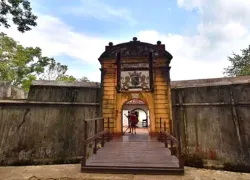
Matara Fort, located in the coastal city of Matara in southern Sri Lanka, is one of the best-preserved colonial-era forts in the country. Built by the Portuguese in the 16th century and later expanded by the Dutch, Matara Fort stands as a historical and architectural landmark in Sri Lanka. It offers visitors a glimpse into the country’s colonial past while providing a unique blend of natural beauty with the stunning views of the Indian Ocean. Whether you're an history enthusiast, a photographer, or a casual tourist, Matara Fort is a must-visit attraction. How to Reach Matara Fort Matara is easily accessible by both road and rail from Colombo, which is about 160 kilometers away. If you are traveling by car, you can take the Southern Expressway (E01) and follow signs to Matara, a journey that typically takes around 2.5 to 3 hours. Alternatively, you can take a bus from the Colombo Fort bus station to Matara. For those preferring train travel, Matara is well-connected by rail from Colombo, with regular services that take around 3 to 4 hours to reach the city. Weather and Best Time to Visit Matara has a tropical climate with warm temperatures year-round. The best time to visit Matara Fort is during the dry season, which runs from November to April. During this time, the weather is relatively cooler, and you can enjoy the fort and its surroundings without the heavy rain typical of the monsoon season. However, Matara remains a popular destination throughout the year due to its coastal charm and historical significance. Entry and Visit Details Matara Fort is open to the public throughout the year, and there is no entry fee to visit the fort. The fort is accessible at any time of the day, although it’s best to visit in the morning or late afternoon to avoid the midday heat. The fort is relatively small, and it can be explored within an hour or two. The peaceful ambiance and scenic views make it a perfect spot for a relaxed visit. For those interested in the history and details of the fort, local guides are available at the entrance to provide tours for a nominal fee. Why Famous for Matara Fort? Matara Fort is famous for its strategic location and historical importance. It was initially constructed by the Portuguese in 1560 to protect the southern coast of Sri Lanka from invaders. Later, the Dutch expanded and reinforced the fort during their occupation of Sri Lanka. Today, the fort is a blend of Portuguese and Dutch colonial architecture, which makes it unique compared to other forts in Sri Lanka. Additionally, Matara Fort is well known for its panoramic views of the Indian Ocean, offering a stunning backdrop for visitors to enjoy. History and Architecture of Matara Fort The history of Matara Fort dates back to 1560 when the Portuguese built it to control the southern region of Sri Lanka. The fort was strategically positioned on the banks of the Nilwala River, offering a clear view of the sea and easy access to the water. After the Dutch took control of Sri Lanka in the 17th century, they reinforced and expanded the fort, adding strong defensive walls, bastions, and gates. The Dutch influence is evident in the architecture, with traditional Dutch-style warehouses, thick walls, and a well-designed interior. The fort is surrounded by a high, strong wall with four main entrances, and its layout reflects the military architecture of the period. The structure is a fusion of European and local design elements, and visitors can still see traces of the original Portuguese designs alongside Dutch modifications. The entrance to the fort is guarded by a large archway, with the fort’s name prominently displayed above it. Some parts of the fort, such as the old Dutch warehouse, have been preserved as cultural sites. Things to Do at Matara Fort There are several things to do and places to explore while visiting Matara Fort: Explore the Fort Walls: Walk along the thick fort walls for spectacular views of the ocean and the Nilwala River. You’ll also find various cannons placed on the walls, which were used to protect the fort during the colonial era. Visit the Dutch Warehouse: The old Dutch warehouse located within the fort is one of the best-preserved structures. It offers a glimpse into the past and how the Dutch operated their trade routes. Photography: The picturesque surroundings of the fort provide plenty of opportunities for photography. Capture the unique architecture and stunning coastal views. Relax by the Beach: After exploring the fort, you can walk to the nearby beach and relax by the shores of the Indian Ocean. Visit Nearby Attractions: Matara is home to several nearby attractions, including the Weherahena Buddhist Temple, the Star Fort, and the famous Dondra Lighthouse, all of which are within a short distance from the fort. Facts and Tips about Matara Fort Matara Fort is one of the oldest and most significant forts in Sri Lanka. The fort's strategic location made it an important military installation during the colonial era. The fort is located in the heart of Matara city, making it easy to explore other nearby attractions. Visitors can enjoy walking along the fort's walls, which are well-maintained and provide excellent views of the surrounding area. It’s advisable to wear comfortable footwear, as the fort's terrain includes uneven paths and some steps. The fort is best visited early in the morning or in the late afternoon to avoid the heat of the day. If you're traveling with children, the open spaces within the fort are perfect for them to explore safely. Conclusion Matara Fort stands as a proud reminder of Sri Lanka’s colonial history, offering a beautiful combination of historical architecture and stunning coastal views. Whether you're interested in history, architecture, or just a peaceful day by the sea, Matara Fort offers something for everyone. Its well-preserved structure, strategic location, and the surrounding scenic beauty make it one of the must-visit historical sites in Sri Lanka.
Explore More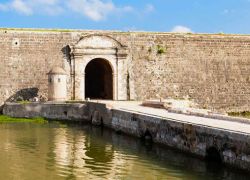
Jaffna Fort, located in the northern city of Jaffna, Sri Lanka, is one of the most prominent and historically significant landmarks on the island. Built in the 17th century by the Portuguese and later expanded by the Dutch, the fort stands as a testament to Sri Lanka's colonial history and the conflicts that shaped the region. The fort is not only a symbol of Sri Lanka's rich history but also offers visitors a glimpse into the country's colonial past, military architecture, and cultural heritage. How to Reach Jaffna Fort Jaffna Fort is located in the heart of the city of Jaffna, which is in the northernmost part of Sri Lanka. To reach Jaffna from Colombo, you can take a domestic flight to Jaffna International Airport, which is about 20 kilometers away from the fort. The flight takes approximately 1.5 hours. Alternatively, you can travel by bus or train from Colombo, with the journey taking around 6 to 8 hours depending on the mode of transport. If you're already in Jaffna, the fort is easily accessible by tuk-tuk, taxi, or a short walk from the city center. The fort is located near the Jaffna Railway Station, making it convenient for travelers arriving by train. The site is well-marked, and local transportation can quickly take you there. Weather and Best Time to Visit Jaffna experiences a tropical climate with warm temperatures throughout the year. The best time to visit Jaffna Fort is during the dry season, which lasts from November to April. This period offers sunny and pleasant weather, making it ideal for sightseeing and exploring outdoor attractions like the fort. During the rainy season, from May to October, the region experiences heavier rainfall, which may affect outdoor activities. However, the fort remains accessible throughout the year, and some visitors may prefer the lush, green surroundings during the rainy months. Be sure to check the weather forecast before visiting if you're planning to explore Jaffna Fort during the monsoon season. Entry and Visit Details Jaffna Fort is open to the public daily, and there is a nominal entry fee for visitors. The fort is open from 8:00 AM to 6:00 PM, allowing plenty of time for exploration. The entry fee is affordable, making it accessible to tourists of all budgets. Tickets can typically be purchased at the entrance or through local guides. Guided tours are available for those interested in learning more about the history and significance of the fort. These tours are led by knowledgeable guides who provide in-depth information about the fort's architecture, historical events, and the cultural importance of the site. Alternatively, visitors can explore the fort on their own, taking in the scenic views and exploring the various sections of the fort. Why Famous for Jaffna Fort? Jaffna Fort is famous for its historical significance, architectural beauty, and strategic location. The fort was originally built by the Portuguese in 1618 and was later expanded by the Dutch during their colonial rule. The fort has stood the test of time and remains one of the most well-preserved colonial-era fortifications in Sri Lanka. What makes Jaffna Fort particularly famous is its role during the Sri Lankan Civil War. The fort was used as a military stronghold during the conflict, and many of its structures were damaged or destroyed. However, it has since been restored, and its history is a reminder of the turbulent times the region has faced. In addition to its historical significance, Jaffna Fort is also known for its scenic views of the surrounding coastline and the city of Jaffna. Visitors can walk along the fort's walls and enjoy the breeze from the Indian Ocean, making it a popular spot for photography and sightseeing. History and Architecture of Jaffna Fort The construction of Jaffna Fort began in 1618 by the Portuguese, who initially built a small fortification at the site. The fort was strategically positioned to control access to the Jaffna Peninsula, which was an important area for trade and military activity. In 1658, the Dutch seized control of the fort from the Portuguese and began expanding it into the much larger structure that stands today. The Dutch made several improvements to the fort's design, adding a moat, thicker walls, and large bastions at the corners. The fort's architecture reflects the Dutch military style, with strong, sturdy walls designed to withstand attacks. The layout of the fort includes a central courtyard, where various buildings such as the governor's residence, storage rooms, and warehouses were located. Throughout the centuries, the fort has seen various changes in ownership, including a period of British control during the colonial era. Despite its turbulent history, the fort has managed to maintain much of its original architecture, with many of its structures still intact or carefully restored. Today, visitors can explore the fort's walls, gates, and watchtowers, while enjoying panoramic views of the surrounding landscape. Things to Do at Jaffna Fort There are several activities to enjoy while visiting Jaffna Fort, including: Explore the Fort’s Walls: Walk along the massive stone walls and enjoy the scenic views of Jaffna town and the coastline. The fort offers great photo opportunities with its well-preserved architecture and lush surroundings. Visit the Bastions: The four main bastions of the fort provide elevated viewpoints, offering a panoramic view of the city and the surrounding area. The views from these bastions are perfect for photography, especially at sunset. Learn About the History: Take a guided tour or read the informative plaques around the fort to learn about its history, including its role in the Portuguese, Dutch, and British colonial periods, as well as its involvement in the Sri Lankan Civil War. Relax and Enjoy the Atmosphere: The fort offers a peaceful and relaxing environment, where visitors can sit and enjoy the surrounding greenery and ocean breeze. It's a great spot for a leisurely stroll or picnic. Photography: The combination of historical architecture and natural beauty makes Jaffna Fort an excellent location for photography. Be sure to capture the fort’s unique features, as well as the views of the ocean and Jaffna city. Facts and Tips about Jaffna Fort Jaffna Fort is one of the best-preserved Dutch forts in Sri Lanka and is an important historical landmark. The fort is open to the public every day, with the best time to visit being early morning or late afternoon to avoid the midday heat. There is no major entry fee, making it an affordable destination for visitors. While visiting the fort, be respectful of the local customs and keep the area clean. Avoid littering and follow any instructions given by the site’s management. Guided tours are available, but it’s also easy to explore the fort on your own, as it is well-marked and easy to navigate. Wear comfortable shoes, as you’ll be walking on uneven terrain, including stone pathways and the fort’s walls. It is advisable to carry sunscreen, water, and a hat to stay comfortable in the tropical climate, especially if visiting during midday. Conclusion Jaffna Fort is a must-visit destination for history enthusiasts, architecture lovers, and anyone looking to experience the rich cultural heritage of Sri Lanka's northern region. Its historical significance, combined with its stunning architecture and panoramic views, makes it an ideal location for exploring the past and enjoying the present. Whether you’re a history buff, a photographer, or just someone looking for a peaceful spot to relax, Jaffna Fort offers something for everyone. A visit to this remarkable fort is a unique opportunity to step back in time and gain insight into Sri Lanka's colonial history and its vibrant cultural landscape.
Explore More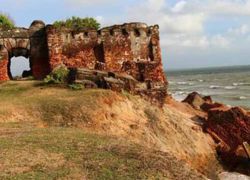
Arippu Fort, located in the northern part of Sri Lanka near the Jaffna Peninsula, is a historic fort built during the colonial era. Its strategic location near the coast made it a vital military outpost, serving various foreign powers throughout Sri Lanka’s history, including the Portuguese, Dutch, and British. Today, Arippu Fort is a popular tourist destination and an important landmark for those interested in Sri Lanka’s colonial history and military heritage. The fort offers breathtaking views of the surrounding landscapes, including the Palk Bay, and serves as a reminder of the island's turbulent colonial past. How to Reach Arippu Fort Arippu Fort is located approximately 20 kilometers southeast of Jaffna, making it easily accessible by car or tuk-tuk from the city. To reach Arippu Fort, you can drive south from Jaffna along the A9 highway, then take the road leading to the fort. The journey takes around 30 to 45 minutes, depending on traffic conditions. If you are traveling from Colombo to Jaffna, you can take a flight to Jaffna International Airport (about 1.5 hours) or travel by bus or train (approximately 6 to 8 hours). Once you arrive in Jaffna, the fort is easily accessible by tuk-tuk, taxi, or local transport. Visitors can also rent a vehicle to explore the surrounding areas, including the beaches and other historical sites near the fort. Weather and Best Time to Visit Jaffna, including the area around Arippu Fort, experiences a tropical climate, characterized by warm temperatures and high humidity throughout the year. The best time to visit Arippu Fort is during the dry season, which runs from November to April. During these months, the weather is sunny and pleasant, ideal for exploring the fort and surrounding area. The wet season, from May to October, brings the southwest monsoon, which brings heavy rainfall and rough seas. Although the area is still accessible during the wet season, it’s advisable to check the weather before visiting to avoid any disruptions, especially if you plan to explore the outdoor areas of the fort or take a boat ride nearby. The dry season provides the most comfortable and enjoyable conditions for sightseeing. Entry and Visit Details Arippu Fort is open to the public year-round, and there is no official entry fee. However, visitors are encouraged to make voluntary donations to help with the maintenance of the fort and the surrounding area. The fort is typically open from early morning (around 7:00 AM) to late afternoon (around 6:00 PM), with the best time to visit being early in the morning or later in the afternoon to avoid the midday heat. While there are no formal tourist facilities or guided tours available at the fort, visitors can explore the site at their own pace. It’s advisable to wear comfortable shoes, as there may be some uneven ground to navigate. The fort is surrounded by nature, and visitors are encouraged to respect the natural environment by avoiding littering and keeping the area clean. Why Famous for Arippu Fort? Arippu Fort is famous for its historical significance and strategic location. Originally built by the Portuguese in the 17th century, it was later taken over by the Dutch and used as a military outpost. The fort’s location along the coast was crucial during the colonial era, as it served as a stronghold for defending the Jaffna Peninsula and controlling sea routes. The fort’s strategic position allowed the occupying forces to monitor the movement of ships in the Palk Bay, which was important for trade and military operations. In addition to its military importance, Arippu Fort is also famous for its architectural features. The fort’s ruins, including its ramparts, watchtowers, and bastions, are a testament to the military engineering of the time. The fort is a popular spot for history enthusiasts, photographers, and those interested in Sri Lanka’s colonial past. The surrounding area also offers scenic views of the Palk Bay, adding to the fort’s appeal as a picturesque location for visitors. History and Architecture of Arippu Fort Arippu Fort was originally constructed by the Portuguese in 1621 as a strategic military base to control the northern coastline of Sri Lanka. The fort was built with thick stone walls and a series of defensive features, including bastions and a moat. It was strategically positioned near the mouth of the Jaffna Lagoon, allowing the Portuguese to monitor naval traffic and defend against potential attacks. In the 17th century, the Dutch took control of the fort after defeating the Portuguese in the region. The Dutch made several modifications to the fort, reinforcing the defensive structures and expanding its facilities. During the British colonial period, the fort was further used as a military outpost, though its significance waned over time as the British expanded their control over Sri Lanka. Today, the fort is in a semi-ruined state, but much of its original structure still stands. Visitors can explore the fort’s ramparts, which offer a panoramic view of the surrounding landscape, including the Palk Bay and the nearby islands. The remnants of the fort’s watchtowers and walls are still visible, and there are several well-preserved sections that offer insight into the fort’s former glory. Things to Do at Arippu Fort While Arippu Fort is primarily a historical site, visitors can enjoy several activities and experiences while exploring the fort and the surrounding area. Some of the top things to do include: Explore the Fort: Walk around the fort’s ramparts, bastions, and ruins to get a sense of its historical significance. The views from the top of the fort are spectacular, offering a panoramic perspective of the coastline and nearby islands. Photography: The fort, with its colonial architecture and scenic surroundings, is a fantastic spot for photography. Capture the beauty of the landscape and the fort’s ruins, which create an atmospheric setting for photos. Visit Nearby Beaches: Arippu Fort is located near several beaches, including the famous Casuarina Beach. Take a walk along the beach, swim in the calm waters, or simply relax by the shore. Bird Watching: The area around the fort is home to various bird species, making it an excellent spot for bird watching. Early mornings and late afternoons are the best times to observe the local birdlife. Local Village Exploration: Take a short trip to the nearby villages to experience the local culture and lifestyle. The villages around Arippu Fort offer a glimpse into rural life in northern Sri Lanka. Facts and Tips about Arippu Fort Arippu Fort is an important historical site, having been controlled by the Portuguese, Dutch, and British over the centuries. The fort offers stunning views of the surrounding landscape, making it a great spot for photography and sightseeing. Wear comfortable shoes and bring water, as the fort is located in an open area with limited facilities nearby. The best time to visit is during the dry season (November to April), when the weather is ideal for exploring the fort and the surrounding area. Be respectful of the site’s historical significance and the local community while visiting the fort. It is important to keep the area clean and avoid disturbing the environment. If you’re interested in learning more about the fort’s history, consider hiring a local guide who can provide deeper insights into the site’s past. Conclusion Arippu Fort is a fascinating historical site that offers visitors a unique glimpse into Sri Lanka’s colonial past. With its strategic location, rich history, and beautiful surroundings, the fort is an excellent destination for history enthusiasts, photographers, and nature lovers alike. Whether you're exploring the ruins, taking in the scenic views, or enjoying the nearby beaches, a visit to Arippu Fort is a rewarding experience that provides both cultural enrichment and natural beauty.
Explore More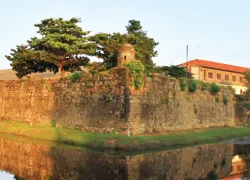
Batticaloa Fort, located in the heart of Batticaloa town in Eastern Sri Lanka, is one of the most historically important and visually stunning colonial structures in the region. Built in 1628 by the Portuguese and later expanded and reinforced by the Dutch and British, the fort stands as a strong reminder of centuries of colonial rule and maritime trade in Sri Lanka. Surrounded by the serene waters of the Batticaloa Lagoon on three sides, the fort offers panoramic views, lush greenery, stone ramparts, ancient administrative buildings, and a peaceful environment that connects history with nature. Today, Batticaloa Fort is a popular attraction among tourists, historians, students, and photographers who want to explore Sri Lanka’s colonial past. The fort also houses some government offices, which keeps it actively in use while preserving its historical significance. The sense of calm, combined with the unique blend of Portuguese and Dutch architecture, makes Batticaloa Fort a must-visit destination when exploring the Eastern Province. How to Reach Batticaloa Fort Batticaloa Fort is centrally located and easily accessible by several modes of transportation. By Road: Visitors from Colombo can reach Batticaloa via the Kandy–Polonnaruwa route or the Southern coastal highway. The journey by car or bus takes around 6–7 hours. There are also frequent private and public buses from Colombo, Kandy, Trincomalee, Polonnaruwa, and Ampara. Once in Batticaloa town, the fort is only a few minutes from the main bus stand and can be reached by tuk-tuk, taxi, or even on foot. By Train: The Batticaloa Railway Station is well connected with the Colombo–Batticaloa line. Travelers can book a seat on daily trains from Colombo Fort or Maradana and enjoy a scenic ride through forests, plains, and rural landscapes. From the rail station, Batticaloa Fort is just a short drive away. By Air: Domestic flights to Batticaloa Airport provide a quick travel option from Colombo. From the airport, taxis or local transport can take visitors to the fort within 10–15 minutes. Weather at Batticaloa Fort Batticaloa has a warm tropical climate throughout the year. Average temperatures range between 26°C and 32°C. The dry months from April to September are the most suitable for exploring the fort, with clear skies and pleasant breezes from the lagoon. The monsoon season between October and January brings moderate to heavy rainfall, creating a refreshing and lush atmosphere around the fort walls and lagoon. Visitors who prefer cool weather should visit early in the morning or late afternoon to avoid midday heat, especially during the dry season. Evenings are particularly enjoyable due to gentle lagoon breezes and scenic lighting for photography. Timing to Visit Batticaloa Fort Batticaloa Fort is generally accessible throughout the day as it is an open historical site with some active administrative buildings inside. While it does not have formal opening and closing times, it is best visited between: • 7:00 AM to 6:00 PM – ideal for sightseeing, photography, and exploring the fort grounds. • Early morning – peaceful ambiance with softer sunlight and fewer crowds. • Late afternoon – perfect for enjoying lagoon views and cooler weather. Why Batticaloa Fort is Famous Batticaloa Fort is famous for its rich colonial history and scenic location on the edge of the lagoon. It is one of the few forts in Sri Lanka that has been influenced by three major colonial powers – the Portuguese, Dutch, and British. The fort is also known for its beautiful surroundings, featuring stone walls, ancient cannons, and lush vegetation. Additionally, the fort is located near the area where the legendary “singing fish of Batticaloa” were once heard – a mysterious natural phenomenon that attracted international attention when British officers recorded underwater musical sounds in the lagoon in the early 20th century. Batticaloa Fort remains one of the best-preserved landmarks in the Eastern Province, drawing history lovers, architecture enthusiasts, students, and travelers seeking peaceful cultural experiences. Entry and Visit Details There is no entry fee to visit Batticaloa Fort. Visitors can walk in freely and explore most areas of the fort. However, certain buildings inside are used by local government departments and may not be accessible to tourists. No prior permits are required for general visits, and the fort remains open most of the day. Visitors can explore: • Outer ramparts • Walkways and lookout points • Old administrative buildings • Tree-shaded courtyards • Lagoon-facing viewpoints Traditional guides are not always available on-site, but local tour operators can arrange guided historical tours of the fort and surrounding attractions if desired. History and Architecture The history of Batticaloa Fort is deeply connected to colonial struggles for control over trade routes and coastal territories in Sri Lanka. The Portuguese built the fort in 1628 to strengthen their influence in the East and protect their maritime interests. However, the Dutch soon expanded and reinforced the structure after capturing Batticaloa in the mid-17th century. Under their supervision, the fort gained additional defensive features such as wider ramparts, thicker walls, and administrative buildings suitable for governance. Later, during British rule, the fort continued to serve as a local administrative center. Although colonial military activities eventually declined, the British maintained the fort’s structural integrity. The architectural design of Batticaloa Fort includes: • Solid granite ramparts surrounding the fort • Moats and natural defenses provided by the lagoon • Vaulted chambers and storerooms • Dutch-style interior buildings with thick walls and sloping roofs • Cannon mounts and vantage points for surveillance The fort’s strategic placement over water made it easier to defend and visually linked it to the maritime activity that defined the region. Things to Do at Batticaloa Fort • Explore Colonial History: Learn about the fort’s Portuguese, Dutch, and British past through plaques, remains, and architectural designs. • Photography: Capture dramatic shots of the lagoon, fort walls, colonial buildings, and surrounding greenery. • Nature Walks: Stroll along shaded paths and ramparts that overlook the water and mangroves. • Viewpoint Sightseeing: Enjoy panoramic views of Batticaloa town and the tranquil lagoon. • Sketching and Art: The picturesque location provides excellent inspiration for artists. • Cultural Exploration: Observe local life as people commute, work, and relax around the fort grounds. Interesting Facts About Batticaloa Fort • The fort was originally constructed by the Portuguese in 1628. • The Dutch expanded and strengthened it after taking control of Batticaloa. • The British later used it as a government administrative center. • It is surrounded by the Batticaloa Lagoon on three sides, making it naturally defensible. • The area near the fort is connected with the famous “singing fish” phenomenon. Tips for Visiting Batticaloa Fort • Visit during early morning or late afternoon for comfortable temperatures and beautiful lighting. • Wear comfortable walking shoes as the fort grounds are large and uneven in places. • Carry drinking water, sunscreen, and a hat during sunny days. • Respect areas that are in active government use and avoid entering restricted offices. • Bring a camera or binoculars to enjoy lagoon views and birdlife. • Combine the visit with nearby attractions like Kallady Bridge and Batticaloa Lagoon for a complete experience.
Explore More