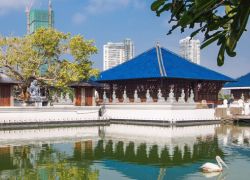
Seema Malaka is a serene Buddhist temple situated in the heart of Colombo, Sri Lanka. This peaceful sanctuary is located on the Beira Lake, offering a unique blend of religious significance, architectural beauty, and tranquil surroundings. The temple is a popular spot for both locals and tourists, known for its picturesque location and its spiritual atmosphere. Seema Malaka is not just a place of worship but also a venue that reflects the peaceful nature of Buddhism, making it one of Colombo's must-visit landmarks. How to Reach Seema Malaka Temple Seema Malaka Temple is centrally located in Colombo, making it easily accessible from various parts of the city. Here’s how you can reach the temple: By Car/Taxi: The most convenient way to reach Seema Malaka Temple is by taxi or private car. The temple is located near the Colombo city center, and it’s about a 10-15 minute drive from the Colombo Fort area. If you're coming from the popular Galle Face Green, it will take around 5-10 minutes by car. By Bus: Public buses operate throughout Colombo, and you can reach the temple by taking a bus that stops near Beira Lake. Once you get off, it's a short walk to the temple. By Train: Colombo Fort Railway Station is the main station in the city. From there, a short taxi or tuk-tuk ride will take you to Seema Malaka Temple, which is about 2 km away. Weather in Colombo Colombo enjoys a tropical climate with year-round warm temperatures and high humidity. The average temperature ranges between 26°C (79°F) and 31°C (88°F), with the hottest months being from March to May. Colombo also experiences two monsoon seasons – the southwest monsoon from May to September and the northeast monsoon from December to February. The best time to visit Seema Malaka Temple is during the dry months of December to March when the weather is more pleasant. Make sure to wear light clothing and carry sunscreen to stay comfortable during your visit, especially in the afternoon when the sun can be strong. Why Famous for Seema Malaka Temple Seema Malaka Temple is famous not only for its serene setting on Beira Lake but also for its distinct and stunning architecture. The temple was designed by the renowned architect Geoffrey Bawa, one of Sri Lanka’s most celebrated architects. It is a place of great spiritual significance, as it serves as a meditation center for Buddhist monks and laypeople alike. The temple is unique in that it is situated on a platform that floats on the lake, with walkways leading to the temple from the shore, giving it a tranquil and almost ethereal feel. The temple is also an important part of Colombo's cultural and religious heritage. It was originally built in the 19th century but was later reconstructed in the 1970s. The temple is dedicated to meditation and is often used for various religious ceremonies and rituals. The beauty of its surroundings, with views of the lake and the city skyline, makes it one of the most peaceful places in Colombo to reflect and meditate. Entry and Visit Details about Seema Malaka Temple Visiting Seema Malaka Temple is a serene experience, and there are a few important details to keep in mind when planning your visit: Opening Hours: Seema Malaka Temple is open every day from 6:00 AM to 6:00 PM. The temple is accessible to visitors throughout the day, and you can visit at any time to enjoy the calm atmosphere and beautiful views. Entry Fee: Entry to Seema Malaka Temple is free, but donations are welcome. As the temple is a place of religious significance, visitors are encouraged to respect the spiritual environment and, if desired, make a small donation to support the temple’s upkeep. Dress Code: As a place of worship, visitors are expected to dress modestly. It is recommended to wear long pants or skirts and cover your shoulders as a sign of respect for the temple and its religious significance. Facilities: The temple is surrounded by beautiful landscaped gardens, and there is a peaceful ambiance that invites visitors to relax and meditate. There are no extensive amenities on the premises, but there are nearby cafes and shops where you can grab a drink or snack after your visit. History and Architecture of Seema Malaka Temple The Seema Malaka Temple was originally constructed in 1856 by the British Governor of Ceylon, Sir William Gregory, and was dedicated to the monk’s meditation. However, the current temple structure was designed by the famed Sri Lankan architect Geoffrey Bawa, who is best known for his innovative and modernist architectural style. The temple was rebuilt in 1976 after the original structure was destroyed. The design of Seema Malaka Temple is striking and modern yet deeply rooted in Buddhist traditions. The temple features a large central building, which is surrounded by smaller pavilions and meditation spaces. The layout of the temple is symmetrical, with a central platform that connects to the shore of Beira Lake by a series of wooden walkways. The temple's wooden columns and low, sloping roofs create an open, airy atmosphere that invites visitors to relax and contemplate. The temple is adorned with various Buddhist statues, including a large image of the Buddha, as well as smaller statues of monks and other figures from Sri Lanka's Buddhist tradition. The surrounding water adds to the sense of peace, making the temple an ideal spot for meditation and reflection. The calmness of the lake and the surrounding greenery create a serene environment that enhances the spiritual experience. Things to Do at Seema Malaka Temple While visiting Seema Malaka Temple, you can enjoy several peaceful activities that allow you to connect with the tranquil atmosphere of the temple. Here are some things to do during your visit: Meditate: Seema Malaka is a place of meditation and reflection, and it offers a peaceful environment to practice mindfulness or engage in meditation. Whether you're a seasoned practitioner or a beginner, the calm surroundings make it an ideal place to clear your mind and relax. Take Photos: The scenic location of the temple, with its beautiful architecture and views of Beira Lake, makes it a great spot for photography. Capture the unique architectural details of the temple and its serene surroundings. Observe Buddhist Rituals: If you're visiting during a religious ceremony or festival, you can observe the Buddhist rituals and offerings performed by monks and devotees. It's an opportunity to learn about the spiritual practices of Sri Lanka’s Buddhist community. Enjoy the Garden: The temple is surrounded by lush greenery and beautiful landscaping. Take a leisurely walk through the gardens or sit by the lake and enjoy the peaceful atmosphere. Facts about Seema Malaka Temple Seema Malaka was designed by the renowned Sri Lankan architect Geoffrey Bawa in the 1970s, although the temple's origins date back to the 19th century. The temple is situated on a platform over Beira Lake, with walkways connecting the temple to the shore. It is primarily used as a place for meditation and religious ceremonies and is a peaceful retreat in the bustling city of Colombo. The temple is home to various Buddha statues and figures from Sri Lanka's Buddhist history, making it an important religious and cultural site. Tips for Visiting Seema Malaka Temple Visit Early: To enjoy the peace and serenity of the temple, it’s best to visit early in the morning when the temple is less crowded. Respect the Environment: As a place of worship, it’s important to maintain a respectful attitude during your visit. Keep noise levels low and be mindful of your surroundings. Photography: Photography is allowed, but avoid using flash photography in areas with religious statues and sacred items. Combine with Other Attractions: After visiting Seema Malaka, you can take a walk around Viharamahadevi Park or explore the nearby Gangaramaya Temple, another famous religious site in Colombo.
Explore More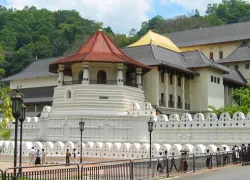
Temple of the Tooth (Sri Dalada Maligawa)
The Temple of the Tooth, also known as Sri Dalada Maligawa, is a sacred Buddhist temple located in the city of Kandy, Sri Lanka. It is one of the most important religious sites in the country and is considered a UNESCO World Heritage site. The temple houses the relic of the tooth of the Buddha, which is believed to be a symbol of protection and prosperity. Architecture of Temple of the Tooth (Sri Dalada Maligawa) The architecture of the Temple of the Tooth is a beautiful blend of traditional Sri Lankan and South Indian styles. The temple complex is surrounded by a moat and consists of several buildings, including the main shrine, the Golden Canopy, and the Octagon. The main shrine is adorned with intricate carvings and sculptures, and the roof is covered with gold leaf. History The history of the Temple of the Tooth dates back to the 4th century BC when the relic of the tooth of the Buddha was brought to Sri Lanka from India. Over the centuries, the temple has been renovated and expanded by various rulers, including the Kandyan kings and the British colonial government. The temple has survived numerous invasions and attacks and continues to be a place of worship for Buddhists around the world. Best Time To Visit The best time to visit the Temple of the Tooth is during the annual Esala Perahera festival, which usually takes place in July or August. During this festival, the relic of the tooth is paraded through the streets of Kandy in a grand procession, accompanied by dancers, drummers, and elephants. The festival is a vibrant celebration of Sri Lankan culture and attracts thousands of visitors from around the world. How To Reach The Temple of the Tooth is located in the heart of Kandy, making it easily accessible by road or public transportation. From Colombo, the capital city of Sri Lanka, you can take a train or bus to Kandy, which takes approximately 3-4 hours. Once in Kandy, the temple is a short walk or tuk-tuk ride away from the city center. Significance Of The Temple of the Tooth (Sri Dalada Maligawa) The Temple of the Tooth holds great significance for Buddhists around the world as it houses the relic of the tooth of the Buddha, which is believed to bring blessings and protection to those who visit the temple. The temple is also an important cultural and historical landmark in Sri Lanka, showcasing the rich heritage of the country. Visiting the Temple of the Tooth is a spiritual experience that allows visitors to immerse themselves in the ancient traditions and beliefs of Buddhism. In conclusion, the Temple of the Tooth (Sri Dalada Maligawa) in Kandy is a sacred and culturally significant site that offers a unique glimpse into the religious and historical heritage of Sri Lanka. Whether you are a devout Buddhist or a curious traveler, a visit to this revered temple is sure to leave a lasting impression on your heart and mind.
Explore More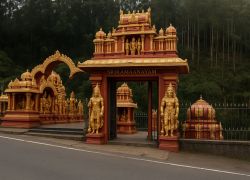
Seetha Amman Temple is a Hindu temple located in the picturesque town of Nuwara Eliya in Sri Lanka's central highlands. Situated amidst the lush green hills, this temple is dedicated to Goddess Seetha, the wife of Lord Rama. According to local legend, the temple is built at the site where Seetha was held captive by the demon king Ravana during the events of the Ramayana, an ancient Indian epic. The temple’s spiritual significance, its historical connection to the Ramayana, and the stunning natural surroundings make it a must-visit site for both pilgrims and tourists. How to Reach Seetha Amman Temple, Nuwara Eliya Seetha Amman Temple is located about 5 kilometers from the main town of Nuwara Eliya, and it is easily accessible by car, tuk-tuk, or public transport. Here are some ways to reach the temple: By Car: The most convenient way to reach the temple is by car or taxi. The journey from Nuwara Eliya to the temple takes around 15 minutes, with a well-maintained road leading up to the entrance. By Tuk-Tuk: Tuk-tuks are widely available in Nuwara Eliya and are an affordable way to travel to Seetha Amman Temple. The fare should be reasonable for the short ride. By Public Bus: Public buses run from the town center to the temple area, though the schedule may not always be regular. It’s advisable to check local bus timings before planning your visit. Weather at Seetha Amman Temple The climate in Nuwara Eliya is cool and temperate throughout the year, making it a pleasant destination regardless of the season. The weather at Seetha Amman Temple is no exception, as it is situated in the highlands of Sri Lanka. Temperature: The average temperature ranges from 15°C to 25°C (59°F to 77°F), providing a refreshing environment for visitors. Best Time to Visit: The best time to visit is from December to April when the weather is dry and clear, perfect for sightseeing and photography. Rainy Season: The rainy season in Nuwara Eliya usually lasts from May to October. While it may rain, this also enhances the lush, green surroundings of the temple, making it a peaceful time to visit for those who enjoy a quieter atmosphere. Timing of Seetha Amman Temple Seetha Amman Temple is open to the public every day. The temple’s timings are as follows: Opening Hours: The temple is open from 6:00 AM to 6:00 PM, allowing ample time for visitors to explore the temple and its surroundings. Best Time to Visit: Early morning and late afternoon are ideal times to visit, as the temple is less crowded, and the weather is cooler. Why is Seetha Amman Temple Famous? Seetha Amman Temple is famous not only for its religious significance but also for its strong connection to the ancient Hindu epic, the Ramayana. Here are some reasons why the temple is so renowned: Ramayana Connection: The temple is believed to be built on the spot where Seetha Devi, the wife of Lord Rama, was held captive by the demon king Ravana. According to legend, Seetha was brought to this location during her abduction, and the temple marks the site of her imprisonment. Legend of the Ashoka Tree: A significant feature of the temple complex is the Ashoka tree. According to the Ramayana, Seetha was confined near this tree and prayed for Lord Rama’s rescue. Today, the tree is considered sacred, and visitors often stop to admire it. Spiritual Significance: The temple is a place of deep spiritual significance for Hindus, as it is dedicated to Seetha, a revered figure in the Ramayana. It attracts numerous devotees who come to pay their respects and offer prayers. Scenic Location: The temple is set against a beautiful backdrop of mist-covered mountains and lush greenery. The serene atmosphere and picturesque setting make it a peaceful retreat for visitors seeking solitude and spiritual reflection. Entry and Visit Details About Seetha Amman Temple Visiting Seetha Amman Temple is an enriching experience for both spiritual seekers and tourists alike. Here are the key details for entry and visiting the temple: Entry Fee: There is no entry fee to visit Seetha Amman Temple, making it an affordable destination for travelers. However, donations to the temple are welcomed and appreciated by the local community. Facilities: The temple offers basic facilities for visitors, including a small shop where you can buy offerings, souvenirs, and religious items. There are also prayer halls where you can participate in religious ceremonies. Guided Tours: Guided tours are available for those interested in learning more about the history and significance of the temple. Knowledgeable guides can share the legend of Seetha Devi and the temple’s role in the Ramayana. History and Architecture of Seetha Amman Temple The history of Seetha Amman Temple is deeply rooted in the ancient Hindu epic, the Ramayana. According to the legend, after Seetha’s abduction by Ravana, she was brought to the island of Sri Lanka and held captive in the area near Nuwara Eliya. The temple was built to honor her, and it is believed to be the exact spot where she was imprisoned and prayed for her rescue. The architecture of the temple is typical of traditional South Indian style, with intricately carved stone pillars, vibrant murals, and sculptures of Hindu deities. The main deity of the temple is Seetha Devi, whose statue is placed in the center of the temple. The temple also features a large open courtyard where visitors can relax and enjoy the tranquil atmosphere. Things to Do at Seetha Amman Temple There are several activities that visitors can enjoy at Seetha Amman Temple, making it a fulfilling experience for both religious devotees and nature lovers: Offer Prayers: Visitors can offer prayers and participate in the religious ceremonies held at the temple. The priests conduct daily rituals and special events, especially during Hindu festivals. Visit the Ashoka Tree: The Ashoka tree, under which Seetha was allegedly held captive, is a major attraction at the temple. Visitors often take a moment to reflect or meditate under the tree. Photography: The temple and its surroundings offer plenty of opportunities for photography. Capture the beauty of the temple, the Ashoka tree, and the breathtaking landscape. Walk Around the Gardens: The temple is surrounded by well-maintained gardens and lush greenery. Take a peaceful walk through the area and enjoy the serenity of the environment. Interesting Facts About Seetha Amman Temple The temple is one of the few places in Sri Lanka that is associated with the Ramayana, attracting pilgrims from India and around the world. The Seetha Amman Temple is located near several other important Ramayana-related sites in Sri Lanka, including Ravana Falls and the Cave of Seetha. The Ashoka tree in the temple is said to be over 100 years old, and it is considered a sacred site for Hindus. Local legend also suggests that the temple was constructed by Lord Rama himself, in gratitude for Seetha’s unwavering faith and strength during her captivity. Tips for Visiting Seetha Amman Temple Dress Modestly: As the temple is a sacred site, visitors are advised to dress modestly. Women should cover their shoulders, and men should avoid wearing shorts. Respect the Rituals: If you visit during a religious ceremony, be respectful of the rituals being performed. Observe quietly and avoid interrupting the proceedings. Bring Offerings: It is customary to bring flowers or fruits as offerings when visiting the temple. These can be purchased from small vendors near the entrance. Best Time to Visit: Try to visit early in the morning or late afternoon to avoid the crowds and to enjoy the cooler temperatures.
Explore More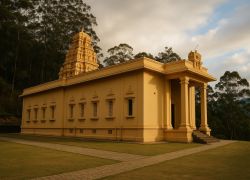
Located in the picturesque town of Nuwara Eliya in Sri Lanka’s central highlands, the **Sri Bhakta Hanuman Temple** is a famous religious site dedicated to Lord Hanuman, the Hindu deity revered for his strength, loyalty, and devotion. The temple is not only a significant place of worship but also a fascinating cultural landmark that draws visitors from around the world, especially those with an interest in Hindu mythology and Sri Lanka's rich spiritual heritage. How to Reach Sri Bhakta Hanuman Temple The Sri Bhakta Hanuman Temple is situated in the Ramboda area, approximately 27 kilometers (17 miles) from Nuwara Eliya. Getting to the temple involves a scenic drive through the hills and tea estates, making the journey itself a memorable experience. Here’s how you can reach the temple: By Car: The most convenient way to reach the temple is by car. From Nuwara Eliya, you can drive towards Kandy, and the temple is located on the Nuwara Eliya-Kandy Road (A5). The drive takes around 1 hour, offering a chance to enjoy the beautiful hill country landscape. By Tuk-Tuk: Tuk-tuks are a popular mode of transportation in Sri Lanka, especially for tourists. You can hire a tuk-tuk from Nuwara Eliya to take you to the temple. The ride will be both affordable and a fun experience as you travel through the scenic roads of the region. By Bus: If you're traveling by public transport, you can take a bus from Nuwara Eliya to Kandy and get off at Ramboda. From there, it's a short walk or tuk-tuk ride to the temple. Weather at Sri Bhakta Hanuman Temple The weather around the Sri Bhakta Hanuman Temple is typically cool, as it is located in the central highlands of Sri Lanka. The climate in the area is mild and temperate, with temperatures ranging from 15°C to 25°C (59°F to 77°F) year-round. Here's what you can expect weather-wise: Best Time to Visit: The best time to visit the temple is during the dry season, from December to March, when the weather is pleasant and the skies are mostly clear. This is also the best time to enjoy the surrounding tea estates and natural beauty without the interruption of heavy rain. Rainy Season: The rainy season in Nuwara Eliya lasts from April to November. While the temple can still be visited during this time, heavy rains may cause the roads to become slippery and the trails around the temple to be muddy. Timing of the Sri Bhakta Hanuman Temple The temple is open every day, and visitors are welcome throughout the day. However, the best time to visit is in the early morning or late afternoon, when the weather is cooler and the temple is less crowded. The temple typically sees more visitors during religious festivals, so if you're looking for a more peaceful experience, it’s advisable to avoid peak times. Why is Sri Bhakta Hanuman Temple Famous? The Sri Bhakta Hanuman Temple is famous for several reasons. It is not only a place of worship but also a site of historical and cultural significance. Some of the key reasons for its popularity include: Mythological Significance: The temple is dedicated to Lord Hanuman, a central figure in the Ramayana, one of the most important Hindu epics. The story goes that Lord Hanuman visited Sri Lanka during the great battle between Lord Rama and the demon king Ravana, and the temple is believed to be a place that Lord Hanuman visited during his journey. This association with the Ramayana makes the temple an important pilgrimage site for Hindus. Cultural Heritage: The temple represents the rich spiritual heritage of Sri Lanka, where Hinduism has had a deep influence, especially in the Tamil-majority areas of the country. It is one of the key Hindu temples in the region, attracting devotees and tourists alike. Scenic Location: The temple is set in a beautiful location surrounded by lush greenery, mountains, and tea plantations, offering visitors both spiritual and visual experiences. The picturesque backdrop of the Ramboda Valley adds to the charm of the site. Entry and Visit Details About Sri Bhakta Hanuman Temple Entry to the Sri Bhakta Hanuman Temple is free, as it is a place of religious worship. Visitors are encouraged to respect the local customs and traditions when visiting the temple. Some important details for visitors include: Dress Code: As with most Hindu temples, visitors are expected to dress modestly. It is advisable to wear long pants or skirts and cover the shoulders when entering the temple premises. Donations: While entry to the temple is free, donations are welcome to support the temple's upkeep and community projects. You can make offerings at the temple or contribute to the donation box available at the site. Facilities: The temple is well-maintained, with clean facilities available for visitors. There are no significant amenities nearby, so it's advisable to bring water and snacks for your visit, especially if you plan to spend a long time at the temple. History and Architecture of Sri Bhakta Hanuman Temple The Sri Bhakta Hanuman Temple was built to honor Lord Hanuman and is said to be located near the place where Lord Hanuman is believed to have prayed during his visit to Sri Lanka. The temple was constructed with the support of both the local Hindu community and international devotees, particularly those from India. The architecture of the temple reflects traditional South Indian temple design, with intricate carvings of Hindu deities and scenes from the Ramayana. The temple’s bright orange and gold exterior, combined with the serene surroundings, create an inviting and spiritual atmosphere for visitors. Things to Do at Sri Bhakta Hanuman Temple While visiting the Sri Bhakta Hanuman Temple, there are a few activities and experiences you can enjoy: Offer Prayers: The main activity at the temple is to offer prayers to Lord Hanuman. Devotees often light incense and offer flowers and fruits at the temple altar. Explore the Surroundings: Take some time to explore the lush surroundings of the temple. The area around the temple is peaceful, with scenic views of the mountains, tea plantations, and valleys. Learn About the Ramayana: If you’re interested in Hindu mythology, take time to learn about the story of Lord Hanuman and his connection to Sri Lanka as depicted in the Ramayana. There are various mythological references and artifacts around the temple that bring the legend to life. Photography: The temple, with its colorful architecture and scenic backdrop, is a great spot for photography. Be sure to capture the beauty of the temple and the surrounding landscape. Interesting Facts About Sri Bhakta Hanuman Temple The temple is built at a site believed to be a place where Lord Hanuman rested during his journey to Sri Lanka in the Ramayana. It is a popular pilgrimage site for Hindus from both Sri Lanka and India, especially during religious festivals and special events. The temple is surrounded by tea estates, making it a peaceful and picturesque place to visit. In addition to being a religious site, the temple is also a cultural and historical landmark in the hill country of Sri Lanka. Tips for Visiting Sri Bhakta Hanuman Temple Respect Local Customs: As the temple is a place of worship, always respect the local customs and traditions. Be mindful of the rules about photography and attire. Visit Early or Late: For a more peaceful experience, visit the temple early in the morning or late in the afternoon when the temple is less crowded. Bring a Hat or Sunscreen: Since the temple is located in a hill station with moderate temperatures, it's advisable to bring a hat or sunscreen for protection from the sun. Check for Special Events: If you are interested in witnessing a religious ceremony, check the temple’s calendar for festivals and special prayers dedicated to Lord Hanuman.
Explore More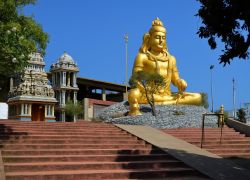
Koneswaram Temple is a magnificent Hindu temple located in Trincomalee, Sri Lanka. It is dedicated to Lord Shiva and is one of the most important and ancient temples in the country, attracting both religious pilgrims and tourists alike. The temple is perched on a beautiful promontory, offering stunning views of the Indian Ocean, making it a must-visit destination in Sri Lanka. How to Reach Koneswaram Temple Getting to Koneswaram Temple is relatively easy. The temple is located in Trincomalee, a coastal city on the northeastern coast of Sri Lanka. The best way to reach Trincomalee is by road, with several buses and private transport options available from Colombo, Kandy, and other major cities. The drive from Colombo to Trincomalee takes about 6-7 hours, while from Kandy, it takes around 4-5 hours. Once in Trincomalee, the Koneswaram Temple is situated on Swami Rock, a short distance from the town center. You can reach the temple by hiring a tuk-tuk or taking a local bus. The temple is well-marked, and its location is easy to find with the help of locals. Weather at Koneswaram Temple Trincomalee has a tropical climate, with warm temperatures year-round. The best time to visit Koneswaram Temple is during the dry season, which lasts from May to September. The temperatures during this time range between 25°C to 30°C, making it ideal for sightseeing. The monsoon season, from October to December, brings heavy rains, so it is advisable to plan your visit accordingly. Timing of the Temple The Koneswaram Temple is open to visitors every day of the week. The temple’s timings are as follows: Morning Pooja: 5:30 AM - 7:30 AM Afternoon Pooja: 12:00 PM - 2:00 PM Evening Pooja: 6:00 PM - 8:00 PM It is best to visit early in the morning or late in the afternoon to experience the temple's serene atmosphere. You can also witness the daily rituals and prayers performed by the priests. Why Famous for Koneswaram Temple, Trincomalee, Sri Lanka? Koneswaram Temple is famous for its rich religious significance and stunning location. It is known as the "Temple on the Sea" due to its dramatic position overlooking the ocean from Swami Rock. The temple is dedicated to Lord Shiva and is an important pilgrimage site for Hindus in Sri Lanka and around the world. It is believed that the temple has been in existence for over 2,000 years, and it is closely associated with the ancient history of Sri Lanka’s Hindu traditions. The temple is also renowned for its beautiful architecture, intricate carvings, and peaceful surroundings. The panoramic views of the Indian Ocean from the temple make it a remarkable spot for photography and reflection. Entry and Visit Details Visitors to Koneswaram Temple are required to pay a nominal entry fee. The temple is open to all, regardless of religious background, and welcomes tourists who wish to explore its beauty and historical significance. There are dress code requirements to respect the sanctity of the temple; visitors are expected to dress modestly (covering shoulders and knees). It is advisable to remove shoes before entering the temple grounds. History of Koneswaram Temple The history of Koneswaram Temple dates back over 2,000 years, with early references to it found in the Tamil literature and ancient Sri Lankan texts. The temple was originally a part of the ancient kingdom of the Tamil Chola dynasty, and it is believed to have been established as early as the 3rd century BCE. Over time, the temple was expanded and renovated by various rulers, including the Portuguese and Dutch colonial powers. One of the most significant historical events related to Koneswaram Temple is the destruction of the original temple by the Portuguese in the 17th century. The temple was later rebuilt in the 1950s, preserving much of its original design and spiritual significance. Architecture of Koneswaram Temple The architecture of Koneswaram Temple is a fine example of Dravidian style, featuring intricate carvings, sculptures, and detailed stonework. The temple complex includes a series of shrines, altars, and statues dedicated to Lord Shiva and other Hindu deities. The most striking feature of the temple is its towering gopuram (gateway tower), which is adorned with colorful statues and carvings. The temple also features a large courtyard, and the inner sanctum houses a revered idol of Lord Shiva, where daily rituals are performed. The peaceful surroundings of the temple, combined with its beautiful ocean views, create a serene atmosphere for worshippers and visitors alike. Things to Do at Koneswaram Temple While visiting Koneswaram Temple, here are a few things you can do: Participate in the daily poojas and rituals. Admire the intricate carvings and sculptures inside the temple. Take a leisurely walk around the temple grounds and enjoy the ocean views. Visit the nearby Koneswaram point, known for its stunning vistas of the sea. Explore the nearby beaches of Trincomalee, such as Uppuveli and Nilaveli. Facts and Tips About Koneswaram Temple The temple is sometimes referred to as the "Temple of 1,000 Pillars" due to the numerous stone pillars that adorn the structure. It is believed that the temple was originally built by the ancient Tamil king, Raja Koneswara, and it has been a place of worship for centuries. Visitors are advised to dress modestly and remove their shoes before entering the temple. The temple is an important pilgrimage site during the Maha Shivaratri festival, when thousands of devotees visit to offer prayers. Conclusion Koneswaram Temple in Trincomalee is a beautiful blend of history, culture, and spirituality. Its ancient roots, stunning architecture, and breathtaking views make it a must-visit destination in Sri Lanka. Whether you are a devotee, a history enthusiast, or a traveler seeking natural beauty, Koneswaram Temple offers a memorable experience that will stay with you long after your visit.
Explore More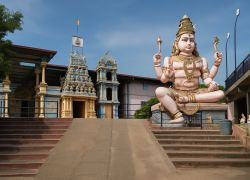
The Gokanna Temple, also known as the Koneswaram Temple, is one of the most revered Hindu temples in Sri Lanka, located in the picturesque town of Trincomalee. This ancient temple, dedicated to Lord Shiva, is situated on Swami Rock (also known as Konesar Malai), offering spectacular views of the Indian Ocean. Known for its religious significance and stunning location, the Gokanna Temple is an important pilgrimage site for Hindus and a must-visit for anyone exploring Trincomalee. How to Reach Gokanna Temple Reaching the Gokanna Temple is relatively easy from the center of Trincomalee. The temple is located around 2 kilometers from the main town, and there are various modes of transportation available to visitors. The most common way to reach the temple is by taxi or tuk-tuk. A tuk-tuk ride from Trincomalee town to the temple should take about 10-15 minutes. If you're traveling by car, the temple is well-signposted, and parking is available near the entrance. For those staying within Trincomalee, many hotels offer transport services or can arrange a tuk-tuk for you. The temple is also within walking distance from some of the nearby beaches, making it a convenient stop for tourists exploring the coastal area. Weather at Gokanna Temple Trincomalee has a tropical climate with warm temperatures throughout the year. The average temperature in Trincomalee ranges from 25°C to 30°C. The best time to visit Gokanna Temple is during the dry season, which lasts from May to September. During these months, the weather is sunny and ideal for sightseeing and exploring the temple. From October to January, Trincomalee experiences the northeast monsoon, bringing rain and higher humidity. Although it’s still possible to visit during this period, it’s advisable to check the weather forecast before planning your trip, as heavy rains could make the experience less comfortable, especially when visiting outdoor areas. Timing of Gokanna Temple The Gokanna Temple is open daily from 6:00 AM to 6:00 PM, allowing visitors to explore the temple and its surrounding areas at their own pace. The temple is an active place of worship, so it is a good idea to visit in the early morning or late afternoon to experience the peace and serenity of the temple before the crowds arrive. The evenings often feature devotional rituals and prayers, which provide a unique cultural experience for visitors. If you are planning to visit during religious festivals, the temple may be more crowded. Some of the most important Hindu festivals, such as **Maha Shivaratri**, are celebrated at Gokanna Temple, during which time the temple sees a large influx of devotees from across the island. Why Famous for Gokanna Temple, Trincomalee, Sri Lanka? The Gokanna Temple is famous for its religious significance as one of the most important Hindu temples in Sri Lanka. It is dedicated to Lord Shiva, one of the principal deities in Hinduism, and is considered a sacred site for Hindus, particularly those from Tamil communities. The temple’s location atop a hill offers visitors not only a spiritual experience but also breathtaking views of the Trincomalee coastline and the Indian Ocean. The temple is renowned for its intricate architecture, which combines traditional South Indian temple design elements with local influences. The surrounding area is also home to several smaller shrines and statues, contributing to the spiritual ambiance of the site. Gokanna Temple is also an important pilgrimage destination for those seeking blessings and offering prayers to Lord Shiva. Additionally, the temple is famous for its historical significance. It was originally built in the 3rd century BCE and has been an important place of worship for thousands of years. The site has seen various restorations over the centuries, and it remains a vibrant center of religious and cultural life in Trincomalee. Entry and Visit Details There is no entrance fee for visiting Gokanna Temple, making it accessible for all visitors. As a place of worship, it is important to maintain respectful behavior during your visit. Visitors are required to dress modestly, covering shoulders and knees as a sign of respect. Footwear is typically removed before entering the temple area, so be prepared to walk barefoot on the temple grounds. For those interested in learning more about the history and significance of the temple, guided tours are available. Local guides offer detailed explanations about the temple’s history, its rituals, and the significance of various statues and shrines. You can also purchase offerings such as flowers and incense from the nearby stalls to present at the temple. The temple is wheelchair accessible, and visitors with limited mobility can still enjoy the peaceful surroundings and visit the nearby viewpoints. It is also recommended to carry water, as the walk up to the temple can be strenuous in the heat. History of Gokanna Temple The history of Gokanna Temple dates back over two thousand years. It was originally constructed in the 3rd century BCE, making it one of the oldest temples in Sri Lanka. The temple was built to honor Lord Shiva, and its location on Swami Rock adds to its spiritual significance. According to local legends, the temple was once a place where pilgrims would come to worship and seek blessings for good health and prosperity. The temple has undergone several renovations and restorations over the centuries, with notable work done during the reign of the Chola dynasty in South India, who were strong patrons of Hinduism. The temple’s current structure reflects a blend of local and South Indian architectural styles, including intricately carved pillars, vibrant sculptures, and a large main sanctum dedicated to Lord Shiva. Despite facing challenges such as colonial invasions and the impact of war, Gokanna Temple has remained a central figure in the religious and cultural life of the local Hindu community. Today, it stands as a symbol of resilience and devotion, attracting thousands of pilgrims and tourists each year. Architecture of Gokanna Temple The architecture of Gokanna Temple is a testament to the rich cultural heritage of Sri Lanka. The temple’s design follows traditional South Indian temple architecture, characterized by large, towering gopurams (entrance towers), intricately carved stone sculptures, and detailed frescoes that adorn the walls and ceilings. The temple complex includes several shrines dedicated to various Hindu deities, with the main sanctum housing the central Shiva lingam. The central courtyard is surrounded by pillared halls, each showcasing carvings depicting scenes from Hindu mythology. The temple’s ornate design and the spiritual atmosphere make it a visually stunning site for visitors. From the top of the rock, the temple offers panoramic views of the surrounding area, including the deep blue waters of the Indian Ocean and the nearby beaches. The location of the temple on Swami Rock adds a natural element of beauty and tranquility to the architectural grandeur, making it a unique and awe-inspiring place to visit. Things to Do at Gokanna Temple Visiting the Gokanna Temple offers various activities for those interested in spirituality, photography, or cultural exploration: Prayer and Offering: Participate in prayers and make offerings to Lord Shiva at the main sanctum or smaller shrines around the temple. Photography: Capture the intricate carvings, beautiful sculptures, and panoramic views of the temple and its surroundings. Relax and Reflect: Take time to relax and enjoy the peaceful ambiance of the temple, surrounded by nature and the sea breeze. Guided Tours: Take a guided tour to learn more about the history and significance of the temple and the local legends associated with it. Facts and Tips About Gokanna Temple The temple is an active place of worship, so be mindful of local customs and respect the religious practices of the devotees. It’s best to visit in the early morning or late afternoon when the weather is cooler and the temple is quieter. Wear comfortable shoes and bring a hat or sunscreen, as there is a lot of walking involved, especially if you choose to climb the steps leading up to the temple. Be prepared to remove your shoes when entering the temple and cover your shoulders and knees. Conclusion Gokanna Temple in Trincomalee is an exceptional place to visit for those interested in history, culture, and religion. With its spiritual significance, beautiful architecture, and breathtaking views, it offers a peaceful and enriching experience. Whether you’re a devotee of Lord Shiva or simply a visitor exploring Sri Lanka’s rich heritage, the temple is a must-see destination that will leave you with lasting memories.
Explore More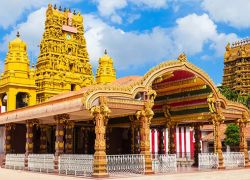
Nallur Kandaswamy Kovil, located in the heart of Jaffna, Sri Lanka, is one of the most significant and revered Hindu temples on the island. Dedicated to Lord Murugan (also known as Kandaswamy), this vibrant and colorful temple holds immense cultural and religious importance. It is not only a place of worship for locals but also a popular tourist destination, known for its beautiful architecture, intricate sculptures, and the annual Nallur Festival, which attracts thousands of devotees from around the world. How to Reach Nallur Kandaswamy Kovil Nallur Kandaswamy Kovil is located in Nallur, just about 5 kilometers from Jaffna city center, making it easy to access from various points in the region. To reach Jaffna from Colombo, you can fly directly to Jaffna International Airport or take a long-distance train or bus. The flight takes around 1.5 hours, while the train or bus ride from Colombo takes around 6 to 8 hours. Once you are in Jaffna, you can easily reach the temple by taxi, tuk-tuk, or local bus. The temple is well-known in the area, so locals can easily guide you. From Jaffna city, it is only a short tuk-tuk ride to Nallur, and it’s often a preferred mode of transport for visitors due to its affordability and convenience. Weather and Best Time to Visit Jaffna experiences a tropical climate, characterized by warm temperatures and high humidity year-round. The best time to visit Nallur Kandaswamy Kovil is during the dry season, which lasts from November to April. During these months, the weather is more pleasant, with less rainfall and clear skies, making it ideal for sightseeing and outdoor activities. However, the temple remains open throughout the year, and visiting in the off-season (May to October) allows you to avoid large crowds. The region’s climate can get quite hot during the midday, so it's best to plan your visit in the early morning or late afternoon to avoid the intense heat. Be sure to carry sunscreen, a hat, and water, especially if you're visiting during the hotter months. Entry and Visit Details Visiting Nallur Kandaswamy Kovil is free of charge, as it is a place of worship, but visitors are encouraged to make a small donation to support the temple’s maintenance and activities. The temple is open every day from early morning (around 5:30 AM) until late evening (around 8:00 PM). However, the temple is particularly busy during the morning and evening prayer times, which are great opportunities to witness the temple’s vibrant religious ceremonies and rituals. It’s customary for visitors to dress modestly when entering Hindu temples, and it is also important to remove your shoes before entering the temple premises. The temple has well-maintained grounds and a peaceful atmosphere, providing visitors with a spiritual experience. Photography is allowed in most parts of the temple, but it’s advisable to ask permission before taking photos of any religious ceremonies or images of worshippers. Why Famous for Nallur Kandaswamy Kovil? Nallur Kandaswamy Kovil is famous for several reasons. Firstly, it is one of the oldest and most important Hindu temples in Sri Lanka, with a history dating back over 400 years. The temple is dedicated to Lord Murugan, the Tamil god of war and victory, and is an important site for Tamil Hindus in Sri Lanka and the Indian subcontinent. The temple is particularly famous for its grand architecture, colorful sculptures, and detailed carvings that adorn its walls and gateways. The temple’s majestic entrance gate, known as the Raja Gopuram, is a striking feature and showcases beautiful carvings of Hindu deities and mythological stories. Another reason for the temple’s fame is its association with the Nallur Festival, an annual religious festival held in August or September. This festival draws large crowds of devotees from all over Sri Lanka and abroad to participate in the grand procession, prayers, and rituals in honor of Lord Murugan. History and Architecture of Nallur Kandaswamy Kovil Nallur Kandaswamy Kovil has a rich and fascinating history that dates back to the 10th century. The original temple was built in the 10th century during the reign of the Chola dynasty, but the current structure was constructed by the Dutch during their colonial rule in Sri Lanka in the 17th century. The temple has undergone several renovations and restorations over the years, with the most significant being in the 19th century, when the current structure was built in the South Indian Dravidian style. The architecture of the temple is a blend of traditional Tamil and South Indian architectural styles, with intricate carvings, vibrant murals, and towering gopurams (gateway towers). The main entrance of the temple features the grand Raja Gopuram, a towering structure adorned with beautiful sculptures of Hindu gods and goddesses. The temple’s inner sanctum houses a large statue of Lord Murugan, where devotees come to offer prayers and seek blessings. The temple’s surroundings are equally beautiful, with well-maintained gardens, a peaceful pond, and various shrines dedicated to other deities. The temple’s courtyards provide ample space for pilgrims and visitors to sit, meditate, and reflect. Things to Do at Nallur Kandaswamy Kovil When visiting Nallur Kandaswamy Kovil, there are several things you can do to enhance your experience: Witness Religious Ceremonies: One of the most significant aspects of visiting Nallur Kandaswamy Kovil is experiencing the vibrant religious ceremonies. The morning and evening prayer times are particularly lively, with chanting, offerings, and devotional music. It’s a great opportunity to witness the spiritual practices of Hindu worshippers. Explore the Temple Grounds: Take your time to explore the temple’s beautifully landscaped grounds. Admire the intricate carvings, murals, and sculptures that adorn the walls of the temple, and learn about the temple’s history through the various informative plaques and signs displayed around the premises. Participate in the Nallur Festival: If you visit during the Nallur Festival, you can take part in the grand procession and religious rituals that take place during the event. The festival is a vibrant and spiritual experience, with processions, music, dance, and prayers dedicated to Lord Murugan. Visit the Surrounding Area: Nallur is a tranquil area with several other points of interest, including the Jaffna Fort and various local markets. Take a walk around the area to immerse yourself in the local culture and lifestyle. Facts and Tips about Nallur Kandaswamy Kovil The temple is dedicated to Lord Murugan, a widely revered Hindu deity associated with war, victory, and courage. The temple is open daily, but the best time to visit is during the early morning or late evening to avoid the midday heat and witness the religious ceremonies. The Nallur Festival, held annually in August or September, is the most significant event at the temple and attracts thousands of devotees. When visiting the temple, it’s customary to dress modestly. Both men and women should cover their shoulders and knees as a sign of respect. Be sure to remove your shoes before entering the temple, as is customary at most Hindu temples in Sri Lanka. Photography is allowed in most areas of the temple, but always ask for permission before taking photos of worshippers or during religious ceremonies. Conclusion Nallur Kandaswamy Kovil is not only a religious hub for devotees but also a significant cultural landmark in Jaffna, Sri Lanka. With its magnificent architecture, rich history, and vibrant religious ceremonies, the temple offers visitors a unique and immersive experience into Sri Lanka’s Hindu traditions. Whether you're visiting for spiritual reasons, to appreciate the art and architecture, or to experience the Nallur Festival, the temple is a must-visit destination in the northern region of the island.
Explore More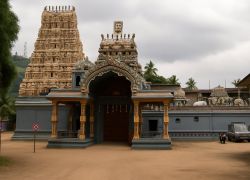
The Sri Muthumariamman Temple, located in the heart of Jaffna, Sri Lanka, is one of the most significant Hindu temples in the region. Dedicated to the Goddess Mariamman, who is believed to be the protector of crops, health, and rain, the temple holds deep spiritual importance for both locals and visitors. With its rich history, stunning architecture, and vibrant festivals, Sri Muthumariamman Temple is an iconic landmark in Jaffna and a must-visit destination for those interested in Sri Lanka’s religious and cultural heritage. How to Reach Sri Muthumariamman Temple The Sri Muthumariamman Temple is located in the city of Jaffna, the capital of the Northern Province of Sri Lanka. To reach the temple, travelers can fly to Jaffna International Airport (JAF) from Colombo, which takes approximately 1.5 hours. Alternatively, Jaffna is accessible by train (roughly 6 to 8 hours from Colombo) or bus (around 7 to 9 hours from Colombo), which are both affordable options for travelers. Once you arrive in Jaffna, the temple is centrally located and can be easily reached by tuk-tuk, taxi, or local buses from any part of the city. The temple is a short distance from key landmarks like the Jaffna Fort, making it convenient to explore both attractions in a single visit. Weather and Best Time to Visit Sri Muthumariamman Temple is situated in a tropical climate zone, meaning the weather is warm and humid throughout the year. The best time to visit Jaffna is during the dry season, which lasts from November to April. During this period, temperatures are typically between 27°C to 32°C (81°F to 90°F), making it ideal for exploring the temple and surrounding areas. However, it is important to note that the southwest monsoon season, from May to October, brings heavy rainfall to the region, which could make outdoor activities and travel less enjoyable. Therefore, it’s best to plan your visit during the dry season for optimal weather conditions. Entry and Visit Details There is no formal entry fee to visit the Sri Muthumariamman Temple, as it is a public place of worship. However, visitors are encouraged to make a small donation to support the temple’s maintenance and the local community. The temple is open daily from early morning to late evening, typically from 5:00 AM to 8:00 PM. It is important for visitors to dress modestly while visiting the temple. Both men and women should cover their shoulders and knees as a sign of respect for the sacred space. Footwear is not allowed inside the temple, so be prepared to remove your shoes before entering. Why Famous for Sri Muthumariamman Temple? The Sri Muthumariamman Temple is famous for several reasons. Firstly, it is one of the oldest and most revered temples in Jaffna, with a long history dating back centuries. It is dedicated to the Hindu goddess Mariamman, who is known for her powers to cure diseases and protect the community. The temple holds an important place in the spiritual lives of the local Tamil community and attracts many devotees throughout the year, particularly during religious festivals. The temple’s stunning architecture is another reason for its fame. The beautifully carved pillars, intricate sculptures, and colorful statues of gods and goddesses make it an architectural marvel. The temple is a perfect example of Dravidian-style architecture, with its grand entrance tower (known as the Rajagopuram) adorned with vibrant, intricately detailed figures of deities and mythological scenes. Moreover, Sri Muthumariamman Temple is renowned for hosting the annual Mariamman Festival, a vibrant and culturally rich celebration that draws thousands of pilgrims and visitors. This festival, which usually takes place in April or May, is filled with processions, traditional music, dancing, and rituals, creating a lively and immersive experience for all who attend. History and Architecture of Sri Muthumariamman Temple The origins of Sri Muthumariamman Temple are believed to trace back to the 19th century, although the exact date of its construction is unclear. The temple was built to honor Mariamman, a goddess widely worshipped in Tamil culture for her power to protect the harvests and cure diseases. The temple has undergone various renovations and expansions over the years, but its core architectural elements have remained intact. The architecture of Sri Muthumariamman Temple is a striking example of South Indian Dravidian style, which is characterized by its intricately carved stone pillars, massive gopurams (temple towers), and elaborate sculptures of deities. The temple’s colorful facade and vibrant carvings create a visually stunning impression for anyone who visits. One of the most notable features of the temple is the large central hall, which houses the main deity, Goddess Mariamman, in a beautifully decorated shrine. Visitors will also notice numerous other shrines and idols scattered throughout the temple complex, each dedicated to different gods and goddesses, reflecting the diversity of the Hindu pantheon. Things to Do at Sri Muthumariamman Temple Aside from visiting the main shrine and exploring the temple’s stunning architecture, there are several things to do at Sri Muthumariamman Temple that will enhance your experience: Participate in Religious Rituals: Visitors can observe or even participate in daily puja (worship) rituals. These include offerings of flowers, incense, and fruit to the deity, as well as prayers and chants. Explore the Temple Complex: Take time to explore the intricate sculptures and carvings that adorn the temple. From the entrance gopuram to the smaller shrines within the temple grounds, the artwork and architectural details are fascinating to admire. Attend the Mariamman Festival: If you visit during the festival season, you can witness one of the most important cultural and religious celebrations in Jaffna. The festival features processions, music, dance, and other traditional festivities that showcase the vibrancy of Tamil culture. Learn About Local Culture: The temple is an important hub for the local Tamil community, so visiting Sri Muthumariamman Temple provides an opportunity to learn more about Jaffna’s unique cultural and religious practices. Facts and Tips about Sri Muthumariamman Temple While the temple is open to everyone, it is primarily a place of worship for the local Tamil community, so be respectful of religious practices and customs. It is best to visit early in the morning or in the evening to avoid the heat and to experience the temple during prayer times when the atmosphere is especially spiritual. Do not touch the deities or statues, as this is considered disrespectful. Instead, you can offer flowers or incense to show your reverence. It is customary to remove your shoes before entering the temple, so be prepared to leave them outside the entrance. You may want to bring socks or comfortable sandals for walking around the temple grounds. The temple is located in a busy part of Jaffna, so be mindful of the traffic when traveling to the temple. Local tuk-tuks or taxis are the most convenient modes of transport in this area. Conclusion The Sri Muthumariamman Temple is a must-visit destination for anyone traveling to Jaffna. With its rich history, stunning Dravidian-style architecture, and cultural significance, it offers visitors an authentic and immersive experience of Sri Lanka’s Hindu traditions. Whether you are interested in the religious rituals, the vibrant festivals, or simply the beauty of the temple itself, a visit to Sri Muthumariamman Temple will leave you with lasting memories and a deeper appreciation for the cultural heritage of Jaffna.
Explore More
Sita Eliya is a picturesque location in the hill country of Sri Lanka, located near the town of Badulla in the Uva Province. This sacred site holds historical and religious significance, particularly for followers of the Hindu religion. Sita Eliya is closely associated with the epic Ramayana and is believed to be the place where Princess Sita, the wife of Lord Rama, was held captive by the demon king Ravana. Surrounded by lush greenery, tranquil waterfalls, and stunning mountain views, Sita Eliya offers a serene and peaceful environment, making it a popular spot for both pilgrims and tourists. The temple and the surrounding landscape offer visitors a unique experience that combines nature, spirituality, and cultural heritage. How to Reach Sita Eliya Sita Eliya is located about 6 kilometers from the town of Badulla, making it easily accessible by road. To reach Sita Eliya, you can take a tuk-tuk, taxi, or private vehicle from Badulla. The journey typically takes around 15 to 20 minutes, depending on traffic and road conditions. The route passes through scenic landscapes, including tea plantations and forests, offering a pleasant drive. If you're traveling from Colombo, you can take a train or bus to Badulla. The train journey from Colombo to Badulla takes approximately 6 to 8 hours, passing through beautiful hill country scenery. Buses from Colombo to Badulla take around 7 to 8 hours. Once in Badulla, local transport options such as tuk-tuks or taxis can take you directly to Sita Eliya. Weather and Best Time to Visit The weather in Sita Eliya is typical of Sri Lanka's hill country, with cool and pleasant temperatures throughout the year. The climate is mild, with temperatures ranging between 20°C to 28°C (68°F to 82°F). However, due to its elevation, it can be cooler, particularly in the early mornings and evenings. The best time to visit Sita Eliya is during the dry season, which lasts from December to April. This period offers clear skies and comfortable temperatures, making it ideal for sightseeing and exploring the surrounding areas. During the monsoon season (May to November), rainfall is common, and the area becomes lush and green, though the weather can be unpredictable. If you enjoy experiencing nature’s beauty after the rains, this could be a great time to visit, but be prepared for wet conditions. Entry and Visit Details There is no formal entry fee to visit Sita Eliya. The temple and surrounding areas are open to the public year-round. Visitors are encouraged to make donations, especially if they wish to support the temple’s upkeep and religious activities. The site is open during daylight hours, typically from 7:00 AM to 6:00 PM, although the exact times may vary depending on religious ceremonies and events. When visiting Sita Eliya, it is important to dress modestly, as it is a sacred religious site. Visitors should wear attire that covers their shoulders and knees, and it is customary to remove footwear before entering the temple. The area around the temple is peaceful and serene, and visitors are encouraged to be respectful of the religious practices that take place here. Why Famous for Sita Eliya? Sita Eliya is famous for its connection to the ancient Hindu epic, the Ramayana. According to the Ramayana, Sita, the wife of Lord Rama, was abducted by the demon king Ravana and taken to his kingdom in Lanka. Sita was held captive in a grove near the temple, and it is believed that this location, Sita Eliya, marks the spot where she was imprisoned. The sacred temple dedicated to Sita is considered an important pilgrimage site for Hindus around the world. In addition to its religious significance, Sita Eliya is also famous for its natural beauty. The site is surrounded by lush forests, rolling hills, and tea plantations, offering a tranquil atmosphere for visitors. The nearby Ravana Ella Falls adds to the allure of the location, providing a beautiful backdrop for visitors and pilgrims alike. History and Architecture of Sita Eliya Sita Eliya has a rich historical background that dates back to ancient times. The temple is closely linked to the Ramayana, and its association with Sita’s captivity has made it a significant location for Hindu devotees. According to the legend, Sita was held in a grove at this location, and Lord Rama later came to rescue her with the help of the monkey god Hanuman. The current temple at Sita Eliya is a relatively modern structure, but it has been built to reflect traditional Hindu temple architecture. The temple features intricate carvings, statues of Hindu deities, and a peaceful courtyard where devotees can pray. The temple’s design incorporates elements of both Tamil and Sinhalese religious architecture, blending the two cultures that have shaped Sri Lanka’s spiritual history. The surrounding area is equally picturesque, with lush forests and waterfalls adding to the site’s sacred ambiance. Nearby Ravana Ella Falls, one of Sri Lanka’s most famous waterfalls, is often included in visits to Sita Eliya, as it is believed to be connected to the Ramayana as well. Things to Do at Sita Eliya There are several activities and experiences for visitors to enjoy at Sita Eliya: Visit the Temple: The primary attraction at Sita Eliya is the temple, where you can pray, make offerings, and learn about the temple's history and its connection to the Ramayana. Explore the Surroundings: Sita Eliya is surrounded by lush forests and scenic views. Take a walk around the temple grounds and enjoy the peaceful environment. The surrounding tea estates add to the beauty of the location. Visit Ravana Ella Falls: Just a short distance from Sita Eliya, Ravana Ella Falls is one of Sri Lanka’s most famous waterfalls. The falls are a popular tourist attraction and provide excellent photo opportunities. Photography: Sita Eliya offers plenty of opportunities for photography, with its stunning landscapes, temple architecture, and beautiful waterfalls. The surrounding hills and tea plantations provide a perfect backdrop for nature photography. Nature Walks: The surrounding area is perfect for nature walks. The dense forests around Sita Eliya are home to a variety of flora and fauna, making it an ideal spot for birdwatching and wildlife enthusiasts. Facts and Tips about Sita Eliya Sita Eliya is located about 6 kilometers from Badulla, and the drive to the temple takes around 15 to 20 minutes by tuk-tuk or taxi. The temple is open from 7:00 AM to 6:00 PM daily, and there is no formal entry fee. Donations are welcome to support the temple's upkeep. Dress modestly when visiting the temple—cover your shoulders and knees, and remove footwear before entering the temple grounds. The best time to visit is during the dry season (December to April), when the weather is ideal for sightseeing and exploring the surrounding areas. If you're planning to visit Ravana Ella Falls, wear comfortable shoes as the path to the falls can be slippery, especially during the rainy season. Bring some water and snacks, as there are limited food options near the temple. There is a small shop on-site for buying religious items and souvenirs. Conclusion Sita Eliya is a must-visit destination for those interested in Sri Lanka’s spiritual heritage, particularly its connection to the Ramayana. With its beautiful temple, serene surroundings, and stunning nearby waterfalls, Sita Eliya offers a unique and peaceful experience for visitors. Whether you are a pilgrim seeking to pay your respects or a tourist looking to explore the natural beauty of Sri Lanka, Sita Eliya provides a memorable and enriching experience.
Explore More
Maha Saman Devalaya is one of the most sacred and historically significant religious sites in Sri Lanka, located in the gem-rich city of Ratnapura. Dedicated to God Saman, the revered guardian deity of Sri Pada (Adam’s Peak) and protector of the Sabaragamuwa Province, this temple holds great spiritual importance for Buddhists throughout the island. Surrounded by lush landscapes and the peaceful ambiance of Ratnapura, the Maha Saman Devalaya is a must-visit destination for pilgrims, history enthusiasts, and travelers interested in Sri Lankan culture, heritage, and traditional rituals. The temple complex stands as a symbol of devotion that has endured for centuries. Its majestic entrance, traditional architectural influences, colorful murals, and annual festivals make it one of the most attractive cultural landmarks in Ratnapura. Today, the temple continues to play a vital role in the religious life of the region and draws large numbers of devotees throughout the year. History of Maha Saman Devalaya The origins of Maha Saman Devalaya date back to the Dambadeniya period in the 13th century during the reign of King Parakramabahu II. God Saman, a local deity believed to have once been a noble king who became a guardian spirit, gained immense spiritual value during this time. According to tradition, the original shrine was built to honor God Saman after he offered support and protection to the Buddhist clergy and the region. The temple was later destroyed by the Portuguese during the colonial era, who built a church on the same site. However, following the decline of Portuguese power, the local population rebuilt Maha Saman Devalaya and restored it to its original glory. Since then, it has been continually renovated and maintained, preserving its historic legacy and spiritual identity. Architecture of Maha Saman Devalaya Architecturally, Maha Saman Devalaya is a beautiful representation of traditional Kandyan and classical Sinhalese design. The temple features a captivating entrance with intricately carved wooden pillars, traditional tiled roofs, and lotus-styled decorative elements. The main shrine is built following traditional temple layout patterns, with fine artwork and symbolic motifs representing Buddhist and historical themes. Inside, one can find vibrant paintings that depict religious stories, historical events, and devotional scenes associated with God Saman. The use of woodwork, stone carvings, and open courtyard spaces enhances the temple’s classic elegance. The peaceful environment of the premises further adds to the spiritual atmosphere, making it a place for meditation and cultural connection. How to Reach Maha Saman Devalaya Maha Saman Devalaya is easily accessible from the town center of Ratnapura. Visitors can reach the temple via: By Bus: Regular buses connect Colombo, Ratnapura, and nearby cities. From the Ratnapura bus stand, local buses or tuk-tuks can take you directly to the temple. By Train: Travelers can take a train to Ratnapura Railway Station and then hire a taxi or three-wheeler to reach the temple, which lies within a short distance. By Car: Private vehicles or taxis from Colombo, Kegalle, or neighboring towns provide comfortable travel, with the temple clearly signposted along the routes. Weather at Maha Saman Devalaya Ratnapura experiences a tropical climate throughout the year. Temperatures remain warm and humid with averages ranging between 26°C to 32°C. The area receives significant rainfall, especially between May and September, making the surroundings lush and green. The best time to visit is during the dry months or during major religious events when the temple atmosphere is most vibrant. Visitors should carry umbrellas during rainy seasons and comfortable clothing for warm weather conditions. Timing for Visiting Maha Saman Devalaya The temple remains open daily from early morning until evening. Typical visiting hours are: Open: Approximately 6:00 AM to 8:00 PM Best Hours: Morning or late afternoon, when the temperature is pleasant and devotees gather for rituals. During special festivals and ceremonies, the temple remains open longer to accommodate the large number of worshippers and cultural performances. Why Maha Saman Devalaya is Famous Maha Saman Devalaya is famous for several reasons: • It is the largest and most revered temple dedicated to God Saman in Sri Lanka. • It holds a close association with the pilgrimage to Adam’s Peak, making it a sacred stop for travelers. • The annual Saman Devalaya Perahera is a grand procession blending tradition, dance, drumming, and cultural performances. • The temple preserves centuries of art, heritage, and spiritual devotion. Entry and Visit Details Entry to Maha Saman Devalaya is generally free for visitors. However, donations are appreciated and contribute to the maintenance of the shrine. The visit typically takes 1 to 2 hours, depending on whether visitors participate in prayers, view the museum sections, or explore the surroundings. Dress modestly as a sign of respect, with covered shoulders and knees. Photography is allowed in outdoor areas but may be restricted inside certain sections. Things to Do at Maha Saman Devalaya Visitors to Maha Saman Devalaya can enjoy a variety of enriching activities including: 1. Temple Prayers: Join worship ceremonies and receive blessings from the priest. 2. Explore Traditional Architecture: Admire the structure’s carvings, murals, and classical Sinhalese design. 3. Admire Historical Displays: Some areas feature religious artifacts and historical elements tied to the temple's past. 4. Participate in Festivals: Witness the Saman Perahera, a grand annual procession filled with dance, fire performances, and traditional music. 5. Photography: Capture the beauty of the temple’s surroundings, cultural structures, and natural landscapes. Facts About Maha Saman Devalaya • It is one of the oldest temples in Sri Lanka dedicated to a guardian deity. • King Parakramabahu II is credited with its original construction. • The temple was destroyed and rebuilt several times due to colonial invasions. • God Saman is believed to protect the Sabaragamuwa region and the pilgrims of Adam’s Peak. • The Devalaya hosts one of Sri Lanka’s most famous cultural processions. Tips for Visiting Maha Saman Devalaya • Dress modestly and respectfully, following temple customs. • Visit early in the morning to avoid crowds and enjoy cooler temperatures. • Participate in a prayer ceremony for a more immersive spiritual experience. • Bring an umbrella or hat if visiting during the hot hours of the day. • Respect photography rules, especially within religious areas. • If visiting during festival time, arrive early for the best viewing spot. Maha Saman Devalaya, Ratnapura, Sri Lanka, is a timeless symbol of faith, tradition, and cultural richness. Whether you are exploring Sri Lanka’s spiritual heritage, interested in ancient architecture, or attending a vibrant local festival, this sacred site offers an unforgettable and meaningful travel experience.
Explore More
Periya Kovil, also known as the Sri Mamangeswarar Kovil or Mamangam Temple, is one of the most important and ancient Hindu temples in Batticaloa, Sri Lanka. Dedicated to Lord Shiva, this sacred temple holds great spiritual value among the Tamil Hindu population of the Eastern Province. It is not only a religious site but also a historical landmark that reflects the heritage, traditions, and cultural evolution of the region. The temple is especially famous for its grand annual festival, Mamangam, which attracts thousands of devotees from all across Sri Lanka and even from abroad. The festival is a vibrant celebration filled with rituals, processions, music, and religious activities that highlight the cultural identity of the local community. Set in the heart of Batticaloa town, Periya Kovil is surrounded by peaceful residential areas, narrow streets, and a picturesque environment that adds to its spiritual charm. The temple stands as a symbol of devotion, resilience, and cultural continuity, especially considering Batticaloa’s past history of colonization, natural challenges, and community struggles. Over generations, Periya Kovil has remained an active center of worship, community gatherings, classical music and dance performances, and religious education. How to Reach Periya Kovil Reaching Periya Kovil in Batticaloa is convenient due to its central location within the city. Visitors arriving from Colombo, which is about 300 km away, can use multiple transportation options including long-distance buses, private vehicles, or intercity trains. The train route from Colombo to Batticaloa is scenic and passes through lush greenery, villages, and lagoons, providing a memorable journey. From the Batticaloa Railway Station, the temple is only a short drive or tuk-tuk ride away. Within Batticaloa itself, local transportation is widely available. Buses, tuk-tuks, and taxis can be hired easily at affordable rates. Since the temple is located in a well-known part of the town, most drivers are familiar with its location. The temple area also provides adequate road access, making it convenient for pilgrims arriving for special festivals and large community events. Weather at Periya Kovil Batticaloa experiences warm tropical weather throughout the year. Temperatures generally range from 26°C to 34°C depending on the season. The region receives monsoon rains mainly between October and January, which can make the surroundings lush and green. The drier period, from February to August, is ideal for sightseeing, temple visits, and outdoor activities. Morning and evening hours are the most pleasant for a temple visit, as afternoons can be fairly warm. Visitors should carry sun protection like hats, sunscreen, and water, especially when exploring the city on foot or during festival processions. Timing of Visit Periya Kovil is generally open to devotees from early morning until evening. Typical temple timings include: - Morning: 6:00 AM – 12:00 PM - Evening: 4:30 PM – 9:00 PM Timings may vary on special religious occasions, festive days, or during the annual Mamangam festival when extended worship hours and special rituals are organized. Early morning and evening are considered the most auspicious times for prayers as the atmosphere is peaceful and spiritually uplifting. Why Periya Kovil is Famous Periya Kovil is famous for multiple reasons. The foremost is its religious significance as one of the most important Shiva temples in the Eastern Province. Devotees believe that the temple holds special spiritual power, and prayers offered here bring blessings, good fortune, and divine protection. The temple’s annual Mamangam festival is another major highlight that draws large crowds from across Sri Lanka. The festival includes traditional music, dance, temple chariot processions, special rituals, and cultural performances that preserve and celebrate Tamil Hindu traditions. The temple is also famous for its historical importance. It represents centuries of survival and cultural continuity, standing strong despite colonial challenges, wars, and natural calamities. Periya Kovil remains a symbol of faith and identity for Hindu communities in Batticaloa and beyond. Entry and Visit Details Entry to Periya Kovil is free for all devotees and visitors. However, certain areas of the temple may be restricted during rituals, and visitors are expected to follow standard decorum. Dress code is modest, and footwear must be removed before entering the temple premises, as is the tradition in Hindu worship spaces. Photography may be restricted inside sanctum areas, especially during poojas or rituals. Visitors are advised to seek permission from temple authorities before taking pictures. During major festivals, the temple area can become crowded, and traffic restrictions may be implemented around the premises. History and Architecture Periya Kovil has a long history believed to date back several centuries. Historical records and local tradition suggest that the temple has undergone multiple restorations and expansions over time due to natural disasters, social changes, and community development. Despite these changes, the temple has preserved its original Dravidian architectural features and religious design. The architecture of Periya Kovil includes intricately carved pillars, colorful gopurams (entrance towers), and sacred shrines dedicated to various deities, with the central sanctum reserved for Lord Shiva. Traditional statues, motifs, and symbolic carvings decorate the walls, reflecting Hindu mythology, spiritual symbolism, and artistic craftsmanship. The temple courtyard is spacious, allowing processions and gatherings during festivals. The traditional chariot (Ther), used for festival processions, is also an important cultural artifact associated with the temple. It is beautifully decorated and pulled through the streets during Mamangam, accompanied by music, chanting, and thousands of devotees. Things to Do at Periya Kovil Visitors to Periya Kovil can enjoy a variety of experiences, including: - Attending daily poojas and offering prayers - Exploring the temple’s traditional architecture and carvings - Observing classical rituals and religious traditions - Visiting during the grand Mamangam festival for vibrant celebrations - Enjoying peaceful meditation in the temple courtyard - Exploring local markets, eateries, and shops around the temple area - Learning about Tamil Hindu customs and cultural heritage Interesting Facts About Periya Kovil - It is considered one of the oldest and most important Hindu temples in Batticaloa. - The Mamangam festival is one of the largest Shiva temple festivals in Eastern Sri Lanka. - The temple has survived multiple historical challenges, including colonial occupations and natural disasters. - It follows traditional Dravidian temple architecture. - Large numbers of devotees participate in the chariot procession during festival celebrations. Tips for Visiting Periya Kovil - Dress modestly in traditional or respectful clothing. - Remove footwear before entering temple areas. - Visit early in the morning or evening for a peaceful experience. - Follow temple rules and respect ongoing rituals. - Carry water and sun protection during daytime visits. - During festivals, arrive early to avoid crowds and traffic delays. - Seek permission before taking photographs inside the temple.
Explore More