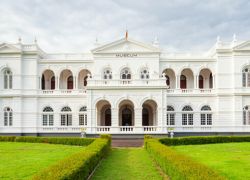
The Colombo National Museum, located in the heart of Colombo, Sri Lanka, is the largest and oldest museum in the country. Established in 1877, it is a premier institution dedicated to preserving and showcasing Sri Lanka's rich cultural, historical, and artistic heritage. The museum's collection spans over 2,500 years, offering visitors a fascinating glimpse into the nation's past, from ancient times to the colonial era and beyond. The Colombo National Museum serves as a vital center for research, education, and the preservation of Sri Lanka's heritage. How to Reach Colombo National Museum The Colombo National Museum is centrally located in Colombo, making it easily accessible from various parts of the city. Here are the main ways to reach the museum: By Car/Taxi: The easiest way to get to the Colombo National Museum is by taxi or private car. It is situated in the vicinity of the Viharamahadevi Park, near the Colombo 7 area. The museum is just a 10-15 minute drive from Colombo Fort, the city's main business and transportation hub. By Bus: Public buses regularly run to the museum from various parts of Colombo. You can take a bus to the nearest stop at the Viharamahadevi Park, from where the museum is within walking distance. By Train: While Colombo Fort Railway Station is the main station in the city, it is best to take a taxi or tuk-tuk from there to the Colombo National Museum, as it is about 3 km away. Weather in Colombo Colombo enjoys a tropical rainforest climate with high humidity and temperatures year-round. The city experiences both monsoon and dry seasons. The temperature ranges from 25°C (77°F) to 31°C (88°F) throughout the year, making it relatively warm and humid. The southwest monsoon runs from May to September, bringing heavy rain, while the northeast monsoon occurs from December to February. The best time to visit the Colombo National Museum is during the dry months, from December to March, when the weather is more pleasant. When visiting, be sure to dress comfortably, wear sunscreen, and stay hydrated, especially during the hotter months of the year. Why Famous for Colombo National Museum The Colombo National Museum is famous for its vast collection of artifacts, artworks, and historical objects that showcase Sri Lanka's diverse cultural and natural history. It holds an invaluable collection of relics from Sri Lanka's ancient kingdoms, including the Anuradhapura and Polonnaruwa periods. The museum also features exhibitions on the country's colonial past, the influence of Buddhism, and its diverse ethnic groups. One of the museum's most famous exhibits is the crown of the Kandyan kings, a historical artifact that offers insights into Sri Lanka's royal past. The museum's collection also includes sculptures, coins, antique jewelry, and traditional Sri Lankan costumes. Visitors can explore the cultural and religious significance of these artifacts, making the museum an essential stop for anyone interested in Sri Lanka's history and heritage. Entry and Visit Details about Colombo National Museum The Colombo National Museum is open to the public throughout the week, with specific timings for visitors. Here are some essential details for planning your visit: Opening Hours: The Colombo National Museum is open daily from 9:00 AM to 5:00 PM, except for public holidays. The museum is closed on national holidays such as Sinhala and Tamil New Year and other major religious celebrations. Entry Fee: Entry fees for the Colombo National Museum are reasonably priced. Foreign nationals typically pay a higher fee than locals. As of now, the entry fee for foreigners is around LKR 1,000 (Sri Lankan Rupees), while the fee for Sri Lankan nationals is about LKR 200. Children and students may also receive discounted rates. Guided Tours: The museum offers guided tours in English and Sinhala. These tours are an excellent way to gain a deeper understanding of the exhibits and Sri Lankan history. It is advisable to book a guided tour in advance if you wish to have a more in-depth experience. Facilities: The museum is equipped with basic amenities, including restrooms, a café, and a museum shop. The museum also has a spacious parking area for visitors who arrive by car. History and Architecture of Colombo National Museum The Colombo National Museum was established by the British colonial administration in 1877, initially serving as a repository for artifacts collected during British rule. The museum was designed in the colonial style, with large, airy galleries and high ceilings. Its architecture reflects the grand and classical style that was popular during the British colonial era. The building itself is an imposing structure, with whitewashed walls and an iconic, neoclassical facade. The museum's construction was overseen by Sir William Gregory, the then British governor of Ceylon. Over the years, the museum has undergone several expansions and renovations, modernizing its exhibition spaces while preserving its historical charm. The main building is surrounded by lush gardens, which enhance its tranquil and serene atmosphere, offering visitors a peaceful environment to explore Sri Lanka's cultural history. Things to Do at Colombo National Museum Visiting the Colombo National Museum is a rewarding experience for anyone interested in Sri Lanka's culture, history, and art. Here are some things to do during your visit: Explore the Exhibits: The museum has a diverse range of exhibits, including ancient artifacts, sculptures, coins, and royal regalia. One of the highlights is the collection of antiques from the Kandyan period, as well as the museum's display of Buddhist art and relics. Learn About Sri Lankan Culture: The museum showcases various aspects of Sri Lankan culture, from its ancient kingdoms to its colonial history. Visitors can learn about Sri Lanka's rich traditions, religious practices, and royal heritage through informative displays and historical narratives. Take a Guided Tour: A guided tour can enhance your experience, providing detailed information about the museum's collections and their significance. The guides are knowledgeable and can offer interesting stories about the artifacts. Visit the Museum Shop: The museum shop offers a selection of souvenirs, books, and replicas of artifacts. It’s a great place to pick up a memento of your visit or learn more about Sri Lankan history through books and publications available for purchase. Facts About Colombo National Museum The museum was founded in 1877 during British colonial rule and is the largest museum in Sri Lanka. It houses over 3,000 years of Sri Lanka's history, including objects from the pre-Christian period. One of its most famous exhibits is the crown of the Kandyan kings, an iconic symbol of Sri Lanka's monarchy. The museum also features a significant collection of ancient sculptures, including Buddhist statues and images from the country's ancient cities of Anuradhapura and Polonnaruwa. The Colombo National Museum is housed in a neoclassical building with lush gardens and serene surroundings. Tips for Visiting Colombo National Museum Arrive early: To avoid the crowds and enjoy a peaceful experience, it’s best to visit the museum as early as possible during the day, especially on weekends. Wear comfortable shoes: The museum has several large galleries, so it's a good idea to wear comfortable shoes for walking and standing. Check for special exhibits: The museum often hosts temporary exhibits and special events. It’s a good idea to check the museum's website or inquire in advance to make sure you don’t miss any special exhibitions during your visit. Respect museum etiquette: Photography may be restricted in certain sections of the museum, so always check before taking photos. Also, remember to keep noise levels down to maintain a calm atmosphere for all visitors.
Explore More
The Commonwealth War Cemetery in Kandy, Sri Lanka, is a place of remembrance, honoring the soldiers who lost their lives during the Second World War. Situated in the picturesque hill city of Kandy, this peaceful cemetery stands as a testament to the sacrifices made by soldiers from the British Commonwealth nations, including India, the UK, Australia, and Canada, among others. The cemetery provides a solemn atmosphere where visitors can pay their respects to those who gave their lives in the war, far away from their homelands. How to Reach Commonwealth War Cemetery, Kandy, Sri Lanka The Commonwealth War Cemetery is located in the historic city of Kandy, in the central part of Sri Lanka. Kandy is well-connected to major cities in Sri Lanka, including Colombo and Nuwara Eliya. The cemetery is a short drive from Kandy's city center, making it easily accessible by car or tuk-tuk. To reach the cemetery: From Colombo, the best route is to take the A1 highway, which connects Colombo to Kandy. The journey by car or bus will take around 2.5 to 3 hours. From Kandy city center, you can reach the cemetery within 15-20 minutes by car or tuk-tuk. If you're traveling by public transport, buses from the Kandy central bus station can take you towards the area near the cemetery. You may need to walk a short distance to reach the entrance. Weather at Commonwealth War Cemetery, Kandy The weather in Kandy is typically tropical, with a mild and pleasant climate due to its elevation. The temperature averages between 20°C to 30°C (68°F to 86°F) throughout the year. However, it can get cooler in the evening, so it’s recommended to carry a light jacket or sweater. The best time to visit the cemetery is during the dry season, which lasts from December to March. The rainy season runs from May to October, with heavy monsoon showers. Visiting during the dry season ensures a more comfortable experience. Timing of the Commonwealth War Cemetery, Kandy The Commonwealth War Cemetery is open to the public throughout the week. The typical visiting hours are from 8:00 AM to 5:00 PM. Visitors are welcome to come anytime during these hours, but it is advisable to visit during daylight hours for the best experience. The cemetery remains closed at night to preserve the sanctity and security of the site. Why is Commonwealth War Cemetery, Kandy Famous? The Commonwealth War Cemetery in Kandy is famous for being one of the most well-maintained war cemeteries in Sri Lanka. It holds the graves of over 200 soldiers who died during World War II. The cemetery is not just a burial site; it’s a place of historical significance, remembering the connection between Sri Lanka (then Ceylon) and the British Commonwealth during the war. Sri Lanka played a crucial logistical role during World War II as a base for the Allies, and many soldiers lost their lives in the region due to combat and illness. The cemetery is beautifully maintained with manicured lawns, symmetrical rows of gravestones, and simple yet poignant inscriptions. It is managed by the Commonwealth War Graves Commission (CWGC), which ensures that the memorials are kept in pristine condition. It is a place of quiet reflection, where people can pay their respects to those who made the ultimate sacrifice. Entry and Visit Details About Commonwealth War Cemetery, Kandy, Sri Lanka There is no entry fee to visit the Commonwealth War Cemetery in Kandy, making it an easily accessible site for visitors. The cemetery is open to tourists, locals, and school groups who come to learn about the sacrifices made by the soldiers during the war. While the site remains open to all, visitors are encouraged to be respectful of the peaceful atmosphere and the memory of the soldiers. It is a good idea to visit the cemetery with a guide, as local guides can provide additional historical context and share stories about the soldiers buried here, making the experience more informative and meaningful. History and Architecture of Commonwealth War Cemetery, Kandy The Commonwealth War Cemetery was established during the period following World War II, when Sri Lanka was under British colonial rule. The cemetery is part of the larger network of war cemeteries maintained by the Commonwealth War Graves Commission (CWGC). The cemetery was created to honor the fallen soldiers who had fought in various theatres of war, including those who died in Ceylon during the Japanese invasion threat in the Pacific War. Architecturally, the cemetery follows the typical design of Commonwealth war cemeteries. It features well-maintained gardens, an entrance gate with a small memorial plaque, and rows of uniform gravestones. The gravestones are made of light-colored stone and are arranged symmetrically, each with the soldier’s name, rank, and date of death inscribed. The layout is simple yet profound, with the focus on honoring the fallen rather than grandiose structures. Things to Do at Commonwealth War Cemetery, Kandy While visiting the Commonwealth War Cemetery, there are a few things you can do to enhance your experience: Learn the History: Take the time to read the inscriptions on the gravestones. Many of the soldiers died from injuries sustained during battles or from diseases in the region. It’s a poignant reminder of the sacrifices made. Take a Guided Tour: Local guides provide tours of the cemetery, offering insights into the history and significance of the site. This is highly recommended if you're interested in the historical background. Photography: The cemetery’s tranquil beauty makes it a peaceful spot for photography. Remember to be respectful when taking pictures, especially around the graves. Reflect and Pay Tribute: The cemetery offers a peaceful space for reflection. Take a moment to honor the memory of those who gave their lives for freedom. Interesting Facts About Commonwealth War Cemetery, Kandy, Sri Lanka The cemetery contains the graves of soldiers from several countries, including the UK, India, Australia, and Canada. Many of the soldiers died from tropical diseases, such as malaria, during the war, while others were casualties of the Japanese threat in the region. The cemetery is managed by the Commonwealth War Graves Commission (CWGC), which oversees the care and maintenance of war cemeteries worldwide. While most of the soldiers were buried here during the war, others have been reburied here from other parts of Sri Lanka. Tips for Visiting Commonwealth War Cemetery, Kandy Wear comfortable footwear as you may need to walk on uneven terrain. Bring some water with you, especially if visiting during the hotter months. Dress respectfully, as this is a place of solemn remembrance. Don’t rush through your visit; take the time to reflect and appreciate the historical significance of the site. If you plan to visit during the rainy season, carry an umbrella or raincoat, as the area can experience showers.
Explore More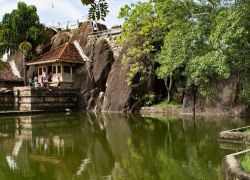
Anuradhapura Archaeological Museum
The Anuradhapura Archaeological Museum is an essential cultural site located in the ancient city of Anuradhapura, Sri Lanka. The museum is a treasure trove of artifacts, providing a glimpse into the history, culture, and religious life of one of Sri Lanka's most important ancient capitals. Established in 1947, the museum houses an extensive collection of relics, including ancient sculptures, pottery, inscriptions, and more, showcasing the region's long and fascinating history. Anuradhapura, which served as the capital of Sri Lanka for over 1,000 years, is known for its archaeological significance, and the museum is the perfect place to learn more about the city's rich heritage. It is particularly famous for its collection of Buddhist artifacts, as Anuradhapura played a central role in the spread of Buddhism across Sri Lanka and Southeast Asia. How to Reach Anuradhapura Archaeological Museum The Anuradhapura Archaeological Museum is located in the heart of the city, making it easily accessible to tourists and locals alike. The city of Anuradhapura is situated about 205 kilometers (127 miles) north of Colombo, Sri Lanka’s capital. You can reach Anuradhapura by car, bus, or train. If traveling from Colombo, the most convenient way to reach Anuradhapura is by car, which takes approximately 4-5 hours. There are also frequent buses from Colombo to Anuradhapura, which takes about 5-6 hours. Alternatively, visitors can take a train from Colombo to Anuradhapura, which is a scenic journey that takes around 6 hours. Once in Anuradhapura, the museum is located near several key historical sites, including the famous Sri Maha Bodhi and Ruwanwelisaya Stupa. It is easily accessible by tuk-tuk or on foot from many of the city's main attractions. Weather in Anuradhapura Anuradhapura experiences a tropical climate, with warm temperatures throughout the year. The average temperature ranges from 25°C (77°F) to 32°C (90°F), making it suitable for year-round visits. The best time to visit the Anuradhapura Archaeological Museum is during the dry season, which runs from December to April. During this period, the weather is typically sunny, and the temperatures are more manageable, making it ideal for outdoor exploration. The rainy season in Anuradhapura lasts from May to September, with the highest rainfall occurring in October and November. While the museum remains open during the rainy season, visitors should be prepared for occasional showers, and it may be less comfortable for exploring the outdoor ruins. Timings and Entry Details The Anuradhapura Archaeological Museum is open daily from 9:00 AM to 5:00 PM. The museum is closed for lunch from 12:30 PM to 1:30 PM. It is important to plan your visit accordingly to ensure you can enjoy the full experience. The museum is open every day, including weekends, making it convenient for tourists to visit at any time during their stay in Anuradhapura. As for the entry fees, the museum charges a small fee for both local and foreign visitors. Foreign tourists typically pay around 500 LKR (Sri Lankan Rupees), while the fee for local visitors is lower. It’s recommended to check the current entry fees at the museum entrance as they may vary over time. Additionally, donations are encouraged to support the museum’s conservation efforts and research initiatives. Visitors are asked to dress modestly as a sign of respect for the cultural and religious artifacts displayed in the museum. Why Anuradhapura Archaeological Museum is Famous? The Anuradhapura Archaeological Museum is famous for being one of the most significant collections of ancient Sri Lankan artifacts. It is renowned for its exceptional collection of sculptures, pottery, and stone inscriptions that date back to the Anuradhapura period, which lasted from 377 BCE to 1017 AD. The museum showcases how Anuradhapura, one of the island's ancient capitals, played a central role in the development of Sri Lankan civilization. What makes the museum particularly noteworthy is its vast collection of Buddhist relics. As one of the earliest centers of Buddhism in Sri Lanka, Anuradhapura is home to relics of early Buddhist practices, including statues of Buddha, relic caskets, and ancient Buddhist scriptures. The museum also exhibits artifacts that trace the city’s history, from the reign of its early kings to its decline as a political capital. History of Anuradhapura Archaeological Museum The Anuradhapura Archaeological Museum was established in 1947 to preserve and display the many archaeological findings uncovered in the ancient city of Anuradhapura. Archaeological excavations in the region had been ongoing since the early 20th century, and many important artifacts were being discovered during the excavation of ancient temples, monasteries, and other significant sites. The museum was initially housed in a small building, but over the years it has expanded to accommodate the growing collection of artifacts. Today, the museum is recognized as a key institution for the preservation of Sri Lanka’s ancient cultural heritage. The museum is supported by the Department of Archaeology and plays a vital role in educating the public about the history and significance of Anuradhapura. Architecture of Anuradhapura Archaeological Museum The architecture of the Anuradhapura Archaeological Museum blends modern elements with traditional Sri Lankan design. The museum is spacious, with high ceilings and large, well-lit galleries to display the many artifacts. The museum building is surrounded by lush gardens and greenery, which adds to the peaceful and contemplative atmosphere of the place. Inside, the museum features a series of well-organized exhibit halls, each dedicated to different aspects of Sri Lanka's ancient history. These include galleries focused on sculpture, pottery, ancient inscriptions, and religious artifacts. The design of the museum ensures that the artifacts are well-preserved and easy for visitors to explore. Things to Do Around Anuradhapura Archaeological Museum While visiting the Anuradhapura Archaeological Museum, there are several other attractions nearby that you can explore to enhance your experience: Visit the Sri Maha Bodhi, one of the most sacred Buddhist sites in Sri Lanka, which is located nearby. Explore the Ruwanwelisaya Stupa, a massive ancient stupa that dates back to the 2nd century BCE and is one of the most significant Buddhist monuments in Sri Lanka. Take a walk through the Abhayagiri Monastery, another important Buddhist site that contains a wealth of historical ruins. Relax by the Anuradhapura water tanks, ancient reservoirs that were once used to supply the city with water. Stroll around the sacred city of Anuradhapura, which is dotted with numerous ancient stupas, temples, and statues. Interesting Facts About Anuradhapura Archaeological Museum The museum houses over 3,000 artifacts, many of which were discovered during archaeological excavations around Anuradhapura. It is home to some of the most important Buddhist relics and sculptures from Sri Lanka’s ancient past, including statues of Buddha and inscriptions from early Buddhist texts. Several of the artifacts displayed at the museum date back over 2,000 years, providing invaluable insight into the ancient civilization that once thrived in Anuradhapura. The museum is a key resource for both scholars and tourists interested in learning about the history and culture of Sri Lanka. It serves as an important center for archaeological research and conservation efforts in Sri Lanka. Tips for Visiting Anuradhapura Archaeological Museum Wear comfortable shoes and clothing, as you will likely be walking around the museum and its grounds for an extended period. Don’t forget to bring a camera to capture the stunning artifacts and exhibits, but be mindful of any photography restrictions. Take your time to read the informative plaques and displays to fully understand the significance of each artifact. Make sure to visit the nearby historical sites, such as the Sri Maha Bodhi and Ruwanwelisaya, which are within walking distance from the museum. Consider visiting the museum in the morning when it is less crowded, giving you more time to enjoy the exhibits without interruptions.
Explore More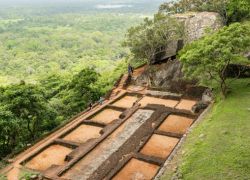
The Archaeological Museum of Sigiriya
The Archaeological Museum of Sigiriya, located at the base of the famous Sigiriya Rock Fortress, is an essential stop for anyone visiting this UNESCO World Heritage site. The museum serves as a gateway to understanding the rich history, culture, and archaeological significance of Sigiriya, one of Sri Lanka's most iconic landmarks. The museum displays a range of artifacts, models, and exhibits that illustrate the life and times of Sigiriya from its ancient origins to its role as a royal capital, and later, a Buddhist monastery. History of The Archaeological Museum of Sigiriya The Archaeological Museum was established in 1982 to preserve and present the cultural and historical significance of the Sigiriya Rock Fortress and its surroundings. The museum houses artifacts uncovered during archaeological excavations around Sigiriya, as well as models, drawings, and photographs that provide context to the rock's history and its role in Sri Lanka’s ancient civilization. Many of the objects on display date back to the 5th century AD, the period when Sigiriya was built and served as a capital city for King Kashyapa I. Sigiriya’s history dates back over 1,500 years, with the rock itself being used as a royal citadel and fortress by King Kashyapa, who took refuge there after a violent coup against him. Following his death, Sigiriya transformed into a Buddhist monastery and remained so for several centuries. The Archaeological Museum helps visitors trace the different phases of Sigiriya's history and its transformation from a royal palace to a sacred Buddhist site. Architecture of The Archaeological Museum of Sigiriya The museum’s design complements the cultural heritage of Sigiriya, with modern architecture that blends seamlessly into the natural environment. The building itself is simple yet elegant, constructed with local materials and set in a landscaped garden area near the entrance to the Sigiriya Rock Fortress. The museum’s architecture takes inspiration from traditional Sri Lankan designs while incorporating contemporary elements for functionality and preservation of the exhibits. Inside the museum, visitors can explore various sections dedicated to different aspects of Sigiriya’s history. There are detailed models of the Sigiriya Rock, ancient frescoes, and the world-renowned Lion’s Gate, offering an in-depth view of the fortress’s design and structure. The museum also features an educational center where you can learn more about the archaeological techniques used to uncover the site’s hidden treasures. Why The Archaeological Museum of Sigiriya is Famous? The Archaeological Museum of Sigiriya is famous for its comprehensive collection of artifacts and its role in preserving the history of one of Sri Lanka’s most renowned ancient sites. The museum’s exhibits provide invaluable insights into the art, culture, and engineering of the 5th century AD. Highlights of the museum include: Ancient Artifacts: The museum showcases a range of historical items, such as pottery, tools, inscriptions, and sculptures, that help tell the story of Sigiriya and its people. Frescoes and Models: Visitors can view detailed replicas of the famous Sigiriya frescoes, which depict celestial maidens, and models of the Sigiriya Rock Fortress, including the Lion’s Gate and the Mirror Wall. Historical Inscriptions: The museum displays several important inscriptions found around the site, including those carved into the rock face and the Mirror Wall, which provide insights into the historical significance of Sigiriya. Educational Displays: The museum’s exhibitions also highlight the archaeological efforts taken to uncover the Sigiriya complex, offering educational resources on excavation techniques and preservation efforts. How to Reach The Archaeological Museum of Sigiriya The Archaeological Museum of Sigiriya is conveniently located near the base of Sigiriya Rock, making it an easy stop for visitors who are already exploring the rock fortress. Here’s how to get there: By Air: The nearest international airport is Bandaranaike International Airport in Colombo, about 160 kilometers away from Sigiriya. From the airport, you can hire a taxi or take a bus to reach Sigiriya. By Road: Sigiriya is easily accessible by road from several major towns and cities in Sri Lanka, including Colombo, Dambulla, and Polonnaruwa. You can hire a taxi, take a private vehicle, or use public transportation such as buses to reach Sigiriya. By Train: The nearest railway station to Sigiriya is in Habarana, which is about 15 kilometers away. From the station, you can take a taxi or tuk-tuk to reach the Archaeological Museum and the Sigiriya Rock Fortress. Weather at The Archaeological Museum of Sigiriya Sigiriya experiences a tropical climate, with warm temperatures year-round. The best time to visit the Archaeological Museum and Sigiriya Rock is during the dry season, which runs from December to April. During this period, the weather is more favorable for outdoor exploration, and the temperatures are generally between 25°C to 32°C (77°F to 90°F). The monsoon season, from May to October, brings heavy rainfall and humidity, which may affect outdoor activities. If you plan to explore the rock and museum, it is best to visit in the early morning or late afternoon to avoid the midday heat. Be sure to wear comfortable clothing and carry water to stay hydrated. Timing of The Archaeological Museum of Sigiriya The Archaeological Museum is open every day of the week, offering flexible visiting hours for tourists. The general visiting hours are: Opening Time: 9:00 AM Closing Time: 5:00 PM Last entry is usually allowed until 4:30 PM. It is advisable to visit the museum in the morning or early afternoon to avoid the heat, especially if you plan to explore Sigiriya Rock afterward. Entry and Visit Details Entry to the Archaeological Museum is ticketed, with separate tickets for the museum and the Sigiriya Rock Fortress. The museum ticket is typically included in the combined entry fee for the Sigiriya complex. The museum is a popular stop for visitors before or after exploring the Sigiriya Rock Fortress, as it provides essential context for understanding the history and significance of the site. While the museum does not require a guided tour, many visitors choose to hire a local guide to provide a detailed explanation of the exhibits. Guides can be found at the entrance to the museum, and they offer a wealth of information about Sigiriya’s history and archaeology. Things to Do at The Archaeological Museum of Sigiriya Explore Exhibits: Spend time viewing the museum’s exhibits, including ancient artifacts, models, and historical inscriptions that shed light on Sigiriya’s past. Learn about Archaeology: Discover the history of the Sigiriya Rock Fortress and the efforts taken by archaeologists to uncover its secrets. The museum’s educational displays provide valuable insights into the excavation process. View the Sigiriya Frescoes: Admire replicas of the stunning frescoes that once decorated the rock, depicting celestial women believed to be the king’s concubines or symbolic figures of beauty and grace. Take Photographs: Capture the beauty of the exhibits and the museum’s surroundings. Photography is allowed in most parts of the museum. Facts About The Archaeological Museum of Sigiriya The museum was established in 1982 to preserve and showcase the archaeological significance of Sigiriya. Many of the artifacts on display were uncovered during archaeological excavations in the Sigiriya area. The museum offers detailed models of the Sigiriya Rock, including replicas of the frescoes and Lion’s Gate. Visitors can view significant historical inscriptions that were found at Sigiriya, offering insight into the region’s ancient culture. Travel Tips for Visiting The Archaeological Museum of Sigiriya Arrive early in the day to avoid the crowds and the midday heat, especially if you plan to visit Sigiriya Rock afterward. Wear comfortable shoes, as you may walk around the museum and Sigiriya Rock for a few hours. Bring water, sunscreen, and a hat to stay protected from the sun. Consider hiring a local guide to enhance your understanding of the exhibits and the history of Sigiriya. Photography is allowed, but be respectful of other visitors and avoid flash photography in sensitive areas. The Archaeological Museum of Sigiriya is an essential part of your visit to Sigiriya. It not only complements the exploration of the Sigiriya Rock Fortress but also provides invaluable insights into Sri Lanka’s ancient history, culture, and archaeological practices. Whether you are a history enthusiast, an art lover, or a curious traveler, the museum offers a fascinating journey through time.
Explore More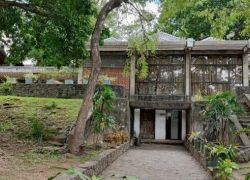
Polonnaruwa Archaeological Museum
The Polonnaruwa Archaeological Museum is a treasure trove of Sri Lanka's ancient history and heritage. Located in the heart of the UNESCO World Heritage city of Polonnaruwa, the museum offers an invaluable collection of artifacts, sculptures, and relics that highlight the rich cultural and historical past of the island. The museum is dedicated to preserving and showcasing the archaeological finds from Polonnaruwa, one of Sri Lanka’s ancient capitals. Visiting the museum is an excellent way to understand the significance of Polonnaruwa as an ancient kingdom and explore the artistic, architectural, and religious history of the region. History of Polonnaruwa Archaeological Museum The Polonnaruwa Archaeological Museum was established in 1969 to protect and display the archaeological findings discovered during excavations in the ancient city of Polonnaruwa. Polonnaruwa, which was the capital of Sri Lanka during the 11th to 13th centuries, is home to a wealth of archaeological sites, including palaces, temples, stupas, and other relics. The museum was set up to collect and preserve artifacts from the region to offer a better understanding of the ancient civilization that flourished here. The museum provides a historical context for the ruins of Polonnaruwa, explaining their significance in the broader story of Sri Lankan civilization. The artifacts on display reflect the remarkable achievements of the city’s rulers, especially King Parakramabahu I, under whose reign Polonnaruwa reached its peak as a center of culture, religion, and power. Architecture of Polonnaruwa Archaeological Museum The museum’s architecture is a blend of modern and traditional Sri Lankan design, reflecting the aesthetic and cultural values of the country. The building is constructed in a way that harmonizes with the surrounding natural landscape and archaeological sites, maintaining the historical feel of the region while providing a functional space for displaying exhibits. The museum’s layout allows visitors to view artifacts in chronological order, beginning with the earliest findings from the ancient city to later archaeological discoveries. The design of the museum is minimalistic yet functional, providing a comfortable and informative environment for visitors. The use of large glass windows lets in natural light, ensuring that each display is well-lit and easy to view. The museum is strategically located near the ruins, making it easy for visitors to explore both the ancient sites and the museum in one visit. Why Polonnaruwa Archaeological Museum is Famous? The Polonnaruwa Archaeological Museum is famous for being the most comprehensive resource on the ancient city’s history and archaeology. Some of the key reasons why it is famous include: Comprehensive Collection: The museum houses a vast collection of artifacts, including ancient sculptures, pottery, inscriptions, and religious relics, all of which offer insight into the lives of the people who once lived in the kingdom of Polonnaruwa. Detailed Exhibits: The museum offers exhibits that explain the history of the city, the culture of the time, the architectural innovations, and the religious practices that shaped the civilization. It’s an essential stop for those wanting to fully appreciate the significance of Polonnaruwa's archaeological sites. Preservation of Heritage: The museum plays a vital role in preserving Sri Lanka's heritage, keeping the ancient artifacts safe for future generations and educating the public about the historical importance of Polonnaruwa. How to Reach Polonnaruwa Archaeological Museum Polonnaruwa Archaeological Museum is located within the ancient city of Polonnaruwa, which is easily accessible by road from several major cities in Sri Lanka. By Road: Polonnaruwa is about 216 km from Colombo, which is approximately a 4-5 hour drive by car or bus. There are regular bus services from Colombo, Kandy, and other cities to Polonnaruwa. Visitors can hire a taxi or rent a car to travel comfortably. By Train: The nearest railway station is in Habarana, about 40 km from Polonnaruwa. From there, visitors can take a bus or taxi to reach the archaeological sites, including the museum. By Air: The nearest airport is Bandaranaike International Airport in Colombo. From the airport, visitors can take a taxi or use other transportation options to reach Polonnaruwa. Weather at Polonnaruwa Archaeological Museum Polonnaruwa has a tropical climate, with warm temperatures throughout the year. The best time to visit is during the dry season, from December to April, when the weather is more pleasant, and rainfall is minimal. The average daytime temperature ranges from 25°C to 32°C. Best Time to Visit: The dry season is the most comfortable time to visit, though early morning or late afternoon visits are recommended to avoid the midday heat, especially when exploring outdoor ruins. Timing of Polonnaruwa Archaeological Museum The museum is open to visitors every day of the week. The visiting hours are: Opening Time: 8:30 AM Closing Time: 5:00 PM It is recommended to arrive early to avoid the midday heat, and you can also take advantage of cooler temperatures for exploring the outdoor archaeological sites after visiting the museum. Entry and Visit Details The entry fee for the Polonnaruwa Archaeological Museum is typically included in the ticket for the archaeological site of Polonnaruwa. The fee varies depending on whether you are a local or international visitor. Local visitors may pay a smaller fee, while international visitors may need to pay a slightly higher entrance fee. Ticket Price: The entrance fee for foreign tourists is usually around USD 25-30, which provides access to the entire archaeological park, including the museum and other historic sites in the area. Guided tours are available, and it is recommended to take one to gain a deeper understanding of the exhibits and the historical significance of the artifacts displayed in the museum. Things to Do at Polonnaruwa Archaeological Museum Explore the Exhibits: Take time to explore the different sections of the museum, including the sculpture gallery, the pottery collection, and the religious relics on display. Learn about the ancient history of Polonnaruwa and Sri Lanka’s early civilization. Learn About Ancient Architecture: The museum provides detailed exhibits on the architectural advancements of the period, showcasing models and diagrams that illustrate how the ancient structures were designed and constructed. Take a Guided Tour: If you want a more in-depth experience, consider hiring a local guide who can offer insights and historical context as you explore the museum’s exhibits and surrounding sites. Facts About Polonnaruwa Archaeological Museum The museum is located in the heart of the ancient city of Polonnaruwa, one of Sri Lanka’s most important archaeological sites. The museum’s collection includes ancient sculptures, pottery, stone inscriptions, and religious artifacts that span over a thousand years of history. The museum offers educational programs and activities to help visitors of all ages learn about Sri Lanka’s rich cultural heritage. Tips for Visiting Polonnaruwa Archaeological Museum Wear comfortable shoes, as you will be walking through various galleries and exploring outdoor ruins as well. Bring water, sunscreen, and a hat to protect yourself from the sun, especially if you plan to explore the ruins after visiting the museum. Consider hiring a guide to help you understand the significance of the artifacts and the history behind them. Respect the museum’s artifacts and avoid touching the exhibits, as many of them are fragile and irreplaceable. Whether you're an archaeology enthusiast or simply curious about the ancient history of Sri Lanka, the Polonnaruwa Archaeological Museum offers a fascinating glimpse into the past. With its rich collection of artifacts, historical context, and peaceful setting, it is an essential stop for anyone visiting the Polonnaruwa region.
Explore More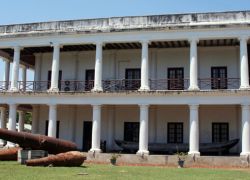
The Sri Lanka Navy Museum in Trincomalee is a fascinating destination for those interested in maritime history, naval warfare, and Sri Lanka’s military heritage. Situated in the coastal city of Trincomalee, the museum is dedicated to showcasing the rich history of the Sri Lankan Navy, its operations, and its role in both local and international waters. The museum offers an insightful journey through the naval history of Sri Lanka, with a range of exhibits from ancient naval warfare to modern military technology. How to Reach Sri Lanka Navy Museum The Sri Lanka Navy Museum is located in the historic port city of Trincomalee, which is easily accessible by road, train, or air. If you are traveling from Colombo, the capital of Sri Lanka, you can reach Trincomalee by bus, train, or car. The drive from Colombo to Trincomalee takes approximately 6-7 hours by car, while trains and buses take a bit longer but are a comfortable and scenic way to travel. Once in Trincomalee, the Navy Museum is located near the harbor, and you can easily reach it by taxi, tuk-tuk, or private vehicle. The museum is well-signposted, so it’s easy to find once you are in the vicinity. If you are staying in Trincomalee, the museum is a short distance from popular tourist attractions such as the Koneswaram Temple and Fort Frederick. Weather at Sri Lanka Navy Museum Trincomalee has a tropical climate, which means warm temperatures throughout the year. The average temperature in the area ranges from 25°C to 32°C. The best time to visit the Sri Lanka Navy Museum is during the dry season, from May to September. During these months, the weather is sunny, and outdoor activities like exploring the museum's grounds are more comfortable. From October to January, the area experiences the northeast monsoon, which brings occasional rains and cooler temperatures. Though the rains do not last all day, the humidity can make it less ideal for long visits to the outdoor exhibits. However, since the museum’s main exhibits are housed indoors, it can still be an enjoyable visit during the wet season. Timing of Sri Lanka Navy Museum The Sri Lanka Navy Museum is open daily from 9:00 AM to 5:00 PM. It is best to arrive early in the morning or later in the afternoon to avoid the midday heat. The museum is less crowded during the early hours, providing a more peaceful and in-depth experience. If you prefer a guided tour, it’s a good idea to book in advance, as tours are typically available in both English and Sinhala, depending on your preference. The museum is closed on certain national holidays, so it is advisable to check the opening hours before planning your visit. The museum is well-maintained, with friendly staff ready to assist visitors and provide additional insights into the exhibits. Why Famous for Sri Lanka Navy Museum, Trincomalee, Sri Lanka? The Sri Lanka Navy Museum is famous for its comprehensive collection of artifacts, models, and exhibits that chronicle the history of the Sri Lankan Navy, from its early beginnings to the modern-day naval operations. It is one of the few museums in Sri Lanka dedicated to showcasing the country's naval history, which has played a crucial role in both national defense and maritime trade. Trincomalee, being one of the world’s largest natural harbors, has significant historical importance for the Sri Lankan Navy. The museum is located in this strategic location, making it even more significant. It houses a vast range of exhibits, including naval uniforms, ship models, weapons, and photographs that trace the evolution of the Sri Lanka Navy over the centuries. The museum also highlights the role of the Navy in Sri Lanka’s civil conflicts and peacekeeping efforts, adding to its historical significance. Entry and Visit Details Entry to the Sri Lanka Navy Museum is relatively inexpensive, with a small fee for both local and international visitors. The fee contributes to the upkeep of the museum and its collections. While the museum is generally open to the public, it is advisable to check for any special events or scheduled maintenance that may affect access before you visit. The museum is wheelchair accessible, making it suitable for visitors with mobility challenges. For those with children, the museum offers a family-friendly atmosphere, with interactive exhibits and plenty of space to explore. Photography is allowed inside the museum, although the use of flash is restricted in certain areas to protect the exhibits. Guided tours are available for a more immersive experience, providing detailed explanations of the museum’s exhibits and their historical context. It’s recommended to book a guided tour in advance, especially during peak tourist seasons, to ensure availability. Visitors can also explore the museum on their own at their own pace. History of Sri Lanka Navy Museum The Sri Lanka Navy Museum was established to preserve and showcase the history of the country’s naval forces. Trincomalee, with its strategic location, has been the site of naval importance for centuries. The museum was created to honor the sacrifices of the Sri Lanka Navy personnel and to educate the public about the Navy’s significant role in Sri Lanka’s defense and maritime history. Over the years, the museum has collected a variety of artifacts, including old naval weapons, models of ships, uniforms, and photographs. It also highlights Sri Lanka’s naval involvement in international peacekeeping operations and the Navy’s efforts to safeguard the nation’s maritime borders. The museum not only serves as a tribute to the Navy’s history but also acts as a resource for understanding Sri Lanka's defense forces and the strategic importance of its oceans. Architecture of Sri Lanka Navy Museum The museum is housed in a historic colonial-era building that reflects the architectural style of the British colonial period. The structure is elegant, with large rooms and high ceilings, creating a spacious and airy environment for the exhibits. The museum's layout is designed to guide visitors through different historical periods, offering a timeline of the Navy's evolution and its impact on Sri Lanka's history. In addition to the indoor exhibits, the museum grounds feature a variety of outdoor displays, including full-size models of naval ships and military vehicles. The surrounding area also offers views of the Trincomalee harbor, adding to the historical ambiance of the location. Things to Do at Sri Lanka Navy Museum When visiting the Sri Lanka Navy Museum, there are several things you can do to enhance your experience: Explore the Exhibits: Take time to explore the detailed exhibits, which include old naval uniforms, models of ships, and weapons used by the Navy throughout history. Take a Guided Tour: If you’re interested in a deeper understanding of Sri Lanka’s naval history, a guided tour can provide valuable insights into the exhibits and their historical significance. Visit the Outdoor Displays: Check out the outdoor display of naval ships and military vehicles, which gives you a sense of the size and strength of the naval fleet. Photography: The museum’s interior and the harbor views offer plenty of opportunities for photography, so don’t forget your camera! Facts and Tips About Sri Lanka Navy Museum The museum is open to both locals and international tourists, and offers a wealth of knowledge about Sri Lanka’s naval history. It is best to visit in the early morning to avoid the midday heat and the crowds that gather later in the day. The museum is free to visit for children, but adults are required to pay a small entrance fee. The fee helps support the museum’s ongoing operations and preservation efforts. Make sure to bring a bottle of water and wear comfortable clothing as you will be walking around for a while. The museum grounds are large, and some exhibits are displayed outdoors. If you are planning to visit other naval sites or monuments in the area, you can easily combine your visit to the Navy Museum with a trip to Fort Frederick or the Koneswaram Temple. Conclusion The Sri Lanka Navy Museum in Trincomalee is a unique and enriching experience that highlights the rich maritime history of Sri Lanka. Whether you are a history enthusiast, a military buff, or someone interested in learning more about the nation’s defense forces, the museum offers a wealth of information and fascinating exhibits. A visit to the museum not only provides insights into Sri Lanka’s naval history but also allows visitors to appreciate the strategic importance of the Trincomalee harbor and the Navy's ongoing contributions to national security.
Explore More
Sabaragamuwa Provincial Museum
Sabaragamuwa Provincial Museum is one of the most important cultural and historical attractions in Ratnapura, Sri Lanka. Located in the heart of the city, this museum beautifully showcases the heritage, traditions, and evolution of the Sabaragamuwa Province. Ratnapura is known as the “City of Gems,” and the museum reflects this identity by presenting a diverse collection of artifacts, ancient tools, gemstones, traditional crafts, archaeological discoveries, and exhibits related to the lives of the people of the region. The museum is a place of learning and discovery, providing visitors a closer look into Sri Lanka’s ancient history, regional culture, and artistic traditions. Established to preserve and promote the unique cultural identity of Sabaragamuwa, the museum plays a valuable role in educating future generations and documenting important historical objects from various time periods. Whether you are a student, researcher, history enthusiast, or traveler, Sabaragamuwa Provincial Museum offers an enriching experience that connects the past with the present. History and Architecture of Sabaragamuwa Provincial Museum The museum building itself is historically significant. It is housed in a colonial-era mansion that once served administrative purposes during the British rule. Later, the building was restored and converted into a museum to preserve the cultural and archaeological heritage of the province. The architecture reflects the elegant colonial design featuring spacious corridors, high ceilings, large windows, and carved wooden elements, giving visitors a feel of Sri Lanka’s architectural legacy. Inside the museum, displays are arranged in well-organized galleries showcasing artifacts from ancient kingdoms, historical eras, and traditional village life. The museum's collection includes stone tools, pottery, metalwork, traditional agricultural equipment, religious statues, inscriptions, jewelry, handicrafts, historical documents, and regional costumes. One of the main highlights is the gemstone collection, representing Ratnapura’s long-standing reputation as the gemstone capital of Sri Lanka. The museum preserves items dating back centuries, offering a comprehensive understanding of the region's social and economic development. How to Reach Sabaragamuwa Provincial Museum Sabaragamuwa Provincial Museum is located in Ratnapura town, making it easily accessible for visitors. Travelers can reach Ratnapura from major Sri Lankan cities such as Colombo, Kandy, and Galle by road. The distance from Colombo is approximately 100 km, and visitors can travel comfortably by bus, taxi, or private vehicle. Public buses frequently operate to Ratnapura from major bus stations around the country. Once in Ratnapura, the museum can be reached using local transportation options such as tuk-tuks, auto-rickshaws, or city buses. Many hotels and travel operators also arrange museum visits as part of sightseeing tours around Ratnapura. Clear signboards around the city make navigation easy for travelers arriving for the first time. Weather in Ratnapura Ratnapura experiences a tropical climate with warm and humid conditions throughout the year. The average temperature ranges between 23°C and 32°C. The region receives significant rainfall, especially during the southwest monsoon season between May and September. Visitors should be prepared for occasional showers even outside the monsoon months. Light and comfortable clothing is recommended when exploring the museum and surrounding attractions. The best months for sightseeing are December to March when the weather is relatively dry and comfortable. However, since the museum is indoors, it can be visited any time of the year regardless of weather conditions. Timings of Sabaragamuwa Provincial Museum The museum is typically open daily from morning to late afternoon, generally between 9:00 AM and 5:00 PM. However, timings may vary on public holidays or special occasions, so visitors are advised to confirm operating hours in advance. The museum is closed on certain national holidays and some government-declared dates. Why Sabaragamuwa Provincial Museum is Famous Sabaragamuwa Provincial Museum is famous for preserving the cultural and historical heritage of the province. Ratnapura is a land of ancient civilizations, religious heritage, and gemstone mining, and the museum brings these stories to life through remarkable displays. The gemstone collection is a major attraction, featuring raw stones, polished gems, tools used by miners, and information on the region’s role in the global gem trade. The museum is also well known for its ethnographic displays showcasing the daily life, musical traditions, dance forms like Sabaragamuwa dance, and local crafts of rural Sri Lanka. These exhibits help visitors understand how traditional customs and livelihood practices shaped the identity of the region. Entry and Visit Details Visitors are required to purchase a ticket at the entrance. Ticket prices differ for domestic tourists, international travelers, and children. The museum staff provides guidance and information if needed. Photography may be allowed in certain sections, though restrictions apply in areas with delicate artifacts. No large bags or food items are permitted inside the display halls to protect the exhibits. Visitors are encouraged to explore at their own pace, but guided tours may be available on request. The surrounding area also offers shops and eateries where travelers can relax after the museum visit. Things to Do at Sabaragamuwa Provincial Museum There are several activities and experiences for visitors to enjoy at the museum: 1. Explore Artifact Galleries: Walk through different rooms containing historical items, tools, crafts, and cultural objects from various time periods. 2. Learn About Gem Mining: The gemstone display is educational and visually striking, helping visitors understand the tools, processes, and economic importance of gem mining in Ratnapura. 3. Observe Traditional Lifestyle Exhibits: Life-size models and displays recreate village lifestyles, showcasing household tools, musical instruments, and ancient trade items. 4. Study Archaeological Findings: Numerous stone carvings, inscriptions, statues, and archaeological artifacts provide insight into the ancient kingdoms of Sri Lanka. 5. Educational and School Trips: The museum serves as a valuable educational stop for students and researchers interested in anthropology, history, and archaeology. Interesting Facts About Sabaragamuwa Provincial Museum - The museum is located in a colonial-era building once used by British administrators. - Ratnapura is the heart of Sri Lanka’s gemstone industry, and the museum features rare and valuable gems. - Many items in the museum date back several centuries, showcasing Sri Lanka’s ancient craft skills. - The museum houses traditional costumes and tools used by indigenous communities of the region. - It is one of the few museums in Sri Lanka dedicated to preserving the identity of a single province. Travel Tips for Visiting Sabaragamuwa Provincial Museum - Check operating hours before planning your visit, especially on public holidays. - Carry a water bottle and wear light, comfortable clothing suitable for warm weather. - Photography rules vary across exhibits, so always follow posted guidelines. - Take time to read display descriptions to fully appreciate the cultural significance of each artifact. - Combine your museum visit with a city tour of Ratnapura, including gem mines and nearby temples. - Respect the historical items by not touching or damaging any displays. - Guided tours are recommended for those seeking deeper historical understanding. A visit to Sabaragamuwa Provincial Museum is both educational and culturally enriching. It offers a rare opportunity to explore the stories, traditions, and legacy of a region that has played a major role in Sri Lanka’s economic, cultural, and historical development. Whether you are a casual traveler or a dedicated researcher, the museum provides a meaningful journey into the past of Sabaragamuwa Province.
Explore More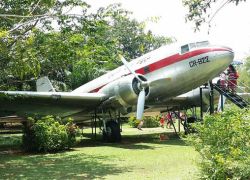
The Sri Lanka Air Force Museum in Mount Lavinia is the official aviation museum of the Sri Lanka Air Force and a unique attraction that highlights the country’s aviation history, military heritage, and technological progress. Established to preserve and exhibit retired aircraft, equipment, and historical memorabilia, the museum offers a fascinating experience for aviation enthusiasts, students, families, and travelers interested in military history. Located a few kilometers from Colombo, it stands as one of the most comprehensive aviation museums in South Asia and provides an educational journey through Sri Lanka’s air defense development from early aviation to modern technologies. History of Sri Lanka Air Force Museum The foundation of the Sri Lanka Air Force (SLAF) dates back to the post-independence era, when the Royal Ceylon Air Force was established in 1951. With the growth of the air force and the increasing modernization of aircraft and equipment, many older machines were retired from active service. In order to preserve and showcase these historical assets, the Sri Lanka Air Force Museum was established. The museum highlights the evolution of the SLAF, from its early British-era aircraft to modern fighter jets and helicopters. Exhibits are carefully curated to show the transformation of Sri Lanka’s air defense capabilities, as well as the dedication and bravery of the personnel who served through various eras, including the country’s civil conflict. Over the years, the museum has expanded to include more aircraft, weapons, radars, communication systems, uniforms, medals, historical documents, and restored aviation equipment. Architecture and Layout The museum is spread across an open-air exhibition ground and several enclosed galleries. The architectural design is practical and spacious, allowing visitors to observe large machines up close. The outdoor area displays major aircraft and helicopters, arranged in an organized manner for easy access and photography. Visitors can walk around these large machines and appreciate their design, engineering, and operational history. The indoor galleries house detailed exhibits including: Historical aviation equipment Engines and aviation technology components Uniforms, medals, and memorabilia Communication systems and defense hardware Scale models and early aircraft parts The museum also includes an auditorium, documentation center, and spaces for technical exhibits. Signboards near each item provide information about the machine’s origin, years of service, and historical significance. The educational layout makes the museum suitable for school trips, research purposes, and family visits. How to Reach Sri Lanka Air Force Museum The Sri Lanka Air Force Museum is located in Mount Lavinia, approximately 12 kilometers south of Colombo, making it easily reachable through different modes of transport. By Road: Visitors can reach the museum by taxi, private vehicle, ride-hailing services, or tuk-tuks. The trip from Colombo typically takes 30 to 45 minutes depending on traffic. The main Galle Road leads directly to the Mount Lavinia area. By Train: The scenic southern railway line connects Colombo to Mount Lavinia Railway Station. From the station, visitors can hire a tuk-tuk or walk to the museum depending on preference. By Bus: Numerous buses operate along Galle Road between Colombo and Mount Lavinia, with nearby stops within walking distance of the museum. From the Airport: Visitors arriving at Bandaranaike International Airport can use taxis or shuttle services to reach the site within 1.5 to 2 hours depending on traffic. Weather in Mount Lavinia Mount Lavinia experiences warm tropical weather throughout the year, with temperatures generally ranging between 26°C and 32°C. The best time to visit is between December and April, when the weather is dry, sunny, and favorable for sightseeing. From May to September, the southwest monsoon brings rain, but museum visits remain comfortable since many exhibits are housed indoors. Visitors should be prepared for warm weather, especially if exploring the outdoor aircraft displays. Carrying sun protection such as hats, sunglasses, and water is recommended. Timing for Visitors The Sri Lanka Air Force Museum typically operates during standard daytime hours, generally from morning until late afternoon. It is advisable to check locally for updated timings as schedules may vary on weekends, holidays, or special occasions. Visiting during the morning or earlier in the afternoon is ideal for exploring the grounds comfortably and avoiding mid-day heat, especially when touring the outdoor exhibits. Why Sri Lanka Air Force Museum is Famous The museum is famous for being the only dedicated aviation and air force museum in Sri Lanka. It not only preserves rare and retired aircraft but also showcases: Sri Lanka’s aviation milestones from early flight to modern air defense Original aircraft used during historical operations Technical exhibits that highlight the science and engineering behind aircraft Historical military artifacts and documents The museum offers a chance to see aircraft up close, giving visitors insight into the size, design, and complexity of the machines used by the air force. For aviation enthusiasts, this is one of the most valuable heritage sites in the country. Entry and Visit Details The museum charges a small entry fee for visitors, with differing ticket rates for children, adults, school groups, and foreign travelers. The museum premises are spacious and include rest areas, shaded spaces, and information displays. Photography is generally permitted, allowing visitors to capture images of aircraft and exhibits. Guided tours may also be offered on request, especially for educational groups or institutions. Things to Do at Sri Lanka Air Force Museum There are several exciting activities and experiences available at the museum: View Historic Aircraft: The museum displays an impressive collection of helicopters, fighter jets, training aircraft, and transport planes that once served in the SLAF. Explore Aviation Technology: Indoor exhibits offer insights into radar systems, engines, aircraft parts, communication equipment, and wartime technology. Walk Through Military History: Uniforms, medals, photographs, and documents highlight the evolution of Sri Lanka’s air defense. Educational Visits: The museum is an excellent destination for students, offering learning opportunities in engineering, aviation, history, and military science. Photography: The open-air display grounds provide great opportunities for close-up photography of various aircraft models. Family Outings: With spacious grounds and engaging exhibits, the museum is suitable for families looking for an informative and enjoyable outing. Interesting Facts About Sri Lanka Air Force Museum The museum is the only official aviation museum in Sri Lanka. Many aircraft on display were fully operational and saw active service in Sri Lanka’s air force campaigns. The museum displays aviation exhibits spanning over 70 years of history. Some aircraft have been restored specifically for public exhibition. It is one of the few places in the country where visitors can see fighter jets and helicopters up close. Tips for Visiting Sri Lanka Air Force Museum Visit in the morning or late afternoon to avoid mid-day heat when exploring outdoor exhibits. Wear comfortable clothing and walking shoes, as the site is large and involves walking between exhibits. Carry sunscreen, water, and hats, especially on sunny days. Photography is allowed, so bring a good camera if you enjoy aviation photography. Plan at least 1.5 to 2 hours to explore all exhibits thoroughly. If visiting with children, supervise them carefully around aircraft and platforms. Check the museum’s opening schedule before visiting, as hours may vary on public holidays. The Sri Lanka Air Force Museum in Mount Lavinia is a fascinating address for anyone who wants to learn about the country’s aviation history and military evolution. With its rare aircraft collection, historical artifacts, educational exhibits, and spacious surroundings, it offers an engaging experience suitable for all types of visitors, from history lovers to students, families, and global travelers.
Explore More