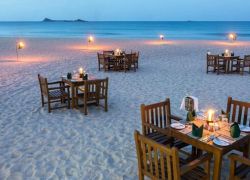
Nilaveli Beach is a stunning tropical beach located in Trincomalee, on the northeastern coast of Sri Lanka. Known for its pristine white sand, crystal-clear turquoise waters, and peaceful atmosphere, Nilaveli is one of the most beautiful beaches in the country. Whether you're seeking a relaxing beach getaway or an adventure-packed holiday, Nilaveli Beach offers something for everyone. How to Reach Nilaveli Beach Nilaveli Beach is located about 16 kilometers north of Trincomalee town, making it easily accessible by road. The best way to reach Nilaveli is by car or tuk-tuk from Trincomalee. You can also take a bus to Trincomalee from Colombo or other major cities in Sri Lanka, and then hire a tuk-tuk or a taxi to Nilaveli. For visitors coming from Colombo, the drive takes approximately 6-7 hours. From Trincomalee, it is a short drive of about 20-30 minutes. The route is well-maintained, and the ride offers scenic views of the coastline. Weather at Nilaveli Beach The climate in Nilaveli is tropical, with warm weather throughout the year. The best time to visit Nilaveli Beach is during the dry season, which runs from May to September. During this time, the temperatures range from 25°C to 32°C, making it ideal for beach activities and water sports. From October to December, the region experiences the monsoon season, with occasional rain showers. While the weather can still be warm, it’s best to plan your visit around the dry months to fully enjoy the beach and outdoor activities. Timing of Nilaveli Beach Nilaveli Beach is open to visitors at all times, as it is a public beach. However, the best time to visit the beach is during the day, from 8:00 AM to 5:00 PM, when the weather is pleasant and the water is calm for swimming and other activities. It is advisable to avoid visiting after dark, as there are limited facilities and the area can be less secure at night. Why Famous for Nilaveli Beach, Trincomalee, Sri Lanka? Nilaveli Beach is famous for its untouched natural beauty, with pristine white sands, crystal-clear waters, and a peaceful environment. Unlike some of Sri Lanka's more crowded beaches, Nilaveli offers a tranquil escape, making it ideal for visitors looking to relax in a serene setting. Its proximity to Pigeon Island National Park, a protected marine sanctuary, is another reason for its popularity. The beach is also known for its fantastic opportunities for snorkeling, scuba diving, and whale watching, making it a top choice for water sports enthusiasts. Entry and Visit Details Access to Nilaveli Beach is free, as it is a public beach. However, if you plan to visit Pigeon Island National Park for snorkeling or diving, you will need to pay an entry fee for the park. There are also a variety of hotels and resorts near Nilaveli Beach, ranging from budget accommodations to luxurious beachfront properties, where visitors can stay. While visiting, be sure to carry sunscreen, a hat, and plenty of water to stay hydrated. Nilaveli Beach is relatively less commercialized compared to other beaches in Sri Lanka, so there are fewer shops and restaurants around. It’s advisable to carry your essentials with you or stay at one of the nearby resorts where services are readily available. History of Nilaveli Beach Nilaveli Beach is known for its natural beauty and historical significance in the local culture. The area has long been a destination for both locals and tourists looking for a peaceful beach experience. The beach and its surrounding areas were also influenced by the colonial powers that once controlled Sri Lanka, with the remnants of their influence seen in various nearby sites. In recent years, Nilaveli has grown in popularity as a beach destination due to its pristine environment and the availability of activities like whale watching and scuba diving. Its proximity to Trincomalee, a city with a rich history, adds to the appeal of the beach as a tourist destination. Things to Do at Nilaveli Beach There are plenty of activities to enjoy while visiting Nilaveli Beach. Here are a few things you can do during your stay: Snorkeling and Scuba Diving: Nilaveli Beach is close to Pigeon Island National Park, which is famous for its vibrant coral reefs and diverse marine life. Snorkeling and scuba diving enthusiasts will love exploring the underwater world here. Whale Watching: Nilaveli is one of the best places in Sri Lanka for whale watching. Visitors can take boat tours to spot blue whales, sperm whales, and dolphins, especially during the whale watching season from May to October. Relaxing on the Beach: If you're looking to unwind, Nilaveli Beach is the perfect spot. The calm waters and white sandy shores offer a perfect place to sunbathe, swim, or just enjoy the natural beauty of the surroundings. Fishing: Fishing is another popular activity at Nilaveli Beach. Visitors can engage in traditional fishing methods, or they can join local fishermen on boat trips for a more hands-on experience. Architecture Around Nilaveli Beach While Nilaveli Beach itself is all about natural beauty, the surrounding area features a mix of modern and traditional architecture. The resorts and guesthouses around Nilaveli offer beachfront accommodations with stunning views of the ocean. Traditional Sri Lankan architecture can be seen in some of the temples and local buildings around Trincomalee, a short drive from the beach. The area has maintained its natural appeal, with most buildings being low-rise structures that blend in with the surrounding landscape. This ensures that the beach’s tranquil environment remains intact, and visitors can enjoy the calm, unspoiled beauty of the area. Facts and Tips About Nilaveli Beach Seclusion: Nilaveli Beach is relatively quiet compared to other popular beaches in Sri Lanka, making it a great choice for those seeking a peaceful retreat. Water Safety: The waters at Nilaveli Beach are generally calm, but it’s always advisable to swim in designated areas and pay attention to local safety guidelines, especially if you’re new to water sports. Best Time to Visit: The best time to visit Nilaveli Beach is between April and September when the weather is dry and ideal for beach activities. Respect the Environment: While visiting, be mindful of the natural environment. Avoid littering, and try to minimize your impact on the local ecosystem, particularly around Pigeon Island National Park. Conclusion Nilaveli Beach in Trincomalee, Sri Lanka, is a true tropical paradise. Its pristine beauty, diverse marine life, and range of activities make it an excellent destination for both relaxation and adventure. Whether you’re into water sports, history, or simply enjoying the stunning views, Nilaveli Beach has something for everyone. Plan your visit to this serene destination for an unforgettable experience in Sri Lanka's northeast coast.
Explore More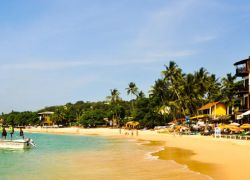
West Coast Beach, located in Kalutara, is a serene and beautiful coastal destination on Sri Lanka's southwestern coastline. This tranquil beach, known for its golden sands, clear waters, and peaceful ambiance, is an ideal spot for relaxation, water activities, and cultural exploration. With its proximity to the capital city Colombo and various historical sites in the region, West Coast Beach attracts both locals and international tourists looking for a perfect beach getaway. How to Reach West Coast Beach West Coast Beach is located about 40 kilometers south of Colombo, making it an easily accessible beach destination. The most convenient way to reach the beach is by car or taxi, with the journey taking approximately 1.5 to 2 hours, depending on traffic. You can also take a bus or train from Colombo to Kalutara, with buses taking about 2 hours and trains taking around 1.5 hours. Once you arrive in Kalutara, the beach is a short 5-10 minute ride by tuk-tuk or a 15-minute walk from the town center. If you are driving from Colombo, you can take the Southern Expressway (E01) for a faster route. The expressway provides easy access to Kalutara and surrounding areas. Once you reach Kalutara, a taxi or tuk-tuk can take you directly to West Coast Beach. The beach is located just beyond the Kalutara Bridge, near the mouth of the Kalu River, where the river meets the ocean. Weather at West Coast Beach West Coast Beach enjoys a tropical climate, with warm temperatures throughout the year. The average temperature ranges between 25°C to 30°C, making it a great beach destination for sun lovers. The best time to visit West Coast Beach is during the dry season, from December to April, when the weather is sunny and rainfall is minimal. The dry season is ideal for enjoying outdoor activities like swimming, sunbathing, and water sports. From May to September, the region experiences the monsoon season, with occasional rainfall and higher humidity. While the rain showers are usually brief, it’s advisable to check the weather forecast if you plan to visit during the rainy season. The beach remains accessible year-round, but the rainy season can be less favorable for outdoor activities. Timing of West Coast Beach West Coast Beach is open to the public 24/7, as it is a natural beach. However, the best times to visit are during daylight hours, especially in the early morning or late afternoon. Early mornings offer a peaceful atmosphere, perfect for a calm walk along the shore or a quiet swim in the sea. Late afternoons are also ideal for enjoying the sunset, which is a stunning sight at this beach, with the sun sinking into the horizon over the Indian Ocean. While the beach is not usually crowded, it is more lively during weekends and holidays, when locals and tourists alike come to enjoy the sun and sand. For a quieter experience, it’s best to visit on weekdays or during the early morning hours. Why Famous for West Coast Beach, Kalutara, Sri Lanka? West Coast Beach is famous for its natural beauty and its laid-back atmosphere. Unlike some of the more commercialized beaches in Sri Lanka, this beach offers a quieter and more relaxed environment, making it an excellent destination for those looking to escape the hustle and bustle of more crowded tourist spots. The beach is known for its soft, golden sand and the clear blue waters of the Indian Ocean, which make it ideal for swimming, sunbathing, and taking in the scenic views. The beach is also surrounded by lush palm trees and vegetation, adding to its charm and making it a picturesque spot for relaxation and photography. Another unique feature of West Coast Beach is its location near the mouth of the Kalu River, where the river meets the sea. This provides visitors with a chance to enjoy both river and ocean views. The proximity to Kalutara Bodhiya, a sacred Buddhist site, and the historic Kalutara Bridge adds to the cultural significance of the area, making the beach a great place to combine nature and culture during your visit. Entry and Visit Details West Coast Beach is a public beach, and there is no entry fee to visit. Visitors can access the beach at any time of the day. However, there are several nearby hotels and resorts that offer private beach access, along with additional amenities such as sunbeds, umbrellas, and refreshments for a more comfortable beach experience. Although the beach is public, it is well-maintained, and there are basic facilities such as public restrooms and showers available. However, there are limited food and drink options directly on the beach. Visitors are recommended to bring their own water and snacks or head to nearby hotels and restaurants for meals. The beach is also safe for swimming, with lifeguards present in some areas during peak hours. For those looking for more organized activities, several local operators offer water sports rentals such as jet skiing, paddleboarding, and windsurfing. These activities are available for an additional charge, and most rentals come with safety equipment and instructions from trained professionals. History of West Coast Beach While West Coast Beach does not have a long recorded history like some of Sri Lanka’s ancient sites, it has been a significant location for local fishermen and residents for centuries. The area around Kalutara has long been an important trade and transportation route, and the beach has played a role in the region’s maritime activities. Historically, Kalutara itself has been a hub for trade, and the West Coast Beach was once frequented by traders and sailors arriving from the sea. The Kalutara Bridge, built during the British colonial era, is an important historical landmark near the beach, connecting the northern and southern parts of the region. Today, the beach serves not only as a recreational area but also as a reminder of the region’s maritime and trade heritage. The Kalu River, which flows into the sea at this point, has also played a crucial role in the area’s economy, with fishing and river transport being vital to the local community. Architecture of the West Coast Beach Area The architecture surrounding West Coast Beach blends traditional Sri Lankan styles with modern designs. Many of the hotels and resorts along the beach feature coastal-inspired designs, with open-air verandas, large windows, and rooftops designed to capture the ocean breeze. In addition to the modern beachfront resorts, you’ll find traditional Sri Lankan-style buildings, including the nearby Kalutara Bodhiya temple, which features classical Buddhist architecture. The Kalutara Bridge, a colonial-era structure, adds to the historical charm of the area and provides a picturesque backdrop for the beach. The contrast between modern beachfront properties and historical sites creates a unique and aesthetically pleasing environment around West Coast Beach. Things to Do at West Coast Beach West Coast Beach offers a variety of activities for all types of visitors. Here are some of the best things to do while at the beach: Swimming: The beach is ideal for swimming due to its calm waters and gentle waves. It’s a great spot for both beginners and experienced swimmers. Water Sports: Rent jet skis, paddleboards, or try windsurfing for an exciting experience on the water. Local operators offer equipment and lessons for beginners. Sunbathing: West Coast Beach is perfect for sunbathing, with plenty of space for laying out towels or renting beach chairs. The warm weather and sunny days make it an ideal spot for relaxation. Photography: The picturesque views of the ocean, palm trees, and the Kalu River make this beach a fantastic location for photography, especially during sunrise or sunset. Exploring the Kalu River: Take a boat ride along the Kalu River to explore the surrounding natural beauty and enjoy birdwatching along the riverbanks. Visit Nearby Attractions: Explore Kalutara Bodhiya, the Kalutara Bridge, or take a short drive to visit other cultural and historical sites in Kalutara. Facts and Tips About West Coast Beach Wear sunscreen and a hat to protect yourself from the sun, especially if you plan to spend long hours at the beach. Bring your own snacks and water, as there are limited food vendors directly on the beach. For a more peaceful experience, visit early in the morning or late in the afternoon when the beach is less crowded. Always check the weather before engaging in water sports, and use the appropriate safety equipment provided by rental operators. If you want to enjoy a quieter beach experience, visit on weekdays or during off-peak times. Conclusion West Coast Beach in Kalutara is a beautiful, serene destination that offers the perfect balance of relaxation, water activities, and cultural exploration. Whether you’re swimming in the calm waters, enjoying a sunset, or exploring nearby attractions, the beach provides an ideal getaway for anyone visiting Sri Lanka’s southwestern coast. With its stunning natural surroundings and easy accessibility, West Coast Beach is sure to leave a lasting impression on all who visit.
Explore More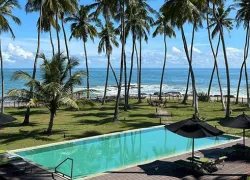
Kottukal Beach in Batticaloa is one of the most beautiful and peaceful beaches on the eastern coast of Sri Lanka. Known for its stunning natural setting, quiet atmosphere, and sparkling blue waters, it has become a favorite destination for travelers seeking relaxation away from commercial crowds. The beach features long stretches of golden sand, swaying palm trees, and turquoise ocean waves that create the perfect environment for sunbathing, swimming, and beachside walks. Kottukal Beach is especially loved by visitors who want to experience the authentic coastal lifestyle of Batticaloa while enjoying peaceful scenery and clean surroundings. The area around Kottukal Beach is also surrounded by fishing communities, offering visitors a chance to observe traditional Sri Lankan lifestyles and daily activities of local fishermen. Unlike overly developed tourist beaches, Kottukal Beach maintains its natural beauty and calmness, making it ideal for solitude seekers, couples, backpackers, and families who want a serene environment. The natural surroundings also attract nature photographers and explorers looking for beautiful sunrise and sunset views along the coast. How to Reach Kottukal Beach Kottukal Beach is located about 40–45 minutes from the Batticaloa town area. The most convenient way to reach the beach is by road. Visitors can hire a private taxi, rent a scooter, or use local buses that operate from Batticaloa town toward coastal villages. The roads are smooth and scenic, passing through paddy fields, coconut groves, and small villages. If traveling from Colombo, visitors can reach Batticaloa by train, bus, or car. Overnight trains and buses run frequently, and once in Batticaloa, local transportation can take you easily to Kottukal Beach. Some travelers also visit from nearby tourist towns such as Pasikudah and Kalkudah since the beach is well connected to popular eastern coastline destinations. Weather at Kottukal Beach Kottukal Beach experiences warm and tropical weather throughout the year. The ideal months to visit are from April to September when the sea is calm and skies are mostly clear. The average daytime temperature ranges from 27°C to 33°C, making it perfect for water activities, beach walks, and outdoor sightseeing. During the monsoon season (November to February), the area can experience rain and strong sea currents, so travelers should plan accordingly. However, even during monsoon, the beach offers beautiful natural charm and refreshing weather. Timing of Visit Kottukal Beach is open throughout the day and accessible at all hours, as it is a public beach. Most travelers prefer visiting early in the morning for quiet and scenic sunrise views, or in the late afternoon when the weather becomes cooler and sunsets light up the sky. Visitors spending the full day can enjoy beach walks, swimming, and relaxing on the sand. Night visits are also peaceful, but travelers should carry necessary safety items as the beach has limited lighting in remote areas. Why Kottukal Beach is Famous Kottukal Beach is famous for its untouched natural beauty and serene environment. Unlike many commercial beaches, it offers clean sands, calm waters, and very few crowds. Visitors come here for meditation, yoga, photography, and relaxation. The sunrise over the eastern horizon is especially magnificent and often considered one of the most memorable views in Batticaloa. The beach is also known for its fishing culture. Early morning visitors may see fishermen pulling nets and boats returning from sea, offering an authentic glimpse into Sri Lankan coastal traditions. Additionally, its proximity to other tourist attractions further enhances its popularity among travelers. Entry and Visit Details Entry to Kottukal Beach is completely free, and visitors can explore at any time. There are no entry tickets or restrictions. Basic facilities such as small shops and local food stalls may be found near the beach, especially during peak tourist seasons. Travelers are advised to carry necessary items such as drinking water, towels, sunscreen, beach mats, and personal belongings since the beach remains minimally commercialized. History and Architecture Kottukal Beach does not have built architectural structures like forts or temples, but it forms an important part of the cultural and historical identity of Batticaloa’s coastal communities. The region has been home to fishing families for generations, and traditional wooden fishing boats, known as oruwa, can still be seen along the shores. The beach has remained largely untouched, preserving its natural coastline and way of life without modern construction taking over. Its historical significance lies in its legacy as a traditional fishing hub and natural environment that has supported the local economy for many years. Things to Do at Kottukal Beach Visitors can enjoy several peaceful and refreshing activities at Kottukal Beach, including: - Swimming in the calm turquoise waters - Morning or evening beach walks - Watching traditional fishing activities - Photography and nature videography - Picnicking with family or friends - Relaxing on the sand and listening to ocean waves - Spotting seabirds along the coast - Meditation or yoga practice in a quiet environment Facts About Kottukal Beach - It is one of the less crowded beaches in the Batticaloa region. - Known for spectacular sunrises due to its eastern location. - Surrounded by rural fishing communities with rich cultural heritage. - Offers natural, clean, and undeveloped coastline views. - Close to other eastern coastal attractions like Pasikudah and Kalkudah beaches. Tips for Visiting Kottukal Beach - Bring sunscreen, hats, and protective clothing as daytime sun can be strong. - Carry water and snacks since there are limited shops near the beach. - Early morning or late afternoon visits are ideal for pleasant temperatures and scenic beauty. - Respect the local fishing community and avoid disturbing boats and nets. - Be cautious while swimming during monsoon months due to changing tides. - Keep the beach clean and avoid littering to help preserve its natural beauty.
Explore More