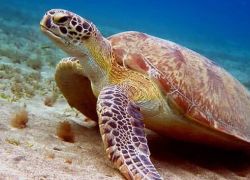
The Kosgoda Turtle Sanctuary, located in the coastal town of Bentota, Sri Lanka, is one of the country's most significant wildlife conservation efforts. The sanctuary is dedicated to protecting endangered sea turtle species and plays an essential role in preserving Sri Lanka’s rich marine life. The facility offers visitors a chance to learn about these fascinating creatures, witness conservation efforts firsthand, and even participate in the release of baby turtles back into the wild. How to Reach Kosgoda Turtle Sanctuary, Bentota, Sri Lanka The Kosgoda Turtle Sanctuary is located about 12 kilometers south of Bentota, along the southwestern coast of Sri Lanka. To reach the sanctuary from Bentota, you can take a short drive via the Galle Road (A2) towards Kosgoda, which will take around 15-20 minutes. If you are traveling from Colombo, it is approximately a 2-hour drive (around 80 km) along the Southern Expressway. Public transportation options, such as buses and tuk-tuks, are also available for a more local experience. Weather in Kosgoda, Bentota The weather in Kosgoda is tropical and typically warm throughout the year, with temperatures averaging around 27-32°C (81-90°F). The best time to visit the Kosgoda Turtle Sanctuary is during the dry season, from December to April, when the weather is pleasant and there is less rain. The monsoon season runs from May to October, with heavy rainfall and occasional storms, making the wet season less ideal for visiting. Timings for Visiting Kosgoda Turtle Sanctuary The Kosgoda Turtle Sanctuary is open to visitors daily from 8:00 AM to 5:30 PM. It is recommended to visit early in the morning or late in the afternoon to avoid the midday heat. If you're lucky, you might even get the chance to witness the release of baby turtles into the ocean during the right season. Be sure to check with the sanctuary staff about the release schedules, as these can vary depending on turtle nesting and hatching patterns. Why Kosgoda Turtle Sanctuary is Famous The Kosgoda Turtle Sanctuary is famous for its dedication to the conservation of endangered sea turtles. The sanctuary is home to several species of sea turtles, including the Olive Ridley, Green Turtle, Hawksbill, and Loggerhead turtles. Each year, the sanctuary collects turtle eggs that are laid along the beach, hatches them in controlled environments, and then releases the baby turtles back into the sea. This process helps protect the vulnerable eggs from predators and the impact of human activities. In addition to its conservation efforts, the sanctuary is also a significant educational center where visitors can learn about the biology, behavior, and ecological importance of sea turtles. By visiting the sanctuary, you support these essential conservation efforts and raise awareness about the need to protect marine life. Entry and Visit Details for Kosgoda Turtle Sanctuary Entry to the Kosgoda Turtle Sanctuary is allowed for a small fee. The standard entry fee for international tourists is around LKR 500-1000, while locals usually pay a reduced fee. This fee helps maintain the sanctuary and fund conservation efforts. The sanctuary offers guided tours where knowledgeable staff will share fascinating details about the turtle species and the work being done to protect them. Visitors are welcome to explore the sanctuary at their own pace, but it is highly recommended to take a guided tour for a more enriching experience. History and Architecture of Kosgoda Turtle Sanctuary The Kosgoda Turtle Sanctuary was established in 1988 by the Turtle Conservation Project, a nonprofit organization dedicated to the protection and conservation of sea turtles. The sanctuary was set up in response to the declining turtle population along Sri Lanka's coastline due to poaching, habitat loss, and environmental pollution. Over the years, the sanctuary has grown into a model for turtle conservation in the region. While the sanctuary itself is relatively simple in terms of architecture, its design is functional and tailored to the needs of the turtles. The sanctuary is equipped with large hatcheries to protect turtle eggs and rearing tanks for the baby turtles. The open-air tanks allow visitors to observe the turtles in their natural state before they are released into the ocean. The facility also includes educational displays and signage, making it an informative stop for nature lovers. Things to Do at Kosgoda Turtle Sanctuary Learn About Turtle Conservation: Take a guided tour to understand the work done to protect sea turtles and the challenges they face. Observe Turtle Hatchlings: Witness baby turtles hatching and making their way to the ocean—a truly magical experience. Release Baby Turtles: Depending on the time of year, you might be able to participate in releasing baby turtles into the sea. Explore the Turtle Museum: The sanctuary has a small museum that features information about different species of sea turtles, their habitats, and conservation efforts. Facts and Tips about Kosgoda Turtle Sanctuary Best Time to Visit: Visit between December and April for the best weather and the chance to see hatchlings being released into the ocean. Dress Comfortably: Wear comfortable clothing and shoes suitable for walking in a tropical environment. A hat and sunscreen are recommended. Respect the Wildlife: While it is exciting to see the turtles, remember that they are wild animals. Be respectful and avoid disturbing them during your visit. Contribute to Conservation: Donations are welcomed at the sanctuary. You can also adopt a turtle or sponsor the release of a turtle as a way to support the sanctuary’s efforts. Photography: Photography is allowed, but avoid using flash when taking pictures of the turtles, as it can disturb them. Conclusion The Kosgoda Turtle Sanctuary in Bentota, Sri Lanka, is a must-visit destination for animal lovers, nature enthusiasts, and anyone interested in contributing to wildlife conservation. With its focus on protecting endangered sea turtles and educating the public about their ecological importance, the sanctuary offers a unique and rewarding experience. Whether you’re learning about turtle biology, observing hatchlings, or participating in a release, the Kosgoda Turtle Sanctuary provides a deeper connection to Sri Lanka’s marine life and natural beauty.
Explore More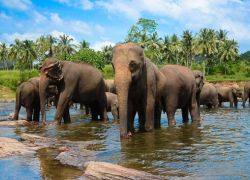
The Pinnawala Elephant Orphanage, located in the village of Pinnawala in Sri Lanka, is one of the most famous and unique wildlife attractions in the country. Established in 1975, the orphanage was created to care for orphaned, injured, and abandoned elephants that have no families to return to in the wild. Over the years, it has become a significant center for elephant conservation, housing one of the largest populations of captive elephants in the world. The orphanage is not only a place for the rehabilitation of elephants but also an educational site that raises awareness about the importance of protecting these majestic animals. History of Pinnawala Elephant Orphanage The Pinnawala Elephant Orphanage was established by the Sri Lanka Department of Wildlife Conservation in 1975 with the aim of caring for orphaned elephants found in the wild. The first elephant to be brought to the orphanage was a baby elephant named "Sama," who had been found abandoned in the wild. Since then, the orphanage has expanded to house more than 80 elephants, including some rescued from various regions of Sri Lanka. Many of these elephants had been injured, orphaned, or lost due to poaching, and they were unable to survive on their own in the wild. In the beginning, the orphanage focused on providing care and rehabilitation for the elephants. Over time, the facility expanded to include breeding programs, and the elephants became a major draw for both locals and international tourists. Today, Pinnawala is recognized as one of the world’s leading elephant sanctuaries and a key player in the conservation of Sri Lanka's national animal. Architecture of Pinnawala Elephant Orphanage The Pinnawala Elephant Orphanage itself is a simple, open-air facility designed to mimic the natural environment of elephants as much as possible. The park is set on an expansive piece of land with grassy fields, trees, and a river running through it, allowing the elephants to roam freely within certain areas. The elephants live in groups, and the orphanage has established separate areas for feeding, bathing, and sleeping. There is also a small museum that houses information about the history of the orphanage, elephant conservation, and the daily life of elephants. The most iconic feature of the orphanage is the river that runs alongside the park. Twice a day, the elephants are taken down to the river for a bath, where visitors can watch them play, splash, and enjoy the water. This daily ritual is one of the most popular attractions for tourists and a highlight of the Pinnawala experience. Why Pinnawala Elephant Orphanage is Famous? Pinnawala Elephant Orphanage is famous for its role in elephant conservation and for offering a rare and up-close opportunity for visitors to interact with these majestic creatures. It is one of the best places in Sri Lanka to see elephants in a semi-wild environment, where they are cared for and protected while being allowed to engage in natural behaviors. Some key reasons for its fame include: Elephant Bathing Sessions: The elephants are taken down to the nearby river twice a day, and visitors can watch them bathe and play in the water. This is a highly engaging activity for tourists and one of the orphanage's biggest attractions. Breeding Program: The orphanage has a successful breeding program that has helped increase the population of elephants in captivity, contributing to the long-term sustainability of the species. Education and Conservation: The orphanage offers a wealth of information about elephant conservation and the challenges facing elephants in the wild, particularly in Sri Lanka, where human-elephant conflict and poaching are major issues. Volunteer Opportunities: Pinnawala offers volunteer programs where people can spend time caring for the elephants, feeding them, and assisting with their daily activities. How to Reach Pinnawala Elephant Orphanage Pinnawala Elephant Orphanage is located in the central part of Sri Lanka, in the Sabaragamuwa Province, around 90 kilometers (56 miles) from Colombo, the capital city. Here are some ways to reach the orphanage: By Air: The nearest international airport is Bandaranaike International Airport in Colombo. From the airport, you can take a taxi or hire a private vehicle to reach the orphanage in approximately 2 to 2.5 hours. By Road: Pinnawala is accessible by car or bus from major cities like Colombo, Kandy, and Negombo. The road trip from Colombo to Pinnawala takes around 2 hours. There are also several bus services that run from Colombo, Kandy, and other nearby towns to Pinnawala. By Train: The nearest railway station to Pinnawala is in Kandy, which is about 30 kilometers (18 miles) away. From Kandy, you can take a taxi or a bus to Pinnawala. Weather at Pinnawala Elephant Orphanage Pinnawala experiences a tropical climate, with a mix of wet and dry seasons. The best time to visit the orphanage is during the dry season, which runs from December to April. During this time, the weather is warm and sunny, and the elephants are more active in the river, making it ideal for sightseeing and photography. During the monsoon season (May to October), the weather is rainy and humid, which may cause some disruptions in outdoor activities. However, this period also brings lush greenery to the surrounding area, making it an ideal time for nature enthusiasts. Timing of Pinnawala Elephant Orphanage The Pinnawala Elephant Orphanage is open every day of the year, allowing visitors to experience the elephants at any time. The general visiting hours are: Opening Time: 8:30 AM Closing Time: 6:00 PM The best times to visit are early in the morning or late in the afternoon when the elephants are most active and the weather is cooler. The bathing sessions usually take place at 10:00 AM and 2:00 PM. Entry and Visit Details Visitors can purchase entry tickets at the main entrance to the orphanage. The ticket price varies for locals and international tourists. The entry fee grants access to the orphanage grounds, elephant viewing areas, and the opportunity to watch the elephants bathe in the river. There are also opportunities to feed the elephants, which is a popular activity for visitors. Guided tours are available for visitors who want more detailed information about the history of the orphanage and the elephants. It is highly recommended to book a guided tour for a richer experience and deeper insight into the conservation efforts and the lives of the elephants at the orphanage. Things to Do at Pinnawala Elephant Orphanage Elephant Bathing: Witness the spectacular sight of elephants bathing in the river, where they splash and play in the water. This is the highlight of the visit and offers excellent photo opportunities. Feeding Elephants: Visitors can feed the elephants with specially prepared food, such as fruits and vegetables, under the supervision of the staff. Explore the Grounds: Walk around the orphanage and watch the elephants in their natural surroundings, including the feeding areas, resting places, and the river. Volunteer: There are opportunities to volunteer at the orphanage, assisting with daily tasks such as feeding and caring for the elephants. Facts About Pinnawala Elephant Orphanage The orphanage was established in 1975 to care for orphaned, injured, or abandoned elephants. Pinnawala is home to over 80 elephants, making it one of the largest elephant sanctuaries in the world. The orphanage has successfully bred elephants in captivity, contributing to the conservation of Sri Lanka’s elephant population. Visitors can watch the elephants bathe in the river, an activity that takes place twice a day and is a major attraction. Travel Tips for Visiting Pinnawala Elephant Orphanage Arrive early in the day to catch the elephants’ morning bath and feeding sessions. Wear comfortable clothing and shoes, as you will be walking around the grounds. Bring a hat, sunscreen, and water to stay cool during your visit. Consider hiring a guide to learn more about the orphanage’s history and elephant conservation efforts. Respect the elephants and staff—do not touch or disturb the animals without permission. Visiting Pinnawala Elephant Orphanage is a truly memorable experience, offering a rare chance to see elephants up close while supporting conservation efforts. Whether you're an animal lover, nature enthusiast, or simply curious about Sri Lanka's wildlife, Pinnawala provides an enriching experience that highlights the importance of protecting one of the world's most magnificent creatures.
Explore More
Sinharaja Forest Reserve is one of the most treasured natural wonders of Sri Lanka, located in the Ratnapura district. It is the last large surviving area of tropical rainforest in the country and has been recognized as a UNESCO World Heritage Site due to its rich biodiversity and ecological importance. The forest is densely packed with evergreen trees, wildlife, waterfalls, and scenic landscapes that offer a unique nature experience for travelers. Known for its mystical atmosphere, vibrant biodiversity, and adventure trekking trails, Sinharaja attracts nature lovers, wildlife photographers, bird watchers, and researchers from all over the world. The forest spans across over 11,000 hectares and is home to many endemic species of plants, animals, and birds. Nearly 60% of the trees within Sinharaja are endemic and rare, while the wildlife includes mammals, reptiles, amphibians, and a large number of endemic birds. As an untouched rainforest, Sinharaja has a calm and deep natural charm that makes it one of the most peaceful destinations in Sri Lanka. Tourism here is limited and managed carefully to preserve the natural ecosystem, allowing visitors to experience the forest in its original form. History and Formation of Sinharaja Forest Reserve Sinharaja Forest Reserve has a history dating back millions of years. It is believed to be part of the ancient Gondwana supercontinent, making it one of the oldest surviving rainforests in Asia. The name “Sinharaja” translates to “Lion King,” suggesting an ancient connection to the cultural and historical legends of Sri Lanka. For centuries, the forest served as a protective natural barrier and a resource base for medicinal plants and natural products used by indigenous communities. In 1978, Sinharaja was declared a National Heritage Wilderness Area, and in 1988, it received UNESCO World Heritage status. The forest is protected under strict conservation laws, and its infrastructure is minimal to maintain ecological balance. Although not architecturally developed like historical monuments, its natural “architecture” is striking. The towering trees, thick canopy layers, and forest floor vegetation form a living structure that reflects the ancient rainforest’s evolution and complex ecosystem. How to Reach Sinharaja Forest Reserve Sinharaja Forest Reserve can be reached through several entry points, and the most commonly used ones are through Kudawa, Weddagala, and Pitadeniya. The nearest major town is Ratnapura, located approximately 50–70 km from the forest entrances, depending on the route. Travelers arriving from Colombo can reach Ratnapura by bus, car, or private taxi. From Ratnapura, local buses and tuk-tuks are available to reach the forest access points, although hiring a private vehicle is more convenient due to the winding roads. Visitors may also arrive via Matugama or Deniyaya, depending on their accommodation and preferred route. Though the journey involves narrow and hilly paths, the scenic drive through tea plantations and rural landscapes is part of the adventure. Weather at Sinharaja Forest Reserve Sinharaja experiences a tropical rainforest climate with high humidity and frequent rainfall throughout the year. The average temperature ranges from 20°C to 30°C, with cooler conditions inside the forest due to shade and dense canopy cover. The heaviest rains occur during the southwest monsoon season from May to September, while the driest months are January to March. However, even during the dry season, short showers are common. Visitors are advised to carry lightweight raincoats, waterproof bags, and suitable trekking footwear to handle slippery paths. The weather contributes to the lush greenery and rich ecosystem, making Sinharaja a year-round destination for nature lovers. Timings of Sinharaja Forest Reserve The reserve is open daily from early morning until late afternoon. The best time to visit is from 7:00 AM to 4:00 PM. Guided tours are recommended for safety and educational value, as guides help visitors spot wildlife, identify plants, and navigate trails. Entering the forest without a registered guide is usually not permitted. Why Sinharaja Forest Reserve is Famous Sinharaja is famous for its rich biodiversity, ecological research importance, and rare wildlife sightings. The forest is home to over 50% of Sri Lanka’s endemic wildlife species. It is one of the best places for birdwatching, with species like the Sri Lankan Blue Magpie, Red-Faced Malkoha, and Sri Lanka Hanging Parrot commonly spotted. Many travelers also visit Sinharaja for trekking through dense nature trails, encountering natural pools, and experiencing pristine jungle scenery untouched by modern development. Entry and Visit Details Visitors must purchase an entry ticket at the designated entrances. Ticket prices vary for locals, foreign tourists, and students. Hiring an official guide is generally mandatory, and guide charges are based on group size. The forest authorities regulate visitor access to prevent over-tourism and environmental damage. Photography is permitted, but drones are usually not allowed without special authorization. Visitors are requested to follow eco-friendly rules such as not disturbing animals, not collecting plants, and carrying back any waste. Things to Do in Sinharaja Forest Reserve The forest offers several activities for visitors, including: 1. Jungle Trekking: Exploring the forest trails is the most popular activity. Treks vary in difficulty and duration, allowing visitors to choose routes based on interest. 2. Bird Watching: Sinharaja is one of Sri Lanka’s top birdwatching destinations, especially during early mornings. 3. Wildlife Photography: Photographers can capture rare reptiles, amphibians, butterflies, and plants in their natural habitat. 4. Waterfalls and Streams: Natural pools and small waterfalls provide scenic resting points during treks. 5. Nature Education: Guided tours provide knowledge about forest ecology, medicinal plants, and wildlife behavior. Interesting Facts About Sinharaja Forest Reserve - Sinharaja is home to more than 60% of Sri Lanka’s endemic trees. - Over 147 bird species have been recorded inside the forest. - The forest is estimated to be more than 100 million years old. - It is one of the few rainforests in the world with minimal human interference. - Many Sri Lankan streams and rivers originate from the Sinharaja range. Travel Tips for Visiting Sinharaja Forest Reserve - Wear lightweight and breathable outdoor clothing suitable for trekking. - Carry insect repellent, rain protection, and enough drinking water. - Hire a licensed guide for safety and a better experience. - Avoid touching unknown plants or insects, as some may be harmful. - Respect wildlife and avoid loud noises to prevent disturbance. - Start your trek early to get the best weather and wildlife sightings. - Follow all forest rules to help preserve this natural treasure. A visit to Sinharaja Forest Reserve offers a peaceful escape into one of the world’s most untouched tropical rainforests. Whether you are a nature lover, wildlife enthusiast, photographer, or adventurer, this remarkable destination promises an unforgettable and enriching experience.
Explore More