"Historical site of freedom struggle and sacrifice"
Welcome to Cellular Jail, a historic site located in South Andaman that holds immense significance in India's freedom struggle. The jail stands as a reminder of the sacrifices made by countless freedom fighters who were imprisoned here during the British colonial rule. With its rich history, natural surroundings, and tourism appeal, Cellular Jail attracts visitors from around the world, offering a blend of historical exploration and natural beauty.
History of Cellular Jail
Cellular Jail, also known as Kālā Pānī, was constructed in the late 19th century by the British to exile political prisoners and revolutionaries. The jail complex served as a dreaded colonial prison where inmates endured harsh living conditions and brutal treatment. Over the years, it has transformed into a symbol of the indomitable spirit of India's freedom fighters. The UNESCO has recognized Cellular Jail as a World Heritage Site, acknowledging its historical significance.
Architecture and Natural Beauty of Cellular Jail
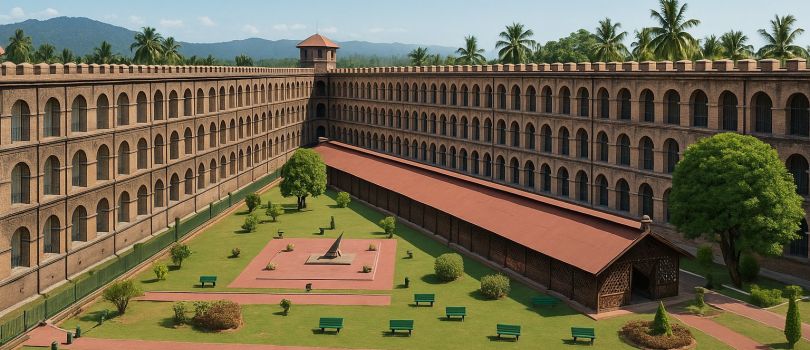
Surrounded by the azure waters of the Andaman Sea, Cellular Jail offers a unique juxtaposition of historical architecture and natural splendor. The lush greenery, pristine beaches, and diverse marine life add to the charm of this heritage site. Visitors can explore the various wings of the penitentiary and witness the somber beauty of the colonial-era structure. Additionally, the nearby Keoladeo Temple provides a spiritual retreat amidst the historical setting.
Why is Cellular Jail Famous?
Cellular Jail is renowned for its historical significance and architectural marvel. However, it is most famous for being a pilgrimage site for history enthusiasts, birdwatchers, photographers, and nature lovers. The jail's eerie silence and echoing corridors evoke a sense of patriotism and reverence, making it a must-visit destination for those interested in India's independence struggle.
How to Reach Cellular Jail
Traveling to Cellular Jail is convenient as it is well-connected by air, rail, and road. The nearest airport is Veer Savarkar International Airport in Port Blair, which offers regular flights from major cities in India. For those preferring rail travel, one can reach Port Blair by boarding a train to Chennai or Kolkata and then taking a ferry to the Andaman Islands. A network of roads connects Cellular Jail to various parts of South Andaman, making it easily accessible by private or public transport.
Weather and Best Time to Visit Cellular Jail
South Andaman experiences a tropical climate with distinct summer, monsoon, and winter seasons. The best time to visit Cellular Jail is during the winter months from November to February when the weather is pleasant, and the island is lush green. Monsoons bring heavy rainfall, enhancing the natural beauty of the region, while summers can be hot and humid, making outdoor activities challenging.
Timings of Cellular Jail
Cellular Jail is open to visitors from [Timings], offering guided tours and insights into the historical significance of the site. It is advisable to check for any seasonal variations in timings and plan your visit accordingly. The jail authorities provide informative sessions to enhance the visitor experience and ensure a deeper understanding of the site's heritage.
Entry Fee and Visit Details
Visitors can enter Cellular Jail by purchasing entry tickets at the designated counters. Guide services are available for those seeking detailed information about the jail's history and notable inmates. Additionally, visitors can opt for safari tours, rent bicycles to explore the surroundings, and utilize the facilities provided on-site for a comfortable and enriching visit.
Things to Do at Cellular Jail
At Cellular Jail, visitors can engage in a variety of activities that cater to different interests. Birdwatching enthusiasts can spot a diverse range of avian species in the natural surroundings. Photographers can capture the architectural details and scenic vistas offered by the jail and its environs. Nature lovers can indulge in walking trails, observe the local flora and fauna, and immerse themselves in the tranquil ambiance of the site.
Interesting Facts About Cellular Jail
Cellular Jail is home to numerous migratory birds that flock to the region during specific seasons, adding to the biodiversity of the area. The conservation efforts undertaken to preserve the jail's historical integrity have garnered recognition and accolades. The ecological importance of Cellular Jail lies in its ability to serve as a living testament to India's struggle for independence and the resilience of its people.
Travel Tips for Visiting Cellular Jail
When visiting Cellular Jail, it is advisable to wear comfortable clothing suitable for exploring the site. Photography enthusiasts should carry their equipment to capture the essence of the historical architecture and natural beauty. Depending on personal preferences, choosing the right season for the visit is essential to enjoy the best of what Cellular Jail has to offer. Responsible tourism practices, such as respecting the site's heritage and following designated guidelines, contribute to a meaningful and sustainable travel experience.
Conclusion
In conclusion, Cellular Jail in South Andaman stands as a poignant reminder of India's struggle for independence and the sacrifices made by its brave freedom fighters. With its historical significance, architectural grandeur, and natural charm, Cellular Jail offers visitors a multifaceted experience that combines education, reflection, and appreciation for the country's rich heritage. A visit to Cellular Jail is not just a journey through history but a tribute to the unwavering spirit of the Indian people.








































Andaman