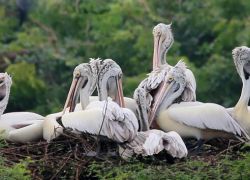
Nelapattu Bird Sanctuary is one of the most important and beautiful bird conservation areas in Andhra Pradesh. Located in Nellore district, close to the Andhra Pradesh–Tamil Nadu border, this sanctuary is especially famous for hosting large populations of migratory birds every year. Spread across a serene landscape of wetlands, lakes, and greenery, Nelapattu Bird Sanctuary offers a peaceful and enriching experience for birdwatchers, wildlife lovers, photographers, and nature enthusiasts. The sanctuary is best known as a major breeding ground for the endangered Spot-billed Pelican, along with several species of storks, herons, egrets, and painted storks. Its calm environment and rich biodiversity make it one of the must-visit eco-tourism destinations in southern India. History of Nelapattu Bird Sanctuary Nelapattu has been an important nesting and breeding site for birds for several decades. Recognizing its ecological significance, the Government of Andhra Pradesh declared Nelapattu as a Bird Sanctuary in 1976. The area was protected to conserve the rapidly declining population of Spot-billed Pelicans, which found the large freshwater tanks and tall nesting trees ideal for breeding. Over the years, conservation measures and controlled tourism have helped preserve the sanctuary’s fragile ecosystem. Today, Nelapattu stands as a successful example of wildlife protection and community-supported conservation. Landscape, Architecture, and Natural Setting Unlike historical monuments or urban attractions, Nelapattu Bird Sanctuary is defined by its natural architecture. The sanctuary consists of large freshwater lakes, marshlands, and open water bodies surrounded by tall trees such as Barringtonia and Acacia, which provide ideal nesting platforms for birds. Simple eco-friendly watchtowers and pathways are built within the sanctuary to allow visitors to observe birds without disturbing their natural behavior. These structures are designed to blend with the environment and promote responsible tourism. Why Nelapattu Bird Sanctuary Is Famous Nelapattu Bird Sanctuary is famous for being one of the largest breeding colonies of Spot-billed Pelicans in India. During the peak migratory season, thousands of birds can be seen nesting, feeding, and flying over the wetlands. The sanctuary is also known for hosting a wide variety of migratory and resident birds, including open-billed storks, grey herons, black-headed ibis, cormorants, spoonbills, and egrets. This rich diversity makes it a popular destination for birdwatching and wildlife photography. How to Reach Nelapattu Bird Sanctuary By Air: The nearest airport is Tirupati Airport, located approximately 75 km away. Another option is Chennai International Airport, around 120 km from the sanctuary. From the airports, taxis and buses are available. By Train: The nearest railway station is Sullurupeta, about 20 km away. Nellore Railway Station, located around 55 km away, is another major railhead with good connectivity. By Road: Nelapattu Bird Sanctuary is well connected by road. It can be easily reached from Nellore, Sullurupeta, Chennai, and Tirupati via state highways. Buses, taxis, and private vehicles are commonly used. Weather and Best Time to Visit The sanctuary experiences a tropical climate. Summers (March to June) are hot, with temperatures reaching up to 38°C. Monsoon season (July to September) brings moderate rainfall, replenishing the water bodies. Winters (October to February) are pleasant and mark the peak bird migration season. The best time to visit Nelapattu Bird Sanctuary is from November to March, when thousands of migratory birds arrive and the weather is comfortable for outdoor activities. Timings and Entry Details Sanctuary Timings: Nelapattu Bird Sanctuary is generally open from 8:00 AM to 5:00 PM. Entry is usually restricted during early morning or evening hours to avoid disturbing birds. Entry Fee: A nominal entry fee is charged for visitors. Additional charges may apply for cameras and video equipment. Guided Visits: Local guides may be available to help visitors identify bird species and understand the ecosystem. Things to Do at Nelapattu Bird Sanctuary Birdwatching is the primary activity at the sanctuary. Visitors can observe nesting colonies, feeding patterns, and migratory behaviors from designated watchtowers. Nature photography is another popular activity, especially during the breeding season. Educational visits, nature walks, and eco-tourism activities provide insight into wetland conservation and bird ecology. Interesting Facts About Nelapattu Bird Sanctuary Nelapattu is one of the few places in India where Spot-billed Pelicans breed in large numbers every year. The sanctuary plays a crucial role in the survival of this species. Birds migrate to Nelapattu from regions such as Southeast Asia and Australia, making it an important international migratory stopover. Tips for Visiting Nelapattu Bird Sanctuary Carry binoculars for better bird viewing and wear neutral-colored clothing to avoid disturbing wildlife. Maintain silence and follow sanctuary rules strictly. Avoid using flash photography and do not litter within the sanctuary. Visiting during early morning hours increases the chances of bird sightings. Conclusion Nelapattu Bird Sanctuary in Nellore, Andhra Pradesh, is a haven for birdlife and a must-visit destination for nature and wildlife enthusiasts. With its rich biodiversity, serene wetlands, and successful conservation efforts, the sanctuary offers a refreshing escape into nature while highlighting the importance of protecting fragile ecosystems for future generations.
Explore More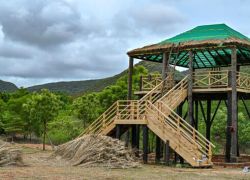
Kambalakonda Wildlife Sanctuary
Kambalakonda Wildlife Sanctuary, also known as Kambalakonda Eco Park, is a protected wildlife sanctuary located in Visakhapatnam, Andhra Pradesh, India. Spread over an area of 71 square kilometers, the sanctuary is nestled in the Eastern Ghats and offers a diverse range of flora and fauna for nature enthusiasts to explore. Location and Geographical Overview The Kambalakonda Wildlife Sanctuary is situated approximately 17 kilometers away from Visakhapatnam city, making it easily accessible for both locals and tourists. The sanctuary is surrounded by lush greenery and offers visitors a serene escape from the hustle and bustle of city life. Open and Closing Time The sanctuary is open to visitors from 9:00 AM to 6:00 PM on all days of the week, allowing ample time for exploration and enjoyment of the natural surroundings. Entry Fee The entry fee for visiting Kambalakonda Wildlife Sanctuary is nominal, making it affordable for people of all ages to experience the beauty of the sanctuary. Visitors can purchase tickets at the entrance gate before entering. Species-Flora/Fauna Availability Kambalakonda Wildlife Sanctuary is home to a wide variety of flora and fauna, including several species of birds, mammals, reptiles, and plants. Visitors can spot animals like deer, wild boars, monkeys, and various species of birds in their natural habitat. Activities Performed Visitors to Kambalakonda Wildlife Sanctuary can engage in a range of activities such as nature walks, bird watching, trekking, and wildlife photography. The sanctuary also offers eco-tourism programs and guided tours for a more immersive experience. Jeep Safari Charges For those looking to explore the sanctuary in a more adventurous way, jeep safaris are available at an additional cost. The charges for jeep safaris vary depending on the duration and route chosen by the visitors. Age Criterion and Entry Fee There are specific entry fees and age criteria for different categories of visitors at Kambalakonda Wildlife Sanctuary. Adult males and females are charged a standard entry fee, while children below a certain age are often granted free admission. Senior citizens may also be eligible for discounted rates or special facilities. Senior Citizen Facilities Kambalakonda Wildlife Sanctuary provides facilities for senior citizens to ensure their comfort and convenience during their visit. These may include wheelchair access, designated resting areas, and special assistance from staff members. Best Time to Visit The best time to visit Kambalakonda Wildlife Sanctuary is during the winter months, from November to February, when the weather is pleasant and wildlife activity is at its peak. Visitors can also enjoy the lush greenery and scenic beauty of the sanctuary during this time. Nearby Places to Visit There are several other attractions near Kambalakonda Wildlife Sanctuary that visitors can explore, including Kailasagiri Hill Park, Indira Gandhi Zoological Park, and the scenic beaches of Visakhapatnam. These destinations offer additional opportunities for sightseeing and leisure activities. Vehicle Parking Facility Visitors traveling to Kambalakonda Wildlife Sanctuary by car or bike can avail of the parking facility provided at the entrance gate. The parking area is safe and well-maintained, allowing visitors to park their vehicles securely while they explore the sanctuary. Rules and Regulations Visitors to Kambalakonda Wildlife Sanctuary are required to adhere to certain rules and regulations to ensure the safety of the wildlife and maintain the sanctity of the natural environment. These may include refraining from littering, feeding animals, and disturbing the flora and fauna in any way. How to Reach and Other Related Information Visakhapatnam is well-connected to major cities in India by road, rail, and air, making it easy for visitors to reach Kambalakonda Wildlife Sanctuary. Local transport options such as buses, taxis, and auto-rickshaws are also available for commuting within the city. For more information on visiting the sanctuary, including ticket prices, timings, and special events, visitors can contact the sanctuary office or visit the official website.
Explore More
Rajiv Gandhi Park, located in Vijayawada, is a popular recreational destination for locals and tourists alike. Named after the former Prime Minister of India, Rajiv Gandhi, the park boasts lush greenery, beautiful landscapes, and a variety of flora and fauna. The park offers visitors a peaceful retreat from the hustle and bustle of city life, making it a must-visit destination for nature lovers and outdoor enthusiasts. Location and Geographical Overview Rajiv Gandhi Park is situated in the heart of Vijayawada, near the Prakasam Barrage. The park covers an area of approximately 25 acres and is surrounded by the picturesque Krishna River. The park's strategic location offers visitors stunning views of the river and the city skyline, making it a perfect spot for a relaxing day out in nature. Open and Closing Time The park is open to visitors from 6:00 AM to 6:00 PM every day of the week. Visitors are advised to plan their visit accordingly to enjoy the park's attractions and activities. Entry Fee Entry to Rajiv Gandhi Park is free for all visitors, making it an affordable and accessible destination for families, groups, and individuals looking to enjoy the beauty of nature. Species-Flora/Fauna Availability Rajiv Gandhi Park is home to a diverse range of flora and fauna, including numerous plant species, trees, flowers, and birds. Visitors can explore the park's well-maintained gardens, walking trails, and birdwatching spots to admire the natural beauty of the surroundings. Activities Performed Visitors to Rajiv Gandhi Park can engage in a variety of activities such as leisurely walks, picnics, nature photography, birdwatching, and meditation. The park's serene environment and well-designed landscape provide the perfect setting for relaxation and rejuvenation. Jeep Safari Charges Rajiv Gandhi Park offers visitors the opportunity to experience a thrilling jeep safari through the park's natural surroundings. The charges for the jeep safari vary based on the duration of the safari and the number of participants. Visitors can inquire about the safari charges at the park's entrance. Age Criterion and Entry Fee Visitors of all ages are welcome at Rajiv Gandhi Park, with separate entry fees for male, female, and children. The entry fee for senior citizens may be discounted or waived, depending on the park's policies. Visitors are advised to check the park's rules and regulations for age-specific entry criteria and fees. Senior Citizen Facilities Rajiv Gandhi Park provides special facilities for senior citizens, including designated seating areas, walking paths, and restrooms. The park's management ensures that senior visitors can enjoy a comfortable and safe experience while exploring the park's attractions. Best Time to Visit The best time to visit Rajiv Gandhi Park is during the early morning or late afternoon when the weather is mild and the park is less crowded. Visitors can enjoy the park's tranquility, natural beauty, and recreational activities during these times of the day. Nearby Places to Visit Visitors to Rajiv Gandhi Park can explore nearby attractions such as the Prakasam Barrage, Bhavani Island, Kanaka Durga Temple, and Undavalli Caves. These popular tourist destinations offer visitors a glimpse into the rich history, culture, and natural beauty of Vijayawada and its surroundings. Vehicle Parking Facility Rajiv Gandhi Park provides ample parking space for visitors' vehicles, including cars, bikes, and buses. Visitors can conveniently park their vehicles near the park's entrance and enjoy a hassle-free visit to the park's attractions and amenities. Rules and Regulations Visitors to Rajiv Gandhi Park are required to follow certain rules and regulations to ensure a safe and enjoyable experience for everyone. Some of the park's rules include maintaining cleanliness, avoiding littering, respecting wildlife, and following designated pathways. Visitors are advised to adhere to the park's rules and regulations for their own safety and the preservation of the park's natural environment. How to Reach and Other Related Information Rajiv Gandhi Park is easily accessible by road, with regular buses, taxis, and private vehicles serving the park's vicinity. The park's central location in Vijayawada makes it a convenient destination for visitors from all parts of the city. Visitors can also explore nearby attractions and amenities such as restaurants, hotels, and shopping centers in the vicinity of the park. Overall, Rajiv Gandhi Park in Vijayawada is a serene and picturesque destination for nature lovers, outdoor enthusiasts, and families looking to unwind and connect with nature. The park's lush landscapes, diverse flora and fauna, and recreational activities make it a must-visit destination for visitors of all ages. Whether you're looking for a peaceful retreat, a leisurely stroll, or an exciting jeep safari adventure, Rajiv Gandhi Park has something for everyone to enjoy.
Explore More
The Krishna Sanctuary, located in Guntur district of Andhra Pradesh, is a captivating wildlife sanctuary that covers an area of approximately 194 square kilometers. Established in 1989, the sanctuary is home to a diverse range of flora and fauna, making it a popular destination for nature enthusiasts and wildlife photographers. Location and Geographical Overview The Krishna Sanctuary is situated around the Krishna River, which flows through the sanctuary, creating a picturesque landscape. The sanctuary is located approximately 50 kilometers away from Guntur city and is easily accessible by road. Opening and Closing Time The Krishna Sanctuary is open to visitors from 6:00 AM to 6:00 PM on all days of the week. Entry Fee There is a nominal entry fee of INR 50 for adults and INR 25 for children to visit the Krishna Sanctuary. Species-Flora/Fauna Availability The sanctuary is home to a wide variety of flora and fauna species. Visitors can spot animals like Indian giant squirrel, spotted deer, wild boar, and various bird species such as peafowl, painted storks, and kingfishers. The sanctuary also boasts a rich diversity of plant species including teak, bamboo, and eucalyptus. Activities Performed Visitors to the Krishna Sanctuary can indulge in activities like bird watching, nature walks, and photography. The sanctuary also offers jeep safaris for a thrilling wildlife experience. Jeep Safari Charges The charges for a jeep safari at the Krishna Sanctuary are INR 500 per person. Age Criterion and Entry Fee There is no specific age criterion for entry into the sanctuary. The entry fee is INR 50 for adults and INR 25 for children. Senior Citizen Facilities The Krishna Sanctuary provides special facilities for senior citizens, including reserved seating areas and assistance with walking tours. Best Time to Visit The best time to visit the Krishna Sanctuary is between the months of October and March when the weather is pleasant, and wildlife sightings are more frequent. Nearby Places to Visit While at the Krishna Sanctuary, visitors can explore nearby attractions like Undavalli Caves, Mangalagiri Hill, and Kondapalli Fort to make the most of their trip. Vehicle Parking Facility The sanctuary has ample parking space for both two-wheelers and four-wheelers, ensuring a hassle-free experience for visitors. Rules and Regulations Visitors are required to follow certain rules and regulations while at the Krishna Sanctuary, including not disturbing the wildlife, avoiding littering, and refraining from feeding the animals. How to Reach and Other Related Information The Krishna Sanctuary is well-connected by road, and visitors can easily reach the sanctuary by hiring a taxi or driving their own vehicle. The nearest airport is in Vijayawada, which is around 60 kilometers away from the sanctuary. The nearest railway station is in Guntur, which is approximately 50 kilometers away. Overall, the Krishna Sanctuary offers a serene and enriching experience for nature lovers and wildlife enthusiasts, making it a must-visit destination in the region.
Explore More
Uppalapadu Nature Conservation
Uppalapadu Nature Conservation is a popular and a must-see place in Andhra Pradesh. As per its name, it is the place dedicated to the conservation of nature and protecting the birds. This place also serves as the temporary residence to the migratory birds that arrive here between the months of October-March. In simpler words, it is a bird sanctuary and a perfect spot for bird watching. It Is Known For:-1) Uppalapadu Nature Conservation is known for its arresting surroundings. The whole vicinity is dotted with trees. Close to the trees, a reservoir is located that serves as the chief source of water for the birds that reside here2) October-March is the period when the migratory birds from Australia and Siberia arrive here. Tourists can spot the birds like a pelican, heron, painted stork etc. Best Time To Visit:-Uppalapadu Nature Conservation is a great site of interest that draws a large number of tourists. Each day, numerous tourists pay a visit to this place. The period between May-August is considered as appropriate for spotting the domestic birds, however, October-March is the time to see the migratory birds. Reaching There:-Uppalapadu Nature Conservation is located 4-5 kilometers away from the main city of Guntur. To reach the place conveniently, the service of the local buses and taxis is available. One can hire the service and reach the site easily. Nearest Railway Station- Narasaraopet Railway StationNearest Airport- Donakonda Airport
Explore More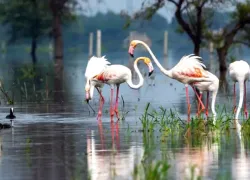
Atapaka Bird Sanctuary, located near Tanuku in the West Godavari district of Andhra Pradesh, is one of the most significant bird sanctuaries in the state. It is known for its rich biodiversity and is a haven for bird watchers, photographers, and nature enthusiasts. The sanctuary is located on the banks of the Kolleru Lake, which provides a perfect habitat for numerous species of birds, both migratory and resident. The sanctuary is an ideal destination for those looking to experience the tranquility of nature and observe a wide variety of birds in their natural environment. Atapaka Bird Sanctuary is renowned for its role in bird conservation and its importance as a key stopover for migratory birds traveling along the East Asia-Australasia Flyway. The sanctuary is a great place to learn about the different species of birds, their behavior, and their ecosystem, making it a must-visit destination for anyone interested in wildlife and nature conservation. Why Atapaka Bird Sanctuary is Famous in Tanuku, Andhra Pradesh? Atapaka Bird Sanctuary is famous for being one of the top bird-watching destinations in Andhra Pradesh. Its proximity to Kolleru Lake, one of the largest freshwater lakes in India, provides an excellent habitat for a variety of bird species. The sanctuary is particularly famous for its seasonal visitors, as it serves as a nesting and breeding ground for several species of migratory birds. The sanctuary is home to numerous species of birds, including storks, herons, pelicans, and ducks. The most notable species are the migratory waterfowl that visit during the winter months. The arrival of these birds makes the sanctuary especially popular among bird watchers and photographers. The lake and its surrounding wetlands offer ample opportunities for bird watching, photography, and nature walks. History of Atapaka Bird Sanctuary Atapaka Bird Sanctuary was established to protect the diverse birdlife that migrates to the Kolleru Lake region. The sanctuary came into existence as part of efforts to preserve the ecological balance of the area, especially given the threats posed by human activities such as agriculture and urban development. Historically, Kolleru Lake has been a critical site for migratory birds. However, with the expansion of farming and other human activities, the lake faced the risk of environmental degradation. In response to this, the state government designated Atapaka as a bird sanctuary to ensure that the birds' habitat was protected. Since its establishment, the sanctuary has become an important site for bird conservation and an educational resource for those interested in wildlife and nature. Architecture and Features of Atapaka Bird Sanctuary Atapaka Bird Sanctuary is not known for traditional architecture, but the area’s natural beauty and the various ecological features of the sanctuary make it a fascinating location. The sanctuary consists of wetlands, marshes, and lagoons that create an ideal environment for birds. The presence of Kolleru Lake adds to the sanctuary’s appeal, providing a rich feeding ground for the birds. The sanctuary features walking paths that allow visitors to explore the area while minimizing disruption to the wildlife. Observation towers are also available for bird watchers to get a closer look at the birds without disturbing their habitat. These features are designed to provide the best experience for visitors while ensuring the conservation of the sanctuary’s delicate ecosystem. Entry and Visit Details of Atapaka Bird Sanctuary, Tanuku Atapaka Bird Sanctuary is open to visitors throughout the year, with peak visiting times being during the migratory season, which lasts from November to February. Entry to the sanctuary is generally free, but visitors are encouraged to contribute to the conservation efforts by donating to the sanctuary or participating in the park's sponsored activities. The sanctuary is easily accessible from Tanuku, which is about 15 kilometers away. Visitors can reach the sanctuary by hiring a taxi, taking a local bus, or driving a private vehicle. The sanctuary also provides parking spaces for visitors, and local guides are available for hire if needed. For those interested in spending more time at the sanctuary, there are basic facilities such as rest areas and picnic spots. However, the sanctuary maintains a focus on preserving the natural environment, so there are limited commercial facilities within the sanctuary itself. Timings of Atapaka Bird Sanctuary Atapaka Bird Sanctuary is open from early morning until late afternoon. The typical visiting hours are from 6:00 AM to 6:00 PM, with the best time to visit being early in the morning or late in the afternoon when the birds are most active. Visitors can enjoy bird watching during these hours, as the birds tend to be more visible and engaged in feeding, nesting, or other natural behaviors. The sanctuary is especially popular during the migratory season, and during these months, the sanctuary may see an increase in the number of visitors. It is advisable to arrive early in the morning to enjoy a quiet experience and take in the beauty of the sanctuary before it gets too crowded. Weather and Best Time to Visit Atapaka Bird Sanctuary The weather at Atapaka Bird Sanctuary is typically warm and humid, given its location in the coastal region of Andhra Pradesh. Summers (March to June) can be quite hot, with temperatures soaring above 40°C, making the early morning and late evening the best times for outdoor activities. The best time to visit Atapaka Bird Sanctuary is during the winter months (November to February) when migratory birds visit the sanctuary. The cool weather during this time makes it comfortable for outdoor activities like bird watching and nature walks. Additionally, the sanctuary is at its most active during the migratory season, with large numbers of birds flocking to the lake and surrounding wetlands. How to Reach Atapaka Bird Sanctuary, Tanuku Atapaka Bird Sanctuary is located around 15 kilometers from Tanuku in the West Godavari district of Andhra Pradesh. The sanctuary is easily accessible by road, and visitors can reach it by taking a private vehicle, taxi, or bus from Tanuku or nearby cities like Rajahmundry and Eluru. The nearest railway station is Tanuku Railway Station, which is well-connected to other cities in Andhra Pradesh. From the station, visitors can hire an auto-rickshaw or taxi to reach the sanctuary. The nearest airport is Rajahmundry Airport, located approximately 45 kilometers away. From the airport, visitors can hire a taxi or take a local bus to the sanctuary. Things to Do at Atapaka Bird Sanctuary, Tanuku Atapaka Bird Sanctuary offers several activities for nature lovers and bird watchers. Some of the popular things to do at the sanctuary include: Bird Watching: The sanctuary is home to over 200 species of birds, making it a haven for bird watchers. The best time to visit is during the migratory season when numerous migratory birds arrive. Photography: The sanctuary offers great opportunities for wildlife photography, especially during the early morning hours when the birds are most active. Nature Walks: Explore the sanctuary’s walking trails and enjoy the natural beauty of the area. The wetlands and lagoons provide a unique landscape for visitors to explore. Boating: While the sanctuary itself does not offer boating services, visitors can explore the nearby Kolleru Lake and enjoy a boat ride while observing the birdlife. Interesting Facts about Atapaka Bird Sanctuary - Atapaka Bird Sanctuary is home to over 200 species of birds, including both resident and migratory species. - The sanctuary is located on the banks of Kolleru Lake, which is one of the largest freshwater lakes in India and a key stopover for migratory birds along the East Asia-Australasia Flyway. - The sanctuary is especially famous for its large population of waterfowl, including pelicans, herons, and storks, which flock to the sanctuary during the winter months. Tips for Visiting Atapaka Bird Sanctuary, Tanuku - Bring binoculars and a good camera for bird watching and photography. The early morning and late afternoon hours are the best times for observing birds. - Wear comfortable shoes for walking, especially if you plan to explore the sanctuary’s trails. - Carry water, snacks, and sunscreen, as the area can get quite hot during the summer months. - Be respectful of the environment and avoid disturbing the birds. Follow all guidelines set by the sanctuary authorities to ensure the protection of the wildlife. - If visiting during the migratory season, try to plan your visit early in the morning to catch the best sights before the crowds arrive.
Explore More
Srisailam Wildlife Sanctuary, located near Kurnool, is a captivating tourist attraction known for its natural beauty and rich biodiversity. This sanctuary offers a serene escape into the wilderness, making it a popular destination among nature enthusiasts and wildlife lovers. History of Srisailam Wildlife Sanctuary The sanctuary has a rich historical background and was once a royal hunting ground. Over the years, dedicated conservation efforts have transformed it into a protected area. Srisailam Wildlife Sanctuary's ecological significance has gained recognition, contributing to its UNESCO status. Architecture and Natural Beauty of Srisailam Wildlife Sanctuary The sanctuary boasts diverse landscapes, including wetlands, forests, and grasslands that support a variety of flora and fauna. Bird habitats within the sanctuary attract birdwatchers, while the ancient Keoladeo Temple adds a historical charm to the surroundings. Why is Srisailam Wildlife Sanctuary Famous? Srisailam Wildlife Sanctuary is renowned for its birdwatching opportunities, picturesque landscapes, and the chance to witness diverse wildlife up close. It is a haven for photographers, nature enthusiasts, and those seeking a peaceful retreat in the lap of nature. How to Reach Srisailam Wildlife Sanctuary Traveling to Srisailam Wildlife Sanctuary is convenient via air, rail, and road. The nearest airports and railway stations provide easy access to the sanctuary, ensuring a seamless journey for visitors. Weather and Best Time to Visit Srisailam Wildlife Sanctuary The sanctuary experiences varying weather conditions throughout the year, with summer, monsoon, and winter seasons offering unique experiences. The best time to visit Srisailam Wildlife Sanctuary is during specific months when the weather is pleasant for exploration. Timings of Srisailam Wildlife Sanctuary Srisailam Wildlife Sanctuary has specific visitor timings that may vary seasonally. It is essential to plan your visit accordingly and make the most of your time exploring the sanctuary's natural wonders. Entry Fee and Visit Details Visitors can gain entry to Srisailam Wildlife Sanctuary following the designated procedures. Guide services, safari options, bicycle rentals, and other visitor facilities enhance the overall experience of exploring the sanctuary. Things to Do at Srisailam Wildlife Sanctuary Popular activities at Srisailam Wildlife Sanctuary include birdwatching, photography, cycling through scenic trails, nature observation, and engaging in educational experiences to learn more about the sanctuary's ecosystem. Interesting Facts About Srisailam Wildlife Sanctuary The sanctuary is home to a diverse range of migratory birds and boasts significant biodiversity. Conservation efforts have led to remarkable achievements in preserving the sanctuary's ecological balance, highlighting its importance in the region. Travel Tips for Visiting Srisailam Wildlife Sanctuary For a memorable visit to Srisailam Wildlife Sanctuary, consider practical tips such as appropriate clothing, essential photography gear, ideal visiting seasons, and practicing responsible tourism to ensure the sanctuary's preservation for future generations. Conclusion In conclusion, Srisailam Wildlife Sanctuary in Kurnool offers a unique blend of natural beauty, wildlife encounters, and immersive experiences for visitors. Exploring this sanctuary provides a deep connection with nature and a chance to appreciate the wonders of the wild in a tranquil setting.
Explore More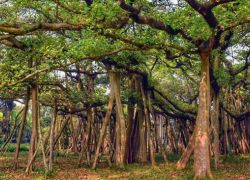
Thimmamma Marrimanu is an ancient Banyan tree that lies in the district of Anantapur in Andhra Pradesh. It is a well-known attraction that is visited daily by the tourists from the different directions of the state. This place, where the Banyan tree stands, has an interesting tale. It is said that a woman named Thimmamma served her ailing husband with a complete devotion. After his demise, she committed Sati. It is believed that this tree has grown at the same place where she breathed her last. The Religious Significance:-Thimmamma Marrimanu has a religious significance among the people. A small temple was built and dedicated to Thimmamma. It is said that a childless couple is blessed with a child after praying here. The festival of Mahashivaratri is also celebrated here with a great enthusiasm. Best Time To Visit:-Thimmamma Marrimanu can be visited throughout the year. Being a famous travel attraction, people visit this place on a daily basis. One has not to wait for a specific time or season for visiting this place. Reaching There:-Thimmamma Marrimanu is a famous attraction in Anantapur district. Since it is located in a bustling area, it can be accessed without any inconvenience. The local transports like cabs, buses, and autos are available to reach Thimmamma Marrimanu. Nearest Railway Station- Anantapur Railway StationNearest Airport- Bangalore Airport
Explore More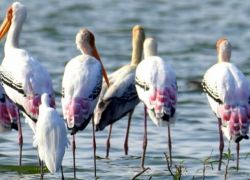
The Kolleru Bird Sanctuary is located near the town of Eluru in the state of Andhra Pradesh, India. It is one of the largest freshwater lakes in the country and serves as an important habitat for a diverse range of bird species. The sanctuary was established in 1999 and covers an area of approximately 308 square kilometers. Location and Geographical Overview The sanctuary is situated between the Krishna and Godavari river basins, making it a prime location for birdwatching and wildlife enthusiasts. The marshy wetlands of Kolleru provide a perfect breeding ground for migratory birds, especially during the winter months. Open and Closing Time The Kolleru Bird Sanctuary is open to visitors from sunrise to sunset every day of the week. Entry Fee There is no entry fee required to visit the Kolleru Bird Sanctuary. Species-Flora/Fauna Availability The sanctuary is home to a wide variety of bird species, including pelicans, flamingos, herons, storks, and many more. The surrounding vegetation consists of reed beds, grasslands, and shallow water bodies, providing a rich habitat for both flora and fauna. Activities Performed Visitors to the Kolleru Bird Sanctuary can enjoy activities such as birdwatching, nature walks, and boating. Guided tours are available for those who want to learn more about the diverse bird species that inhabit the sanctuary. Jeep Safari Charges Jeep safaris are not available at the Kolleru Bird Sanctuary. Age Criterion for Male, Female, Children, and their Entry Fee There are no specific age criteria for entry to the sanctuary, and there is no entry fee for visitors of any age or gender. Senior Citizen Facilities The sanctuary is accessible to senior citizens, and facilities such as benches and rest areas are available throughout the park. Best Time to Visit The best time to visit the Kolleru Bird Sanctuary is between the months of November and March when the migratory bird population is at its peak. During this time, visitors can witness a spectacular display of bird species from all over the world. Nearby Places to Visit Some nearby attractions to the Kolleru Bird Sanctuary include the Dwaraka Tirumala Temple, the Kolleru Lake, and the Eluru Buddha Park. These sites offer a mix of cultural, religious, and natural experiences for visitors to enjoy. Vehicle Parking Facility Parking facilities are available near the entrance of the sanctuary for both two-wheelers and four-wheelers. Rules and Regulations Visitors are required to maintain cleanliness and not disturb the natural habitat of the birds. Feeding or touching the birds is strictly prohibited. No loud noises or music should be played within the sanctuary premises. Respect the instructions given by the park authorities and guides. How to Reach and Other Related Information The Kolleru Bird Sanctuary is located approximately 15 kilometers from the town of Eluru in Andhra Pradesh. The nearest airport is in Vijayawada, which is around 70 kilometers away. Visitors can also reach the sanctuary by road via buses or taxis from Eluru or nearby cities. Accommodation options are available in Eluru for those who wish to stay overnight and explore the sanctuary at leisure. Overall, the Kolleru Bird Sanctuary offers a unique opportunity to witness a diverse range of bird species in their natural habitat. Whether you are a nature lover, bird enthusiast, or simply looking for a peaceful escape from the hustle and bustle of city life, this sanctuary has something to offer for everyone.
Explore More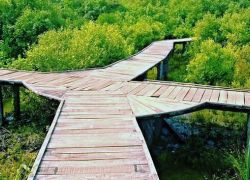
Coringa Wildlife Sanctuary is one of the most important and beautiful mangrove ecosystems in India. Located near Kakinada in Andhra Pradesh, this sanctuary is known for its rich biodiversity, scenic waterways, and peaceful natural surroundings. Spread across a vast area along the Godavari River delta, Coringa Wildlife Sanctuary is a paradise for nature lovers, bird watchers, photographers, and eco-tourists. It plays a crucial role in protecting coastal ecology and supporting marine life. Why Coringa Wildlife Sanctuary is Famous Coringa Wildlife Sanctuary is famous for being the second-largest mangrove forest in India after the Sundarbans. The sanctuary is home to dense mangrove vegetation that protects the coastline from cyclones and soil erosion. It is especially renowned for its bird population, including migratory birds, making it a top destination for birdwatching. The serene environment, wooden boardwalks, and natural creeks offer visitors a unique experience of exploring mangrove forests up close. History and Significance The Coringa mangrove region has been ecologically significant for centuries due to its location at the mouth of the Godavari River. Recognizing its importance, the Government of Andhra Pradesh declared it a wildlife sanctuary in 1978. Since then, it has been protected as a vital coastal ecosystem. The sanctuary plays a key role in maintaining ecological balance by supporting marine breeding grounds, protecting wildlife, and acting as a natural barrier against cyclones and tidal waves. Flora and Fauna of Coringa Wildlife Sanctuary The sanctuary is rich in mangrove vegetation, with more than 24 species of mangrove plants. These mangroves provide shelter and breeding grounds for numerous marine organisms. Wildlife found in the sanctuary includes fishing cats, jackals, smooth-coated otters, and reptiles like saltwater crocodiles. However, Coringa is most famous for its birdlife. Bird species such as painted storks, white ibis, black-headed ibis, herons, egrets, cormorants, and spoonbills can be spotted here. During winter, migratory birds from different parts of the world visit the sanctuary, making it a birdwatcher’s delight. Things to Do at Coringa Wildlife Sanctuary One of the best things to do at Coringa Wildlife Sanctuary is walking along the wooden boardwalk that stretches deep into the mangrove forest. This elevated path allows visitors to observe the ecosystem without disturbing wildlife. Birdwatching is a major activity, especially during early mornings and evenings. Photography enthusiasts can capture stunning views of birds, waterways, and mangrove landscapes. Nature walks and educational tours are also popular, as information boards along the trail explain the importance of mangroves and wildlife conservation. The calm environment makes it an excellent place for relaxation and nature appreciation. Architecture and Infrastructure Coringa Wildlife Sanctuary does not have traditional architectural structures like monuments or temples. Instead, its key attraction is the eco-friendly infrastructure designed to blend with nature. The wooden boardwalk, watchtowers, and information centers are built to minimize environmental impact while offering visitors safe and informative access to the sanctuary. How to Reach Coringa Wildlife Sanctuary Coringa Wildlife Sanctuary is easily accessible from Kakinada city. By Road: The sanctuary is about 20 kilometers from Kakinada. Regular buses, taxis, and private vehicles are available from Kakinada to reach the sanctuary. By Rail: Kakinada Town Railway Station is the nearest railway station, well-connected to major cities like Visakhapatnam, Vijayawada, and Chennai. By Air: Rajahmundry Airport is the nearest airport, located approximately 70 kilometers away. From the airport, visitors can hire taxis to reach Coringa Wildlife Sanctuary. Weather and Best Time to Visit The climate around Coringa Wildlife Sanctuary is tropical. Summers (March to June) can be hot and humid, with temperatures ranging from 30°C to 40°C. Monsoon season (July to September) brings moderate to heavy rainfall, which enhances the greenery but may limit movement. The best time to visit Coringa Wildlife Sanctuary is from October to February. During this period, the weather is pleasant, and migratory birds can be seen in large numbers, making it ideal for sightseeing and birdwatching. Timings of Coringa Wildlife Sanctuary Coringa Wildlife Sanctuary is generally open to visitors from morning to evening. Opening Time: 9:00 AM Closing Time: 5:00 PM Timings may vary slightly depending on seasons and local regulations, so it is advisable to confirm before visiting. Entry and Visit Details Visitors are required to pay a nominal entry fee to enter Coringa Wildlife Sanctuary. Additional charges may apply for cameras and guided tours. Local guides are available and highly recommended, as they provide valuable information about the mangrove ecosystem, wildlife, and conservation efforts. Group visits, school trips, and eco-tourism programs are often organized to promote environmental awareness. Interesting Facts about Coringa Wildlife Sanctuary Coringa has over one-third of India’s mangrove species. The mangrove forests here act as a natural shield against cyclones along the Andhra Pradesh coastline. The sanctuary supports breeding grounds for fish, crabs, and prawns, benefiting local fishing communities. It is one of the best places in South India to observe migratory water birds. Tips for Visiting Coringa Wildlife Sanctuary Visit early in the morning for better chances of spotting birds and wildlife. Wear comfortable clothing, walking shoes, and carry drinking water. Avoid making loud noises to prevent disturbing animals and birds. Carry binoculars and cameras for birdwatching and photography. Do not litter and follow all rules to help preserve the fragile ecosystem. Conclusion Coringa Wildlife Sanctuary in Kakinada, Andhra Pradesh, is a perfect destination for those who love nature, wildlife, and peaceful environments. With its rich mangrove forests, diverse birdlife, and eco-friendly tourism facilities, it offers a unique experience unlike any other wildlife destination in the region. A visit to Coringa Wildlife Sanctuary not only provides relaxation and learning but also creates awareness about the importance of conserving coastal ecosystems.
Explore More
Welcome to the serene and captivating world of Rollapadu Wildlife Sanctuary, nestled in the vibrant city of Nandyal. This enchanting sanctuary offers a unique blend of natural beauty, biodiversity, and rich history, making it a must-visit destination for nature enthusiasts, birdwatchers, and wildlife lovers. History of Rollapadu Wildlife Sanctuary Steeped in history, Rollapadu Wildlife Sanctuary holds a significant place as a former royal hunting ground that has now been transformed into a conservation haven. With a legacy of conservation efforts and a commitment to preserving wildlife, this sanctuary has gained recognition for its contribution to the protection of endangered species and habitats, making it a potential candidate for UNESCO recognition in the future. Architecture and Natural Beauty of Rollapadu Wildlife Sanctuary The sanctuary boasts a diverse landscape that includes wetlands, forests, and sprawling grasslands, providing a perfect habitat for a myriad of bird species. Nestled within this natural paradise lies the historical Keoladeo Temple, adding a touch of mystique and ancient charm to the sanctuary's serene surroundings. Why is Rollapadu Wildlife Sanctuary Famous? Rollapadu Wildlife Sanctuary has garnered fame for its unparalleled birdwatching opportunities, drawing bird enthusiasts, photographers, and nature lovers from far and wide. With its rich biodiversity and unique ecosystem, this sanctuary offers a glimpse into the wonders of the avian world and is a paradise for those seeking to connect with nature. How to Reach Rollapadu Wildlife Sanctuary Travelling to Rollapadu Wildlife Sanctuary is convenient, with options available by air, rail, and road. The nearest airports and railway stations provide easy access to this natural haven, ensuring a smooth and hassle-free journey for visitors. Weather and Best Time to Visit Rollapadu Wildlife Sanctuary Throughout the seasons, Rollapadu Wildlife Sanctuary showcases its unique charm. While summers offer a chance to witness vibrant wildlife activities, the monsoon breathes life into the lush surroundings. Winter unveils a different side of the sanctuary, making it an ideal time for a tranquil visit. The best months to explore this sanctuary are [mention the months]. Timings of Rollapadu Wildlife Sanctuary Rollapadu Wildlife Sanctuary welcomes visitors during specific hours, ensuring an enriching experience for all. The timings may vary seasonally, offering different perspectives of the sanctuary's beauty. Planning your visit accordingly will enhance your exploration of this natural gem. Entry Fee and Visit Details Upon arrival, visitors are greeted with entry procedures that pave the way for an immersive experience within the sanctuary. Guide services, safari options, bicycle rentals, and well-equipped visitor facilities cater to the diverse needs of guests, ensuring a memorable and informative visit. Things to Do at Rollapadu Wildlife Sanctuary Engage in a variety of activities at Rollapadu Wildlife Sanctuary, from birdwatching and photography to cycling through scenic trails. Immerse yourself in nature's wonders as you explore the sanctuary's treasures, embarking on educational and enriching experiences that create lasting memories. Interesting Facts About Rollapadu Wildlife Sanctuary Rollapadu Wildlife Sanctuary is a treasure trove of fascinating facts, from hosting a plethora of migratory birds to achieving milestones in conservation efforts. The sanctuary's ecological importance and biodiversity make it a standout destination for nature enthusiasts and conservation advocates alike. Travel Tips for Visiting Rollapadu Wildlife Sanctuary When preparing for your visit to Rollapadu Wildlife Sanctuary, consider practical tips such as suitable clothing, essential photography gear, and the best seasons for birdwatching. Embrace responsible tourism practices and immerse yourself in the sanctuary's beauty while respecting its delicate ecosystem. Conclusion In conclusion, Rollapadu Wildlife Sanctuary in Nandyal stands as a testament to the harmonious coexistence of nature and wildlife. Its historical significance, natural allure, and commitment to conservation make it a captivating destination for all who seek to connect with the wonders of the natural world. Plan your visit to Rollapadu Wildlife Sanctuary and embark on a journey of discovery and enchantment in the heart of [City].
Explore MoreTirupati Balaji Package Ex-Mumbai
4 Days/ 3 Night
Tirupati
Tirupati 1N - Pondicherry 2N - Chennai 1N Tour
5 Days/ 4 Night
Tirupati - Chennai - Pondicherry
6D Explore Tirupati - Mahabalipuram - Pondicherry Tour
6 Days/ 5 Night
Tirupati - Mahabalipuram - Pondicherry
South India Yatra 15N - 16D
16 Days/ 15 Night
Hyderabad - Tirupati - Kochi - Kovalam - Thekkady - Kanyakumari - Madurai - Rameshwaram - Trichy - Munnar - Kurnool