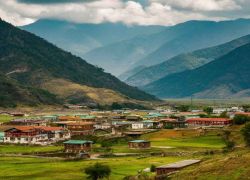
Ziro Valley, located in Itanagar, is a picturesque tourist attraction known for its natural beauty and rich biodiversity. Nestled amidst the lush greenery of Arunachal Pradesh, this valley has become a popular destination for nature lovers, birdwatchers, and photography enthusiasts. History of Ziro Valley Ziro Valley holds great historical significance as it was once a royal hunting ground for the local tribes. Over the years, efforts have been made to conserve the natural environment and the unique flora and fauna of the region. The conservation initiatives have earned Ziro Valley recognition from UNESCO for its cultural and ecological importance. Architecture and Natural Beauty of Ziro Valley The valley boasts stunning landscapes comprising wetlands, forests, and grasslands that provide a habitat for a diverse range of bird species. One of the architectural marvels within the valley is the Keoladeo Temple, which adds to the cultural charm of the region. Why is Ziro Valley Famous? Ziro Valley is renowned for its abundance of bird species, making it a paradise for birdwatchers. The valley's natural beauty, combined with its tranquil ambiance, also attracts nature enthusiasts and wildlife lovers seeking a peaceful retreat in the lap of nature. How to Reach Ziro Valley Traveling to Ziro Valley is possible by air, rail, and road. The nearest airport is located in Itanagar, while the closest railway station is also accessible from major cities. Visitors can reach the valley via well-connected road networks that offer scenic views along the journey. Weather and Best Time to Visit Ziro Valley Ziro Valley experiences varying weather conditions throughout the year, with summer being warm, monsoon bringing heavy rainfall, and winter offering a chilly climate. The best time to visit Ziro Valley is during the months when the weather is pleasant and conducive for outdoor activities. Timings of Ziro Valley Visitor timings for Ziro Valley may vary based on the season, with specific timings for entry and exit to ensure a pleasant and safe experience for all visitors. It is advisable to check for any seasonal variations in timings before planning a visit. Entry Fee and Visit Details Entry to Ziro Valley may require a nominal fee, with additional services such as guide facilities, safari options, bicycle rentals, and visitor amenities available for a more immersive experience. Visitors can make the most of their trip by utilizing these services. Things to Do at Ziro Valley Popular activities at Ziro Valley include birdwatching, photography, cycling through scenic routes, exploring walking trails, observing nature, and engaging in educational experiences to learn more about the valley's ecosystem and wildlife. Interesting Facts About Ziro Valley Ziro Valley is home to a wide variety of migratory birds and endemic species, contributing to its rich biodiversity. The conservation efforts in the valley have led to significant achievements in preserving the natural habitat and promoting ecological sustainability. Travel Tips for Visiting Ziro Valley When visiting Ziro Valley, it is advisable to carry appropriate clothing for the prevailing weather conditions, along with essential photography and birdwatching equipment. Knowing the best seasons to visit and practicing responsible tourism by respecting the environment are key aspects of a fulfilling trip. Conclusion In conclusion, Ziro Valley in Itanagar stands out as a must-visit destination for those seeking a harmonious blend of natural beauty, cultural heritage, and wildlife exploration. With its serene landscapes, diverse birdlife, and conservation efforts, Ziro Valley offers a unique and enriching experience for travelers looking to immerse themselves in the wonders of nature.
Explore More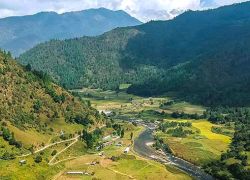
Loisabi Falls, located in the Changlang district of Arunachal Pradesh, is one of the most scenic waterfalls in Northeast India. Nestled amidst the verdant hills and dense forests of the Eastern Himalayas, the waterfall cascades from a significant height, creating a mesmerizing view and a serene environment for visitors. Loisabi Falls is renowned for its natural beauty, tranquil surroundings, and the refreshing mist that rises from the plunge pool, making it a favorite spot for nature lovers, photographers, and adventure enthusiasts. The falls are surrounded by lush greenery, rolling hills, and diverse flora, including rare orchids and medicinal plants. The sound of cascading water combined with the chirping of birds creates a peaceful ambiance, perfect for a relaxing day amidst nature. Loisabi Falls is not only a natural attraction but also a cultural landmark for the local communities, who often consider the surrounding forests and waters sacred. How to Reach Loisabi Falls Loisabi Falls is accessible by road from nearby towns and cities. By Air: The nearest airport is Dibrugarh Airport in Assam, approximately 200 km from Loisabi Falls. From Dibrugarh, taxis or private vehicles can be hired to reach Changlang town and subsequently the falls. By Rail: Tinsukia Junction, around 180 km from Loisabi Falls, is the nearest railway station. From there, buses and taxis are available to reach Changlang town, followed by a local road leading to the waterfall. By Road: Loisabi Falls is connected via National Highway 315A and other local roads from Changlang town. The drive through winding mountain roads offers spectacular views of valleys and forests. Hiring a local guide is recommended for first-time visitors to navigate the forested paths and understand the area’s cultural and natural significance. Weather at Loisabi Falls The climate at Loisabi Falls varies depending on the season, with the best times for visiting being pre-monsoon and post-monsoon periods. Summer (March to June): Summers are warm and pleasant, with temperatures ranging between 20°C and 30°C. This is ideal for sightseeing, trekking, and photography around the falls. Monsoon (July to September): The falls are at their most spectacular during the monsoon season due to increased water flow. However, heavy rains can make roads slippery and trekking paths challenging. Winter (October to February): Winters are cool, with temperatures ranging from 10°C to 20°C. The climate is perfect for exploring the falls, enjoying the scenery, and taking part in nature photography. Timing to Visit Loisabi Falls The falls are open to visitors throughout the year, but the best months for a visit are from October to June, avoiding heavy rainfall periods that may restrict access. Recommended Visiting Hours: 6:00 AM to 5:00 PM Why Loisabi Falls is Famous Loisabi Falls is famous for its natural beauty, peaceful environment, and the surrounding biodiversity. Key highlights include: Picturesque waterfall cascading into a serene pool, creating a breathtaking view. Location amidst lush green hills and forests, providing a peaceful retreat from urban life. Rich flora and fauna surrounding the falls, including orchids, medicinal plants, and birds. Opportunities for trekking, adventure photography, and nature walks. Cultural significance for local communities, with forests and waters often considered sacred. Entry and Visit Details Visitors can access Loisabi Falls freely, but following local guidelines is essential to protect the environment. During peak tourist season, basic facilities such as parking areas, food stalls, and resting points may be available near the site. Hiring a local guide enhances the experience by providing insights into the flora, fauna, and cultural stories associated with the area. History and Surroundings Loisabi Falls, while primarily a natural attraction, also has historical and cultural importance. The surrounding forests have been traditionally used by local tribes for gathering herbs, wood, and other forest products. The falls have been a source of inspiration for local folklore, and many legends describe the waterfall as a mystical place where deities are said to reside. The area around Loisabi Falls remains relatively untouched, preserving its natural charm and biodiversity. Things to Do at Loisabi Falls Trekking: Explore trails leading through forests and hills around the falls for a closer encounter with nature. Photography: Capture the stunning waterfall, surrounding valleys, and lush greenery, especially during sunrise or sunset. Nature Walks: Observe diverse flora and fauna along forest paths and riverbanks. Picnicking: Enjoy a quiet day amidst nature with family or friends near the falls’ pool. Birdwatching: The forests surrounding the falls host a variety of bird species, making it ideal for bird enthusiasts. Interesting Facts about Loisabi Falls Loisabi Falls is not just a tourist spot; it is a hotspot for biodiversity, housing rare plants, orchids, and Himalayan bird species. The waterfall maintains a consistent flow even during dry seasons due to mountain streams feeding it. Local folklore often refers to Loisabi Falls as a sacred site, adding a cultural layer to its natural charm. Tips for Visiting Loisabi Falls Wear comfortable trekking shoes and clothes suitable for walking on uneven terrain. Carry water, snacks, and a first-aid kit, especially if planning to trek in surrounding hills. Respect local customs and avoid littering to preserve the pristine environment. Best time to visit is between October and June, avoiding heavy monsoon rains for safe access. Hire a local guide to explore nearby forest trails, learn about flora and fauna, and understand cultural significance. Conclusion Loisabi Falls in Changlang, Arunachal Pradesh, is a perfect blend of natural beauty, adventure, and cultural significance. The cascading waterfall, surrounded by lush forests and hills, provides a peaceful retreat and a stunning backdrop for photography, trekking, and nature walks. With its cultural legends, biodiversity, and serene environment, Loisabi Falls is a must-visit destination for anyone exploring the hidden gems of Arunachal Pradesh. Proper planning, local guidance, and respect for the environment ensure a memorable and enriching visit.
Explore More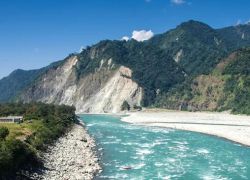
The Lohit River Valley, located in the Changlang district of Arunachal Pradesh, is a region of immense natural beauty, cultural richness, and historical importance. Formed by the Lohit River, one of the major tributaries of the Brahmaputra River, this valley is known for its lush green landscapes, dense forests, rolling hills, and vibrant tribal life. The Lohit River Valley offers travelers a peaceful escape into nature while also providing insight into the traditional lifestyle of the indigenous communities of eastern Arunachal Pradesh. How to Reach Lohit River Valley Reaching the Lohit River Valley requires a journey through some of the most scenic routes in Northeast India. The nearest major town is Changlang, which acts as a gateway to the valley. By Air: The nearest airport is Dibrugarh Airport in Assam, located about 160–180 km from the Lohit River Valley. From Dibrugarh, taxis and shared vehicles are available to reach Changlang and nearby areas along the Lohit River. By Rail: The closest railway station is Tinsukia Railway Station in Assam. Tinsukia is well-connected to major cities like Guwahati, Kolkata, and New Delhi. From Tinsukia, road transport can be used to reach the valley. By Road: Lohit River Valley is accessible by road from Tinsukia, Dibrugarh, and other parts of Arunachal Pradesh. The roads pass through scenic hills, tea gardens, and forested areas, making the journey visually rewarding. Weather in Lohit River Valley The Lohit River Valley experiences a pleasant climate for most of the year, influenced by its riverine geography and forest cover. Summer (March to June): Summers are mild and comfortable, with temperatures ranging between 18°C and 30°C. This is a good time for sightseeing and exploring the valley. Monsoon (July to September): The region receives heavy rainfall during the monsoon season. The river flows at its fullest, enhancing the beauty of the valley, but landslides and roadblocks may occur. Winter (October to February): Winters are cool and pleasant, with temperatures ranging from 10°C to 20°C. This is considered the best time to visit the Lohit River Valley. Timing and Best Time to Visit The Lohit River Valley does not have fixed visiting hours as it is a natural region rather than a single attraction. Visitors can explore the valley throughout the day. The best time to visit is from October to April, when the weather is dry, pleasant, and suitable for travel and outdoor activities. Why Famous for Lohit River Valley, Changlang, Arunachal Pradesh? The Lohit River Valley is famous for its untouched natural beauty and cultural diversity. The crystal-clear waters of the Lohit River, surrounded by green hills and forests, create a stunning landscape. The valley is also known for its rich biodiversity and serves as a lifeline for local communities. Another reason for its fame is the presence of various indigenous tribes such as the Tangsa, Singpho, and Tutsa communities, who maintain their traditional customs, festivals, and handicrafts. The valley is also historically significant as the Lohit River is believed to be one of the main sources of the Brahmaputra River. Entry and Visit Details There is no specific entry fee to visit the Lohit River Valley. However, since the area lies in Arunachal Pradesh, Indian tourists are required to obtain an Inner Line Permit (ILP), while foreign nationals need a Protected Area Permit (PAP). Some areas near the river and villages may require permission from local authorities or village councils. Visitors are advised to respect local customs and regulations during their visit. History and Cultural Significance The Lohit River Valley has been an important region since ancient times. The river itself holds mythological significance and is often associated with early references to the Brahmaputra River in ancient Indian texts. Historically, the valley has served as a trade route connecting Tibet with Assam. Over centuries, tribal communities settled along the riverbanks, developing agriculture, fishing practices, and unique cultural traditions that are still preserved today. Architecture and Settlements There is no monumental architecture in the Lohit River Valley, but the traditional tribal houses are architecturally significant. Homes are usually made of bamboo, wood, and thatch, built on raised platforms to protect against floods and wildlife. Village layouts are simple and closely connected to nature. Community spaces, prayer areas, and traditional granaries reflect the sustainable lifestyle of the local people. Things to Do in Lohit River Valley Nature Walks and Photography: The valley offers excellent opportunities for nature walks, landscape photography, and birdwatching. River Exploration: Visitors can enjoy riverside picnics, explore the riverbanks, and observe local fishing techniques. Cultural Interaction: Meeting local tribal communities and learning about their customs, food, and festivals adds depth to the travel experience. Camping: Camping near the river under proper guidance is a popular activity for adventure and nature lovers. Facts about Lohit River Valley The Lohit River is one of the major tributaries of the Brahmaputra River. The valley is home to several indigenous tribes of Arunachal Pradesh. The region is rich in flora and fauna, including rare bird species. The Lohit River Valley plays a crucial role in the local economy through agriculture and fishing. Tips for Visiting Lohit River Valley Always carry valid permits required for Arunachal Pradesh. Visit during the dry season to avoid travel disruptions caused by monsoon rains. Respect local traditions, customs, and the natural environment. Carry essential supplies, as facilities are limited in remote areas. Hire local guides for a safer and more informative experience. The Lohit River Valley in Changlang, Arunachal Pradesh, is an ideal destination for travelers seeking serenity, cultural exploration, and unspoiled natural beauty. Its peaceful landscapes and welcoming communities make it a memorable place to explore.
Explore More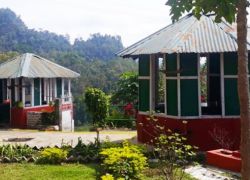
Arunachal has the most important range of orchids in India. Tipi Orchidaria Bhalukpung within the west Kameng district near the banks of river Bharali is one among them. It shelters 500 or more sorts of orchids which grow abundantly in various parts of Arunachal Pradesh.Within the Orchid research centre, scientists create new hybrid sorts of orchids using the newest techniques of biotechnology. This place is additionally ideal for rafter and anglers.A 180 km long, five-hour drive from Guwahati brings one to Tezpur. Tezpur results in Bhalukpung 60 km ahead on the border of Arunachal Pradesh. a couple of kilometres further into Arunachal Pradesh from here brings one to Tipi, where Asia's third-largest Orchidarium has been found out. A board at the doorway to the Orchidarium and research facility declares it to be a temple of orchids.Orchids have flowers with unusual shapes, beautiful colours and a really delicate fragrance. The blooms usually have one petal larger than the remainder. Due to their rarity, they're highly prized and wanted, and cultivating them is nearly a cult among a number of its aficionados.Additionally, the fixing of projects like Orchidaria or arboreta is necessary for the preservation of species of flora which will be too delicate to be ready to survive the onslaught of today's environmental encroachments and consequent pollution.Things To DoThere are several things one can do at Tipi Orchidaria Bhalukpung. The place is found near the River Kameng and this is often an ideal place for fishing and other similar activities. One also can choose river rafting within the rapids of trekking and hiking.There are various spots that are located around the place that is ideal for this. One also can visit the Pakhui Game Sanctuary which will be reached by crossing the Kameng River employing a canoe. The park is roofed with evergreen forests and lush green vegetation.HistoryTipi Orchidaria Bhalukpung was inaugurated in 1972. This orchid cum research centre at Tipi covers 112.8 acres and boasts over 50,600 orchids under the cultivation of which 315 are classified as exotic.The plants are grown, preserved and nurtured in tiers upon tiers of pots, in enclosed hothouses. Arunachal Pradesh is home to over 425 species of orchids, and therefore the Orchidarium has identified and listed 20 varieties as endangered.FestivalBeing interesting in their own ways; during these festivals people sing, dance, pray and pay gratitude. The people of Arunachal Pradesh love to celebrate, be it socio-cultural, agriculture or religious, their calendars are always crammed with festivals, holidays or other such reasons to form merry. The festival calendar of Arunachal Pradesh commences with the Torgya Dance, an annual festival which is held exclusively in the Tawang Monastery. Since agriculture is that the main population of Arunachal Pradesh, thus here one can find fairs and festivals associated with it like Choekhor Harvest Festival, Solung, and Loku.Must attend on a cultural tour to Arunachal Pradesh, during of these tribal festivals one can see unique ceremonies performed by the priest and other arrangements done by the people. Also, animal sacrifice may be a common ritual in most of the festivals in Arunachal Pradesh.Tribal festivals also are worth some attention like Nyokum, which is widely known for the harmony and prosperity of the people; Lossar Festival that marks the commencement of the New Year by the Monpa tribe, and Dree Festival commemorated for the protection and prosperity of mankind.The ceremonies of all the festivals in Arunachal Pradesh could be different but dancing and music is one element that connects all of them. Flattery, unique, and distinctive altogether possible manners, the festivals are a requirement attend over a vacation in Arunachal Pradesh.CultureThe far Northeast a part of India - Arunachal Pradesh has always been during a class by itself for its quirky culture and other people. A plethora of tribes is nestled during this region, which makes it an extraordinary cultural centre and must-visit over a vacation in India.No wonder, there's nothing like Arunachal Pradesh when it involves the cultural holidays and there are no better thanks to understanding the heady mixture of people, culture, and tradition than to be a neighbourhood of any of the fair, and festivals of Arunachal Pradesh. You visit Tipi Orchidaria Bhalukpung will make learn more about their culture.Best Time to VisitThe climate of the town of Tipi may be almost like the climate of the many parts of the state and it is often classified as a subtropical climate. Summers are often humid within the lower-lying areas; however, the conditions are never extreme. The winter season is cold and protective clothing is required while travelling to the town during this point. The place gets rainfall during the monsoon season.The summer season starts within the month of March and extends till the top of May. The temperature hardly rises beyond 35 degrees Celsius during the summer season. Rock bottom expected temperature is around 20 degrees Celsius during this era. Many people visit the place during this point.Here the monsoon season is during the months of June to September. Temperatures home in the high twenties for the foremost part during this point. Rainfall is abundant and therefore the wet conditions make it a nasty time to go to.The winter season starts within the month of December and extends till the top of February. Temperatures can sink to single digits during this point. The coldest month of the year is JanuaryHow to reach?The nearest airport is Tezpur which is around 60kms. The nearest railhead is Bhalukpung. It is 7kms away from Tipi. Daily buses are available at Tezpur. One can also take a tourist taxi and visit Tipi Orchidarium Bhalukpung.This was all about Tipi Orchidaria Bhalukpung. To know more visit Arunachal Pradesh in your holidays and enjoy to the fullest.
Explore More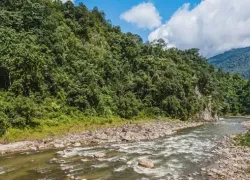
The Kameng River is one of the most scenic and significant rivers flowing through Arunachal Pradesh, particularly near Bhalukpong in the West Kameng district. Originating from the high-altitude forests of the Eastern Himalayas, the river flows southwards into Assam, ultimately merging with the Brahmaputra. Known for its pristine waters, lush riverbanks, and surrounding greenery, the Kameng River is not only a lifeline for local communities but also a major attraction for tourists visiting Arunachal Pradesh. The river passes through dense forests, hills, and small villages, providing breathtaking views and opportunities for adventure activities. It plays a vital role in sustaining biodiversity, supporting fish species such as trout, and nurturing the riparian ecosystem along its banks. The Kameng River is also culturally significant, as several indigenous tribes have historically settled along its banks, relying on its waters for fishing, irrigation, and rituals. How to Reach Kameng River The Kameng River is easily accessible via Bhalukpong, which serves as the main entry point for tourists. By Air: The nearest airport is Tezpur Airport in Assam, around 50 km from Bhalukpong. Tezpur is connected to major Indian cities such as Guwahati, Kolkata, and Delhi. From the airport, travelers can hire taxis to reach Bhalukpong and the Kameng River. By Rail: The nearest railway station is Rangapara North in Assam, approximately 35 km from Bhalukpong. Regular taxis and buses are available from the station to Bhalukpong. By Road: Bhalukpong is well connected to Tezpur, Itanagar, and Guwahati through National Highway 52A. From Bhalukpong, local roads lead directly to scenic stretches of the Kameng River, making it accessible for picnics, angling, and river excursions. Weather at Kameng River The Kameng River region experiences a subtropical climate with seasonal variations. Summer (March to June): The weather is warm and pleasant with temperatures ranging between 20°C and 30°C, ideal for sightseeing, angling, and river walks. Monsoon (July to September): Heavy rainfall occurs, enhancing the greenery along the river. The river swells during this time, making water activities slightly risky but offering dramatic views of the flowing waters. Winter (October to February): Winters are cool with temperatures ranging from 10°C to 20°C. The clear skies and mild climate are perfect for exploring riverbanks, birdwatching, and photography. Timing to Visit Kameng River The best time to visit the Kameng River is between October and April, when the weather is stable and outdoor activities are safe and enjoyable. Recommended Visiting Hours: 6:00 AM to 5:00 PM Why Kameng River is Famous The Kameng River is famous for its scenic beauty, rich biodiversity, and cultural importance. Key highlights include: Pristine river waters flowing through lush forests and hills. A habitat for freshwater fish species, including trout, making it a popular fishing destination. Birdwatching opportunities along the riverbanks for species such as kingfishers, eagles, and migratory birds. Cultural significance for indigenous tribes such as Nyishi and Aka, who conduct rituals and festivals along the river. Adventure opportunities like river rafting, trekking along river trails, and riverside camping. Entry and Visit Details The Kameng River flows through open and protected areas, including the Pakhui and Nameri National Parks. Visitors need permissions for activities within protected areas. For general sightseeing, no special entry permits are required for riverbanks near Bhalukpong. However, for fishing, trekking, or camping, hiring a local guide is recommended. Guided eco-tours are available to ensure safe interaction with the natural environment. History and Surroundings The Kameng River has been central to the local communities for centuries. Tribes settled along its banks for fishing, agriculture, and transportation. Traditional bamboo and wooden homes are common along the river, reflecting sustainable living practices. The river also played a historical role as a natural boundary and trade route between Assam and Arunachal Pradesh. Surrounding forests are rich in flora, including bamboo groves, sal trees, and medicinal plants. Things to Do at Kameng River Fishing: Anglers can try their luck catching trout and other freshwater fish, with permission from local authorities. River Rafting: Adventure enthusiasts can experience rafting in safe stretches of the river during summer and winter months. Trekking: Trails along the riverbanks offer scenic treks through forests and hills. Birdwatching: The river supports a variety of bird species, making it a paradise for birdwatchers and photographers. Photography: Capture stunning views of the flowing river, forested hills, and vibrant wildlife. Camping: Riversides near Bhalukpong offer safe camping spots for tourists to enjoy nature and stargazing. Interesting Facts about Kameng River The Kameng River originates in the high-altitude regions of the Eastern Himalayas, flowing through Arunachal Pradesh and Assam before joining the Brahmaputra. It serves as an important ecological corridor for wildlife moving between protected areas such as Nameri National Park and Pakhui Wildlife Sanctuary. The river is considered sacred by many local tribes, who perform annual rituals and festivals on its banks. The Kameng River supports a thriving ecosystem of fish, amphibians, birds, and riparian plants, highlighting its ecological significance. Tips for Visiting Kameng River Carry trekking shoes, rain gear, and warm clothing depending on the season. Hire local guides for fishing, trekking, and rafting activities to ensure safety and a rich experience. Respect local culture, wildlife, and river ecology by avoiding littering or disturbing natural habitats. Visit between October and April for the best weather and visibility of flora, fauna, and river scenery. Conclusion The Kameng River near Bhalukpong, Arunachal Pradesh, is a scenic and ecologically important destination. Its clear waters, lush surroundings, and rich biodiversity make it ideal for fishing, birdwatching, trekking, river rafting, and camping. The river’s cultural significance and historical importance add depth to its natural charm. Visiting the Kameng River provides an opportunity to connect with nature, experience indigenous traditions, and enjoy a peaceful retreat in the Eastern Himalayas, making it a must-visit spot for travelers to Arunachal Pradesh.
Explore More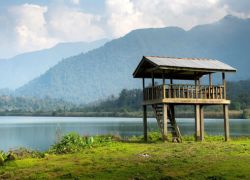
Glow Lake is a beautiful and lesser-known natural attraction located in the Lohit district of Arunachal Pradesh. Nestled within the pristine forested landscape of eastern Arunachal, this lake is known for its peaceful surroundings, untouched natural beauty, and serene atmosphere. Surrounded by dense greenery, hills, and rich biodiversity, Glow Lake is an ideal destination for nature lovers, trekkers, and travelers seeking offbeat experiences. Unlike crowded tourist spots, Glow Lake remains largely unexplored, offering visitors a quiet escape into nature. The lake is situated close to the Kamlang Wildlife Sanctuary region, which further adds to its ecological importance and scenic charm. Its calm waters and remote setting make it a perfect place for relaxation, photography, and nature observation. History and Background of Glow Lake Glow Lake does not have a recorded historical background like ancient temples or monuments, but it holds local importance as a natural water body within the forested regions of Lohit. The lake has been known to local tribal communities for generations and has traditionally been associated with nature, wildlife, and forest resources. In recent years, Glow Lake has started gaining attention from travelers and eco-tourism promoters due to its location near Kamlang Wildlife Sanctuary. Its growing popularity is mainly because of its untouched beauty rather than any historical structures or legends attached to it. Natural Architecture and Landscape Glow Lake is a fine example of nature’s own architecture. The lake is surrounded by thick forests, rolling hills, and natural trails. There are no artificial constructions around the lake, which helps maintain its raw and natural appeal. The still waters of the lake reflect the surrounding trees and sky, creating stunning visual effects, especially during early mornings and late afternoons. The natural setting provides a habitat for birds, insects, and forest animals, making the area ecologically rich and visually captivating. Why Glow Lake is Famous Glow Lake is famous for its untouched beauty and peaceful environment. Some of the key reasons for its popularity include: Scenic natural lake surrounded by dense forest Peaceful and less crowded destination Proximity to Kamlang Wildlife Sanctuary Ideal location for trekking and eco-tourism Excellent spot for photography and nature walks Glow Lake is especially appealing to travelers who prefer unexplored destinations and wish to experience Arunachal Pradesh beyond mainstream tourist locations. How to Reach Glow Lake, Lohit Reaching Glow Lake requires a bit of planning, as it is located in a remote forested area. However, the journey itself is scenic and rewarding. By Air The nearest airport is Lilabari Airport in Assam, located approximately 140–150 km from Glow Lake. The airport is connected to cities like Guwahati and Kolkata. From Lilabari, travelers can hire taxis or shared vehicles to reach Tezu and further proceed towards the lake. By Train Tinsukia Railway Station in Assam is the nearest major railhead, around 100 km away. It has good connectivity with major Indian cities. From Tinsukia, road transport is the primary option to reach Lohit district and the Glow Lake region. By Road Glow Lake is accessible by road from Tezu, the district headquarters of Lohit. From Tezu, travelers must drive towards Wakro and nearby forest routes. The final stretch often involves trekking or walking through forest paths, depending on current road conditions. Weather and Best Time to Visit The climate around Glow Lake is influenced by its forested and hilly surroundings. Summer (March to June): Pleasant temperatures between 18°C and 28°C Monsoon (July to September): Heavy rainfall, slippery trails, and limited accessibility Winter (October to February): Cool and comfortable, temperatures from 8°C to 20°C The best time to visit Glow Lake is from October to April. During this period, the weather is favorable, trails are safer, and the surrounding greenery is at its best. Glow Lake Timings Glow Lake is a natural site and does not have fixed visiting hours. However, it is recommended to visit during daylight hours for safety and better visibility. Recommended Visiting Time: 7:00 AM to 4:00 PM Avoid late evening visits due to forest wildlife activity Entry and Visit Details There is no official entry fee to visit Glow Lake. However, if you are entering areas close to Kamlang Wildlife Sanctuary, forest department permissions or local guide charges may apply. Visitors are advised to check with local authorities or guides in Tezu or Wakro regarding access routes and safety regulations before planning their visit. Things to Do at Glow Lake Glow Lake offers several nature-based activities for visitors: Nature walks around the lake Photography of landscapes and wildlife Bird watching and butterfly spotting Light trekking and forest exploration Relaxation and meditation in peaceful surroundings Interesting Facts about Glow Lake Glow Lake is located near the Kamlang Wildlife Sanctuary region The area around the lake is rich in biodiversity It remains largely unexplored by mass tourism The lake is known for its calm waters and reflection views Tips for Visitors To ensure a safe and enjoyable visit to Glow Lake, keep the following tips in mind: Hire a local guide for easier navigation Carry sufficient water and snacks Wear comfortable trekking shoes Avoid visiting during heavy monsoon season Do not litter and respect the natural environment Conclusion Glow Lake in Lohit district is a hidden gem of Arunachal Pradesh that offers peace, natural beauty, and an authentic forest experience. With its serene waters, lush surroundings, and remote charm, it is perfect for travelers looking to explore offbeat destinations. Whether you are a nature enthusiast, photographer, or adventure seeker, Glow Lake promises a refreshing and memorable journey into the heart of Arunachal Pradesh’s wilderness.
Explore More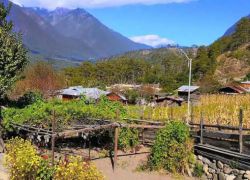
Dong Valley is one of the most unique and fascinating destinations in Arunachal Pradesh, located in the Lohit district near the India–China–Myanmar tri-junction. This remote valley is widely known for being among the first places in India to witness the sunrise every day. Surrounded by rugged mountains, pristine rivers, and untouched natural landscapes, Dong Valley offers a rare blend of adventure, geography, and raw natural beauty. The valley lies at the confluence of the Lohit River and the Sati River, making it not only scenic but also geographically significant. Due to its remote location and limited accessibility, Dong Valley remains largely unexplored, attracting adventure lovers, trekkers, photographers, and travelers who seek offbeat destinations away from crowded tourist spots. History and Significance of Dong Valley Dong Valley holds historical and strategic importance because of its proximity to international borders. The area gained prominence after the 1962 Indo-China war, as it lies close to sensitive border regions. Over time, Dong Valley became known for its unique geographical position rather than historical monuments or ancient structures. The valley is inhabited by local tribal communities who have lived in harmony with nature for generations. Their traditional lifestyle, dependence on rivers, and close connection with the surrounding landscape add cultural depth to the region. Dong Valley today stands as a symbol of India’s easternmost frontier and natural heritage. Natural Architecture and Landscape Dong Valley does not feature man-made architecture in the conventional sense. Its true architecture is entirely natural. Towering hills, deep valleys, flowing rivers, and dense forests shape the terrain. The dramatic landscape offers panoramic views of snow-fed rivers and rugged mountain slopes. The confluence of rivers creates stunning visuals, especially during sunrise and sunset. The untouched terrain, rocky paths, and forest trails give Dong Valley a raw and adventurous character, making it ideal for trekkers and explorers. Why Dong Valley is Famous Dong Valley is famous for several unique reasons that set it apart from other destinations in Arunachal Pradesh: One of the first places in India to see the sunrise Located near the India–China–Myanmar tri-junction Confluence of Lohit and Sati rivers Remote, untouched natural beauty Popular among adventure seekers and trekkers The experience of witnessing the first rays of sunlight over the valley is the biggest attraction for visitors, making Dong Valley a truly special destination. How to Reach Dong Valley, Lohit Reaching Dong Valley requires careful planning due to its remote location, but the journey is highly rewarding. By Air The nearest airport is Lilabari Airport in Assam, located around 150–160 km away. The airport is connected to Guwahati and other major cities. From Lilabari, travelers can hire taxis to reach Tezu and then continue by road toward Walong. By Train Tinsukia Railway Station in Assam is the nearest major railhead, approximately 120 km from Dong Valley. From Tinsukia, taxis and shared vehicles are available to reach Walong via Tezu. By Road Dong Valley is accessible by road up to Walong town. From Walong, visitors need to trek approximately 4–5 km to reach Dong Valley. The trek passes through forest trails and hilly terrain, offering scenic views along the way. Local guides are highly recommended for this route. Weather and Best Time to Visit The weather in Dong Valley varies with seasons due to its mountainous terrain. Summer (March to June): Pleasant weather with temperatures between 15°C and 25°C Monsoon (July to September): Heavy rainfall, slippery trails, and difficult trekking conditions Winter (October to February): Cold temperatures ranging from 5°C to 15°C, with chilly mornings The best time to visit Dong Valley is from October to April, when weather conditions are stable and trekking is safer. Dong Valley Timings Dong Valley does not have fixed opening or closing timings, as it is a natural destination. However, sunrise viewing requires early morning visits. Best Time for Sunrise: Early morning (around 4:30 AM – 5:30 AM, depending on season) Recommended Visit Hours: Daylight hours only Entry and Visit Details There is no official entry fee to visit Dong Valley. However, visitors may require inner line permits (ILP) to enter Arunachal Pradesh, which can be obtained online or from designated offices. Hiring a local guide or porter from Walong is strongly advised for safety and navigation. During certain periods, army or local authorities may regulate access for security reasons. Things to Do at Dong Valley Dong Valley offers unique activities focused on nature and adventure: Witness the first sunrise in India Trekking from Walong to Dong Valley Nature photography and landscape photography Explore river confluences and mountain trails Interact with local communities in nearby villages Interesting Facts about Dong Valley Dong Valley is located near India’s easternmost border region The valley lies at the meeting point of two rivers It is one of the least populated tourist areas in Arunachal Pradesh Sunrise here occurs earlier than most places in India Tips for Visitors To make your visit safe and enjoyable, consider the following tips: Carry warm clothing, especially for early morning sunrise visits Hire an experienced local guide for trekking Carry sufficient water, food, and basic medical supplies Avoid visiting during monsoon season Respect local customs and sensitive border regulations Conclusion Dong Valley in Lohit district is a destination like no other in India. Its remote location, breathtaking landscapes, and the rare opportunity to witness one of the earliest sunrises in the country make it a truly unforgettable experience. Ideal for adventure lovers and offbeat travelers, Dong Valley offers a raw and authentic glimpse into Arunachal Pradesh’s frontier beauty and geographical significance.
Explore More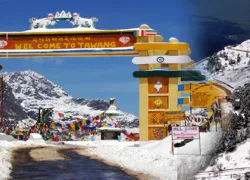
Sela Pass, Tawang is one of the outstanding and amazingly beautiful places that is located amidst the Himalayan vista. Sela Pass is considered to be the lifeline of the people living in Arunachal Pradesh. In fact, Sela Pass is considered to be one of the heavenly places on Earth. Sela Pass is famous amongst the tourists for the destination being enchanting and also boast of mystic beauty. Sela Pass also has geographical importance as it connects the Tawang district to the other parts of the world. Topping it all, the beautiful Sela Pass is also a sight to behold as it is always covered in snow, giving the beautiful view of the eastern Himalayan range.Best time to visit Sela Pass:Now, talking specifically about the weather and the best time to visit Sela Pass! Although Sela Pass is open all round the year but the best months to visit are October, November, March, April and May. The reason behind the same is the fact that during these months, there are less chances that the routes would be dipped in snow. The temperature at Sela Pass, Tawang can range from anywhere between 20 to 5 degrees Celsius, hence adequate warm clothing is necessary.How to reach:People who are travelling to Sela Pass through air, the nearest airport happens to be at Guwahati which is 480 km from Tawang. It is very well connected with other major parts of the world. From the airport, one can hire a car or catch a bus till Tezpur. Apart from this, from here on, helicopter services are also available, which would cost you or over Rs. 400 for adults and Rs. 2500 for children. The ones who are travelling via rail, the nearest railway station is Tezpur. On the other hand, for the ones who want to travel via road, then there are many ASPRTC buses and private buses as well.Interesting Facts:One of the interesting facts about Sela Pass, Tawang is that it is situated at an altitude of 4170 meters and also happens to be the gateway to Arunachal Pradesh. There is no denying the fact that standing right in front of the Sela Lake and gazing to its beauty will leave everyone open-mouthed.Traveller Tips:Below are some of the tips that all the travellers must keep in mind before travelling to Sela Pass, Twang:• For the ones who are travelling in winters must carry warm clothes (like literally) for it is very cold during those months. This will not only protect you from the chill winds, but will also safeguard you from the frost bites.• It is also to be kept in mind that one must not eat too much before hiking towards the pass.• It is also to be noted that all the tourist will witness and meet Indian army who are having as tough time as one can get in safeguarding the Sela lake. Nearby Attractions: • Tawang Monastery• Madhuri Lake• Nuranang Falls• Tawang War Memorial• Gorichen Peak• P.T. Tso Lake• Jaswant Garh
Explore More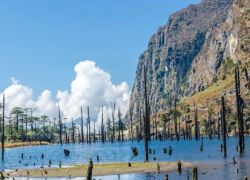
Have you ever witnessed the natural beauty of a lake? We agree you have but your definition of the beautiful lake would change altogether if you visit Shonga-tser, Tawang, located at the land of Arunachal Pradesh. Well, well, well! That’s exactly what you read! Shonga-tser Lake in Tawang is counted amidst the most serene and outstandingly beautiful lakes on Earth, which is dotted with many small lakes on its way. Shonga-tser Lake is also known as Madhuri Lake for the fact that famous Bollywood actress Madhuri Dixit shot for her song in the movie named, Koyla. After the shooting, the name of the lake also got famous as Madhuri Lake. 42 kms away from Tawang, Shonga-tser Lake is an ideal place for photoshoots or videography.As far as the history of the Shonga-tser Lake goes by, it is believed that after an earthquake in 1971, the lake was formed, which was only a grassland before that. Adding to the charm of the lake, there are snow-capped mountains around Shonga-tser Lake, Tawang. In addition to this, it is worth mentioning that there is crystal clean water and the blue sky reflects in the lake, which is an amazing sight to behold. You may also witness a number of dead tree trunks in the lake which happens to be an amazing imagery to be captured by the photographers. There is no denying the fact that all nature lovers and peace lovers would find this place out of the box. You will enjoy to the core and that’s a bet for sure!Things to Do:There is a lot to do at Shonga-tser Lake, Tawang and one amongst the most fun thing is photography. In addition to this, Shonga-tser Lake, Tawang is dotted with many small lakes during the journey and one can enjoy those pleasures as well by tsopping by and having fun at every small lake.Best Time to Visit:Shonga-tser Lake, Tawang is open all round the year and one can visit this lovely lake anytime during the year. But to enjoy the scenic and serene beauty of the lake, one can plan a trip to Shonga-tser Lake, Tawang during the months of summers.How to Reach:It is 42 kilometers away from the region and can easily be reached by a cab in about 2 hours maximum.Traveller Information:Below we have mentioned some of the most significant information for all the travellers. Take a look:Duration to visit Shonga-tser Lake: 3 hoursFacilities: Food StallsAllowed: Photography, videography and footwear are allowed inside the premises.Best visited with: Friends and/or familyNearby Attractions:Below are a few nearby attractions of Shonga-tser Lake that one must not miss out visiting:Tawang MonasteryTaktsang GompaSela PassNuranang WaterfallPankang Teng Tso LakeBumla PassGorichen PeakJaswant Garh War MemorialBap Teng Kang Waterfall
Explore More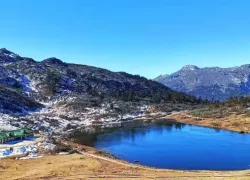
Pankang Teng Tso Lake, Tawang is one of the most visited tourist attraction in the state of Arunachal Pradesh. These lakes are also coined as the P.T. Tso. It is one among the lakes that are encircled by the beauty and brilliance of Nature. This beauty makes it a must-visit place in Arunachal Pradesh which is covered by the interesting and unique backdrop of Himalayan mountains that are covered with snow and the cool and gushing waters from the rivers. Also, Tawang is a town which has several major tourist spots which makes it a perfect host of excitement and adventure vacation. When you go to this place you will find yourself surrounded by the calm and cool waters, wet and snow-covered forest, meandering clouds and the sweet sounds of the birds. Without any doubt, Pankang Teng Tso Lake, Tawang is one of the popular attraction indeed. The reason behind is the calm setting and the beautiful places around it. To reach Pankang Teng Tso you will have to travel 17km by road. If you go further you will be able to witness the beauty of Shong-tser lake which is around 47km away from Tawang. There are mainly two reasons because of which this place is so famous amount the tourist, one is its two different ambiences, while it stays quiet, cool and everything seems to be with and fluffy due to snow which covers the entire place even in summers and makes it pleasant with beautiful blue lapis growing in summers. Therefore, Arunachal Pradesh is a great place to visit in your holidays to get some mesmerizing views that will amaze you. Festival The best attractions of this place during the festival which keeps everyone delighted and lost in the fun are the cultural showcases that are portrait through the art forms such as the famous dance song known the Yak dance and the monastic dances. The street performances and the traditional parades also take away lots of attention of the people here. Other than these, the religious functions uphold by the Buddhist and the Aji-Lhamu dance is also some attractions of the festival. If you love history, the projection of historical movies shown here is also a great centre for people during the time of the festival. So next time when you come here to visit the Pankang Teng Tso Lake, Tawang, Arunachal Pradesh, visit it during the time of these festivals and witness the local joy and ecstatic celebration. Popular Culture To see the grand showcases of the rich culture and heritage of Arunachal Pradesh, you need to visit the place during the Tawang Festival. The traditions of these monastic tribes are shown through the folk performances, religious functions, art exhibitions, dance troupes and some amazing lip-smacking local delicacies. The festival starts after they follow their religious tradition called “Sebang”. It is like a great religious rally of the monks of the Tawang Monasteries. The huge carnival site marks the beginning of the opening of the festival. In the past, several dignitaries like that of the former US ambassador to India Mr Richard Verma and CM of Assam Sarbananda Sonwal have visited the event and the festival celebration took place in their presence. One can witness the joyous celebration in every corner of Arunachal Pradesh during this time of the year. Art exhibitions, indigenous games, documentaries and film displayed during this time keep the audience well entertained. The evening starts with the mark of the musical and cultural shows especially dance shows which shows the culture and heritage of the tribes of the state. It is that time of the year when laughter, cheering and entertainment prevails all over. All tourists are welcomed warm-heartedly by the local tribes and before one realises, it already seems like home to you. Best Time to Visit One can visit the place any time of the year as their convenience but there are certain times of the year which makes the place much more interesting and amazing. Keeping that in mind, the best time to visit this place is around the months of April to October. The reason is that the temperature of this holly location is low in summers and the weather is pleasant is mostly liked by the tourist who comes and visits it during this time. How To Reach? Tawang is not blessed with airhead or rail route yet. The nearest airport is the Tezpur in Assam which is 325km away. It is the nearest and the only international airport here. From this place, you can get summon around the circle. It takes around twelve hours from Tezpur to reach Tawang. To visit the state of Arunachal Pradesh you need to be ILP meaning, Inner Line Permit. Nearby Attractions Tawang is blessed with some popular and beautiful tourist attraction. Apart from the Pankang Teng Tso Lake, Tawang, you can visit Bum La Pass. This place is located around 37kms away from the Tawang in the state of Arunachal Pradesh. One can travel to the place using Sumo though the road is not built perfectly the journey will have some beautiful sites for you to witness. Apart from Bum La Pass, you can also visit Gorichen Peak. It is the highest peak of Arunachal Pradesh and it is located at the border of China and Tawang. The Nuranang falls and the Monastery are some of the best places to visit as well. You will be surprised to see the Buddhist culture of the monks in the monasteries, beautiful artefacts and architecture. Therefore come visit the place during your holidays this time. Enjoy your vacation in the lap of nature and beautiful mountains. Visit this place during the time of celebration and be a part of it. The local people here are warm and hospitable. You will surely have a great experience here and will soon become a part of the community before you can hardly realise. This people of this area has open arms for all who visit them. Plan your holidays in Tawang and get the best memory of your life.
Explore More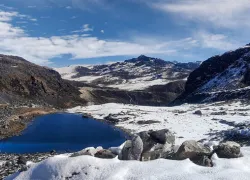
The exact meaning of Arunachal Pradesh has been defined as the “land of the dawn-lit mountain”. It is situated in the Eastern part of the Indian territory. It has already emerged as one of the most wonderful holiday getaways. Arunachal Pradesh is home to the verdurous valley and extraordinary aestheticism that you will find difficult to witness anywhere. The state has beautiful waterfalls, stunning lakes, and picturesque valleys, mountains tops that boost the astonishing beauty of this place. Arunachal Pradesh offers a soothing environment and salubrious climate that add to its serenity. Among the several tourist attractions, Bumla Pass is one of the most happening places. Bumla Pass is located at a height of 5000 meters above sea level. It is worth noting that Bum La Pass also signifies the Indo-China border. It has become a prominent attraction of the state. The place has also emerged as a must-visit place for tourists. However, you need to obtain a special permit from the Office of the Deputy Commissioner in Tawang District, and subsequently from the Indian Army cantonment of the Tawang. You will notice that Bumla Pass immediately induces the feelings of nationalism soon after watching the scores of soldiers protecting the border in such adverse weather conditions. It is interesting to note that it was through the Bumla Pass that Dalai Lama managed to enter India. You will fall in love with the allure of the Bumla Pass and feel like coming here over and over again with its unmatched beauty and culture. You may find it difficult to believe but the natural beauty of this tranquil tourist place is totally unspoiled. If you have visited the popular tourist place of the North-Eastern state yet, you have not seen the real beauty of mountains in true sense. Bumla Pass has become highly popular among tourists. Avid travelers throng this place every year in the search for some peace from the hustle and bustle of their daily lives. The road to Bumla Pass is of great historical significance for the India-China battle that took place in the year 1962. The battle occurred between the armies of China and India as the Chinese army had attacked the Indian army. Presently, the pass has been serving as one of the four Border Personnel Meeting Point between both Indian and Chinese Armies. Consistent consultations and communications take place between the two giant armies to avoid the scenario of any face-offs or misunderstanding. Bumla Pass has some religious importance as well as a result of the Dalai Lama. Traveler Tips: As the place is quite cold, you must ensure that you are carrying woolen clothes in abundance. They will help you feel warm and comfortable. Additionally, you will be able to enjoy your trip to the fullest when you have comfortable winter clothes handy. You must carry adequate water, eatables, thermos with tea as there will be nothing on the way to the summit. It is worth noting that during winters, Bumla pass is covered with snow. In case you have hired a cab driver, you must ensure that the driver is thoroughly aware of the route of the place. He should have expertise in driving during winters when the roads are covered with snow. Things to Do: As Bumla Pass has noticed several unforgettable events over the years, the place has emerged historically significant for India. When you happen to visit Bumla Pass, you must ensure that you visit the route from where Spiritual leader Dalai Lama had once entered India to seek refuge. Additionally, there is a popular lake known as Sangestar Tso which has emerged as the must-visit point of Bumla Pass. You must get a photograph captured when you reach there to create a treasure trove of beautiful memories. You also may place a pebble stone in front of the 'Heap of Stone' that will be counted as your tribute to the Indian Army’s brave hearts guarding the border day and night. Many travelers also enjoy watching the Indo-China Border Personnel Meeting also known as BPM point that has become one of the 4 meeting points between these two prominent Armies. Best Time to Visit: The ideal time when you should plan a visit to Bumla Pass is of course summers. Generally, one should plan his visit from February to April. You should always avoid a visit during the rainy season. The weather conditions are quite extreme in winters, as the minimum temperature may dip to -15 degrees. Therefore, it is ideal not to plan your visit during winters to Bumla Pass. Many people find it difficult to withstand the extreme weather conditions in winters. The temperature ranges between 5 to 22 degrees in summer while in winter season you will find the temperature between -2 to 5 degrees. How to Reach? In order to reach Bumla Pass for vacationing, it is ideal to travel on a day where there is no scope of rain or storm. You may start from Guwahati or Tezpur in Assam to reach Bumla Pass. To reach Bumla Pass, you may hire an SUV as the trek is quite difficult. The conditions of the road may require you to have strong nerves. Considering the kinds of roads, it is of paramount importance to hire a professional driver who will ensure maximum safety. Nearby Attractions: There are several nearby attractions that you may visit when you plan your trip to Bumla Pass. Thembang Village, Yak Research center, Bap Teng Kang waterfall have gained huge popularity and many tourists throng these places every year. Therefore, we may conclude here that Bumla Pass, Tawang will leave you spellbound and wanting for more. Make sure you plan your visit at the earliest and enjoy the raw beauty of the place.
Explore More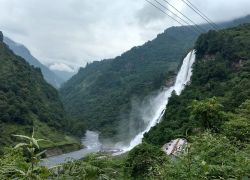
Welcome to the serene and picturesque Bap Teng Kang Waterfalls nestled in the charming city of Tawang. This natural wonder offers a tranquil escape for visitors seeking to immerse themselves in the beauty of untouched landscapes and soothing cascades. The lush green surroundings and the melodious sound of water gushing down the rocks create a mesmerizing ambiance, making it a must-visit destination for nature lovers and adventure seekers alike. History of Bap Teng Kang Waterfalls The history of Bap Teng Kang Waterfalls dates back to ancient times when it was revered as a sacred site by local tribes. Formerly known as a royal bathing spot, this waterfall holds historical significance and has been a part of the cultural heritage of Tawang. Over the years, concerted conservation efforts have been made to preserve the natural beauty of this enchanting cascade, leading to its recognition by UNESCO for its ecological importance. Architecture and Natural Beauty of Bap Teng Kang Waterfalls The surrounding landscape of Bap Teng Kang Waterfalls is a harmonious blend of dense forests, vibrant wetlands, and diverse bird habitats. The area is home to a variety of flora and fauna, offering a glimpse into the rich biodiversity of the region. Adding to the allure of the place is the historical Keoladeo Temple, a serene sanctuary that enhances the spiritual aura of the surroundings. Why is Bap Teng Kang Waterfalls Famous? Bap Teng Kang Waterfalls has gained fame for its breathtaking beauty and serene ambiance, attracting birdwatchers, photographers, and wildlife enthusiasts from far and wide. The pristine natural environment and the diverse ecosystem make it a paradise for those seeking to connect with nature and witness the wonders of the wild. How to Reach Bap Teng Kang Waterfalls Reaching Bap Teng Kang Waterfalls is convenient with multiple travel options available. Visitors can access the destination via air, rail, or road, with nearby airports and railway stations providing easy connectivity. The well-maintained roads offer a scenic drive to this natural marvel, allowing travelers to enjoy the journey as much as the destination. Weather and Best Time to Visit Bap Teng Kang Waterfalls The weather at Bap Teng Kang Waterfalls exhibits distinct seasonal variations, with summer, monsoon, and winter each offering a unique experience. The best time to visit varies according to personal preferences, with each season presenting its own charm. However, the ideal months to explore this enchanting destination are [mention best months here]. Timings of Bap Teng Kang Waterfalls The timings of Bap Teng Kang Waterfalls cater to visitors throughout the year, with seasonal variations in opening hours if applicable. It is advisable to plan your visit accordingly and make the most of your time at this captivating location. Detailed information on visitor timings and operational hours can be obtained before planning your trip. Entry Fee and Visit Details Entry to Bap Teng Kang Waterfalls is subject to nominal fees that contribute to the maintenance of the site and the provision of visitor facilities. Guide services, safari options, bicycle rentals, and other amenities are available to enhance your experience and ensure a memorable visit. Visitors can explore the waterfall at their own pace or opt for guided tours for a deeper understanding of the surroundings. Things to Do at Bap Teng Kang Waterfalls There are a plethora of activities to indulge in at Bap Teng Kang Waterfalls, catering to diverse interests and preferences. From birdwatching and photography to cycling and nature trails, visitors can engage in immersive experiences that bring them closer to the natural wonders of the region. Educational opportunities abound, allowing guests to learn about the unique ecosystem and conservation efforts in place. Interesting Facts About Bap Teng Kang Waterfalls Bap Teng Kang Waterfalls is home to a wide array of migratory birds, making it a hotspot for bird enthusiasts and researchers. The conservation achievements in this area have been commendable, contributing to the preservation of biodiversity and the protection of endangered species. The ecological importance of this waterfall cannot be overstated, highlighting the need for sustainable tourism practices to safeguard its natural splendor. Travel Tips for Visiting Bap Teng Kang Waterfalls When visiting Bap Teng Kang Waterfalls, it is advisable to pack appropriate clothing for varying weather conditions and terrain. Photography enthusiasts should carry their gear to capture the scenic beauty of the surroundings. Birdwatching equipment is essential for those keen on observing the diverse avian species that call this place home. It is recommended to visit during the recommended seasons and adhere to responsible tourism practices to ensure the preservation of this pristine ecosystem. Conclusion In conclusion, Bap Teng Kang Waterfalls in Tawang stands as a testament to the raw beauty of nature and the importance of conservation efforts in preserving our natural heritage. This enchanting destination offers a sanctuary for wildlife, a haven for bird lovers, and a retreat for those seeking solace in the lap of nature. A visit to Bap Teng Kang Waterfalls promises an unforgettable experience, leaving visitors with memories of serenity and splendor that will linger long after they depart.
Explore MoreArunachal Pradesh Tour 5 Night - 6 Days
6 Days/ 5 Night
Bomdila - Guwahati - Bhalukpong - Tawang - Dirang
Arunachal Pradesh Package
8 Days/ 7 Night
Guwahati - Bomdila - Tinsukia - Bodhgaya
Arunachal Pradesh Tour 7 Night - 8 Days
8 Days/ 7 Night
Siang
Arunachal Pradesh Discovery 7N - 8D Tour
8 Days/ 7 Night
Bomdila - Guwahati - Bhalukpong - Tawang - Dirang
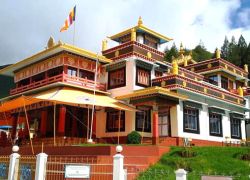
Situated in topmost point of a hill in Bomdila, Arunachal Pradesh Upper Gompa officially known as the Gontse Gaden Rabgyel Ling monastery is one of the most visited tourist attractions in the state. Established in the year 1965-1966, this stunning monastery reflects the culture and traditions associated with Buddhism.Description:Located at an elevation of 8500 feet on a steep hill at Bomdila village, in Western Kameng District of Arunachal Pradesh, Upper Gompa is the main and most visited part of the Gontse Gaden Rabgyel Ling monastery (GRL monastery). Apart from the Upper Gompa, the GRL monastery also has two other divisions namely the Lower Gompa and Middle Gompa. Dotted with lush green surroundings and bestowed with panoramic views of the town of Bomdila, Upper Gompa offers an unmatched peace of mind and calmness to the tourists.History and architecture:Built by the 12th reincarnate of Tsona Gontse Rinpoche, the GRL monastery is also recognized as one of the major centers of the Lamaistic faith of Mahayana Buddhism. The Upper Gompa of GRL monastery houses a school to provide education to the young monks along with a huge prayer hall and a beautiful Buddha temple. The main prayer hall was added to the Upper Gompa later by the 13th reincarnate of Tsona Gontse Rinpoche. The gompa premises also has residential quarters for the Buddhist Lamas and monks.Known to be a replica of the Tsona Gontse Monastery in South Tibet, the main attraction of Upper Gompa is the large prayer wheel, set at a little distance from the prayer hall under a brick-and-mortar awning.Adorned with Buddhism inspired art, paintings, wall hanging and featuring beautiful architecture, Upper Gompa is a true reflection of the rich Tibetan-Buddhist culture. Portraying various shades of life and ancient traditions of Buddhism, Upper Gompa is undoubtedly a prominent sightseeing point in Bomdila, Arunachal Pradesh.Things to do:• Wander amidst the beautiful monument and witness the colorful surroundings of the monastery.• See the paintings, wall hangings adorning the walls of Upper Gompa.• Awake your spiritual self, learn about Buddhism, its history and rich Tibetan traditions.• Owing to its hilly terrain, Bomdila offers many hiking paths for adventure junkies.How to reach?Located in Bomdila village which is 276 km from Itnanagr, 155 km far from Tezpur and 183 km from Tawang, Upper Gompa can easily be reached by bus, taxi or private cab. .• Air: The nearest airports are at Guwahati and Tezpur in Assam.• Rail:The nearest railway station is Rangapara railway station in Assam (144 kilometers from Bomdila).Best time to visitThe best time to visit Upper Gompa is during the summer and monsoon months, from April to October, when the weather is pleasant. Winters in Bomdila, from November to February, are harsh and quite chilly.Nearby attractionsFrom orchards, wildlife to monasteries, there are several places to see in Bomdila. Following are some of the major attractions that you must include to your itinerary while visiting Upper Gompa in Bomdila.• Lower Gompa• Middle Gompa• Bomdila viewpoint• R.R hills• Sessa Orchid Sanctuary• Bomdila Monastery• Apple orchards• Craft Centre and Ethnographic museum• Kameng elephant reserveSurrounded by lush greenery and the snow-covered Himalayas, Upper Gompa monastery, Bomdila is a must-visit place while visiting Arunachal Pradesh. Book a tour package for Arunachal Pradesh and curate memories of a lifetime.
Explore More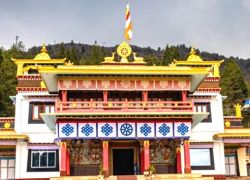
The Lower Gompa, Bomdila is in Arunachal Pradesh. On the map of India, virginal Arunachal Pradesh appears as one giant green patch. It is the country’s least explored and wildest state. Arunachal Pradesh rises from the Assam plains as one mass of densely forested and I’m probably steep hills culminated into snowcapped peaks all along the border of Tibet.Travelers who visit Arunachal Pradesh have an amazing adventurous journey. You can visit remote mountain valleys and encounter some of 26 indigenous tribal people. The tourist infrastructure is fine. Arunachal Pradesh offers homestays and hotels. Not as much as any other tourism spot but still has enough.There is the Indian military which guards the border passes. China has never recognized the Indian sovereignty here, in 1962 even invaded Arunachal. The atmosphere in Arunachal is mostly calm. There not much existence of any political violence.Bomdila-Bomdila is a small town. The best way of going around the town is by walking. Or You can also hire a car and go around to visit the Bomdila Monastery. Bomdila is a stopover when anyone is in Arunachal Pradesh. People usually stop at Bomdila and then continue their journeys.Mostly, the travelers try to reach Bomdila by evening and then stay one night after that more towards their other destination. Some people even like to stay at Bomdila for 1-2 nights and take some time to go around and visit the beautiful monasteries present near town.What you can do in Bomdila is, find any hotel and check-in, after taking some rest you can start your journey of going around other places. You can go hiking, hike up to Upper Gompa. It might even rain at times so if possible carry one umbrella with you.You should probably reach the Upper Gompa in around an hour or so. When you will walk towards it you will be Abel to hear beautiful spiritual chants which will make the air completely pure. There are loudspeakers fitted in the monasteries by the monks of Bomdila so that the whole valley echoes in the chants. The atmosphere is absolute bliss. It is just so peaceful.Lower Gompa, Bomdila-The Lower Gompa, Bomdila is one of The Gontse Gaden Rabgyel Ling (GRL) monastery division. The Lower Gompa, Bomdila is located in the main market’s ending area. Everyone wants to visit the monastery because it’s breathtakingly beautiful. The Tibetan architecture of the monastery is really popular among visitors. Also, the massive prayer hall is very famous. There is an old belief among people that, if anyone spins the monastery's prayer wheels the all their wishes will come true.The Infrastructure Of The Lower Gompa, Bomdila-The infrastructure of the Lower Gompa, Bomdila is the Tibetan Architecture. The given architecture influences Chinese and Indian. But it also has many other unique features that have been brought into the infrastructure. Its adaptation has been done due to the generally arid, cold, high altitude climate of Tibetan plateau and to the Tibetan Buddhism.There are many of the surviving monuments of Tibetan Religion, which is very closely based on the Indian prototypes. Later there were monuments and temples built, water the second diffusion of Buddism at that period. It is very much similar to the Tibetan Vernacular architecture. They only show a limited amount of foreign influence on architecture. The very early extant defensive structure appears likewise to be solely based on indigenous technologies and designs.Things to keep in mind before visiting Lower Gompa, Bomdila-When you have decided to visit a cold place or any hill station, it is highly recommended that you carry all your essentials. The most important thing is the woolen and warm clothes. Do not forget to carry warm shoes, socks, thermal leggings and clothes, pants, jackets, caps, scarves, hats, and globes. These are the items that will nicely protect you against the mad cold.The next important thing is a medical kit. When you are traveling you must carry a first aid kit with you. It is a very important thing, which one must never forget. Among warm clothes, keeping a supply of medication is always a smart move. When you visit a hill station you might catch a cold at any time so having some basic medicines is very important.In the case of an emergency, some medicines can always help. Be it any kind of a situation you must have your necessities with you, as in a hill station you never know when the dispensary will open. Remote areas don’t have medicines other than some common specifications ones. So, having your safety kit is much better.The other impart thing is funding. Carry different types of modes of payment with you. You never know what you might need to keep everything in hand. Debut cards, credit card, online transfer facility, Paytm, etc.What to do in and around Lower Gompa, Bomdila?Whenever you visit this place, don’t forget to spin the wheel to fulfilling your wishes. Also, the Tibetan architecture is very famous and worth seeing. After checking out the Lower gompa, Bomdila you can also visit the middle and upper Gompa, Bomdila viewpoint and RR hills too.How To Reach?You will have to walk from the area of the main market to the Gompa which is around 2 km away.The Best Time to visit the Lower Gompa, Bomdila- The perfect time to visit the Lower Gompa, Bomdila is from October to April. As at this time of the year, the atmosphere is nice and pleasant.This was a rough background about Arunachal Pradesh, and the Lower Gompa, Bomdila. You can follow the above-mentioned information and visit the place with all the basic knowledge. After you visit the Lower Gompa, Bomdila you can also visit some other near places.There are many other monasteries too. You can also visit these monasteries after you will be done with the Lower Gompa. The next time you plan to visit Arunachal Pradesh, definitely go to the Lower Gompa, Bomdila and enjoy the beautiful Tibetan architecture along with amazing views and atmosphere.
Explore More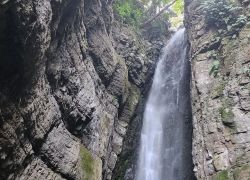
The Khonsa Waterfall is a stunning natural wonder located in Tirap district, Arunachal Pradesh.
Explore More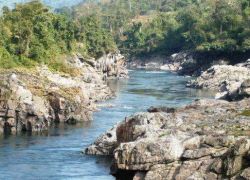
Daporjio, the tiny scenic town of Arunachal Pradesh is the heart of North-East India. It is located at an altitude of 600m in the upper Subansiri (district). The word 'Dapo' and 'Rijo' mean 'the protection' and 'the valley'. Literally, Daporjio is protected against all the evil spirits by the Subansiri River. The river Subansiri makes the main branch of the River Brahmaputra which runs kissing the town. Hence, Darporjio is itself a complete holiday package by offering a range of tourist activities including trekking, river rafting, camping, picnics, and angling.Description:Subansiri River, the mainstream of upper Brahmaputra, is the major attraction of visiting Daporjio. It offers a number of adventurous, exciting and thrilling experiences of river rafting. If you are in this town of Arunachal Pradesh, you should not miss an opportunity to do rafting through the running river.Traveler Tips:1. Though the water of the stream is clean enough to put your hand or feet but do not drink it. You should carry a bottle of drinking water with you.2. The difficulty level of rafting through Subansiri can be moderate to difficult (level 2 – 4). So, stretch yourself well before making an expedition. Before booking a rafting package, consider the distance carefully, especially if you are traveling with children and older people.3. Carry a first-aid kit with you for an emergency.4. Get energy bars, energy drinks, shorts, bathing suits, river sandals, old sneakers, and extra flip-flops with you.5. If you are carrying a camera with you, make sure it has a waterproof lens, fresh batteries, and waterproof carry bag.6. Also, carry a plastic bag with you to keep your wet clothes inside.7. Follow the instructions of your guide carefully.8. You may do rafting in a group of 4/ 6/ 8.Things to Do:• Rafting through the water of Subansiri River, Daporjio.• Camping. You must get your rafting experience a level higher by doing camping at the rafting sites.• Trekking.• Do a few family picnics into nature.Best Time to Visit:The best time to make rafting through the river of Subansiri is between March and June or September and November. Do not dare to come here for a similar purpose in July – August, as heavy rainfall happens this time.How to Reach?By air – If you are planning a trip to Daporjio and mainly heading with the aim of water rafting, you can land at Mohanbari. It is a small beautiful village situated at 493 km away from Guwahati. Reaching the village, hire a cab or ride on a bus for reaching Pasighat.By rail – The nearest railway station is Dibrugarh. To reach Pasighat from here, you need to take a bus.By road – Assam State Transport Corporation or ASTC runs regular bus services on the route of NH 37 which connects the state with all the major towns and cities of Assam. Guwahati is at 440 km distance from Dibrugarh.Nearby Attractions:• Meghna Cave Temple• Kamala Reserve Forest• Daporjio Good Shepherd Church• ShoppingSo, you must get a hurry to plan a visit to this hidden gem of North-East India. You are surely going to have a memorable and thrilling vacation in this picturesque town of Arunachal Pradesh. Do a lot of rafting through the Subansiri River, Daporjio. Happy travel!
Explore More
Interesting Facts a Traveller must know About Sigem Daporijo Reserve:Sigem Daporijo Reserve Forest is located in the Indian State of Arunachal Pradesh. This rain forest range contains extensive range of Flora & Fauna. And it is also a known as a paradise of birdwatcher’s place. Many of the collections of flowers and bushes inside the forest range, there are Nahar, Bahera, Borpat, Amari, Simul, tita sopa Gonsorai and others. Then again, one can also sight rare groups of partial evergreen trees like Sam, Udal, maj, and Siris. Here one can see diverse varieties of birds such as Woodpeckers, Night Jar, Owls, Partridges, Peacock Pheasant, Tragopan, Ashy Wood Pigeon, Water hen, Parakeets, Kingfishers, Thrushes, Barbets, Babblers, Tragopan, Pin-tailed Green Pigeon, Speckled Wood Pigeon, Great Indian pied hornbill, Wreathed Hornbill, Bluejoy of Rollar, Orioles, and. Lapwing in a large number. They are the most collective flora species of this Sigem Daporijo Reserve Forest, Daporijo.How to Get Here?First you have to get down at Dibrugarh Town Railway Station or Daporijo Airfield as both of them are nearest to this forest. From here hire a cab or any other vehicle to reach till forest further one has to get into the forest by Trek.Best Time to Visit:The best time or one can say the most popular time when the weather remains pleasant & one can have fun in visiting this forest is in between the months from October to May.Nearby AttractionsNearby situated is Subansiri River where one can go & try for river rafting. The most popular activities one can enjoy is trekking & Birdwatching. Other than this one can go for sightseeing of Daporijo, Kamala reserve forest, Meghna cave temple and Good Shepherd church. One can also visit Daporijo Museum & Craft centre which is near by the reserve forest.
Explore More
Roing picnic spot, Roing is a beautiful place which is situated in the Lower Valley of Dibang in the state of Arunachal Pradesh, India. It has a beautiful river flowing nearby which is called the Dibang river. This place is an ideal place for people who love natures, are culture freaks, adventure loners and enthusiast of history. Roing, Arunachal Pradesh is like a treasure box filled with gems like sanctuaries, archaeological sites, lakes, gardens and many more. The visitors here will be thrilled by the beauty and adventure that this place has to offer to the tourist. If you visit Roing you will get to know that it is a great paradise that offers beautiful vibes of nature. It is a treat for the people visiting it for the first time. Just in a case or you want to look for something splendid, then you must visit Mayudia. This place is located around 50 km apart from Roing. At the height of 2655 metres, this place is a place that a snow seeker will surely love to visit. The scenic beauty of this place cannot be described in words. The picturesque beauty of this place will soothe your soul and will add peace to the heart of a city dweller looking for solitude. The Mayudia is worth mentioning because of the changing vistas of the peak of Himalayas. Here the clouds play hide and seek and the birds fill the air with their musical chirpings. You will seriously have a magical experience on your visit to Mayudia. You can spend a day or two in the hills resorts that are quirky and amazing and can return to Roing to spend the rest of your holidays. For travellers visiting Roing picnic spot, the trip is going to be a visual and cultural treat. This place will certainly not disappoint you. The place is surrounded by local trips and people who are hospitable and leaves no stone unturned to host their guests. All you need to do is carry some warm clothes and enjoy your holiday to the fullest. Traveller Tips In Arunachal Pradesh, there are certain dos and don’ts for the people visiting here. One should know them and follow to save themselves from any kind of trouble. Dos • Get a medical check-up done before you plan to visit the state of Arunachal Pradesh. • It is advised to carry a first aid box in case if you travelling along with mosquito repellents. • Take in only home-cooked food • Update yourself with political issues and the climatic changes. • Keep yourself away from the unauthorised travelling agencies and strangers who can be harmful sometimes. • Always keep the number of the local police station and also the name and address of the hotel you are staying in. • Always drink bottled water or water that is double filtered. Don’ts • Do not wear revealing clothes when you are visiting any tomb, temple or any place of worship. Open your shoes and sandals before entering. • Do not take photographs of the tribe people here or any government place such as airports, military base camps or any restricted area. • Do not carry anything toxic or ammunition as it is not allowed to the place you visit. • Get your money exchanged only from authorised places and do not be greedy and take offers from unauthorised currency exchange agencies. • Avoid buying any expensive jewellery from strangers. Culture If you are a person who loves to witness the different culture and people, then always plan your holidays during the time of festivals. The celebrations in Arunachal Pradesh is packed with some never-ending fun and some beautiful folk dances and music. You will also get to see some unusual and quirky religious rituals and some great acrobat performances. The local tribe here prepares the local delicacies which are good in taste and mouth-watering. During the time of festivals, you can get a bite of these amazing traditional cuisine that these people here have to offer. Best Time To Visit If you are a person who loves to travel in summer, then nothing can be as better as summers in Arunachal Pradesh. The temperature is around 25-30 degree Celsius which makes it an ideal vacation with family or for a honeymoon. Although it may be tiresome and sweaty during the summers here but the hill stations over here will have some great scenes for you. You will also be able to see the sanctuaries and other tourist spots better due to the off-season. From July to September, this place experiences heavy rainfall. The temperature this time is low and great and you do not have to face the heat of summers and monsoon will play its magic. But it is advised not to visit this place due to heavy showers and landslides. The best time to visit Arunachal Pradesh is winters. This time the place has a temperature that keeps on fluctuating between 8-14 degree Celsius and remains chilly. You will be able to have some real sightseeing during this time of the year. Therefore, plan your holidays for Roing picnic spot, Roing, depending on the preference of yours and the climate of Arunachal Pradesh. How To Reach? To visit Roing Picnic Spot, Roing, you can come by air to the Gopinath Bordoloi or Mohanbari Airport. Both of these airports are located in Assam from where you can hire a taxi or take a state bus to reach Roing. If you prefer railways than airways, the get down at Tinsukia Railway Station. From here you have to travel through roadways and take a ferry over the river Brahmaputra to reach your destination. If you have a shortage of time, there are some helicopter flights from Pawan Hans which you can avail from the cities like Dibrugarh, Guwahati or Naharlagun. Enjoy your holidays in Roing Picnic Spot, Roing, Arunachal Pradesh. You will be amazed by nature, people, food, hills, culture and festivals. Without any doubt, this holiday will be the best in your lifetime.
Explore More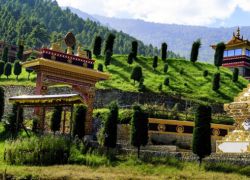
Dirang Valley is one of the most charming and scenic destinations in the Kameng region of Arunachal Pradesh. Located in West Kameng district, Dirang is a beautiful hill town nestled along the banks of the Dirang River, surrounded by snow-clad mountains, lush green valleys, forests, and traditional villages. Known for its pleasant climate, hot water springs, monasteries, and rich tribal culture, Dirang Valley serves as a perfect stopover between Bomdila and Tawang. The valley offers a peaceful blend of natural beauty and cultural heritage. With apple orchards, yak pastures, ancient forts, and warm hospitality of the Monpa tribe, Dirang Valley attracts nature lovers, photographers, adventure seekers, and travelers looking for an authentic Himalayan experience. How to Reach Dirang Valley Dirang Valley is well connected by road and can be reached easily from major towns in Arunachal Pradesh and Assam. By Air: The nearest airport is Tezpur Airport in Assam, located about 190 km away. Another option is Guwahati Airport, around 320 km away. From the airport, taxis and shared vehicles are available to reach Dirang. By Train: The nearest railway station is Tezpur Railway Station, while Guwahati Railway Station serves as the main railhead for long-distance trains. From there, travelers can continue their journey by road. By Road: Dirang is well connected by road and lies on the route from Bomdila to Tawang. Regular taxis and shared sumos operate from Tezpur, Bomdila, and Itanagar. The road journey itself is scenic, offering breathtaking mountain views. Weather in Dirang Valley Dirang Valley enjoys a pleasant climate throughout the year, making it a year-round destination. Summer (March to June): Summers are mild and comfortable, with temperatures ranging from 10°C to 25°C. This is an ideal time for sightseeing and outdoor activities. Monsoon (July to September): The valley receives moderate to heavy rainfall. The surroundings become lush and green, but landslides and roadblocks may occur, so travel should be planned carefully. Winter (October to February): Winters are cold, with temperatures dropping to 0°C or below. Snowfall may occur in nearby higher regions, adding to the valley’s charm. This season is perfect for those who enjoy cold weather and mountain views. Timing of Dirang Valley Dirang Valley is an open destination and can be visited at any time of the day. Best Visiting Time: Early morning and evening are ideal for enjoying scenic views, village walks, and photography. Specific attractions like monasteries, hot springs, and forts generally remain open from morning till evening. Why Dirang Valley is Famous Dirang Valley is famous for its breathtaking natural beauty, traditional Monpa culture, and peaceful atmosphere. The valley is especially known for its hot water springs, which are believed to have medicinal properties. The presence of ancient Dirang Dzong (fort), beautiful monasteries, apple orchards, and yak farms makes Dirang a culturally and historically rich destination. Its location along the Tawang route also makes it a popular halt for travelers exploring western Arunachal Pradesh. Entry and Visit Details There is no general entry fee to visit Dirang Valley. However, Indian tourists need an Inner Line Permit (ILP) to enter Arunachal Pradesh, while foreign tourists require a Protected Area Permit (PAP). Some attractions within the valley, such as monasteries or cultural sites, may have specific visiting hours but usually do not charge an entry fee. History and Architecture Dirang Valley has a rich historical background influenced by Tibetan and Monpa cultures. One of the most significant historical landmarks is Dirang Dzong, also known as Dirang Fort. Built centuries ago, the fort once served as a defensive structure and administrative center. The architecture of Dirang reflects traditional Himalayan styles, with stone houses, wooden balconies, prayer flags, and monasteries featuring Buddhist elements. Monasteries in the region showcase simple yet elegant designs, adorned with prayer wheels, murals, and statues. Things to Do in Dirang Valley Visit Dirang Dzong: Explore the ancient fort and enjoy panoramic views of the valley. Hot Water Springs: Relax in the natural hot springs located near the river, especially enjoyable during winter. Monastery Visits: Visit Dirang Monastery and nearby gompas to experience Buddhist culture and peaceful surroundings. Nature Walks: Take leisurely walks through villages, apple orchards, and riverside paths. Photography: Capture stunning landscapes, traditional houses, and daily life of local tribes. Birdwatching: The valley is home to several bird species, making it ideal for bird lovers. Interesting Facts about Dirang Valley Dirang Valley is one of the few places in Arunachal Pradesh known for apple cultivation. The hot water springs are naturally heated and used by locals for bathing throughout the year. Dirang is located at a lower altitude than Tawang, making it a good acclimatization stop. The valley is inhabited mainly by the Monpa tribe, known for their rich cultural traditions. Tips for Visiting Dirang Valley Carry warm clothing, especially if visiting during winter months. Obtain Inner Line Permit (ILP) in advance for a hassle-free journey. Travel during daylight hours due to hilly roads and limited lighting. Respect local culture and ask permission before photographing people. Keep cash handy, as ATMs and digital payment facilities may be limited. Plan your visit as part of a Bomdila–Tawang itinerary for the best experience. Conclusion Dirang Valley in Kameng region of Arunachal Pradesh is a perfect blend of natural beauty, history, and cultural richness. From soothing hot springs and ancient forts to scenic landscapes and traditional villages, the valley offers a memorable travel experience. Whether you are a nature lover, cultural explorer, or someone seeking peace in the mountains, Dirang Valley promises a refreshing and enriching journey amidst the serene Himalayas.
Explore More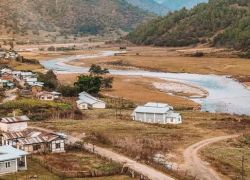
Sangti Valley is a hidden gem nestled in the West Kameng district of Arunachal Pradesh, within the scenic Kameng region. Located near Dirang, this serene valley is surrounded by rolling hills, alpine forests, rivers, and traditional villages. Known for its untouched natural beauty and peaceful atmosphere, Sangti Valley is an ideal destination for travelers seeking calm surroundings away from crowded tourist spots. The valley is especially famous for its scenic meadows, river views, and seasonal visits by migratory birds. With its picturesque landscapes and warm hospitality of the local Monpa community, Sangti Valley offers a perfect blend of nature, culture, and tranquility. How to Reach Sangti Valley Sangti Valley is easily accessible via Dirang and Bomdila, making it a convenient destination for travelers exploring West Kameng. By Air: The nearest airport is Tezpur Airport in Assam, approximately 190 km away. Guwahati Airport, about 320 km away, offers better connectivity. From the airport, taxis and shared vehicles are available to reach Dirang, followed by a short drive to Sangti Valley. By Train: The nearest major railway station is Tezpur Railway Station, while Guwahati Railway Station serves as the main railhead for long-distance trains. From there, travelers can hire taxis or board buses toward Dirang. By Road: Sangti Valley is located about 15 km from Dirang. Well-maintained roads connect the valley to Bomdila, Dirang, and Tezpur. Taxis and private vehicles are the most convenient options for reaching the valley. Weather in Sangti Valley Sangti Valley experiences a pleasant climate throughout most of the year, making it suitable for nature tourism. Summer (March to June): Summers are cool and comfortable, with temperatures ranging between 10°C and 25°C. This is the best time for sightseeing, nature walks, and photography. Monsoon (July to September): The valley receives moderate rainfall, turning the landscape lush and green. However, road conditions can be challenging due to landslides. Winter (October to February): Winters are cold, with temperatures dropping to 0°C or lower. This is the best season for birdwatching, as migratory Black-necked Cranes visit the valley during winter. Timing of Sangti Valley Sangti Valley is an open natural destination and can be visited at any time of the day. Best Time to Visit: Early morning and late afternoon are ideal for enjoying valley views, birdwatching, and photography. There are no fixed entry timings, but daylight hours are recommended for safe travel. Why Sangti Valley is Famous Sangti Valley is famous for its pristine natural beauty and peaceful environment. The valley is particularly known for hosting the rare and endangered Black-necked Cranes during winter, making it a popular destination for birdwatchers. Its lush meadows, river streams, and scenic mountain backdrop offer postcard-perfect views. Sangti Valley is also admired for its authentic village life and traditional Monpa culture. Entry and Visit Details There is no entry fee to visit Sangti Valley. However, visitors need an Inner Line Permit (ILP) to enter Arunachal Pradesh. Foreign tourists must obtain a Protected Area Permit (PAP). Local homestays and eco-lodges are available for overnight stays, allowing visitors to experience the valley’s peaceful lifestyle. History and Architecture Sangti Valley does not have monumental historical structures, but it has a rich cultural history rooted in the Monpa tribal community. The valley’s villages showcase traditional Himalayan architecture with stone houses, wooden roofs, and prayer flags. The simple yet functional design of homes reflects harmony with nature. Small monasteries and prayer wheels can be found in nearby areas, highlighting the influence of Tibetan Buddhism. Things to Do in Sangti Valley Birdwatching: Spot migratory birds, especially Black-necked Cranes during winter. Nature Walks: Enjoy peaceful walks through meadows, forests, and along riverbanks. Photography: Capture scenic landscapes, sunrise and sunset views, and local village life. Village Exploration: Interact with local Monpa families and learn about their traditions. Relaxation: Enjoy the calm environment and fresh mountain air. Interesting Facts about Sangti Valley Sangti Valley is one of the few places in Arunachal Pradesh where Black-necked Cranes migrate every winter. The valley remains largely untouched by commercial tourism. Sangti is located close to Dirang, making it a perfect day trip or overnight stay. The valley’s landscape changes dramatically with seasons, offering unique views year-round. Tips for Visiting Sangti Valley Visit between October and February for birdwatching opportunities. Carry warm clothing, especially during winter months. Respect wildlife and maintain silence while observing birds. Travel during daylight hours due to mountain roads. Support local homestays to experience authentic village life. Carry basic essentials, as shops and medical facilities are limited. Conclusion Sangti Valley in the Kameng region of Arunachal Pradesh is a peaceful retreat surrounded by nature’s beauty. Known for its scenic landscapes, birdlife, and cultural charm, the valley offers a refreshing escape from busy tourist destinations. Whether you are a nature lover, photographer, or traveler seeking tranquility, Sangti Valley promises an unforgettable experience amidst the serene Himalayan surroundings.
Explore More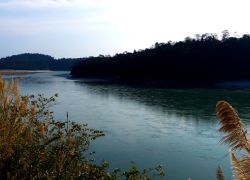
The Siang River is one of the most majestic and culturally significant rivers of Arunachal Pradesh. Flowing through the heart of the Siang region, this mighty river is known for its powerful currents, breathtaking landscapes, and deep connection with the local tribal communities. The Siang River is actually the Indian stretch of the famous Brahmaputra River, which originates in Tibet as the Yarlung Tsangpo before entering India through Arunachal Pradesh. Surrounded by lush green hills, dense forests, and dramatic valleys, the Siang River offers a stunning natural setting that attracts nature lovers, adventure seekers, photographers, and spiritual travelers. The river plays a vital role in the livelihood, culture, and traditions of the people living along its banks. How to Reach Siang River The Siang River flows across several parts of the Siang region, including Pasighat, Yingkiong, and nearby villages, making it accessible from different points. By Air: The nearest airport is Dibrugarh Airport in Assam, located about 150–180 km from Pasighat. The airport is well connected to Guwahati, Kolkata, and Delhi. From Dibrugarh, taxis and buses are available to reach Pasighat. By Train: The nearest major railway station is Dibrugarh Railway Station in Assam. From the station, visitors can hire taxis or use public transport to reach Pasighat or other river access points. By Road: Pasighat, the main town near the Siang River, is well connected by road to Itanagar, Dibrugarh, and other parts of Assam and Arunachal Pradesh. Roads follow scenic routes along hills and riverbanks, offering beautiful views during the journey. Weather at Siang River The climate around the Siang River is largely influenced by the Eastern Himalayan weather system. Summer (March to June): Summers are warm and pleasant, with temperatures ranging between 20°C and 30°C. This season is ideal for sightseeing and river activities. Monsoon (July to September): Heavy rainfall occurs during the monsoon season, causing the river to swell significantly. While the scenery is lush and green, travel can be challenging due to landslides and strong river currents. Winter (October to February): Winters are cool and comfortable, with temperatures ranging from 10°C to 20°C. This is considered the best time to visit the Siang River for outdoor activities and clear views. Timing of Siang River Visit The Siang River is a natural attraction and can be visited throughout the day. Best Visiting Hours: 6:00 AM to 6:00 PM Early mornings and late afternoons are ideal for photography, river walks, and enjoying the peaceful surroundings. Why Siang River is Famous The Siang River is famous for its sheer size, power, and scenic beauty. It is one of the main contributors to the Brahmaputra River system and plays a crucial role in the ecology of Northeast India. The river is also renowned for adventure activities such as white-water rafting, which attracts thrill-seekers from across the country. Its strong rapids and long stretches make it one of the best rafting destinations in India. Culturally, the Siang River holds great importance for the Adi tribe and other indigenous communities, who consider it sacred and central to their way of life. Entry and Visit Details There is no entry fee to visit the Siang River, as it is a natural river flowing through public areas. However, certain activities like rafting or guided tours may involve charges. Indian tourists must carry a valid Inner Line Permit (ILP) to enter Arunachal Pradesh. Foreign tourists require a Protected Area Permit (PAP). For adventure activities, permissions from local authorities and certified operators are recommended. History and Architecture The Siang River has been an important geographical and cultural landmark since ancient times. Historically, it served as a natural route for trade and communication among tribal communities living along its banks. There is no man-made architectural structure associated with the river itself. The “architecture” of the Siang River is purely natural—formed by powerful water currents carving deep valleys, shaping riverbanks, and supporting rich ecosystems over thousands of years. Things to Do at Siang River River Rafting: Experience thrilling white-water rafting on powerful rapids. Nature Walks: Enjoy peaceful walks along the riverbanks surrounded by scenic views. Photography: Capture stunning landscapes, sunsets, and tribal life. Camping: Camp near designated river areas for a close-to-nature experience. Cultural Interaction: Visit nearby villages to learn about the traditions and lifestyle of local tribes. Fishing: Traditional fishing practices can be observed in some areas. Interesting Facts about Siang River The Siang River is known as the Yarlung Tsangpo in Tibet. It becomes the Brahmaputra River after entering Assam. The river supports rich biodiversity along its banks. Siang River rafting is among the most challenging in India. Tips for Visiting Siang River Visit during winter or early summer for the best experience. Avoid rafting during peak monsoon season. Carry valid permits and identification documents. Wear comfortable clothing and sturdy footwear. Respect local customs and tribal traditions. Avoid littering and help preserve the natural environment. Conclusion The Siang River in the Siang region of Arunachal Pradesh is a magnificent natural wonder that combines raw natural beauty, adventure, and cultural richness. Whether you are seeking thrilling river activities, scenic landscapes, or a peaceful connection with nature, the Siang River offers an unforgettable travel experience in one of India’s most beautiful and unspoiled regions.
Explore More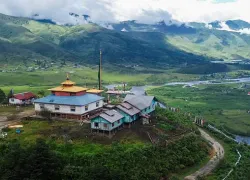
Mechuka is a beautiful and remote valley town located in the Siang region of Arunachal Pradesh, close to the India–China border. Often described as one of the hidden gems of Northeast India, Mechuka is known for its wide green valleys, snow-capped mountains, crystal-clear rivers, wooden houses, and peaceful Buddhist culture. Officially known as Menchukha, which means “place with medicinal water,” this scenic destination offers a perfect mix of natural beauty, history, and tribal traditions. Situated at an altitude of around 6,000 feet above sea level, Mechuka is surrounded by pine forests, rolling meadows, and the flowing Siyom River. The area is inhabited mainly by the Memba tribe, who follow Tibetan Buddhism and have preserved their traditional lifestyle for generations. Due to its untouched charm and calm atmosphere, Mechuka is slowly emerging as a favorite destination for travelers seeking offbeat and less crowded places. How to Reach Mechuka Reaching Mechuka requires some effort, but the journey itself is extremely scenic and rewarding. By Air: The nearest airport is Dibrugarh Airport in Assam, located about 450 km from Mechuka. Dibrugarh is well connected to major Indian cities like Guwahati, Kolkata, and Delhi. From the airport, travelers need to continue their journey by road. By Train: The nearest major railway station is Dibrugarh Railway Station in Assam. From there, taxis and shared vehicles are available to reach Pasighat or Along (Aalo), which serve as transit points to Mechuka. By Road: Mechuka can be reached by road from Aalo (Along), which is about 180 km away. The road journey passes through dense forests, rivers, and mountain villages. Although the road conditions can be challenging in some stretches, the views make the long drive worthwhile. An Inner Line Permit (ILP) is mandatory for Indian tourists to enter Arunachal Pradesh. Foreign nationals require a Protected Area Permit (PAP). Weather in Mechuka Mechuka experiences a pleasant mountain climate throughout most of the year. Summer (March to June): Summers are cool and comfortable, with temperatures ranging between 10°C and 25°C. This is an ideal time for sightseeing, trekking, and exploring the valley. Monsoon (July to September): The region receives moderate to heavy rainfall during monsoon. The landscape becomes lush and green, but landslides and roadblocks may occur, making travel difficult. Winter (October to February): Winters are cold, with temperatures dropping close to 0°C. Snowfall can be seen in nearby higher areas, adding to the charm of the valley. This season is perfect for travelers who enjoy cold weather and quiet surroundings. Best Time and Timing to Visit Mechuka Mechuka is accessible throughout the year, but the best time to visit is from October to April. Ideal Visiting Hours: 6:00 AM to 7:00 PM Daytime is best for sightseeing and outdoor activities, while evenings offer peaceful moments with stunning sunset views over the valley. Why Mechuka is Famous Mechuka is famous for its untouched natural beauty and unique cultural identity. The wide open valley, dotted with wooden houses and prayer flags, gives the place a strong Tibetan influence. The town is also known for the ancient Samten Yongcha Monastery, believed to be over 400 years old. This monastery is an important spiritual center for the local Buddhist community. Mechuka gained wider attention after the Indian Air Force advanced landing ground was developed here, improving connectivity while still maintaining the region’s peaceful character. Entry and Visit Details There is no entry fee to visit Mechuka town. However, travelers must carry valid permits. Entry Requirements: • Inner Line Permit (ILP) for Indian tourists • Protected Area Permit (PAP) for foreign tourists Local guides are not mandatory but are highly recommended for exploring nearby villages and trekking routes. History and Architecture Historically, Mechuka was an important cultural and trade center along ancient Himalayan routes connecting Tibet and India. The region has seen influences from Tibetan Buddhism for centuries, which is clearly reflected in its religious practices and architecture. The architecture of Mechuka is simple yet charming. Traditional houses are built using wood and bamboo, designed to withstand cold weather. The Samten Yongcha Monastery stands as a fine example of Tibetan-style architecture, featuring prayer wheels, colorful murals, and a peaceful meditation hall. Things to Do in Mechuka Visit Samten Yongcha Monastery: Experience peace and spiritual calm at this historic Buddhist monastery. Explore Mechuka Valley: Walk through open meadows and enjoy panoramic mountain views. River Siyom: Spend time near the river, enjoy photography, and relax by its clear waters. Trekking: Go on short treks to nearby villages and hilltops. Village Walks: Interact with local Memba tribes and learn about their lifestyle and traditions. Camping: Camp under the stars for an unforgettable nature experience. Interesting Facts about Mechuka Mechuka is also spelled as Menchukha. The name means “place with medicinal water.” The town lies close to the India–China border. Mechuka has its own Indian Air Force landing ground. The region follows Tibetan Buddhism. Tips for Visiting Mechuka Carry warm clothes, even in summer. Keep extra travel days due to unpredictable weather. Carry cash, as ATMs are limited. Respect local customs and religious sites. Avoid plastic use and keep the environment clean. Mobile network connectivity may be limited. Conclusion Mechuka in the Siang region of Arunachal Pradesh is a perfect destination for travelers looking to escape crowded tourist spots and experience pure natural beauty and rich culture. With its peaceful valleys, ancient monasteries, friendly locals, and breathtaking landscapes, Mechuka offers a memorable and soulful travel experience that stays with visitors long after they leave.
Explore More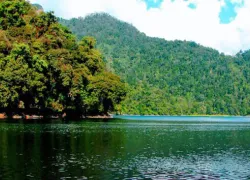
Mehao Lake is a serene and picturesque freshwater lake located near Roing in the Lower Dibang Valley district of Arunachal Pradesh. Nestled amidst lush green hills, dense forests, and sprawling meadows, this lake is a hidden gem of Northeast India. Mehao Lake is surrounded by the Mehao Wildlife Sanctuary, which adds to its ecological and scenic importance. The lake is a perfect destination for nature lovers, bird watchers, photographers, and travelers seeking tranquility away from crowded tourist spots. Spanning several hectares, Mehao Lake is known for its calm waters, scenic reflection of surrounding mountains, and rich biodiversity. The lake and its surroundings serve as a habitat for numerous species of birds, fish, and other wildlife, making it a significant ecological hotspot. The peaceful environment, pristine nature, and cultural relevance of nearby tribal communities make Mehao Lake a must-visit destination for travelers exploring Arunachal Pradesh. How to Reach Mehao Lake Reaching Mehao Lake requires a combination of air, rail, and road transport. By Air: The nearest airport is Dibrugarh Airport in Assam, approximately 150 km from Roing. Dibrugarh is well connected with major cities like Guwahati, Delhi, and Kolkata. From Dibrugarh, travelers can hire taxis or shared vehicles to reach Roing and subsequently Mehao Lake. By Rail: The nearest railway station is Tinsukia Railway Station in Assam. From Tinsukia, taxis and buses are available to reach Roing, which serves as the gateway to Mehao Lake. By Road: Mehao Lake is about 15 km from Roing town and is accessible via a well-maintained road. Visitors can hire taxis, rent vehicles, or use local transport services to reach the lake. The drive offers scenic views of rivers, forests, and villages along the way. Indian tourists must carry a valid Inner Line Permit (ILP) to enter Arunachal Pradesh. Foreign tourists require a Protected Area Permit (PAP). Weather in Mehao Lake Mehao Lake experiences a subtropical highland climate with significant variations across seasons. Summer (March to June): Summers are mild and pleasant, with temperatures ranging from 20°C to 30°C. This is the best time for sightseeing and outdoor activities. Monsoon (July to September): The region receives heavy rainfall, making the surroundings lush and green. Road conditions may become slippery, so caution is advised while traveling. Winter (October to February): Winters are cool, with temperatures ranging between 10°C and 22°C. The weather is perfect for photography, nature walks, and bird watching. Timing to Visit Mehao Lake Mehao Lake is open throughout the day for visitors. Daytime is ideal for exploring the lake, walking along its shores, and enjoying scenic views. Recommended Visiting Hours: 6:00 AM to 5:00 PM Why Mehao Lake is Famous Mehao Lake is famous for its natural beauty, tranquil waters, and biodiversity. The lake is surrounded by the Mehao Wildlife Sanctuary, which supports rare species of birds, reptiles, and mammals. Visitors often spot migratory birds during the winter season, making it a hotspot for bird watchers. The calm environment and scenic landscape make Mehao Lake a popular location for nature photography and peaceful retreats. The lake also holds cultural significance for local tribal communities, including the Idu Mishmi tribe, who have historically depended on its waters for fishing and religious practices. Traditional festivals and rituals near the lake offer visitors a glimpse of local customs and lifestyle. Entry and Visit Details Entry to Mehao Lake is free for visitors. Since it lies within Mehao Wildlife Sanctuary, visitors may need permission from the Arunachal Pradesh Forest Department. Guided tours and eco-trekking routes are available for those wishing to explore the sanctuary in detail. Photography is allowed for personal use, but visitors should avoid disturbing wildlife or polluting the area. History and Architecture While Mehao Lake is a natural formation and does not have man-made architecture, its surroundings reflect the cultural heritage of local tribes. The lake has been part of the natural landscape for centuries, supporting both biodiversity and local livelihoods. Traditional bamboo and wooden huts near the lake are used by the local communities for fishing, resting, and cultural activities. These simple structures complement the natural beauty and maintain the ecological balance of the region. Things to Do in Mehao Lake Nature Walks: Explore trails around the lake and in the Mehao Wildlife Sanctuary, enjoying flora and fauna. Bird Watching: Spot migratory birds and native species in the sanctuary and along the lake shore. Photography: Capture the reflections of mountains and forests in the calm waters of the lake. Picnics: Relax along the lake banks and enjoy a peaceful day amidst nature. Cultural Exploration: Interact with Idu Mishmi communities and observe their traditional lifestyle and festivals. Camping: With permission, camping is allowed near the lake for an immersive nature experience. Interesting Facts about Mehao Lake Mehao Lake is part of Mehao Wildlife Sanctuary, a biodiversity hotspot in Arunachal Pradesh. The lake supports a wide range of fish, birds, and small mammals. It is surrounded by thick forests that include both tropical and temperate species. Local tribes have historically relied on the lake for fishing and rituals. The lake remains relatively untouched and less crowded, offering a tranquil experience. Tips for Visiting Mehao Lake Carry warm clothing, especially in winter mornings and evenings. Hire a local guide for wildlife spotting and safe exploration of sanctuary trails. Carry drinking water, snacks, and basic first aid supplies. Respect wildlife and local traditions, and avoid littering near the lake. Plan your visit during October to April for pleasant weather and better road conditions. Conclusion Mehao Lake in the Dibang region of Arunachal Pradesh is a serene natural treasure offering breathtaking scenery, rich biodiversity, and a glimpse into local tribal culture. Its calm waters, surrounding forests, and peaceful environment make it an ideal destination for nature lovers, photographers, and travelers seeking offbeat experiences. Visiting Mehao Lake is not just a trip but a journey into the heart of Arunachal Pradesh’s pristine wilderness.
Explore More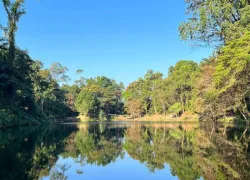
Sally Lake is a pristine high-altitude lake located in the Dibang Valley region of Arunachal Pradesh. Nestled amidst snow-capped mountains, lush green forests, and rolling meadows, the lake is an offbeat gem of Northeast India. Known for its calm waters, breathtaking scenery, and remote location, Sally Lake offers travelers an unspoiled experience of nature and tranquility. It is less crowded compared to other lakes in the region, making it a perfect destination for solitude seekers, nature enthusiasts, photographers, and adventure lovers. The lake is surrounded by dense temperate and subalpine forests that host diverse flora and fauna. Its serene environment is ideal for birdwatching, meditation, and enjoying the raw beauty of the Eastern Himalayas. Being in a high-altitude region, Sally Lake also serves as a habitat for migratory birds and supports various endemic species of plants and fish, making it an ecological hotspot. How to Reach Sally Lake Reaching Sally Lake requires careful planning due to its remote location in the Upper Dibang Valley. By Air: The nearest airport is Dibrugarh Airport in Assam, approximately 280 km from the lake. Dibrugarh is well connected with major cities like Guwahati, Delhi, and Kolkata. From Dibrugarh, travelers can hire taxis or shared vehicles to reach Roing, the main town in Lower Dibang Valley, and continue towards Sally Lake. By Rail: The nearest railway station is Tinsukia Railway Station in Assam. From there, taxis or buses can be taken to reach Roing. The journey onward to Sally Lake involves mountain roads and trekking routes. By Road: Sally Lake is accessible by road up to a certain point near the lake. From Roing, travelers can hire local taxis or share rides to reach base points. The final stretch often requires trekking through forested paths and hills, so proper planning, permits, and local guides are recommended. Indian citizens need a valid Inner Line Permit (ILP) to travel to Dibang Valley. Foreign tourists require a Protected Area Permit (PAP) and additional clearance for high-altitude or sensitive areas. Weather at Sally Lake Sally Lake experiences a temperate high-altitude climate with variations across seasons. Summer (April to June): Summers are cool and pleasant, with temperatures ranging from 15°C to 25°C. This is the ideal time for sightseeing and trekking. Monsoon (July to September): Monsoon brings heavy rainfall, making trails slippery and increasing the risk of landslides. The area becomes lush green but challenging to access. Winter (October to March): Winters are cold with temperatures ranging from 0°C to 15°C. Snowfall may occur in higher elevations. This is the best time for capturing snow-covered landscapes. Timing to Visit Sally Lake The lake is accessible throughout the day, but most visitors prefer daytime for trekking and exploring the surrounding forests and meadows. Recommended Visiting Hours: 6:00 AM to 5:00 PM Why Sally Lake is Famous Sally Lake is famous for its serene beauty, isolation, and breathtaking Himalayan backdrop. Unlike more commercialized tourist destinations, the lake offers an untouched natural environment. It is particularly known for: Crystal-clear waters reflecting surrounding snow-capped peaks. High-altitude flora and fauna, including rare Himalayan birds and small mammals. Opportunities for trekking, photography, and nature observation. Peaceful environment, making it ideal for meditation and relaxation. The lake also holds cultural significance for the Idu Mishmi tribe, who inhabit nearby villages and often consider lakes and rivers sacred. Entry and Visit Details Visiting Sally Lake requires prior permission from the Arunachal Pradesh Forest Department, especially for trekking and extended stays. An Inner Line Permit (ILP) for Indian tourists or a Protected Area Permit (PAP) for foreign tourists is mandatory. Local guides are highly recommended to ensure safety and navigation through forest trails. Camping and photography are allowed in designated areas with prior authorization. History and Surroundings Sally Lake is a natural high-altitude lake formed over centuries through glacial and geological activity. The lake does not have man-made architecture, but the surroundings are dotted with traditional bamboo and wooden huts belonging to local tribal communities. These huts are primarily used for resting, storage, and cultural activities. The area around Sally Lake has been historically significant for the Idu Mishmi people, whose traditional practices help conserve the environment. Things to Do at Sally Lake Trekking: Embark on trekking routes that lead to and around the lake, exploring dense forests, alpine meadows, and mountain paths. Bird Watching: Observe migratory and native birds that inhabit the lake and surrounding sanctuary. Photography: Capture reflections of mountains, forests, and wildlife in the clear waters of the lake. Camping: Camp near the lake under proper guidance and permissions for a night amidst nature. Nature Walks: Walk along the lake shore or nearby forest trails to observe flora and fauna. Cultural Interaction: Engage with Idu Mishmi villagers and learn about their traditional customs and connection with nature. Interesting Facts about Sally Lake Sally Lake is one of the most remote and less-explored lakes in Arunachal Pradesh. It is located in a region rich in biodiversity, forming part of the Himalayan ecosystem. The lake supports migratory birds in winter, attracting birdwatchers from across India. It is surrounded by dense forests that are home to rare mammals such as red pandas and musk deer. The area is culturally significant for the local Idu Mishmi tribe. Tips for Visiting Sally Lake Carry warm clothing and rain protection, depending on the season. Hire experienced local guides for trekking and forest exploration. Carry sufficient food, water, and first aid supplies, as facilities are limited. Respect local culture, wildlife, and forest rules to preserve the ecosystem. Plan visits during October to April for favorable weather and trekking conditions. Conclusion Sally Lake in Dibang, Arunachal Pradesh, is a breathtaking natural destination that offers unparalleled beauty, biodiversity, and tranquility. Its remote location, pristine waters, and cultural significance make it an ideal spot for nature lovers, adventure seekers, and photographers. Visiting Sally Lake is an opportunity to experience the untouched wilderness of Arunachal Pradesh, witness rare wildlife, and enjoy a peaceful retreat amidst the Eastern Himalayas.
Explore More9 Nights 10 Days Arunachal Pradesh & Meghalaya
10 Days/ 9 Night
Dirang - Tawang - Shillong - Guwahati - Cherrapunji - Kameng - Bomdila
North East Explorer 9N - 10D Tour
10 Days/ 9 Night
Guwahati - Shillong - Cherrapunji - Tawang - Kaziranga - Dirang - Dawki - Golaghat
Arunachal Pradesh Tour 8 Night - 9 Days
9 Days/ 8 Night
Siang - Dirang - Dibang
Dream Of North-East 20 Nights - 21 Days Tour
21 Days/ 20 Night
Bomdila - Guwahati - Shillong - Imphal - Agartala - Aizawl - Kohima - Tezpur - Tawang - Kaziranga - Silchar - Dirang - Golaghat
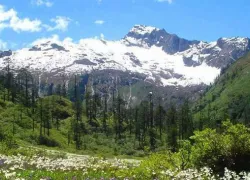
Dri Valley is a remote and scenic valley located in the Dibang region of Arunachal Pradesh. Known for its untouched natural beauty, dense forests, meandering rivers, and rich cultural heritage, Dri Valley is one of the most offbeat and unexplored destinations in Northeast India. The valley is home to several indigenous tribal communities, including the Idu Mishmi people, who have preserved their traditional lifestyle for centuries. Visitors to Dri Valley can experience a unique blend of pristine landscapes, tribal culture, and biodiversity. The valley is surrounded by snow-capped Himalayan peaks, verdant forests, and alpine meadows. Its rivers and streams are crystal clear, providing a perfect habitat for freshwater fish and supporting the local ecosystem. Dri Valley is ideal for travelers seeking solitude, nature photography, adventure trekking, and cultural immersion in a remote Himalayan environment. How to Reach Dri Valley Reaching Dri Valley requires careful planning due to its remote location and limited connectivity. By Air: The nearest airport is Dibrugarh Airport in Assam, approximately 300 km away. From Dibrugarh, visitors must travel by road via Roing, the administrative town of Lower Dibang Valley, and then proceed to the valley via local routes. By Rail: The closest railway station is Tinsukia Railway Station. From there, travelers can hire taxis or use shared vehicles to reach Roing and continue towards Dri Valley. By Road: Dri Valley is accessible from Roing via road up to certain points. Beyond that, trekking or local transport is required. Roads are often narrow, winding, and challenging, especially during the monsoon. It is recommended to hire local guides familiar with the terrain. Indian citizens need a valid Inner Line Permit (ILP) to visit Arunachal Pradesh, and additional clearance may be required to access border areas. Foreign tourists must obtain a Protected Area Permit (PAP). Weather in Dri Valley Dri Valley experiences a temperate Himalayan climate with significant variations depending on altitude and season. Summer (March to June): Summer is mild and pleasant, with temperatures ranging from 18°C to 28°C. This season is ideal for trekking, sightseeing, and outdoor exploration. Monsoon (July to September): The region receives heavy rainfall during monsoon, making travel difficult due to slippery roads and possible landslides. The valley becomes lush green, enhancing its scenic beauty but challenging accessibility. Winter (October to February): Winters are cold, with temperatures ranging between 5°C and 15°C. Higher reaches may experience snowfall, creating a pristine winter landscape. Timing to Visit Dri Valley The best time to visit Dri Valley is from October to April when weather conditions are favorable, and road accessibility is better. Daytime is ideal for trekking, sightseeing, and wildlife spotting. Recommended Visiting Hours: 6:00 AM to 5:00 PM Why Dri Valley is Famous Dri Valley is famous for its untouched natural beauty, rich biodiversity, and cultural significance. The valley is one of the least explored regions in Arunachal Pradesh, offering an authentic Himalayan experience. It is well-known for: Pristine rivers and streams that flow through dense forests and meadows. Diverse flora and fauna, including rare Himalayan species. Tribal culture and traditional lifestyles of the Idu Mishmi community. Adventure trekking routes, nature photography, and eco-tourism. The valley is also significant for its historical and cultural heritage, with ancient village settlements, traditional festivals, and ritual practices that have been preserved for generations. Entry and Visit Details Visiting Dri Valley requires prior permission from local authorities and the Arunachal Pradesh Forest Department. Tourists must carry a valid Inner Line Permit (ILP) for Indian citizens or Protected Area Permit (PAP) for foreign visitors. Hiring local guides is highly recommended to ensure safety, navigate remote routes, and gain cultural insights. Camping and trekking are permitted in designated areas with proper authorization. History and Architecture While Dri Valley does not feature man-made monuments, its villages and community structures reflect the traditional architecture of the Idu Mishmi tribe. Houses are typically constructed from bamboo, wood, and thatch, designed to withstand heavy rains and cold temperatures. The valley has been historically inhabited by tribal communities who rely on agriculture, hunting, and fishing. Traditional rituals, festivals, and folklore have been passed down for generations, making Dri Valley a living repository of culture and heritage. Things to Do in Dri Valley Trekking and Nature Walks: Explore forest trails, mountain paths, and riverbanks to witness flora and fauna. Wildlife Spotting: Spot rare Himalayan species, including red pandas, musk deer, and various bird species. Photography: Capture breathtaking landscapes, rivers, forests, and cultural activities of local communities. Camping: Set up camp near streams or meadows for an immersive wilderness experience. Cultural Interaction: Engage with Idu Mishmi villagers and learn about their customs, festivals, and traditional lifestyle. Fishing: With permission, visitors can enjoy sustainable freshwater fishing in streams and rivers. Interesting Facts about Dri Valley Dri Valley is one of the least disturbed regions in Arunachal Pradesh, providing a rare glimpse into untouched Himalayan ecosystems. The valley supports a variety of rare and endemic species of flora and fauna. The Idu Mishmi tribe, one of the indigenous communities, maintains traditional practices that contribute to environmental conservation. Dri Valley is considered a prime location for eco-tourism, trekking, and wildlife research. The valley’s remote location ensures tranquility and solitude for visitors, away from urban noise and tourism crowds. Tips for Visiting Dri Valley Carry warm clothing and rain gear depending on the season. Hire experienced local guides for trekking, navigation, and cultural insights. Bring adequate food, water, and basic first aid, as facilities are limited in remote areas. Respect tribal customs, wildlife, and forest rules. Plan your trip during October to April for favorable weather and safer travel. Conclusion Dri Valley in Dibang, Arunachal Pradesh, is a remote and enchanting destination offering stunning landscapes, rich biodiversity, and deep cultural experiences. Its rivers, forests, mountains, and tribal communities make it an ideal location for eco-tourism, adventure trekking, photography, and cultural exploration. Visiting Dri Valley is not just a journey into nature but also an immersion into the heritage and traditions of Arunachal Pradesh’s indigenous communities. For travelers seeking an authentic Himalayan experience far from mainstream tourism, Dri Valley is a must-visit destination.
Explore More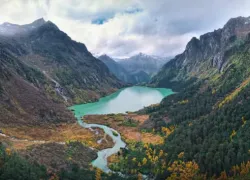
Eze River Valley is a hidden gem in the Dibang region of Arunachal Pradesh, offering stunning landscapes, lush forests, and a serene river flowing through deep Himalayan valleys. This remote destination is perfect for nature enthusiasts, adventure seekers, and travelers looking to experience the unspoiled wilderness of Northeast India. Eze River Valley is known for its tranquil environment, biodiversity, and the cultural richness of the indigenous tribes who inhabit the region. The valley is characterized by dense temperate and subalpine forests, snow-capped mountains, and fast-flowing rivers and streams that support a variety of aquatic life. Its pristine environment attracts eco-tourists, wildlife photographers, and trekkers seeking solitude and natural beauty. The valley remains largely unexplored by mainstream tourism, preserving its untouched charm and providing an authentic Himalayan experience. How to Reach Eze River Valley Reaching Eze River Valley requires careful planning due to its remote location in the Upper Dibang Valley. By Air: The nearest airport is Dibrugarh Airport in Assam, approximately 280-300 km from the valley. Dibrugarh is well-connected to major Indian cities such as Delhi, Kolkata, and Guwahati. From Dibrugarh, travelers must take a road journey to Roing, the district headquarters, and then continue towards Eze River Valley via local roads and trekking paths. By Rail: The nearest railway station is Tinsukia Railway Station in Assam. From Tinsukia, taxis or shared vehicles are available to reach Roing, which serves as the base for exploring the valley. By Road: Eze River Valley can be accessed by road from Roing, with the last stretch often requiring trekking through hilly and forested terrain. The journey is scenic but challenging, and hiring local guides is recommended for safety and navigation. Indian tourists must carry a valid Inner Line Permit (ILP) to enter Arunachal Pradesh, while foreign tourists require a Protected Area Permit (PAP) due to the region's proximity to the international border. Weather in Eze River Valley The climate of Eze River Valley varies significantly with altitude, featuring a temperate highland environment. Summer (April to June): Summers are mild and pleasant, with temperatures ranging from 18°C to 28°C, making it ideal for trekking and sightseeing. Monsoon (July to September): Heavy rainfall occurs during the monsoon season, turning the valley lush and green. Roads and trails may become slippery, so travel requires caution. Winter (October to February): Winters are cold with temperatures ranging between 5°C and 15°C. Higher altitudes may experience snowfall, creating a picturesque winter landscape. Timing to Visit Eze River Valley The best time to visit Eze River Valley is from October to April, when weather conditions are stable, and trekking and road travel are safer. Daytime is ideal for exploring the valley, enjoying the river, and observing wildlife. Recommended Visiting Hours: 6:00 AM to 5:00 PM Why Eze River Valley is Famous Eze River Valley is famous for its pristine natural beauty, remote Himalayan environment, and rich biodiversity. The valley offers travelers: Scenic views of the river winding through deep valleys and forests. Dense forests with diverse flora, including temperate and subalpine species. Opportunities to observe rare wildlife such as red pandas, musk deer, Himalayan black bears, and various bird species. Cultural experiences with indigenous Idu Mishmi and other local tribes. Peaceful and tranquil surroundings away from crowded tourist areas. The valley is also significant for eco-tourism and trekking, offering multiple routes through forests, hills, and riverbanks, giving visitors a chance to experience untouched Himalayan landscapes. Entry and Visit Details Visitors to Eze River Valley must obtain permission from the Arunachal Pradesh Forest Department. An Inner Line Permit (ILP) is mandatory for Indian nationals, while foreign tourists need a Protected Area Permit (PAP). Hiring local guides is strongly recommended to ensure safe navigation, cultural insight, and environmental awareness. Camping is permitted in designated areas along the river, but littering or disturbing wildlife is strictly prohibited. History and Surroundings The valley has been historically inhabited by indigenous tribes such as the Idu Mishmi people, who have maintained a sustainable lifestyle in harmony with nature. Traditional bamboo and wooden homes are scattered along the river and in nearby villages, reflecting the simple architectural style adapted to mountainous and forested environments. Rivers like Eze have been central to local communities for fishing, irrigation, and ritual practices, contributing to both cultural and ecological preservation. Things to Do in Eze River Valley Trekking: Explore the valley through forest trails, riverbanks, and mountain paths, ideal for both beginners and experienced trekkers. Wildlife Observation: Spot rare Himalayan animals such as red pandas, musk deer, clouded leopards, and exotic birds. Photography: Capture the serene river, surrounding forests, snow-capped mountains, and tribal life in vibrant photographs. Camping: Camp along the riverbanks for an immersive experience in the wilderness, with prior permission. Birdwatching: The valley attracts a variety of bird species, including migratory and endemic Himalayan birds. Cultural Interaction: Visit nearby villages to learn about the traditions, festivals, and daily life of the Idu Mishmi and other local tribes. Interesting Facts about Eze River Valley Eze River Valley is one of the least explored and most pristine regions in Arunachal Pradesh. It forms part of the Eastern Himalayan biodiversity hotspot and supports rare and endemic species of plants and animals. The valley's rivers, forests, and meadows create a self-sustaining ecosystem that has been preserved by local communities for generations. Its remote location ensures tranquility and minimal human interference, making it ideal for eco-tourism, research, and adventure travel. The valley is culturally significant for the indigenous tribes, whose rituals, festivals, and sustainable practices contribute to environmental conservation. Tips for Visiting Eze River Valley Carry warm clothing, rain gear, and trekking essentials depending on the season. Hire experienced local guides to navigate forest trails, river crossings, and tribal villages safely. Bring sufficient food, drinking water, and first aid, as facilities are limited in remote areas. Respect local culture, wildlife, and forest regulations to preserve the environment. Plan your visit between October and April for better weather and safer travel conditions. Conclusion Eze River Valley in Dibang, Arunachal Pradesh, is a hidden natural treasure offering stunning landscapes, rich biodiversity, and a glimpse into the traditional life of indigenous communities. Its rivers, forests, mountains, and remote villages make it a unique destination for trekking, wildlife observation, photography, and cultural exploration. Visiting Eze River Valley is an opportunity to experience the unspoiled wilderness of the Eastern Himalayas and enjoy a peaceful retreat far from mainstream tourism, making it a must-visit destination for nature and adventure enthusiasts.
Explore More
Dibang Valley, located in the city of Dibang, is a hidden gem in the northeastern part of India. This enchanting destination is renowned for its natural beauty, rich biodiversity, and tranquil environment, making it a haven for nature lovers and wildlife enthusiasts. History of Dibang Valley The history of Dibang Valley dates back to ancient times, with the region being known for its pristine landscapes and unique flora and fauna. Once a royal hunting ground, the valley has evolved into a conservation area dedicated to preserving its natural heritage. Dibang Valley has gained UNESCO recognition for its efforts in biodiversity conservation. Architecture and Natural Beauty of Dibang Valley Dibang Valley boasts a diverse range of ecosystems, including wetlands, dense forests, picturesque grasslands, and vibrant bird habitats. The historical Keoladeo Temple, nestled within the valley, adds a cultural touch to the scenic beauty of the region, making it a perfect blend of nature and history. Why is Dibang Valley Famous? Dibang Valley has earned its fame as a paradise for birdwatchers, photographers, and nature enthusiasts. The valley's unique biodiversity, including rare and migratory bird species, attracts visitors from around the world who seek to immerse themselves in the serenity and natural wonders of this untouched sanctuary. How to Reach Dibang Valley Traveling to Dibang Valley offers a mix of adventure and scenic beauty. Visitors can reach the valley by air, with the nearest airports being accessible from major cities. The region is also well-connected by rail and road, providing various transportation options to access this pristine destination. Weather and Best Time to Visit Dibang Valley The weather in Dibang Valley varies across seasons, with summers offering pleasant temperatures, monsoons bringing lush greenery, and winters providing a cool and refreshing climate. The best time to visit Dibang Valley is during the autumn and winter months when the weather is mild, and the flora and fauna are at their vibrant best. Timings of Dibang Valley Dibang Valley welcomes visitors throughout the year, with seasonal variations affecting the best times for specific activities. Understanding the timings and planning your visit accordingly can enhance your experience and allow you to make the most of your time exploring the valley. Entry Fee and Visit Details Entry into Dibang Valley is subject to certain procedures to ensure the preservation of its ecological balance. Guide services, safari options, bicycle rentals, and visitor facilities are available to make your visit comfortable and informative, allowing you to explore the valley with ease. Things to Do at Dibang Valley Activities at Dibang Valley cater to all kinds of nature lovers, from birdwatching and photography to cycling, walking trails, and nature observation. The valley offers a range of experiences that allow visitors to connect with the local environment and appreciate the beauty of its flora and fauna. Interesting Facts About Dibang Valley Dibang Valley is home to a diverse range of migratory birds and endemic species, making it a hotspot for biodiversity conservation. The conservation efforts in the valley have led to significant achievements in preserving the delicate ecosystem and highlighting the importance of sustainable practices. Travel Tips for Visiting Dibang Valley When visiting Dibang Valley, it is essential to pack appropriate clothing for varying weather conditions and bring along necessary photography and birdwatching equipment. Understanding the best seasons for specific activities and practicing responsible tourism can contribute to the conservation of this natural paradise. Conclusion In conclusion, Dibang Valley in Dibang is a destination that captivates the hearts of all who venture into its serene landscapes and diverse habitats. With a rich history, breathtaking beauty, and a commitment to conservation, Dibang Valley offers a unique and unforgettable experience for travelers seeking to reconnect with nature and explore the wonders of this pristine sanctuary.
Explore More
Welcome to Pine Grove, a mesmerizing tourist attraction nestled in the picturesque city of Ziro. Known for its natural beauty and biodiversity, Pine Grove offers a serene escape for nature lovers and wildlife enthusiasts. History of Pine Grove Steeped in history, Pine Grove traces its origins back to the former royal hunting grounds of the region. Over the years, concerted conservation efforts have transformed the area into a sanctuary for numerous species of flora and fauna, leading to its recognition by UNESCO for its ecological significance. Architecture and Natural Beauty of Pine Grove Pine Grove is renowned for its lush wetlands, dense forests, expansive grasslands, and diverse bird habitats. The park also houses the ancient Keoladeo Temple, adding a touch of historical charm to its natural splendor. Why is Pine Grove Famous? Pine Grove has garnered fame as a haven for birdwatchers, photographers, and nature enthusiasts due to its rich avian population, stunning landscapes, and abundant wildlife. Its tranquil ambiance and natural allure make it a sought-after destination for those seeking a retreat into the heart of nature. How to Reach Pine Grove Travelling to Pine Grove is convenient, with options available by air, rail, and road. The nearest airport is located in the city itself, while the railway station offers easy access for those preferring train journeys. Well-connected roads make reaching Pine Grove hassle-free. Weather and Best Time to Visit Pine Grove The weather at Pine Grove varies across seasons, with summers being warm, monsoons bringing lush greenery, and winters offering cool, pleasant days. The best time to visit Pine Grove is during the mild months, ensuring a comfortable and enjoyable experience. Timings of Pine Grove Pine Grove welcomes visitors during specified timings, accommodating seasonal variations to enhance the visitor experience. It is advisable to plan your visit accordingly to make the most of your time at this natural gem. Entry Fee and Visit Details Entry to Pine Grove is subject to prescribed procedures, with guide services available for a more immersive experience. Safari options, bicycle rentals, and visitor facilities further enhance the visit, ensuring a memorable trip for all. Things to Do at Pine Grove Engage in a host of activities at Pine Grove, from birdwatching and photography to cycling through scenic trails and immersing in nature's wonders. The park offers a plethora of opportunities for exploration and discovery, catering to all interests. Interesting Facts About Pine Grove Pine Grove is teeming with fascinating facts, from the annual migration of birds to the park's crucial role in biodiversity conservation. Its ecological importance and conservation achievements make it a standout destination for eco-conscious travelers. Travel Tips for Visiting Pine Grove When visiting Pine Grove, pack suitable clothing for the weather, bring along your photography gear for capturing memorable moments, and adhere to responsible tourism practices to preserve the park's natural beauty. Choose the right season for your visit to make the most of your Pine Grove experience. Conclusion In conclusion, Pine Grove in Ziro stands as a testament to the harmonious blend of natural beauty and conservation efforts. A visit to Pine Grove promises a rejuvenating experience for all, offering a glimpse into the wonders of the natural world in the heart of the city.
Explore More
Sangti Valley, located near Dirang, is a hidden gem in the northeastern state of Arunachal Pradesh, India. This picturesque valley offers a serene escape for nature lovers, birdwatchers, and photographers seeking tranquility amidst stunning landscapes. History of Sangti Valley With a rich historical background, Sangti Valley was once a royal hunting ground for the local aristocracy. Over the years, efforts have been made to conserve the natural beauty of the valley, leading to its recognition by UNESCO for its biodiversity and cultural significance. Architecture and Natural Beauty of Sangti Valley The valley is adorned with lush wetlands, dense forests, vast grasslands, and diverse bird habitats. One of the notable attractions is the ancient Keoladeo Temple, adding a touch of history and spirituality to the natural surroundings. Why is Sangti Valley Famous? Sangti Valley has gained popularity among birdwatchers, photographers, and wildlife enthusiasts due to its rich avian diversity, offering a glimpse into the vibrant ecosystem of the region. The valley is a paradise for those seeking to immerse themselves in the beauty of nature. How to Reach Sangti Valley Traveling to Sangti Valley is an adventure in itself. The nearest airport is located in Tezpur, Assam, while the closest railway station is in Rangapara. From there, a scenic road journey through the verdant hills of Arunachal Pradesh will lead you to the captivating Sangti Valley. Weather and Best Time to Visit Sangti Valley Sangti Valley experiences pleasant weather during the summer months, offering a respite from the heat prevalent in other parts of the country. The monsoon season brings lush greenery, while winter transforms the valley into a winter wonderland. The best time to visit is during the spring and autumn months when the weather is mild and ideal for outdoor exploration. Timings of Sangti Valley Sangti Valley welcomes visitors throughout the year, with seasonal variations influencing the best times for specific activities. It is advisable to plan your visit during the early hours of the day to witness the valley come alive with the chirping of birds and the rustling of leaves. Entry Fee and Visit Details Visitors to Sangti Valley can enjoy the natural beauty and wildlife with the assistance of local guides who can provide valuable insights into the ecosystem. Additionally, safari options, bicycle rentals, and well-equipped visitor facilities are available to enhance your experience in the valley. Things to Do at Sangti Valley Exploring Sangti Valley offers a myriad of activities for nature enthusiasts. From birdwatching and photography to cycling through picturesque trails, the valley provides ample opportunities for visitors to connect with nature and indulge in educational experiences that highlight the region's ecological importance. Interesting Facts About Sangti Valley Sangti Valley is a haven for migratory birds, with numerous species finding refuge in its serene environs. The conservation efforts in the valley have led to significant achievements in preserving the biodiversity of the region, making it a vital ecological hotspot in the Eastern Himalayas. Travel Tips for Visiting Sangti Valley When planning a trip to Sangti Valley, it is essential to pack appropriate clothing for varying weather conditions. Carrying a good camera for capturing the beauty of the valley and binoculars for birdwatching enthusiasts is highly recommended. Visitors are encouraged to practice responsible tourism by respecting the natural surroundings and wildlife. Conclusion In conclusion, Sangti Valley in Dirang is a destination that offers a harmonious blend of natural beauty, cultural heritage, and biodiversity. Whether you seek solace in nature, wish to witness diverse bird species, or simply want to immerse yourself in the tranquility of the Himalayas, Sangti Valley promises an unforgettable experience for every traveler.
Explore More