"Journey along a majestic river steeped in culture."
The Brahmaputra River is one of the most majestic and life-giving rivers of India, and its stretch through Sonitpur district in Assam is especially scenic and culturally significant. Flowing past the historic town of Tezpur, the Brahmaputra shapes the geography, economy, culture, and daily life of the region. With its vast width, strong currents, sandy riverbanks, and breathtaking sunsets, the Brahmaputra River in Sonitpur is a must-visit destination for travelers who want to experience the true soul of Assam.
The Brahmaputra River is famous in Sonitpur for its immense natural beauty, cultural importance, and historical relevance. In Tezpur and nearby areas, the river offers stunning views, peaceful riverbanks, and a deep connection to Assamese traditions and folklore. It plays a vital role in agriculture, transportation, and local livelihoods. The river is also known for its dramatic width, powerful flow, and changing course, making it one of the most unique rivers in the world. Festivals, daily rituals, and scenic leisure activities along its banks add to its charm.
The Brahmaputra River has a long and fascinating history that dates back thousands of years. It originates from the Angsi Glacier in Tibet, where it is known as the Yarlung Tsangpo, and enters India through Arunachal Pradesh before flowing through Assam. Ancient scriptures, myths, and historical texts mention the Brahmaputra as a sacred and powerful river.
In Sonitpur, especially around Tezpur, the river has been associated with legends from Hindu mythology, including stories of King Bana and Goddess Usha. During ancient and medieval times, the Brahmaputra served as an important trade and communication route. Even during the British period, it was used extensively for river transport and administration. Today, it continues to be a symbol of Assam’s identity and resilience.
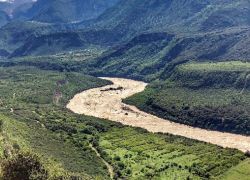
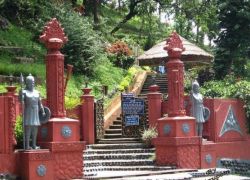
The Brahmaputra River itself is a natural wonder rather than an architectural structure. However, its banks in Sonitpur are dotted with ghats, embankments, temples, and viewpoints that enhance its visual appeal. Tezpur’s riverfront areas offer beautifully maintained promenades and open spaces where visitors can relax and enjoy views of the flowing river.
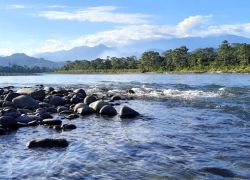
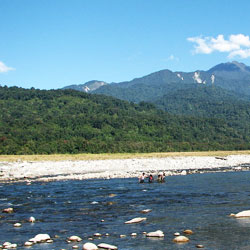
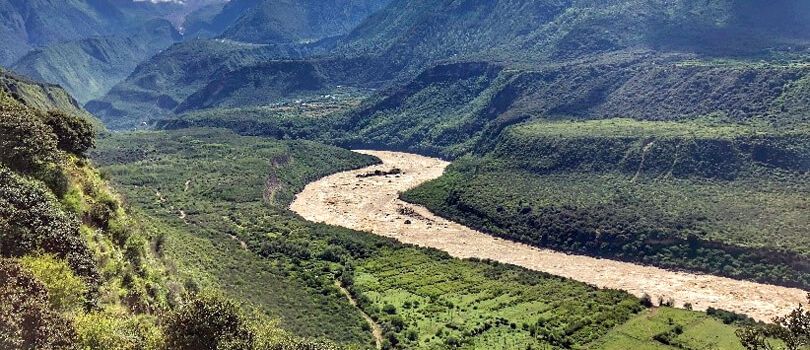
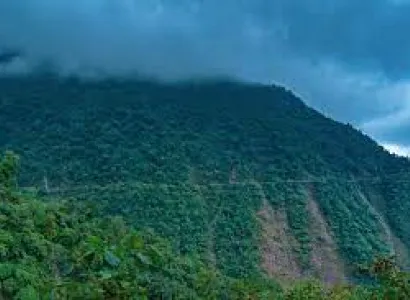
The landscape is characterized by wide sandy banks, river islands, lush greenery, and distant hills. During different seasons, the river changes its appearance dramatically, ranging from calm and reflective in winter to vast and powerful during the monsoon.
Accessing the Brahmaputra River in Sonitpur is easy, especially through Tezpur town.
By Road: Tezpur is well connected by road to Guwahati and other major cities in Assam. From anywhere in Tezpur, the riverbanks and ghats are easily reachable by auto-rickshaws, taxis, or private vehicles.
By Rail: The nearest railway station is Tezpur Railway Station. From the station, local transport can take visitors directly to the Brahmaputra riverfront.
By Air: Tezpur Airport is the nearest airport, though it has limited flights. Guwahati International Airport, around 180 km away, offers better connectivity. From Guwahati, travelers can reach Tezpur by road and then visit the river.
The Brahmaputra River in Sonitpur can be visited throughout the year, but the experience varies by season.
Summer (March to June): Summers are warm, with temperatures between 25°C and 35°C. Early mornings and evenings are pleasant for river visits.
Monsoon (July to September): The river is at its fullest during monsoon. While the view is dramatic and powerful, flooding may occur, and boat services may be restricted.
Winter (October to February): Winter is the best time to visit. The weather is cool and comfortable, with temperatures ranging from 10°C to 25°C, making it ideal for sightseeing and photography.
The Brahmaputra River is a natural attraction and can be visited at any time of the day. However, early morning and late afternoon are considered the best times to enjoy the views. Sunset hours are especially popular due to the golden reflections on the water.
There is no entry fee to visit the Brahmaputra River or its riverbanks in Sonitpur. Public ghats and viewpoints are freely accessible. Charges may apply for activities such as boat rides, river cruises, or guided tours, depending on the service provider.
Riverfront Walks: Enjoy peaceful walks along the riverbanks while soaking in the natural beauty and fresh air.
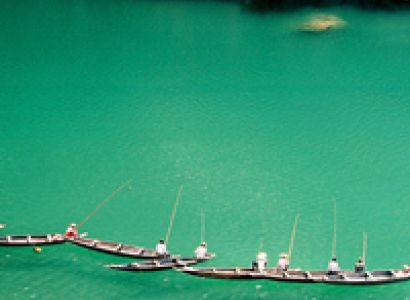
Boat Rides: Short boat rides are available in some areas, offering a unique perspective of the river and surrounding landscape.
Photography: The river provides excellent opportunities for landscape, sunset, and cultural photography.
Picnics: The sandy banks and open areas near the river are ideal for family picnics and relaxation.
Cultural Experience: Observe local life, rituals, and festivals that take place along the river, reflecting Assamese culture.
The Brahmaputra is one of the widest rivers in the world.
Unlike most Indian rivers, it flows east to west before turning south.
The river carries one of the highest sediment loads globally.
It plays a crucial role in Assam’s agriculture and ecology.
The Brahmaputra is known by different names in different regions and countries.
Visit during winter for the most comfortable experience.
Be cautious near the water, as currents can be strong.
Avoid visiting during heavy monsoon rains due to flooding risks.
Carry sunscreen, hats, and water during summer visits.
Respect local customs and avoid littering along the riverbanks.
Check safety conditions before opting for boat rides.
The Brahmaputra River in Sonitpur, Assam, is more than just a river—it is the lifeline and cultural heart of the region. With its vast expanse, scenic beauty, historical depth, and peaceful atmosphere, it offers an unforgettable experience for visitors. Whether you are watching a sunset, enjoying a boat ride, or simply sitting quietly by the river, the Brahmaputra leaves a lasting impression and perfectly represents the natural and cultural richness of Assam.





Sonitpur

Sonitpur
Sonitpur
Sonitpur
Sonitpur
Sonitpur
Sonitpur
Sonitpur
Sonitpur
Sonitpur