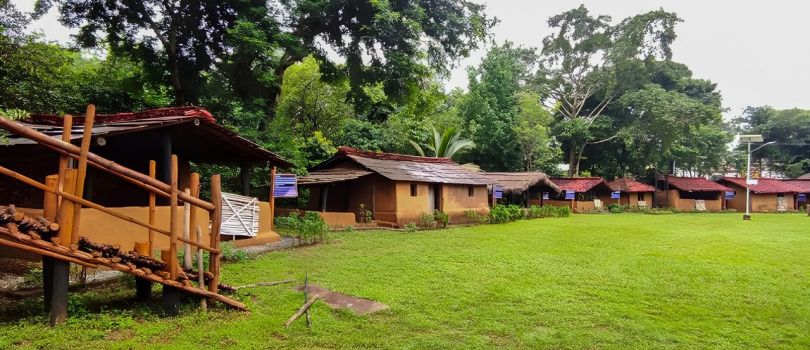
"Explore rich cultural heritage and ancient artifacts."
Anthropological Museum is one of the most informative and culturally rich museums in the Bastar region of Chhattisgarh. Located in Jagdalpur, this museum is dedicated to preserving, documenting, and showcasing the unique tribal heritage of Bastar. It offers visitors a deep insight into the lifestyle, traditions, art, and history of the indigenous communities that have lived in this forested region for centuries.
Bastar is home to several tribal groups such as the Gond, Muria, Maria, Halba, and Bhatra tribes. The Anthropological Museum plays a vital role in presenting their everyday life, rituals, clothing, tools, and belief systems in a structured and educational manner. For travelers who want to understand Bastar beyond its waterfalls and forests, this museum is a must-visit destination.
The Anthropological Museum is famous for its detailed and authentic representation of Bastar’s tribal culture. Life-size models, traditional artifacts, and informative displays help visitors understand how tribal communities live in harmony with nature.
The museum is especially known for its realistic dioramas that depict tribal houses, weekly markets, hunting practices, farming methods, festivals, and rituals. These displays make the museum engaging even for first-time visitors and students, turning history and anthropology into a visual experience.
The Anthropological Museum was established to preserve the rapidly changing tribal heritage of Bastar. With modernization and external influences increasing over time, many traditional practices were at risk of disappearing. The museum was created as a cultural archive to document and protect this invaluable heritage.
Over the years, the museum has become an important educational center for researchers, students, and tourists. It helps promote respect and awareness for tribal communities, highlighting their contribution to Bastar’s identity and cultural richness.
The architecture of the Anthropological Museum is simple and functional, designed to keep the focus on exhibits rather than grand structures. The building reflects regional style, blending naturally with its surroundings.
Inside, the museum is divided into multiple sections, each dedicated to different tribes and aspects of tribal life. Spacious galleries, well-lit display cases, and informative panels make navigation easy. The layout is thoughtfully designed to guide visitors step by step through Bastar’s cultural story.
The Anthropological Museum is located in Jagdalpur town, which serves as the main entry point to Bastar.
By Air: The nearest airport is Swami Vivekananda Airport in Raipur, approximately 300 km away. From Raipur, visitors can travel to Jagdalpur by road or train.
By Train: Jagdalpur Railway Station is well connected with Raipur and Visakhapatnam. From the station, local transport such as auto-rickshaws and taxis can take you to the museum.
By Road: Jagdalpur is well connected by road with major towns in Chhattisgarh. The museum is easily accessible within the town by local transport.
The best time to visit the Anthropological Museum is from October to March. During these months, the weather in Bastar is pleasant and suitable for sightseeing.
Summer months (April to June) can be hot, but since the museum is an indoor attraction, it can still be visited comfortably. Monsoon season (July to September) brings greenery to Bastar, though travel may be affected by rainfall.
The Anthropological Museum is usually open from morning to evening on working days. Timings may vary slightly depending on government holidays or maintenance schedules, so it is advisable to check locally before visiting.
A nominal entry fee is charged for visitors, making the museum affordable and accessible to all. Students and children may receive discounted rates.
The museum premises are well maintained with clear pathways and signboards. The surrounding area is calm, allowing visitors to explore the museum at a relaxed pace.
The primary activity is exploring the exhibits and learning about Bastar’s tribal communities. Visitors can observe traditional costumes, musical instruments, farming tools, weapons, and household items used by different tribes.
Photography is usually allowed in certain sections. Visitors can also read detailed descriptions and engage with guides, if available, to gain deeper knowledge about the exhibits.
The museum showcases life-size tribal models that are created based on real-life observations and research.
Many artifacts displayed in the museum are collected directly from tribal villages, making them authentic and historically valuable.
Allocate at least one to two hours to explore the museum properly. Reading display notes enhances the experience and understanding.
Maintain silence and respect cultural displays. Avoid touching artifacts unless permitted. Visiting the museum before exploring Bastar’s natural attractions helps visitors better appreciate the region’s people and traditions.
Anthropological Museum, Bastar, is an essential stop for anyone interested in understanding the true soul of Bastar. Through its well-curated exhibits and cultural displays, the museum offers a meaningful and educational experience. It bridges the gap between modern travelers and ancient tribal traditions, making it a valuable cultural treasure of Chhattisgarh. A visit here enriches your Bastar journey with knowledge, respect, and deeper cultural awareness.

Bastar
Bastar
Bastar
Bastar
Bastar
Bastar
Bastar
Bastar
Bastar