"Explore ancient limestone formations and stunning geology."
Kutumsar Caves are among the most fascinating natural attractions in the Bastar region of Chhattisgarh. Located deep inside the lush forests of Kanger Valley, these limestone caves are famous for their dark chambers, natural rock formations, and underground ecosystem. Kutumsar Caves offer a thrilling experience for travelers who want to explore something beyond waterfalls and temples.
The caves are formed naturally over thousands of years due to the slow erosion of limestone rocks by underground water. Walking inside Kutumsar Caves feels like stepping into another world, filled with silence, mystery, and ancient beauty. Because of their untouched and raw nature, these caves are considered one of the finest examples of natural underground architecture in India.
Why Kutumsar Caves Is Famous
Kutumsar Caves is famous for being one of the longest and deepest explored caves in India. The cave system stretches several kilometers underground, though only a portion is open to visitors. What makes it unique is the complete absence of natural light inside, creating an adventurous environment.
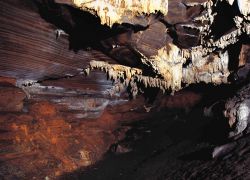
The caves are also known for their stunning stalactite and stalagmite formations, naturally shaped over centuries. In addition, Kutumsar Caves are home to rare species of blind fish and insects that have adapted to life in complete darkness, making it an important site for scientific and ecological study.
History and Cultural Importance of Kutumsar Caves, Bastar
Kutumsar Caves have been known to local tribal communities for centuries. Traditionally, the caves were considered mysterious and sacred, often linked with local legends and folk stories. Tribal communities believed the caves were inhabited by spirits and powerful natural forces.
In modern history, the caves gained wider recognition after scientific exploration began in the 20th century. Researchers and geologists studied the caves to understand their formation, biodiversity, and underground water systems. Today, Kutumsar Caves are protected as an important natural heritage site in Bastar.
Architecture and Natural Formation
The architecture of Kutumsar Caves is entirely natural, formed by limestone deposits over thousands of years. The caves feature narrow passages, wide chambers, low ceilings, and deep vertical drops. Stalactites hang from the ceiling, while stalagmites rise from the cave floor, creating dramatic shapes and patterns.
Stone pathways, railings, and basic lighting have been installed to make the caves accessible to visitors while preserving their natural structure. These additions are minimal and designed to maintain the cave’s original environment without disturbing its ecosystem.
How to Reach Kutumsar Caves
Kutumsar Caves are located about 40 km from Jagdalpur, the main town of Bastar district, and lie within the Kanger Valley forest area.
By Air: The nearest airport is Swami Vivekananda Airport in Raipur, around 300 km away. From Raipur, travelers can reach Jagdalpur by road or rail.
By Train: Jagdalpur Railway Station is the closest railhead and is well connected to Raipur and Visakhapatnam.
By Road: From Jagdalpur, regular taxis and local buses are available to reach Kanger Valley and Kutumsar Caves. The road journey passes through scenic forests and tribal villages.
Weather and Best Time to Visit Kutumsar Caves
The best time to visit Kutumsar Caves is from October to February, when the weather is pleasant and comfortable for exploration. During this period, temperatures remain moderate, making it easier to walk inside the caves.
Monsoon season (July to September) brings heavy rainfall, and the caves may remain closed due to water accumulation and safety concerns. Summer months (March to June) can be hot outside, but the cave interiors remain cool throughout the year.
Timings of Kutumsar Caves
Kutumsar Caves are generally open from morning to late afternoon. Entry is regulated by forest authorities, and visitors are allowed only during fixed hours. Guided entry is compulsory to ensure safety and protection of the caves.
Entry and Visit Details (Including Pathways and Bridges)
A nominal entry fee is charged by the forest department for visiting Kutumsar Caves. Additional charges may apply for guides and safety equipment such as helmets or torches.
Inside the caves, stone pathways, steps, and narrow bridges help visitors move safely through uneven surfaces and small underground streams. These pathways are carefully designed to reduce risk and protect fragile formations.
Things to Do at Kutumsar Caves, Bastar
The main activity at Kutumsar Caves is guided cave exploration. Visitors can observe natural rock formations, underground chambers, and unique cave life under expert supervision.
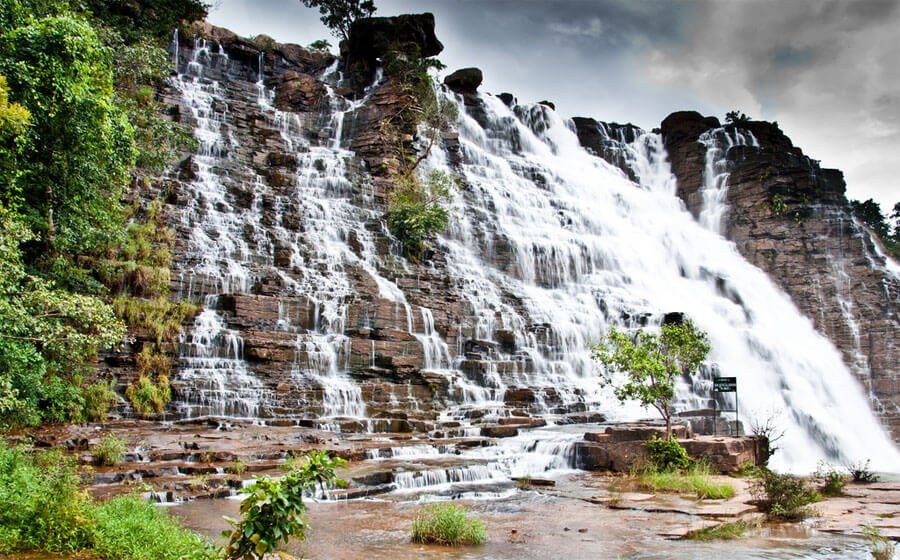
Nature lovers can also enjoy forest walks around the cave entrance. Nearby attractions such as Tirathgarh Falls and Kanger Valley National Park can be combined with a visit to make the trip more enriching.
Interesting Facts About Kutumsar Caves
Kutumsar Caves are home to rare blind fish species that survive without eyesight. The cave temperature remains relatively stable throughout the year, providing a unique underground climate.
The caves are part of a larger cave network in Bastar, making the region one of the most important limestone cave zones in India.
Travel Tips for Visiting Kutumsar Caves
Wear comfortable clothes and sturdy footwear, as the cave floors can be slippery. Follow the guide’s instructions carefully and avoid touching stalactites and stalagmites, as they are extremely fragile.
Photography may be restricted inside certain sections. Carry minimal belongings, stay with your group, and respect the natural environment by avoiding littering or noise.
Conclusion
Kutumsar Caves, Bastar, offer a rare opportunity to explore India’s hidden underground world. With their natural formations, mysterious atmosphere, and ecological importance, these caves are a must-visit for adventure seekers and nature enthusiasts. A trip to Kutumsar Caves not only adds excitement to your Bastar journey but also deepens your appreciation for nature’s silent wonders.



Bastar
Bastar
Bastar
Bastar
Bastar
Bastar
Bastar
Bastar
Bastar