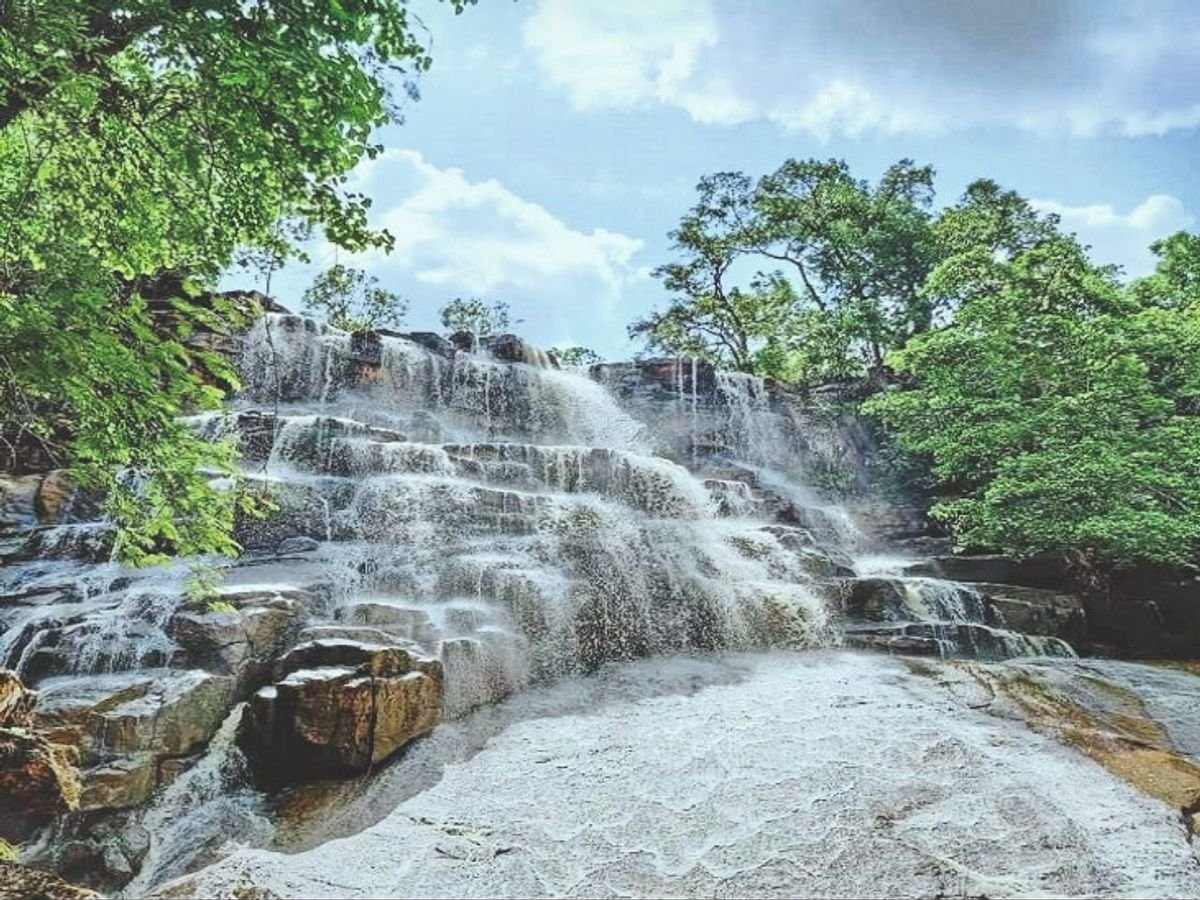
"Witness nature's beauty at India's widest waterfall."
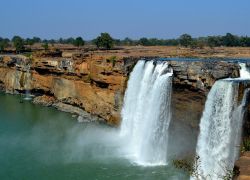
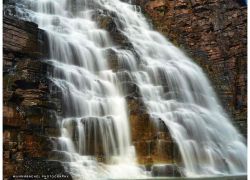
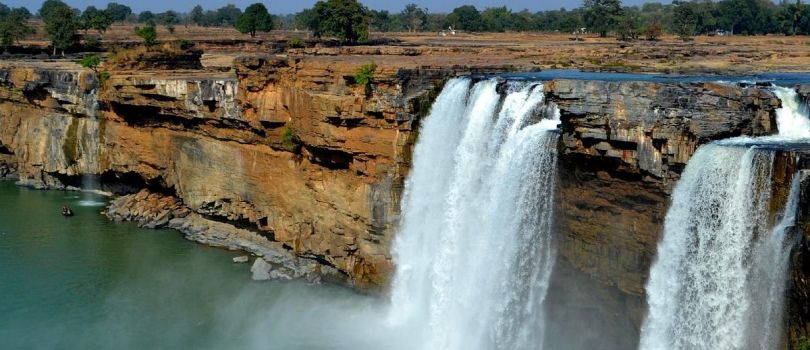
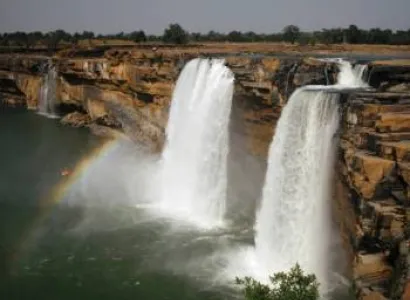
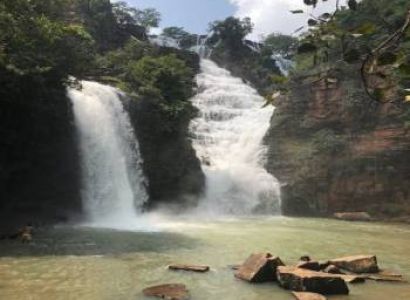
Chitrakote Waterfalls is one of the most spectacular natural attractions in Central India. Located in the lush and tribal heartland of Bastar district in Chhattisgarh, this magnificent waterfall is often called the “Niagara of India” due to its massive width and roaring water flow. Formed by the Indravati River, Chitrakote Waterfalls becomes especially powerful during the monsoon season, when the river swells and water cascades down in a wide horseshoe shape.
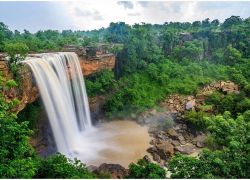
Surrounded by dense forests, rocky cliffs, and scenic viewpoints, Chitrakote Waterfalls offers a raw and untouched experience of nature. The mist rising from the falling water, the thunderous sound of the river, and the green landscape around make it a paradise for nature lovers, photographers, and travelers looking for offbeat destinations.
Why Chitrakote Waterfalls Is Famous
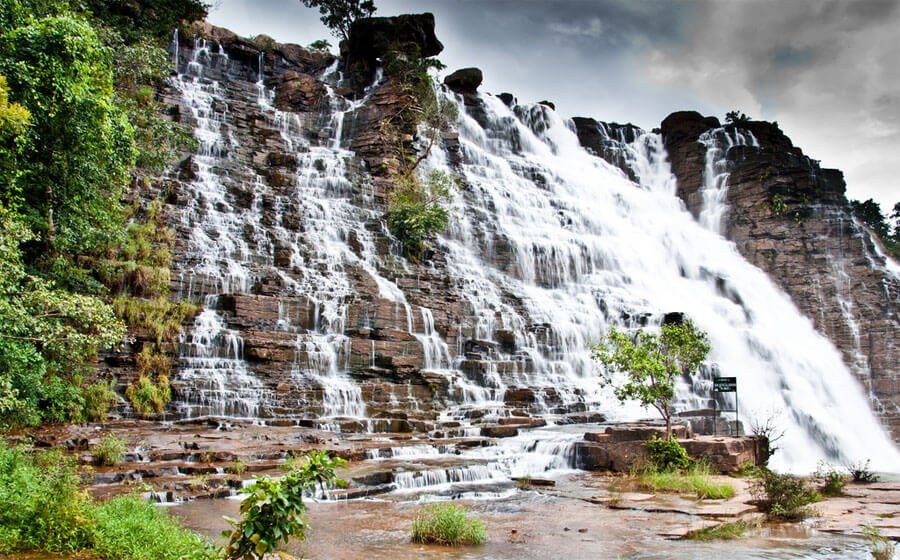
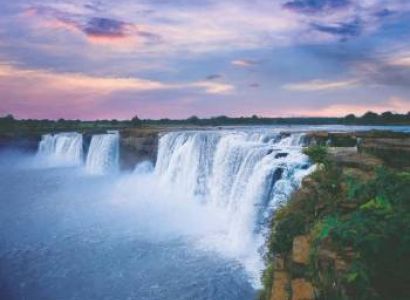
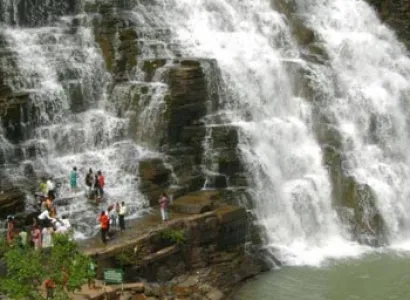
Chitrakote Waterfalls is famous for being the widest waterfall in India, stretching up to nearly 300 meters during the monsoon. Unlike very tall waterfalls, its charm lies in its powerful spread and volume of water. During peak rains, the waterfall looks like a white wall of water crashing into the river basin below.
The waterfall is also culturally significant for the tribal communities of Bastar. The Indravati River is considered sacred, and many local legends and folk stories are connected to the falls. The sunset view at Chitrakote is especially popular, when golden sunlight reflects on the water, creating a breathtaking natural scene.
History and Cultural Importance of Chitrakote Waterfalls, Bastar
The Bastar region has a deep-rooted tribal history, and Chitrakote Waterfalls has always been an important natural landmark for local communities such as the Gond and Muria tribes. Historically, the area around the waterfall served as a gathering place and a natural resource for nearby villages.
Although there are no ancient forts or temples directly at the waterfall, its historical value lies in its connection to tribal culture and traditional lifestyles. Even today, festivals, local fairs, and rituals are celebrated in nearby villages, reflecting the living heritage of Bastar.
Architecture and Natural Formation
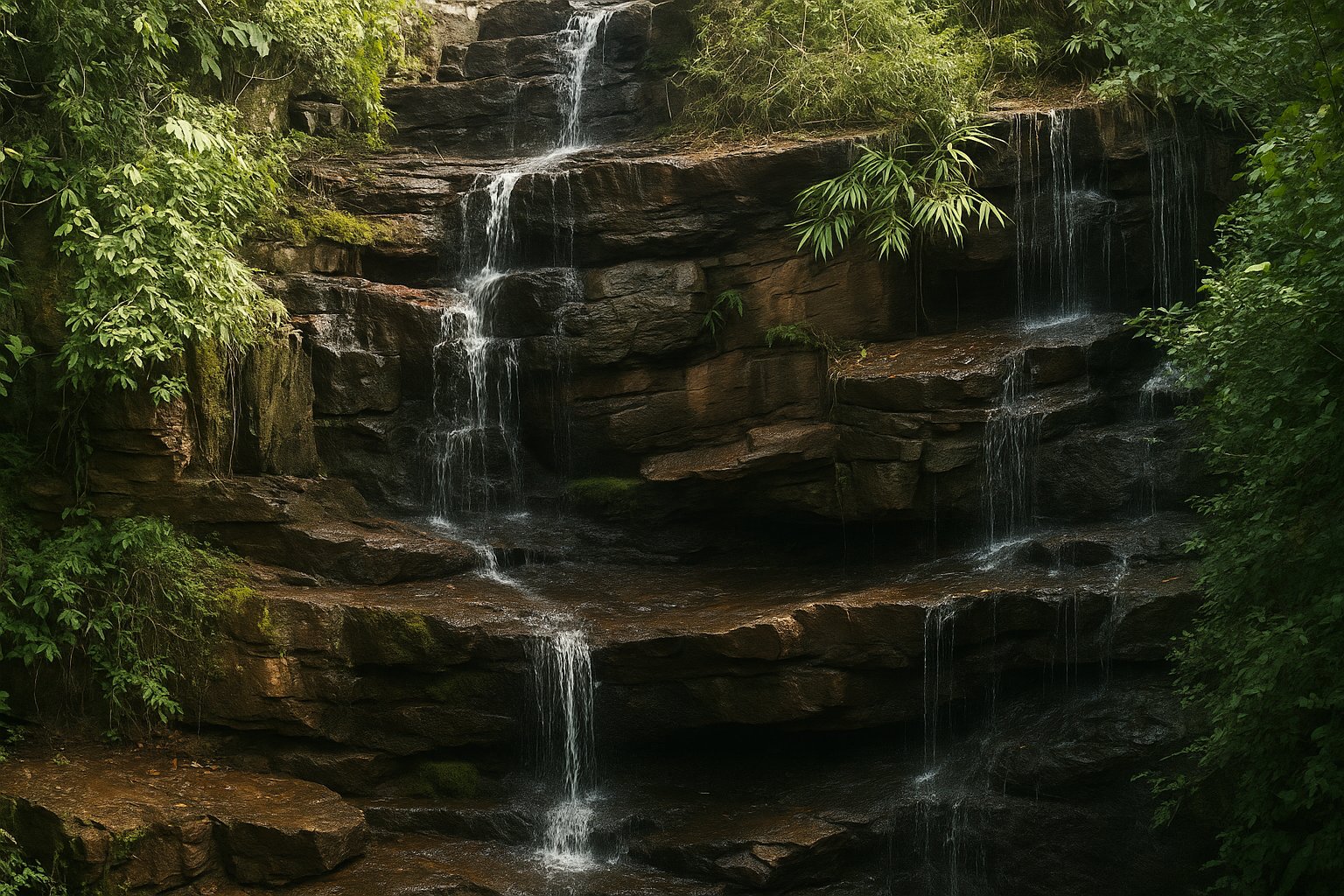
Chitrakote Waterfalls is a natural geological marvel created by volcanic basalt rocks and centuries of erosion by the Indravati River. The flat rock edge allows the river to spread wide before plunging down, creating its famous horseshoe-shaped fall.
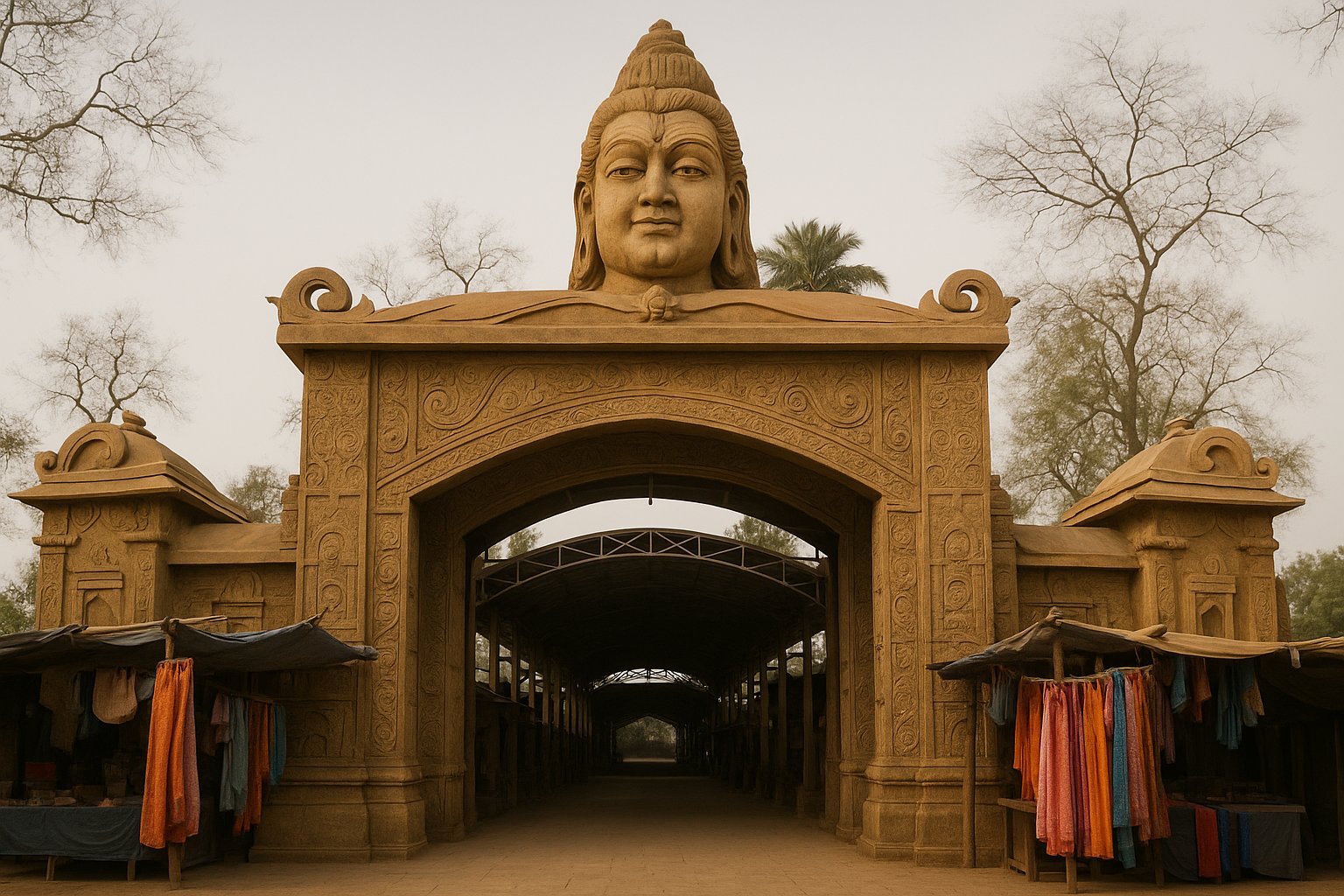
There is no heavy construction at the main waterfall, which helps preserve its natural beauty. Basic pathways, viewing points, and safety railings have been developed for visitors, ensuring a balance between tourism and conservation.
How to Reach Chitrakote Waterfalls
Chitrakote Waterfalls is located about 38 km from Jagdalpur, the main town of Bastar district.
By Air: The nearest airport is Swami Vivekananda Airport, Raipur, around 300 km away. From Raipur, taxis and buses are available to Jagdalpur.
By Train: Jagdalpur Railway Station is the nearest railhead and is well connected to Raipur, Visakhapatnam, and other major cities.
By Road: Regular buses and taxis operate from Jagdalpur to Chitrakote. The road journey is scenic, passing through forests and tribal areas.
Weather and Best Time to Visit
The best time to visit Chitrakote Waterfalls is from July to February. During the monsoon season (July to September), the waterfall is at its most powerful and impressive. Winter months (October to February) offer pleasant weather and clearer views.
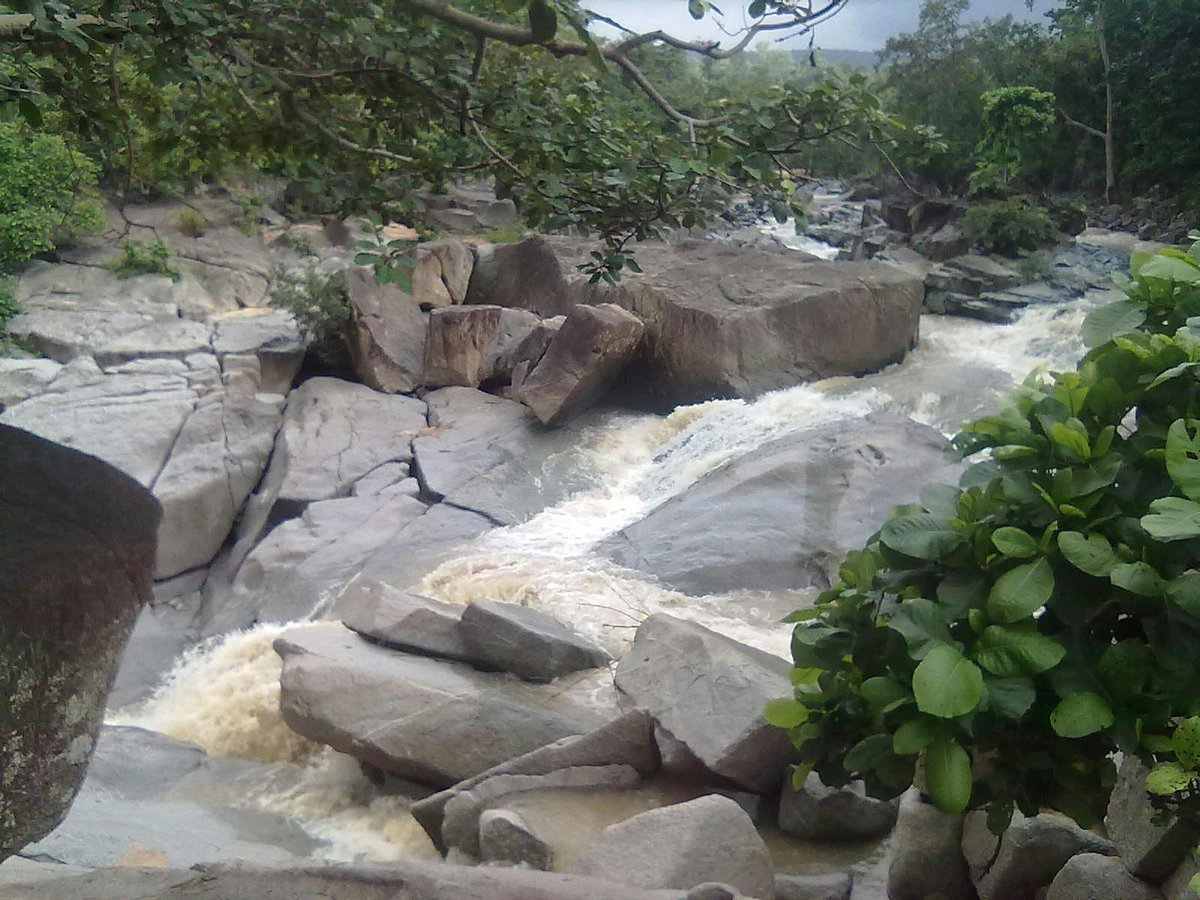
Summer months (March to June) are hot, and water flow reduces, but this season allows visitors to explore the rocky base and nearby riverbanks more easily.
Timings of Chitrakote Waterfalls
Chitrakote Waterfalls is open to visitors throughout the day, from early morning to evening. However, visiting during daylight hours is recommended for safety and better visibility. Sunset time is especially popular among tourists.
Entry and Visit Details (Including Bridges and Viewpoints)
There is a nominal entry fee charged by local authorities for maintenance and cleanliness. Parking charges may apply separately. Viewing platforms and nearby bridges offer excellent panoramic views of the waterfall from different angles.
These bridges and viewpoints allow visitors to safely enjoy the vastness of the waterfall, especially during monsoon when water levels are high.
Things to Do at Chitrakote Waterfalls, Bastar
Visitors can enjoy nature photography, sightseeing, and peaceful walks along the viewpoints. Boat rides are sometimes available during low water levels, depending on safety conditions.
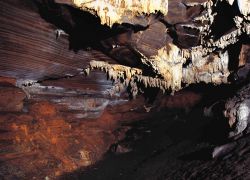
Exploring nearby tribal villages, enjoying local cuisine, and visiting other Bastar attractions like Tirathgarh Waterfalls and Kanger Valley National Park can enrich the trip.
Interesting Facts About Chitrakote Waterfalls
Chitrakote is the widest waterfall in India. Its appearance changes dramatically with seasons, from a roaring giant in monsoon to a calm, scenic cascade in summer.
The waterfall flows westward, which is rare for Indian rivers, as the Indravati ultimately joins the Godavari River.
Travel Tips for Visiting Chitrakote Waterfalls
Visit during monsoon with caution, as rocks can be slippery. Wear comfortable footwear and avoid going too close to the edge. Carry drinking water, light snacks, and basic medicines.
Respect local culture and nature by avoiding littering. Early morning or late afternoon visits provide the best lighting for photography and a more peaceful experience.
Conclusion
Chitrakote Waterfalls, Bastar, is a perfect blend of natural beauty, cultural richness, and raw wilderness. Whether you visit during the powerful monsoon or the calm winter months, the waterfall promises an unforgettable experience. For travelers seeking unexplored destinations and authentic natural wonders, Chitrakote Waterfalls is truly a must-visit gem of Chhattisgarh.




Bastar
Bastar
Bastar
Bastar
Bastar
Bastar
Bastar
Bastar
Bastar