
Explore the beauties of Himalayan Aviary! Himalayan Aviary also known as Himalayan Bird Park is located in Shimla (the queen of Himalayas), Himachal Pradesh. The park is situated at a height of around 2213meters. The Park is full of natural vegetation cover, which comprises of various rare species of plants & trees. One can see here a wide array of birds like Himalayan Monal, Peafowls, Pheasants, peacock etc. The summers are the ideal time to visit the park as the temperatures here never exceed above 250C. Winters are cold and the place fully gets covered with snow. Best season to visit- April-July. Location- Shimla, Himachal Pradesh. Accommodation Rail- The closest railway station is at Shimla itself. Air- The closest airport is located around 23kms from the place. Road- The Park is well connected by road to major cities of India.
Explore More
Dhauladhar National Park is a wildlife sanctuary located in Dharamshala, Himachal Pradesh, India. It covers an area of approximately 1200 square kilometers and is situated in the Dhauladhar Range of the Himalayas. The park is known for its diverse flora and fauna, offering visitors a chance to witness the natural beauty of the region. Location and Geographical Overview The Dhauladhar National Park is located in the Kangra district of Himachal Pradesh, near the town of Dharamshala. The park is nestled in the Dhauladhar Range, with lush forests, meadows, and snow-capped peaks surrounding the area. The park is home to a variety of wildlife species, making it a popular destination for nature enthusiasts and wildlife photographers. Open and Closing Time The Dhauladhar National Park is open to visitors from 9:00 AM to 5:00 PM every day. It is recommended to plan your visit during these hours to make the most of your time exploring the beauty of the park. Entry Fee The entry fee for Dhauladhar National Park is INR 50 for adults and INR 25 for children. Visitors are required to pay the entry fee at the park entrance before entering. Species-Flora/Fauna Availability The park is home to a wide variety of flora and fauna. Some of the commonly found species in the Dhauladhar National Park include Himalayan Black Bear, Ghoral, Leopard, Himalayan Thar, and many more. The park also boasts a diverse range of plant species, including rhododendrons, oak trees, and various medicinal herbs. Activities Performed Visitors to Dhauladhar National Park can engage in a range of activities, including nature walks, bird watching, wildlife spotting, and photography. The park also offers jeep safaris for those who want to explore the area in a more guided manner. Jeep Safari Charges The charges for a jeep safari in Dhauladhar National Park vary depending on the duration and route chosen. On average, the cost of a jeep safari starts from INR 1500 per person. It is recommended to book your safari in advance to avoid any last-minute hassles. Age Criterion for Male, Female, Children, and Their Entry Fee There is no specific age criterion for visitors to Dhauladhar National Park. However, the entry fee is INR 50 for adults and INR 25 for children under the age of 12. Female visitors are charged the same entry fee as males. Senior Citizen Facilities Dhauladhar National Park offers facilities for senior citizens to ensure their comfort and safety during their visit. There are designated resting areas, benches, and easy walking trails for elderly visitors to enjoy the beauty of the park at their own pace. Best Time to Visit The best time to visit Dhauladhar National Park is during the summer and early autumn months, from April to October. The weather during this time is pleasant, and the park is teeming with wildlife and blooming flowers, making it a perfect time for nature lovers to explore the area. Nearby Places to Visit There are several tourist attractions near Dhauladhar National Park that visitors can explore during their trip to Dharamshala. Some of the popular nearby places include Bhagsunath Temple, Triund Hill, Dal Lake, and Tsuglagkhang Complex. These places offer a glimpse into the cultural and natural beauty of the region. Vehicle Parking Facility Dhauladhar National Park provides ample parking space for visitors who wish to bring their vehicles. There are designated parking lots near the park entrance where visitors can safely park their cars and bikes during their visit. Rules and Regulations Visitors to Dhauladhar National Park are required to follow certain rules and regulations to ensure the safety of the wildlife and the preservation of the park. Some of the rules include not littering, not feeding the animals, maintaining silence in designated areas, and following the instructions of park staff and guides. How to Reach and Other Related Information Dhauladhar National Park is easily accessible by road from Dharamshala and nearby cities in Himachal Pradesh. The nearest airport is Gaggal Airport, located approximately 20 kilometers away from the park. Visitors can also reach the park by bus from Dharamshala bus stand. It is advisable to wear comfortable walking shoes and carry water and snacks during your visit to the park. Overall, Dhauladhar National Park offers a unique opportunity to experience the beauty of the Himalayan region and observe a wide variety of wildlife in their natural habitat. Whether you are a nature lover, adventure enthusiast, or wildlife photographer, a visit to this park is sure to leave you mesmerized by the charm and tranquility of the wilderness.
Explore More
About Great Himalayan National Park The Great Himalayan National Park, located in Kullu district of Himachal Pradesh, is a UNESCO World Heritage Site known for its diverse range of flora and fauna. Established in 1984, the park covers an area of 754.4 square kilometers and is home to numerous species of plants and animals. Location and Geographical Overview The Great Himalayan National Park is located in the western part of the Himalayan range in Himachal Pradesh, India. It is situated at an altitude ranging from 1500 to 6000 meters above sea level and is surrounded by snow-capped peaks, alpine meadows, and dense forests. Open and Closing Time The park is open to visitors from 9:00 am to 5:00 pm every day of the week, including weekends and public holidays. It is closed during the monsoon season, typically from July to September, due to heavy rainfall and the risk of landslides. Entry Fee There is an entry fee for visiting the Great Himalayan National Park, which varies for Indian and foreign tourists. The entry fee for Indian adults is INR 50, while for foreign nationals, it is INR 200. Children below the age of 12 years can enter for free. Species-Flora/Fauna Availability The Great Himalayan National Park is known for its rich biodiversity, with over 375 species of flora and fauna found within its boundaries. Some of the notable species include the Western Tragopan, Himalayan Tahr, Snow Leopard, and Blue Sheep. Activities Performed Visitors to the park can engage in a variety of activities such as trekking, bird watching, nature walks, and camping. The park also offers guided tours and educational programs for those interested in learning more about its wildlife and conservation efforts. Jeep Safari Charges Jeep safaris are available for visitors who wish to explore the park's rugged terrain and spot wildlife from the comfort of a vehicle. The charges for a jeep safari vary depending on the duration and route chosen, with prices starting from INR 1500 per person. Age Criterion and Entry Fee Children below the age of 12 years can enter the Great Himalayan National Park for free. The entry fee for male and female adults is INR 50 for Indian nationals and INR 200 for foreign nationals. Senior Citizen Facilities Senior citizens above the age of 60 years can avail of a discounted entry fee at the Great Himalayan National Park. They are required to show valid proof of age, such as an ID card or passport, to avail of the concession. Best Time to Visit The best time to visit the Great Himalayan National Park is during the summer and autumn months, from April to June and September to November. The weather is pleasant during these months, making it ideal for trekking and wildlife spotting. Nearby Places to Visit There are several tourist attractions near the Great Himalayan National Park that visitors can explore, including the picturesque town of Manali, the Rohtang Pass, and the Solang Valley. These places offer stunning views of the Himalayan landscape and opportunities for adventure sports. Vehicle Parking Facility There is a designated parking area near the entrance of the Great Himalayan National Park where visitors can park their vehicles. The parking facility is secure and well-maintained, with attendants available to assist visitors with parking their cars and bikes. Rules and Regulations Visitors to the Great Himalayan National Park are required to follow certain rules and regulations to ensure the safety of themselves and the park's wildlife. Some of the key rules include not littering, not feeding the animals, and staying on designated trails during treks. How to Reach and Other Related Information The Great Himalayan National Park is easily accessible by road from major cities such as Delhi and Chandigarh. The nearest airport is in Bhuntar, which is approximately 50 kilometers away, while the nearest railway station is in Joginder Nagar, around 150 kilometers away. Visitors can also hire taxis or take buses to reach the park from nearby towns and cities.
Explore More
Welcome to the Sarahan Bird Pheasantry, located in the picturesque city of Sarahan. This avian paradise is renowned for its stunning natural beauty and rich biodiversity, making it a must-visit destination for nature lovers and bird enthusiasts. History of Sarahan Bird Pheasantry The Sarahan Bird Pheasantry holds a significant historical background, once serving as royal hunting grounds in the past. Over the years, it has transformed into a conservation area dedicated to protecting the diverse bird species that call it home. The efforts towards preserving this natural haven have earned it recognition by UNESCO for its conservation initiatives. Architecture and Natural Beauty of Sarahan Bird Pheasantry The pheasantry boasts a variety of habitats including wetlands, forests, and grasslands that provide ideal living conditions for numerous bird species. The lush landscapes offer a serene setting for visitors to enjoy nature at its finest, with the historical Keoladeo Temple adding to the park's charm. Why is Sarahan Bird Pheasantry Famous? Sarahan Bird Pheasantry is celebrated for its diverse bird population, attracting birdwatchers, photographers, and wildlife enthusiasts from around the globe. The opportunity to observe rare and migratory birds in their natural habitat makes it a popular choice for those seeking a unique and enriching experience. How to Reach Sarahan Bird Pheasantry Traveling to Sarahan Bird Pheasantry is convenient, with options available by air, rail, and road. The nearest airports and railway stations provide easy access to the city, ensuring that visitors can reach this avian sanctuary with ease. Weather and Best Time to Visit Sarahan Bird Pheasantry The weather at Sarahan Bird Pheasantry varies across seasons, with summer, monsoon, and winter offering distinct experiences. The best time to visit is during the months when the climate is most favorable for birdwatching and exploring the natural beauty of the surroundings. Timings of Sarahan Bird Pheasantry Visitor timings at Sarahan Bird Pheasantry are designed to accommodate guests throughout the year, with possible seasonal variations to consider. Planning your visit accordingly will ensure you make the most of your time at this avian sanctuary. Entry Fee and Visit Details Entry procedures to Sarahan Bird Pheasantry are straightforward, with guide services available for those seeking a more immersive experience. Safari options, bicycle rentals, and visitor facilities are provided to enhance your visit and make it a memorable one. Things to Do at Sarahan Bird Pheasantry Engage in a variety of activities at Sarahan Bird Pheasantry, from birdwatching and photography to cycling and walking trails. Immerse yourself in nature observation and educational experiences that offer a deeper understanding of the avian world within the pheasantry. Interesting Facts About Sarahan Bird Pheasantry Discover fascinating facts about the migratory birds that frequent the pheasantry, the conservation achievements that have been made, and the ecological importance of preserving this natural habitat. Each fact adds to the allure of this avian sanctuary. Travel Tips for Visiting Sarahan Bird Pheasantry When visiting Sarahan Bird Pheasantry, remember to dress appropriately for the weather and bring along your photography and birdwatching equipment. Knowing the best visiting seasons and practicing responsible tourism will ensure a fulfilling and respectful experience at this natural haven. Conclusion In conclusion, the Sarahan Bird Pheasantry in Sarahan stands as a testament to the beauty and importance of preserving natural habitats for avian species. Its historical significance, rich biodiversity, and engaging visitor experience make it a top choice for those looking to connect with nature and witness the wonders of the avian world.
Explore More
Shikari Devi Wildlife Sanctuary
About Shikari Devi Wildlife Sanctuary The Shikari Devi Wildlife Sanctuary is located in Mandi district in the state of Himachal Pradesh, India. It is a protected area known for its diverse flora and fauna and offers a tranquil escape into the wilderness. The sanctuary is named after the Shikari Devi temple, which is situated at the highest point in the sanctuary and is a popular pilgrimage site for devotees. Location and Geographical Overview The sanctuary is located at an altitude ranging from 1,800 to 3,400 meters above sea level. It covers an area of approximately 75 square kilometers and is surrounded by lush green forests and snow-capped mountains. The sanctuary is home to a variety of wildlife species and provides a natural habitat for them to thrive. Open and Closing Time The Shikari Devi Wildlife Sanctuary is open to visitors from sunrise to sunset. It is advisable to check the exact timings before planning your visit, as they may vary depending on the season. Entry Fee There is a nominal entry fee for visitors to enter the sanctuary. The fee helps in the conservation efforts and maintenance of the sanctuary. Visitors can pay the entry fee at the designated entry point before entering the sanctuary. Species-Flora/Fauna Availability The sanctuary is home to a diverse range of flora and fauna. Visitors can spot various species of trees, plants, birds, and animals while exploring the sanctuary. Some of the common wildlife species found in the sanctuary include barking deer, Himalayan black bear, leopard, and various bird species. Activities Performed Visitors can indulge in a variety of activities while exploring the sanctuary. Some of the popular activities include nature walks, bird watching, photography, and trekking. The sanctuary offers a serene environment for visitors to connect with nature and enjoy the beauty of the wilderness. Jeep Safari Charges For those looking to explore the sanctuary in a more comfortable and convenient way, jeep safaris are available. Visitors can book a jeep safari at the designated booking counter and enjoy a guided tour of the sanctuary at an additional cost. Age Criterion and Entry Fee The sanctuary has different entry fee criteria based on the age of visitors. Generally, there are separate entry fees for males, females, and children. It is recommended to check the age criteria and entry fee details before planning your visit to the sanctuary. Senior Citizen Facilities The sanctuary is equipped with facilities to cater to the needs of senior citizens. There are designated resting areas and benches where senior citizens can relax and enjoy the beauty of nature. Additionally, there are wheelchair-accessible paths for those with mobility challenges. Best Time to Visit The best time to visit the Shikari Devi Wildlife Sanctuary is during the summer months from April to June and the early autumn months from September to November. The weather is pleasant during these months, making it ideal for exploring the sanctuary and spotting wildlife. Nearby Places to Visit There are several other attractions near the Shikari Devi Wildlife Sanctuary that visitors can explore. Some of the popular nearby places include the Shikari Devi Temple, Janjehli Valley, and Kamrunag Lake. These attractions offer a glimpse into the rich cultural and natural heritage of the region. Vehicle Parking Facility Visitors traveling to the sanctuary by their vehicles can make use of the designated parking facilities available near the entry point. It is advisable to follow the parking regulations and park your vehicle in the designated areas to ensure a smooth flow of traffic and avoid any inconvenience. Rules and Regulations While visiting the Shikari Devi Wildlife Sanctuary, visitors are expected to follow certain rules and regulations to ensure the preservation of the sanctuary and the safety of wildlife. Some of the common rules include maintaining silence, not feeding the animals, not littering, and following the designated walking paths. How to Reach and Other Related Information The Shikari Devi Wildlife Sanctuary is easily accessible by road from Mandi town. Visitors can hire a taxi or use public transportation to reach the sanctuary. The nearest airport is located in Kullu, and the nearest railway station is in Jogindernagar. It is recommended to plan your visit in advance and check for any updates or changes in the timings and facilities available at the sanctuary. Overall, the Shikari Devi Wildlife Sanctuary offers a unique opportunity to experience the beauty of nature and wildlife in a serene and tranquil setting. Whether you are a nature lover, wildlife enthusiast, or simply looking for a peaceful getaway, the sanctuary has something to offer for everyone. Plan your visit to the sanctuary and immerse yourself in the natural wonders of Himachal Pradesh.
Explore More
About Pin Valley National Park Pin Valley National Park is a picturesque national park located in the Lahaul and Spiti district of Himachal Pradesh, India. Spread over an area of around 675 sq km, the park was established in 1987 to conserve the unique flora and fauna of the region. This high-altitude park is known for its stunning landscapes, snow-capped peaks, and diverse wildlife. Location and Geographical Overview The Pin Valley National Park is located in the Cold Desert Biosphere Reserve of the Lahaul and Spiti valley in Himachal Pradesh. The park lies at an altitude ranging from 3,500 to 6,000 meters above sea level, making it one of the highest national parks in the country. The terrain is rugged and rocky, with the Pin River flowing through the valley, creating a unique ecosystem. Opening and Closing Time The park is generally open to visitors from 7:00 am to 6:00 pm. However, it is advisable to check the timings before planning your visit to avoid any inconvenience. Entry Fee There is a nominal entry fee for visitors to the Pin Valley National Park. The exact amount may vary, so it is recommended to inquire about the current charges before entering the park. Species-Flora/Fauna Availability The Pin Valley National Park is home to a wide variety of flora and fauna. The park is known for its diverse plant species, including alpine grasslands, medicinal herbs, and rare Himalayan flowers. As for wildlife, visitors can spot rare species like the snow leopard, Siberian ibex, Tibetan gazelle, and more. Activities Performed Visitors to the Pin Valley National Park can indulge in various activities such as trekking, bird watching, nature walks, and photography. The park offers stunning views of the surrounding mountains and valleys, making it a paradise for nature lovers and adventure seekers. Jeep Safari Charges For those looking to explore the park in a more comfortable manner, jeep safaris are available. The charges for jeep safaris may vary depending on the duration and route chosen. It is advisable to inquire about the current rates before booking a safari. Age Criterion for Male, Female, Children, and their Entry Fee There may be specific age criteria for entry into the Pin Valley National Park, with different entry fees for males, females, and children. It is recommended to check the current age restrictions and fees before planning your visit. Senior Citizen Facilities The park may offer special facilities for senior citizens, such as discounts on entry fees, assistance with walking or transportation, and designated rest areas. It is advisable for senior citizens to inquire about the available facilities when visiting the park. Best Time to Visit The best time to visit the Pin Valley National Park is during the summer months of April to June when the weather is pleasant and the park is teeming with wildlife and blooming flowers. Avoid visiting during the winter months as the park remains covered in snow, making it inaccessible. Nearby Places to Visit While in the Lahaul and Spiti district, visitors can explore other nearby attractions such as Key Monastery, Kibber Village, Dhankar Monastery, and Chandratal Lake. These places offer a glimpse into the rich culture and natural beauty of the region. Vehicle Parking Facility There may be a designated parking area near the entrance of the Pin Valley National Park where visitors can park their vehicles. It is advisable to follow any instructions or guidelines provided by the park authorities to ensure the safety of your vehicle. Rules and Regulations Visitors to the Pin Valley National Park are expected to adhere to certain rules and regulations to ensure the conservation of the park's ecosystem. Some common rules include not littering, not disturbing wildlife, staying on designated trails, and obtaining permission for camping or trekking activities. How to Reach and Other Related Information The Pin Valley National Park can be reached by road from major cities like Manali, Shimla, and Chandigarh. The nearest airport is in Bhuntar, and the closest railway station is in Joginder Nagar. Visitors can hire local taxis or buses to reach the park from these points of access. It is advisable to carry essential items like water, snacks, warm clothing, and sturdy shoes when visiting the park. Additionally, it is recommended to check the weather conditions and road accessibility before planning your trip to the Pin Valley National Park. Overall, a visit to the Pin Valley National Park promises a rewarding experience for nature enthusiasts, wildlife lovers, and adventure seekers alike. The stunning beauty of the park, combined with its rich biodiversity, makes it a must-visit destination for anyone exploring the Lahaul and Spiti region of Himachal Pradesh.
Explore More
Welcome to the serene and captivating Kalatop Wildlife Sanctuary nestled in the charming city of Khajjiar. This natural haven is a paradise for nature lovers, birdwatchers, and wildlife enthusiasts, offering a unique blend of biodiversity and scenic beauty. History of Kalatop Wildlife Sanctuary The history of Kalatop Wildlife Sanctuary dates back to its origin as a former royal hunting ground. Over the years, it has transformed into a protected area dedicated to conservation efforts. The sanctuary's rich heritage and ecological significance have earned it recognition from UNESCO for its conservation efforts. Architecture and Natural Beauty of Kalatop Wildlife Sanctuary The sanctuary boasts a diverse landscape comprising lush forests, picturesque grasslands, and tranquil wetlands. It is home to a variety of bird species and wildlife, making it a popular destination for nature enthusiasts. The historical Keoladeo Temple located within the sanctuary adds to its architectural charm. Why is Kalatop Wildlife Sanctuary Famous? Kalatop Wildlife Sanctuary is renowned for its abundant birdlife, making it a haven for birdwatchers and photographers. The sanctuary's natural beauty, serene environment, and diverse wildlife attract visitors seeking a peaceful retreat amidst nature's wonders. How to Reach Kalatop Wildlife Sanctuary Travelling to Kalatop Wildlife Sanctuary is convenient with options for air, rail, and road transport. The nearest airports are located in Gaggal and Pathankot, while Pathankot serves as the closest railway station. Visitors can easily access the sanctuary via well-connected roads and enjoy a scenic journey to this natural paradise. Weather and Best Time to Visit Kalatop Wildlife Sanctuary The sanctuary experiences pleasant weather during summer, lush greenery in the monsoon, and a snowy winter wonderland. The best time to visit is during the summer and autumn months when the weather is mild, offering ideal conditions for exploring the sanctuary's natural beauty. Timings of Kalatop Wildlife Sanctuary Kalatop Wildlife Sanctuary welcomes visitors during specific timings, allowing them to experience the sanctuary's tranquility and wildlife. It is advisable to check for any seasonal variations in timings and plan your visit accordingly to make the most of your trip. Entry Fee and Visit Details Visitors can enter the sanctuary by following the designated entry procedures and avail guide services for an enriching experience. Safari options, bicycle rentals, and visitor facilities are available to enhance your visit and make it a memorable wildlife excursion. Things to Do at Kalatop Wildlife Sanctuary Explore the sanctuary's diverse bird habitats, indulge in birdwatching, capture stunning photographs, enjoy cycling through the trails, take leisurely walks amidst nature, and immerse yourself in educational experiences to learn more about the local flora and fauna. Interesting Facts About Kalatop Wildlife Sanctuary Kalatop Wildlife Sanctuary is a haven for migratory birds, showcasing a rich biodiversity and contributing significantly to conservation efforts. The sanctuary's ecological importance, conservation achievements, and diverse wildlife make it a treasure trove for nature enthusiasts. Travel Tips for Visiting Kalatop Wildlife Sanctuary When visiting Kalatop Wildlife Sanctuary, remember to dress appropriately for the weather, carry essential photography equipment for capturing the beauty around you, visit during the recommended seasons for the best experience, and practice responsible tourism to preserve the sanctuary's natural heritage. Conclusion In conclusion, Kalatop Wildlife Sanctuary in Khajjiar is a destination that offers a unique blend of natural beauty, biodiversity, and tranquility. Whether you are a nature lover, birdwatcher, or wildlife enthusiast, a visit to this sanctuary promises an enriching experience amidst the pristine surroundings of Khajjiar.
Explore More
Welcome to the breathtaking Himalayan Nature Park located in Kufri, a charming city known for its natural beauty and serene landscapes. This park is a paradise for nature lovers, birdwatchers, and wildlife enthusiasts, offering a unique opportunity to explore the rich biodiversity of the Himalayan region. History of Himalayan Nature Park The Himalayan Nature Park holds a significant historical background as it was once the royal hunting grounds of the erstwhile Maharaja of Patiala. Over the years, this area has been transformed into a conservation zone with dedicated efforts to protect the flora and fauna. The park's commitment to nature preservation has garnered recognition from UNESCO for its conservation initiatives. Architecture and Natural Beauty of Himalayan Nature Park The park is a splendid blend of wetlands, dense forests, sprawling grasslands, and diverse bird habitats. Visitors can witness the historic Keoladeo Temple nestled within the park, adding a cultural touch to the natural surroundings. Why is Himalayan Nature Park Famous? Himalayan Nature Park is renowned for its unparalleled beauty and rich avian population, attracting birdwatchers, photographers, and nature enthusiasts from around the world. The park's tranquil environment offers a peaceful retreat for wildlife lovers seeking to connect with nature. How to Reach Himalayan Nature Park Traveling to Himalayan Nature Park is convenient with options available by air, rail, and road. The nearest airports are located in Shimla and Chandigarh, while Kalka serves as the nearest railway station. Visitors can easily access the park via well-connected roads that offer picturesque views of the surrounding landscapes. Weather and Best Time to Visit Himalayan Nature Park The park experiences pleasant weather conditions during the summer, lush greenery in the monsoon season, and snow-covered landscapes in winter. The best time to visit Himalayan Nature Park is during the spring and autumn months when the weather is ideal for outdoor exploration. Timings of Himalayan Nature Park Himalayan Nature Park welcomes visitors throughout the year, with varying timings based on the seasons. It is advisable to check the official website for updated information on operating hours and any seasonal changes that may affect your visit. Entry Fee and Visit Details Visitors can enter the park by following the designated entry procedures and avail guide services for a more enriching experience. Safari options, bicycle rentals, and visitor facilities are available within the park to ensure a comfortable and enjoyable visit for all guests. Things to Do at Himalayan Nature Park There are numerous activities to engage in at Himalayan Nature Park, including birdwatching, photography, cycling, walking trails, nature observation, and educational experiences. Explore the park's diverse ecosystem and immerse yourself in the beauty of the Himalayan wilderness. Interesting Facts About Himalayan Nature Park Himalayan Nature Park is home to a wide variety of migratory birds, showcasing the region's rich biodiversity. The park's conservation efforts have led to notable achievements in preserving the ecosystem and highlighting the importance of ecological balance in the Himalayan region. Travel Tips for Visiting Himalayan Nature Park When visiting Himalayan Nature Park, remember to dress appropriately for the weather conditions, carry essential photography equipment for capturing the scenic beauty, and adhere to responsible tourism practices. Plan your visit during the recommended seasons to make the most of your experience in this natural haven. Conclusion In conclusion, Himalayan Nature Park in Kufri stands as a testament to the region's natural splendor and conservation efforts. Visitors are invited to explore the park's diverse landscapes, engage in various activities, and appreciate the unique biodiversity that thrives in this Himalayan sanctuary.
Explore More
Welcome to Pong Dam, a captivating tourist attraction nestled in the city of Kangra. This picturesque destination is renowned for its natural beauty, diverse wildlife, and serene environment, making it a haven for nature enthusiasts and birdwatchers. History of Pong Dam The history of Pong Dam dates back to its origin as former royal hunting grounds, which have been transformed into a conservation area. Efforts to protect the biodiversity of the region have led to its recognition by UNESCO for its ecological significance. Architecture and Natural Beauty of Pong Dam Pong Dam boasts stunning wetlands, lush forests, expansive grasslands, and diverse bird habitats. The park is also home to the historic Keoladeo Temple, adding to the charm of the natural landscapes. Why is Pong Dam Famous? Pong Dam is celebrated for its appeal to birdwatchers, photographers, and wildlife lovers due to its rich avian diversity and unique ecosystem. The park offers an unparalleled opportunity to observe a wide variety of bird species in their natural habitat. How to Reach Pong Dam Visitors can access Pong Dam via air, rail, or road, with nearby airports and railway stations providing convenient travel options. The well-connected road network ensures easy accessibility to this enchanting destination. Weather and Best Time to Visit Pong Dam Pong Dam experiences varying weather conditions throughout the year, with distinct seasons of summer, monsoon, and winter. The best time to visit is during the cooler months, offering pleasant weather for exploring the park. Timings of Pong Dam The visitor timings at Pong Dam vary seasonally, ensuring a delightful experience for tourists. It is advisable to plan your visit accordingly to make the most of your time at this captivating destination. Entry Fee and Visit Details Entry procedures to Pong Dam are streamlined, with guide services and safari options available for visitors. Bicycle rentals and essential facilities cater to the needs of tourists, enhancing their overall experience at the park. Things to Do at Pong Dam At Pong Dam, visitors can engage in a variety of activities such as birdwatching, photography, cycling, and nature observation. The park's walking trails offer a serene setting for educational experiences and wildlife encounters. Interesting Facts About Pong Dam Pong Dam is home to a plethora of migratory birds, showcasing the region's rich biodiversity. Conservation efforts have led to significant achievements in preserving the ecological balance of the area, highlighting its importance in the realm of wildlife conservation. Travel Tips for Visiting Pong Dam For a seamless visit to Pong Dam, it is recommended to pack suitable clothing, photography equipment, and birdwatching essentials. Understanding the visiting seasons and practicing responsible tourism are essential for a memorable and sustainable travel experience. Conclusion In conclusion, Pong Dam in Kangra stands as a testament to the natural beauty and biodiversity of the region. Its significance as a wildlife sanctuary and tourist hotspot offers an enriching experience for visitors seeking to connect with nature and explore the wonders of this captivating destination.
Explore More
Welcome to the serene and enchanting world of Chintpurni Wildlife Sanctuary nestled in the heart of Chintpurni. This sanctuary is a hidden gem for nature lovers and wildlife enthusiasts alike, offering a truly immersive experience in the lap of Mother Nature. History of Chintpurni Wildlife Sanctuary The sanctuary has a rich historical background, once serving as royal hunting grounds. Over the years, it has transformed into a conservation haven with significant efforts dedicated to preserving the local flora and fauna. The park's dedication to wildlife conservation has garnered recognition from UNESCO, highlighting its importance on a global scale. Architecture and Natural Beauty of Chintpurni Wildlife Sanctuary Chintpurni Wildlife Sanctuary boasts a diverse landscape encompassing wetlands, dense forests, and sprawling grasslands. The sanctuary is a birdwatcher's paradise, with various bird habitats attracting a multitude of avian species. The historical Keoladeo Temple within the park adds a cultural touch to the natural beauty that surrounds it. Why is Chintpurni Wildlife Sanctuary Famous? The sanctuary is famous for its abundant birdlife, making it a hotspot for birdwatchers and photographers. Nature enthusiasts are drawn to the sanctuary's tranquil environment, offering glimpses of rare and migratory bird species along with other wildlife. How to Reach Chintpurni Wildlife Sanctuary Traveling to Chintpurni Wildlife Sanctuary is convenient with multiple transport options available. Visitors can reach the sanctuary by air, with the nearest airport being Xyz Airport. For those preferring rail travel, Xyz Railway Station provides easy access. The sanctuary is also well-connected by road, with regular bus services and private transport options. Weather and Best Time to Visit Chintpurni Wildlife Sanctuary The sanctuary experiences varying weather conditions throughout the year, with summers being warm, monsoons bringing lush greenery, and winters offering a pleasant climate. The best time to visit Chintpurni Wildlife Sanctuary is during the cooler months, from [Month] to [Month], when the weather is ideal for exploring the natural wonders it holds. Timings of Chintpurni Wildlife Sanctuary Visitors can explore the sanctuary during specified timings, ensuring a fulfilling experience amidst nature's tranquility. The sanctuary may have seasonal variations in timings, so it is advisable to check ahead and plan your visit accordingly for a seamless trip. Entry Fee and Visit Details Entry to Chintpurni Wildlife Sanctuary is subject to nominal fees, with additional services like guide assistance, safari options, and bicycle rentals available for a more personalized experience. The sanctuary provides essential visitor facilities to ensure a comfortable and enjoyable visit for all guests. Things to Do at Chintpurni Wildlife Sanctuary Engage in a variety of activities at Chintpurni Wildlife Sanctuary, from immersive birdwatching sessions to capturing stunning photographs of the diverse wildlife. Explore the sanctuary's walking trails, go cycling amidst nature's beauty, and indulge in peaceful moments of nature observation. Educational experiences await those keen on learning more about the sanctuary's ecosystem. Interesting Facts About Chintpurni Wildlife Sanctuary Chintpurni Wildlife Sanctuary is home to a plethora of migratory birds, showcasing the region's rich biodiversity. The sanctuary's conservation efforts have led to remarkable achievements in preserving the local ecosystem, emphasizing the critical role it plays in maintaining ecological balance. Travel Tips for Visiting Chintpurni Wildlife Sanctuary When visiting Chintpurni Wildlife Sanctuary, it is advisable to dress comfortably and carry essential photography and birdwatching equipment. Plan your visit during the recommended seasons to make the most of your trip, while also practicing responsible tourism by respecting the sanctuary's rules and regulations. Conclusion In conclusion, Chintpurni Wildlife Sanctuary in Chintpurni is a haven of natural beauty and biodiversity, offering visitors a unique opportunity to connect with the wilderness. Immerse yourself in the sanctuary's tranquil ambiance, explore its diverse landscapes, and witness the wonders of wildlife in their natural habitat. A visit to Chintpurni Wildlife Sanctuary promises a memorable and enriching experience for all nature lovers and adventure seekers alike.
Explore More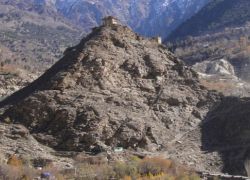
About Lipa-Asrang Sanctuary The Lipa-Asrang Sanctuary, located in Kinnaur district of Himachal Pradesh, is a protected area known for its rich biodiversity and stunning natural beauty. Spread over an area of approximately 30 square kilometers, the sanctuary is home to a variety of flora and fauna, making it a paradise for nature lovers and wildlife enthusiasts. Location and Geographical Overview The Lipa-Asrang Sanctuary is situated in the picturesque Kinnaur district of Himachal Pradesh, nestled amidst the majestic Himalayas. The sanctuary is located at an altitude ranging from 2,200 meters to 4,000 meters above sea level, offering stunning views of snow-capped peaks, lush valleys, and meandering rivers. Open and Closing Time The Lipa-Asrang Sanctuary is open to visitors from 9:00 AM to 5:00 PM every day, except on Mondays when it remains closed for maintenance activities. Entry Fee There is a nominal entry fee for visiting the Lipa-Asrang Sanctuary, with separate charges for Indian and foreign tourists. Visitors can purchase tickets at the entrance gate or online through the official website of the sanctuary. Species-Flora/Fauna Availability The sanctuary is home to a diverse range of flora and fauna, including rare and endangered species. Some of the commonly found animals in the sanctuary are Himalayan Black Bear, Snow Leopard, Blue Sheep, Musk Deer, and various species of birds and butterflies. The sanctuary also boasts of a rich variety of plant species, including pine, oak, deodar, rhododendron, and juniper. Activities Performed Visitors to the Lipa-Asrang Sanctuary can indulge in a number of activities such as nature walks, bird watching, photography, and trekking. Guided tours are also available for those interested in learning more about the flora and fauna of the sanctuary. Jeep Safari Charges For those looking to explore the sanctuary in a more adventurous way, jeep safaris are available at an additional cost. The safari takes visitors through the rugged terrains of the sanctuary, offering a chance to spot wildlife in their natural habitat. Age Criterion and Entry Fee The entry fee for the Lipa-Asrang Sanctuary varies based on the age and gender of the visitor. Children below the age of 5 are allowed free entry, while there are separate charges for male and female visitors. Senior citizens are also eligible for a discounted entry fee. Senior Citizen Facilities The sanctuary provides special facilities for senior citizens, including wheelchair access, resting areas, and guided assistance during the visit. Senior citizens can enjoy a leisurely stroll through the sanctuary while soaking in the serene atmosphere. Best Time to Visit The best time to visit the Lipa-Asrang Sanctuary is during the summer months from April to June when the weather is pleasant and the flora is in full bloom. The sanctuary is also open during the winter months, offering a unique opportunity to witness the snow-covered landscape and winter wildlife. Nearby Places to Visit Visitors to the Lipa-Asrang Sanctuary can explore other nearby attractions such as Kalpa, Sangla Valley, Chitkul, and Kamru Fort. These places offer a glimpse into the rich cultural heritage and scenic beauty of Kinnaur district. Vehicle Parking Facility For visitors traveling by their own vehicles, the Lipa-Asrang Sanctuary provides ample parking space near the entrance gate. Visitors can park their cars or bikes securely and proceed to explore the sanctuary on foot or through guided tours. Rules and Regulations While visiting the Lipa-Asrang Sanctuary, visitors are required to adhere to certain rules and regulations to ensure the safety of wildlife and maintain the sanctity of the environment. Littering, feeding animals, making loud noises, and damaging plant life are strictly prohibited within the sanctuary premises. How to Reach and Other Related Information The Lipa-Asrang Sanctuary is well-connected by road and can be reached easily from major towns in Himachal Pradesh. The nearest airport is in Shimla, approximately 240 kilometers away, while the nearest railway station is in Kalka, around 310 kilometers from the sanctuary. Accommodation options are available in nearby towns and villages for visitors looking to stay overnight and explore the sanctuary at their leisure. Overall, the Lipa-Asrang Sanctuary offers a unique opportunity to connect with nature, witness diverse wildlife, and immerse oneself in the tranquility of the Himalayan mountains. Whether you are a nature enthusiast, adventure seeker, or wildlife lover, a visit to this sanctuary is sure to leave you with unforgettable memories and a renewed appreciation for the wonders of the natural world.
Explore More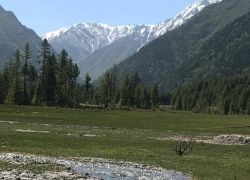
About Rakcham Chitkul Sanctuary Rakcham Chitkul Sanctuary is a stunning natural reserve located in the Kinnaur district of Himachal Pradesh, India. This sanctuary is known for its diverse flora and fauna, as well as its picturesque landscapes that attract nature enthusiasts and wildlife lovers from all around. The sanctuary is spread over an area of 30.98 square kilometers and is nestled between the villages of Rakcham and Chitkul, hence the name. Location and Geographical Overview Rakcham Chitkul Sanctuary is situated at an elevation ranging from 3200 to 5486 meters above sea level. It is surrounded by snow-capped mountains, lush green valleys, and gushing rivers, making it a paradise for nature lovers. The sanctuary is a part of the Western Himalayan range and is known for its unique ecosystem that supports a wide variety of plant and animal species. Open and Closing Time The sanctuary is open to visitors throughout the year, but the best time to visit is during the summer months from April to June and the autumn months from September to November. The sanctuary is closed during the winter months from December to February due to heavy snowfall and harsh weather conditions. Entry Fee There is a nominal entry fee for visitors entering the Rakcham Chitkul Sanctuary. The entry fee for adults is INR 50, and for children below the age of 12, the entry fee is INR 25. Senior citizens above the age of 60 can avail a discounted entry fee of INR 30. Species - Flora/Fauna Availability The sanctuary is home to a wide variety of plant and animal species. Some of the common flora found in the sanctuary include rhododendrons, oak trees, pine trees, and medicinal herbs. On the other hand, the sanctuary is also home to various species of wildlife such as snow leopards, Himalayan black bears, musk deer, and numerous bird species. Activities Performed Visitors can indulge in a range of activities within the sanctuary, such as nature walks, bird-watching, photography, camping, and trekking. The sanctuary also offers jeep safaris for visitors who want to explore the rugged terrains and spot wildlife in their natural habitat. Jeep Safari Charges The charges for a jeep safari in Rakcham Chitkul Sanctuary vary depending on the duration and route chosen. On average, the cost for a jeep safari ranges from INR 1500 to INR 3000 per person. Visitors can book jeep safaris through authorized tour operators or the sanctuary office. Age Criterion and Entry Fee Entry to the sanctuary is open to visitors of all ages. The entry fee varies for different age groups, with adults paying INR 50, children below 12 years paying INR 25, and senior citizens above 60 years paying INR 30. Children under the age of 5 are allowed free entry. Senior Citizen Facilities Rakcham Chitkul Sanctuary offers special facilities for senior citizens to ensure their comfort and safety during their visit. These facilities include designated seating areas, easy access to restrooms, and assistance from sanctuary staff if needed. Best Time to Visit The best time to visit Rakcham Chitkul Sanctuary is during the summer months from April to June and the autumn months from September to November. During these months, the weather is pleasant, and visitors can witness the lush greenery and blooming flowers in the sanctuary. Nearby Places to Visit There are several tourist attractions near Rakcham Chitkul Sanctuary that visitors can explore. Some of the popular places to visit include Chitkul Village, Kamru Fort, Nako Lake, and the Kalpa Valley. These attractions offer a glimpse into the rich culture and heritage of the region. Vehicle Parking Facility Rakcham Chitkul Sanctuary has designated parking areas for visitors who bring their vehicles. The parking facilities are well-maintained and secure, providing visitors with a hassle-free experience during their visit to the sanctuary. Rules and Regulations Visitors to Rakcham Chitkul Sanctuary are required to follow certain rules and regulations to ensure the safety of the wildlife and maintain the pristine environment of the sanctuary. Some of the rules include not littering, not feeding the animals, and respecting the wildlife and their habitat. How to Reach and Other Related Information Rakcham Chitkul Sanctuary is easily accessible by road from major cities like Shimla and Chandigarh. Visitors can hire taxis or use public transport to reach the sanctuary. The nearest airport is in Shimla, and the nearest railway station is in Kalka. Overall, Rakcham Chitkul Sanctuary is a must-visit destination for nature lovers and wildlife enthusiasts looking to explore the natural beauty of Himachal Pradesh. With its diverse flora and fauna, stunning landscapes, and range of activities, the sanctuary offers a memorable experience for visitors of all ages.
Explore More3D Zanskar Trip From Manali - Gonbo Rongjon - Shinkhu La
3 Days/ 2 Night
Manali - Jispa
Bir Kasol Kheerganga Tour
5 Days/ 4 Night
Kasol - Kheerganga - Kangra - Palampur
Kareri Lake Trek With McLeodganj - 3 Days Trip
3 Days/ 2 Night
Mcleodganj - Kangra
Offbeat Shangarh Tour - Meadows - Waterfalls - Treks
3 Days/ 2 Night
Kullu

Welcome to the serene and captivating Kugti Wildlife Sanctuary nestled in the picturesque city of Bharmour. This sanctuary is a nature lover's paradise, offering a unique blend of natural beauty, rich biodiversity, and a peaceful environment that attracts visitors from far and wide. History of Kugti Wildlife Sanctuary The history of Kugti Wildlife Sanctuary dates back to its origins as a former royal hunting ground. Over the years, it has transformed into a conservation area dedicated to preserving the natural habitat and wildlife species. The sanctuary's efforts towards conservation have been recognized by UNESCO, highlighting its significance in protecting the region's ecological balance. Architecture and Natural Beauty of Kugti Wildlife Sanctuary The sanctuary is renowned for its diverse landscapes, including wetlands, dense forests, and sprawling grasslands that provide a safe haven for numerous bird species. Among its natural treasures is the historical Keoladeo Temple, adding a touch of cultural heritage to the sanctuary's scenic beauty. Why is Kugti Wildlife Sanctuary Famous? Kugti Wildlife Sanctuary is celebrated for its vibrant birdlife, making it a hotspot for birdwatchers, photographers, and nature enthusiasts. The sanctuary's tranquil environment and abundant wildlife offer a unique opportunity to witness nature's beauty up close. How to Reach Kugti Wildlife Sanctuary Traveling to Kugti Wildlife Sanctuary is convenient, with options available by air, rail, and road. The nearest airports and railway stations provide easy access to this natural haven, ensuring a seamless journey for visitors seeking an escape into the wilderness. Weather and Best Time to Visit Kugti Wildlife Sanctuary Throughout the seasons, Kugti Wildlife Sanctuary offers a different yet equally enchanting experience. While summer brings lush greenery, monsoon showcases the sanctuary's vibrant colors, and winter paints a serene snowy landscape. The best time to visit varies according to personal preferences, but the sanctuary's beauty remains undeniable year-round. Timings of Kugti Wildlife Sanctuary Visitors can explore the sanctuary during specific timings, allowing them to experience its natural wonders at their leisure. Understanding the seasonal variations and planning accordingly ensures a fulfilling visit to Kugti Wildlife Sanctuary. Entry Fee and Visit Details Entry procedures to Kugti Wildlife Sanctuary are straightforward, with guide services, safari options, and bicycle rentals available for visitors looking to explore the sanctuary in depth. Well-equipped visitor facilities enhance the overall experience, making it a memorable journey into the heart of nature. Things to Do at Kugti Wildlife Sanctuary Engage in a variety of activities at Kugti Wildlife Sanctuary, including birdwatching, photography, cycling, and walking trails that offer a firsthand encounter with the sanctuary's flora and fauna. Nature observation and educational experiences further enrich the visit, creating lasting memories for all who explore this natural gem. Interesting Facts About Kugti Wildlife Sanctuary Kugti Wildlife Sanctuary is home to a diverse range of migratory birds and boasts significant biodiversity. The sanctuary's conservation efforts have contributed to its ecological importance, making it a vital hub for wildlife preservation and environmental sustainability. Travel Tips for Visiting Kugti Wildlife Sanctuary When planning a visit to Kugti Wildlife Sanctuary, consider essential factors such as appropriate clothing, photography gear, and the best seasons for birdwatching. Embracing responsible tourism practices ensures the sanctuary's beauty remains untouched for future generations to enjoy. Conclusion In conclusion, Kugti Wildlife Sanctuary in Bharmour offers a holistic experience for nature enthusiasts seeking solace in the lap of pristine wilderness. With its rich history, diverse landscapes, and abundant wildlife, this sanctuary promises an unforgettable journey into the heart of nature, making it a must-visit destination for all travelers.
Explore More
Welcome to Kanan Pendari Zoo, a captivating destination nestled in the heart of Bilaspur. This renowned hotspot is a haven for nature lovers, wildlife enthusiasts, and photographers seeking a glimpse of the diverse flora and fauna that call this place home. The zoo offers a unique opportunity to connect with nature and witness the beauty of the natural world up close. History of Kanan Pendari Zoo The history of Kanan Pendari Zoo traces back to its origins as a former royal hunting ground, transformed over the years into a conservation area dedicated to preserving the region's biodiversity. The park's rich heritage and conservation efforts have earned it recognition from organizations like UNESCO for its commitment to wildlife protection and habitat preservation. Architecture and Natural Beauty of Kanan Pendari Zoo Immerse yourself in the lush wetlands, dense forests, sprawling grasslands, and diverse bird habitats that characterize Kanan Pendari Zoo. The park's natural beauty is enhanced by the presence of the historic Keoladeo Temple, adding a touch of cultural significance to the picturesque landscapes. Why is Kanan Pendari Zoo Famous? Kanan Pendari Zoo is celebrated for its abundant birdlife, making it a popular destination for birdwatchers, photographers, and nature enthusiasts. The park's diverse ecosystems provide a sanctuary for a wide variety of avian species, attracting visitors from around the world eager to witness the natural wonders of this unique habitat. How to Reach Kanan Pendari Zoo Traveling to Kanan Pendari Zoo is convenient, with options to reach the city of Bilaspur by air, rail, and road. The region is served by nearby airports and railway stations, offering easy access to this enchanting destination for visitors seeking a memorable wildlife experience. Weather and Best Time to Visit Kanan Pendari Zoo Experience the changing seasons at Kanan Pendari Zoo, with summer, monsoon, and winter each offering a unique perspective on the park's natural beauty. The best time to visit varies depending on personal preferences, with different months highlighting different aspects of the region's biodiversity. Timings of Kanan Pendari Zoo Plan your visit to Kanan Pendari Zoo with ease, as the park's visitor timings ensure a memorable experience for guests of all ages. Seasonal variations may impact opening hours, so be sure to check for any updates before planning your trip to this wildlife sanctuary. Entry Fee and Visit Details Discover the wonders of Kanan Pendari Zoo with ease, thanks to visitor facilities, guide services, safari options, and bicycle rentals available on-site. Entry procedures are straightforward, allowing you to focus on exploring the park's natural wonders and engaging in exciting wildlife encounters. Things to Do at Kanan Pendari Zoo Embark on a journey of discovery at Kanan Pendari Zoo with a range of activities tailored to suit every visitor's interests. Whether you enjoy birdwatching, photography, cycling, walking trails, or nature observation, there's something for everyone to enjoy amidst the park's serene surroundings. Interesting Facts About Kanan Pendari Zoo Delve into the fascinating world of Kanan Pendari Zoo and uncover intriguing facts about migratory birds, biodiversity conservation efforts, and the ecological significance of this remarkable destination. Learn more about the park's achievements in wildlife preservation and its vital role in supporting local ecosystems. Travel Tips for Visiting Kanan Pendari Zoo Prepare for your visit to Kanan Pendari Zoo with practical tips on clothing, photography equipment, birdwatching essentials, and responsible tourism practices. Stay informed about the best seasons to visit and make the most of your time exploring this natural treasure in Bilaspur. Conclusion In conclusion, Kanan Pendari Zoo stands out as a must-visit destination in Bilaspur, offering a harmonious blend of natural beauty, wildlife conservation, and engaging visitor experiences. Whether you're a nature enthusiast, a photography buff, or simply seeking a peaceful retreat in the heart of nature, this remarkable hotspot promises an unforgettable journey into the wonders of the wild.
Explore More
Welcome to the enchanting Maharana Pratap Sagar, nestled in the picturesque city of Una. This stunning tourist hotspot is a nature lover's paradise, boasting a rich natural environment, diverse biodiversity, and a deep-rooted historical significance. Maharana Pratap Sagar, also known as Pong Dam Lake, is a haven for wildlife enthusiasts, birdwatchers, and those seeking solace in the lap of nature. History of Maharana Pratap Sagar The history of Maharana Pratap Sagar dates back to its origin as a former royal hunting ground. Over the years, concerted conservation efforts have transformed it into a sanctuary for diverse flora and fauna. The park's dedication to preserving its natural heritage has garnered international recognition, including a UNESCO World Heritage Site status. Architecture and Natural Beauty of Maharana Pratap Sagar Spread across lush wetlands, dense forests, and sprawling grasslands, Maharana Pratap Sagar is a sight to behold. The park is renowned for its bird habitats, offering a sanctuary to numerous avian species. Within its boundaries lies the historic Keoladeo Temple, adding a touch of spirituality to the vibrant landscapes. Why is Maharana Pratap Sagar Famous? Maharana Pratap Sagar's fame stems from its allure to birdwatchers, photographers, and nature enthusiasts. The park's diverse ecosystem and abundant wildlife make it a magnet for those seeking to witness nature's wonders up close. How to Reach Maharana Pratap Sagar Traveling to Maharana Pratap Sagar is convenient, with options for air, rail, and road transport. The nearest airports and railway stations provide easy access to this natural gem, ensuring a seamless journey for visitors. Weather and Best Time to Visit Maharana Pratap Sagar Throughout the summer, monsoon, and winter seasons, Maharana Pratap Sagar offers a unique experience. The best time to visit varies depending on personal preferences, with each season showcasing the park's beauty in a different light. Timings of Maharana Pratap Sagar Visitors can explore Maharana Pratap Sagar during specified timings, with seasonal variations that may impact accessibility. Planning ahead and checking for any updates ensures a smooth and memorable visit to this natural wonder. Entry Fee and Visit Details Entry procedures at Maharana Pratap Sagar are straightforward, with options for guide services, safari excursions, bicycle rentals, and other visitor facilities. These amenities enhance the overall experience, allowing guests to immerse themselves fully in the park's offerings. Things to Do at Maharana Pratap Sagar Engaging in birdwatching, photography sessions, cycling expeditions, walking trails, and nature observation are popular activities at Maharana Pratap Sagar. The park caters to a wide range of interests, ensuring there's something for everyone to enjoy. Interesting Facts About Maharana Pratap Sagar Discover fascinating facts about migratory birds, the park's rich biodiversity, conservation milestones, and its ecological significance. Maharana Pratap Sagar's contributions to wildlife preservation and environmental sustainability are truly commendable. Travel Tips for Visiting Maharana Pratap Sagar When planning a trip to Maharana Pratap Sagar, consider essential factors such as appropriate clothing, photography equipment, ideal visiting seasons, and responsible tourism practices. These tips ensure a fulfilling and respectful experience for both visitors and the natural habitat. Conclusion In conclusion, Maharana Pratap Sagar in Una stands as a testament to the beauty and importance of preserving our natural heritage. This tourist attraction offers a unique blend of history, biodiversity, and recreational opportunities, making it a must-visit destination for travelers seeking a harmonious retreat with nature.
Explore More