
Vidhana Soudha was built in 1956 in Dravidian architecture. It is one of the most imposing buildings not only in Bangalore but also in India. Housing the Legislative Chambers of the state government, this 46-meter high seat of the government is Bangalore's best-known landmark. It houses 22 departments and 300 rooms.
Explore More
Tipu Sultan's Summer Palace is one of the most iconic historical landmarks in Bangalore, Karnataka. Built during the 18th century, it served as the summer residence of the legendary ruler Tipu Sultan, popularly known as the "Tiger of Mysore." The palace is an exquisite example of Indo-Islamic architecture, adorned with teakwood, ornate arches, and intricate frescoes that depict the grandeur of Tipu Sultan’s reign. Today, it stands as a museum and a popular tourist attraction, offering visitors a glimpse into the rich history, culture, and lifestyle of the Mysore Sultanate era. Why Tipu Sultan's Summer Palace is Famous Tipu Sultan's Summer Palace is renowned for its historical significance and architectural beauty. The palace is famous for: Its historical importance as the residence of Tipu Sultan, a fearless warrior and visionary ruler who resisted British colonial rule. The intricate wooden carvings, arches, and pillars that showcase the finesse of Indo-Islamic architecture. The beautifully landscaped gardens surrounding the palace, which were designed to provide a serene retreat during the hot summer months. Its collection of portraits, paintings, and artifacts that narrate the story of Tipu Sultan’s reign, battles, and administration. The palace’s strategic location near the Bangalore Fort, making it an integral part of the city’s historical landscape. History and Architecture The palace was constructed in 1791 entirely out of teakwood by Tipu Sultan. The two-storied structure features multiple arches, balconies, and ornate pillars that reflect Indo-Islamic design principles. The palace’s walls were once adorned with frescoes and paintings depicting Tipu Sultan's military campaigns and daily life in the court. Though many of the original paintings have faded over time, the remaining artworks still provide a glimpse into the opulent lifestyle of the ruler. The palace is also an example of hybrid architecture, blending traditional Indian and Islamic motifs with functional elements to withstand the summer heat. How to Reach Tipu Sultan's Summer Palace, Bangalore Tipu Sultan’s Summer Palace is located in the heart of Bangalore, making it easily accessible via various modes of transport: By Road: The palace is well-connected by road, and taxis, auto-rickshaws, and app-based cab services are available from anywhere in Bangalore. The address is: Kote, Chamarajapete, Bangalore, Karnataka. By Bus: Bangalore Metropolitan Transport Corporation (BMTC) buses run frequently to the palace from different parts of the city. By Train: The nearest railway station is Bangalore City Railway Station, approximately 4 km away. From the station, taxis or auto-rickshaws can take you to the palace. By Air: The nearest airport is Kempegowda International Airport, around 35 km from the palace. From the airport, taxis or airport shuttle services can be used to reach the city center and the palace. Weather Bangalore enjoys a moderate and pleasant climate throughout the year, making it comfortable for visiting Tipu Sultan’s Summer Palace: Summer (March to May): Temperatures range from 20°C to 35°C, ideal for sightseeing in the early mornings or evenings. Monsoon (June to September): Moderate rainfall keeps the surroundings lush and green, but light rain gear is recommended. Winter (October to February): Pleasant and cool, with temperatures ranging from 15°C to 28°C, perfect for exploring the palace and nearby attractions. Timings Tipu Sultan's Summer Palace is open to visitors throughout the week with the following schedule: Opening Hours: 10:00 AM to 5:30 PM Closed: Mondays (for maintenance and conservation work) Best Time to Visit: October to March, when the weather is pleasant and sightseeing is more enjoyable Entry and Visit Details Visitors to Tipu Sultan's Summer Palace can expect the following entry and amenities: Entry Fee: INR 15 for Indian citizens and INR 200 for foreign tourists (subject to change) Photography: Photography is allowed in designated areas; tripods may require additional permission. Guided Tours: Professional guides are available to provide detailed historical insights and narrate the stories behind the artifacts. Facilities: Basic amenities like seating areas, restrooms, and a small souvenir shop are available for visitors. Things to Do at Tipu Sultan's Summer Palace Visitors can enjoy a range of activities and experiences at Tipu Sultan’s Summer Palace: Explore the Architecture: Marvel at the teakwood pillars, intricate arches, and frescoes that tell the story of Tipu Sultan’s reign. Photography: Capture the beauty of the palace, its gardens, and the detailed artwork that adorns the walls and ceilings. Learn History: Discover the legacy of Tipu Sultan, his battles against the British, and the administrative innovations he implemented in Mysore. Visit Nearby Attractions: The palace is close to Bangalore Fort, Lalbagh Botanical Gardens, and other historical sites, making it ideal for a day-long historical tour. Interesting Facts about Tipu Sultan's Summer Palace The palace is entirely made of teakwood and features Indo-Islamic architectural elements combined with local craftsmanship. Tipu Sultan used the palace as a summer retreat to escape the heat of Srirangapatna, his main residence. The palace has survived several conflicts, including battles with the British East India Company, and still retains much of its original charm. The palace was partially renovated by the Archaeological Survey of India to preserve its historical and cultural significance. Original paintings on the palace walls depict battles, court life, and Tipu Sultan’s interactions with foreign dignitaries. Tips for Visiting Tipu Sultan's Summer Palace Wear comfortable walking shoes as you may spend considerable time exploring the palace and gardens. Carry water, especially if visiting during the summer months. Hire a professional guide for a more enriching historical experience. Visit during weekdays to avoid crowds, particularly in the tourist season from October to March. Respect the heritage structure by not touching delicate paintings or carvings. In conclusion, Tipu Sultan's Summer Palace in Bangalore is a perfect destination for history enthusiasts, architecture lovers, and tourists seeking a glimpse into India’s regal past. Its unique architecture, rich history, and central location in Bangalore make it a must-visit landmark that beautifully combines education, heritage, and leisure.
Explore More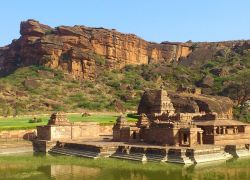
Welcome to the mesmerizing world of Badami Cave Temples in Badami, a true gem that combines history, architecture, and natural beauty in one stunning location. The Badami Cave Temples, nestled in the quaint city of Badami, offer a unique blend of historical significance, architectural marvels, and serene natural surroundings that captivate visitors from all walks of life. History of Badami Cave Temples The history of Badami Cave Temples dates back to ancient times, showcasing exquisite rock-cut architecture that reflects the rich cultural heritage of the region. Originally serving as a former royal hunting ground, these temples have stood the test of time and are now recognized by UNESCO for their historical and artistic value. Architecture and Natural Beauty of Badami Cave Temples Surrounded by breathtaking landscapes, the Badami Cave Temples boast intricate carvings, stunning sculptures, and a peaceful ambiance that transports visitors to a bygone era. The lush forests, bird habitats, and the iconic Keoladeo Temple add to the natural allure of this sacred site. Why is Badami Cave Temples Famous? Badami Cave Temples have gained fame for being a haven for birdwatchers, photographers, nature enthusiasts, and wildlife lovers seeking a unique blend of cultural heritage and natural beauty. The caves are not just a historical site but also a sanctuary for those seeking solace in the lap of nature. How to Reach Badami Cave Temples Traveling to Badami Cave Temples is convenient, with options to reach by air, rail, and road. Nearby airports and railway stations provide easy access to this mesmerizing destination, allowing visitors to embark on a memorable journey filled with history and scenic beauty. Weather and Best Time to Visit Badami Cave Temples Experience pleasant weather throughout the year, with varying conditions during summer, monsoon, and winter seasons. The best time to visit Badami Cave Temples is during the cooler months when the natural surroundings are at their vibrant best. Timings of Badami Cave Temples Badami Cave Temples welcome visitors at specific timings, ensuring a memorable and hassle-free exploration of the historical wonders within. Be sure to check for any seasonal variations and plan your visit accordingly to make the most of your trip. Entry Fee and Visit Details Entry into Badami Cave Temples is a gateway to a world of ancient marvels and natural splendor. Guide services, safari options, bicycle rentals, and visitor facilities are available to enhance your experience and make your visit truly unforgettable. Things to Do at Badami Cave Temples Engage in a myriad of activities at Badami Cave Temples, including birdwatching, photography, cycling, walking trails, nature observation, and educational experiences that offer a deeper insight into the cultural and ecological significance of this historic site. Interesting Facts About Badami Cave Temples Badami Cave Temples are home to a diverse range of migratory birds, showcasing the region's rich biodiversity and conservation efforts. The caves hold secrets of the past and stories of ancient civilizations, making them a treasure trove of knowledge and wonder. Travel Tips for Visiting Badami Cave Temples When visiting Badami Cave Temples, remember to dress comfortably, carry essential photography and birdwatching equipment, and be mindful of the visiting seasons to witness the beauty of this destination in all its glory. Embrace responsible tourism practices to preserve the sanctity of this historical site. Conclusion In conclusion, Badami Cave Temples in Badami stand as a testament to the grandeur of ancient architecture, the serenity of natural landscapes, and the cultural richness that defines this enchanting destination. A visit to Badami Cave Temples promises an unforgettable journey through time and nature, leaving visitors with memories to cherish for a lifetime.
Explore More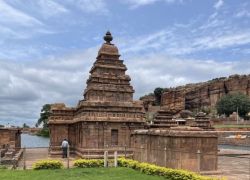
Welcome to the mystical land of Bhutanatha Temples situated in the city of Badami. This ancient site holds a treasure trove of historical significance, architectural beauty, and natural wonders waiting to be explored. History of Bhutanatha Temples Steeped in history, the Bhutanatha Temples showcase the rich cultural heritage of Badami. These temples have stood the test of time, originating from the bygone era of former royal hunting grounds. The conservation efforts have preserved these temples, leading to their UNESCO recognition as a heritage site. Architecture and Natural Beauty of Bhutanatha Temples Surrounded by lush wetlands, dense forests, and sprawling grasslands, Bhutanatha Temples provide a serene setting for visitors. The bird habitats within the natural environment offer a glimpse into the diverse biodiversity of the region. The historical Keoladeo Temple adds to the architectural charm of the site. Why is Bhutanatha Temples Famous? Bhutanatha Temples have gained fame among birdwatchers, photographers, nature enthusiasts, and wildlife lovers due to the abundance of avian species, picturesque landscapes, and the tranquil ambiance that fosters a deep connection with nature. How to Reach Bhutanatha Temples Traveling to Bhutanatha Temples is convenient with options for air, rail, and road transport. Nearby airports and railway stations ensure easy accessibility, allowing visitors to embark on a memorable journey to this historical site. Weather and Best Time to Visit Bhutanatha Temples Throughout the summer, monsoon, and winter seasons, Bhutanatha Temples offer varying weather conditions. The best months to visit are [mention best months], providing an ideal climate for exploring the natural beauty of the surroundings. Timings of Bhutanatha Temples Visitor timings at Bhutanatha Temples cater to different seasons, ensuring a pleasant experience for tourists. Understanding the seasonal variations and planning accordingly will enhance your visit to this enchanting destination. Entry Fee and Visit Details Entry procedures at Bhutanatha Temples are straightforward, with guide services, safari options, bicycle rentals, and visitor facilities available for a comfortable and enjoyable visit. Exploring the site is made convenient with these amenities. Things to Do at Bhutanatha Temples Engage in popular activities such as birdwatching, photography, cycling, walking trails, and nature observation at Bhutanatha Temples. These experiences offer a deeper connection with the natural surroundings, allowing visitors to immerse themselves in the beauty of the site. Interesting Facts About Bhutanatha Temples Bhutanatha Temples are renowned for hosting migratory birds, showcasing biodiversity, achieving conservation milestones, and highlighting the ecological importance of preserving such historical sites. These facts add to the allure of the destination. Travel Tips for Visiting Bhutanatha Temples When visiting Bhutanatha Temples, remember to dress appropriately, carry essential photography and birdwatching equipment, consider the best seasons for exploration, and practice responsible tourism to protect the natural environment and heritage of the site. Conclusion In conclusion, Bhutanatha Temples in Badami offer a unique blend of history, architecture, and natural beauty, making it a must-visit destination for travelers seeking a glimpse into the past and a serene escape into nature. Explore the wonders of Bhutanatha Temples and create unforgettable memories in this enchanting city.
Explore More
Constructed in the memory of the great Kannada poet Da Ra Bendre, Sadhankeri Garden is a remarkable tourist destination on the outskirts of Hubli. This park is popular for its green vegetation and an appealing surrounding that is a treat for eyes in literal terms. This garden is visited by various locals and tourists alike and promises to refresh the tired souls. It Is Known For:- 1) Sadhankeri Garden is known for its arresting surrounding. The spellbinding greenery never fails to catch the sight of onlookers 2) It has a thick cover of the mango trees that bear juicy mangoes in the appropriate season 3) There is a lake situated within the park and is a navigable water body. Visitors are allowed to relish the fun of boating by paying a small sum of fee 4) This garden is an amazing spot for spending the leisure time and enjoying a morning/evening stroll 5) The development authorities have added sculptures and a fountain in Sadhankeri Garden that has added more charm to it. People often get clicked with the new installations in the park. Best Time To Visit:- Sadhankeri Garden is a place which never disappoints its visitors. Being a remarkable travel attraction near Hubli city, it can be visited throughout the year in any season. The entry to this park is paid for adults (INR 10) and free for kids. Everyone is allowed to click pictures of the garden. Watch Out! One has to be cautious whilst embarking the trip during the searing summers. It is recommended that travelers should step out when the temperatures are not too high. Moreover, sunscreen and extra water should be carried. Reaching There:- Hubli city is well-connected to the rest of Karnataka via highways, railheads, and airways. Due to its connectivity through the means listed above, visitors can reach the city easily. Commuting to & from the different places in Hubli can be done best by local buses, taxis, and autos. Nearest Railway Station - Hubli JunctionNearest Airport - Hubli Airport
Explore More
Gulbarga has some of tombs of many great and royal people. There is complex that has seven royal tombs called as Half Gumbaz located in the western sides of the Khwaja Bande Dargah! In these royal tombs, the tomb of Firoze Shah Bahmani is hugest in size!
Explore More
Welcome to the charming destination of Hampi located in Bellary, a place known for its rich history, architectural marvels, and natural beauty. Hampi is a UNESCO World Heritage Site that attracts visitors from all over the world. The city of Bellary serves as the perfect gateway to this historical and picturesque hotspot. History of Hampi Hampi holds a significant historical background as it was once the capital of the Vijayanagara Empire. The ruins of this ancient city stand as a testimony to its glorious past. Originally a royal hunting ground, Hampi has undergone extensive conservation efforts to preserve its heritage. The site's UNESCO recognition further highlights its importance in the realm of cultural heritage. Architecture and Natural Beauty of Hampi One of the striking features of Hampi is its diverse natural environment. From wetlands and forests to grasslands and bird habitats, Hampi offers a unique blend of landscapes. The iconic Keoladeo Temple within the park adds a touch of spirituality to the scenic beauty of the surroundings. Why is Hampi Famous? Hampi is renowned for its abundant birdlife, making it a paradise for birdwatchers and photographers. Nature enthusiasts are drawn to the park's serene ambience and the opportunity to witness a wide variety of wildlife in their natural habitat. How to Reach Hampi Traveling to Hampi is convenient with options available by air, rail, and road. The nearest airports are located in Hubli and Bangalore, while the Hospet Junction serves as the primary railway station. Road connectivity to Bellary ensures easy access to this popular tourist destination. Weather and Best Time to Visit Hampi Hampi experiences diverse weather conditions throughout the year. While summers can be hot and dry, the monsoon season brings lush greenery to the region. The winter months, from October to February, are considered the best time to visit Hampi due to the pleasant weather and comfortable temperatures. Timings of Hampi The visiting timings of Hampi vary based on the season, with longer hours during peak tourist months. Visitors are advised to plan their trip accordingly and consider any seasonal variations that may affect their experience at the park. Entry Fee and Visit Details Entry to Hampi requires following specific procedures, and guide services are available for a more insightful tour of the park. Visitors can also opt for safari options, bicycle rentals, and other facilities provided for a memorable experience at Hampi. Things to Do at Hampi There are numerous activities to indulge in at Hampi, including birdwatching, photography, cycling through the scenic trails, walking amidst nature, and engaging in educational experiences to learn more about the biodiversity of the region. Interesting Facts About Hampi Hampi is home to a wide array of migratory birds, showcasing the rich biodiversity of the area. The conservation efforts in place have led to significant achievements in protecting the ecosystem, highlighting the ecological importance of Hampi. Travel Tips for Visiting Hampi For a fulfilling experience at Hampi, visitors are advised to dress comfortably, carry necessary photography and birdwatching equipment, choose the right visiting season, and practice responsible tourism to help preserve the natural beauty of the park. Conclusion In conclusion, Hampi, Bellary, stands out as a must-visit destination for history buffs, nature lovers, and photography enthusiasts. With its historical significance, architectural wonders, and diverse wildlife, Hampi offers a unique blend of experiences that leave a lasting impression on every visitor.
Explore More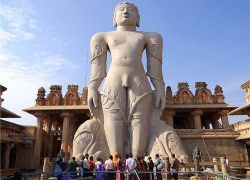
Welcome to Shravanabelagola, a mesmerizing tourist attraction located in the beautiful city of Hassan. This historic site offers a blend of natural beauty, cultural significance, and diverse wildlife, making it a must-visit destination for travelers seeking a unique experience. History of Shravanabelagola Shravanabelagola holds a rich historical background dating back to ancient times. It was once a royal hunting ground and has been a center for conservation efforts over the years. The site's historical and cultural importance has been recognized by UNESCO, adding to its allure as a prominent tourist destination. Architecture and Natural Beauty of Shravanabelagola The natural environment surrounding Shravanabelagola is a sight to behold, with lush wetlands, dense forests, expansive grasslands, and diverse bird habitats. The park is also home to the historic Keoladeo Temple, adding a touch of architectural beauty to its natural charm. Why is Shravanabelagola Famous? Shravanabelagola is renowned for its appeal to birdwatchers, photographers, nature enthusiasts, and wildlife lovers. The abundance of bird species, picturesque landscapes, and tranquil surroundings make it a haven for those seeking to connect with nature. How to Reach Shravanabelagola Traveling to Shravanabelagola is convenient, with options available by air, rail, and road. The nearest airports and railway stations provide easy access to this picturesque destination, ensuring a smooth journey for visitors. Weather and Best Time to Visit Shravanabelagola The weather at Shravanabelagola varies across summer, monsoon, and winter seasons. The best time to visit is during specific months when the climate is most favorable for exploring the natural beauty and wildlife of the region. Timings of Shravanabelagola Visitor timings at Shravanabelagola are structured to accommodate guests throughout the day. Seasonal variations may apply, so it is advisable to plan your visit accordingly to make the most of your time at this enchanting hotspot. Entry Fee and Visit Details Entry procedures at Shravanabelagola are straightforward, with guide services, safari options, bicycle rentals, and visitor facilities available for a comfortable and enjoyable experience. Exploring the park is made convenient with these amenities. Things to Do at Shravanabelagola Engage in a variety of activities at Shravanabelagola, including birdwatching, photography, cycling, walking trails, nature observation, and educational experiences. Immerse yourself in the beauty of the surroundings and create lasting memories during your visit. Interesting Facts About Shravanabelagola Shravanabelagola is home to numerous migratory birds, showcasing the region's biodiversity and conservation efforts. The site's ecological importance and conservation achievements add to its appeal as a must-visit destination for nature lovers. Travel Tips for Visiting Shravanabelagola When visiting Shravanabelagola, it is advisable to dress comfortably, carry essential photography and birdwatching equipment, and plan your trip during the recommended seasons. Embrace responsible tourism practices to preserve the beauty and integrity of this natural treasure. Conclusion In conclusion, Shravanabelagola in Hassan is a destination that offers a perfect blend of history, natural beauty, and wildlife. Its significance, diverse attractions, and serene ambiance make it a top choice for travelers looking to explore the wonders of nature and culture in a single visit.
Explore More
Anegundi is located at a distance of 135 Kms from Raichurand has some royal temples which belong to the Vijaynagar era especially the Huchchappayana Matha and Ranganatha Temple. Also worth visiting are the Kamal Mahal, Nava Brindavana and the Pampa Sarovara which consist of mortal leftovers of eminent saints.
Explore More
Srirangapatna, a historical town in Karnataka, India, is home to the magnificent Gumbaz Mausoleum. This iconic tourist attraction holds great significance not only for its historical value but also for its natural splendor, making it a must-visit destination for travelers seeking a blend of culture and biodiversity. History of Gumbaz Mausoleum The Gumbaz Mausoleum stands as a testament to the rich history of Srirangapatna. Built as a mausoleum for Tipu Sultan, the former ruler of Mysore, and his family members, this architectural marvel served as a symbol of royal heritage. The surrounding area, once royal hunting grounds, has undergone conservation efforts to preserve its historical essence. The UNESCO recognition further underscores the cultural importance of this site. Architecture and Natural Beauty of Gumbaz Mausoleum Surrounded by lush wetlands, dense forests, and sprawling grasslands, the Gumbaz Mausoleum offers a picturesque setting that captivates visitors. The diverse bird habitats and breathtaking landscapes add to the natural charm of the site. The historical Keoladeo Temple nestled within the park provides a glimpse into the region's architectural heritage. Why is Gumbaz Mausoleum Famous? Gumbaz Mausoleum is renowned for its appeal to birdwatchers, photographers, nature enthusiasts, and wildlife lovers alike. The abundance of avian species, scenic beauty, and serene ambiance make it a popular choice for those seeking a peaceful retreat in the lap of nature. How to Reach Gumbaz Mausoleum Traveling to Gumbaz Mausoleum is convenient, with options for air, rail, and road transport. The nearest airports and railway stations provide easy access to this historic site, ensuring a hassle-free journey for visitors. Weather and Best Time to Visit Gumbaz Mausoleum The weather at Gumbaz Mausoleum varies across seasons, with summers being warm, monsoons bringing rain, and winters offering a pleasant climate. The best time to visit is during the cooler months when the natural beauty of the surroundings is at its peak. Timings of Gumbaz Mausoleum Visiting hours at Gumbaz Mausoleum are well-suited to accommodate tourists, with seasonal variations considered to optimize the visitor experience. Planning ahead and being aware of the timings can enhance your trip to this historic site. Entry Fee and Visit Details Entry procedures at Gumbaz Mausoleum are straightforward, with guide services available for a more enriching experience. Safari options, bicycle rentals, and visitor facilities ensure that guests have all they need for a memorable visit. Things to Do at Gumbaz Mausoleum Engage in popular activities like birdwatching, photography, cycling, walking trails, and nature observation to fully immerse yourself in the beauty of Gumbaz Mausoleum. Educational experiences await those keen on learning more about the region's cultural and natural heritage. Interesting Facts About Gumbaz Mausoleum Gumbaz Mausoleum is a haven for migratory birds, boasting rich biodiversity that highlights the importance of conservation efforts. The site's ecological significance and conservation achievements add to its allure, making it a treasure trove of natural wonders. Travel Tips for Visiting Gumbaz Mausoleum When visiting Gumbaz Mausoleum, remember to dress comfortably and carry essential photography and birdwatching equipment. Be mindful of the best seasons to visit and practice responsible tourism to preserve the site's beauty for future generations. Conclusion In conclusion, Gumbaz Mausoleum in Srirangapatna offers a unique blend of history and natural beauty that appeals to travelers of all interests. With its rich heritage, diverse ecosystems, and welcoming ambiance, this tourist hotspot promises an unforgettable experience for visitors exploring the wonders of Srirangapatna.
Explore More
Welcome to the mesmerizing tourist attraction of Ibrahim Rouza in Bijapur. This architectural marvel and natural oasis offer a unique blend of historical significance, architectural beauty, and rich biodiversity, making it a must-visit destination for travelers seeking a harmonious mix of culture and nature. History of Ibrahim Rouza Steeped in history, Ibrahim Rouza dates back to the era of the Adil Shahi dynasty in Bijapur. Originally serving as royal quarters and a mausoleum, this site holds immense historical importance as a former royal hunting ground. Efforts towards its conservation have earned Ibrahim Rouza UNESCO recognition, highlighting its cultural and architectural significance. Architecture and Natural Beauty of Ibrahim Rouza Surrounded by lush wetlands, forests, and grasslands, Ibrahim Rouza boasts a serene natural environment that complements its stunning architectural structures. Visitors can explore the tranquil bird habitats and landscapes while marveling at the historical Keoladeo Temple nestled within the park, adding a spiritual dimension to the site. Why is Ibrahim Rouza Famous? Ibrahim Rouza is renowned for its allure among birdwatchers, photographers, nature enthusiasts, and wildlife lovers. The park's diverse bird species, picturesque settings, and serene ambiance make it a paradise for those seeking to immerse themselves in the beauty of nature. How to Reach Ibrahim Rouza Traveling to Ibrahim Rouza is convenient, with options available by air, rail, and road. The city has nearby airports and railway stations that cater to visitors, ensuring easy accessibility to this enchanting destination. Weather and Best Time to Visit Ibrahim Rouza Throughout the summer, monsoon, and winter seasons, Ibrahim Rouza offers unique experiences influenced by varying weather conditions. The best time to visit is during specific months when the weather is pleasant, allowing visitors to enjoy the beauty of the park to the fullest. Timings of Ibrahim Rouza Visitor timings at Ibrahim Rouza provide flexibility for exploration, accommodating varying schedules and preferences. Seasonal variations, if applicable, offer diverse experiences, making each visit to this site a unique and memorable adventure. Entry Fee and Visit Details Entry procedures at Ibrahim Rouza are designed to enhance visitor experiences, with guide services, safari options, bicycle rentals, and visitor facilities available to ensure a seamless and enriching visit. Visitors can make the most of their time at the park with these convenient amenities. Things to Do at Ibrahim Rouza Engage in a range of activities at Ibrahim Rouza, from birdwatching and photography to cycling, walking trails, and nature observation. Educational experiences await visitors, offering insights into the diverse ecosystem and wildlife that call this park home. Interesting Facts About Ibrahim Rouza Ibrahim Rouza is filled with fascinating facts about migratory birds, biodiversity, conservation achievements, and ecological importance. Each visit unveils new discoveries and insights into the natural wonders that make this destination truly remarkable. Travel Tips for Visiting Ibrahim Rouza When visiting Ibrahim Rouza, consider practical advice on clothing choices, photography tips, birdwatching equipment, ideal visiting seasons, and responsible tourism practices. By following these tips, visitors can make the most of their experience while respecting the park's natural beauty and conservation efforts. Conclusion In conclusion, Ibrahim Rouza in Bijapur stands as a testament to the seamless integration of history, architecture, and nature. This enchanting destination offers a unique blend of cultural heritage and biodiversity, inviting visitors to immerse themselves in its beauty and tranquility. A visit to Ibrahim Rouza promises an unforgettable journey filled with history, serenity, and natural wonders.
Explore More
Jod Gumbaz, located in Bijapur, is a mesmerizing tourist attraction that captivates visitors with its historical significance, architectural beauty, and rich biodiversity. This hotspot offers a perfect blend of natural splendor and cultural heritage, making it a must-visit destination for travelers seeking a unique and enriching experience. History of Jod Gumbaz The historical roots of Jod Gumbaz run deep, with origins dating back to ancient times when it served as a royal hunting ground for the erstwhile rulers. Over the years, concerted efforts have been made to conserve and protect the natural environment of this area, leading to its recognition by UNESCO for its cultural and ecological importance. Architecture and Natural Beauty of Jod Gumbaz Jod Gumbaz is renowned for its picturesque wetlands, dense forests, sprawling grasslands, and diverse bird habitats. The landscape is dotted with the majestic Keoladeo Temple, adding a touch of spirituality to the natural beauty of the park, creating a serene and tranquil environment for visitors to explore and enjoy. Why is Jod Gumbaz Famous? Jod Gumbaz is a haven for birdwatchers, photographers, nature enthusiasts, and wildlife lovers due to its incredible biodiversity and unique ecosystem. The park offers a rare opportunity to witness a wide variety of avian species in their natural habitat, making it a paradise for those seeking to connect with nature. How to Reach Jod Gumbaz Traveling to Jod Gumbaz is convenient, with options available by air, rail, and road. The nearest airports and railway stations provide easy access to the park, allowing visitors to reach this enchanting destination with ease and comfort. Weather and Best Time to Visit Jod Gumbaz The weather at Jod Gumbaz varies across seasons, with summer bringing warm temperatures, monsoon offering refreshing showers, and winter providing a cool and pleasant climate. The best time to visit is during the cooler months when the park is at its vibrant best, offering a delightful experience for travelers. Timings of Jod Gumbaz Jod Gumbaz welcomes visitors during specific timings, with seasonal variations that may affect accessibility. It is advisable to plan your visit accordingly and check for any updates or changes in the park's operating hours to make the most of your trip. Entry Fee and Visit Details Visitors to Jod Gumbaz can avail of entry procedures, guide services, safari options, bicycle rentals, and other visitor facilities to enhance their experience. Exploring the park with the help of knowledgeable guides and well-organized services can make your visit more informative and enjoyable. Things to Do at Jod Gumbaz At Jod Gumbaz, there are numerous activities to indulge in, including birdwatching, photography, cycling, walking trails, nature observation, and educational experiences. Each activity offers a unique perspective of the park's diverse ecosystem, allowing visitors to immerse themselves in the beauty of their surroundings. Interesting Facts About Jod Gumbaz Jod Gumbaz is home to a plethora of migratory birds, showcasing the rich biodiversity and conservation achievements of the park. The ecological importance of this hotspot cannot be overstated, making it a vital sanctuary for wildlife and a hub of environmental conservation efforts. Travel Tips for Visiting Jod Gumbaz When visiting Jod Gumbaz, it is advisable to dress comfortably, carry essential photography and birdwatching equipment, visit during the recommended seasons, and practice responsible tourism to preserve the park's natural beauty. By following these tips, you can ensure a memorable and sustainable travel experience. Conclusion In conclusion, Jod Gumbaz in Bijapur stands out as a remarkable destination that offers a harmonious blend of history, architecture, nature, and wildlife. Its significance as a cultural and ecological hotspot makes it a must-visit for travelers looking to explore the wonders of this enchanting city, leaving them with lasting memories of a truly magical experience.
Explore MoreBangalore - Mysore - Ooty - Bangalore Tour 4 Night 5 Days
5 Days/ 4 Night
Bangalore - Mysore - Ooty
Mysore-Ooty-Kodaikanal-Madurai-Rameshwaram-Kanyakumari-Trivandrum Tour 8 Night 9 Days
9 Days/ 8 Night
Mysore - Coonoor - Kanyakumari - Kodaikanal - Madurai - Ooty - Rameshwaram
Bangalore - Coorg - Bangalore Tour 2 Night 3 Days
3 Days/ 2 Night
Coorg - Madikeri
Mysuru 1N - Coorg 2N - Ooty N Tour
6 Days/ 5 Night
Coorg - Mysore - Ooty