
About The Mysore Palace The Mysore Palace, also known as the Amba Vilas Palace, is a magnificent historical palace located in the city of Mysore in the southern state of Karnataka, India. It is one of the most famous tourist attractions in India and is renowned for its grand architecture, exquisite craftsmanship, and rich history. Timings Of Mysore Palace The Mysore Palace is open to visitors every day from 10:00 am to 5:30 pm, except on Sundays and public holidays. Entry Fee The entry fee for Indian nationals is INR 70 for adults and INR 30 for children. For foreign tourists, the entry fee is INR 200 for adults and INR 100 for children. Required Time And Restricted Items It takes approximately 2-3 hours to explore the Mysore Palace thoroughly. Visitors are not allowed to carry bags, cameras, or any other electronic devices inside the palace. These items can be deposited at the cloakroom near the entrance. Architecture Of Mysore Palace The Mysore Palace exhibits a unique blend of Indo-Saracenic, Neo-Classical, and Indo-Islamic architectural styles. The palace is adorned with intricate carvings, beautiful paintings, stained glass windows, and ornate domes. The central arch of the palace is a striking feature that is illuminated by 97,000 light bulbs during special occasions. Best Time To Visit The best time to visit the Mysore Palace is during the annual Dasara Festival, which usually falls in September or October. The palace is beautifully decorated with lights and flowers during this time, and cultural events and processions are organized to celebrate the festival. How To Reach The Mysore Palace is located in the heart of Mysore city and is easily accessible by road. It is approximately 12 kilometers from the Mysore Airport and 3 kilometers from the Mysore Railway Station. Local buses, auto-rickshaws, and taxis are available for transportation to the palace. History Of Mysore Palace The Mysore Palace was originally built in the 14th century and has undergone several renovations over the centuries. The current structure was commissioned by Maharaja Krishnaraja Wadiyar IV and was completed in 1912. The palace served as the residence of the royal family of Mysore until India gained independence in 1947. Inside Mysore Palace Inside the Mysore Palace, visitors can explore the Durbar Hall, Kalyana Mantapa, Ambavilasa, Diwan-e-Aam, and other royal chambers. The interiors are adorned with ornate chandeliers, intricately carved wooden doors, colourful murals, and antique furniture. The palace also houses a museum that displays artifacts, paintings, and memorabilia from the royal era. Traveling Tips It is advisable to visit the Mysore Palace early in the morning or late in the afternoon to avoid crowds. Photography is strictly prohibited inside the palace, so visitors are advised to respect the rules. Comfortable footwear is recommended as the palace grounds are expansive and require a fair amount of walking. Hotels Near Mysore Palace There are several hotels located near the Mysore Palace that offer comfortable accommodation options for tourists. Some of the popular hotels in the vicinity include The Quorum, Radisson Blu Plaza Hotel Mysore, Grand Mercure Mysuru, and Royal Orchid Metropole. Nearby Tourist Spots Of Mysore Palace There are several tourist attractions near the Mysore Palace that visitors can explore, such as the Chamundi Hill, Brindavan Gardens, Mysore Zoo, St. Philomena's Church, and the Jaganmohan Palace. These places offer a glimpse into the rich history and culture of Mysore and are worth a visit.
Explore More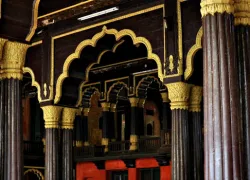
About The Tipus Palace The Tipu Sultan's Summer Palace, commonly known as the Tipu's Palace, is a historical monument located in the bustling city of Bangalore, Karnataka. This majestic palace was built in 1791 by Tipu Sultan, the ruler of the Kingdom of Mysore, as his summer retreat. The palace is an architectural marvel that showcases the blend of Indo-Islamic architecture and features stunning ornamental frescoes, intricately carved pillars, and beautiful arches. Timings Of Tipus Palace The Tipu's Palace is open to visitors from 10:00 AM to 6:00 PM on all days of the week, except on Sundays. Entry Fee The entry fee for Indian nationals is INR 15, while for foreign nationals, it is INR 200. Required Time And Restricted Items It takes approximately an hour to explore the Tipu's Palace thoroughly. Visitors are not allowed to carry any food items, cameras, or mobile phones inside the palace premises. Architecture Of Tipus Palace The Tipu's Palace is a fine example of Islamic architecture with influences of Hindu and Persian styles. The structure is made of teak wood and stands adorned with exquisite floral patterns and geometric designs. The palace's grandeur lies in its elegant arches, majestic pillars, and intricately designed interiors. Best Time To Visit The best time to visit Tipu's Palace is during the winter months, from October to March, when the weather is pleasant and ideal for exploring the historical site. How To Reach The Tipu's Palace is located in the heart of Bangalore city and is easily accessible by public transport such as buses, autos, and taxis. Visitors can also opt for private transport or cabs to reach the palace. History Of Tipus Palace Tipu Sultan commissioned the construction of the palace in 1781, primarily as a summer retreat for himself and his family. The palace served as a symbol of the ruler's opulence and grandeur. It was later used by the British as a secretariat, and eventually, it was converted into a museum showcasing artifacts and relics from Tipu Sultan's era. Inside Tipus Palace Inside the Tipu's Palace, visitors can witness the elaborate interiors adorned with intricate carvings, colorful frescoes, and beautiful wooden ceilings. The palace also houses a museum that displays weapons, coins, clothes, and other belongings of Tipu Sultan and his family. Traveling Tips It is advisable to wear comfortable footwear as visitors are required to walk quite a bit inside the palace premises. It is also recommended to carry a bottle of water to stay hydrated during the tour of the palace. Hotels Near Tipus Palace There are several accommodation options near Tipu's Palace that cater to different budget preferences. Some of the hotels near the palace include The Lalit Ashok, Taj West End, ITC Gardenia, and The Oberoi. Nearby Tourist Spots Of Tipus Palace Visitors can explore other attractions near Tipu's Palace, such as the Bangalore Palace, Lalbagh Botanical Gardens, Cubbon Park, and the Vidhana Soudha. These tourist spots offer a glimpse into the rich history and culture of Bangalore.
Explore More
About The Bangalore Palace The Bangalore Palace is a magnificent royal palace located in the heart of Bangalore city in the state of Karnataka, India. It was built in the year 1887 by Chamaraja Wadiyar, the King of Mysore. The palace is known for its stunning architecture, resembling the Windsor Castle in England. It is spread over an area of 45000 square feet and is one of the most iconic landmarks of the city. Timings Of Bangalore Palace The Bangalore Palace is open to visitors every day of the week from 10:00 am to 5:30 pm. It is advisable to check the official website or contact the palace authorities for any changes in the timings before planning your visit. Entry Fee The entry fee for Bangalore Palace is INR 230 for Indian nationals and INR 460 for foreign nationals. There is an additional fee for photography and videography inside the palace premises. Required Time And Restricted Items On average, it takes around 2-3 hours to explore the entire Bangalore Palace. Visitors are not allowed to carry any food items, large bags, or pets inside the palace. It is recommended to carry a water bottle and wear comfortable footwear as there is a lot of walking involved. Architecture Of Bangalore Palace The architecture of Bangalore Palace is a unique blend of Tudor and Scottish Gothic styles. The palace is adorned with beautiful wood carvings, floral motifs, and stained glass windows. The interiors feature elegant chandeliers, intricate ceiling paintings, and antique furniture. The sprawling palace grounds are landscaped with lush green gardens and fountains, adding to its grandeur. Best Time To Visit The best time to visit Bangalore Palace is during the winter months from October to March when the weather is pleasant and favorable for sightseeing. It is also recommended to visit early in the morning to avoid crowds and get the best experience of the palace. How To Reach Bangalore Palace is easily accessible by various modes of transportation. The nearest railway station is Bangalore City Junction, which is around 3 km away. The nearest airport is Kempegowda International Airport, which is approximately 35 km from the palace. Visitors can also hire taxis, auto-rickshaws, or use public buses to reach the palace. History Of Bangalore Palace The Bangalore Palace was initially owned by Reverend J. Garrett, who sold it to the Mysore royal family in 1873. The palace was later constructed by King Chamaraja Wadiyar in 1887 as a private residence for the royal family. Over the years, the palace has hosted several royal events, concerts, and exhibitions, showcasing the rich cultural heritage of Karnataka. Inside Bangalore Palace Inside Bangalore Palace, visitors can explore the various chambers and rooms adorned with royal artifacts, vintage photographs, and memorabilia of the Wadiyar dynasty. The Durbar Hall, Ballroom, and Dining Hall are some of the highlights of the palace. The palace also houses a museum showcasing the history and lifestyle of the royal family. Traveling Tips It is advisable to wear modest clothing and maintain decorum while visiting the Bangalore Palace out of respect for the royal heritage. Visitors are encouraged to follow the guidelines and instructions provided by the palace authorities for a smooth and enjoyable experience. Carry a valid photo ID for ticket verification during entry. Hotels Near Bangalore Palace There are several hotels near Bangalore Palace that offer comfortable accommodation options for tourists. Some of the popular hotels in the vicinity include The Lalit Ashok Bangalore, The Chancery Pavilion, Taj MG Road Bengaluru, and Sheraton Grand Bangalore Hotel at Brigade Gateway. Nearby Tourist Spots Of Bangalore Palace There are several tourist spots near Bangalore Palace that visitors can explore during their visit. Some of the popular attractions include Cubbon Park, Vidhana Soudha, Lalbagh Botanical Garden, Tipu Sultan's Summer Palace, and UB City Mall. These places offer a glimpse of the rich culture, history, and modern lifestyle of Bangalore city.
Explore More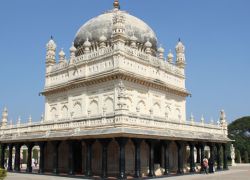
About The Srirangapatnam Srirangapatnam, located near Mysore in the southern state of Karnataka, is a historic town known for its ancient temples, monuments, and rich cultural heritage. The town is situated on an island formed by the river Kaveri and is famous for its stunning natural beauty and architectural marvels. Timings Of Srirangapatnam The Srirangapatnam town is open to visitors from 8:30 AM to 5:30 PM on all days of the week. Entry Fee The entry fee for Srirangapatnam varies for Indian and foreign tourists. Indian tourists need to pay INR 15 per person, while foreign tourists are required to pay INR 200 per person. Required Time And Restricted Items It is recommended to spend at least half a day exploring the town of Srirangapatnam to fully experience its attractions. Visitors are advised not to carry any weapons, inflammable items, or alcohol inside the premises. Architecture Of Srirangapatnam Srirangapatnam is home to some magnificent examples of Vijayanagar and Hoysala style architecture. The town is dotted with temples, palaces, and forts that showcase the rich cultural heritage of the region. Best Time To Visit The best time to visit Srirangapatnam is during the winter months of October to March when the weather is pleasant and ideal for sightseeing. How To Reach Srirangapatnam is well-connected by road and rail. The nearest airport is Mysore Airport, located around 15 kilometers away. Visitors can also reach Srirangapatnam by taking a train to Mysore Junction and then a short drive to the town. History Of Srirangapatnam Srirangapatnam has a rich historical significance and was the capital of the Kingdom of Mysore under the rule of Tipu Sultan. The town witnessed several battles and conflicts during the British colonial era, making it a prominent landmark in Indian history. Inside Srirangapatnam Inside Srirangapatnam, visitors can explore iconic sites such as the Sriranganathaswamy Temple, Dariya Daulat Bagh (Summer Palace), Gumbaz Mausoleum, and Tipu Sultan's Fort. Each of these attractions offers a glimpse into the town's glorious past and architectural brilliance. Traveling Tips It is advisable to wear comfortable clothing and footwear while visiting Srirangapatnam as there is a fair amount of walking involved. Visitors should also carry water, sunscreen, and a camera to capture the beauty of the town. Hotels Near Srirangapatnam Some of the hotels near Srirangapatnam include: 1. The Serai Kabini 2. The Windflower Resort and Spa 3. The Lalitha Mahal Palace Hotel 4. Hotel Sandesh The Prince 5. Hotel Radisson Blu Plaza Hotel Mysore Nearby Tourist Spots Of Srirangapatnam Some of the nearby tourist spots near Srirangapatnam include Mysore Palace, Chamundi Hill, Brindavan Gardens, and Ranganathittu Bird Sanctuary. These attractions offer a diverse range of experiences for visitors to explore and enjoy.
Explore More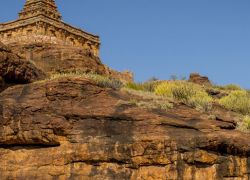
About The Badami Fort The Badami Fort is a historic fortress located in the town of Badami in Karnataka, India. It is situated on a hilltop overlooking the beautiful Agastya Lake and the surrounding town. The fort is an architectural marvel that showcases the rich history and cultural heritage of the region. Built in the 6th century, the Badami Fort served as a strategic stronghold for various rulers and has witnessed numerous battles and conquests over the centuries. Timings Of Badami Fort The Badami Fort is open to visitors every day of the week from 10:00 AM to 5:30 PM. Entry Fee The entry fee for visiting the Badami Fort is INR 25 for Indian nationals and INR 300 for foreign tourists. Required Time And Restricted Items It typically takes around 1-2 hours to explore the Badami Fort thoroughly. Visitors are not allowed to carry food, plastic items, or weapons inside the fort premises. Architecture Of Badami Fort The Badami Fort showcases a unique blend of Chalukyan and Dravidian architectural styles. The fort complex includes several temples, granaries, water tanks, and watchtowers. The intricate carvings and sculptures on the temple walls depict various mythological stories and religious motifs. Best Time To Visit The best time to visit the Badami Fort is during the winter months of October to March when the weather is pleasant and ideal for sightseeing. It is advisable to avoid visiting during the scorching summer months. How To Reach Badami is well-connected by road and rail networks. The nearest railway station is in the town of Badami itself, and the nearest airport is in Hubli, approximately 105 kilometers away. Visitors can also hire taxis or take buses from neighboring cities like Bangalore and Hyderabad to reach Badami. History Of Badami Fort The Badami Fort was built by the Chalukya dynasty in the 6th century, and it served as their capital for several centuries. The fort changed hands multiple times between different rulers like the Rashtrakutas, the Hoysalas, and the Vijayanagara Empire. It was finally abandoned in the 16th century and fell into ruins before being restored by the Archaeological Survey of India. Inside Badami Fort Inside the Badami Fort, visitors can explore the various temples like the Malegitti Shivalaya Temple, the Lad Khan Temple, and the Bhutanatha Temple. The fort offers panoramic views of the surrounding landscape, including the Agastya Lake and the Badami Caves. Visitors can also witness the remnants of the fortification walls, bastions, and defense mechanisms that once protected the fortress. Traveling Tips It is advisable to wear comfortable footwear and carry sufficient water while visiting the Badami Fort as there is a fair amount of walking involved. It is also recommended to hire a local guide to learn more about the history and significance of the fort. Visitors should also be respectful of the religious sentiments and cultural heritage of the place. Hotels Near Badami Fort Some of the hotels near the Badami Fort are: Hotel Mayura Chalukya Hotel Anugraha Hotel Badami Court Krishna Heritage Hotel Badami Heritage Resort Nearby Tourist Spots Of Badami Fort Some of the nearby tourist spots that can be visited along with the Badami Fort are: Badami Caves Agastya Lake Banashankari Temple Aihole Temples Pattadakal Temples
Explore More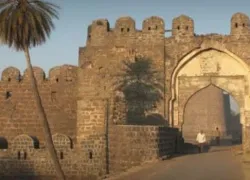
About The Kittur Fort And Palace The Kittur Fort and Palace is a historic landmark located in Belgaum, Karnataka. It holds significant cultural and historical importance in the region. The fort and palace complex showcase the rich architectural heritage of the region and attract tourists and history enthusiasts alike. Timings Of Kittur Fort And Palace The Kittur Fort and Palace are open to visitors from 9:00 AM to 6:00 PM on all days of the week. Entry Fee The entry fee to visit the Kittur Fort and Palace is INR 20 for Indian nationals and INR 200 for foreign nationals. Required Time And Restricted Items It takes approximately 1-2 hours to explore the entire Kittur Fort and Palace complex. Visitors are not allowed to carry food items, pets, or any kind of photography equipment inside the premises. Architecture Of Kittur Fort And Palace The Kittur Fort and Palace boast a unique blend of Indo-Saracenic and Gothic architectural styles. The intricate carvings, spacious courtyards, and majestic pillars are a testament to the craftsmanship of the artisans of that era. Best Time To Visit The best time to visit the Kittur Fort and Palace is during the winter months between October and March when the weather is pleasant and suitable for sightseeing. How To Reach The Kittur Fort and Palace are located in Belgaum, Karnataka, and can be easily reached by road. Belgaum has a well-connected network of roads, and visitors can hire a taxi or take a bus to reach the fort and palace. History Of Kittur Fort And Palace The Kittur Fort and Palace have a rich historical background dating back to the 12th century. The fort served as a strategic stronghold for various rulers and witnessed several battles and conquests over the centuries. Inside Kittur Fort And Palace Inside the Kittur Fort and Palace, visitors can explore the Durbar Hall, royal chambers, armory, and mosques. The palace complex also houses a museum showcasing artifacts and relics from the past. Traveling Tips It is advisable to wear comfortable footwear and carry drinking water while exploring the Kittur Fort and Palace. Visitors should also adhere to the rules and regulations laid down by the authorities for a pleasant experience. Hotels Near Kittur Fort And Palace Some of the hotels near Kittur Fort and Palace in Belgaum are: Hotel Presidency Hotel Sankam Residency Hotel Pavan Hotel Eefa Nearby Tourist Spots Of Kittur Fort And Palace Some of the nearby tourist attractions that visitors can explore after visiting the Kittur Fort and Palace are: Belgaum Fort Gokak Falls Shri Ramdev Temple Jamboti Hills
Explore More
About The Parasgad Fort The Parasgad Fort is a historical fort located in Belgaum, Karnataka. It is a popular tourist destination known for its rich history and stunning architecture. The fort offers panoramic views of the surrounding area, making it a must-visit for history buffs and nature lovers alike. Timings Of Parasgad Fort The Parasgad Fort is open to visitors from 9:00 AM to 6:00 PM on all days of the week. Entry Fee There is no entry fee to visit the Parasgad Fort, making it a budget-friendly attraction for tourists. Required Time And Restricted Items It is recommended to spend at least 2-3 hours exploring the Parasgad Fort. Visitors are advised not to carry any food items or plastic bags inside the fort to maintain its cleanliness. Architecture Of Parasgad Fort The Parasgad Fort boasts of impressive architecture featuring intricate carvings, sturdy walls, and strategic gateways. The fort is a fine example of medieval Indian military architecture and offers a glimpse into the region's historical past. Best Time To Visit The best time to visit the Parasgad Fort is during the winter months from October to March when the weather is pleasant and ideal for sightseeing. How To Reach The Parasgad Fort is easily accessible by road from Belgaum city. Visitors can hire a taxi or take a local bus to reach the fort premises. The nearest railway station is Belgaum Railway Station, located approximately 10 kilometers away from the fort. History Of Parasgad Fort The Parasgad Fort has a long and storied history dating back to the medieval era. It was originally built by the Maratha rulers and later came under the control of various dynasties. The fort played a significant role in the region's defense and witnessed many battles and sieges over the centuries. Inside Parasgad Fort Inside the Parasgad Fort, visitors can explore ancient temples, reservoirs, and watchtowers. The fort also houses a small museum showcasing artifacts and exhibits related to its history. The panoramic views from the top of the fort are truly breathtaking and offer a unique perspective of the surrounding landscape. Traveling Tips It is advisable to wear comfortable footwear as the terrain inside the fort can be uneven. Visitors should carry an adequate supply of water and sunscreen to stay hydrated and protected from the sun. It is important to respect the historical significance of the fort and avoid littering or causing any damage to the property. Hotels Near Parasgad Fort There are several hotels and accommodations near Parasgad Fort where visitors can stay overnight. Some of the popular hotels in the area include Hotel Sankam Residency, Hotel Adarsh Palace, and Hotel Surya Yatri Niwas. Nearby Tourist Spots Of Parasgad Fort After visiting the Parasgad Fort, tourists can explore other nearby attractions such as Belgaum Fort, Kapileshwara Temple, and Jamboti Hills. These tourist spots offer a glimpse into the cultural heritage and natural beauty of the region, making it a memorable travel experience for visitors.
Explore More
Baba Budangiri, also known as Dattagiri, is a prominent hill range located in the Chikmagalur district of Karnataka. Part of the Western Ghats, this region is famous for its scenic beauty, spiritual significance, and coffee plantations. It derives its name from Baba Budan, a revered Sufi saint who is credited with introducing coffee to India in the 17th century. The hills are a pilgrimage site for both Hindus and Muslims and are renowned for their unique combination of natural beauty and religious heritage. The terrain is characterized by rugged hills, lush forests, rolling coffee plantations, and streams that enhance the charm of this hill station. Baba Budangiri attracts hikers, spiritual seekers, and nature enthusiasts from across India and abroad. How to Reach Baba Budangiri, Chikmagalur, Karnataka Baba Budangiri is accessible via multiple modes of transport: By Air: The nearest airport is Kempegowda International Airport, Bangalore, located around 250 km away. From Bangalore, one can hire taxis or take buses to reach Chikmagalur. By Train: The nearest railway station is Chikmagalur Railway Station, roughly 10 km from the town center. Trains from major cities connect here, and taxis or buses are available to reach Baba Budangiri. By Road: Chikmagalur is well-connected by road to Bangalore, Mangalore, and Mysore. From Chikmagalur town, Baba Budangiri is approximately 40 km and can be accessed via local taxis or hired jeeps. The drive offers beautiful views of coffee plantations and Western Ghats hills. Weather at Baba Budangiri The climate in Baba Budangiri is generally mild and pleasant, making it suitable for year-round visits. Summer (March to May): Temperatures range between 20°C and 30°C. Ideal for trekking and sightseeing. Monsoon (June to September): The area receives heavy rainfall, turning the landscape lush green. Roads may become slippery; caution is advised. Winter (October to February): Temperatures range between 15°C and 25°C. This is the best time to visit for trekking, photography, and pilgrimage. Timings Baba Budangiri is open for visitors throughout the day. Early morning or late afternoon visits are recommended to enjoy pleasant weather and scenic views. Recommended Visiting Hours: 6:00 AM to 6:00 PM Why Baba Budangiri is Famous Spiritual significance as a pilgrimage site for both Hindus and Muslims. The birthplace of Indian coffee cultivation, introduced by Baba Budan. Scenic beauty with hills, waterfalls, and lush coffee plantations. Adventure activities like trekking and nature trails. Challenging hiking routes offering panoramic views of the Western Ghats. Flora and fauna diversity as part of the Western Ghats ecosystem. Entry and Visit Details Entry to Baba Budangiri hills is generally free. Visitors can explore trekking trails, shrines, and scenic spots without any entry fee. However, hiring local guides or jeep services is advisable for safety on challenging terrains. Facilities Available: Basic parking at the base. Local eateries and tea stalls near the trekking start point. Guided tours and nature trails provided by local operators. Accommodation in Chikmagalur town or nearby resorts. History and Cultural Significance Baba Budangiri has a rich cultural and religious history. It is named after the Sufi saint Baba Budan, who is believed to have brought coffee seeds from Yemen to India in the 17th century. A shrine dedicated to him attracts devotees from all over India. The hills also have Hindu temples, including a shrine dedicated to Dattatreya, reflecting the region's syncretic traditions. The hills have historically been part of trade and pilgrimage routes in the Western Ghats. The integration of coffee cultivation has had a lasting economic and cultural impact on the region. Things to Do at Baba Budangiri Trekking: Multiple trails range from moderate to challenging, including a trek to the peak of Baba Budangiri for sunrise views. Birdwatching: The Western Ghats host a variety of bird species, making it ideal for bird enthusiasts. Photography: Capture scenic landscapes, coffee plantations, waterfalls, and misty hills. Spiritual Visits: Explore the shrines and temples, attend rituals, and experience the spiritual ambiance. Nature Walks: Explore the surrounding forests, streams, and flora along easy trails. Waterfalls: Visit nearby Hebbe Falls, a famous waterfall located close to Baba Budangiri. Interesting Facts about Baba Budangiri Named after Baba Budan, the Sufi saint who introduced coffee to India. The area is part of the Western Ghats, a UNESCO World Heritage site. Contains a cave associated with Baba Budan where he meditated. Popular for the unique blending of Hindu and Islamic religious traditions. Hosts seasonal festivals attracting pilgrims from across the country. Offers some of the most scenic sunrise and sunset views in Karnataka. Travel Tips for Visiting Baba Budangiri Wear comfortable trekking shoes and light clothing for day hikes. Carry water, snacks, and a raincoat during the monsoon season. Hire local guides for difficult trails for safety. Visit during winter months (October to February) for the best experience. Respect religious sites and follow local customs. Carry binoculars and cameras for birdwatching and photography. Plan early morning trips for the sunrise view from the peak. Check weather conditions before planning trekking trips. Conclusion Baba Budangiri, Chikmagalur, Karnataka, is a unique destination that combines natural beauty, spiritual significance, and adventure opportunities. From trekking through misty hills and exploring coffee plantations to visiting sacred shrines, this hill range offers a diverse experience for tourists, pilgrims, and nature enthusiasts. Its rich history, ecological importance, and panoramic vistas make it a must-visit destination in Karnataka.
Explore More
About The Bellary Fort The Bellary Fort, also known as the Bellary Kote, is a historical fort situated in the city of Bellary in the Indian state of Karnataka. The fort holds great historical significance and is a popular tourist attraction in the region. Timings Of Bellary Fort The Bellary Fort is open for visitors from 9:00 AM to 6:00 PM every day of the week. Entry Fee There is no entry fee to visit the Bellary Fort, making it accessible to all visitors. Required Time And Restricted Items It is recommended to allocate at least 2 hours to explore the Bellary Fort thoroughly. Visitors are not allowed to carry food items, beverages, or any kind of sharp objects inside the fort premises. Architecture Of Bellary Fort The Bellary Fort showcases a unique blend of architectural styles, combining elements of both Hindu and Islamic designs. The fort's walls are made of stone, and it features intricately carved pillars, domes, and arches. Best Time To Visit The ideal time to visit the Bellary Fort is during the winter months, from October to March, when the weather is pleasant and suitable for exploring the fort and its surroundings. How To Reach The Bellary Fort is located in the heart of Bellary city and is easily accessible by road. Visitors can reach the fort by hiring a taxi or taking a local bus from the Bellary bus stand or railway station. History Of Bellary Fort The Bellary Fort has a rich history dating back to the 16th century when it was built by the Vijayanagara Empire. Over the years, the fort has seen various rulers, including the Marathas, the Nayakas, and the British, each leaving their mark on its architecture. Inside Bellary Fort Inside the Bellary Fort, visitors can explore the Ranganatha Swamy Temple, the Hanuman Temple, the Jamia Masjid, and the Kote Anjaneya Temple. The fort also offers panoramic views of the city from its ramparts. Traveling Tips It is advisable to wear comfortable footwear as there is a fair amount of walking involved while exploring the Bellary Fort. Visitors should also carry sufficient water and sunscreen to stay hydrated and protected from the sun. Hotels Near Bellary Fort There are several hotels near the Bellary Fort where visitors can stay during their visit. Some of the popular hotels in the vicinity include Hotel The Royal Fort, Hotel Ashoka Residency, and Hotel Pola Paradise. Nearby Tourist Spots Of Bellary Fort Other popular tourist attractions near the Bellary Fort include the Bellary Zoo, the Sandur Palace, the Kumbara Gudda Hill, and the Daroji Bear Sanctuary. Visitors can explore these sites to make the most of their trip to Bellary.
Explore More
Kappagallu, located in the city of Bellary, is a hidden gem waiting to be explored by nature enthusiasts, birdwatchers, and wildlife lovers. This picturesque hotspot offers a serene escape into the natural world, boasting a rich biodiversity and stunning landscapes that captivate visitors from near and far. History of Kappagallu With a fascinating historical background, Kappagallu was once a royal hunting ground that has since been transformed into a conservation area to protect its diverse flora and fauna. The efforts to preserve this natural habitat have garnered recognition, making Kappagallu a significant site for conservationists and nature lovers alike. Architecture and Natural Beauty of Kappagallu Kappagallu is renowned for its lush wetlands, dense forests, expansive grasslands, and diverse bird habitats. The park is home to the historic Keoladeo Temple, adding a cultural touch to its natural beauty and providing a tranquil setting for visitors to explore and admire. Why is Kappagallu Famous? Kappagallu has gained popularity among birdwatchers, photographers, and wildlife enthusiasts due to its abundance of avian species, breathtaking landscapes, and peaceful ambiance. The park offers a unique opportunity to witness migratory birds in their natural habitat, making it a must-visit destination for nature lovers. How to Reach Kappagallu Traveling to Kappagallu is convenient, with options to reach the hotspot by air, rail, or road. The nearest airports and railway stations provide easy access to the city of Bellary, from where visitors can embark on a short journey to reach Kappagallu and immerse themselves in its natural splendor. Weather and Best Time to Visit Kappagallu Kappagallu experiences varying weather conditions throughout the year, with summers being warm, monsoons bringing lush greenery, and winters offering a pleasant climate. The best time to visit Kappagallu is during the winter months when the weather is ideal for exploring the park and observing its wildlife. Timings of Kappagallu Kappagallu welcomes visitors during specified timings, allowing them to enjoy the park's beauty and tranquility. Seasonal variations may affect the operational hours, so it is advisable to plan your visit accordingly to make the most of your time at this natural paradise. Entry Fee and Visit Details Visitors to Kappagallu can avail of entry procedures that facilitate their exploration of the park. Guide services, safari options, bicycle rentals, and visitor facilities are available to enhance the visitor experience and ensure a memorable stay amidst the natural wonders of Kappagallu. Things to Do at Kappagallu At Kappagallu, there are a plethora of activities to indulge in, from birdwatching and photography to cycling and walking trails. Nature enthusiasts can engage in observing the diverse wildlife, capturing stunning moments, and immersing themselves in the serenity of the surroundings for an enriching experience. Interesting Facts About Kappagallu Kappagallu is teeming with fascinating facts, from its migratory bird population to its conservation achievements and ecological significance. Visitors can learn about the park's contribution to biodiversity conservation and appreciate the delicate balance of nature that thrives within its boundaries. Travel Tips for Visiting Kappagallu When planning a trip to Kappagallu, it is essential to pack suitable clothing, carry photography equipment, and be prepared for birdwatching adventures. Understanding the best visiting seasons and practicing responsible tourism will ensure a fulfilling and sustainable experience at this natural sanctuary. Conclusion In conclusion, Kappagallu in Bellary stands out as a haven for nature lovers seeking solace in the midst of diverse landscapes and abundant wildlife. Its historical significance, natural beauty, and conservation efforts make it a destination worth exploring, offering visitors a glimpse into the wonders of the natural world.
Explore More
About The Srirangapatna Fort The Srirangapatna Fort is a historical fort located in the town of Srirangapatna in the state of Karnataka, India. The fort is known for its rich history and architectural significance, making it a popular tourist destination. Timings Of Srirangapatna Fort The Srirangapatna Fort is open to visitors from 10:00 am to 6:00 pm on all days of the week. Entry Fee The entry fee for visiting the Srirangapatna Fort is INR 15 for Indian nationals and INR 200 for foreign nationals. Required Time And Restricted Items It is recommended to allocate at least 2-3 hours to explore the Srirangapatna Fort thoroughly. Visitors are not allowed to carry food, pets, or weapons inside the fort premises. Architecture Of Srirangapatna Fort The Srirangapatna Fort showcases a unique blend of Indo-Islamic architecture, featuring intricate carvings, ornate domes, and majestic gateways. The fort is surrounded by a moat and has multiple bastions and watchtowers. Best Time To Visit The best time to visit Srirangapatna Fort is during the winter months of October to February when the weather is pleasant and conducive for exploring the fort. How To Reach Srirangapatna Fort is easily accessible by road from nearby cities like Mysore and Bangalore. The nearest railway station is in Srirangapatna town, and the closest airport is in Mysore. History Of Srirangapatna Fort The Srirangapatna Fort has a storied past, having been built in the 15th century by the Vijayanagara Empire. It later came under the control of the Mysore Kingdom and played a significant role in the battles fought by Tipu Sultan against the British. Inside Srirangapatna Fort Inside the Srirangapatna Fort, visitors can explore various attractions such as the dungeons, the Ranganathaswamy Temple, Tipu Sultan's Summer Palace, and the Gumbaz Mausoleum. The fort offers panoramic views of the surrounding landscape. Traveling Tips It is advisable to wear comfortable footwear as the fort premises involve a fair amount of walking. Visitors should also carry sufficient water and sunscreen, especially during the hot summer months. Hotels Near Srirangapatna Fort There are several hotels and guesthouses located near Srirangapatna Fort, offering a range of accommodation options to suit different budgets. Some of the popular hotels include Hotel Mayura River View, Young Island Resorts, and Hotel Kumuda The Castle. Nearby Tourist Spots Of Srirangapatna Fort Some of the nearby tourist spots worth visiting include the Daria Daulat Bagh (Summer Palace of Tipu Sultan), Gumbaz Mausoleum, Sri Ranganathaswamy Temple, and the Sangam (confluence) of the Kaveri and Lokapavani rivers.
Explore More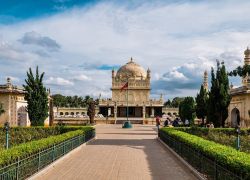
Welcome to the historical city of Srirangapatna, home to the majestic Tipu Sultan Summer Palace. This enchanting tourist attraction not only holds significant historical value but also boasts a rich biodiversity and natural beauty that attracts visitors from far and wide. History of Tipu Sultan Summer Palace Steeped in history, the Tipu Sultan Summer Palace dates back to the era of the legendary ruler Tipu Sultan. Originally serving as a retreat during the scorching summer months, this palace stands as a testament to the opulence and grandeur of the bygone era. Once a part of the royal hunting grounds, today it stands as a symbol of conservation efforts to preserve the heritage of Srirangapatna. Its historical importance has garnered recognition from UNESCO, further solidifying its place as a must-visit destination. Architecture and Natural Beauty of Tipu Sultan Summer Palace Surrounded by lush wetlands, verdant forests, and sprawling grasslands, the Tipu Sultan Summer Palace offers a mesmerizing blend of architectural splendor and natural beauty. The palace grounds are home to diverse bird habitats, providing a haven for birdwatchers and nature enthusiasts alike. Adding to its allure is the historic Keoladeo Temple nestled within the park, adding a spiritual touch to the serene landscapes. Why is Tipu Sultan Summer Palace Famous? The Tipu Sultan Summer Palace has gained fame for its picturesque landscapes, making it a haven for birdwatchers, photographers, and wildlife lovers. The abundance of avian species, coupled with the tranquil ambiance, creates a paradise for those seeking to connect with nature in its purest form. How to Reach Tipu Sultan Summer Palace Traveling to the Tipu Sultan Summer Palace is convenient, with options available by air, rail, and road. The nearest airports are located in nearby cities, with well-connected railway stations providing easy access for visitors. Whether you choose to embark on a scenic road trip or opt for a quick flight, reaching this historic site is a journey worth undertaking. Weather and Best Time to Visit Tipu Sultan Summer Palace The weather at Tipu Sultan Summer Palace varies across seasons, with summer bringing warm temperatures, monsoon offering lush greenery, and winter providing a cool and pleasant climate. The best time to visit is during the winter months when the weather is ideal for exploring the palace grounds and enjoying the natural beauty in full bloom. Timings of Tipu Sultan Summer Palace The Tipu Sultan Summer Palace welcomes visitors during specified timings, ensuring an enriching experience for all. Seasonal variations may affect the operating hours, so it is advisable to plan your visit accordingly. Whether you prefer the serenity of early mornings or the charm of twilight, the palace offers a timeless experience for all. Entry Fee and Visit Details Entry to the Tipu Sultan Summer Palace is subject to nominal fees, with additional services such as guide assistance, safari options, and bicycle rentals available for a more personalized experience. Visitor facilities are well-maintained, ensuring a comfortable and memorable visit for all guests. Things to Do at Tipu Sultan Summer Palace Embark on a journey of discovery at the Tipu Sultan Summer Palace with a myriad of activities to engage in. From birdwatching to photography, cycling to walking trails, the palace offers a range of experiences for nature enthusiasts. Immerse yourself in the beauty of the surroundings, soak in the tranquility, and relish the educational opportunities that await. Interesting Facts About Tipu Sultan Summer Palace Did you know that the Tipu Sultan Summer Palace is a favored destination for migratory birds, adding to its ecological significance? The palace's commitment to conservation efforts has led to notable achievements in preserving biodiversity and promoting sustainable practices. Explore these fascinating facts and more as you delve into the rich heritage of this historical site. Travel Tips for Visiting Tipu Sultan Summer Palace When planning your visit to the Tipu Sultan Summer Palace, remember to pack light clothing for the summer months and carry adequate gear for birdwatching and photography. The best time to visit is during the winter season, ensuring a pleasant and enjoyable experience. Embrace responsible tourism practices and respect the natural surroundings to make the most of your trip. Conclusion In conclusion, the Tipu Sultan Summer Palace in Srirangapatna stands as a jewel in the crown of historical landmarks, offering a blend of heritage, natural beauty, and recreational opportunities. Whether you are a history buff, a nature lover, or a photography enthusiast, this destination promises an unforgettable experience that celebrates the essence of Srirangapatna's charm. Plan your visit to the Tipu Sultan Summer Palace and immerse yourself in a world where the past meets the present in perfect harmony.
Explore MoreBangalore - Mysore - Ooty - Bangalore Tour 4 Night 5 Days
5 Days/ 4 Night
Bangalore - Mysore - Ooty
Mysore-Ooty-Kodaikanal-Madurai-Rameshwaram-Kanyakumari-Trivandrum Tour 8 Night 9 Days
9 Days/ 8 Night
Mysore - Coonoor - Kanyakumari - Kodaikanal - Madurai - Ooty - Rameshwaram
Bangalore - Coorg - Bangalore Tour 2 Night 3 Days
3 Days/ 2 Night
Coorg - Madikeri
Mysuru 1N - Coorg 2N - Ooty N Tour
6 Days/ 5 Night
Coorg - Mysore - Ooty
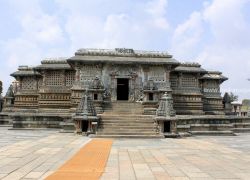
Chennakesava Temple, located in Belur, is a mesmerizing tourist attraction that draws visitors from far and wide. The temple is renowned for its intricate architecture, rich history, and serene natural surroundings, making it a must-visit destination for history buffs, architecture enthusiasts, and spiritual seekers alike. History of Chennakesava Temple The history of Chennakesava Temple dates back to ancient times, showcasing the exquisite craftsmanship of the Hoysala Empire. Built as a dedication to Lord Vishnu, the temple stands as a symbol of architectural brilliance and artistic mastery. Originally a royal hunting ground, the temple area has transformed into a conservation site, with efforts to preserve its cultural heritage recognized by UNESCO. Architecture and Natural Beauty of Chennakesava Temple Surrounded by lush wetlands, verdant forests, and diverse bird habitats, Chennakesava Temple offers a harmonious blend of historical marvels and natural beauty. The temple's intricate carvings, majestic pillars, and ornate sculptures are a testament to the Hoysala architectural style. Within the temple complex lies the historical Keoladeo Temple, adding to the spiritual aura of the site. Why is Chennakesava Temple Famous? Chennakesava Temple is a haven for birdwatchers, photographers, nature enthusiasts, and wildlife lovers. The temple's serene ambiance, coupled with its biodiversity, makes it a popular spot for those seeking solace in nature and exploring the rich avian life that thrives in the surroundings. How to Reach Chennakesava Temple Traveling to Chennakesava Temple is convenient, with various options available. Visitors can reach Belur by air, rail, or road, with nearby airports and railway stations providing easy access to the city. The well-connected road network ensures a smooth journey for tourists exploring the region. Weather and Best Time to Visit Chennakesava Temple The weather at Chennakesava Temple varies throughout the year, with distinct seasons offering unique experiences. While summer can be hot, the monsoon brings lush greenery, and winter offers pleasant temperatures, making it an ideal time to visit. The best months to explore the temple are typically during the cooler seasons. Timings of Chennakesava Temple Chennakesava Temple welcomes visitors during specified timings, allowing them to explore the architectural marvel and natural beauty at their leisure. Seasonal variations may affect the temple's accessibility, so it is advisable to plan your visit accordingly to make the most of your time there. Entry Fee and Visit Details Visitors to Chennakesava Temple can enjoy a hassle-free entry process, with guide services available for a more immersive experience. Safari options, bicycle rentals, and other visitor facilities enhance the overall visit, providing convenience and comfort to those exploring the site. Things to Do at Chennakesava Temple There are numerous activities to indulge in at Chennakesava Temple, catering to diverse interests. From birdwatching and photography to cycling along scenic trails, visitors can immerse themselves in nature's beauty and partake in educational experiences that showcase the rich biodiversity of the region. Interesting Facts About Chennakesava Temple Chennakesava Temple is not just a historical site but also a sanctuary for migratory birds, reflecting its ecological importance. The conservation efforts undertaken to preserve the temple's heritage and biodiversity are noteworthy achievements that contribute to the site's allure and significance. Travel Tips for Visiting Chennakesava Temple When planning a visit to Chennakesava Temple, it is advisable to dress comfortably, carry essential photography equipment, and be mindful of the best seasons to explore the temple. Embracing responsible tourism practices ensures the sustainability of the site for future generations to appreciate its beauty and historical legacy. Conclusion In conclusion, Chennakesava Temple in Belur stands as a testament to the rich heritage and architectural brilliance of the region. Its natural surroundings, historical significance, and tourism importance make it a captivating destination for travelers seeking a blend of culture, history, and nature. A visit to Chennakesava Temple promises a memorable experience, offering insights into the past while immersing visitors in the tranquility of its surroundings.
Explore More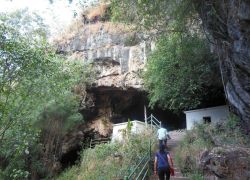
Kavala Caves – Complete Travel Guide The Kavala Caves are one of the most mysterious and spiritually significant natural attractions located in the lush forests of Dandeli, Karnataka. These ancient limestone caves are known for their deep natural formations, religious significance, and adventurous trekking experience. Situated near the dense Western Ghats, the caves are part of the beautiful region of and are surrounded by thick forests, rich wildlife, and scenic landscapes. The caves attract both pilgrims and adventure lovers due to their unique blend of mythology and nature. Known as :contentReference[oaicite:1]{index=1}, this destination is especially famous for its natural Shiva Lingam formation deep inside a narrow cave opening, which draws thousands of devotees every year. History and Mythological Significance Kavala Caves are deeply associated with Hindu mythology and are believed to be thousands of years old. According to local legends, the caves were once the meditation site of sages and saints who performed deep penance here. The most important attraction inside the cave is a naturally formed Shivling, which is continuously bathed by dripping water from the cave ceiling. Devotees believe that this water is sacred and symbolizes the divine blessing of Lord Shiva. It is also believed that the Pandavas from the Mahabharata spent time in these caves during their exile, making it a spiritually powerful location for pilgrims. Architecture and Natural Formation Unlike man-made temples, Kavala Caves are entirely natural limestone formations created over thousands of years due to water erosion. The caves feature narrow passages, steep stone steps, and deep dark interiors that require visitors to walk carefully. Inside, the cave opens into a small sanctum where the Shivling is located. The constant dripping of water from the cave ceiling creates a natural sacred atmosphere. This phenomenon is one of the most unique geological features in the region. The surrounding area is dense with forest vegetation, enhancing the raw and untouched beauty of the caves. The natural rock formations inside create a mystical and spiritual ambiance. Why Kavala Caves is Famous Kavala Caves are famous for their unique combination of spirituality, adventure, and natural beauty. The naturally formed Shivling is the main attraction, making it an important pilgrimage site for Shiva devotees. The caves are also known for their adventurous trekking route, which includes descending nearly 600 steps through dense forest terrain. This makes the journey as exciting as the destination itself. The mysterious darkness inside the caves, combined with the sound of dripping water, creates an unforgettable spiritual experience. How to Reach Kavala Caves Reaching Kavala Caves requires a short trek through forested terrain, making the journey adventurous and scenic. By Air: The nearest airport is Hubli Airport, located around 75 km away. From there, taxis and buses are available to reach Dandeli. By Train: The nearest railway station is Alnavar Junction, which is well connected to major cities in Karnataka. From Alnavar, visitors can hire taxis to reach Dandeli. By Road: Dandeli is well connected to major cities like Bangalore, Goa, and Hubli. Regular KSRTC buses and private vehicles operate frequently. From Dandeli town, Kavala Caves are located inside the forest area and require trekking along marked paths and steps. Weather at Kavala Caves The region experiences a tropical monsoon climate. Summers (March to May) are warm and humid, while monsoon season (June to September) brings heavy rainfall, making the forest extremely lush but slippery. Winters (October to February) are the best time to visit, with pleasant temperatures ranging from 15°C to 28°C. The weather during this time is ideal for trekking and exploring the caves safely. Timing and Entry Details Kavala Caves are generally open from 9:00 AM to 5:00 PM. Entry is regulated by forest authorities to ensure safety and environmental protection. A small entry fee may be applicable, which is used for maintenance and conservation of the forest area. Visitors are advised to check local rules before planning their visit. Things to Do at Kavala Caves Visitors can enjoy a variety of experiences at Kavala Caves. The most popular activity is trekking through the dense forest trail leading to the cave entrance. Inside the cave, visitors can witness the naturally formed Shivling and experience the spiritual atmosphere created by dripping water and echoing cave sounds. Nature lovers can explore the surrounding forest, which is home to diverse flora and fauna. Birdwatching and photography are also popular activities in this region. Adventure seekers can enjoy the challenging steps and rugged terrain that lead to the caves. Interesting Facts About Kavala Caves The Shivling inside the cave is naturally formed and continuously bathed by water droplets from the cave ceiling. The caves are believed to be linked to ancient Hindu mythology and possibly the Mahabharata era. The descent of nearly 600 steps makes it one of the more physically engaging pilgrimage sites in Karnataka. The caves remain completely dark inside, requiring visitors to rely on torchlight or natural guidance. The surrounding Western Ghats region is recognized as one of the biodiversity hotspots in the world. Travel Tips for Visitors Visitors should wear comfortable trekking shoes and carry drinking water. Flashlights or mobile torches are useful for navigating inside the caves. Avoid visiting during heavy monsoon rains due to slippery steps and safety concerns. It is recommended to go in groups or with local guides for better safety and understanding. Respect the religious significance of the site and avoid disturbing natural formations inside the caves. Conclusion Kavala Caves are a perfect blend of spirituality, adventure, and natural beauty. The sacred Shivling, mystical cave formations, and thrilling trek make it a must-visit destination in Dandeli. Whether you are a devotee, nature lover, or adventure seeker, Kavala Caves offer an unforgettable experience that connects you deeply with nature and spirituality.
Explore More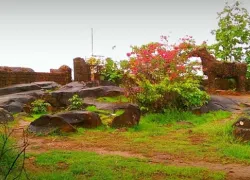
About The Sadashivgad Hill Fort Located in Karwar, Karnataka, the Sadashivgad Hill Fort is a popular tourist destination known for its historical significance and panoramic views. The fort is perched atop a hill overlooking the Arabian Sea, offering visitors a breathtaking sight of the surrounding landscape. It is a testimony to the rich history and architectural prowess of the region. Timings of Sadashivgad Hill Fort The Sadashivgad Hill Fort is open to visitors from 9:00 AM to 6:00 PM on all days of the week. It is advisable to visit the fort during the early hours to avoid the scorching heat and crowds. Entry Fee There is no entry fee to visit the Sadashivgad Hill Fort, making it accessible to all tourists and history enthusiasts. Visitors can explore the fort and its surroundings at no cost. Required Time and Restricted Items It takes approximately 1-2 hours to explore the Sadashivgad Hill Fort thoroughly. Visitors are advised not to carry any sharp objects, food items, or plastic bottles inside the fort premises. It is essential to respect the historical importance of the site and maintain its cleanliness. Architecture of Sadashivgad Hill Fort The architecture of the Sadashivgad Hill Fort reflects a blend of Maratha and Portuguese styles, showcasing the cultural influences prevalent in the region during the medieval period. The fort walls, bastions, and gateways stand as a testament to the military might and strategic importance of the structure. Best Time to Visit The best time to visit the Sadashivgad Hill Fort is during the winter months from October to March when the weather is pleasant and conducive for exploring the fort. The monsoon season from June to September offers lush greenery and a refreshing ambiance, enhancing the overall experience. How to Reach The Sadashivgad Hill Fort is easily accessible by road from Karwar town, which is well-connected to major cities like Bangalore and Mumbai. Visitors can hire a taxi or auto-rickshaw to reach the fort entrance. The nearest railway station is Karwar Railway Station, located just a few kilometers away from the fort. History of Sadashivgad Hill Fort The Sadashivgad Hill Fort holds immense historical significance as it served as a strategic outpost for various rulers, including the Marathas and the Portuguese. It played a crucial role in protecting the region from foreign invasions and naval attacks. The fort has witnessed several battles and sieges, shaping the course of history in Karwar. Inside Sadashivgad Hill Fort Inside the Sadashivgad Hill Fort, visitors can explore the ancient temples, reservoirs, granaries, and bastions that provide insights into the architectural brilliance of the bygone era. The fort offers magnificent views of the Arabian Sea, making it an ideal spot for photography and nature enthusiasts. Traveling Tips Wear comfortable footwear as the terrain inside the fort can be uneven and steep. Carry sufficient water and snacks to stay hydrated during the visit. Follow the instructions of the local guides and avoid venturing into restricted areas. Capture the scenic views from various vantage points to create lasting memories. Hotels Near Sadashivgad Hill Fort Some of the hotels near Sadashivgad Hill Fort include: 1. Karwar Beach Resort 2. Estuary View Resort 3. Sai International Hotel 4. Navaratna Deluxe Comfort 5. Hotel La Oasis Nearby Tourist Spots of Sadashivgad Hill Fort Visitors can explore the following nearby tourist spots when visiting Sadashivgad Hill Fort: 1. Devbagh Beach 2. Rabindranath Tagore Beach 3. Kurumgad Island 4. Durga Temple 5. Warship Museum
Explore More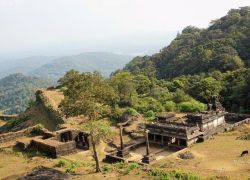
Located in the city of Shimoga, Kavaledurga Fort is a mesmerizing tourist attraction that offers a blend of historical significance and natural beauty. This ancient fort is a popular destination for history buffs, nature enthusiasts, and adventure seekers alike. Let's delve into the rich history and captivating allure of Kavaledurga Fort. History of Kavaledurga Fort Steeped in history, Kavaledurga Fort dates back to ancient times and served as a stronghold for various dynasties. Originally built as a royal hunting ground, the fort has witnessed the rise and fall of kingdoms. Its majestic structures and strategic location have attracted attention for centuries. The conservation efforts undertaken to preserve the fort's heritage have garnered UNESCO recognition, highlighting its historical importance. Architecture and Natural Beauty of Kavaledurga Fort Surrounded by lush wetlands, dense forests, and sprawling grasslands, Kavaledurga Fort boasts a diverse natural environment that supports a myriad of flora and fauna. Bird habitats thrive in the vicinity, offering a paradise for birdwatchers. The picturesque landscapes and the ancient Keoladeo Temple within the fort premises add to its architectural and natural charm, making it a must-visit destination for travelers. Why is Kavaledurga Fort Famous? Kavaledurga Fort is renowned for its enchanting beauty and historical significance. It attracts birdwatchers, photographers, nature enthusiasts, and wildlife lovers due to its rich biodiversity and stunning vistas. The fort's serene ambiance and cultural heritage make it a favorite spot for those seeking a unique and memorable experience amidst nature. How to Reach Kavaledurga Fort Traveling to Kavaledurga Fort is convenient, with options available by air, rail, and road. The nearest airports and railway stations provide easy access to this historical site, allowing visitors to embark on a journey back in time. Exploring the fort's surroundings and natural splendor is made accessible through various transportation modes. Weather and Best Time to Visit Kavaledurga Fort The weather at Kavaledurga Fort varies across seasons, offering different experiences to visitors. While summers can be warm, monsoons bring lush greenery, and winters provide a pleasant climate for exploring. The best time to visit is during the cooler months when the fort is at its scenic best, allowing for a delightful and comfortable trip. Timings of Kavaledurga Fort Kavaledurga Fort welcomes visitors during specific timings, ensuring an organized and enjoyable experience for all. Seasonal variations may affect accessibility, so it is advisable to plan your visit accordingly. Understanding the operational hours and scheduling your trip can enhance your exploration of this historical gem. Entry Fee and Visit Details Upon entry, visitors can avail themselves of guide services, safari options, and bicycle rentals to enhance their exploration of Kavaledurga Fort. The visitor facilities provided cater to the needs of tourists, offering a seamless and informative visit to this captivating destination. Understanding the entry procedures and available services can enrich your overall experience. Things to Do at Kavaledurga Fort Engage in popular activities such as birdwatching, photography, cycling, walking trails, and nature observation at Kavaledurga Fort. Immerse yourself in the serene surroundings, capturing memorable moments and discovering the rich biodiversity that thrives within the fort's vicinity. Educational experiences await those eager to delve deeper into nature's wonders. Interesting Facts About Kavaledurga Fort Kavaledurga Fort is home to a diverse range of migratory birds, showcasing the region's ecological significance. The conservation efforts undertaken within the fort premises have led to remarkable biodiversity and conservation achievements. The fort stands as a testament to the importance of preserving our natural heritage for future generations to appreciate. Travel Tips for Visiting Kavaledurga Fort When planning your visit to Kavaledurga Fort, consider appropriate clothing, essential photography equipment, and the best seasons for birdwatching. Embrace responsible tourism practices to ensure the preservation of this historical site and its natural surroundings. By following these travel tips, you can make the most of your trip to Kavaledurga Fort. Conclusion In conclusion, Kavaledurga Fort in Shimoga is a treasure trove of history, natural beauty, and cultural heritage. Its significance as a historical landmark and biodiversity hotspot makes it a sought-after destination for travelers seeking a unique experience. Explore the wonders of Kavaledurga Fort and immerse yourself in the timeless charm of this captivating site.
Explore More
Welcome to the enchanting world of Himavad Gopalaswamy Betta, located in the picturesque city of Chamarajanagar. This mesmerizing tourist attraction is a haven for nature lovers, birdwatchers, and wildlife enthusiasts, offering a perfect blend of natural beauty and biodiversity. History of Himavad Gopalaswamy Betta Steeped in history, Himavad Gopalaswamy Betta holds the legacy of being a former royal hunting ground. Over the years, concerted conservation efforts have transformed it into a sanctuary for various species. The park's rich heritage and significance have earned it recognition from UNESCO for its conservation endeavors. Architecture and Natural Beauty of Himavad Gopalaswamy Betta The park is a treasure trove of wetlands, lush forests, sprawling grasslands, and diverse bird habitats. Nestled within this natural oasis is the historic Keoladeo Temple, adding to the park's allure with its architectural charm and spiritual ambiance. Why is Himavad Gopalaswamy Betta Famous? Himavad Gopalaswamy Betta is renowned for its abundant birdlife, making it a paradise for birdwatchers and photographers. Nature enthusiasts are drawn to its serene landscapes and the opportunity to witness a wide array of wildlife in their natural habitat. How to Reach Himavad Gopalaswamy Betta Traveling to Himavad Gopalaswamy Betta is convenient with options available by air, rail, and road. The nearest airports and railway stations provide easy access to this natural marvel, ensuring a seamless journey for visitors. Weather and Best Time to Visit Himavad Gopalaswamy Betta Throughout the summer, monsoon, and winter seasons, Himavad Gopalaswamy Betta showcases its beauty in different hues. The best time to visit varies, offering unique experiences to travelers based on the season they choose to explore this captivating destination. Timings of Himavad Gopalaswamy Betta Visitor timings at Himavad Gopalaswamy Betta are designed to offer a memorable experience to all. Seasonal variations, if any, are taken into account to provide useful planning information for those looking to immerse themselves in the beauty of the park. Entry Fee and Visit Details Entry procedures at Himavad Gopalaswamy Betta are streamlined to ensure a hassle-free experience for visitors. Guide services, safari options, bicycle rentals, and other visitor facilities enhance the overall visit, making it both informative and enjoyable. Things to Do at Himavad Gopalaswamy Betta Engage in a myriad of activities at Himavad Gopalaswamy Betta, from birdwatching and photography to cycling and walking trails. Immerse yourself in nature observation and educational experiences that leave a lasting impression on your journey through this natural paradise. Interesting Facts About Himavad Gopalaswamy Betta Discover fascinating facts about the migratory birds, diverse biodiversity, conservation achievements, and the ecological significance of Himavad Gopalaswamy Betta. Each revelation adds a layer of depth to the visitor's understanding of this unique destination. Travel Tips for Visiting Himavad Gopalaswamy Betta Prepare for your visit to Himavad Gopalaswamy Betta with practical advice on clothing choices, photography essentials, birdwatching equipment, ideal visiting seasons, and responsible tourism practices. These tips ensure a fulfilling and respectful exploration of this natural wonder. Conclusion In conclusion, Himavad Gopalaswamy Betta in Chamarajanagar stands as a testament to the harmonious coexistence of nature and wildlife. Its rich history, diverse landscapes, and abundant biodiversity make it a must-visit destination for those seeking a peaceful retreat into the heart of nature.
Explore More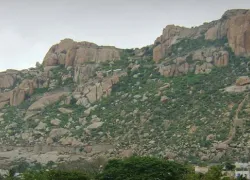
About The Pavagada Fort The Pavagada Fort is a historic fort located in the town of Pavagada in the Tumkur district of Karnataka, India. It is a popular tourist destination known for its architectural beauty and historical significance. Timings Of Pavagada Fort The Pavagada Fort is open to visitors from 9:00 AM to 6:00 PM on all days of the week. Entry Fee There is no entry fee to visit the Pavagada Fort. Required Time And Restricted Items It takes about 1-2 hours to explore the entire Pavagada Fort. Visitors are not allowed to bring any food or drinks inside the fort premises. Architecture Of Pavagada Fort The Pavagada Fort showcases a mix of Hindu and Islamic architectural styles. The fort's design includes intricate carvings, towering walls, and majestic gateways that reflect the grandeur of its past. Best Time To Visit The best time to visit the Pavagada Fort is during the winter months of October to March when the weather is pleasant and ideal for exploring the fort. How To Reach The Pavagada Fort is easily accessible by road. It is located about 130 km from Bangalore and can be reached by car or public transportation. History Of Pavagada Fort The Pavagada Fort has a rich history that dates back to the 15th century when it was built by a local chieftain named Mallapa Nayaka. The fort has witnessed many battles and changes in ownership over the centuries. Inside Pavagada Fort Inside the Pavagada Fort, visitors can explore the various structures including granaries, temples, and mosques. The fort offers panoramic views of the surrounding landscape from its walls. Traveling Tips It is advisable to wear comfortable footwear and carry drinking water while visiting the Pavagada Fort. Visitors should also be mindful of their surroundings and follow safety guidelines while exploring the fort. Hotels Near Pavagada Fort There are several hotels near the Pavagada Fort where visitors can stay during their visit. Some of the popular hotels include Hotel Amogha International, Hotel PVS Grand, and Hotel Jaya International. Nearby Tourist Spots Of Pavagada Fort Some of the nearby tourist spots of Pavagada Fort include the Madhugiri Fort, Siddara Betta, and Sri Udbhava Ganapathi Temple. These attractions offer additional exploration opportunities for visitors in the area.
Explore More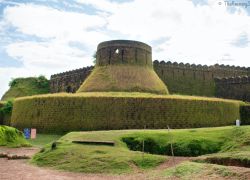
Located in Uttara Kannada, Mirjan Fort stands as a testament to the rich historical heritage of the region. This ancient fort, surrounded by natural beauty, offers a unique blend of history and scenic landscapes that attract tourists from far and wide. History of Mirjan Fort The history of Mirjan Fort dates back to ancient times, serving as a crucial strategic location for various rulers. Originally built as a defense stronghold, the fort has witnessed the rise and fall of dynasties, reflecting a bygone era of power struggles and conquests. Once a royal hunting ground, the fort has undergone significant conservation efforts to preserve its historical significance. Its remarkable cultural value has garnered recognition from UNESCO, highlighting its importance on a global scale. Architecture and Natural Beauty of Mirjan Fort Surrounded by lush wetlands, dense forests, and sprawling grasslands, Mirjan Fort offers a picturesque setting for visitors to immerse themselves in nature's beauty. The fort's serene ambiance is enhanced by the presence of diverse bird habitats, making it a paradise for birdwatchers and nature enthusiasts. Nestled within the fort's premises is the ancient Keoladeo Temple, adding a touch of spirituality to the historical site. Why is Mirjan Fort Famous? Mirjan Fort has gained popularity among birdwatchers, photographers, and wildlife lovers due to its rich biodiversity and tranquil surroundings. The fort's historical significance combined with its natural charm makes it a must-visit destination for those seeking a blend of culture and nature. How to Reach Mirjan Fort Traveling to Mirjan Fort is convenient, with various options available. Visitors can reach the fort by air, with the nearest airport being located at a manageable distance. Additionally, rail and road networks provide easy access to the fort, ensuring a seamless journey for travelers. Weather and Best Time to Visit Mirjan Fort The weather at Mirjan Fort varies across seasons, offering unique experiences throughout the year. While summers can be warm, the monsoon season brings lush greenery to the surroundings. Winter months provide pleasant weather, making it an ideal time to explore the fort. The best time to visit Mirjan Fort is during the winter season, when the climate is most favorable for outdoor activities. Timings of Mirjan Fort Visiting hours at Mirjan Fort are structured to provide visitors with ample time to explore the site comfortably. The fort's timings may vary seasonally, so it is advisable to plan your visit accordingly to make the most of your experience. Entry Fee and Visit Details Entry to Mirjan Fort is subject to nominal fees, allowing access to its historical and natural wonders. Visitors can opt for guide services to enhance their understanding of the fort's significance or choose safari options for a more immersive experience. Bicycle rentals are available for those who prefer exploring on two wheels, while visitor facilities ensure a comfortable stay. Things to Do at Mirjan Fort At Mirjan Fort, visitors can engage in a variety of activities that cater to different interests. From birdwatching to photography, cycling, and nature observation, there are ample opportunities to connect with the surroundings. Walking trails provide a chance to explore the fort's nooks and crannies, while educational experiences offer insights into the fort's history and ecosystem. Interesting Facts About Mirjan Fort Mirjan Fort is home to a diverse range of migratory birds, adding to its ecological significance. The conservation efforts undertaken at the fort have contributed to preserving the region's biodiversity and promoting sustainable tourism practices. These initiatives highlight the fort's role in environmental conservation and its importance in maintaining a delicate ecological balance. Travel Tips for Visiting Mirjan Fort When planning a trip to Mirjan Fort, consider packing appropriate clothing for the prevailing weather conditions. Photography enthusiasts should bring their gear to capture the fort's beauty, while birdwatchers can benefit from binoculars to observe the diverse avian species. Visiting during the recommended seasons ensures a pleasant experience, and practicing responsible tourism helps in preserving the fort's natural heritage. Conclusion In conclusion, Mirjan Fort in Uttara Kannada stands as a captivating destination that seamlessly blends history and nature. Its historical significance, coupled with the region's natural beauty, offers visitors a unique experience that resonates with the charm of the past. Whether exploring the fort's architecture or immersing oneself in the surrounding landscapes, Mirjan Fort promises an enriching journey for all who seek to unravel its mysteries.
Explore More