
About The Bull Temple The Bull Temple, also known as Nandi Temple, is a famous religious site located in Basavanagudi area of Bangalore, Karnataka. It is dedicated to Nandi, the sacred bull of Lord Shiva, and is one of the largest Nandi temples in the world. The temple is a popular tourist attraction and a significant religious site for Hindus. Architecture of Bull Temple The architecture of the Bull Temple is a fine example of Dravidian style, characterized by intricate carvings and impressive sculptures. The main deity of the temple is a huge monolithic statue of Nandi, measuring approximately 15 feet in height and 20 feet in length. The statue is carved out of a single granite rock and is adorned with garlands, trinkets, and bells. The temple complex also houses a small shrine dedicated to Lord Shiva, along with various other smaller shrines dedicated to different deities. The outer walls of the temple are adorned with colorful frescoes depicting mythological scenes and stories from Hindu scriptures. History The Bull Temple was built in the 16th century by Kempe Gowda, the founder of Bangalore. According to legend, the temple was constructed to appease a sacred bull that was causing havoc in the area. The bull was believed to be an incarnation of Nandi, the vahana (mount) of Lord Shiva. The temple was built around the giant Nandi statue to honor and worship the sacred bull. Over the centuries, the Bull Temple has become a symbol of religious harmony and cultural heritage in Bangalore. It attracts devotees and tourists from all over India and beyond, who come to seek blessings and marvel at the architectural beauty of the temple. Best Time To Visit The best time to visit the Bull Temple is during the winter months from October to February when the weather is pleasant and conducive for sightseeing. It is also recommended to visit the temple during important Hindu festivals like Maha Shivaratri, Ugadi, and Diwali, when the temple is adorned with decorations and celebrations are held with great fervor. It is advisable to visit the temple in the early morning or late evening to avoid crowds and witness the daily rituals and prayers conducted by the temple priests. Photography is allowed inside the temple premises, but it is advisable to respect the religious sentiments of the devotees and maintain decorum. How To Reach The Bull Temple is located in Basavanagudi, which is easily accessible from all parts of Bangalore. The nearest railway station is Bangalore City Junction, which is about 6 kilometers away from the temple. Visitors can hire a cab or take a bus from the railway station to reach the temple. For those traveling by air, the nearest airport is Kempegowda International Airport, which is approximately 40 kilometers away from the temple. From the airport, visitors can hire a taxi or take a bus to reach the temple. Local buses and auto-rickshaws are also available for transportation within the city. Significance Of The Bull Temple The Bull Temple holds immense religious significance for Hindus, as it is dedicated to Nandi, the sacred bull of Lord Shiva. Nandi is considered the divine vehicle and chief attendant of Lord Shiva, and is believed to be a symbol of strength, virility, and righteousness. Devotees visit the Bull Temple to seek blessings for prosperity, well-being, and fulfillment of desires. It is believed that offering prayers and worshiping Nandi at the temple can bring good luck and ward off evil forces. The temple is also a popular pilgrimage site for couples seeking blessings for a happy and harmonious married life. In conclusion, the Bull Temple in Bangalore is not just a religious site but also a cultural landmark that showcases the rich heritage and architectural brilliance of Karnataka. It is a must-visit destination for tourists, history buffs, and spiritual seekers looking to immerse themselves in the divine aura of Hindu mythology and traditions.
Explore More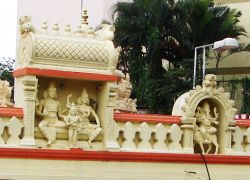
About The Gavi Gangadhareshwara Temple The Gavi Gangadhareshwara Temple, located in Bangalore, is a famous cave temple dedicated to Lord Shiva. The temple is a perfect blend of natural beauty and architectural marvel, attracting devotees and tourists alike. It is believed to have been built during the 9th century by Kempegowda, the founder of Bangalore city. Architecture of Gavi Gangadhareshwara Temple The Gavi Gangadhareshwara Temple is known for its unique architecture and design. The temple is carved out of a single rock, with intricate carvings and sculptures adorning its walls. The main sanctum sanctorum houses a magnificent Shiva Lingam, with a narrow passage that allows sunlight to fall directly on the lingam during certain times of the year, creating a magical spectacle. History According to legend, Sage Gauthama and his wife Ahalya once performed penance at this sacred spot. It is believed that Lord Shiva appeared before them in the form of a 'Ganda' (a bull) and granted them their wishes. Hence, the temple came to be known as Gavi Gangadhareshwara Temple, with 'Gavi' meaning cave and 'Gangadhareshwara' referring to Lord Shiva. Best Time To Visit The best time to visit the Gavi Gangadhareshwara Temple is during the Makara Sankranti festival, which usually falls in January. Devotees flock to the temple to witness the spectacular sight of sunlight passing through the horns of the Nandi idol and illuminating the Shiva Lingam. It is a divine experience that should not be missed. How To Reach The Gavi Gangadhareshwara Temple is located in Gavipuram, Bangalore, and is easily accessible by road. The nearest bus stop is Gavipuram Guttahalli, and the nearest railway station is Bangalore City Junction. From there, one can easily hire a taxi or auto-rickshaw to reach the temple. Significance Of The Gavi Gangadhareshwara Temple The Gavi Gangadhareshwara Temple holds immense significance for devotees of Lord Shiva. It is believed that worshipping at this temple can help in overcoming obstacles and fulfilling one's wishes. The temple also serves as a symbol of heritage and culture, showcasing the rich history and architectural brilliance of ancient India. Overall, the Gavi Gangadhareshwara Temple in Bangalore is a must-visit for those seeking spiritual solace and architectural beauty. Its unique cave-like structure, stunning carvings, and divine aura make it a truly mesmerizing destination for all visitors.
Explore More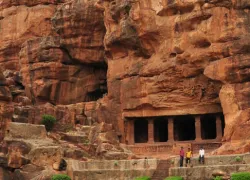
About The Cave Temples in Badami The Cave Temples in Badami are a group of ancient rock-cut temples that are located in the town of Badami in Karnataka, India. These temples are known for their intricate architecture, stunning rock-cut sculptures, and rich history. They are a popular tourist attraction and a must-visit for history buffs, architecture enthusiasts, and spiritual seekers. Architecture of Cave Temples The Cave Temples in Badami are carved out of the soft sandstone cliffs that surround the town. There are four main caves, each dedicated to a different deity - Shiva, Vishnu, Mahavira, and a combination of deities. The temples are adorned with beautiful sculptures and intricate carvings that depict various Hindu mythological stories and scenes from everyday life. The architecture of the cave temples is a perfect example of Chalukyan architecture, showcasing the skill and craftsmanship of the artisans of that period. The temples have a simple yet elegant design, with pillared halls, inner sanctums, and beautifully carved ceilings. The intricate carvings on the walls depict scenes from the Ramayana, Mahabharata, and other Hindu epics. History The Cave Temples in Badami were built between the 6th and 8th centuries by the Chalukya dynasty, who ruled the region during that period. The temples are a testament to the architectural and sculptural excellence of the Chalukyan artisans and are considered one of the finest examples of rock-cut architecture in India. Over the centuries, the temples fell into disrepair and were eventually abandoned. They were rediscovered in the 19th century and have since been restored and preserved as a UNESCO World Heritage Site. Today, the cave temples attract thousands of tourists and pilgrims from all over the world who come to marvel at their beauty and explore their rich history. Best Time To Visit The best time to visit the Cave Temples in Badami is during the winter months, from October to March, when the weather is cool and pleasant. The caves can get quite hot during the summer months, so it is advisable to visit early in the morning or later in the evening to avoid the heat. The Cave Temples are open to visitors from sunrise to sunset, and it is recommended to allocate at least a few hours to explore all the caves and appreciate their beauty. The temples are particularly stunning during sunrise and sunset when the soft light illuminates the intricate carvings and sculptures, creating a magical atmosphere. How To Reach Badami is well-connected by road, rail, and air, making it easy to reach the Cave Temples from major cities in Karnataka and neighboring states. The nearest airport is in Hubli, which is about 105 kilometers away from Badami. The nearest railway station is in Badami itself, with regular trains connecting it to cities like Bangalore, Hyderabad, and Mumbai. Once you reach Badami, the Cave Temples are located just a short distance from the town center and can be easily reached by auto-rickshaw or taxi. It is also possible to explore the temples on foot, as they are located in close proximity to each other. Significance Of The Cave Temples The Cave Temples in Badami hold great religious and historical significance for Hindus and scholars alike. They are considered sacred sites dedicated to different deities and are believed to have been places of worship and meditation for ancient sages and saints. These temples are also important from an artistic and architectural perspective, as they showcase the rich cultural heritage of India and the skill of the artisans who carved them out of solid rock. The Cave Temples in Badami are a testament to the creativity and ingenuity of the ancient architects and sculptors who created these magnificent structures with nothing but simple tools and their imagination. Visiting the Cave Temples in Badami is not just a journey back in time but also a spiritual and cultural experience that will leave you in awe of the beauty and grandeur of these ancient rock-cut temples.
Explore More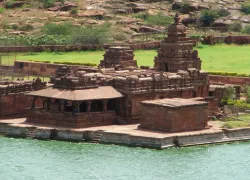
Bhoothanatha and Malegitti Temples
About The Bhoothanatha and Malegitti Temples Located in the town of Badami in the state of Karnataka, the Bhoothanatha and Malegitti Temples are two of the most prominent historical and architectural attractions in the region. The temples date back to the Chalukya dynasty and showcase stunning examples of ancient Indian architecture. The Bhoothanatha Temple is dedicated to the Hindu deity Lord Shiva and is believed to have been constructed in the 7th century. The temple features intricate carvings and sculptures, reflecting the rich cultural and religious heritage of the region. The Malegitti Temple, on the other hand, is a Jain temple built on top of a rugged hill. It offers breathtaking views of the surrounding landscape and is a popular spot for tourists and pilgrims alike. Architecture of Bhoothanatha and Malegitti Temples The architecture of the Bhoothanatha and Malegitti Temples is characterized by its intricate carvings, intricate sculptures, and unique design elements. The Bhoothanatha Temple features a central sanctum with a shikara (tower) that rises elegantly above the temple complex. The temple also has a pillared mandapa (hall) with beautifully carved pillars depicting scenes from Hindu mythology. The Malegitti Temple, on the other hand, is known for its simple yet elegant design. The temple is built using local red sandstone and features a stepped pyramidal roof. The temple's walls are adorned with elaborate carvings of Jain tirthankaras and deities, showcasing the skill and craftsmanship of the artisans of that era. History The Bhoothanatha and Malegitti Temples were built during the reign of the Chalukya dynasty, which ruled over the region from the 6th to the 8th century. The temples served as important religious and cultural centers during this period, attracting pilgrims and devotees from far and wide. The Chalukya dynasty was known for its patronage of the arts and architecture, and the Bhoothanatha and Malegitti Temples are prime examples of the architectural excellence of that era. The temples have stood the test of time and continue to be revered for their historical significance. Best Time To Visit The best time to visit the Bhoothanatha and Malegitti Temples is during the winter months, from November to February, when the weather is cool and pleasant. This is also the peak tourist season, so visitors can expect larger crowds during these months. It is advisable to avoid visiting the temples during the summer months, as the weather can be extremely hot and uncomfortable. The monsoon season, from June to September, brings heavy rains to the region, making it difficult to explore the temple complex. How To Reach The Bhoothanatha and Malegitti Temples are located in Badami, a town in the state of Karnataka. The nearest airport is Hubli Airport, which is located about 100 kilometers away. Visitors can also reach Badami by train or bus from major cities like Bangalore and Pune. Once in Badami, the temples are easily accessible by road. Visitors can hire a taxi or take a local bus to reach the temple complex. It is also possible to explore the temples on foot, as they are located within walking distance of each other. Significance Of The Bhoothanatha and Malegitti Temples The Bhoothanatha and Malegitti Temples hold immense religious and historical significance for the people of Karnataka. The temples are revered as sacred sites by Hindus and Jains alike, and are visited by pilgrims seeking blessings and spiritual solace. The intricate carvings and sculptures found in the temples are not just works of art but also serve as a reflection of the rich cultural heritage of the region. The temples are a testament to the architectural prowess of the Chalukya dynasty and are a living example of India's ancient architectural traditions. In conclusion, the Bhoothanatha and Malegitti Temples in Badami are not just architectural marvels but also hold deep religious and historical significance. Visitors to these temples can experience the grandeur of ancient Indian architecture and immerse themselves in the rich cultural heritage of Karnataka.
Explore More
About The Military Mahadeva Temple in Belgaum The Military Mahadeva Temple is a unique and historically significant temple located in Belgaum, Karnataka. This temple is dedicated to Lord Shiva, also known as Mahadeva, and is considered to be one of the most sacred and revered temples in the region. What sets this temple apart from others is its association with the military, as it was originally built for the soldiers and officers stationed in Belgaum. Architecture of Military Mahadeva Temple The Military Mahadeva Temple boasts of a beautiful and intricate architecture that dates back to ancient times. The temple features a traditional Dravidian style of architecture with a towering gopuram at the entrance. The inner sanctum of the temple houses a magnificent idol of Lord Shiva in a seated posture, along with other deities like Parvati and Ganesha. The walls of the temple are adorned with intricate carvings and sculptures depicting various Hindu mythological stories. History The history of the Military Mahadeva Temple dates back several centuries ago when it was built by the rulers of the Chalukya dynasty. The temple served as a place of worship for the soldiers and officers who were stationed in Belgaum. Over the years, the temple has undergone several renovations and additions, but it has managed to maintain its original charm and architectural splendor. Best Time To Visit The best time to visit the Military Mahadeva Temple is during the winter months of October to February when the weather is pleasant and conducive for sightseeing. Additionally, visiting during festivals like Maha Shivaratri or Navratri can offer a unique and spiritual experience as the temple is adorned with lights and decorations during these times. How To Reach The Military Mahadeva Temple is located in the heart of Belgaum city, making it easily accessible by road. Visitors can reach the temple by hiring a cab or taking a local bus from the nearest bus stand or railway station. The temple is also well-connected by public transport, making it convenient for tourists to visit and explore the historical significance of the temple. Significance Of The Military Mahadeva Temple The Military Mahadeva Temple holds immense significance for the locals and devotees who visit the temple to seek the blessings of Lord Shiva. The temple is believed to fulfill the wishes and desires of the devotees who offer prayers with a pure heart. The military connection of the temple adds a unique dimension to its history and makes it a must-visit destination for history enthusiasts and religious pilgrims alike. In conclusion, the Military Mahadeva Temple in Belgaum stands as a testament to the rich historical and cultural heritage of the region. With its stunning architecture, deep-rooted history, and religious significance, the temple continues to attract visitors from all walks of life who seek solace and spiritual enlightenment in the divine presence of Lord Shiva.
Explore More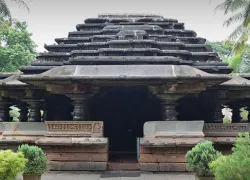
About The Kapileshwar Temple The Kapileshwar Temple is a famous Hindu temple located in Belgaum, Karnataka. It is dedicated to Lord Shiva and is renowned for its architectural beauty and spiritual significance. The temple attracts pilgrims and tourists from all over the country who come to seek blessings and witness the rich cultural heritage of Karnataka. Architecture of Kapileshwar Temple The Kapileshwar Temple showcases exquisite Dravidian style architecture, with intricate carvings and sculptures adorning its walls and pillars. The temple complex includes a sanctum sanctorum, a hall for devotees to offer prayers, and a beautiful courtyard with a sacred pond. The main deity of the temple is Lord Shiva in the form of a lingam, a symbolic representation of the god. History The history of the Kapileshwar Temple dates back to ancient times, with references to the temple found in various historical texts and inscriptions. It is believed that the temple was built by the rulers of the Chalukya dynasty, who were great patrons of art and architecture. Over the centuries, the temple has undergone renovations and additions, but has retained its spiritual essence and cultural significance. Best Time To Visit The best time to visit the Kapileshwar Temple is during the Hindu festivals of Maha Shivaratri and Karthik Purnima, when the temple is adorned with lights and decorations, and devotees come to offer prayers and seek blessings. The winter months of November to February are also ideal for visiting the temple, as the weather is pleasant and conducive for exploring the temple complex. How To Reach The Kapileshwar Temple is located in the heart of Belgaum city, making it easily accessible by road. Belgaum is well-connected to major cities in Karnataka and neighboring states, with regular bus and train services available. The nearest airport is the Belgaum Airport, which is around 15 kilometers away from the temple. Visitors can also hire taxis or auto-rickshaws to reach the temple from the city center. Significance Of The Kapileshwar Temple The Kapileshwar Temple holds great religious significance for devotees of Lord Shiva, who come to the temple seeking blessings for health, prosperity, and spiritual well-being. The temple is also believed to be an abode of peace and tranquility, with the sacred pond in the courtyard symbolizing purity and spiritual cleansing. The temple's serene ambience and divine aura make it a popular destination for those seeking solace and spiritual enlightenment. In conclusion, the Kapileshwar Temple in Belgaum is not just a place of worship, but a symbol of Karnataka's rich cultural heritage and architectural prowess. The temple's timeless beauty and spiritual essence continue to attract visitors and devotees, making it a must-visit destination for those seeking a glimpse of India's glorious past and spiritual traditions.
Explore More
About The Nuggikeri Temple The Nuggikeri Temple, located in Hubli, Karnataka, is a popular religious site dedicated to Lord Shiva. The temple is known for its serene atmosphere and beautiful architecture, making it a must-visit for both devotees and tourists. Architecture of Nuggikeri Temple The Nuggikeri Temple showcases stunning Dravidian architecture with intricate carvings and sculptures. The main sanctum sanctorum houses the idol of Lord Shiva, along with other deities. The temple complex also includes a large courtyard, pillared halls, and a sacred tank. History The history of the Nuggikeri Temple dates back to several centuries ago. It is believed that the temple was built by the Chalukya dynasty, who were known for their contributions to temple architecture in the region. Over the years, the temple has undergone renovations and additions, but it has managed to retain its original charm and spiritual significance. Best Time To Visit The best time to visit the Nuggikeri Temple is during the winter months, from November to February, when the weather is pleasant and suitable for sightseeing. The temple also witnesses a large number of devotees during festivals like Maha Shivaratri, which is celebrated with great pomp and enthusiasm. How To Reach The Nuggikeri Temple is easily accessible from Hubli city, which is well-connected by road and rail. Visitors can take a taxi or auto-rickshaw from the city center to reach the temple. The nearest railway station is Hubli Junction, located just a few kilometers away from the temple. Significance Of The Nuggikeri Temple The Nuggikeri Temple holds great religious significance for the devotees, who believe that worshipping Lord Shiva at the temple brings blessings and fulfillment of desires. The temple is also known for its spiritual ambiance, offering a peaceful retreat for those seeking solace and inner peace. In conclusion, the Nuggikeri Temple in Hubli is a sacred place that attracts visitors from far and wide with its mesmerizing architecture and spiritual aura. Whether you are a devotee seeking blessings or a traveler exploring the rich cultural heritage of Karnataka, a visit to this temple is sure to leave you with a sense of peace and tranquility.
Explore More
Inam Dattatreya Peetha (30 Kms)
About The Inam Dattatreya Peetha (30 Kms) Temple The Inam Dattatreya Peetha Temple is a sacred place located 30 kilometers from Chikmagalur in Karnataka, India. The temple is dedicated to Lord Dattatreya, who is considered to be a combined avatar of the three Hindu deities Brahma, Vishnu, and Shiva. The temple is situated amidst the lush greenery of the Western Ghats, making it a serene and tranquil place for devotees and tourists alike. Architecture of Inam Dattatreya Peetha (30 Kms) Temple The architecture of the Inam Dattatreya Peetha Temple is a blend of traditional South Indian style and modern influences. The temple is adorned with intricate carvings, colorful paintings, and sculptures of various gods and goddesses. The sanctum sanctorum houses the idol of Lord Dattatreya along with idols of his divine consorts Anagha and Panchamukhi Hanuman. The temple complex also includes a meditation hall, a spacious courtyard, and a beautiful garden. History The history of the Inam Dattatreya Peetha Temple dates back to ancient times. It is believed that the temple was established by a sage who had a divine vision of Lord Dattatreya at this sacred spot. Over the years, the temple has been renovated and expanded by various rulers and devotees, making it a prominent religious center in the region. The temple continues to attract pilgrims and tourists from far and wide who come to seek the blessings of Lord Dattatreya. Best Time To Visit The best time to visit the Inam Dattatreya Peetha Temple is during the winter months from October to February when the weather is pleasant and cool. The temple is less crowded during this time, allowing visitors to have a peaceful and spiritual experience. It is also recommended to visit the temple during religious festivals such as Datta Jayanti and Guru Purnima when special ceremonies and rituals are performed. How To Reach The Inam Dattatreya Peetha Temple is located 30 kilometers from Chikmagalur and is easily accessible by road. Visitors can hire a taxi or take a private vehicle to reach the temple. The nearest railway station is in Chikmagalur, and the closest airport is in Mangalore, which is around 150 kilometers away. From Chikmagalur, buses and taxis are available to reach the temple. The scenic drive to the temple through the picturesque Western Ghats is an experience in itself. Significance Of The Inam Dattatreya Peetha (30 Kms) Temple The Inam Dattatreya Peetha Temple holds great significance for devotees of Lord Dattatreya. It is believed that worshipping at this temple can bring peace, prosperity, and spiritual enlightenment. The temple is also known for its healing powers and devotees often come here seeking relief from ailments and troubles. The serene and tranquil surroundings of the temple make it a perfect place for meditation and self-reflection. Overall, the Inam Dattatreya Peetha Temple is a place where one can connect with the divine and experience a sense of inner peace and harmony.
Explore More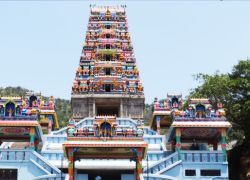
About The Marudamalai Temple The Marudamalai Temple, located in Davangere, is a popular Hindu temple dedicated to Lord Murugan. Situated on a hilltop, this temple offers stunning panoramic views of the surrounding areas. It is believed to be one of the oldest temples in the region and attracts devotees from far and wide. Architecture of Marudamalai Temple The architecture of the Marudamalai Temple is a fine example of Dravidian style. The temple boasts intricately carved pillars, colorful frescoes, and ornate sculptures depicting various gods and goddesses. The temple complex also has a gopuram (entrance tower) adorned with intricate carvings and sculptures. History The history of the Marudamalai Temple dates back several centuries. It is believed that the temple was built during the reign of the Chola dynasty. Over the years, the temple has undergone several renovations and additions, making it the architectural marvel it is today. Best Time To Visit The best time to visit the Marudamalai Temple is during the winter months, from October to February, when the weather is pleasant and conducive for exploring the temple and its surroundings. The temple also sees a surge in visitors during festivals like Thaipusam and Panguni Uthiram. How To Reach The Marudamalai Temple is easily accessible by road. It is located approximately 10 kilometers from Davangere city center. Visitors can hire a cab or take a bus to reach the temple. The nearest airport is in Bangalore, which is around 260 kilometers away, and the nearest railway station is in Davangere. Significance Of The Marudamalai Temple The Marudamalai Temple holds significant religious importance for devotees of Lord Murugan. It is believed that worshipping at this temple can bring peace, prosperity, and good health. Many devotees also come to the temple to seek blessings for success, education, and overall well-being. Overall, the Marudamalai Temple in Davangere is a must-visit destination for those seeking spiritual solace, architectural beauty, and breathtaking views. Its rich history, stunning architecture, and religious significance make it a beloved sanctuary for devotees and tourists alike.
Explore More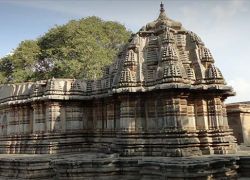
About The Sadasiva Temple Located in the town of Sadasiva Kote in Hassan district of Karnataka, the Sadasiva Temple is a significant pilgrimage site for devotees of Lord Shiva. The temple is dedicated to Lord Sadasiva, a form of Lord Shiva, and is known for its unique architecture and historical significance. Architecture of Sadasiva Temple The Sadasiva Temple is a beautiful example of Hoysala architecture, known for its intricate carvings and detailed sculptures. The temple is built in the Dravidian style and features a large tower (Shikhara) adorned with sculptures of various deities and mythical creatures. The inner sanctum of the temple houses a Lingam, the symbol of Lord Shiva, and is surrounded by sculptures depicting various scenes from Hindu mythology. History The Sadasiva Temple was built during the rule of the Hoysala dynasty in the 13th century. The temple was a symbol of the Hoysala rulers' devotion to Lord Shiva and served as a place of worship for the people of the region. Over the years, the temple has undergone several renovations and restorations to preserve its historical and architectural significance. Best Time To Visit The best time to visit the Sadasiva Temple is during the winter months, from November to February, when the weather is pleasant and ideal for sightseeing. The temple also hosts various festivals and religious ceremonies throughout the year, attracting a large number of devotees and tourists. How To Reach The Sadasiva Temple is located in Sadasiva Kote, which is well-connected by road to Hassan and other nearby towns and cities. Visitors can easily reach the temple by bus, taxi, or private vehicle from Hassan, which is approximately 40 kilometers away. The nearest airport is in Bangalore, which is around 200 kilometers from the temple. Significance Of The Sadasiva Temple The Sadasiva Temple holds great religious and cultural significance for devotees of Lord Shiva. The temple is believed to be a source of spiritual energy and a place where devotees can connect with the divine. The intricate carvings and sculptures in the temple are not only a visual treat but also serve as a reminder of the rich heritage and history of the region. Overall, the Sadasiva Temple in Hassan is a must-visit destination for anyone interested in exploring the architectural marvels and spiritual sites of Karnataka. With its unique architecture, rich history, and religious significance, the temple offers a memorable experience for all visitors.
Explore More
About The Kedareshwara Temple The Kedareshwara Temple is a sacred Hindu shrine located in the Hassan district of Karnataka, India. This ancient temple is dedicated to Lord Shiva and is known for its stunning architecture and religious significance. The temple is a popular pilgrimage site for devotees who come to seek the blessings of Lord Shiva and experience the spiritual vibes of this holy place. Architecture of Kedareshwara Temple The Kedareshwara Temple is a fine example of Hoysala architecture, known for its intricate carvings, detailed sculptures, and beautiful craftsmanship. The temple is built in the traditional Hoysala style with a star-shaped plan and stunning sculptures depicting various mythological tales and figures. The temple also features a mantapa (hall) with ornate pillars and a sanctum where the main deity, Lord Shiva, is enshrined. History The Kedareshwara Temple was built by the Hoysala dynasty in the 12th century, during the reign of King Vishnuvardhana. The temple is believed to have been constructed to commemorate the victory of the Hoysala kings in battle. Over the centuries, the temple has undergone several restorations and renovations, but its original beauty and grandeur have been well-preserved. Best Time To Visit The best time to visit the Kedareshwara Temple is during the winter months, from November to February, when the weather is pleasant and conducive for sightseeing. The temple also hosts various festivals and religious events during this time, attracting a large number of devotees and tourists. How To Reach The Kedareshwara Temple is located in the Hassan district of Karnataka and is easily accessible by road. The nearest town is Halebidu, which is well-connected to major cities like Bangalore and Mysore. Visitors can hire a taxi or take a bus to reach the temple from Halebidu. The nearest railway station is in Hassan, which is located approximately 30 kilometers away from the temple. Significance Of The Kedareshwara Temple The Kedareshwara Temple holds great religious significance for devotees of Lord Shiva. It is believed that a visit to the temple can bring blessings, prosperity, and fulfillment of wishes. The temple is also known for its architectural beauty and historical importance, attracting history buffs and art enthusiasts from all over the world. The serene and tranquil atmosphere of the temple makes it a perfect place for meditation and spiritual rejuvenation. In conclusion, the Kedareshwara Temple in Hassan is not just a religious site but also a treasure trove of ancient history and architectural marvels. Visiting this temple is a truly enriching experience that allows visitors to connect with the divine and marvel at the artistic achievements of the Hoysala dynasty. Whether you are a devout pilgrim or a curious traveler, the Kedareshwara Temple is a must-visit destination that promises to leave a lasting impression on your mind and soul.
Explore More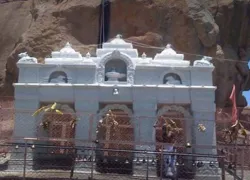
About The Jenukallu Siddeshwara Temple The Jenukallu Siddeshwara Temple is a renowned ancient temple located in the Hassan district of Karnataka, India. It is dedicated to Lord Siddeshwara, a form of Lord Shiva, and is known for its beautiful architecture and spiritual significance. The temple holds great importance among the devotees and attracts tourists from far and wide for its historical and religious significance. Architecture of Jenukallu Siddeshwara Temple The Jenukallu Siddeshwara Temple showcases a unique blend of Hoysala and Vijayanagara architectural styles. The temple complex is adorned with intricate carvings and sculptures depicting various mythological stories and deities. The main sanctum of the temple houses the idol of Lord Siddeshwara in a sitting posture, along with other shrines dedicated to different gods and goddesses. The outer walls of the temple are decorated with elaborate motifs and carvings that are a visual treat for visitors. History The Jenukallu Siddeshwara Temple has a rich history that dates back several centuries. It is believed to have been built during the Hoysala period, around the 12th century. The temple has undergone several renovations and additions over the years, but its original charm and grandeur have been well preserved. The temple stands as a testimony to the skilled craftsmanship and artistic prowess of the ancient builders and artisans. Best Time To Visit The best time to visit the Jenukallu Siddeshwara Temple is during the winter months, from October to March, when the weather is pleasant and suitable for sightseeing. It is also recommended to visit the temple during festivals and special occasions when the temple comes alive with rituals, processions, and cultural performances. How To Reach The Jenukallu Siddeshwara Temple is easily accessible by road and is well-connected to the major cities in Karnataka. The nearest airport is Mangalore International Airport, located around 150 kilometers away from the temple. The nearest railway station is in Hassan, around 30 kilometers from the temple. Visitors can hire taxis or take buses from these points to reach the temple. Significance Of The Jenukallu Siddeshwara Temple The Jenukallu Siddeshwara Temple holds immense religious significance among the devotees, who believe that worshipping Lord Siddeshwara brings prosperity, peace, and blessings. The temple is a popular pilgrimage site and is visited by hundreds of devotees throughout the year. Many people also visit the temple to seek divine intervention for various personal and social issues. The serene surroundings of the temple and the spiritual ambiance make it a perfect place for meditation and introspection. In conclusion, the Jenukallu Siddeshwara Temple is a treasure trove of history, culture, and spirituality. Its magnificent architecture, rich history, and religious importance make it a must-visit destination for anyone seeking a peaceful and spiritually uplifting experience.
Explore MoreBangalore - Mysore - Ooty - Bangalore Tour 4 Night 5 Days
5 Days/ 4 Night
Bangalore - Mysore - Ooty
Mysore-Ooty-Kodaikanal-Madurai-Rameshwaram-Kanyakumari-Trivandrum Tour 8 Night 9 Days
9 Days/ 8 Night
Mysore - Coonoor - Kanyakumari - Kodaikanal - Madurai - Ooty - Rameshwaram
Bangalore - Coorg - Bangalore Tour 2 Night 3 Days
3 Days/ 2 Night
Coorg - Madikeri
Mysuru 1N - Coorg 2N - Ooty N Tour
6 Days/ 5 Night
Coorg - Mysore - Ooty

Welcome to the enchanting city of Hassan, home to the magnificent Hassanamba Temple, a prominent tourist attraction that draws visitors from far and wide. Situated in the heart of Hassan, this temple is not only a place of worship but also a site of historical significance and natural beauty. History of Hassanamba Temple The history of the Hassanamba Temple dates back to ancient times, with its origins shrouded in myth and legend. This temple stands on what was once royal hunting grounds, now transformed into a sanctuary for both devotees and nature lovers. Efforts have been made to preserve the temple's historical and cultural heritage, earning it recognition from UNESCO for its conservation. Architecture and Natural Beauty of Hassanamba Temple The temple is surrounded by lush wetlands, dense forests, and sprawling grasslands that provide a habitat for a diverse range of bird species. The serene landscapes and the nearby Keoladeo Temple add to the temple's allure, making it a perfect blend of architectural splendor and natural beauty. Why is Hassanamba Temple Famous? Hassanamba Temple is renowned for its serene ambiance and picturesque surroundings, making it a haven for birdwatchers, photographers, and wildlife enthusiasts. The temple's tranquil environment and rich biodiversity attract visitors seeking to immerse themselves in nature's wonders. How to Reach Hassanamba Temple Traveling to Hassanamba Temple is convenient, with options to reach by air, rail, or road. The city is well-connected with nearby airports and railway stations, ensuring easy access for visitors coming from various parts of the country. Weather and Best Time to Visit Hassanamba Temple The weather in Hassan varies across seasons, with summers being warm, monsoons bringing heavy rainfall, and winters offering a cool climate. The best time to visit the Hassanamba Temple is during the moderate months when the weather is pleasant for exploration. Timings of Hassanamba Temple The temple welcomes visitors at specific timings, allowing them to experience its tranquility and beauty. Depending on the season, the timings may vary, so it is advisable to plan your visit accordingly to make the most of your trip. Entry Fee and Visit Details Visitors can explore the temple premises by following the entry procedures and avail guide services for a more enriching experience. Safari options, bicycle rentals, and visitor facilities are available to ensure a comfortable and enjoyable visit for all. Things to Do at Hassanamba Temple Engage in various activities at Hassanamba Temple, including birdwatching, photography, cycling, walking trails, and nature observation. The temple offers educational experiences for those keen on learning about the local flora and fauna. Interesting Facts About Hassanamba Temple Hassanamba Temple is a sanctuary for migratory birds, boasting a rich biodiversity that showcases the region's conservation efforts. The temple's ecological importance and conservation achievements make it a unique destination for nature enthusiasts. Travel Tips for Visiting Hassanamba Temple When visiting Hassanamba Temple, ensure you are dressed appropriately and carry essential photography and birdwatching equipment. Plan your trip during the recommended seasons and practice responsible tourism by respecting the temple's natural surroundings. Conclusion In conclusion, Hassanamba Temple in Hassan offers a blend of spirituality, history, and natural beauty that captivates visitors. Its serene ambiance, diverse wildlife, and cultural significance make it a must-visit destination for those seeking a peaceful retreat amidst nature's wonders.
Explore More
About The Venugopala Temple The Venugopala Temple is a Hindu temple located in the town of Manipal in the state of Karnataka, India. It is dedicated to Lord Venugopala, an incarnation of Lord Krishna who is depicted playing the flute. The temple is a popular religious and tourist attraction in Manipal, drawing devotees and visitors from near and far. Architecture of Venugopala Temple The Venugopala Temple is known for its stunning architecture, which is a blend of traditional South Indian temple architecture with modern influences. The temple features a towering gopuram (entrance tower) adorned with intricate carvings and sculptures of various Hindu deities. The main sanctum sanctorum houses the idol of Lord Venugopala, along with other deities worshipped in the temple. The temple also has a spacious courtyard where devotees can perform rituals and offer prayers. The walls of the temple are adorned with beautiful paintings depicting scenes from Hindu mythology, adding to the temple's grandeur and beauty. History The Venugopala Temple has a long and rich history that dates back several centuries. It is believed to have been built during the Vijayanagara Empire, a powerful Hindu kingdom that ruled over South India in the 14th to 16th centuries. The temple has undergone several renovations and additions over the years, with each successive ruler or patron adding their own touch to the temple's architecture and design. The Venugopala Temple has served as a place of worship and spiritual solace for generations of devotees, who come here seeking blessings and divine grace. The temple continues to be an important religious and cultural landmark in Manipal, attracting devotees and visitors alike. Best Time To Visit The best time to visit the Venugopala Temple is during the festive season, when the temple comes alive with religious rituals, music, and celebrations. The annual Brahmotsava festival, held in honor of Lord Venugopala, is a particularly auspicious time to visit the temple. During this time, the temple is adorned with colorful decorations, and devotees offer special prayers and offerings to the deity. Another good time to visit the temple is during the winter months, from October to March, when the weather is pleasant and conducive to exploring the temple and its surroundings. The temple is open to visitors throughout the year, but it is advisable to check the temple's timings before planning your visit. How To Reach The Venugopala Temple is located in the town of Manipal, which is well-connected by road, rail, and air. The nearest airport is Mangalore International Airport, which is located about 65 kilometers away from Manipal. From the airport, you can hire a taxi or take a bus to reach Manipal. If you prefer to travel by train, the nearest railway station is Udupi Railway Station, which is located about 5 kilometers away from Manipal. From the railway station, you can hire a taxi or take a local bus to reach the temple. For those traveling by road, Manipal is well-connected by a network of state highways and national highways. You can drive to Manipal from nearby cities such as Mangalore, Bangalore, and Udupi. There are also regular bus services that operate between Manipal and other major cities in Karnataka. Significance Of The Venugopala Temple The Venugopala Temple holds great significance for devotees and followers of Lord Krishna. The temple is believed to be a place of divine grace and blessings, where devotees can seek solace, peace, and spiritual enlightenment. Worshipping at the temple is said to bring good luck, prosperity, and protection from evil forces. Many devotees visit the temple to offer prayers for the well-being of their families, seek blessings for success in their endeavors, and express their gratitude to the deity. The temple also serves as a cultural and social hub for the local community, hosting various religious and cultural events throughout the year. Overall, the Venugopala Temple is a sacred place that exudes peace, serenity, and devotion. It is a must-visit destination for those seeking a spiritual experience and a deeper connection with the divine. Plan your visit to the Venugopala Temple in Manipal and immerse yourself in the rich traditions and spiritual heritage of Hindu culture.
Explore More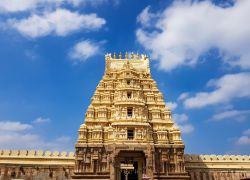
Welcome to the enchanting city of Srirangapatna, home to the iconic Sri Ranganathaswamy Temple. This divine hotspot holds a significant place in the hearts of both locals and tourists, offering a serene retreat amidst the bustling city life. The temple's rich history, architectural beauty, and natural surroundings make it a must-visit destination for anyone seeking a blend of spirituality and tranquility. History of Sri Ranganathaswamy Temple The Sri Ranganathaswamy Temple boasts a fascinating historical background, dating back to ancient times. Originally built as a royal hunting ground, the temple has evolved into a sacred site of worship and pilgrimage. The conservation efforts undertaken to preserve its cultural heritage have earned the temple UNESCO recognition, highlighting its importance in the realm of historical preservation. Architecture and Natural Beauty of Sri Ranganathaswamy Temple Surrounded by lush wetlands, dense forests, and vibrant grasslands, the Sri Ranganathaswamy Temple offers a natural haven for a variety of bird species. The picturesque landscapes provide a perfect backdrop to the historical Keoladeo Temple situated within the temple complex, adding to its architectural and natural charm. Why is Sri Ranganathaswamy Temple Famous? The Sri Ranganathaswamy Temple is renowned for its captivating beauty and serene ambiance, attracting birdwatchers, photographers, nature enthusiasts, and wildlife lovers alike. The diverse bird habitats in the vicinity make it a paradise for birdwatching enthusiasts seeking to witness the beauty of migratory birds in their natural habitat. How to Reach Sri Ranganathaswamy Temple Traveling to Sri Ranganathaswamy Temple is convenient, with multiple transportation options available. Visitors can reach the temple by air, rail, or road, with nearby airports and railway stations ensuring easy accessibility to this sacred site. Weather and Best Time to Visit Sri Ranganathaswamy Temple The weather at Sri Ranganathaswamy Temple varies across seasons, with summer, monsoon, and winter offering unique experiences. The best time to visit is during the cooler months when the pleasant weather enhances the overall temple exploration experience. Timings of Sri Ranganathaswamy Temple Visitors can explore the Sri Ranganathaswamy Temple during specified timings, with seasonal variations influencing the temple's accessibility. Planning your visit accordingly ensures a smooth and enjoyable experience at this sacred destination. Entry Fee and Visit Details Entry to the Sri Ranganathaswamy Temple is subject to specific procedures, with guide services, safari options, and bicycle rentals available for visitors. The temple provides essential visitor facilities to ensure a comfortable and memorable visit for all. Things to Do at Sri Ranganathaswamy Temple Engage in a myriad of activities at Sri Ranganathaswamy Temple, from birdwatching and photography to cycling and nature observation. The temple's serene surroundings offer ample opportunities for educational experiences and leisurely walks along its enchanting trails. Interesting Facts About Sri Ranganathaswamy Temple Discover fascinating facts about the migratory birds that frequent the temple's vicinity, showcasing the rich biodiversity and conservation efforts in place. The temple's ecological importance underscores its role in preserving nature's beauty and sustaining wildlife populations. Travel Tips for Visiting Sri Ranganathaswamy Temple When visiting Sri Ranganathaswamy Temple, remember to dress appropriately for the weather and carry essential birdwatching equipment for an enhanced experience. Understanding the best visiting seasons and practicing responsible tourism ensures the conservation of this sacred site for future generations. Conclusion In conclusion, the Sri Ranganathaswamy Temple in Srirangapatna stands as a testament to spiritual devotion and natural beauty. Its historical significance, architectural marvels, and serene environment make it a top destination for travelers seeking a harmonious blend of culture and nature. Plan your visit to Sri Ranganathaswamy Temple to immerse yourself in a truly enriching experience amidst the heart of Srirangapatna.
Explore More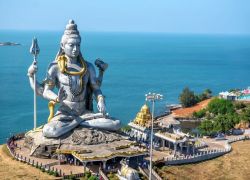
Welcome to the serene town of Gokarna, home to the magnificent Mahabaleshwar Temple. This ancient temple holds a significant place in the hearts of devotees and tourists alike, offering a tranquil retreat amidst nature's beauty. History of Mahabaleshwar Temple The history of Mahabaleshwar Temple dates back to ancient times, known for its sacred origins and spiritual significance. Once a former royal hunting ground, the temple stands as a symbol of historical preservation and cultural heritage. It is revered by locals and visitors, with UNESCO recognition highlighting its importance as a cultural landmark. Architecture and Natural Beauty of Mahabaleshwar Temple Surrounded by lush wetlands, dense forests, and diverse bird habitats, Mahabaleshwar Temple boasts a blend of architectural splendor and natural wonders. The historical Keoladeo Temple within the premises adds to the charm of this sacred site, offering a glimpse into the region's rich past. Why is Mahabaleshwar Temple Famous? Mahabaleshwar Temple is renowned for its tranquil ambiance and spiritual aura, attracting birdwatchers, photographers, nature enthusiasts, and wildlife lovers from far and wide. The temple's serene surroundings and biodiversity make it a popular destination for those seeking solace in nature's embrace. How to Reach Mahabaleshwar Temple Traveling to Mahabaleshwar Temple is convenient, with options for air, rail, and road transport. Nearby airports and railway stations provide easy access to this sacred site, ensuring a smooth journey for pilgrims and travelers. Weather and Best Time to Visit Mahabaleshwar Temple Throughout the year, Mahabaleshwar Temple offers a different charm in each season. From the pleasant summer days to the lush monsoon showers and the serene winter chill, every season has its unique appeal. The best time to visit varies based on personal preferences, but the temple's beauty shines in every season. Timings of Mahabaleshwar Temple The temple welcomes visitors at specific timings, ensuring a peaceful and organized experience for all. Seasonal variations may affect the visiting hours, so it's advisable to plan your trip accordingly to make the most of your visit. Entry Fee and Visit Details Upon arrival, visitors can explore the temple grounds with the assistance of guides, opt for safari experiences, rent bicycles for leisurely rides, and avail of various visitor facilities to enhance their stay. The entry procedures are straightforward, allowing everyone to immerse themselves in the temple's tranquility. Things to Do at Mahabaleshwar Temple Engage in a myriad of activities at Mahabaleshwar Temple, from birdwatching and photography to cycling along scenic trails, walking amidst nature's beauty, and indulging in educational experiences that offer insights into the region's ecology. Each activity promises a fulfilling and enriching experience. Interesting Facts About Mahabaleshwar Temple Did you know that Mahabaleshwar Temple is a haven for migratory birds, playing a crucial role in biodiversity conservation efforts? The temple's ecological importance and conservation achievements make it a fascinating destination for eco-conscious travelers and nature enthusiasts. Travel Tips for Visiting Mahabaleshwar Temple When visiting Mahabaleshwar Temple, remember to dress comfortably, carry essential photography and birdwatching equipment, consider the best seasons for your interests, and practice responsible tourism by respecting the temple's sanctity and natural surroundings. By following these tips, you can ensure a memorable and respectful visit to this sacred site. Conclusion In conclusion, Mahabaleshwar Temple in Gokarna is not just a place of worship but a sanctuary of peace and natural beauty. Its historical significance, architectural marvels, and serene surroundings make it a must-visit destination for those seeking spiritual solace and a connection to nature's wonders. Plan your trip to Mahabaleshwar Temple and immerse yourself in the timeless charm of this sacred site.
Explore More
Marikamba Temple, located in Sirsi, is a renowned tourist attraction that offers a unique blend of spirituality and natural beauty. The temple, dedicated to Goddess Marikamba, attracts visitors from far and wide due to its historical significance and serene surroundings. History of Marikamba Temple The history of Marikamba Temple dates back centuries, with its origins deeply rooted in local folklore and religious beliefs. The temple is said to have been a former royal hunting ground that was later transformed into a sacred place of worship. Over the years, various conservation efforts have been undertaken to preserve the temple's architectural heritage and cultural importance. The UNESCO recognition further highlights the significance of this ancient site. Architecture and Natural Beauty of Marikamba Temple Surrounded by lush wetlands, dense forests, and sprawling grasslands, Marikamba Temple offers a picturesque setting for visitors to immerse themselves in nature's beauty. The temple is not only a religious site but also a haven for bird habitats and diverse landscapes. Within the temple complex lies the historical Keoladeo Temple, adding to the architectural charm of the surroundings. Why is Marikamba Temple Famous? Marikamba Temple is famous for its tranquil ambiance and rich biodiversity, making it a popular destination for birdwatchers, photographers, nature enthusiasts, and wildlife lovers. The temple's serene environment and varied bird species attract visitors seeking to connect with nature and experience moments of peace and tranquility. How to Reach Marikamba Temple Traveling to Marikamba Temple is convenient, with options available by air, rail, and road. The nearest airports and railway stations provide easy access to Sirsi, from where the temple is a short distance away. Visitors can choose from various transportation modes based on their preferences and travel requirements. Weather and Best Time to Visit Marikamba Temple The weather at Marikamba Temple varies throughout the year, with distinct summer, monsoon, and winter seasons. The best time to visit is during the moderate weather months when the natural surroundings are at their vibrant best. Planning a trip during these favorable conditions ensures a pleasant and enjoyable experience. Timings of Marikamba Temple Marikamba Temple welcomes visitors during specific timings, with seasonal variations in schedule if applicable. Understanding the temple's operating hours is essential for planning a visit and making the most of the sightseeing opportunities available. Visitors are advised to check for any timing updates before embarking on their journey. Entry Fee and Visit Details For those looking to explore Marikamba Temple, entry procedures are straightforward, with guide services, safari options, and bicycle rentals available for a comprehensive visitor experience. The temple facilities cater to the needs of tourists, offering a range of amenities to enhance their stay and exploration of the site. Things to Do at Marikamba Temple At Marikamba Temple, visitors can engage in various activities such as birdwatching, photography, cycling, walking trails, nature observation, and educational experiences. The diverse range of options ensures that guests can tailor their visit to suit their interests and make the most of their time amidst the natural splendor of the temple surroundings. Interesting Facts About Marikamba Temple Marikamba Temple is home to a myriad of migratory birds, showcasing the region's rich biodiversity and conservation efforts. The temple's ecological importance and conservation achievements contribute to its significance as a protected sanctuary for wildlife and natural habitats. Exploring the temple reveals fascinating insights into the interconnectedness of nature and spirituality. Travel Tips for Visiting Marikamba Temple When planning a visit to Marikamba Temple, it is advisable to pack suitable clothing, photography equipment, and birdwatching essentials based on the season and activities planned. Understanding the best visiting seasons and practicing responsible tourism ensures a sustainable and enjoyable experience for all visitors. Conclusion In conclusion, Marikamba Temple in Sirsi stands as a testament to the region's cultural heritage, natural beauty, and spiritual significance. The temple's historical roots, architectural marvels, and diverse offerings make it a must-visit destination for travelers seeking a harmonious blend of history and nature. Exploring Marikamba Temple promises a memorable journey filled with serenity, exploration, and a deep connection to the essence of [City].
Explore More
Welcome to the enchanting world of Madhukeshwara Temple nestled in the serene city of Sirsi. This ancient temple is not just a religious site but a haven for nature lovers, history enthusiasts, and avid photographers. The temple's tranquil ambiance, rich biodiversity, and architectural marvels make it a must-visit destination for anyone seeking a blend of spirituality and natural beauty. History of Madhukeshwara Temple The history of Madhukeshwara Temple dates back to ancient times, with legends shrouding its origins in mystique. Once a royal hunting ground, the temple now stands as a symbol of conservation efforts and cultural heritage. Its significance has garnered recognition from UNESCO, highlighting its historical and ecological importance. Architecture and Natural Beauty of Madhukeshwara Temple The temple is surrounded by lush wetlands, dense forests, and sprawling grasslands that provide a habitat for a diverse range of bird species. The picturesque landscapes coupled with the historic Keoladeo Temple within the premises create a mesmerizing setting for visitors to explore and admire. Why is Madhukeshwara Temple Famous? Madhukeshwara Temple has gained fame for being a hotspot for birdwatchers, photographers, and nature enthusiasts. Its tranquil environment and abundant birdlife attract wildlife lovers from around the globe, making it a sought-after destination for those seeking a close encounter with nature. How to Reach Madhukeshwara Temple Traveling to Madhukeshwara Temple is convenient, with options for air, rail, and road transport. The city of Sirsi is well-connected, with nearby airports and railway stations providing easy access to the temple premises. Weather and Best Time to Visit Madhukeshwara Temple The weather at Madhukeshwara Temple varies across seasons, offering distinct experiences to visitors. While summers can be hot, the monsoon rejuvenates the surroundings, making it lush and vibrant. The best time to visit is during the cooler months when the weather is pleasant for exploration. Timings of Madhukeshwara Temple Madhukeshwara Temple welcomes visitors at specific timings, ensuring a well-planned and enjoyable experience for all. Seasonal variations may affect these timings, so it is advisable to check in advance before planning your visit. Entry Fee and Visit Details Entry to Madhukeshwara Temple is subject to specific procedures, with options for guide services, safari excursions, bicycle rentals, and visitor amenities available on-site. These facilities enhance the overall experience, providing convenience and added exploration opportunities. Things to Do at Madhukeshwara Temple Engage in a myriad of activities at Madhukeshwara Temple, from birdwatching and photography to cycling through scenic trails. The temple's natural surroundings offer ample opportunities for nature observation and immersive experiences that cater to all interests. Interesting Facts About Madhukeshwara Temple Madhukeshwara Temple is home to a plethora of migratory birds, showcasing the rich biodiversity and conservation efforts in the region. The temple's ecological significance and conservation achievements add to its charm, making it a fascinating destination for eco-conscious travelers. Travel Tips for Visiting Madhukeshwara Temple When visiting Madhukeshwara Temple, remember to dress appropriately for the weather, carry essential photography gear, and respect the natural surroundings. Understanding the best seasons for birdwatching and practicing responsible tourism ensures a memorable and sustainable travel experience. Conclusion In conclusion, Madhukeshwara Temple in Sirsi stands as a testament to the harmonious blend of history, spirituality, and nature. Its allure lies in the captivating beauty of its surroundings, the diversity of birdlife, and the cultural heritage it preserves. A visit to Madhukeshwara Temple promises a journey filled with serenity, exploration, and awe-inspiring moments that leave a lasting imprint on every traveler's heart.
Explore More
Located in the serene city of Sirsi, the Shri Rudreshwara Temple is a captivating tourist attraction that mesmerizes visitors with its rich history, architectural grandeur, and natural beauty. This temple holds immense significance for both religious devotees and nature enthusiasts, making it a must-visit destination for travelers seeking a blend of spirituality and tranquility. History of Shri Rudreshwara Temple The history of the Shri Rudreshwara Temple dates back to ancient times, with its origins deeply rooted in Hindu mythology and folklore. Built on former royal hunting grounds, the temple stands as a symbol of cultural heritage and architectural brilliance. The conservation efforts to preserve the temple's intricate carvings and structures have garnered international recognition, with UNESCO acknowledging its historical and cultural importance. Architecture and Natural Beauty of Shri Rudreshwara Temple Surrounded by lush wetlands, dense forests, and sprawling grasslands, the Shri Rudreshwara Temple offers a picturesque setting for visitors to explore. The diverse bird habitats and stunning landscapes make it a paradise for birdwatchers and photographers alike. Nestled within the temple complex is the historical Keoladeo Temple, adding to the architectural charm and natural allure of the surroundings. Why is Shri Rudreshwara Temple Famous? The Shri Rudreshwara Temple is renowned for its abundant birdlife, making it a hotspot for birdwatchers, nature enthusiasts, and wildlife lovers. The temple's tranquil ambiance and serene surroundings attract visitors seeking a peaceful retreat in the lap of nature, away from the hustle and bustle of city life. How to Reach Shri Rudreshwara Temple Traveling to the Shri Rudreshwara Temple is convenient, with options available by air, rail, and road. The nearest airports and railway stations provide easy access to the city of Sirsi, from where visitors can reach the temple via well-connected road networks. Weather and Best Time to Visit Shri Rudreshwara Temple The weather at the Shri Rudreshwara Temple varies across seasons, with summers being warm, monsoons bringing lush greenery, and winters offering a pleasant climate. The best time to visit is during the cooler months, from October to February, when the natural beauty of the surroundings is at its peak. Timings of Shri Rudreshwara Temple The temple welcomes visitors during specific timings, with seasonal variations that may affect accessibility. Planning a visit during weekdays is advisable to avoid crowds and experience the tranquility of the temple premises. Entry Fee and Visit Details Visitors can explore the temple premises by following the entry procedures and availing guide services for a more enriching experience. Safari options, bicycle rentals, and visitor facilities are available to enhance the overall visit and ensure a comfortable stay. Things to Do at Shri Rudreshwara Temple Engage in a variety of activities at the Shri Rudreshwara Temple, including birdwatching, photography, cycling, walking trails, and nature observation. Educational experiences await those interested in learning more about the local biodiversity and conservation efforts in the area. Interesting Facts About Shri Rudreshwara Temple The temple is a haven for migratory birds, showcasing the region's rich biodiversity and the success of conservation initiatives. Its ecological importance extends beyond religious boundaries, highlighting the harmonious coexistence of nature and spirituality in this sacred place. Travel Tips for Visiting Shri Rudreshwara Temple When visiting the Shri Rudreshwara Temple, remember to dress modestly and carry appropriate gear for birdwatching and photography. The best time to visit coincides with the cooler months, offering an ideal climate for exploring the temple grounds responsibly and respectfully. Conclusion In conclusion, the Shri Rudreshwara Temple in Sirsi stands as a testament to the region's rich heritage, natural beauty, and spiritual significance. Visitors to this enchanting destination are sure to be captivated by its historical charm, architectural marvels, and serene surroundings, making it a truly unforgettable experience in the heart of nature.
Explore More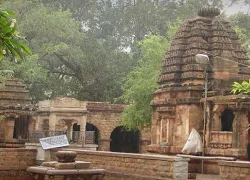
About The Mahakotta Temple The Mahakotta Temple is a significant religious site located in Bagalkot district in the state of Karnataka, India. The temple is dedicated to Lord Shiva and is one of the oldest and most revered temples in the region. It is known for its stunning architecture and intricate carvings that attract thousands of devotees and tourists every year. Architecture of Mahakotta Temple The Mahakotta Temple is built in the Dravidian architectural style, which is characterized by its pyramid-shaped towers, intricate sculptures, and elaborate carvings. The temple complex is surrounded by a large outer wall with several smaller shrines and mandapams (hallways) inside. The main sanctum of the temple houses the central deity, Lord Shiva, in the form of a lingam. The temple's gopuram (tower) is adorned with colorful sculptures depicting various scenes from Hindu mythology. The intricate carvings on the walls and pillars of the temple depict stories from the epics like the Ramayana and Mahabharata. The temple's architecture is a fine example of the rich cultural heritage of India and is a must-visit for architecture enthusiasts and history buffs. History The Mahakotta Temple has a long and rich history that dates back several centuries. According to local legends, the temple was built by a wealthy merchant who was a devout follower of Lord Shiva. Over the years, the temple underwent several renovations and additions, resulting in the magnificent structure that stands today. The temple has also played a significant role in the religious and cultural life of the local community, serving as a center for worship, festivals, and rituals. It has survived invasions, natural disasters, and political upheavals, making it a symbol of resilience and devotion. Best Time To Visit The best time to visit the Mahakotta Temple is during the winter months, from October to March, when the weather is pleasant and conducive for exploring the temple complex. The temple also hosts several festivals and events during this time, offering visitors a unique opportunity to witness traditional rituals and ceremonies. It is advisable to avoid visiting the temple during the monsoon season (June to September) as the heavy rains can make the roads leading to the temple slippery and unsafe. Summers (April to June) can also be scorching hot, so it is best to plan your visit accordingly. How To Reach The Mahakotta Temple is located in Bagalkot district, Karnataka, and is well-connected by road and rail. The nearest major city is Hubli, which is approximately 100 kilometers away from the temple. Visitors can hire a taxi or take a bus from Hubli to reach the temple. For those traveling by train, the nearest railway station is Bagalkot, which is about 30 kilometers away from the temple. From the railway station, visitors can hire a taxi or take a bus to reach the temple. For those traveling by air, the nearest airport is Hubli Airport, which is well-connected to major cities in India. Significance Of The Mahakotta Temple The Mahakotta Temple holds immense religious and cultural significance for the local community and devotees from across the country. It is believed that a visit to the temple and offering prayers to Lord Shiva can bring blessings, prosperity, and fulfillment of wishes. The temple also serves as a pilgrimage site for devotees who seek spiritual solace and enlightenment. The serene and tranquil atmosphere of the temple complex provides a peaceful retreat for those looking to escape the hustle and bustle of daily life. Overall, the Mahakotta Temple is a sacred place that embodies the rich heritage and spiritual traditions of India, making it a must-visit destination for anyone seeking a deeper connection with the divine.
Explore More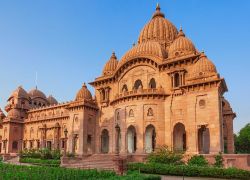
Belur Math, located in Belur, is a renowned tourist attraction that draws visitors from far and wide. This serene destination is not only historically significant but also offers a natural environment teeming with biodiversity, making it a must-visit for nature enthusiasts and spiritual seekers alike. History of Belur Math The history of Belur Math dates back to its establishment as a place of worship and meditation. Originally serving as a former royal hunting ground, it has evolved into a sanctuary for both wildlife and spiritual seekers. The conservation efforts undertaken here have garnered international recognition, with Belur Math being honored by UNESCO for its cultural and historical significance. Architecture and Natural Beauty of Belur Math Belur Math is blessed with a diverse landscape encompassing wetlands, forests, and grasslands that provide habitats for a myriad of bird species. Nestled within this natural haven is the Keoladeo Temple, a historical gem revered for its architectural beauty and spiritual ambiance. Why is Belur Math Famous? Belur Math has earned fame for being a paradise for birdwatchers, photographers, and nature enthusiasts. Its tranquil surroundings and rich biodiversity make it a haven for wildlife lovers seeking solace in the lap of nature. How to Reach Belur Math Traveling to Belur Math is convenient, with options available via air, rail, and road. The nearest airports and railway stations provide easy access to this picturesque destination, ensuring a smooth journey for visitors. Weather and Best Time to Visit Belur Math Understanding the weather conditions at Belur Math is crucial for planning the perfect visit. While summer can be hot and monsoon brings lush greenery, the best time to explore this enchanting place is during the winter months when the weather is pleasant and ideal for outdoor activities. Timings of Belur Math Belur Math welcomes visitors at specific timings, allowing them to experience the beauty of this place in different seasons. Understanding the seasonal variations can enhance the overall visit experience, providing valuable insights into the diverse aspects of Belur Math. Entry Fee and Visit Details Entry into Belur Math is a seamless process, with guide services and safari options available for those seeking a more immersive experience. Bicycle rentals and visitor facilities cater to the needs of travelers, ensuring a comfortable and memorable visit for all. Things to Do at Belur Math Engaging in activities such as birdwatching, photography, cycling, and walking trails at Belur Math is a delightful experience. Nature enthusiasts can immerse themselves in the beauty of the surroundings, while educational experiences offer insights into the rich biodiversity present here. Interesting Facts About Belur Math Belur Math is home to a plethora of migratory birds, showcasing the importance of conservation efforts in maintaining ecological balance. The achievements in biodiversity conservation at Belur Math underscore its significance as a sanctuary for wildlife and a hub for ecological research. Travel Tips for Visiting Belur Math When visiting Belur Math, it is advisable to pack appropriate clothing, carry essential photography equipment, and be prepared for birdwatching adventures. Understanding the visiting seasons and adhering to responsible tourism practices can contribute to a fulfilling and sustainable travel experience. Conclusion In conclusion, Belur Math in Belur stands as a testament to the harmonious coexistence of history, spirituality, and nature. Its allure lies in the seamless blend of architectural marvels, natural beauty, and cultural significance, offering visitors a transformative experience that resonates with the soul.
Explore More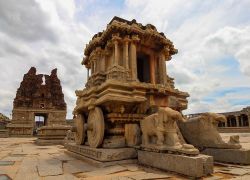
Welcome to Vijaya Vittala Temple in Hampi, a place of historical significance and natural beauty that attracts tourists from all over the world. The temple holds a rich past, surrounded by lush landscapes and diverse wildlife, making it a must-visit destination for history buffs, nature lovers, and photographers. History of Vijaya Vittala Temple The Vijaya Vittala Temple stands as a testament to the rich historical background of Hampi, originally serving as a royal hunting ground for the Vijayanagara Empire. Over the years, conservation efforts have preserved this heritage site, leading to its UNESCO recognition as a World Heritage Site. Visitors can explore the temple's intricate architecture and immerse themselves in the grandeur of the past. Architecture and Natural Beauty of Vijaya Vittala Temple Surrounded by wetlands, forests, and grasslands, the temple complex offers a serene environment for both worshippers and nature enthusiasts. The Keoladeo Temple within the park adds to the charm with its historical significance and picturesque landscapes, making it a perfect spot for birdwatching and photography. Why is Vijaya Vittala Temple Famous? Vijaya Vittala Temple is renowned for its architectural splendor and natural allure, making it a hotspot for birdwatchers, photographers, and wildlife enthusiasts. The harmonious blend of history and biodiversity creates a unique appeal that draws visitors seeking a deeper connection with nature and heritage. How to Reach Vijaya Vittala Temple Traveling to Vijaya Vittala Temple is convenient via air, rail, and road. The nearest airports are located in cities nearby, and well-connected railway stations offer easy access to this iconic destination. Visitors can choose from various transportation options to reach the temple and explore the beauty of Hampi. Weather and Best Time to Visit Vijaya Vittala Temple The weather in Hampi varies across summer, monsoon, and winter seasons, with each offering a unique experience for visitors. The best time to visit Vijaya Vittala Temple is during the cooler months when the weather is pleasant, allowing for comfortable exploration of the temple complex and its surroundings. Timings of Vijaya Vittala Temple Vijaya Vittala Temple welcomes visitors during specific timings, accommodating both local and international tourists. Understanding the seasonal variations can help travelers plan their visit effectively and make the most of their time exploring the historical and natural wonders of the temple. Entry Fee and Visit Details Entry procedures to Vijaya Vittala Temple are straightforward, with guide services available for a deeper understanding of the site's significance. Safari options, bicycle rentals, and visitor facilities enhance the overall experience, providing convenience and comfort to those exploring the temple complex. Things to Do at Vijaya Vittala Temple Engage in popular activities like birdwatching, photography, cycling, and nature observation at Vijaya Vittala Temple. The walking trails offer a unique perspective of the surroundings, allowing visitors to immerse themselves in the tranquility and beauty of the temple's environs. Interesting Facts About Vijaya Vittala Temple Vijaya Vittala Temple is home to a diverse range of migratory birds and boasts significant biodiversity, contributing to its conservation achievements and ecological importance. The temple's surroundings are teeming with life, offering a glimpse into the rich natural heritage of Hampi. Travel Tips for Visiting Vijaya Vittala Temple When visiting Vijaya Vittala Temple, remember to dress appropriately for the weather conditions, carry essential photography gear, and be respectful of the wildlife and surroundings. Understanding the visiting seasons and practicing responsible tourism ensures a memorable and sustainable travel experience. Conclusion In conclusion, Vijaya Vittala Temple in Hampi stands as a beacon of history and natural beauty, inviting travelers to explore its architectural wonders and lush landscapes. The temple's significance and visitor experience make it a destination worth visiting, offering a perfect blend of heritage, biodiversity, and tranquility in the heart of Hampi.
Explore More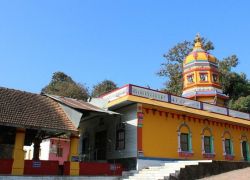
Welcome to the enchanting city of Karwar, home to the revered Durga Devi Temple. This sacred site holds immense significance for both locals and visitors, attracting nature lovers, history enthusiasts, and spiritual seekers alike. Situated amidst the lush greenery and serene surroundings of Karwar, the Durga Devi Temple offers a unique blend of spirituality, natural beauty, and cultural heritage. History of Durga Devi Temple The Durga Devi Temple boasts a rich historical background dating back centuries. Originally established as a sanctuary within the former royal hunting grounds, this temple has played a pivotal role in local traditions and rituals. Over the years, concerted conservation efforts have preserved the temple's ancient architecture and sacred ambiance, earning it recognition as a site of cultural importance. Architecture and Natural Beauty of Durga Devi Temple Surrounded by verdant wetlands, dense forests, and sprawling grasslands, the Durga Devi Temple offers a glimpse into the natural wonders of Karwar. The temple's tranquil setting provides a habitat for a diverse range of bird species, making it a paradise for birdwatchers and nature enthusiasts. Within the temple complex lies the historic Keoladeo Temple, adding to the architectural and spiritual allure of the surroundings. Why is Durga Devi Temple Famous? The Durga Devi Temple has earned fame for being a haven for birdwatchers, photographers, and wildlife lovers. Its unique ecosystem supports a variety of avian species, attracting enthusiasts from around the globe. The temple's serene ambiance and picturesque landscapes make it a preferred destination for those seeking solace in nature's embrace. How to Reach Durga Devi Temple Traveling to the Durga Devi Temple is convenient, with options available by air, rail, and road. The nearest airports are located in close proximity, and well-connected railway stations offer easy access to the temple. Visitors can also opt for road transport, enjoying scenic routes that lead to this hidden gem in Karwar. Weather and Best Time to Visit Durga Devi Temple The weather at Durga Devi Temple varies across seasons, with summers being warm, monsoons bringing lush greenery, and winters offering a cool retreat. The best time to visit is during the moderate months, allowing for comfortable exploration of the temple and its natural surroundings. Timings of Durga Devi Temple The Durga Devi Temple welcomes visitors during specific timings, ensuring that guests can experience the tranquility and beauty of the site. Seasonal variations may affect these timings, so it is advisable to plan your visit accordingly for an optimal temple experience. Entry Fee and Visit Details Entry to the Durga Devi Temple involves simple procedures, with guide services available for those seeking detailed insight into the temple's history and significance. Safari options, bicycle rentals, and visitor facilities enhance the overall experience, making it a memorable visit for all. Things to Do at Durga Devi Temple Engage in a host of activities at the Durga Devi Temple, including birdwatching, photography, cycling, and leisurely walks through nature trails. Observe the diverse flora and fauna, immerse yourself in the serene surroundings, and partake in educational experiences that offer a deeper understanding of the temple's ecological importance. Interesting Facts About Durga Devi Temple The Durga Devi Temple is renowned for its role in supporting migratory birds, contributing to biodiversity conservation efforts, and serving as a sacred site of ecological significance. Its tranquil ambiance and historical legacy add to the temple's allure, making it a must-visit destination for travelers seeking a harmonious blend of nature and spirituality. Travel Tips for Visiting Durga Devi Temple When visiting the Durga Devi Temple, remember to dress modestly and carry appropriate photography equipment to capture the beauty of the surroundings. Be mindful of the visiting seasons, respect the temple's sanctity, and practice responsible tourism by preserving the natural environment during your stay. Conclusion In conclusion, the Durga Devi Temple in Karwar stands as a testament to the timeless charm of spirituality and nature's bounty. Its historical significance, architectural splendor, and ecological diversity make it a destination that appeals to the soul and senses alike. Plan your visit to this sacred site to immerse yourself in the magic of Durga Devi Temple and experience the tranquility of Karwar's hidden gem.
Explore More
Indrani Panchdurga Parmeshwari Temple
About The Indrani Panchdurga Parmeshwari Temple The Indrani Panchdurga Parmeshwari Temple, located in Udupi, Karnataka, is a significant Hindu temple dedicated to the goddess Indrani Panchdurga Parmeshwari. The temple is known for its unique architecture, rich history, and religious significance, making it a popular pilgrimage site for devotees. The temple is renowned for its spiritual aura and serene ambiance, attracting worshippers and tourists alike. Architecture of Indrani Panchdurga Parmeshwari Temple The Indrani Panchdurga Parmeshwari Temple boasts intricate architectural design and exquisite craftsmanship. The temple features a traditional South Indian style of architecture with elaborate carvings, towering spires, and vibrant sculptures depicting various deities and mythological figures. The temple's sanctum sanctorum houses the idol of Indrani Panchdurga Parmeshwari, adorned with intricate ornaments and floral decorations. The temple complex also includes several shrines dedicated to other deities, offering visitors a spiritual experience like no other. History The history of the Indrani Panchdurga Parmeshwari Temple dates back several centuries, with accounts of its origin rooted in ancient folklore. According to legend, the temple was established by a revered saint who had a divine vision of the goddess Indrani Panchdurga Parmeshwari. Over the years, the temple has undergone several renovations and expansions, each contributing to its grandeur and splendor. The temple's history is steeped in mythology and spirituality, making it a sacred place of worship for devotees seeking blessings and enlightenment. Best Time To Visit The best time to visit the Indrani Panchdurga Parmeshwari Temple is during the festival season when the temple is adorned with vibrant decorations and celebratory events. The festival of Navaratri, dedicated to the goddess Durga, is a particularly auspicious time to visit the temple, as it is marked by religious rituals, cultural performances, and feasting. The temple also attracts a large number of visitors during major Hindu festivals like Diwali, Dussehra, and Makar Sankranti. For a more peaceful and contemplative experience, consider visiting the temple during weekdays when there are fewer crowds. How To Reach The Indrani Panchdurga Parmeshwari Temple is easily accessible by road, rail, and air. Located in Udupi, Karnataka, the temple is well-connected to major cities and towns in the region. Visitors can reach the temple by private car, bus, or taxi from Udupi city center. The nearest railway station is Udupi Railway Station, which is just a short drive away from the temple. For those traveling by air, Mangalore International Airport is the closest airport to the temple, offering domestic and international flights to various destinations. Significance Of The Indrani Panchdurga Parmeshwari Temple The Indrani Panchdurga Parmeshwari Temple holds great religious significance for devotees who worship the goddess Indrani Panchdurga Parmeshwari for blessings, protection, and prosperity. The temple is believed to be a sacred place where devotees can seek solace, guidance, and spiritual fulfillment. Many visitors offer prayers, perform rituals, and participate in religious ceremonies at the temple to express their devotion and gratitude to the goddess. The peaceful and serene atmosphere of the temple makes it a popular destination for those seeking inner peace and divine blessings.
Explore MoreBangalore - Mysore - Ooty - Kodaikanal - Bangalore Tour 5 Night 6 Days
6 Days/ 5 Night
Bangalore - Mysore - Ooty
Glimpse Of South 6 Nights 7 Days Bangalore (1N)- Mysore (1N) - Coorg (2N) Ooty (2N)
7 Days/ 6 Night
Bangalore - Mysore - Coorg - Ooty
Coorg 2N - Ooty N Tour
5 Days/ 4 Night
Coorg - Ooty
Nilgiri - Coorg Escape - 4 Nights - 5 Days Tour
5 Days/ 4 Night
Coorg - Coonoor - Ooty
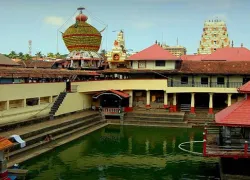
Vadabhandeshwara Balaram Temple
About The Vadabhandeshwara Balaram Temple The Vadabhandeshwara Balaram Temple, located in Udupi, Karnataka, is a popular Hindu temple dedicated to Lord Balaram, the elder brother of Lord Krishna. This ancient temple holds great significance among the devotees of Lord Vishnu and attracts a large number of pilgrims throughout the year. Architecture of Vadabhandeshwara Balaram Temple The Vadabhandeshwara Balaram Temple showcases beautiful Dravidian style architecture with intricate carvings and sculptures depicting various episodes from Hindu mythology. The temple complex comprises a main sanctum dedicated to Lord Balaram along with shrines for other deities like Lord Krishna and Goddess Radha. The temple also features a majestic tower at the entrance, known as the gopuram, adorned with vibrant colors and detailed artwork. The inner walls of the temple are embellished with frescoes and paintings that add to its aesthetic appeal. History The Vadabhandeshwara Balaram Temple has a rich history that dates back centuries. According to legends, the temple was established by a group of saintly scholars who were devoted to Lord Balaram. Over the years, the temple underwent several renovations and expansions, maintaining its grandeur and architectural brilliance. The temple also holds historical significance as it served as a center for religious and cultural activities, attracting scholars, poets, and artists from far and wide. Best Time To Visit The best time to visit the Vadabhandeshwara Balaram Temple is during the annual festivals and special occasions dedicated to Lord Balaram. The temple comes alive with devotional fervor and grand celebrations during these times, offering a unique and immersive experience for visitors. However, if you prefer a quieter visit to admire the architectural beauty and seek spiritual solace, weekdays are ideal to explore the temple at your own pace. How To Reach The Vadabhandeshwara Balaram Temple is easily accessible from Udupi town, located just a short distance away. Visitors can reach the temple by various modes of transportation, including buses, taxis, and auto-rickshaws. The nearest railway station is Udupi Railway Station, which is well-connected to major cities in Karnataka. For those traveling from other states or cities, Mangalore International Airport is the closest airport to Udupi, with regular flights operating to and from major Indian cities. Significance Of The Vadabhandeshwara Balaram Temple The Vadabhandeshwara Balaram Temple holds immense significance for devotees of Lord Balaram and Lord Krishna. It is believed that worshipping Lord Balaram at this temple can bestow blessings of strength, courage, and protection. Devotees visit the temple to seek divine intervention in overcoming obstacles and challenges in life, as Lord Balaram is regarded as the symbol of power and righteousness. Overall, the Vadabhandeshwara Balaram Temple is not just a religious site but also a cultural heritage that exemplifies the rich traditions and spiritual practices of the region. Whether you are a devout pilgrim seeking blessings or a curious traveler exploring the architectural marvels of Karnataka, a visit to the Vadabhandeshwara Balaram Temple is sure to leave you enchanted and spiritually rejuvenated.
Explore More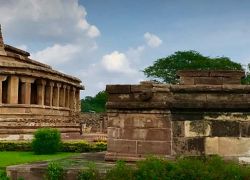
About The Jyotirlinga Temple Group The Jyotirlinga Temple Group in Aihole is a significant cluster of historic temples located in the town of Aihole in the state of Karnataka, India. This group of temples holds great religious and archaeological importance and is a popular destination for tourists, historians, and devotees alike. The temples are dedicated to Lord Shiva and are known for their unique architecture and intricate carvings. Architecture of Jyotirlinga Temple Group The Jyotirlinga Temple Group is known for its exquisite architecture that reflects the craftsmanship of ancient Indian artisans. The temples are built in the Dravidian and Nagara style of architecture, featuring intricate carvings, elaborate pillars, and beautifully sculpted idols of various Hindu deities. The temple complex consists of several shrines, each with its unique design and layout. History The history of the Jyotirlinga Temple Group dates back to the 6th century when the Chalukya dynasty ruled over the region. The temples were built during this period as a place of worship and devotion. Over the centuries, the temples have undergone various renovations and additions, but they still retain their original charm and grandeur. Best Time To Visit The best time to visit the Jyotirlinga Temple Group is during the winter months, from October to March, when the weather is pleasant and conducive for exploring the temple complex. Avoid visiting during the summer months as the temperatures can soar, making it uncomfortable for sightseeing. How To Reach The Jyotirlinga Temple Group is located in Aihole, which is well-connected by road to major cities in Karnataka. The nearest airport is in Belgaum, which is approximately 165 kilometers away from Aihole. Visitors can also reach Aihole by train, with the nearest railway station being in Badami, which is around 35 kilometers away. Significance Of The Jyotirlinga Temple Group The Jyotirlinga Temple Group holds immense significance for devotees of Lord Shiva, who believe that visiting these temples and offering prayers can bring blessings and fulfillment of wishes. The temples are also admired for their architectural beauty and historical importance, attracting tourists and scholars from around the world. In conclusion, the Jyotirlinga Temple Group in Aihole is a treasure trove of ancient art and architecture that showcases the rich cultural heritage of India. Visiting these temples is a spiritual and enlightening experience that leaves a lasting impression on all who come to pay their respects.
Explore More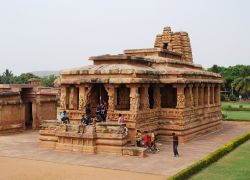
The Hucchimalli Temple is one of the ancient and historically important temples located in Aihole, Karnataka. Aihole is widely known as the “Cradle of Indian Temple Architecture,” and Hucchimalli Temple forms a significant part of this remarkable heritage landscape. Situated near the banks of the Malaprabha River, this temple showcases early Chalukyan architectural experimentation and reflects the evolution of Hindu temple design in South India. It is a peaceful and lesser-crowded site ideal for history enthusiasts and cultural explorers. Hucchimalli Temple, Aihole, Karnataka is an important archaeological monument that highlights the artistic brilliance and architectural innovation of the Early Chalukya dynasty. History of Hucchimalli Temple The Hucchimalli Temple dates back to the 7th–8th century CE during the rule of the Early Chalukyas of Badami. The Chalukyas were great patrons of art and architecture, and Aihole served as their experimental ground for temple construction. This temple was built during a period when artisans were exploring different architectural styles before finalizing the designs seen in later temples at Pattadakal and Badami. Although the exact deity of worship is debated, it is believed that the temple was dedicated to Lord Shiva or another Hindu deity from the Shaivite tradition. Architecture of Hucchimalli Temple Hucchimalli Temple is a fine example of early Chalukyan architecture. It is built using sandstone and showcases simple yet elegant structural design elements. The temple consists of a sanctum (garbhagriha), a small mandapa (hall), and minimal decorative carvings. Compared to later temples, the ornamentation here is modest, reflecting an early stage of architectural evolution. The temple’s layout highlights experimentation with proportions, pillar styles, and roof structures. Some elements show early attempts at developing shikhara (tower) designs. The stone craftsmanship, though simple, reflects precision and the beginning of a refined temple-building tradition in India. Why Hucchimalli Temple is Famous Hucchimalli Temple is famous for being part of Aihole’s early temple architecture experiments under the Chalukyas. It represents one of the foundational stages of Indian structural temple design and is studied by historians and archaeologists for its simplicity and historical value. The temple is also known for its peaceful surroundings and its location within a UNESCO-recognized heritage zone. How to Reach Hucchimalli Temple Aihole is well connected to major towns and cities in Karnataka. By Air: The nearest airport is Hubli Airport, approximately 140 km away. From there, taxis and buses are available to Aihole. By Train: The nearest railway station is Badami Railway Station, around 35 km away. From Badami, local transport can be used to reach Aihole. By Road: Aihole is connected by road to Badami, Pattadakal, Bijapur, and other nearby towns. Regular KSRTC buses and private taxis operate frequently. Hucchimalli Temple is located within the Aihole temple complex and can be easily reached by walking. Weather at Hucchimalli Temple Aihole experiences a semi-arid climate with hot summers and moderate monsoons. Summer (March to June): Hot and dry with temperatures ranging from 30°C to 42°C. Monsoon (July to September): Moderate rainfall brings slight relief and greenery to the region. Winter (October to February): The best season for visiting, with pleasant temperatures ranging from 15°C to 28°C. Timing and Entry Details Hucchimalli Temple is open to visitors from 6:00 AM to 6:00 PM every day. There is usually no entry fee, as it is part of the protected archaeological site of Aihole. Daytime visits are recommended for better visibility of architectural details. Things to Do at Hucchimalli Temple Visitors can explore the ancient ruins and observe early Chalukyan architectural techniques. Photography enthusiasts can capture stone structures, carvings, and the surrounding temple landscape. History lovers can study the evolution of temple architecture in Aihole’s experimental phase. Visitors can also explore nearby temples such as Durga Temple, Lad Khan Temple, and other monuments in Aihole. Interesting Facts About Hucchimalli Temple Aihole is known as the “Cradle of Indian Temple Architecture,” and Hucchimalli Temple is part of this legacy. The temple represents one of the earliest structural temple experiments by the Chalukyas. It is part of a larger UNESCO heritage zone that includes Badami and Pattadakal. The temple is relatively less crowded, offering a peaceful exploration experience. Travel Tips for Visitors Wear comfortable footwear as the site involves walking on uneven stone surfaces. Carry water and sun protection due to high temperatures in summer. Visit early morning or late afternoon for better lighting and comfortable weather. Hiring a guide is recommended for better understanding of historical significance. Conclusion Hucchimalli Temple in Aihole is a valuable piece of India’s architectural history. Its simplicity and early design elements make it an important monument in understanding the evolution of temple architecture. For history lovers, architecture enthusiasts, and cultural explorers, this temple offers a meaningful glimpse into the origins of Indian structural temples.
Explore More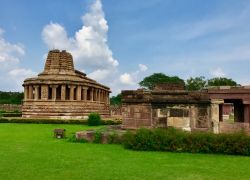
The Konti Group of Temples is one of the lesser-known yet historically significant temple clusters located in Aihole, Karnataka. Aihole is famously known as the “Cradle of Indian Temple Architecture,” and the Konti Group forms an important part of this ancient heritage landscape. Situated on the banks of the Malaprabha River, the Konti Group of Temples reflects early experimentation in Hindu temple architecture by the Chalukya dynasty. The site attracts historians, archaeologists, and travelers interested in India’s architectural evolution. Konti Group of Temples, Aihole, Karnataka represents the early phase of temple construction in South India and showcases the transition from rock-cut to structural temples. History of Konti Group of Temples The Konti Group of Temples dates back to the 6th–8th century CE during the rule of the Early Chalukyas of Badami. The Chalukya rulers were great patrons of art and architecture and played a major role in shaping temple design in South India. Aihole served as a laboratory of temple architecture where artisans experimented with different styles before perfecting them in nearby regions like Pattadakal and Badami. The Konti Group is believed to have been dedicated to various Hindu deities and served both religious and cultural purposes during its time of active worship. Architecture of Konti Group of Temples The Konti Group of Temples showcases early Chalukyan architectural style, featuring simple yet elegant stone structures built using sandstone. The temples consist of small shrines, pillared halls, and sanctum spaces. The carvings are minimal compared to later temple architecture but reflect the beginning of structural temple design in India. Some temples in the group display early experiments with shikhara (tower structures), while others highlight flat-roofed designs typical of early Dravidian architecture. The layout of the temple group reflects careful planning, with structures placed in proximity to each other, forming a sacred complex. Why Konti Group of Temples is Famous The Konti Group of Temples is famous for its historical importance as part of Aihole’s temple experimentation phase under the Chalukyas. It is also known for contributing to the evolution of Indian temple architecture, bridging the gap between rock-cut caves and fully developed structural temples. The site attracts archaeology enthusiasts who want to study the early stages of temple construction in South India. How to Reach Konti Group of Temples Aihole is well connected by road to major cities in Karnataka. By Air: The nearest airport is Hubli Airport, located around 140 km away. From there, taxis and buses are available to Aihole. By Train: The nearest railway station is Badami Railway Station, about 35 km away. From Badami, local transport can be used to reach Aihole. By Road: Aihole is well connected by road to Badami, Pattadakal, and Bijapur. Regular buses and taxis operate frequently. The Konti Group of Temples is located within Aihole and can be easily accessed by walking or local transport. Weather at Konti Group of Temples Aihole experiences a semi-arid climate typical of northern Karnataka. Summer (March to June): Hot and dry with temperatures ranging from 30°C to 42°C. Monsoon (July to September): Moderate rainfall with cooler temperatures and greener surroundings. Winter (October to February): The best time to visit, with pleasant temperatures ranging from 15°C to 28°C. Timing and Entry Details The Konti Group of Temples is open to visitors from 6:00 AM to 6:00 PM every day. There is usually no entry fee for visiting the temple complex, but charges may apply for guided tours or archaeological site access in the Aihole region. Daytime visits are recommended for better visibility of carvings and structures. Things to Do at Konti Group of Temples Visitors can explore the ancient temple ruins and observe early Chalukyan architectural styles. Photography enthusiasts can capture stone carvings, temple layouts, and historical structures. History lovers can study the evolution of temple architecture in Aihole, which is considered a major learning site for Indian temple design. Visitors can also explore nearby temples in Aihole such as Durga Temple, Lad Khan Temple, and Meguti Jain Temple. Interesting Facts About Konti Group of Temples Aihole, including the Konti Group, is often called the “Cradle of Indian Temple Architecture.” The temples represent early experiments in Hindu architecture by the Chalukya dynasty. The site is part of the UNESCO-listed group of monuments in Pattadakal-Aihole-Badami region. The structures show the transition from cave temples to fully built stone temples in India. Travel Tips for Visitors Wear comfortable footwear as the site involves walking over uneven stone surfaces. Carry water and sun protection due to hot weather, especially in summer. Hire a local guide for better understanding of historical significance. Visit early morning or late afternoon to avoid heat and enjoy better lighting for photography. Conclusion The Konti Group of Temples in Aihole is a remarkable example of early Indian temple architecture. Its historical significance and simplicity make it an important archaeological site in Karnataka. For history enthusiasts, architecture lovers, and cultural explorers, visiting the Konti Group offers a fascinating journey into the origins of Indian temple design.
Explore More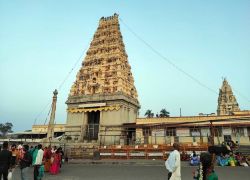
Welcome to Male Mahadeshwara Hills, a picturesque tourist attraction nestled in the city of Chamarajanagar. This beautiful destination is renowned for its natural beauty, biodiversity, and historical significance, making it a haven for nature lovers and adventure seekers alike. History of Male Mahadeshwara Hills Male Mahadeshwara Hills holds a rich historical background, once serving as a royal hunting ground. Over the years, concerted conservation efforts have transformed the area into a sanctuary for wildlife and nature enthusiasts. The park's dedication to preserving its natural heritage has garnered international recognition, including UNESCO acknowledgment for its conservation initiatives. Architecture and Natural Beauty of Male Mahadeshwara Hills The hills boast a diverse landscape encompassing wetlands, lush forests, and vibrant grasslands that provide a habitat for a myriad of bird species. The historic Keoladeo Temple, situated within the park, adds to its cultural and architectural allure, making it a must-visit for history buffs and nature enthusiasts. Why is Male Mahadeshwara Hills Famous? Male Mahadeshwara Hills is celebrated for its abundant birdlife, making it a popular destination for birdwatchers and photographers. The serene environment and diverse wildlife attract nature enthusiasts and wildlife lovers seeking to immerse themselves in the beauty of the natural world. How to Reach Male Mahadeshwara Hills Traveling to Male Mahadeshwara Hills is convenient, with options available via air, rail, and road. The nearest airports and railway stations provide easy access to this enchanting destination, ensuring a seamless journey for visitors. Weather and Best Time to Visit Male Mahadeshwara Hills The weather at Male Mahadeshwara Hills varies across seasons, with distinct experiences during summer, monsoon, and winter. The best time to visit is during [mention best months], when the climate is ideal for exploring the natural beauty of the hills. Timings of Male Mahadeshwara Hills Visitors can explore Male Mahadeshwara Hills during [mention visitor timings], with seasonal variations that may affect the park's accessibility. Planning ahead ensures a well-organized and fulfilling visit to this renowned tourist hotspot. Entry Fee and Visit Details Entry procedures at Male Mahadeshwara Hills are straightforward, with guide services available for those seeking in-depth knowledge about the park. Safari options, bicycle rentals, and visitor facilities enhance the overall experience, catering to the diverse needs of guests. Things to Do at Male Mahadeshwara Hills Engage in popular activities such as birdwatching, photography, cycling, and walking trails to fully immerse yourself in the natural splendor of Male Mahadeshwara Hills. The park offers ample opportunities for nature observation and educational experiences, appealing to visitors of all ages. Interesting Facts About Male Mahadeshwara Hills Male Mahadeshwara Hills is home to a fascinating array of migratory birds and boasts a remarkable biodiversity that underscores its ecological importance. The conservation achievements within the park highlight the commitment to preserving the natural heritage for future generations to enjoy. Travel Tips for Visiting Male Mahadeshwara Hills For a seamless visit, consider practical tips such as appropriate clothing, essential photography equipment, and the best seasons for birdwatching. Embracing responsible tourism practices ensures the sustainability of the park and contributes to the conservation efforts in place. Conclusion Male Mahadeshwara Hills in Chamarajanagar stands as a testament to the harmonious blend of history, natural beauty, and biodiversity. Whether you are a nature enthusiast, birdwatcher, or history buff, a visit to this captivating destination promises an enriching experience that will leave a lasting impression.
Explore More
About The Murdeshwar Temple The Murdeshwar Temple, located in Bhatkal, Karnataka, is a famous Hindu temple dedicated to Lord Shiva. It is situated on the Kanduka Hill, surrounded by the Arabian Sea on three sides, offering breathtaking views of the sea and the surrounding area. The temple is known for its towering gopuram, which stands at a height of 249 feet, making it the second tallest gopuram in India. Architecture of Murdeshwar Temple The architecture of the Murdeshwar Temple is a perfect blend of traditional Dravidian and contemporary styles. The main highlight of the temple is the massive Shiva idol, which is 123 feet tall and is the second tallest statue of Lord Shiva in the world. The temple complex also houses smaller shrines dedicated to various deities, as well as beautifully carved pillars and intricate sculptures. History The history of the Murdeshwar Temple dates back to ancient times and is shrouded in mythology. According to legend, the temple is believed to have been built by Ravana, the demon king of Lanka, as a penance for his sins. It is said that Ravana threw the Atma Linga (a sacred lingam) into the sea, and it landed at the spot where the temple now stands. The temple has since been a symbol of devotion and faith for millions of devotees. Best Time To Visit The best time to visit the Murdeshwar Temple is during the winter months, from October to March, when the weather is pleasant and ideal for exploring the temple complex and enjoying the stunning views of the sea. The temple is also a popular pilgrimage destination during festivals like Maha Shivaratri, which is celebrated with great fervor and grandeur. How To Reach The Murdeshwar Temple is easily accessible by road, rail, and air. The nearest airport is in Mangalore, which is around 160 kilometers away from the temple. The nearest railway station is in Murdeshwar itself, making it convenient for devotees to reach the temple by train. Buses and taxis are also available from nearby cities like Mangalore and Bangalore. Significance Of The Murdeshwar Temple The Murdeshwar Temple holds significant religious importance for Hindus, as it is believed to be a powerful place of worship where prayers are answered and sins are absolved. The temple is also a popular tourist destination, attracting visitors from all over the country who come to admire the architectural beauty of the temple complex and seek blessings from Lord Shiva. The serene and tranquil surroundings of the temple make it a perfect place for spiritual contemplation and inner peace. In conclusion, the Murdeshwar Temple in Bhatkal is a must-visit destination for those seeking a blend of spirituality, history, and architectural marvel. Its towering gopuram, massive Shiva idol, and stunning location by the sea make it a unique and captivating place that leaves a lasting impression on all who visit.
Explore More