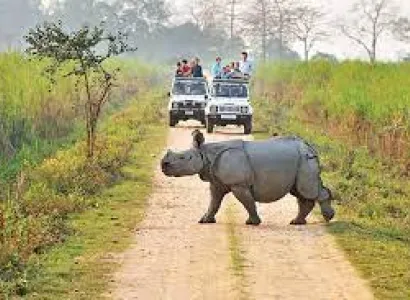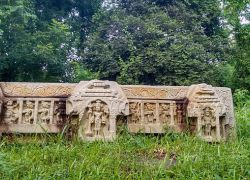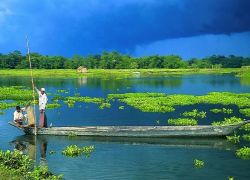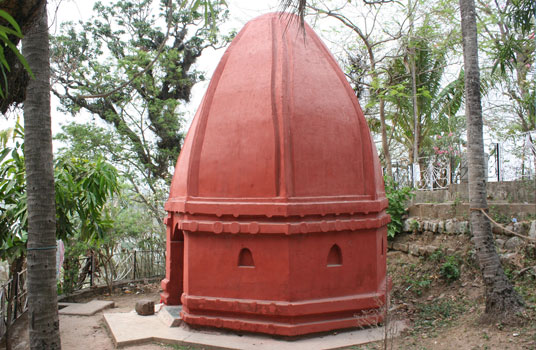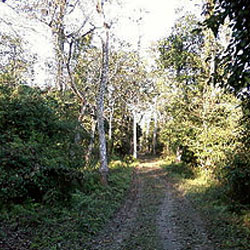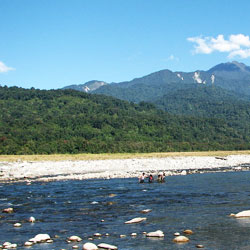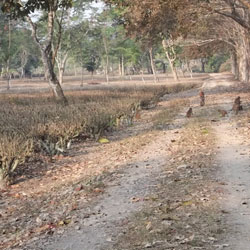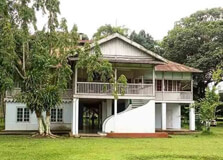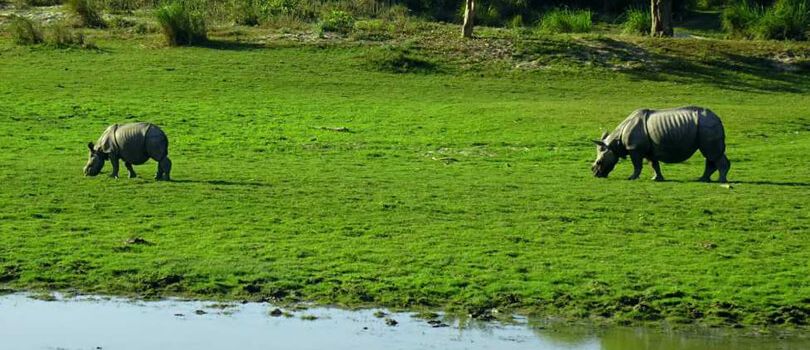
Panbari Reserve Forest, located in the heart of Kaziranga National Park in Assam, India, is an integral part of the park's ecosystem. The forest is known for its rich biodiversity and dense vegetation, offering an opportunity to experience the wilderness of Assam away from the more tourist-heavy areas of the park. A haven for wildlife enthusiasts and nature lovers, the Panbari Reserve Forest is home to various species of flora and fauna, including elephants, tigers, and a wide variety of birds. The forest is also a key area for wildlife conservation and plays a significant role in maintaining the ecological balance of Kaziranga.
How to Reach Panbari Reserve Forest, Kaziranga
Reaching Panbari Reserve Forest is relatively easy if you’re already visiting Kaziranga National Park. Here’s how to get there:
- By Air: The nearest airport to Kaziranga is Jorhat Airport, located around 70 km away. Alternatively, Guwahati International Airport is about 193 km from the park, and you can hire a taxi or take a bus to Kaziranga from there.

- By Train: The nearest railway station is Furkating Junction, approximately 50 km from Kaziranga. From Furkating, you can hire a taxi or take a local bus to reach the Panbari Reserve Forest.
- By Road: Kaziranga is well-connected by road, and the Panbari Reserve Forest is a short drive from the central area of Kaziranga National Park. You can hire a local vehicle or take a guided tour to reach the forest.
Weather and Best Time to Visit Panbari Reserve Forest
The weather in the Panbari Reserve Forest varies throughout the year, with distinct seasons offering different experiences:
- Summer (March to May): The temperatures during the summer range from 25°C to 35°C. Although it can get hot, the early mornings and evenings are more comfortable for exploring the forest.
- Monsoon (June to September): The monsoon season brings heavy rainfall to the area, making the forest lush and green. However, it can also cause flooding and muddy paths, making it harder to explore the area. It is advisable to check the weather before visiting during this season.
- Winter (November to February): Winter is the best time to visit Panbari Reserve Forest. The weather is cool and pleasant, with temperatures ranging from 10°C to 25°C. This is also the peak season for wildlife sightings, as animals are more active and visible during this time.
Why Panbari Reserve Forest is Famous
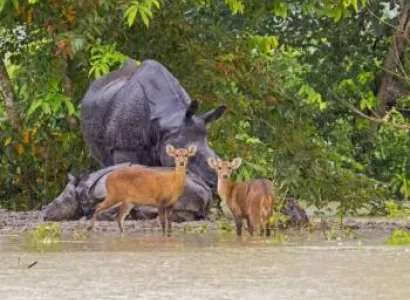
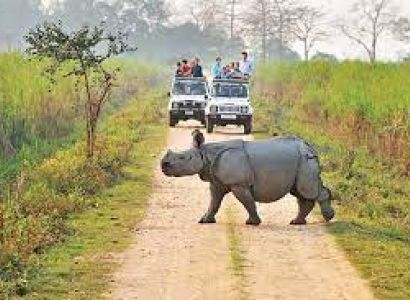
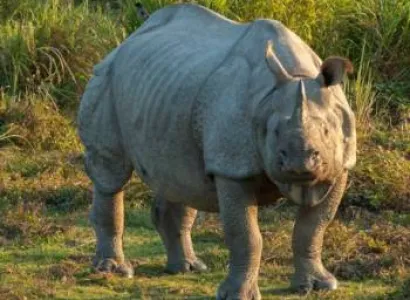
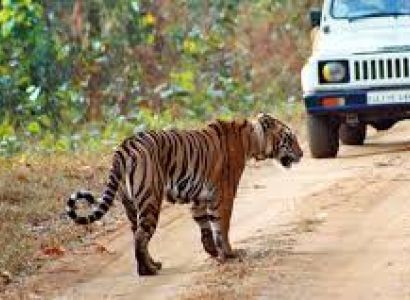
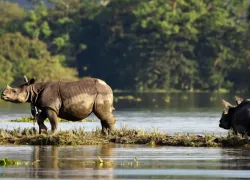
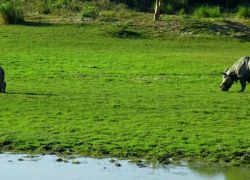
Panbari Reserve Forest is famous for being one of the least disturbed and most ecologically diverse regions within Kaziranga National Park. The forest is home to various species of wildlife, including the one-horned rhinoceros, tigers, elephants, and leopards. It is a crucial habitat for several endangered species, making it an essential part of the park’s conservation efforts. The forest's dense vegetation and remote location provide an authentic wilderness experience, offering wildlife enthusiasts the chance to see animals in their natural habitat.
Entry and Visit Details
Visiting the Panbari Reserve Forest requires a bit of planning. Here’s what you need to know:
- Entry Fees: The Panbari Reserve Forest is part of Kaziranga National Park, so you will need to pay the standard entry fees to access the park. Special permits are required for visiting certain areas of the forest, so it’s best to arrange your visit through an official guide or tour operator.
- Visiting Hours: The forest is open to visitors from 6:00 AM to 5:00 PM, with the best time to explore being early in the morning or late afternoon when animals are most active.
- Guided Tours: It is highly recommended to visit Panbari Reserve Forest with a guide, as the forest is dense and can be difficult to navigate. Local guides are knowledgeable about the wildlife and the best spots for sightings.
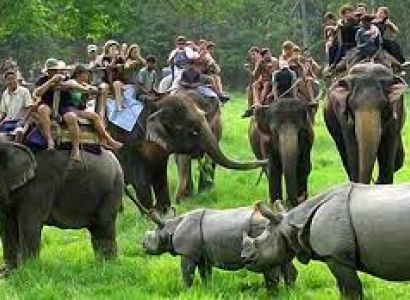
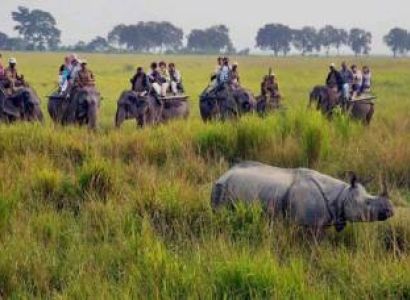
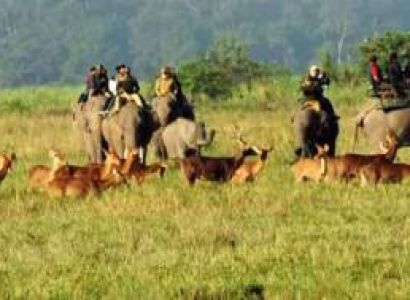
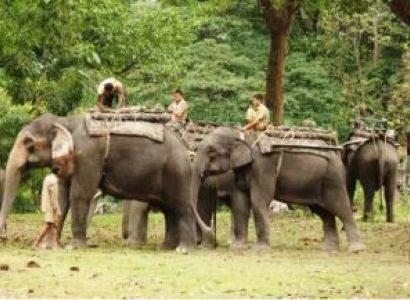
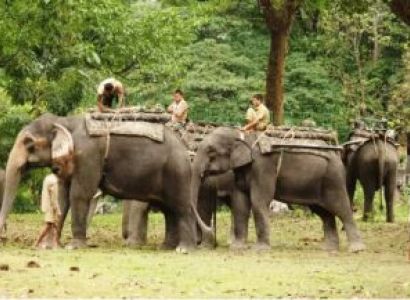
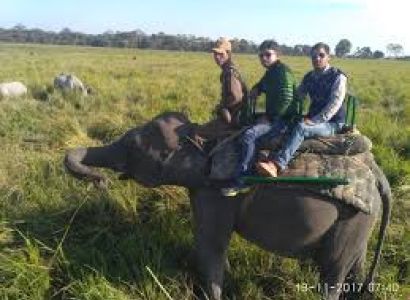
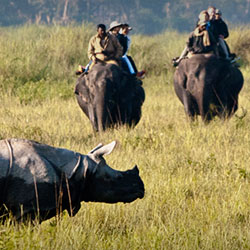
- Wildlife Safaris: You can explore the Panbari Reserve Forest through jeep or elephant safaris. Elephant safaris are particularly popular for exploring the dense forest and spotting wildlife up close.
Things to Do at Panbari Reserve Forest
There are several activities you can enjoy during your visit to the Panbari Reserve Forest:
- Wildlife Safaris: Take a jeep or elephant safari through the forest. The forest is home to a wide range of wildlife, including rhinos, tigers, elephants, wild buffaloes, and leopards.
- Bird Watching: Panbari Reserve Forest is a haven for birdwatchers, with a wide variety of resident and migratory birds. Spotting rare species like the Bengal florican is a highlight for many visitors.
- Photography: The dense forest and abundant wildlife provide excellent opportunities for nature and wildlife photography. Capture the majestic animals in their natural habitat and the vibrant beauty of the forest.
- Nature Walks: Explore the serene beauty of the forest on a guided nature walk. Learn about the local flora, fauna, and the important role the forest plays in the region’s ecosystem.
Facts and Tips About Panbari Reserve Forest
- Panbari Reserve Forest is part of the larger Kaziranga National Park, which is a UNESCO World Heritage Site known for its population of one-horned rhinoceroses.
- The forest is home to a rich variety of wildlife, including elephants, tigers, leopards, deer, and various bird species.
- Visiting Panbari requires special permits, so make sure to plan ahead and book your safari through an authorized operator.
- While exploring the forest, wear comfortable walking shoes and carry water, especially during the hotter months, as you may have to trek for some distance.
- Always follow the instructions of your guide, especially if you’re on an elephant or jeep safari, to ensure your safety and minimize disturbance to the animals.
Church of Our Lady, Bruges
The Church of Our Lady in Bruges, Belgium, is a famous Gothic church known for its magnificent architecture and the Madonna and Child sculpture by Michelangelo. While it is not related to Kaziranga or Panbari Reserve Forest, the church is an important cultural and historical landmark in Europe. Its intricate design, stunning art, and peaceful atmosphere make it a must-visit for history and architecture enthusiasts.
Conclusion
Panbari Reserve Forest is a must-visit destination for wildlife lovers, nature enthusiasts, and anyone seeking to experience the untamed beauty of Assam. Its dense vegetation, diverse wildlife, and serene atmosphere make it an unforgettable part of Kaziranga National Park. Whether you’re taking a safari, birdwatching, or simply enjoying a nature walk, the Panbari Reserve Forest provides a unique and authentic wilderness experience that highlights the importance of conservation and the need to protect our natural heritage.