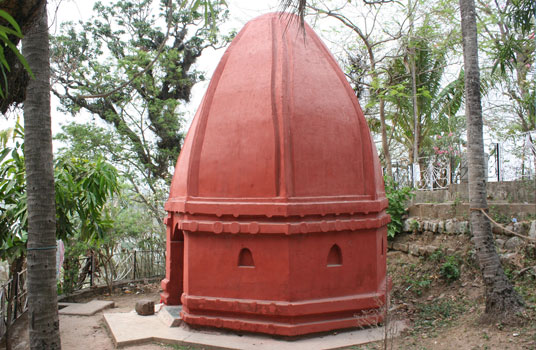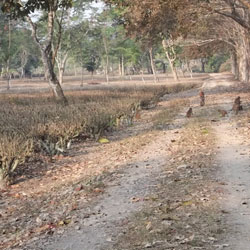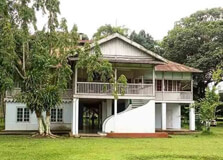
Deoparbat Ruins, located in the Kaziranga region of Assam, are a lesser-known but fascinating historical site. Situated near the town of Bokakhat, these ancient ruins date back to the 10th and 11th centuries and are believed to be remnants of a Hindu temple complex. Deoparbat offers a unique blend of history, archaeology, and natural beauty, as it is nestled amidst the verdant landscapes of Kaziranga National Park. The site is a must-visit for history buffs and those looking to explore Assam's rich cultural heritage beyond the famous one-horned rhinos and wildlife.
How to Reach Deoparbat Ruins, Kaziranga
Reaching Deoparbat Ruins is quite easy if you are already visiting Kaziranga National Park. Here’s how you can reach the ruins:
- By Air: The nearest airport is Jorhat Airport, located about 75 km away from Kaziranga. Alternatively, you can fly to Guwahati International Airport (approximately 193 km away) and hire a taxi to Kaziranga.
- By Train: The nearest railway station is Furkating Junction, which is around 50 km from Kaziranga. From the station, you can hire a cab to reach the Deoparbat Ruins.
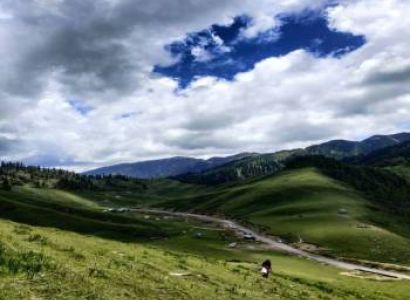
- By Road: Kaziranga is well-connected by road. You can hire a local vehicle or take a bus from Kaziranga town to the ruins. The site is about 15 km from Kaziranga's central area, making it easily accessible by car.
Weather and Best Time to Visit Deoparbat Ruins
The climate around Deoparbat Ruins is similar to that of Kaziranga, with a tropical monsoon climate. Here’s what to expect throughout the year:
- Summer (March to May): The temperatures can reach up to 35°C, making it warm, especially during midday. However, the cooler mornings and evenings are ideal for exploring the ruins.
- Monsoon (June to September): The region receives heavy rainfall during the monsoon season, which brings the landscape to life with lush greenery. However, the roads can be slippery, and access to the ruins may be restricted due to flooding.
- Winter (November to February): Winter is the best time to visit, with temperatures ranging from 10°C to 25°C. The cooler weather makes exploring the ruins more comfortable, and the surroundings look vibrant and clear during this season.
Why Deoparbat Ruins are Famous
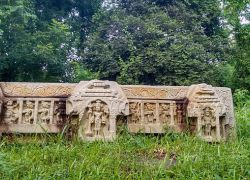
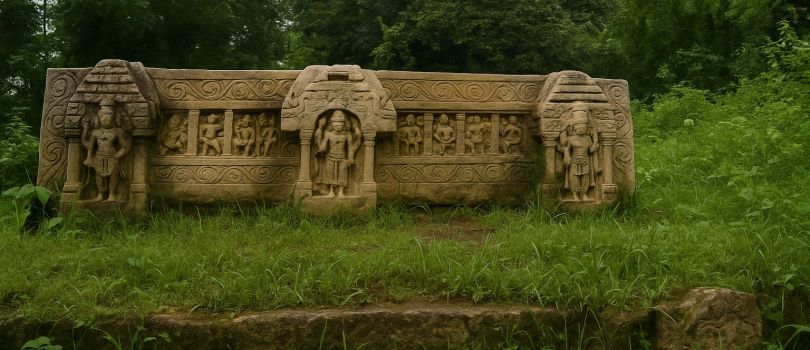
Deoparbat Ruins are famous for their historical significance. These ancient ruins are thought to be remnants of a Hindu temple dedicated to Lord Shiva, and the site offers a rare glimpse into Assam’s ancient architectural style. The ruins consist of stone structures, intricately carved sculptures, and a few stone pillars that are thought to be part of the larger temple complex. The location of the ruins, surrounded by lush forests, adds to the mystique and allure of the site. Archaeologists believe that Deoparbat may have been a major cultural and religious center in the past.
Entry and Visit Details
Visiting Deoparbat Ruins requires some preparation, as it is a relatively off-the-beaten-path site. Here are some key details about entry and visiting the ruins:
- Entry Fees: There is no specific entry fee for visiting the Deoparbat Ruins. However, visitors are usually required to pay the standard entry fee for Kaziranga National Park, which covers access to the surrounding areas as well.
- Visiting Hours: The ruins are typically open from 6:00 AM to 5:00 PM, allowing you to explore the site at your leisure. Early morning visits are recommended to avoid the midday heat and to witness the serenity of the place.
- Guided Tours: While the site is not heavily commercialized, hiring a guide can enrich your visit. A knowledgeable guide can provide historical context, explain the significance of the carvings and structures, and give insights into the archaeological discoveries made at the site.
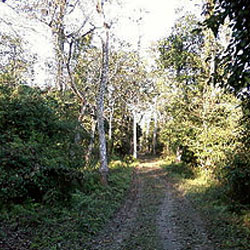
- Accessibility: The ruins are situated amidst natural terrain, and the pathways leading to them may not be well-maintained. Be prepared for a short trek through the forest, so comfortable footwear and water are advised.
Things to Do at Deoparbat Ruins
While visiting the Deoparbat Ruins, there are several activities you can enjoy to make the most of your experience:
- Exploring the Ruins: Walk around the ruins and admire the architectural remnants of what once was a grand Hindu temple. Take your time to examine the stone carvings and pillars that provide insight into the craftsmanship of ancient times.
- Photography: The Deoparbat Ruins offer excellent opportunities for photography, with the combination of ancient structures set against the lush backdrop of Kaziranga’s forests. Capture the serenity of the site and the intricate details of the carvings.
- Nature Walks: The surrounding area of the ruins is beautiful and offers a chance to explore the local flora and fauna. If you’re interested in nature, you can take a walk around the forested areas and enjoy the sights and sounds of the natural world.

- Bird Watching: Kaziranga is home to numerous bird species, and the area around the ruins offers a great chance for birdwatching. Keep an eye out for various species of birds as you explore the site.
Facts and Tips About Deoparbat Ruins
- Deoparbat Ruins are believed to date back to the 10th and 11th centuries, making them an important archaeological site in Assam.
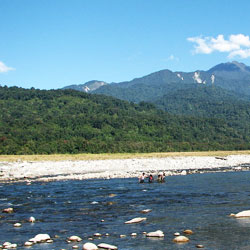
- The ruins are located on a hilltop, offering panoramic views of the surrounding Kaziranga landscape, which is a UNESCO World Heritage Site.
- There are no formal visitor facilities near the site, so it’s a good idea to carry essentials such as water, snacks, and a hat to protect yourself from the sun.
- Be respectful of the site’s historical value and avoid damaging the structures or removing any artifacts. Leave the area as you found it to preserve its beauty for future visitors.
- If you’re planning to visit during the monsoon, make sure to check weather forecasts in advance. Heavy rain can make the roads slippery, and access to the ruins may become challenging.
Church of Our Lady, Bruges
The Church of Our Lady in Bruges, Belgium, is famous for its Gothic architecture and the Madonna and Child sculpture by Michelangelo. While it is not directly related to Deoparbat Ruins or Kaziranga, the church is an iconic historical and architectural site in Europe. The church's intricate design and its role as a cultural landmark make it a must-visit for those interested in history and art.
Conclusion
Deoparbat Ruins are an incredible yet often overlooked historical site in the heart of Kaziranga National Park. These ancient ruins offer a glimpse into Assam's rich cultural and religious past, and visiting them is a rewarding experience for history enthusiasts and adventure seekers alike. Surrounded by the natural beauty of Kaziranga, the ruins provide an immersive experience that combines history, archaeology, and nature. Whether you're exploring the ruins, admiring the carvings, or simply enjoying the tranquility of the area, Deoparbat Ruins is a place worth visiting for anyone traveling to Kaziranga.