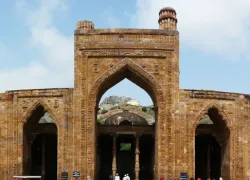
Adhai Din Ka Jhonpra is a remarkable structure of Indo-Islamic architecture said to have been built in two and a half days flat. This mosque was a Sanskrit college in the 12th century but in 1193 AD Mohammad Ghori destroyed the college and built a mosque in its place. It is built on pillars and surprisingly no two pillars are alike. The distinct pillars-and arched 'Screen' with its ruined minarets make it a splendid architectural masterpiece. The monument has seven arched walls with Islamic calligraphy, though most of it now remains in ruins. 'Adhai Din Ka Jhonpra' literally means 'shed of two-and-a-half days'. As mentioned earlier, a legend states that a part of the mosque was built in two-and-a-half days. Some Sufis claim that the name signifies a human's temporary life on the earth. According to the ASI, the name probably comes from a two-and-a-half-day-long fair that used to be held at the site. Har Bilas Sarda points out that the name 'Adhai-Din-ka-Jhonpra' is not mentioned in any historical source. Before the 18th century, the mosque was simply known as a 'Masjid' ("mosque"), since it had been the only mosque in Ajmer for centuries.
Explore More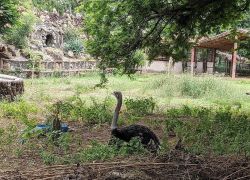
Jaipur Zoo, also known as Ram Niwas Garden Zoo, is one of the oldest and most popular zoological parks in Rajasthan. Situated in the heart of Jaipur, the Pink City, the zoo is part of the larger Ram Niwas Garden complex and is a favorite destination for families, tourists, and wildlife enthusiasts. Known for its diverse collection of animals, birds, and reptiles, Jaipur Zoo provides an opportunity to observe wildlife up close while also offering a peaceful and scenic environment amid well-maintained gardens and historic structures. Why Jaipur Zoo is Famous Jaipur Zoo is famous for several reasons that make it a must-visit attraction in Jaipur: Its extensive collection of native and exotic species, including lions, tigers, leopards, elephants, and rare birds. The zoo's integration with Ram Niwas Garden, which features lush lawns, fountains, and historical monuments. Educational programs and awareness campaigns promoting wildlife conservation and environmental protection. Its status as one of the oldest zoological parks in India, attracting visitors who appreciate both history and nature. Proximity to other major attractions in Jaipur, such as City Palace, Albert Hall Museum, and Hawa Mahal, making it easy to include in a city tour. History and Architecture Jaipur Zoo was established in 1877 during the reign of Maharaja Sawai Madho Singh II. It was initially a small menagerie to house animals for the royal family, but over time, it was expanded and opened to the public. The zoo was developed as part of the Ram Niwas Garden, which was designed by the Maharaja in 1868. The architecture of the zoo enclosures combines traditional Indian elements with functional modern designs, allowing visitors to observe animals safely while creating an environment that mimics natural habitats. The zoo houses several thematic enclosures, each designed to suit the specific needs of the animals. Some enclosures feature stone and brick structures reminiscent of Rajasthani forts, while others use natural landscaping to create forest-like surroundings. The pathways, fountains, and garden areas enhance the aesthetic appeal, offering a pleasant walking experience for visitors. How to Reach Jaipur Zoo, Jaipur Jaipur Zoo is centrally located and can be accessed by various modes of transport: By Road: Jaipur Zoo is easily reachable from anywhere in the city. Visitors can hire taxis, auto-rickshaws, or use ride-sharing apps. The address is Ram Niwas Garden, Jaipur, Rajasthan. By Bus: Jaipur City buses operate routes connecting the zoo to major parts of the city. Local BMTC buses and private operators also service this route. By Train: The nearest railway station is Jaipur Railway Station, around 3 km from the zoo. From the station, taxis or auto-rickshaws can take you to the zoo in a few minutes. By Air: Jaipur International Airport is approximately 13 km from the zoo. From the airport, taxis or airport shuttle services are available for convenient access. Weather Jaipur experiences a semi-arid climate, and the weather can significantly influence the zoo visit: Summer (March to June): Hot and dry, with temperatures ranging from 30°C to 45°C. Early morning or late afternoon visits are recommended. Monsoon (July to September): Moderate rainfall makes the gardens lush and green. Carry umbrellas and raincoats during this season. Winter (October to February): Pleasant and cool, with temperatures ranging from 8°C to 25°C. This is the ideal season for exploring the zoo comfortably. Timings Jaipur Zoo is generally open throughout the week, except on certain public holidays: Opening Hours: 9:00 AM to 5:00 PM Closed: Some national holidays may have closures; visitors should check in advance. Best Time to Visit: October to February, when the weather is pleasant and outdoor activities are more enjoyable. Entry and Visit Details The zoo provides an affordable and family-friendly visit experience: Entry Fee: INR 15 for adults, INR 5 for children (fees may vary, and foreign tourists may be charged a higher rate) Facilities: The zoo offers seating areas, drinking water points, restrooms, and a small refreshment area. Some guided tours and educational activities are available for school groups and tourists. Photography: Allowed in most areas, but professional equipment may require special permission. Things to Do at Jaipur Zoo Visitors can engage in multiple activities at Jaipur Zoo: Animal Observation: See a variety of species, from big cats like lions and tigers to exotic birds and reptiles. Photography: Capture animals in naturalistic enclosures and scenic garden areas. Educational Tours: Learn about wildlife conservation, animal behavior, and ecological balance through guided tours and informational displays. Picnicking: The surrounding Ram Niwas Garden provides a beautiful spot for picnics with family and friends. Bird Watching: The zoo is home to numerous local and migratory birds, offering a serene environment for bird enthusiasts. Interesting Facts about Jaipur Zoo The zoo houses over 100 species of animals, including endangered and rare species. It is one of the oldest zoos in India, reflecting both historical significance and wildlife conservation efforts. The zoo’s layout integrates historical architecture from the Ram Niwas Garden era. It has been actively involved in breeding programs for endangered species to support wildlife preservation. Many schools and colleges organize educational trips to the zoo, promoting awareness about animal welfare and conservation. Tips for Visiting Jaipur Zoo Wear comfortable shoes, as the zoo covers a large area with extensive walking paths. Carry water and light snacks, especially if visiting in summer. Bring sunscreen, sunglasses, and hats to protect against the sun. Visit early in the day for better animal visibility, as many animals are more active in the morning. Respect zoo rules and avoid feeding animals, as it may disrupt their diet and health. Use cameras responsibly and avoid disturbing animals while taking photos. In conclusion, Jaipur Zoo is an ideal destination for families, students, and tourists interested in wildlife, nature, and history. Its combination of rich animal diversity, educational opportunities, scenic gardens, and proximity to Jaipur’s other attractions makes it a must-visit site in Rajasthan. Whether you are exploring the zoo to learn about wildlife conservation or simply to enjoy a day surrounded by nature, Jaipur Zoo offers an enriching and memorable experience for visitors of all ages.
Explore More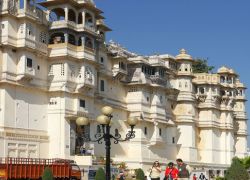
With a number of beautiful and majestic towers and balconies over the lake, City Palace is known to the world as the largest palace of Udaipur, Rajasthan. The magnificent architectural beauty of this palace has managed to survive successfully till now with glory. In fact, it is one of the major attractions for the tourists of Udaipur. The main attraction of the Palace is definitely the beautiful panoramic view of the lake and its surrounding cities which can be best viewed from the top of it. Another important fact about this palace is it has been built several times by numerous generations of its rulers, one after another. Every element built in this palace contains a strategy behind it, so the portico beauty of City Palace is more of a defensive structure. Things to Do: You can roam all through the day into the different structures built inside the City Palace which include – • Gateways – Badi pol is the main entrance to the palace. This leads to the pol of Tripolia which allows the tourists to enter the north side of the palace. • Amar Vilas – It is the highest court here. It has an elevated garden structure which lets the tourists enter the Badi Mahal. This Mughal style garden holds many fountains, arcades, towers, and terrace. • Badi Mahal – Badi Mahal or garden palace is a great construction of natural rocks. It has a hall with miniature paintings and a swimming pool. • Bhim Vilas – It is a gallery that includes various miniature paintings which all relate to the life of Radha and Krishna. • Chini Chitrashala – It is the art-house of the palace which is decorated with Dutch and Chinese style tiles. • Choti Chitrashali – This palace is filled with pictures and paintings of the 19th century and its earlier times. • Durbar Hall – This hall room was sued for meetings and banquets. Maharana Fateh Singh built this Minto Hall. It holds luxurious interiors, chandeliers, portraits, etc. • Fateh Prakash Palace – It is now a heritage hotel. • Krishna Vilas – This chamber is filled with miniature pictures depicting the royal lifestyle. • Lakshmi Vilas Chowk – This art gallery is filled with Mewar Paintings. • Manak Mahal – It was the meeting hall of the Kings. • Mor Chowk – Peacock Square is one of the inner courts of the palace. It is named after the three peacocks of the season – summer, winter and monsoon. • Kanch ki Burj – Maharana Karan Singhji built this in the 16th century. The dome ceiling is made of glasses and mirrors. • Rang Bhawan – It contains the royal treasure of the rulers. • Sheesh Mahal – Maharani Ajabde built this palace of mirrors to see her own reflection. • City Palace Museum – It is now open for the tourists. It holds the artifacts of the royal era. History: The City Palace, Udaipur has a similar age of the city itself, both made at the same time. But during the next 400 years, the administration took a deep interest in building and rebuilding it several times. during 568 AD, the land of the palace was the property of the Mewars. In the 16th century, Maharaja Uday Singh inherited the property. Later when the capital city Chittor of his reign was under war, he decided to move the capital of his kingdom somewhere nearby Lake Pichola. This is when City Palace became the new capital. He actually found this site when he was on hunting one day. The royal courtyard was the first structure made for the City Palace. Maharaja Uday Singh II died during the construction of this palace, and his son then carried on the process. However, during the war of Haldighati, City Palace was owned by Mughal Samrat Akbar. Later, the Rajputs took back the ownership and continued its construction work once again. And, it continued until the 19th century, when the British came into India and captured the palace. But even during the British rule, the Rajputs constructed much-disguised structures inside the palace complex. After the independence of India, the ownership of City palace went into the hands of the Indian Government. Architecture: City Palace, Udaipur is situated on the top of the hill. The architecture of this palace shows a perfect fusion of Rajasthani and Mughal architecture style patterns. The palace structure is constructed on the east side of Lake Pichola. The geographical location of the palace is 598m above sea level. It was built in such a way that a panoramic view could be achieved by the approaching enemy soldiers. About 22 generations of the Rajputs built the entire palace and eleven smaller palaces inside its complex, which are all identical in their architectural patterns. Materials used to build the palace structure were granite and marble. The interior of the palace is designed with marble works, silver works, inlay works, and murals. All the palaces inside the City Palace are connected with various corridors and chowks. The palace contains zigzag-shaped courtyards which were built with the motive to restrain the quick advancement of the enemy troops. Best Time to Visit: October to March is the best time to visit Udaipur as this remains winter here. How to Reach? If you want to explore Udaipur in a majestic way, you can ride on some standard luxury trains of the nation including – • Palace on wheels • The heritage of India • The Indian splendor • Indian odyssey Otherwise, you can take a flight to Dabok Airport, Udaipur. Various trains also reach Udaipur railway station from a range of cities in India. Else, ride on public or private bus transport to reach Udaipur via roadways. FAQs and Information: Today, a few palaces inside the main palace have turned into heritage hotels which also contain some craft shops, boutiques, etc. If you want to spend a perfect holiday in a majestic environment, you must visit City Palace, Udaipur.
Explore More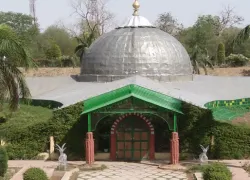
Purjan vihar, Alwar is a beautiful and aesthetic garden well-known in Rajasthan. The verdant greenery and brilliant architecture of this garden is something that you must visit on your trip to Alwar. Built-in 1868 by Maharaja Shiv Dan Singh this picturesque destination with splendid lawns and the trimmed garden is located in the heart of the city and draws many visitors from different parts of the nation. This was once a royal heritage property but is now open for the common public owing to its beauty and old-world charm. Tips For Visiting This place is open from 9 am to 5 pm for tourists and visitors. There is no entry fee to get into the garden. The minimum time required to explore this place is about 1-2 hours. Things to do Purjan Vihar, Alwar is an ideal picnic spot to enjoy your day with family and friends. You can explore this stunning garden and enjoy its architecture. Along with this, you can enjoy other activities like visiting tiger reserve and going fishing in Lake Siliserh or if you are a devotee of Karni Mata you can visit Karni Mata temple on your tour to the city of Alwar. There are tons of other activities like visiting forts, museums, palaces, etc which you can plan and enjoy with all your loved ones on your trip. How to reach? This tourist destination is well connected by rail, road, and air. The nearest railway station is the Alwar railway station, which is connected with major cities railway stations like Mumbai, Agra, etc while Jaipur airport is the nearest airport which is also welled with regular domestic flights. PurjanVihar, Alwar being in the center of the city, can easily be reached by taking a rickshaw, taxi or local bus. History The garden was created in the 19th century by Maharaja Shiv Dan Singh in the year 1868. Huge structures with dome known as ‘Shimla’ were built all around the garden to prevent the blazing sun from entering this stunning garden. This was built as a summer house to escape the soaring temperature of the desert. Originally the garden was known as ‘company garden’ but the park was later renamed by Maharaja Jai Singh as Purjan Vihar. The outstanding formation of structure and innate aesthetic beauty of the garden of Purjan Vihar, Alwar is what draws tourist from all over the world Best Time to Visit The best time to visit this picturesque Purjan Vihar, Alwar is during sunrise so that you can appreciate its natural beauty to the fullest. The period from September to February is an ideal time to take your family and friends on this trip. The weather is very moderate in Alwar with hot summer, rainy monsoon, and pleasant winters. Nearby Attractions Siliserh Lake- The Lake was built in 1845 AD by Maharaj Vinay Singh who has several domed cenotaphs. It is spread over 7 sqkm and forms the backdrop of Siliserh palace. The major activity on the lake is fishing and it is 13km away from the city of Alwar. You can see a lot of migratory birds on your trip to Siliserh Lake, too as it is located within Aravalli hills. Bala Quila - The fort was built before Mughal rule in India and is also known as Alwar fort. It is located 595m away from the city center. The fort is large and consists of 15 large towers and 51 small towers. There are 6 gates and 446 holes for firing guns. The gates are named after famous personalities which adds to its attraction and has much history associated with it. Government Museum - This is a must-visit place with lots of Persian and Sanskrit manuscripts, musical instruments, stuffed animals, miniature paintings, pottery, and brass work, etc which can be seen in government museums. Formed post-independence it houses several items from the palace. Moosi Maharani Ki Chhatri– It is a tomb of Maharaja Bhaktawar Singh and his queen Rani Moosi. The tomb was built by Maharaja Vinay Singh and is on pillared walls. This elephant structured design is a key element of the attraction along with gold leaf painting and sculptures in the ceiling. The cenotaph is made from indo- Islamic architectural design like floral tracery, domed arches, etc. The Chhatri is located in the banks of Lake Sagar, surrounded by a garden. Karni Mata Temple- This popular pilgrim temple is situated on the way to Bala Qila in Alwar. The temple is dedicated to Karni Mata, who is a guardian deity of royal families. It is built in sandstone and has an exemplary design that blends Indian and Mughal styles. It has pillared galleries topped with carved domes and pergolas while the inner walls depict stories of Karni Mata. The temple is known for rats and draws devotees from different parts of the world. PurjanVihar, Alwar has become a landmark Alwar attraction with its luxuriant lawns and natural beauty under the patronage of maharaja Shiv Dan Singh. This is among the most beautiful tourist destination in Alwar and attracts visitors from in and around the world. With easy connectivity and tons of places to visit and activities to do, Alwar makes for an ideal getaway for a family vacation. So next time you want to plan a trip to Rajasthan, make sure to stop at Alwar to enjoy its rich culture and breath-taking beautiful tourist destinations to enjoy your vacation to the fullest.
Explore More
Naturally carved by Mother Nature in the shape of toad, the Toad Rock is an amazing attraction in Mount Abu. It is a perfect hangout spot for the locals and tourists. People often visit Toad Rock for enjoying a day's itinerary. Visiting this place offers a great view of the nearby region. It Is Known For:-1) Toad Rock is a famous tourist site that resembles the shape of a toad2) It can be climbed for witnessing a scenic view of Nakki Lake and the nearby beauteous surroundings3) During winters, climbing atop the Toad Rock provides a soulful view of the lake and the nearby village shrouded in the blanket of fog. Best Time To Visit:-Toad Rock welcomes the visitors from nearby and far off places on a daily basis. Due to its breathtaking location, it never disappoints anybody. Thus, it can be visited during any time and season of the year. Reaching There:-Reaching the site of the Toad Rock is not a hassle. It is well-connected with all the major roads in the city. People just require a short trek to the hillock to reach the place. The service of horse rides is also available for all visitors. Nearest Railway Station- Mount Abu Railway StationNearest Airport- Jaipur Airport
Explore More
Champaa Caves or Champa Caves is a historical site in Mount Abu. These caves lie in the midway to Nakki Lake and Toad Rock. Presently, it is a famous location for experiencing the buzz of trekking. In the previous times, it was the place where the famous Indian saint Swami Vivekananda meditated for a few weeks. Today, it is a famous tourist site and is visited by numerous visitors daily. It Is Known For:-1) Champa Caves is an important site because of Swami Vivekananda. After the death of his teacher, Swami R.K Paramhamsa, he decided to follow celibacy by giving up the worldly pleasures and becoming a monk2) There are 2 sections in the caves where a smaller one was used as a meditating seat, whereas, the other one was used as a bedroom. It is said that Swami Vivekananda didn't eat or drink during his tenure of meditation3) This site is also known for its scenic surroundings. Trekkers adore Champaa Caves as they can enjoy the activity of trekking. Best Time To Visit:-Excluding the monsoons, any season of the year is considered as apt for paying a visit to Champaa Caves. During monsoons, the conditions aren't favorable for exploring the caves safely. Reaching There:-Champaa Caves is well-connected via all major roads of Mount Abu. Such connectivity allows the local buses and taxis to commute to and from the caves easily. Nearest Railway Station- Mount Abu Railway StationNearest Airport- Jaipur Airport
Explore More
Welcome to the majestic Dilwara Temples located in Sirohi - a true gem of architectural and spiritual significance. The Dilwara Temples are renowned for their intricate marble carvings and historical importance, attracting visitors from far and wide to witness their beauty and grandeur. History of Dilwara Temples The history of Dilwara Temples dates back to ancient times, with their construction dating back to the 11th and 13th centuries. These temples served as a place of worship for followers of Jainism and are a testament to the rich cultural heritage of the region. The former royal hunting grounds surrounding the temples add to their historical charm, and the conservation efforts in place have led to their UNESCO recognition as a significant cultural site. Architecture and Natural Beauty of Dilwara Temples Surrounded by lush greenery and serene landscapes, the Dilwara Temples offer a tranquil setting for visitors to explore. The intricate architecture and stunning marble carvings of the temples showcase the exquisite craftsmanship of the artisans of that era. The presence of the historical Keoladeo Temple within the vicinity adds to the cultural and spiritual aura of the place. Why is Dilwara Temples Famous? The Dilwara Temples are famous for their architectural brilliance and spiritual importance. They also serve as a haven for birdwatchers, photographers, nature enthusiasts, and wildlife lovers due to the diverse flora and fauna present in the natural surroundings of the temples. How to Reach Dilwara Temples Traveling to Dilwara Temples is convenient, with options available by air, rail, and road. The nearest airports are located in Udaipur and Ahmedabad, while the Abu Road railway station provides easy access for those traveling by train. The temples are well-connected by road, making it accessible for visitors coming from nearby cities. Weather and Best Time to Visit Dilwara Temples The weather at Dilwara Temples varies throughout the year, with summers being warm, monsoons bringing rainfall, and winters being cool and pleasant. The best time to visit is during the winter months from October to March when the weather is ideal for exploring the temples and enjoying the natural beauty of the surroundings. Timings of Dilwara Temples The temples are open to visitors from [Timings]. It is advisable to check for any seasonal variations in timings before planning your visit to ensure a memorable experience. Entry Fee and Visit Details Visitors can enter the Dilwara Temples by paying a nominal entry fee. Guide services are available for those who wish to learn more about the history and significance of the temples. Additionally, safari options, bicycle rentals, and other visitor facilities are provided to enhance the overall experience. Things to Do at Dilwara Temples There are plenty of activities to indulge in at Dilwara Temples, including birdwatching, photography, cycling, walking trails, and nature observation. Visitors can immerse themselves in the serene surroundings and engage in educational experiences to learn more about the cultural and natural heritage of the region. Interesting Facts About Dilwara Temples Dilwara Temples are home to a variety of migratory birds and boast rich biodiversity, making them a hotspot for conservation efforts. The temples stand as a symbol of architectural brilliance and historical significance, drawing attention to the ecological importance of preserving such cultural landmarks. Travel Tips for Visiting Dilwara Temples When visiting Dilwara Temples, it is advisable to dress modestly and carry comfortable footwear for exploring the temple premises. Photography enthusiasts should bring their camera gear to capture the intricate details of the marble carvings. It is recommended to visit during the winter months for a pleasant experience and to practice responsible tourism by respecting the surroundings and local traditions. Conclusion In conclusion, the Dilwara Temples in Sirohi stand as a testament to the rich heritage and cultural significance of the region. From their historical importance to the architectural marvels they display, the temples offer a unique blend of spirituality and natural beauty for visitors to explore and appreciate.
Explore More
Welcome to Guru Shikhar, a captivating tourist attraction located in Sirohi. This enchanting destination is known for its natural beauty, rich biodiversity, and historical significance. Travelers from around the world visit Guru Shikhar to experience its pristine landscapes and unique wildlife. History of Guru Shikhar Guru Shikhar holds a special place in history as a former royal hunting ground that has been transformed into a conservation area. The park's origins date back to ancient times, and it has been a key focus of conservation efforts to protect its diverse flora and fauna. Guru Shikhar's conservation initiatives have garnered international recognition, contributing to its UNESCO status as a significant natural heritage site. Architecture and Natural Beauty of Guru Shikhar The natural environment of Guru Shikhar is a harmonious blend of wetlands, forests, and grasslands that provide a sanctuary for a wide variety of bird species. The park is also home to the historical Keoladeo Temple, adding a cultural aspect to its scenic landscapes. Visitors can explore bird habitats and witness breathtaking views of the surrounding landscapes. Why is Guru Shikhar Famous? Guru Shikhar is renowned for its diverse bird population, making it a paradise for birdwatchers and nature enthusiasts. The park's tranquil atmosphere and picturesque settings attract photographers and wildlife lovers seeking to immerse themselves in the beauty of nature. How to Reach Guru Shikhar Traveling to Guru Shikhar is convenient, with options available by air, rail, and road. The nearest airports and railway stations provide easy access to the park, allowing visitors to reach this natural haven with ease. Weather and Best Time to Visit Guru Shikhar Guru Shikhar experiences varying weather conditions throughout the year, with summers being hot, monsoons bringing rainfall, and winters offering a pleasant climate. The best time to visit is during the cooler months when the flora and fauna are at their vibrant best. Timings of Guru Shikhar Guru Shikhar is open to visitors during specific timings, with seasonal variations that may affect accessibility. Planning your visit accordingly ensures a smooth and enjoyable experience at this natural wonder. Entry Fee and Visit Details Visitors to Guru Shikhar can avail entry passes and guide services to enhance their exploration of the park. Safari options, bicycle rentals, and visitor facilities are available to ensure a comfortable and memorable visit to this picturesque destination. Things to Do at Guru Shikhar At Guru Shikhar, there are plenty of activities to indulge in, including birdwatching, photography, cycling, walking trails, and nature observation. Visitors can partake in educational experiences to learn more about the park's biodiversity and conservation efforts. Interesting Facts About Guru Shikhar Guru Shikhar is home to a myriad of migratory birds, showcasing the park's ecological importance and conservation achievements. The park's rich biodiversity and unique ecosystem make it a fascinating destination for nature lovers and conservation enthusiasts. Travel Tips for Visiting Guru Shikhar When visiting Guru Shikhar, it is advisable to wear comfortable clothing, carry photography equipment, and be prepared for birdwatching excursions. Understanding the best visiting seasons and practicing responsible tourism ensures a fulfilling and sustainable travel experience. Conclusion In conclusion, Guru Shikhar in Sirohi is a hidden gem waiting to be explored by discerning travelers seeking nature's tranquility and beauty. With its historical significance, diverse wildlife, and picturesque landscapes, Guru Shikhar offers a memorable experience for visitors looking to connect with the wonders of the natural world.
Explore More
Toad Rock, located in Sirohi, is a mesmerizing tourist attraction that captivates visitors with its natural beauty and historical significance. This unique destination offers a perfect blend of serene landscapes, rich biodiversity, and cultural heritage, making it a must-visit for nature enthusiasts and history buffs alike. History of Toad Rock The history of Toad Rock traces back to its origins as a former royal hunting ground, steeped in tradition and royal legacy. Over the years, concerted conservation efforts have transformed it into a sanctuary of natural beauty. The park's historical significance and conservation endeavors have garnered recognition, including UNESCO acknowledgment for its preservation efforts. Architecture and Natural Beauty of Toad Rock Toad Rock is renowned for its diverse natural environment comprising wetlands, forests, and grasslands that provide habitats for a wide array of bird species. The picturesque landscapes and the historical Keoladeo Temple nestled within the park add to its charm, offering visitors a glimpse into the region's architectural and cultural heritage. Why is Toad Rock Famous? Toad Rock's fame stems from its reputation as a haven for birdwatchers, photographers, and wildlife enthusiasts. The park's rich biodiversity, including migratory bird populations, attracts nature lovers from around the globe, making it a popular destination for those seeking a unique and immersive wildlife experience. How to Reach Toad Rock Traveling to Toad Rock is convenient, with various options available by air, rail, and road. Visitors can access the park through nearby airports and railway stations, ensuring easy connectivity and smooth transportation to this natural paradise. Weather and Best Time to Visit Toad Rock The weather at Toad Rock varies across seasons, offering distinct experiences during summer, monsoon, and winter. The best time to visit is during specific months when the climate is favorable, allowing visitors to explore the park's beauty and biodiversity to the fullest. Timings of Toad Rock Toad Rock welcomes visitors during specified timings, with seasonal variations that may affect accessibility and visitor experiences. It is essential to plan your visit accordingly, considering the park's operational hours and any relevant information to ensure a seamless and enjoyable trip. Entry Fee and Visit Details Entry to Toad Rock involves specific procedures and facilities, including guide services, safari options, and bicycle rentals for exploring the park. Visitors can avail themselves of these services to enhance their experience and make the most of their time at this captivating destination. Things to Do at Toad Rock At Toad Rock, visitors can engage in a myriad of activities such as birdwatching, photography, cycling, walking trails, and nature observation. The park offers a range of experiences for all age groups, ensuring a fulfilling and educational visit amidst the serene natural surroundings. Interesting Facts About Toad Rock Toad Rock is teeming with interesting facts related to migratory birds, biodiversity conservation, and ecological importance. These fascinating insights shed light on the park's significance in preserving wildlife and promoting environmental awareness, making it a compelling destination for eco-conscious travelers. Travel Tips for Visiting Toad Rock When visiting Toad Rock, it is advisable to consider practical tips such as appropriate clothing, photography essentials, birdwatching equipment, and the best seasons for exploration. Responsible tourism practices are encouraged to maintain the park's pristine beauty and support sustainable conservation efforts. Conclusion In conclusion, Toad Rock in Sirohi stands out as a premier tourist attraction that offers a unique blend of natural splendor and historical charm. With its rich biodiversity, cultural heritage, and engaging visitor experiences, Toad Rock promises an unforgettable journey for all who seek to immerse themselves in the wonders of nature and heritage in this picturesque city.
Explore More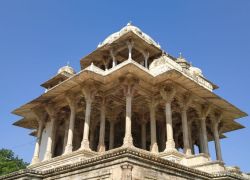
Chaurasi Khambon ki Chhatri, located in Bundi, is a captivating tourist attraction known for its historical significance and natural beauty. This architectural marvel stands as a testimony to Bundi's rich heritage and offers visitors a glimpse into the past amidst serene surroundings. History of Chaurasi Khambon ki Chhatri The history of Chaurasi Khambon ki Chhatri dates back to ancient times when it served as a prominent structure in the region. Originally built as a royal cenotaph, this site was a former royal hunting ground that has undergone conservation efforts to preserve its grandeur. The UNESCO recognition has further highlighted the importance of this architectural gem. Architecture and Natural Beauty of Chaurasi Khambon ki Chhatri The chhatri is surrounded by lush greenery, wetlands, and forests that create a picturesque setting for visitors. Bird habitats and landscapes add to the natural charm of the place, with the historical Keoladeo Temple nearby enhancing the overall appeal of the site. Why is Chaurasi Khambon ki Chhatri Famous? Chaurasi Khambon ki Chhatri is renowned for its architectural grandeur and natural surroundings, making it a popular destination among birdwatchers, photographers, nature enthusiasts, and wildlife lovers. The serene atmosphere and historical significance draw visitors from far and wide. How to Reach Chaurasi Khambon ki Chhatri Traveling to Chaurasi Khambon ki Chhatri is convenient, with options available by air, rail, and road. The nearest airports and railway stations provide easy access to this heritage site, ensuring a hassle-free journey for tourists. Weather and Best Time to Visit Chaurasi Khambon ki Chhatri The weather at Chaurasi Khambon ki Chhatri varies across seasons, with summer, monsoon, and winter each offering a unique experience. The best time to visit is during the pleasant months when the natural beauty of the surroundings is at its peak. Timings of Chaurasi Khambon ki Chhatri The timings of Chaurasi Khambon ki Chhatri cater to visitors throughout the year, with seasonal variations in operation hours. Planning a trip to this site requires considering the timing details to make the most of the visit. Entry Fee and Visit Details Entry procedures at Chaurasi Khambon ki Chhatri are straightforward, with guide services, safari options, bicycle rentals, and visitor facilities available on-site. Exploring the chhatri and its surroundings is made convenient with these amenities. Things to Do at Chaurasi Khambon ki Chhatri Visitors to Chaurasi Khambon ki Chhatri can engage in various activities such as birdwatching, photography, cycling, walking trails, and nature observation. Educational experiences abound, offering insights into the historical and ecological aspects of the site. Interesting Facts About Chaurasi Khambon ki Chhatri Chaurasi Khambon ki Chhatri is home to a diverse range of migratory birds, showcasing the region's rich biodiversity. Conservation efforts have played a crucial role in preserving this natural habitat, underscoring the ecological importance of the site. Travel Tips for Visiting Chaurasi Khambon ki Chhatri When visiting Chaurasi Khambon ki Chhatri, it is advisable to dress comfortably, carry essential photography and birdwatching equipment, and be mindful of the best seasons to explore the site. Responsible tourism practices ensure the preservation of this historical and natural treasure. Conclusion In conclusion, Chaurasi Khambon ki Chhatri in Bundi offers a blend of history, architecture, and natural beauty that appeals to tourists seeking a tranquil retreat. The significance of this site, coupled with its visitor experience, makes it a must-visit destination for those looking to immerse themselves in the charm of Bundi.
Explore More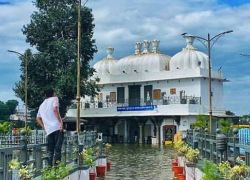
Located on the banks of the Gaib Sagar Lake, the Badal Mahal is one of the most astounding palaces to visit in Dungarpur. The palace not only has a rich heritage but is also known for the splendid history that is attached to it. The artistic design of the mahal is what attracts many of the history and architectural buffs to this part. If you see the palace, it has been constructed using solely the Dawra stones. Its construction is believed to have been completed in two separate stages. Literally translated as the cloud palace, Badal Mahal is known for its splendor and its beauty. You can plan your visit around a time when you can get to stay here during the evening and when the lights are lit up, the reflection of the mahal on the Gaib Sagar Lake is something worth watching. History The Badal Mahal was built even before the 15the century. The second stage construction of the Badal Mahal was done during the 17th century or between the years 1609 and 1657. The first floor, dome, and the verandah around the palace were built during this second stage of the construction itself by Maharawal Punjraj. Now, Badal Mahal acts as a leisure home and many of the state guests used to stay here during their visit. It was even used as a camping place for a long time. Architecture It has a true Rajasthani décor that makes the Badal Mahal stand out. There are three domes and a large verandah within its complex. The lights that are lit up during the night a the Badal Mahal make this palace look even more beautiful. Best Time to Visit Located in the Dungarpur area of Rajasthan, the best time to visit the Badal Mahal is the whole year except during the hot summer months. You should avoid visiting here during the months of April, May, and June, and plan your visit around the months of November, December, January, and February. How to Reach Located in Dungarpur, the Badal Mahal is one of the most easily accessible palaces in the area. Whether you are traveling within Rajasthan or coming from some other part of the country, you can easily reach here by road, rail, or even air. Located on the banks of Gaib Sagar Lake, one can reach the Badal Mahal by bus and taxi and even one’s own commute. The nearest railway station from the Badal Mahal is the Dungarpur Railway Station. It has trains from the Delhi, Mumbai, Agra, and many other major cities. If you are coming by air, you can get down at the Udaipur Airport which is around 132 km away from Badal Mahal. Nearby Attractions There are many places near Badal Mahal that you can visit when you are planning a visit there. One of these is the Juna Mahal, a similar palace in Dungarpur. He Gaib Sagar Lake is another popular tourist attraction near the Badal Mahal. The Rajmata Devendra Kunwar Museum is another place to visit here. You can also visit the Udai Bilas Palace or the Baneshwar temple when you are in Dungarpur to ensure that you have made complete worth of your day visit. Tips For Visiting Make sure to bring your sunglasses and put on your exploring shoes when you are visiting the Badal Mahal.
Explore More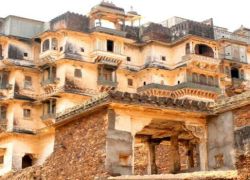
There is something about visiting the old monuments. They tell a very unique and different story and even transpose us to a completely different era. India is blessed to be having so many old monuments, palaces, and forts. One among them is Juna Mahal. Located right in the land of royalties and riches, Juna Mahal, Dungarpur is one of the most anticipated palaces to be visited in Rajasthan. Also known as ‘Bada Mahal’, this place is situated right at the foothills of the Aravali Hills. It was built by Rawal Veer Singh Deo and has been undergoing a lot of renovation till the 19th century to come to life as it is seen now. History The first palace or mahal in the Juna Mahal complex is believed to have been built around the thirteenth century. However, many new courtyards, rooms, floors, wings, and fortifications kept on being added to the Mahal until the 19th century. Until the middle of the 20th century, i.e., until the 1950s, this mahal was used for inhabitation. However, after that, it fell into disrepair, and now is just another tourist location in the city. Today, it is among the World Monuments Watch (added in 2014) and awareness about this longest inhabited structure is being spread. Architecture The Juna Mahal is pedestaled high on a Darwa Stone. This gives it an elevation and helps you get a panoramic view of Dungarpur from the mahal complex. The palace is 7 stories high and has just one single staircase running through the entire palace complex, which gives it the look of a single structure. What sets this palace apart from the other palaces is that it is majorly built using the local Parewa stone. Its architecture shares a similarity with the Rajput style architecture. One can see detailed handwork on the window panes that are also built using green and blue Parewa stone. Best Time to Visit Located in the Dungarpur area of Rajasthan, it is always advisable to visit the Juna Mahal during the cool months of the year. Summers can be very hot and humid in Rajasthan and you might not be able to enjoy to the fullest if you visit during the hot months. It is advisable that if you are planning to explore the Juna Mahal, Dungarpur, travel between the months of July and March while avoiding the hot April, May, and June. How to Reach You can easily reach the Juna Mahal area using your own car or by hiring a taxi or cab. Udaipur has well-built roads that can take you to the palace. You can also take local transport to reach Dungarpur and from there take an auto or any other public transport to reach Juna Mahal. Nearby Attractions If you are visiting the Juna Mahal in Dungarpur, there are several other places that you can also pay a visit to in Dungarpur itself. One of them is the very popular Udai Bilas Palace in Dungarpur. It is a heritage hotel where you can either stay or plan a visit. You can also visit the Gaibsagar Lake in Dungarpur if you love to see the blue waters. The Dev Somnath Temple is also located just 25 kms from Dungarpur. If you want to explore some history, you can visit the Rajmata Devendra Kunwar Museum in Dungarpur as well.
Explore MoreJaipur - Jodhpur - Jaisalmer 6N - 7D Tour
7 Days/ 6 Night
Jaipur - Jaisalmer - Jodhpur
Exclusive Royal Rajasthan
12 Days/ 11 Night
Jaipur - Bikaner - Jaisalmer
Jaipur Ajmer Pushkar Tour Package 3 Night 4 Days
4 Days/ 3 Night
Ajmer - Jaipur - Pushkar
Jaisalmer Longewala Trip
5 Days/ 4 Night
Jaisalmer
Welcome to Sheesh Mahal, a captivating tourist attraction nestled in the charming city of Nawalgarh. This historical gem offers a delightful blend of architectural grandeur, natural beauty, and rich biodiversity, making it a must-visit destination for travelers seeking a unique experience. History of Sheesh Mahal Steeped in history, Sheesh Mahal traces its origins back to the era of royal indulgence and opulence. Once serving as the former royal hunting grounds, this magnificent site has witnessed centuries of conservation efforts to preserve its cultural and ecological significance. Its remarkable heritage has earned it recognition by UNESCO as a site of immense historical value. Architecture and Natural Beauty of Sheesh Mahal Sheesh Mahal boasts a natural environment teeming with wetlands, forests, and grasslands that provide a sanctuary for diverse bird species. The picturesque landscapes offer a serene backdrop to the historical Keoladeo Temple, adding to the allure of this architectural marvel. Why is Sheesh Mahal Famous? Sheesh Mahal has garnered fame as a haven for birdwatchers, photographers, nature enthusiasts, and wildlife lovers alike. Its rich biodiversity and tranquil surroundings make it a sought-after destination for those seeking to immerse themselves in the beauty of nature. How to Reach Sheesh Mahal Traveling to Sheesh Mahal is convenient, with options to reach by air, rail, or road. The city is well-connected to nearby airports and railway stations, ensuring easy access for visitors looking to explore this enchanting hotspot. Weather and Best Time to Visit Sheesh Mahal The weather at Sheesh Mahal varies across the summer, monsoon, and winter seasons, offering different experiences to visitors. The best time to visit is during [mention best months], when the climate is most favorable for exploration and sightseeing. Timings of Sheesh Mahal Sheesh Mahal welcomes visitors during [mention visitor timings], with seasonal variations that may affect accessibility. It is advisable to plan your trip accordingly to make the most of your visit to this historical site. Entry Fee and Visit Details Entry to Sheesh Mahal is subject to [mention entry procedures], with guide services, safari options, and bicycle rentals available for visitors. The site offers various visitor facilities to enhance your experience and ensure a memorable stay. Things to Do at Sheesh Mahal At Sheesh Mahal, visitors can engage in a myriad of activities such as birdwatching, photography, cycling, walking trails, and nature observation. The site also offers educational experiences that provide insights into the rich biodiversity and cultural heritage of the region. Interesting Facts About Sheesh Mahal Sheesh Mahal is renowned for its diverse migratory bird population, conservation achievements, and ecological importance. The site serves as a testament to the harmonious coexistence of man and nature, showcasing the beauty of sustainable conservation efforts. Travel Tips for Visiting Sheesh Mahal When visiting Sheesh Mahal, it is advisable to [mention practical advice], including suitable clothing, photography equipment, ideal visiting seasons, and responsible tourism practices. By following these tips, you can ensure a smooth and fulfilling travel experience at this remarkable destination. Conclusion In conclusion, Sheesh Mahal in Nawalgarh stands as a testament to the historical, cultural, and ecological richness of the region. Its architectural splendor, natural beauty, and diverse biodiversity offer visitors a unique opportunity to immerse themselves in a world of wonder and discovery. A trip to Sheesh Mahal promises an unforgettable experience that will leave a lasting impression on every traveler who ventures to this enchanting hotspot.
Explore More
Welcome to the serene and captivating destination of Ranakpur Dam in the beautiful city of Ranakpur. This hidden gem offers a perfect blend of natural beauty, biodiversity, and historical significance, making it a must-visit for nature enthusiasts and history lovers alike. History of Ranakpur Dam Steeped in history, Ranakpur Dam holds tales of ancient times and was once a royal hunting ground. Over the years, concerted conservation efforts have transformed it into a sanctuary of ecological importance. The UNESCO recognition further highlights its cultural and historical value. Architecture and Natural Beauty of Ranakpur Dam The stunning landscapes of Ranakpur Dam encompass lush wetlands, dense forests, and sprawling grasslands that provide a habitat for a myriad of bird species. The park also houses the revered Keoladeo Temple, adding a touch of spirituality to its natural allure. Why is Ranakpur Dam Famous? Ranakpur Dam is renowned for its rich avian diversity, attracting birdwatchers and photographers from around the globe. Nature enthusiasts and wildlife lovers flock to this destination to witness the harmonious coexistence of various species amidst picturesque surroundings. How to Reach Ranakpur Dam Traveling to Ranakpur Dam is convenient, with options for air, rail, and road transport. The nearest airports are located in close proximity, and well-connected railway stations offer easy access to this natural haven. Weather and Best Time to Visit Ranakpur Dam Ranakpur Dam experiences a pleasant climate throughout the year, with distinct summer, monsoon, and winter seasons. The best time to visit is during the winter months when the weather is cool and conducive for exploring the park's natural wonders. Timings of Ranakpur Dam Visitors can explore the beauty of Ranakpur Dam during specified timings, with seasonal variations occasionally affecting accessibility. Planning your visit accordingly ensures a memorable experience amidst the tranquility of this sanctuary. Entry Fee and Visit Details Entry to Ranakpur Dam is subject to prescribed procedures, and guide services are available for those seeking a deeper insight into the park's offerings. Safari options, bicycle rentals, and well-equipped visitor facilities enhance the overall experience of exploring this natural paradise. Things to Do at Ranakpur Dam Engage in a host of activities at Ranakpur Dam, including birdwatching, photography, cycling, and leisurely walks along picturesque trails. Immerse yourself in nature observation and educational experiences that unveil the park's ecological diversity. Interesting Facts About Ranakpur Dam Ranakpur Dam is a sanctuary for migratory birds, boasting a rich tapestry of biodiversity and conservation achievements. Its ecological importance transcends boundaries, making it a vital hub for preserving natural harmony. Travel Tips for Visiting Ranakpur Dam When visiting Ranakpur Dam, ensure you are equipped with suitable clothing, photography gear, and birdwatching equipment to make the most of your experience. Familiarize yourself with the best seasons to visit and uphold responsible tourism practices to preserve the park's ecological balance. Conclusion In conclusion, Ranakpur Dam stands as a testament to the beauty of nature and the significance of preserving our natural heritage. A visit to this enchanting destination in Ranakpur promises a memorable journey filled with awe-inspiring landscapes, diverse wildlife, and a deep connection to the wonders of the natural world.
Explore More
Kota Barrage is a famous tourist attraction in Rajasthan. It is a water barrage and earthen dam listed under the Chambal Valley Project. It stands on the river Chambal with a total area of 27,332 sq. km. The construction of the dam was completed in the year 1960. This barrage has 19 gates for controlling the flow of the water. It Is Known For:-1) Kota Barrage is known for its tantalizing surroundings. The view of waters speeding of the gates is simply enchanting2) Its construction terminated the irrigation issues for the farmers3) It has the canal system that supplies the water to the state of Madhya Pradesh as well4) It has emerged as a famous tourist attraction due to the activities like swimming and boating. Best Time To Visit:-Though there's no specific time for visiting Kota Barrage as visitors are seen here across the year, the best time is regarded during the monsoon. During the season, the speed of the waters when released doubles up and makes it appear even enchanting. Reaching There:-The city of Kota has a wide network of the roadways and railways. Due to the frequent services of the local transit like the bus, taxis, trains, and autos, it has become feasible for the people and visitors to commute within the city. Tourists can reach Kota Barrage by bus or taxi. Nearest Railway Station- Kota JunctionNearest Airport- Kota Airport
Explore More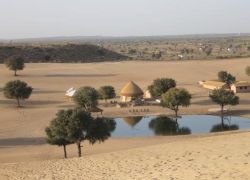
Khimsar Sand Dunes in Khimsar, Rajasthan are one of the most mesmerizing desert landscapes in the Thar Desert region. Spanning over miles of golden sand, these dunes offer visitors an opportunity to experience the beauty, serenity, and cultural richness of Rajasthan. Famous for sunrise and sunset views, camel safaris, and traditional desert festivals, Khimsar Sand Dunes are a perfect destination for nature lovers, adventure enthusiasts, and photographers. How to Reach Khimsar Sand Dunes, Khimsar, Rajasthan Reaching Khimsar Sand Dunes is convenient due to Khimsar's location along major travel routes in Rajasthan. The options are: By Road: Khimsar is well-connected by road from Jodhpur, which is approximately 90 kilometers away. Buses, taxis, and private cars can be used to reach the sand dunes. By Rail: The nearest railway station is in Jodhpur. From there, taxis or local buses can transport visitors to Khimsar. By Air: Jodhpur Airport, well-connected to major Indian cities like Delhi, Mumbai, and Jaipur, is the nearest airport. From the airport, travelers can hire private taxis or use rental cars to reach the dunes. Weather in Khimsar, Rajasthan The climate at Khimsar Sand Dunes is typical of the Thar Desert, with extreme temperatures. Summers (April to June) are extremely hot, with temperatures ranging from 35°C to 45°C. Winters (November to February) are mild and pleasant, ranging from 10°C to 25°C, making it the best time to visit. Monsoon season (July to September) brings occasional rainfall but is less crowded and still enjoyable. Visitors should carry sun protection, light clothing for summer, and warm layers for winter nights. Timings of Khimsar Sand Dunes The Khimsar Sand Dunes are open throughout the day, but early mornings and late afternoons are ideal for visiting. Sunrise and sunset are especially spectacular, providing dramatic lighting for photography and sightseeing. Most desert activities, including camel rides and cultural performances, are scheduled during the cooler hours of the day. Why Khimsar Sand Dunes are Famous Khimsar Sand Dunes are famous for their stunning desert landscape, traditional Rajasthani cultural experiences, and adventure opportunities. The dunes provide a perfect setting for camel safaris, dune bashing, and desert camping. Visitors are often fascinated by the seemingly endless stretches of golden sand, the vibrant cultural events, and the breathtaking sunrises and sunsets. The area is also known for the nearby Khimsar Fort, which adds historical and architectural significance to the visit. Entry and Visit Details Visiting Khimsar Sand Dunes is free of charge. However, adventure activities like camel safaris, jeep rides, and guided tours are available at a cost. Several hotels and resorts near the dunes offer overnight stays and desert camping experiences. Visitors are encouraged to hire local guides for safety and to gain insights into the desert ecosystem, local culture, and historical significance of the area. History and Architecture While the sand dunes themselves are natural formations, Khimsar region is historically rich. The nearby Khimsar Fort, built in the 16th century by the Rao of Jodhpur, showcases traditional Rajput architecture with massive stone walls, ornate courtyards, and intricate carvings. The fort and its surroundings reflect the cultural heritage of Rajasthan. Travelers visiting the dunes often combine their trip with a visit to the fort to experience both natural beauty and historical architecture. Things to Do at Khimsar Sand Dunes Camel Safari: Explore the desert landscape atop camels, experiencing traditional Rajasthani travel. Dune Bashing: Enjoy adventurous rides across the undulating sand dunes in jeeps. Photography: Capture sunrise, sunset, and panoramic views of the golden desert. Desert Camping: Spend a night under the stars at desert camps with traditional Rajasthani music and cuisine. Visit Khimsar Fort: Explore the historical fort and learn about its architectural and cultural significance. Local Interaction: Meet local communities and experience Rajasthani art, crafts, and music. Facts About Khimsar Sand Dunes The Khimsar Sand Dunes are part of the Thar Desert ecosystem, featuring unique flora and fauna adapted to desert conditions. The dunes have been shaped over centuries by wind and erosion, creating mesmerizing patterns. The region is also home to migratory birds during winter months. The proximity to Khimsar Fort enhances the historical and cultural importance of the area, providing visitors a combination of adventure, history, and scenic beauty. Tips for Visiting Khimsar Sand Dunes, Khimsar, Rajasthan Visit during winter months (November to February) for comfortable weather and clear skies. Carry water, sunscreen, hats, and light clothing during the day; warm layers for night camping. Wear comfortable shoes suitable for walking on sand dunes. Respect local culture and environment; avoid littering and follow guide instructions. Plan combined trips with Khimsar Fort and nearby villages for a comprehensive experience. In conclusion, Khimsar Sand Dunes, Khimsar, Rajasthan offer an unforgettable experience of the Thar Desert’s beauty, adventure, and culture. From camel safaris and desert camping to exploring historical forts and local traditions, the dunes provide a perfect blend of natural wonder and cultural heritage. Whether you are a nature enthusiast, adventure seeker, or history lover, Khimsar Sand Dunes promise a memorable and enriching travel experience.
Explore More
Welcome to the mesmerizing world of the Havelis of Mandawa! Situated in the historic city of Mandawa, these grand traditional mansions are renowned for their exquisite architecture and rich cultural heritage. The Havelis of Mandawa offer a glimpse into Rajasthan's regal past and are a testament to the opulence and craftsmanship of a bygone era. History of Havelis of Mandawa The history of the Havelis of Mandawa dates back to the 18th century when they were built by wealthy merchants known as Marwaris. These ornate mansions served as the residences of affluent families and were adorned with intricate frescoes and carvings that depicted scenes from Hindu mythology and daily life. Today, these havelis stand as a living legacy of Mandawa's affluent past and have been meticulously preserved to showcase their architectural splendor. Architecture and Natural Beauty of Havelis of Mandawa Surrounded by the arid landscapes of Rajasthan, the Havelis of Mandawa are architectural marvels that feature stunning frescoes, jharokhas (balconies), and latticed windows. The town itself is a treasure trove of historical buildings, with the renowned Keoladeo Temple adding to its cultural significance. The natural beauty of Mandawa, with its rustic charm and vibrant bazaars, complements the architectural grandeur of the havelis. Why is Havelis of Mandawa Famous? The Havelis of Mandawa are famous for their intricate frescoes, exquisite architecture, and cultural significance. This destination attracts history buffs, architecture enthusiasts, and art lovers from around the world who come to admire the craftsmanship of these heritage buildings. The town is also a haven for photographers, offering endless opportunities to capture the beauty of Rajasthan's heritage. How to Reach Havelis of Mandawa Traveling to Mandawa is convenient, with the nearest airport being in Jaipur, approximately 168 kilometers away. The town is well-connected by road and can be reached by bus or private car. The nearest railway station is in Jhunjhunu, around 30 kilometers from Mandawa, providing easy access to the city via rail. Weather and Best Time to Visit Havelis of Mandawa Mandawa experiences hot summers, moderate monsoons, and chilly winters. The best time to visit is during the winter months from October to March when the weather is pleasant, and the havelis can be explored comfortably without the scorching heat of summer. Timings of Havelis of Mandawa The Havelis of Mandawa are open to visitors from morning till evening, allowing ample time to explore the intricate architecture and historical significance of these grand mansions. Seasonal variations may affect timings, so it's advisable to check in advance. Entry Fee and Visit Details Visitors can explore the Havelis of Mandawa by purchasing entry tickets on-site. Guided tours are available for a more in-depth understanding of the history and architecture of these heritage buildings. Additionally, bicycle rentals and safari options are offered for a unique exploration experience. Things to Do at Havelis of Mandawa Immerse yourself in the rich history of Mandawa by indulging in activities such as birdwatching, photography, cycling through the town's narrow lanes, and embarking on walking trails to discover hidden gems. The havelis offer a unique opportunity for nature observation and educational experiences that showcase Rajasthan's cultural heritage. Interesting Facts About Havelis of Mandawa The Havelis of Mandawa are not just architectural marvels but also serve as a sanctuary for migratory birds during certain seasons, adding to the biodiversity of the region. Conservation efforts have been instrumental in preserving the heritage and ecological balance of Mandawa, making it a unique destination for nature lovers. Travel Tips for Visiting Havelis of Mandawa When visiting the Havelis of Mandawa, it's advisable to dress modestly and carry comfortable footwear for exploring the town on foot. Photography enthusiasts should bring their cameras to capture the intricate details of the frescoes and architecture. The winter months offer the best weather for sightseeing, ensuring a pleasant and memorable experience for visitors. Conclusion In conclusion, the Havelis of Mandawa stand as a testament to Rajasthan's rich cultural heritage and architectural grandeur. From the intricate frescoes to the historical significance of these grand mansions, Mandawa offers a unique blend of history, art, and natural beauty. A visit to the Havelis of Mandawa promises an enriching experience for travelers seeking to explore the opulent past of Rajasthan in the heart of this vibrant city.
Explore More
Welcome to the enchanting destination of Goenka Double Haveli nestled in the historic city of Mandawa. This architectural marvel stands as a testament to the rich cultural heritage and intricate craftsmanship of Rajasthan, attracting visitors from all corners of the globe. History of Goenka Double Haveli The Goenka Double Haveli dates back to a bygone era, steeped in history and tales of opulence. Once a residence of the affluent merchant community, this haveli showcases the grandeur and architectural finesse of the Rajputs. The intricate frescoes and ornate carvings narrate stories of the past, offering a glimpse into the royal lifestyle of the region. Architecture and Natural Beauty of Goenka Double Haveli Besides its architectural splendor, the Goenka Double Haveli is surrounded by the natural beauty of Mandawa. The arid landscapes, vibrant markets, and age-old forts add to the allure of this destination. The haveli's courtyard, adorned with colorful murals depicting mythological scenes, is a sight to behold, reflecting the artistic prowess of the artisans. Why is Goenka Double Haveli Famous? The Goenka Double Haveli is renowned for its architectural grandeur and historical significance. It serves as a treasure trove for history buffs, art enthusiasts, and culture aficionados. The haveli's intricate designs and elaborate architecture make it a favorite spot for photographers and travelers seeking a glimpse of Rajasthan's regal past. How to Reach Goenka Double Haveli Traveling to Goenka Double Haveli is convenient, with well-connected air, rail, and road networks. The nearest airport is located in Jaipur, approximately 190 kilometers away, while the Mandawa Railway Station offers easy access for those traveling by train. Road transport via buses and private taxis is also readily available. Weather and Best Time to Visit Goenka Double Haveli The weather in Mandawa varies across seasons, with scorching summers, pleasant monsoons, and chilly winters. The best time to visit Goenka Double Haveli is during the winter months from October to March when the weather is mild, making exploration comfortable and enjoyable. Timings of Goenka Double Haveli Goenka Double Haveli welcomes visitors from morning till evening, allowing ample time to explore its architectural marvels and historical treasures. The timings may vary slightly during peak tourist seasons, so it is advisable to check in advance before planning your visit. Entry Fee and Visit Details Upon arrival at Goenka Double Haveli, visitors can obtain entry tickets at the designated counters. Guide services are available for a more insightful tour of the haveli, while safari options and bicycle rentals offer unique ways to explore the surroundings. Visitor facilities including restrooms and refreshment stalls ensure a comfortable experience for all. Things to Do at Goenka Double Haveli Immerse yourself in a myriad of activities at Goenka Double Haveli, from admiring the intricate frescoes to capturing the essence of Rajasthani architecture through photography. Birdwatching, cycling through the quaint streets, and indulging in nature walks are popular pastimes for visitors seeking a tranquil retreat. Interesting Facts About Goenka Double Haveli The Goenka Double Haveli is not just a historical landmark but also a haven for biodiversity enthusiasts. The region boasts a diverse ecosystem, with migratory birds gracing the skies and adding to the charm of the surroundings. Conservation efforts have been instrumental in preserving this ecological gem for future generations to cherish. Travel Tips for Visiting Goenka Double Haveli When planning your trip to Goenka Double Haveli, remember to dress modestly and comfortably to suit the weather conditions. Carry your camera gear for capturing the intricate details of the haveli and the scenic vistas around Mandawa. Visit during the cooler months for a more pleasant experience and adhere to responsible tourism practices to help preserve this cultural heritage. Conclusion In conclusion, Goenka Double Haveli in Mandawa stands as a symbol of Rajasthan's rich architectural heritage and cultural legacy. Its historical significance, intricate designs, and natural beauty make it a must-visit destination for travelers seeking a glimpse into the royal past of India. Explore the opulence of the haveli, soak in the vibrant hues of Mandawa, and create lasting memories in this captivating city.
Explore More
Welcome to the enchanting destination of Samode Haveli situated in the picturesque city of Samode. This historical gem offers a perfect blend of rich heritage, architectural marvels, and natural beauty, making it a must-visit for travelers seeking a unique experience. History of Samode Haveli Samode Haveli boasts a captivating historical background that dates back to its origins as a former royal hunting ground. Over the years, concerted conservation efforts have preserved its grandeur, leading to UNESCO recognition for its cultural significance. Architecture and Natural Beauty of Samode Haveli Surrounded by lush wetlands, verdant forests, and sprawling grasslands, Samode Haveli is a haven for various bird species and wildlife. The park's landscape is accentuated by the majestic Keoladeo Temple, adding to its historical charm and natural allure. Why is Samode Haveli Famous? Samode Haveli is renowned for its appeal to birdwatchers, photographers, nature enthusiasts, and wildlife lovers alike. Its unique biodiversity and scenic beauty make it a paradise for those seeking an immersive experience in nature. How to Reach Samode Haveli Traveling to Samode Haveli is convenient, with options available by air, rail, and road. Nearby airports and railway stations provide easy access to this hidden gem, ensuring a smooth journey for visitors. Weather and Best Time to Visit Samode Haveli The weather at Samode Haveli varies across summer, monsoon, and winter seasons. The best time to visit is during the pleasant months when the park is at its scenic best, offering a delightful experience for explorers. Timings of Samode Haveli Visitor timings at Samode Haveli cater to different seasons, ensuring an enjoyable visit for tourists throughout the year. Detailed information on seasonal variations and useful planning tips are available to optimize your experience. Entry Fee and Visit Details Entering Samode Haveli is a straightforward process, with guide services, safari options, bicycle rentals, and visitor facilities enhancing the overall experience. These amenities add convenience and value to your visit, making it memorable. Things to Do at Samode Haveli Engage in popular activities at Samode Haveli such as birdwatching, photography, cycling, walking trails, nature observation, and educational experiences. These immersive experiences allow visitors to connect with nature on a deeper level. Interesting Facts About Samode Haveli Samode Haveli is home to fascinating migratory birds, diverse biodiversity, conservation achievements, and ecological wonders. These unique aspects highlight the park's importance in preserving natural habitats and promoting environmental awareness. Travel Tips for Visiting Samode Haveli For a smooth visit to Samode Haveli, consider practical tips on clothing, photography gear, birdwatching essentials, ideal visiting seasons, and responsible tourism practices. These insights ensure a fulfilling and sustainable travel experience. Conclusion In conclusion, Samode Haveli in Samode is a captivating destination that offers a harmonious blend of history, nature, and adventure. Its cultural significance, architectural splendor, and natural beauty make it a haven for travelers seeking a memorable experience amidst serenity and charm.
Explore More
Shekhawati Havelis, located in Shekhawati, is a captivating tourist attraction renowned for its architectural marvels and rich cultural heritage. This historical region is famous for its ornate havelis adorned with intricate frescoes that depict tales of the bygone era. The vibrant streets of Shekhawati offer a glimpse into the opulent lifestyle of the erstwhile Rajputana rulers, making it a must-visit destination for history buffs and architecture enthusiasts. History of Shekhawati Havelis The history of Shekhawati Havelis dates back to the 18th and 19th centuries when wealthy Marwari merchants built these grand mansions as symbols of their prosperity. Originally used as residential complexes, these havelis have now been transformed into heritage hotels and museums, preserving the architectural legacy of the region. Shekhawati was once a flourishing hub of trade and commerce, attracting artisans and craftsmen who embellished the havelis with exquisite artwork. Architecture and Natural Beauty of Shekhawati Havelis Shekhawati is not only famous for its architectural splendor but also for its natural beauty. The region boasts of lush landscapes, verdant fields, and serene surroundings that transport visitors to a tranquil realm. The havelis stand as a testament to the artistic prowess of the craftsmen who meticulously adorned the walls and ceilings with intricate designs. The Keoladeo Temple, a historic marvel nestled amidst the havelis, adds to the allure of this picturesque destination. Why is Shekhawati Havelis Famous? Shekhawati Havelis have gained international acclaim for being a paradise for birdwatchers, photographers, and nature lovers. The unique blend of architectural opulence and natural beauty makes it a sought-after destination for those seeking an immersive cultural experience. The havelis provide a glimpse into the glorious past of Shekhawati, captivating visitors with their timeless charm and historical significance. How to Reach Shekhawati Havelis Traveling to Shekhawati Havelis is convenient, with options available by air, rail, and road. The nearest airport is located in Jaipur, approximately a few hours' drive away. Shekhawati is well-connected by rail, with regular trains plying to nearby cities. For those opting for a road trip, the region can be accessed via well-maintained highways that offer a scenic journey through the heart of Rajasthan. Weather and Best Time to Visit Shekhawati Havelis The weather in Shekhawati varies across seasons, with summers being hot and monsoons bringing occasional showers. The best time to visit Shekhawati Havelis is during the winter months when the weather is pleasant, making it ideal for exploring the architectural wonders and natural beauty of the region. Timings of Shekhawati Havelis Shekhawati Havelis are open to visitors throughout the year, with timings varying slightly based on the season. It is advisable to check the official schedule before planning your visit to ensure a memorable experience without any inconvenience. Entry Fee and Visit Details Visitors to Shekhawati Havelis can avail of guided tours, safari options, and bicycle rentals to explore the region at their own pace. Entry procedures are straightforward, with visitor facilities ensuring a comfortable and enjoyable stay. The havelis offer a glimpse into the regal past of Rajasthan, allowing tourists to immerse themselves in the rich cultural heritage of Shekhawati. Things to Do at Shekhawati Havelis Shekhawati Havelis offer a myriad of activities for tourists, including birdwatching, photography, cycling, and nature trails. Visitors can indulge in capturing the intricate details of the frescoes, observing the diverse bird species that inhabit the region, and exploring the hidden gems of Shekhawati through engaging walking tours. Educational experiences are also available for those keen on learning about the historical significance of the havelis. Interesting Facts About Shekhawati Havelis Shekhawati Havelis are home to a plethora of migratory birds, adding to the biodiversity of the region. Conservation efforts have been undertaken to preserve the architectural heritage and ecological balance of Shekhawati, making it a sustainable tourist destination that promotes responsible tourism practices. The havelis serve as living museums, showcasing the artistic brilliance and cultural richness of Rajasthan. Travel Tips for Visiting Shekhawati Havelis When visiting Shekhawati Havelis, it is advisable to dress modestly and carry essential items such as sunscreen, hats, and comfortable footwear. Photography enthusiasts should make sure to capture the intricate details of the frescoes and the natural beauty of the surroundings. It is recommended to visit during the winter months for a pleasant experience and to adhere to eco-friendly practices to preserve the pristine beauty of Shekhawati. Conclusion In conclusion, Shekhawati Havelis in Shekhawati stand as a testament to the grandeur and architectural brilliance of Rajasthan. This captivating destination offers a blend of historical significance, natural beauty, and cultural heritage that mesmerizes visitors from around the globe. Exploring the havelis and immersing oneself in the rich tapestry of Shekhawati's past is a journey worth embarking on for an unforgettable travel experience.
Explore More
Alsisar Haveli, located in the city of Alsisar, is a captivating tourist attraction known for its rich history, stunning architecture, and natural beauty. This heritage haveli holds great significance for both history enthusiasts and nature lovers, offering a unique blend of cultural heritage and ecological diversity. History of Alsisar Haveli Alsisar Haveli has a fascinating historical background, originally serving as a royal residence and a former hunting ground for the nobility. Over the years, conservation efforts have been put in place to preserve the heritage of this haveli, leading to its recognition by UNESCO for its architectural and cultural value. Architecture and Natural Beauty of Alsisar Haveli The haveli is surrounded by lush wetlands, dense forests, and expansive grasslands that provide a haven for numerous bird species. The picturesque landscapes and the nearby Keoladeo Temple add to the charm of this heritage site, attracting visitors with their historical and natural allure. Why is Alsisar Haveli Famous? Alsisar Haveli is renowned for its biodiversity, making it a hotspot for birdwatchers, photographers, and nature enthusiasts. The haveli's serene surroundings and diverse bird habitats offer a unique opportunity to witness the beauty of wildlife up close, making it a popular destination for wildlife lovers. How to Reach Alsisar Haveli Traveling to Alsisar Haveli is convenient, with options available by air, rail, and road. Nearby airports and railway stations provide easy access to the city of Alsisar, allowing visitors to reach the haveli with ease and explore its historical and natural wonders. Weather and Best Time to Visit Alsisar Haveli Alsisar experiences varied weather conditions throughout the year, with summers being hot, monsoons bringing rainfall, and winters being cool and pleasant. The best time to visit Alsisar Haveli is during the winter months when the weather is ideal for exploring the haveli and its surroundings. Timings of Alsisar Haveli Visitor timings at Alsisar Haveli may vary seasonally, so it is advisable to check in advance before planning a visit. Understanding the timings and any seasonal variations will help visitors make the most of their trip and enjoy the beauty of the haveli. Entry Fee and Visit Details Entry procedures at Alsisar Haveli are straightforward, with guide services available for visitors who wish to learn more about the haveli's history and surroundings. Safari options, bicycle rentals, and other visitor facilities enhance the overall experience of exploring this heritage site. Things to Do at Alsisar Haveli Visitors to Alsisar Haveli can engage in a variety of activities, including birdwatching, photography, cycling, walking trails, and nature observation. These activities offer a unique way to experience the natural beauty and cultural heritage of the haveli while creating lasting memories. Interesting Facts About Alsisar Haveli Alsisar Haveli is home to a diverse range of migratory birds, highlighting the haveli's ecological importance and conservation achievements. The haveli's commitment to preserving biodiversity and promoting responsible tourism adds to its appeal as a sustainable travel destination. Travel Tips for Visiting Alsisar Haveli When visiting Alsisar Haveli, it is recommended to dress appropriately for the weather, carry necessary photography and birdwatching equipment, and plan your trip during the best seasons to enjoy the haveli to the fullest. Practicing responsible tourism ensures the preservation of this cultural and natural treasure for future generations. Conclusion Alsisar Haveli in Alsisar is a gem that offers a delightful mix of history, architecture, and biodiversity, making it a must-visit destination for travelers seeking a unique and enriching experience. By exploring the haveli's historical significance and natural beauty, visitors can immerse themselves in a world of culture and conservation that leaves a lasting impact.
Explore More
Welcome to Neemrana, a city in India known for its rich history, vibrant culture, and stunning natural beauty. One of the must-visit tourist attractions in Neemrana is Stepwell Baori, a historical stepwell that offers a glimpse into the region's architectural and cultural heritage. History of Stepwell Baori Stepwell Baori has a fascinating historical background, dating back to ancient times when it served as a vital source of water for the local communities. Originally built as a reservoir, the stepwell has evolved over the centuries and now stands as a symbol of architectural excellence and engineering ingenuity. It was once part of the royal hunting grounds and has undergone extensive conservation efforts to preserve its heritage. Stepwell Baori's significance has been recognized by UNESCO for its cultural and historical importance. Architecture and Natural Beauty of Stepwell Baori Surrounded by lush wetlands, dense forests, and expansive grasslands, Stepwell Baori is a haven for birdlife and biodiversity. The stepwell is not only a marvel of ancient architecture but also a sanctuary for various bird species. The picturesque landscapes and the nearby Keoladeo Temple add to the charm of this historical site, making it a popular destination for nature lovers and photographers. Why is Stepwell Baori Famous? Stepwell Baori is famous for its unique architecture, serene natural environment, and abundant birdlife. It attracts birdwatchers, photographers, nature enthusiasts, and wildlife lovers from around the world who come to witness the beauty and tranquility of this historic site. How to Reach Stepwell Baori Traveling to Stepwell Baori is convenient, with options available by air, rail, and road. The nearest airports are located in nearby cities, and the region is well-connected by rail. Visitors can also opt for road transport, with various bus services and taxis plying to and from Neemrana. Weather and Best Time to Visit Stepwell Baori The weather at Stepwell Baori varies throughout the year, with hot summers, rainy monsoons, and cool winters. The best time to visit is during the winter months when the weather is pleasant, and the birdlife is abundant, making it an ideal time for birdwatching and nature exploration. Timings of Stepwell Baori Stepwell Baori is open to visitors during specific timings, and it is advisable to check for any seasonal variations before planning your visit. Understanding the operational hours and planning your trip accordingly will ensure a smooth and enjoyable experience at this historical site. Entry Fee and Visit Details Visitors to Stepwell Baori can avail entry by following the prescribed procedures. Guide services are available for a more informative tour, and safari options provide a unique way to explore the surroundings. Bicycle rentals are also an option for those looking to explore the area at their own pace, while visitor facilities cater to the basic needs of tourists. Things to Do at Stepwell Baori At Stepwell Baori, visitors can indulge in a variety of activities such as birdwatching, photography, cycling, walking trails, and nature observation. The serene surroundings and diverse flora and fauna offer ample opportunities for educational experiences and leisurely exploration, making it a perfect destination for nature lovers. Interesting Facts About Stepwell Baori Stepwell Baori is home to a myriad of migratory birds and boasts a rich biodiversity that highlights the importance of conservation efforts. The historical significance of the site, coupled with its ecological importance, makes it a unique destination that showcases the harmony between nature and heritage. Travel Tips for Visiting Stepwell Baori When visiting Stepwell Baori, it is advisable to wear comfortable clothing and carry essential items such as sunscreen, hats, and water bottles. Photography enthusiasts should come prepared with their equipment to capture the beauty of the surroundings. Understanding the best visiting seasons and practicing responsible tourism will ensure a memorable and sustainable experience at this historical site. Conclusion In conclusion, Stepwell Baori in Neemrana is a treasure trove of history, culture, and natural beauty. Its architectural marvel, serene surroundings, and diverse wildlife make it a must-visit destination for travelers seeking a blend of heritage and nature. Whether you are a birdwatcher, photographer, or nature enthusiast, Stepwell Baori offers a serene retreat that will leave you captivated by its charm and historical significance.
Explore More
Welcome to the enchanting destination of Shahpura Haveli, nestled in the heart of Shahpura. This historical gem offers a captivating blend of architecture, natural beauty, and rich biodiversity, making it a must-visit for travelers seeking a unique experience. History of Shahpura Haveli Steeped in history, Shahpura Haveli traces its origins back to the former royal hunting grounds of the region. Over the years, concerted conservation efforts have transformed this area into a sanctuary for wildlife, earning it recognition from UNESCO for its cultural and environmental significance. Architecture and Natural Beauty of Shahpura Haveli Surrounded by wetlands, forests, and grasslands, Shahpura Haveli boasts a diverse ecosystem that is a haven for birdlife. The picturesque landscapes provide a scenic backdrop for the historical Keoladeo Temple, adding to the charm and allure of this exquisite location. Why is Shahpura Haveli Famous? Shahpura Haveli has garnered fame for being a paradise for birdwatchers, photographers, nature enthusiasts, and wildlife lovers. The abundance of avian species and the tranquil ambiance make it a sought-after destination for those seeking a peaceful retreat in the lap of nature. How to Reach Shahpura Haveli Traveling to Shahpura Haveli is convenient, with options available by air, rail, and road. The nearest airports and railway stations provide easy access to this hidden gem, ensuring a smooth journey for visitors from near and far. Weather and Best Time to Visit Shahpura Haveli The weather at Shahpura Haveli varies across summer, monsoon, and winter seasons. The best time to visit is during certain months when the climate is most favorable, allowing guests to explore the beauty of the region comfortably. Timings of Shahpura Haveli Visitor timings at Shahpura Haveli cater to different preferences, with seasonal variations offering unique experiences throughout the year. Understanding the timings and planning accordingly can enhance the overall visit to this captivating destination. Entry Fee and Visit Details Entry procedures at Shahpura Haveli are designed to ensure a seamless experience for guests, with guide services, safari options, bicycle rentals, and visitor facilities available to enhance the visit. These details contribute to a well-rounded exploration of the area. Things to Do at Shahpura Haveli Engage in a variety of activities at Shahpura Haveli, from birdwatching and photography to cycling, walking trails, and nature observation. Educational experiences abound, offering insights into the rich biodiversity and cultural heritage of this captivating locale. Interesting Facts About Shahpura Haveli Shahpura Haveli is home to fascinating migratory birds, showcasing the region's biodiversity and conservation achievements. The ecological importance of this area underscores the need for sustainable practices to preserve its natural splendor for generations to come. Travel Tips for Visiting Shahpura Haveli For a memorable visit to Shahpura Haveli, consider practical tips on clothing, photography, birdwatching equipment, visiting seasons, and responsible tourism practices. By following these guidelines, visitors can make the most of their time at this remarkable destination. Conclusion In conclusion, Shahpura Haveli, Shahpura, stands as a testament to the harmonious blend of history, nature, and conservation efforts. Its significance as a cultural and ecological sanctuary makes it a destination worth exploring for travelers seeking tranquility and beauty in a unique setting.
Explore More