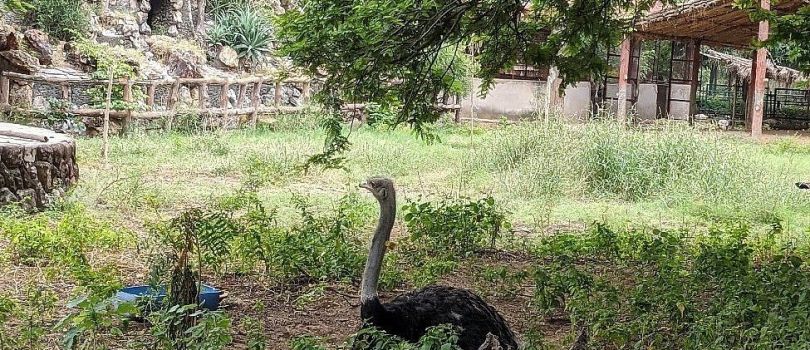
Jaipur Zoo, also known as Ram Niwas Garden Zoo, is one of the oldest and most popular zoological parks in Rajasthan. Situated in the heart of Jaipur, the Pink City, the zoo is part of the larger Ram Niwas Garden complex and is a favorite destination for families, tourists, and wildlife enthusiasts. Known for its diverse collection of animals, birds, and reptiles, Jaipur Zoo provides an opportunity to observe wildlife up close while also offering a peaceful and scenic environment amid well-maintained gardens and historic structures.
Why Jaipur Zoo is Famous
Jaipur Zoo is famous for several reasons that make it a must-visit attraction in Jaipur:
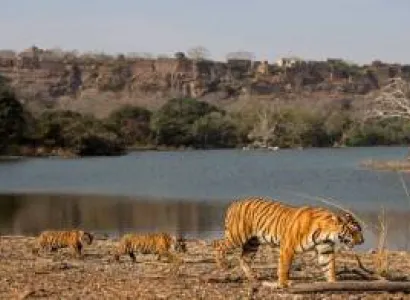
- Its extensive collection of native and exotic species, including lions, tigers, leopards, elephants, and rare birds.
- The zoo's integration with Ram Niwas Garden, which features lush lawns, fountains, and historical monuments.
- Educational programs and awareness campaigns promoting wildlife conservation and environmental protection.
- Its status as one of the oldest zoological parks in India, attracting visitors who appreciate both history and nature.
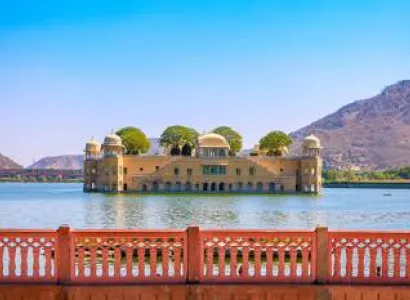
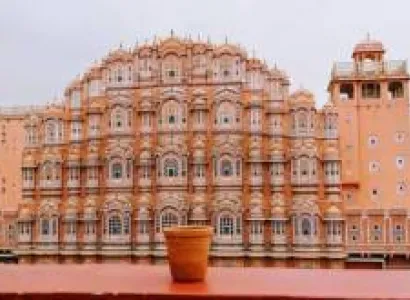
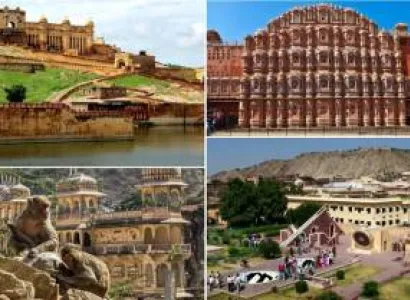
- Proximity to other major attractions in Jaipur, such as City Palace, Albert Hall Museum, and Hawa Mahal, making it easy to include in a city tour.
History and Architecture
Jaipur Zoo was established in 1877 during the reign of Maharaja Sawai Madho Singh II. It was initially a small menagerie to house animals for the royal family, but over time, it was expanded and opened to the public. The zoo was developed as part of the Ram Niwas Garden, which was designed by the Maharaja in 1868. The architecture of the zoo enclosures combines traditional Indian elements with functional modern designs, allowing visitors to observe animals safely while creating an environment that mimics natural habitats.
The zoo houses several thematic enclosures, each designed to suit the specific needs of the animals. Some enclosures feature stone and brick structures reminiscent of Rajasthani forts, while others use natural landscaping to create forest-like surroundings. The pathways, fountains, and garden areas enhance the aesthetic appeal, offering a pleasant walking experience for visitors.
How to Reach Jaipur Zoo, Jaipur
Jaipur Zoo is centrally located and can be accessed by various modes of transport:
- By Road: Jaipur Zoo is easily reachable from anywhere in the city. Visitors can hire taxis, auto-rickshaws, or use ride-sharing apps. The address is Ram Niwas Garden, Jaipur, Rajasthan.
- By Bus: Jaipur City buses operate routes connecting the zoo to major parts of the city. Local BMTC buses and private operators also service this route.
- By Train: The nearest railway station is Jaipur Railway Station, around 3 km from the zoo. From the station, taxis or auto-rickshaws can take you to the zoo in a few minutes.
- By Air: Jaipur International Airport is approximately 13 km from the zoo. From the airport, taxis or airport shuttle services are available for convenient access.
Weather
Jaipur experiences a semi-arid climate, and the weather can significantly influence the zoo visit:
- Summer (March to June): Hot and dry, with temperatures ranging from 30°C to 45°C. Early morning or late afternoon visits are recommended.
- Monsoon (July to September): Moderate rainfall makes the gardens lush and green. Carry umbrellas and raincoats during this season.
- Winter (October to February): Pleasant and cool, with temperatures ranging from 8°C to 25°C. This is the ideal season for exploring the zoo comfortably.
Timings
Jaipur Zoo is generally open throughout the week, except on certain public holidays:
- Opening Hours: 9:00 AM to 5:00 PM
- Closed: Some national holidays may have closures; visitors should check in advance.
- Best Time to Visit: October to February, when the weather is pleasant and outdoor activities are more enjoyable.
Entry and Visit Details
The zoo provides an affordable and family-friendly visit experience:
- Entry Fee: INR 15 for adults, INR 5 for children (fees may vary, and foreign tourists may be charged a higher rate)
- Facilities: The zoo offers seating areas, drinking water points, restrooms, and a small refreshment area. Some guided tours and educational activities are available for school groups and tourists.
- Photography: Allowed in most areas, but professional equipment may require special permission.
Things to Do at Jaipur Zoo
Visitors can engage in multiple activities at Jaipur Zoo:
- Animal Observation: See a variety of species, from big cats like lions and tigers to exotic birds and reptiles.
- Photography: Capture animals in naturalistic enclosures and scenic garden areas.
- Educational Tours: Learn about wildlife conservation, animal behavior, and ecological balance through guided tours and informational displays.
- Picnicking: The surrounding Ram Niwas Garden provides a beautiful spot for picnics with family and friends.
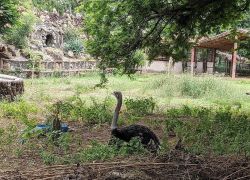
- Bird Watching: The zoo is home to numerous local and migratory birds, offering a serene environment for bird enthusiasts.
Interesting Facts about Jaipur Zoo
- The zoo houses over 100 species of animals, including endangered and rare species.
- It is one of the oldest zoos in India, reflecting both historical significance and wildlife conservation efforts.
- The zoo’s layout integrates historical architecture from the Ram Niwas Garden era.
- It has been actively involved in breeding programs for endangered species to support wildlife preservation.
- Many schools and colleges organize educational trips to the zoo, promoting awareness about animal welfare and conservation.
Tips for Visiting Jaipur Zoo
- Wear comfortable shoes, as the zoo covers a large area with extensive walking paths.
- Carry water and light snacks, especially if visiting in summer.
- Bring sunscreen, sunglasses, and hats to protect against the sun.
- Visit early in the day for better animal visibility, as many animals are more active in the morning.
- Respect zoo rules and avoid feeding animals, as it may disrupt their diet and health.
- Use cameras responsibly and avoid disturbing animals while taking photos.
In conclusion, Jaipur Zoo is an ideal destination for families, students, and tourists interested in wildlife, nature, and history. Its combination of rich animal diversity, educational opportunities, scenic gardens, and proximity to Jaipur’s other attractions makes it a must-visit site in Rajasthan. Whether you are exploring the zoo to learn about wildlife conservation or simply to enjoy a day surrounded by nature, Jaipur Zoo offers an enriching and memorable experience for visitors of all ages.