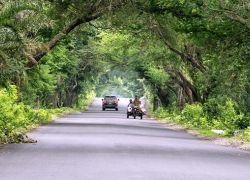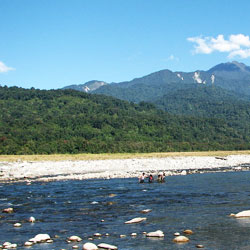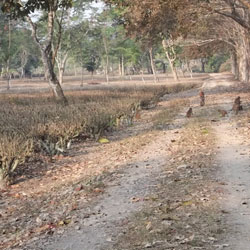
"Uncover ancient ruins amidst stunning natural beauty."
Bamuni Hills is one of the most important historical and archaeological sites in Sonitpur district, Assam. Located close to the town of Tezpur, this ancient site is known for its beautifully carved stone ruins that date back to the early medieval period. Surrounded by greenery and quiet surroundings, Bamuni Hills attracts history lovers, archaeology enthusiasts, and travelers interested in Assam’s rich cultural past. Though not as crowded as other tourist spots, Bamuni Hills holds great historical value and offers a peaceful experience.
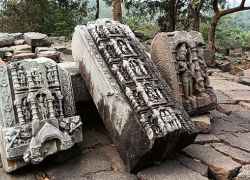
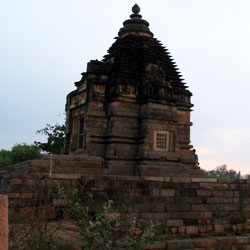
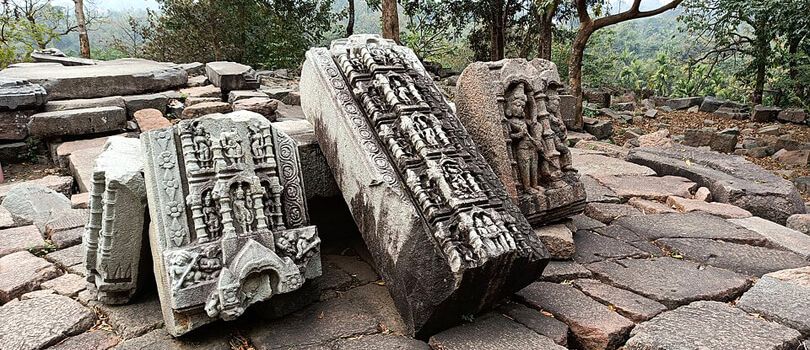
Bamuni Hills is famous for its ancient stone sculptures, ruins of temples, and remarkable craftsmanship that reflect early Hindu temple architecture in Assam. The site is known for intricately carved pillars, walls, and statues depicting gods, goddesses, floral designs, and mythological scenes. These ruins highlight the artistic excellence of ancient Assam and are considered some of the finest examples of early stone carving in the region. Bamuni Hills is also popular because it represents the cultural and religious heritage of the Sonitpur area.
The history of Bamuni Hills dates back to around the 9th and 10th centuries during the rule of the Pala dynasty of Kamarupa. Historians believe that this site once housed magnificent Hindu temples dedicated mainly to Lord Vishnu and other deities. The region of Tezpur, earlier known as Sonitpur, was an important cultural and political center in ancient Assam.
Over time, due to natural calamities, invasions, and neglect, the temples were destroyed, leaving behind stone ruins scattered across the hill. Many of the sculptures found here suggest strong influence of Hindu mythology and classical Indian art styles. Today, Bamuni Hills stands as a reminder of Assam’s glorious past and the advanced architectural skills of its ancient craftsmen.
The architectural remains at Bamuni Hills are its biggest attraction. The site contains fragments of stone pillars, door frames, wall panels, and sculptures made from granite and sandstone. These carvings feature detailed floral patterns, divine figures, celestial beings, and geometric designs.
The sculptures reflect influences of Gupta and post-Gupta art styles, blended with local Assamese elements. Though the original temples no longer exist in complete form, the surviving ruins clearly indicate that the structures were once grand and richly decorated. The artistry seen at Bamuni Hills is considered superior compared to many other archaeological sites in Assam.
Bamuni Hills is conveniently located near Tezpur and is easily accessible by different modes of transport.
By Road: Tezpur is well connected by road to Guwahati and other major towns in Assam. From Tezpur town, Bamuni Hills is about 10 km away and can be reached by taxi, auto-rickshaw, or private vehicle.
By Rail: The nearest railway station is Tezpur Railway Station. From the station, local transport options are available to reach Bamuni Hills.
By Air: Tezpur Airport is the closest airport with limited services. Guwahati International Airport, approximately 180 km away, is the main airport. From Guwahati, visitors can travel to Tezpur by road and then proceed to Bamuni Hills.
Bamuni Hills can be visited throughout the year, but certain seasons offer a better experience.
Summer (March to June): Summers are warm, with temperatures ranging from 25°C to 35°C. Morning visits are more comfortable.
Monsoon (July to September): The area becomes green and scenic, but heavy rainfall can make the paths muddy and slippery.
Winter (October to February): Winter is the best time to visit Bamuni Hills. The weather is pleasant, with temperatures between 10°C and 25°C, making exploration comfortable.
Bamuni Hills is generally open to visitors from morning to evening. There are no strict official timings, but it is advisable to visit between 8:00 AM and 5:00 PM. Daytime visits allow better visibility of the carvings and ensure safety.
There is no entry fee to visit Bamuni Hills. The site is open to the public and managed as a protected archaeological area. Visitors are expected to respect the ruins and avoid causing any damage. Guided tours may be arranged locally for those interested in detailed historical explanations.
Explore Ancient Ruins: Walk around the site and closely observe the detailed stone carvings and temple remains.
Photography: Capture the artistic beauty of the sculptures and the peaceful surroundings.
History Learning: Learn about Assam’s ancient temple architecture and cultural heritage.
Nature Walks: Enjoy short walks around the hill area surrounded by greenery.
Quiet Reflection: The calm atmosphere makes it a good place for peaceful reflection.
The site dates back over a thousand years.
The carvings show advanced stone-cutting techniques for their time.
Bamuni Hills is considered one of the finest archaeological sites in Assam.
The ruins indicate the presence of large and richly decorated temples.
The site is closely linked to the ancient kingdom of Kamarupa.
Visit during daylight hours for safety and better viewing.
Wear comfortable footwear as the ground can be uneven.
Avoid touching or climbing on the ancient ruins.
Carry water, especially during summer.
Visit during winter for the most pleasant experience.
Respect the historical importance of the site and keep it clean.
Bamuni Hills in Sonitpur, Assam, is a hidden treasure that showcases the rich artistic and cultural heritage of ancient Assam. With its beautifully carved stone ruins, historical significance, and peaceful surroundings, it offers a unique experience for visitors interested in history and archaeology. A visit to Bamuni Hills is not just a sightseeing trip but a journey into the glorious past of Sonitpur and the timeless craftsmanship of its ancient builders.


































Sonitpur
Sonitpur
Sonitpur

Sonitpur
Sonitpur
Sonitpur
Sonitpur
Sonitpur
Sonitpur
Sonitpur