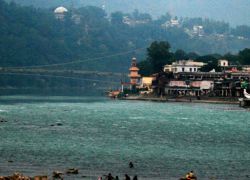
About The Triveni Ghat Temple The Triveni Ghat Temple, situated in the holy town of Rishikesh, is one of the most revered temples in India. It is located on the banks of the sacred Ganges River and is considered to be a place of great spiritual significance. The temple attracts thousands of pilgrims and tourists from all over the world who come to seek blessings and immerse themselves in the spiritual aura of the place. Architecture of Triveni Ghat Temple The Triveni Ghat Temple is a beautiful example of traditional Indian temple architecture. The temple is built in a classical North Indian style, with intricate carvings and designs adorning its walls and pillars. The main sanctum of the temple houses a magnificent idol of Lord Shiva, the presiding deity of the temple. The temple complex also includes smaller shrines dedicated to various other Hindu deities. The temple is surrounded by a serene and peaceful atmosphere, with the sound of the flowing Ganges adding to its spiritual charm. The ghats of the temple are a popular spot for devotees to take a holy dip in the sacred river and perform rituals and prayers. History The Triveni Ghat Temple has a long and rich history that dates back several centuries. According to ancient texts and legends, the temple was established at the confluence of the Ganges, Yamuna, and Saraswati rivers, which is considered to be a highly auspicious location in Hindu mythology. It is believed that by taking a dip in the holy waters of the Triveni Ghat, one can cleanse their sins and attain spiritual enlightenment. Over the years, the temple has been renovated and expanded several times to accommodate the growing number of devotees who come to seek blessings and offer prayers. Today, the Triveni Ghat Temple stands as a symbol of faith and devotion for millions of people who visit it every year. Best Time To Visit The best time to visit the Triveni Ghat Temple is during the winter months, from October to March, when the weather is pleasant and cool. This is also the time when several festivals and events are celebrated at the temple, making it a vibrant and lively place to visit. Another good time to visit the temple is during the monsoon season, from July to September, when the river is in full flow and the surrounding hills are lush and green. However, it is advisable to check the weather conditions before planning a trip during this time as heavy rains can sometimes lead to flooding in the area. How To Reach The Triveni Ghat Temple is located in the heart of Rishikesh, which is well-connected to major cities in India by road, rail, and air. The nearest airport is the Jolly Grant Airport in Dehradun, which is about 21 kilometers away from Rishikesh. From the airport, you can hire a taxi or take a bus to reach the temple. If you are traveling by train, the nearest railway station is in Haridwar, which is about 25 kilometers away from Rishikesh. From Haridwar, you can take a taxi or a bus to reach the temple. Rishikesh is also well-connected by road, with regular bus services from Delhi, Dehradun, and other major cities in North India. Significance Of The Triveni Ghat Temple The Triveni Ghat Temple holds great significance for devotees and pilgrims who come to seek blessings and perform rituals. It is believed that taking a dip in the sacred waters of the Ganges at the Triveni Ghat can cleanse one's sins and purify the soul. Many people also come to the temple to offer prayers and seek the blessings of Lord Shiva, who is considered to be the destroyer of evil and the god of transformation. Visiting the Triveni Ghat Temple is not just a religious experience but also a spiritual one, as the serene and tranquil atmosphere of the temple helps one to connect with their inner self and find peace and solace. The temple is also a popular spot for meditation and yoga, with many spiritual seekers coming here to practice mindfulness and self-reflection. In conclusion, the Triveni Ghat Temple in Rishikesh is a sacred place that attracts devotees and tourists from all walks of life. Its rich history, beautiful architecture, and spiritual significance make it a must-visit destination for anyone seeking a deeper connection with their faith and inner self.
Explore More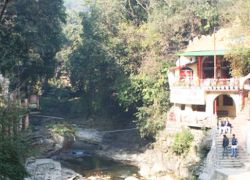
About The Tapkeshwar Temple The Tapkeshwar Temple is a renowned Hindu temple located in Dehradun, Uttarakhand. It is dedicated to Lord Shiva and is believed to be one of the oldest temples in the region. The temple is situated on the banks of the Asan River and is surrounded by lush greenery, making it a peaceful and serene place for devotees to visit. Architecture of Tapkeshwar Temple The architecture of the Tapkeshwar Temple is a perfect blend of traditional and modern styles. The temple features intricate carvings and sculptures that depict various Hindu mythological stories. The main sanctum sanctorum houses the Shivlinga, which is worshipped by devotees. The temple also has a large courtyard where devotees can offer prayers and perform rituals. History The history of the Tapkeshwar Temple dates back to ancient times. It is believed that the temple was built by Guru Dronacharya, the legendary teacher of the Kauravas and Pandavas from the epic Mahabharata. According to legend, Lord Shiva himself appeared at this place to meditate, which is why the temple holds great significance for devotees. Best Time To Visit The best time to visit the Tapkeshwar Temple is during the months of February to June and September to November when the weather is pleasant and suitable for sightseeing. The temple also sees a large number of devotees during the festival of Maha Shivratri, which is celebrated with great pomp and show. How To Reach The Tapkeshwar Temple is easily accessible from Dehradun city. It is located about 6 kilometers from the city center and can be reached by road. Visitors can hire a taxi or take a bus to reach the temple. The nearest railway station is in Dehradun, and the nearest airport is the Jolly Grant Airport in Dehradun. Significance Of The Tapkeshwar Temple The Tapkeshwar Temple holds great significance for devotees of Lord Shiva. It is believed that worshipping at this temple can fulfill wishes and bring prosperity to the devotees. The natural surroundings of the temple add to its peaceful and spiritual ambiance, making it a popular destination for pilgrims and tourists alike. In conclusion, the Tapkeshwar Temple in Dehradun is a sacred place of worship that attracts devotees from near and far. With its rich history, beautiful architecture, and serene surroundings, the temple offers a unique spiritual experience for visitors. Whether you are a religious pilgrim or a curious traveler, a visit to the Tapkeshwar Temple is sure to leave you feeling refreshed and spiritually uplifted.
Explore More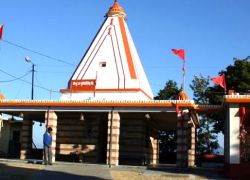
About The Kunjapuri Temple The Kunjapuri Temple is a revered Hindu temple located in the holy town of Rishikesh in the state of Uttarakhand, India. Situated at an altitude of 1,676 meters above sea level, the temple offers breathtaking panoramic views of the surrounding Himalayan mountains and the Ganges River below. It is dedicated to Goddess Durga, one of the most revered deities in Hinduism. Architecture of Kunjapuri Temple The architecture of Kunjapuri Temple is simple yet elegant. The main shrine is built in traditional North Indian style, with a pyramid-shaped roof and intricate carvings on the walls. The temple is adorned with colorful flags, bells, and religious symbols that add to its spiritual ambiance. The highlight of the temple is the idol of Goddess Durga in a sitting posture, adorned with flowers and ornaments. The temple complex also includes smaller shrines dedicated to other Hindu deities. History The Kunjapuri Temple has a rich historical significance in Hindu mythology. It is believed to be the place where the chest of Sati, the wife of Lord Shiva, fell after her body was dismembered by his cosmic dance of destruction, the Tandav. The temple is considered a powerful spiritual center where devotees come to seek blessings, peace, and fulfillment of their wishes. The temple has been a place of worship and pilgrimage for centuries, attracting devotees from far and wide. Best Time To Visit The best time to visit Kunjapuri Temple is during the early morning hours to witness the mesmerizing sunrise over the Himalayan peaks. The temple also offers stunning views of the sunset and the twinkling lights of Rishikesh town at night. The temple is open throughout the year, but the months of October to March are considered ideal for visiting due to pleasant weather conditions and clear skies. It is advisable to avoid the monsoon season from July to September when the region experiences heavy rainfall and landslides. How To Reach Kunjapuri Temple is located approximately 25 kilometers from Rishikesh and can be easily reached by road. Visitors can hire a taxi or take a local bus from Rishikesh to reach the temple. The nearest airport is Jolly Grant Airport in Dehradun, which is about 35 kilometers away. From the airport, one can hire a taxi or take a bus to reach the temple. The temple is also accessible by a short trek of about 300 steps from the base point, which offers a scenic journey through lush green forests and pristine surroundings. Significance Of The Kunjapuri Temple The Kunjapuri Temple holds immense significance for devotees and spiritual seekers. It is believed to be a place of divine energy and spirituality, where one can connect with the cosmic forces of the universe. The temple is a popular destination for those seeking spiritual awakening, inner peace, and healing. Many visitors come to the temple to offer prayers, perform rituals, and seek blessings for their well-being and prosperity. The serene and tranquil atmosphere of the temple makes it a perfect place for meditation, reflection, and self-discovery. In conclusion, the Kunjapuri Temple in Rishikesh is a sacred place that embodies the beauty, spirituality, and mystique of the Himalayas. It is a place where devotees can immerse themselves in the divine presence of Goddess Durga and experience a sense of peace and harmony. The temple's stunning location, rich history, and architectural grandeur make it a must-visit destination for anyone seeking spiritual enlightenment and a deeper connection with the divine.
Explore More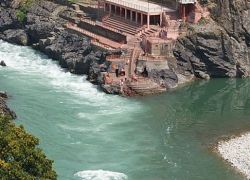
About The Devprayag Temple The Devprayag Temple is a famous Hindu shrine located in the town of Devprayag in Uttarakhand, India. It is dedicated to Lord Rama and is considered to be one of the holiest temples in the region. The temple is situated at the confluence of the Alaknanda and Bhagirathi rivers, which merge to form the sacred Ganges River. Architecture of Devprayag Temple The Devprayag Temple is built in the traditional North Indian architectural style, with intricate carvings and sculptures adorning its walls and pillars. The temple has a towering spire, known as a shikhara, which is a characteristic feature of Hindu temples. The sanctum sanctorum of the temple houses a beautiful idol of Lord Rama, along with other deities. History The history of the Devprayag Temple dates back to ancient times, with references to the temple found in various Hindu scriptures and texts. It is believed that the temple was built by Adi Shankaracharya, a renowned Hindu philosopher and saint, who established the temple as a place of worship for devotees. Over the years, the temple has undergone several renovations and restorations, but its spiritual significance has remained unchanged. Best Time To Visit The best time to visit the Devprayag Temple is during the winter months, from October to March, when the weather is cool and pleasant. This time of year is ideal for exploring the temple and its surroundings, as the clear skies offer stunning views of the rivers and mountains. The temple also attracts a large number of devotees during festivals and special occasions, so visiting during these times can provide a unique cultural experience. How To Reach Devprayag is well-connected by road, making it easily accessible from major cities in Uttarakhand. The nearest airport is in Dehradun, which is around 70 kilometers away from Devprayag. From the airport, one can hire a taxi or take a bus to reach the town. The nearest railway station is in Rishikesh, which is approximately 75 kilometers from Devprayag. Buses and taxis are available from Rishikesh to reach the temple. Significance Of The Devprayag Temple The Devprayag Temple holds immense religious and spiritual significance for Hindus, as it is believed to be the place where Lord Rama performed penance to atone for his sins. The confluence of the rivers at Devprayag is considered to be a sacred site, known for its purifying properties. Devotees visit the temple to seek blessings, offer prayers, and participate in various rituals and ceremonies. The tranquil and serene atmosphere of the temple complex makes it an ideal place for meditation and spiritual reflection. In conclusion, the Devprayag Temple is a sacred pilgrimage site that attracts devotees and tourists from all over the country. With its rich history, stunning architecture, and spiritual significance, the temple stands as a testament to the enduring faith and devotion of the Hindu community. Visiting the Devprayag Temple offers a unique opportunity to experience the cultural and religious heritage of Uttarakhand, while also providing a peaceful retreat for those seeking spiritual solace.
Explore More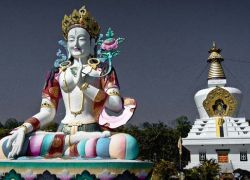
About Mindrolling Monastery Mindrolling Monastery, located in Dehradun, is one of the six major monasteries in Tibet. It was founded in 1676 by Rigzin Terdak Lingpa and holds great historical and cultural significance. The monastery is known for its stunning architecture, intricate design, and religious practices that have been passed down for centuries. History, Architecture, and Design The Mindrolling Monastery has a rich history that dates back to the 17th century when it was established by Rigzin Terdak Lingpa. The monastery's architecture is a blend of traditional Tibetan and modern styles, with colorful murals, ornate decorations, and towering statues of deities. The design of the monastery reflects the intricate details and craftsmanship of Tibetan Buddhist art and architecture. Best Time to Visit The best time to visit Mindrolling Monastery is during the months of September to November when the weather is pleasant and the monastery hosts various cultural events and festivals. Avoid visiting during the monsoon season, as heavy rainfall can make it difficult to explore the monastery. Cultural Significance Mindrolling Monastery is a center for Buddhist teachings, practices, and rituals. It plays a vital role in preserving Tibetan culture and traditions through its religious ceremonies, festivals, and teachings. The monastery is a spiritual hub for Buddhists and tourists seeking peace, enlightenment, and cultural experiences. Pilgrimage Practices Pilgrims visit Mindrolling Monastery to pay homage to the Buddha, seek blessings from the monks, and engage in spiritual practices such as chanting, meditation, and offerings. Pilgrimage practices at the monastery involve circumambulating sacred stupas, prostrating before statues of deities, and participating in religious ceremonies. Dress Code and Etiquette Visitors to Mindrolling Monastery are required to dress modestly and respectfully, covering their shoulders and knees. Remove shoes before entering prayer halls, refrain from taking photographs without permission, and avoid disturbing monks during their prayers and rituals. Follow the monastery's etiquette guidelines to show respect for the sacred space and its inhabitants. Activities and Experiences Visitors to Mindrolling Monastery can partake in various activities and experiences such as attending teachings by Buddhist masters, participating in meditation sessions, exploring the monastery's architecture and art, and shopping for traditional Tibetan handicrafts and souvenirs. Engage in spiritual practices, cultural exchanges, and educational programs offered at the monastery. Art and Religious Symbols The artwork and religious symbols at Mindrolling Monastery are intricately designed to depict Buddhist deities, mandalas, and sacred texts. The murals, thangkas, statues, and sculptures in the monastery reflect the rich tradition of Tibetan Buddhist art and serve as visual aids for meditation, contemplation, and devotion. Each symbol carries profound spiritual meanings and teachings. Local Insights Local insights into Mindrolling Monastery provide visitors with a deeper understanding of its history, culture, and significance. Interact with monks, residents, and guides to learn about Tibetan Buddhism, daily life at the monastery, and local customs. Visit nearby villages, markets, and temples to immerse yourself in the vibrant local community and gain valuable insights into Tibetan culture.
Explore More
About Ram Rai Gurudwara Ram Rai Gurudwara is a prominent Sikh shrine located in Dehradun, Uttarakhand. It holds great religious significance for the Sikh community and attracts devotees from all over the country. Architectural Facts The Gurudwara features a magnificent architecture with intricate carvings and intricate designs. The main prayer hall is adorned with beautiful paintings and sculptures that depict scenes from Sikh history and culture. History Founded in the 17th century by the seventh Sikh Guru, Guru Har Rai, Ram Rai Gurudwara has a rich history associated with it. It is believed that Guru Har Rai established this Gurudwara during his visit to Dehradun. Location Ram Rai Gurudwara is situated in the heart of Dehradun city, near Tilak Road. The convenient location makes it easily accessible to both locals and tourists. Visiting Hours The Gurudwara is open to visitors from early morning till late evening. Devotees can visit the shrine at their convenience and seek blessings. Gurudwara Services and Events Ram Rai Gurudwara offers various services such as langar (community kitchen), kirtan (devotional music), and prayers. Special events and festivals like Gurpurabs are celebrated with great fervor at the Gurudwara. Timings: The Gurudwara timings may vary, so it is advisable to check with the authorities before planning your visit. Special Events or Festivals: Gurpurabs are celebrated with much enthusiasm at Ram Rai Gurudwara. Additionally, the Gurudwara organizes kirtan programs and religious discourses on special occasions. Weekend Availability: The Gurudwara is open on weekends, and it sees a higher footfall during these days as devotees flock to seek blessings. Weddings: Yes, Ram Rai Gurudwara is open for weddings. The serene ambiance and spiritual aura make it a popular choice for Sikh weddings. Accessibility and Directions Visitors can easily reach the Gurudwara by car or public transport. There is ample parking available near the Gurudwara premises. The shrine is wheelchair accessible, ensuring that everyone can visit and pay their respects. Visitor’s Information There is no entry fee to visit Ram Rai Gurudwara. Visitors are required to cover their heads and maintain proper decorum while inside the shrine. Guides are available for those who wish to learn more about the history and significance of the Gurudwara. Nearby Attractions There are several attractions around Ram Rai Gurudwara that visitors can explore, such as Robber's Cave, Mindrolling Monastery, and Tapkeshwar Temple. These places offer a glimpse into the rich cultural heritage of Dehradun. Best Time to Visit The best time to visit Ram Rai Gurudwara is during the early morning or evening hours when the ambiance is peaceful and conducive to prayers and meditation. Avoid visiting during peak hours to have a more serene experience at the Gurudwara.
Explore More
About Tashi Kyil Monastery, Dehradun The Tashi Kyil Monastery, located in Dehradun, is a beautiful and serene Buddhist temple that holds great cultural significance. The monastery is known for its stunning architecture and design, as well as its tranquil surroundings that make it a perfect place for meditation and reflection. History, Architecture, and Design The Tashi Kyil Monastery was founded in the early 20th century by Tibetan refugees who settled in Dehradun. The architecture of the monastery reflects traditional Tibetan Buddhist design, with intricate carvings, colorful murals, and prayer flags adorning the temple. The serene atmosphere and stunning views of the surrounding Himalayan mountains make Tashi Kyil a must-visit destination for spiritual seekers and tourists alike. Best Time to Visit The best time to visit Tashi Kyil Monastery is during the spring and autumn months, when the weather is pleasant and the scenery is at its most picturesque. Avoid visiting during the monsoon season, as heavy rains can make the journey to the monastery difficult and dangerous. Cultural Significance Tashi Kyil Monastery holds great cultural significance for the local Tibetan community, as well as for Buddhists from around the world. The monastery is a sacred place of worship, meditation, and reflection, where visitors can learn about Tibetan Buddhism and immerse themselves in the peaceful atmosphere of the temple. Pilgrimage Practices Visitors to Tashi Kyil Monastery are encouraged to participate in the traditional pilgrimage practices of the Tibetan Buddhists, such as making offerings, spinning prayer wheels, and circumambulating the temple. These practices are believed to bring good luck, prosperity, and spiritual blessings to those who engage in them. Dress Code and Etiquette When visiting Tashi Kyil Monastery, it is important to dress modestly and respectfully, covering your shoulders and knees. Visitors are also expected to remove their shoes before entering the temple and to maintain a quiet and reverent demeanor while inside. Photography is typically not allowed inside the monastery, so be sure to respect the rules and regulations of the temple. Activities and Experiences While at Tashi Kyil Monastery, visitors can participate in a variety of activities and experiences, such as attending meditation sessions, receiving blessings from the resident monks, and exploring the beautiful gardens and grounds of the temple. The monastery also hosts cultural events and festivals throughout the year, providing visitors with a unique opportunity to immerse themselves in Tibetan Buddhist culture. Art and Religious Symbols The walls and ceilings of Tashi Kyil Monastery are adorned with intricate murals and paintings depicting Buddhist deities, symbols, and teachings. These sacred artworks serve as a visual representation of the core beliefs and principles of Tibetan Buddhism, inviting visitors to contemplate the deeper meaning of life and enlightenment. Local Insights Local residents and monks at Tashi Kyil Monastery are more than happy to share their insights and knowledge about Tibetan Buddhism, the history of the monastery, and the cultural traditions of the Tibetan community. Visitors are encouraged to engage with the locals, ask questions, and learn more about the rich heritage and spirituality of this sacred place.
Explore More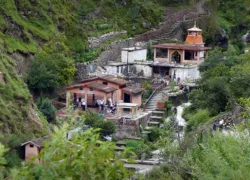
About The Tapovan Temple The Tapovan Temple is a revered Hindu temple located in Dehradun, Uttarakhand. Situated amidst the serene and picturesque surroundings of the Tapovan Forest, this temple holds great spiritual significance for devotees and visitors alike. The tranquil atmosphere and the sacred vibes of the temple make it a popular destination for those seeking peace and spiritual rejuvenation. Architecture of Tapovan Temple The Tapovan Temple boasts of a unique and exquisite architectural style that reflects the ancient Hindu design principles. The main shrine of the temple is dedicated to Lord Shiva, adorned with intricate carvings and sculptures. The temple complex also houses smaller shrines dedicated to other Hindu deities, adding to the spiritual aura of the place. History The history of the Tapovan Temple dates back to ancient times, with legends and myths surrounding its origin. It is believed that sages and saints used to meditate in the serene forests of Tapovan, making it a sacred place for spiritual practices. The temple was later built to commemorate the divine presence of these holy beings and has since been a place of worship and pilgrimage for devotees. Best Time To Visit The best time to visit the Tapovan Temple is during the months of October to March, when the weather is pleasant and conducive for exploring the natural beauty of the surroundings. The winter months offer a serene and peaceful ambiance, ideal for meditation and spiritual contemplation. However, visitors can also visit the temple during other times of the year to experience the unique charm and tranquility of the place. How To Reach The Tapovan Temple is easily accessible from Dehradun city, located at a distance of about 5 kilometers. Visitors can hire a taxi or take a local bus to reach the temple premises. The nearest airport is the Jolly Grant Airport in Dehradun, which is well-connected to major cities in India. For those traveling by train, the Dehradun Railway Station is the closest railhead to the temple. Significance Of The Tapovan Temple The Tapovan Temple holds great significance for Hindus as it is believed to be a place of meditation and spiritual awakening. The serene surroundings of the temple provide a peaceful retreat for devotees seeking solace and inner peace. The temple complex also hosts various religious ceremonies and festivals, attracting a large number of pilgrims and tourists throughout the year. In conclusion, the Tapovan Temple in Dehradun is a sacred place that exudes tranquility and spirituality. The unique architecture, serene atmosphere, and historical significance make it a must-visit destination for those seeking a deeper connection with the divine. Whether you are a devout worshipper or a curious traveler, a visit to the Tapovan Temple is sure to leave you with a sense of peace and enlightenment.
Explore More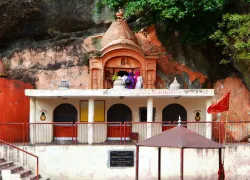
About The Bhimgoda Kund Temple The Bhimgoda Kund Temple, located in Haridwar, is a famous Hindu pilgrimage site that holds great significance for devotees. The temple is dedicated to Lord Shiva and is nestled on the banks of the holy river Ganga. The temple is believed to have been built at the spot where Bhima, one of the Pandava brothers from the epic Mahabharata, is said to have created a kund (pond) by striking the ground with his knee. This kund is now known as Bhimgoda Kund, and it is considered sacred by devotees who visit the temple for a holy dip. Architecture of Bhimgoda Kund Temple The Bhimgoda Kund Temple boasts a unique architectural style that reflects the rich cultural heritage of India. The temple features intricate carvings and sculptures that depict various Hindu deities and mythological figures. The temple premises also include a large water tank, believed to be the original kund created by Bhima. Pilgrims can be seen taking a dip in the kund to cleanse themselves of their sins and seek blessings from the gods. History The history of the Bhimgoda Kund Temple dates back to the time of the Mahabharata. According to legend, during their exile, the Pandava brothers visited Haridwar and sought the blessings of Lord Shiva. It was during this time that Bhima, in a fit of rage, struck the ground with his knee, creating the sacred kund. The temple was later constructed at this spot to commemorate the event and honor Lord Shiva. Best Time To Visit The best time to visit the Bhimgoda Kund Temple is during the months of October to March when the weather is pleasant and conducive for sightseeing and pilgrimage. The temple also sees a large influx of devotees during the festivals of Maha Shivaratri and Kartik Purnima when special prayers and rituals are conducted at the temple. How To Reach The Bhimgoda Kund Temple is easily accessible from various parts of Haridwar. It is located near the Har Ki Pauri Ghat, one of the most popular ghats in the city. Visitors can reach the temple by hiring a taxi or auto-rickshaw from any part of Haridwar. The nearest railway station is Haridwar Junction, which is well-connected to major cities in India. The nearest airport is Jolly Grant Airport in Dehradun, which is approximately 35 kilometers away from Haridwar. Significance Of The Bhimgoda Kund Temple The Bhimgoda Kund Temple holds immense significance for devotees who believe that taking a dip in the sacred kund can wash away their sins and bring them closer to the gods. The temple is also a popular pilgrimage site during the Kumbh Mela, a grand religious gathering that takes place once every twelve years in Haridwar. Devotees flock to the temple during this time to seek blessings and perform religious rituals. Overall, the Bhimgoda Kund Temple is a revered place of worship that attracts devotees and tourists alike with its rich history, unique architecture, and spiritual ambiance. A visit to this temple is sure to leave a lasting impression on the hearts and minds of all who come here seeking solace and divine blessings.
Explore More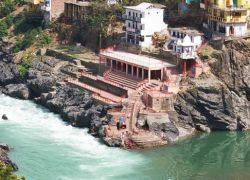
About The Deoprayag Temple The Deoprayag Temple, located in the holy town of Haridwar, holds great significance for Hindus as it is the place where the sacred rivers Alaknanda and Bhagirathi merge to form the mighty river Ganges. This confluence is believed to be a meeting point of the divine energies of Lord Vishnu and Lord Shiva, making it a spiritually important location for devotees. Architecture of Deoprayag Temple The Deoprayag Temple is a beautiful structure that showcases traditional Hindu architecture. The temple is dedicated to Lord Shiva, the presiding deity of the region, and features intricate carvings and sculptures depicting various mythological tales. The temple complex also includes smaller shrines dedicated to other deities, providing a serene and peaceful atmosphere for prayer and meditation. History The history of the Deoprayag Temple dates back to ancient times, with references to the confluence of the rivers Alaknanda and Bhagirathi found in Hindu scriptures and mythology. It is believed that the temple was built to honor the divine union of the two rivers and their significance in Hindu mythology. Over the years, the temple has undergone renovations and expansions, but its spiritual importance has remained unchanged. Best Time To Visit The best time to visit the Deoprayag Temple is during the winter months from October to March when the weather is pleasant and conducive for sightseeing and exploring the surrounding areas. The temple also sees a significant influx of devotees during the holy festivals of Maha Shivaratri and Makar Sankranti, making it a vibrant and lively place for spiritual seekers. How To Reach The Deoprayag Temple is located in the town of Haridwar in the state of Uttarakhand, India. The nearest airport is Jolly Grant Airport in Dehradun, which is approximately 70 kilometers away from the temple. Visitors can also reach Haridwar by rail or road, as the town is well-connected by trains and buses from major cities in India. From Haridwar, the temple is easily accessible by road, and taxis or buses can be availed to reach the sacred confluence. Significance Of The Deoprayag Temple The Deoprayag Temple holds immense significance for Hindu devotees, as it is believed to be a place where the divine energies of Lord Vishnu and Lord Shiva converge. The confluence of the rivers Alaknanda and Bhagirathi is considered to be a sacred site for performing rituals and seeking blessings. Many pilgrims visit the temple to take a holy dip in the confluence and purify themselves spiritually. The Deoprayag Temple is a symbol of unity and harmony, bringing together different facets of Hindu mythology and spirituality in one divine location. In conclusion, the Deoprayag Temple in Haridwar is a place of great religious and spiritual significance, attracting devotees and tourists from all over the world. With its beautiful architecture, rich history, and serene atmosphere, the temple offers a unique experience for those seeking to connect with the divine energy of the sacred rivers and the presiding deities. Visiting the Deoprayag Temple is not just a journey for the body but also for the soul, providing a sense of peace and tranquility amidst the hustle and bustle of everyday life.
Explore More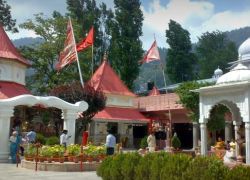
About The Naina Devi Temple The Naina Devi Temple is a famous Hindu temple located in Nainital, Uttarakhand. It is dedicated to Goddess Naina Devi, who is believed to be the presiding deity of the town. The temple is situated on the northern shore of Naini Lake and is surrounded by lush greenery and beautiful mountains, making it a serene and tranquil location for devotees to visit and seek blessings. Architecture of Naina Devi Temple The Naina Devi Temple is built in the traditional North Indian Nagara style of architecture. The temple has a tall spire and intricate carvings on its walls. The sanctum sanctorum houses the idol of Goddess Naina Devi, adorned with beautiful ornaments and garments. The temple complex also has smaller shrines dedicated to other Hindu deities, adding to its spiritual significance. History The history of the Naina Devi Temple dates back to centuries ago. It is believed that the temple was built during the Kushan period and has undergone several renovations and restorations over the years. According to local legends, the temple is said to be the spot where the eyes of Goddess Sati fell when Lord Shiva was carrying her body. This is why the deity worshipped here is known as Naina Devi, which means "Goddess of Eyes". Best Time To Visit The best time to visit the Naina Devi Temple is during the months of September to November and March to May, when the weather is pleasant and conducive for sightseeing. The temple also experiences a rush of devotees during the Navratri festival, which is celebrated with great fervor and devotion. It is advisable to avoid visiting the temple during the monsoon season as the region receives heavy rainfall and the roads may be slippery and difficult to navigate. How To Reach The Naina Devi Temple is easily accessible by road, rail, and air. The nearest airport is located in Pantnagar, around 65 kilometers away from Nainital. The nearest railway station is in Kathgodam, which is well-connected to major cities like Delhi and Lucknow. From Kathgodam, one can hire a taxi or take a bus to reach Nainital. The temple is located at a short distance from the Nainital bus stand, making it convenient for devotees to visit. Significance Of The Naina Devi Temple The Naina Devi Temple holds great significance for the locals and devotees who visit the temple to seek the blessings of Goddess Naina Devi. It is believed that praying at the temple can help in fulfilling one's wishes and desires. The temple also offers a panoramic view of the Naini Lake and the surrounding mountains, making it a picturesque location for spiritual introspection and meditation. The serene ambiance and divine presence of the Goddess make the Naina Devi Temple a must-visit destination for those seeking peace and tranquility.
Explore More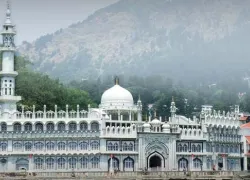
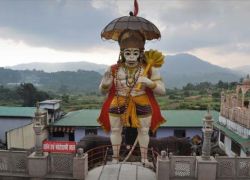
About The Jama Masjid Mosque The Jama Masjid Mosque in Nainital is a prominent Muslim place of worship located in the heart of the city. This beautiful mosque attracts visitors from all walks of life who come to admire its stunning architecture and peaceful surroundings. The mosque serves as a symbol of religious harmony in Nainital, where people of different faiths coexist peacefully. Architecture of Jama Masjid Mosque The Jama Masjid Mosque in Nainital is a fine example of Mughal architecture, with its distinctive domes, minarets, and intricate carvings. The mosque is built using red sandstone, which gives it a regal and majestic appearance. The central courtyard of the mosque is spacious and can accommodate a large number of worshippers during prayer times. The interiors of the mosque are adorned with beautiful calligraphy and traditional Islamic art, creating a serene and spiritual atmosphere. History The Jama Masjid Mosque in Nainital was built in the late 19th century during the British colonial era. It was constructed by a wealthy Muslim merchant who wanted to provide a place of worship for the Muslim community in the area. Over the years, the mosque has become an important cultural and religious landmark in Nainital, serving as a gathering place for the local Muslim community and a tourist attraction for visitors. Best Time To Visit The best time to visit the Jama Masjid Mosque in Nainital is during the early morning or late afternoon when the sun is not too harsh. This allows visitors to enjoy the peaceful ambiance of the mosque and take in its architectural beauty without the distraction of crowds. The mosque is particularly beautiful during festivals and special occasions when it is adorned with colorful decorations and lights. How To Reach The Jama Masjid Mosque is conveniently located in the Mallital area of Nainital, making it easily accessible to visitors. The mosque is within walking distance from the main market area and can be reached by foot, bicycle, or rickshaw. For those coming from outside the city, taxis and buses are available to take you to the mosque. The nearest railway station is in Kathgodam, which is about 35 kilometers away from Nainital. Visitor Tips - Remember to dress modestly when visiting the Jama Masjid Mosque, covering your arms and legs out of respect for the religious customs. - Remove your shoes before entering the mosque and be mindful of your behavior inside, maintaining a peaceful and respectful attitude. - Photography may be restricted inside the mosque, so be sure to ask for permission before taking any pictures. - Plan your visit during non-prayer times to avoid disturbing worshippers and to fully appreciate the serene ambiance of the mosque. - Take some time to explore the surrounding area of the mosque, as there are many shops, restaurants, and attractions nearby that are worth visiting.
Explore MoreChopta Tungnath Trip
5 Days/ 4 Night
Devprayag - Chopta - Rudraprayag
Haridwar Mussoorie Jim Corbett Nainital Tour From Delhi 6 Night 7 Days
7 Days/ 6 Night
Mussoorie - Haridwar - Nainital - Corbett
Badrinath Tour Package Ex - Haridwar 3 Night 4 Days
4 Days/ 3 Night
Badrinath - Rudraprayag
Mussoorie Dehradun Tour Package From Delhi 3 Night 4 Days
4 Days/ 3 Night
Mussoorie - Dehradun
About The Hanuman Garhi Temple The Hanuman Garhi Temple is a famous Hindu temple located in Nainital, Uttarakhand. It is dedicated to Lord Hanuman, the monkey god known for his strength, courage, and devotion. The temple is situated at an altitude of 6,401 feet above sea level and offers panoramic views of the surrounding mountains and the town of Nainital. Architecture of Hanuman Garhi Temple The temple is built in a traditional North Indian architectural style with intricate carvings and bright colors. It has a central sanctum sanctorum where the idol of Lord Hanuman is enshrined. The temple complex also includes other shrines dedicated to Lord Rama and Goddess Durga. The outer walls of the temple are adorned with beautiful sculptures depicting scenes from Hindu mythology. History The Hanuman Garhi Temple was established by Neem Karoli Baba, a revered saint, and devotee of Lord Hanuman. It is believed that he meditated at this spot and had a vision of Lord Hanuman. The temple has since become a popular pilgrimage site for devotees seeking the blessings of the monkey god. Best Time To Visit The best time to visit the Hanuman Garhi Temple is during the months of March to June and September to November when the weather is pleasant and the views are clear. It is also advisable to visit the temple during the early morning or late afternoon to avoid the crowds and to witness the sunrise or sunset from the temple premises. How To Reach The Hanuman Garhi Temple is located around 3 kilometers from the main town of Nainital. Visitors can reach the temple by taking a taxi or a shared auto-rickshaw from Nainital. It is also possible to hike up to the temple through a scenic trail that offers breathtaking views of the surrounding hills and forests. Significance Of The Hanuman Garhi Temple The Hanuman Garhi Temple is considered to be a powerful and sacred site for devotees of Lord Hanuman. It is believed that visiting the temple and offering prayers to Lord Hanuman can bring protection, strength, and success in one's life. The temple also holds a special significance for couples seeking blessings for a happy and prosperous marriage. Overall, the Hanuman Garhi Temple in Nainital is a spiritual haven offering serenity, beauty, and divine blessings to all who visit. Whether you are a devout follower of Lord Hanuman or simply seeking a peaceful retreat in the mountains, a visit to this temple is sure to leave you feeling rejuvenated and uplifted.
Explore More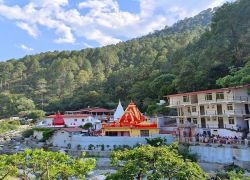
Introduction Kainchi Dham is a famous temple and ashram located in the Kumaon region of Uttarakhand, India. This spiritual center was established by the revered saint Neem Karoli Baba and has gained international recognition, attracting thousands of devotees and spiritual seekers from around the world. History of Kainchi Dham Kainchi Dham was founded in 1962 by Neem Karoli Baba, a mystic and saint known for his devotion to Lord Hanuman. The name "Kainchi" (meaning scissors in Hindi) is derived from the unique geographical location where two hills intersect in a scissor-like shape. The temple complex was built to honor Lord Hanuman, who is believed to bless devotees with strength and wisdom. Neem Karoli Baba’s teachings emphasized love, service, and devotion to God. His ashram became a center for spiritual awakening, attracting followers from different parts of the world, including famous personalities. Steve Jobs Visit to Kainchi Dham One of the most notable visitors to Kainchi Dham was Apple co-founder Steve Jobs. In the 1970s, Steve Jobs traveled to India in search of spiritual enlightenment. He visited Kainchi Dham and spent time meditating, seeking clarity and purpose. Although he did not meet Neem Karoli Baba, who had passed away in 1973, the experience had a profound impact on his life. Years later, he encouraged Facebook founder Mark Zuckerberg to visit Kainchi Dham for spiritual guidance. How to Reach Kainchi Dham Kainchi Dham is easily accessible from major cities in North India. Here are the different ways to reach the temple: By Air: The nearest airport is Pantnagar Airport, approximately 76 km from Kainchi Dham. From the airport, taxis and buses are available to reach the ashram. By Train: The nearest railway station is Kathgodam, around 37 km from Kainchi Dham. From Kathgodam, one can hire a taxi or take a bus to reach the temple. By Road: Kainchi Dham is well-connected by road and can be accessed via Nainital and Almora. Buses and taxis are available from major cities like Delhi, Haldwani, and Nainital. Distance from Nainital to Neem Karoli Baba Ashram The distance between Nainital and Kainchi Dham is approximately 18 km. It takes around 30-40 minutes by car to reach the temple from Nainital. Kainchi Dham Temperature & Weather Conditions The temperature at Kainchi Dham varies depending on the season: Summer (March to June): Pleasant weather with temperatures ranging between 15°C and 30°C. Monsoon (July to September): Moderate rainfall; the temple looks beautiful but roads can be slippery. Winter (October to February): Cold weather with temperatures dropping to as low as 2°C; sometimes snowfall occurs in nearby areas. Best Time to Visit Kainchi Dham The ideal time to visit Kainchi Dham is between March and June and September to November. The temple celebrates its annual fair on June 15, which is a great time to experience the spiritual energy of the place. Places to Visit Near Kainchi Dham If you are visiting Kainchi Dham, you can also explore several beautiful places nearby: 1. Nainital (18 km): A picturesque hill station known for Naini Lake, Naina Devi Temple, and Mall Road. 2. Bhimtal (30 km): Famous for its scenic lake, island aquarium, and adventure activities. 3. Almora (65 km): A cultural hub with old temples, heritage sites, and stunning Himalayan views. 4. Mukteshwar (50 km): A peaceful hill retreat known for Mukteshwar Temple and breathtaking landscapes. 5. Ranikhet (60 km): A charming cantonment town known for its green meadows, temples, and golf course. Kainchi Dham Retreats & Events Kainchi Dham is not just a place for worship but also a center for spiritual retreats and meditation. Visitors can participate in: Daily Aarti and Bhajan Sessions: Devotional singing and prayers are held at the temple. Meditation and Yoga Retreats: Some followers organize spiritual retreats in nearby locations. Volunteering and Seva Activities: Devotees engage in social service and assist in temple activities. Kainchi Dham Sthapna Diwas (Foundation Day) The Sthapna Diwas (Foundation Day) of Kainchi Dham is celebrated on June 15 every year. This day marks the establishment of the ashram and is observed with great devotion: A grand Bhandara (community feast) is organized. Thousands of devotees visit the ashram to seek blessings. The entire temple complex is decorated beautifully. Kainchi Dham is a sacred place that continues to inspire people from all over the world. Whether you seek spiritual enlightenment, peace of mind, or simply a scenic getaway, this temple offers a unique experience. With its rich history, divine atmosphere, and beautiful surroundings, Kainchi Dham is truly a must-visit destination in Uttarakhand.
Explore More
About Christ Church Mussoorie Christ Church Mussoorie, located in the beautiful hill station of Mussoorie, is one of the oldest churches in the region. It holds great historical and architectural significance, making it a popular tourist attraction in the area. Visiting Hours The church is open to visitors from 8 am to 6 pm every day. Visitors are welcome to attend church services, explore the beautiful architecture, and immerse themselves in the serene atmosphere of the church. History Christ Church Mussoorie was established in 1836 by the British community in Mussoorie. It has stood the test of time and continues to be a place of worship and reflection for locals and tourists alike. Church Services and Events The church conducts regular services on Sundays as well as special events and festivals throughout the year. The timings for services and events vary, so it is recommended to check the church’s schedule in advance. Weddings Christ Church Mussoorie is a popular venue for weddings due to its picturesque location and beautiful architecture. Couples interested in having their wedding at the church should contact the church administration for more information. Architectural Facts Christ Church Mussoorie is known for its Gothic-style architecture, with stunning stained glass windows and intricate woodwork. The church’s spire adds to its grandeur, making it a must-visit for architecture enthusiasts. Accessibility and Directions Christ Church Mussoorie is easily accessible by car or public transport. There is ample parking available near the church, making it convenient for visitors. The church is also wheelchair accessible, ensuring that all visitors can enjoy its beauty. Visitor's Information There is no entry fee to visit Christ Church Mussoorie, and guides are available for those who want to learn more about the church’s history and significance. Nearby attractions to visit around the church include the Mussoorie Mall Road, Gun Hill, and Landour Clock Tower. There is no specific dress code for visitors, but it is recommended to dress modestly out of respect for the church.
Explore More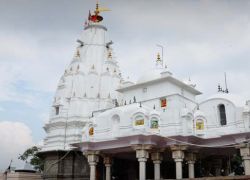
About The Jwala Devi Temple The Jwala Devi Temple is a famous Hindu temple located in Mussoorie, Uttarakhand. It is dedicated to Goddess Jwala, who is believed to be an incarnation of Goddess Durga. The temple is situated atop the Benog Hill at an altitude of 2,240 meters above sea level, offering panoramic views of the surrounding mountains and valleys. Architecture of Jwala Devi Temple The Jwala Devi Temple is built in traditional Garhwali style architecture, with a simple yet elegant design. The temple is made of white marble and features intricate carvings and sculptures of various Hindu deities. The main sanctum sanctorum houses the idol of Goddess Jwala, adorned with flowers and ornaments. The temple complex also includes a small prayer hall where devotees can offer their prayers and seek blessings. History The history of the Jwala Devi Temple dates back several centuries. According to legend, the temple was established by a local king who was a devout follower of Goddess Jwala. It is said that the king had a vision of the goddess instructing him to build a temple in her honor on the Benog Hill. The king then commissioned the construction of the temple, which has since become a popular pilgrimage site for devotees from all over the country. Best Time To Visit The best time to visit the Jwala Devi Temple is during the months of March to June and September to November. During these months, the weather is pleasant and ideal for sightseeing and outdoor activities. The temple also hosts several festivals and events during these months, attracting a large number of devotees and tourists. It is advisable to avoid visiting the temple during the monsoon season as the region experiences heavy rainfall, which can make travel difficult. How To Reach The Jwala Devi Temple is located approximately 9 kilometers from Mussoorie town and can be reached by road. Visitors can hire a taxi or take a local bus from Mussoorie to reach the temple. The nearest railway station is Dehradun, which is around 33 kilometers away. From Dehradun, visitors can hire a taxi or take a bus to reach Mussoorie and then proceed to the temple. The nearest airport is Jolly Grant Airport in Dehradun, which is well-connected to major cities in India. Significance Of The Jwala Devi Temple The Jwala Devi Temple holds great significance for devotees and pilgrims who visit the temple to seek the blessings of Goddess Jwala. It is believed that the goddess fulfills the wishes of her devotees and protects them from evil forces. The temple also offers a peaceful and serene atmosphere, making it an ideal place for meditation and introspection. Many visitors come to the temple to experience spiritual enlightenment and connect with the divine. The Jwala Devi Temple is a must-visit destination for those seeking a spiritual retreat and a unique cultural experience in the beautiful town of Mussoorie.
Explore More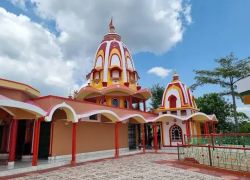
Located in the picturesque city of Pithoragarh, the Maharani Temple stands as a significant tourist attraction that combines historical charm with natural beauty. This temple, revered by locals and visitors alike, offers a serene retreat amidst the lush surroundings of Pithoragarh. History of Maharani Temple The Maharani Temple holds a rich historical background, tracing its origins to the former royal hunting grounds of Pithoragarh. Over the years, dedicated conservation efforts have been made to preserve the temple's heritage, leading to its recognition by UNESCO for its cultural importance. Architecture and Natural Beauty of Maharani Temple Surrounded by wetlands, forests, and grasslands, the Maharani Temple provides a sanctuary for diverse bird species and wildlife. The temple's architecture reflects the region's cultural heritage, while the nearby Keoladeo Temple adds to the historical charm of the area. Why is Maharani Temple Famous? The Maharani Temple is renowned for its appeal to birdwatchers, photographers, nature enthusiasts, and wildlife lovers. The abundance of bird habitats and landscapes make it a must-visit destination for those seeking to immerse themselves in the beauty of nature. How to Reach Maharani Temple Traveling to Maharani Temple is convenient, with options available by air, rail, and road. The nearest airports and railway stations provide easy access to this enchanting location, ensuring a hassle-free journey for visitors. Weather and Best Time to Visit Maharani Temple Throughout the summer, monsoon, and winter seasons, Maharani Temple offers varying weather conditions that add to its allure. The best months to visit are [mention best months], when the natural surroundings are at their most vibrant. Timings of Maharani Temple Visitor timings at Maharani Temple cater to different preferences, with seasonal variations enhancing the overall experience. Planning your visit accordingly ensures that you make the most of your time at this captivating destination. Entry Fee and Visit Details For those looking to explore Maharani Temple, entry procedures are straightforward, with guide services, safari options, and bicycle rentals available for visitors. The well-equipped facilities ensure a comfortable and memorable visit for all. Things to Do at Maharani Temple Engaging in popular activities at Maharani Temple, such as birdwatching, photography, cycling, and nature observation, allows visitors to connect with the surroundings on a deeper level. The walking trails offer educational experiences that showcase the area's biodiversity. Interesting Facts About Maharani Temple Visitors to Maharani Temple are often fascinated by the migratory birds that frequent the area, highlighting the conservation achievements and ecological importance of this location. The temple stands as a testament to the harmonious coexistence of nature and heritage. Travel Tips for Visiting Maharani Temple When planning a trip to Maharani Temple, ensure you are prepared with suitable clothing, photography equipment, and an appreciation for responsible tourism practices. Understanding the visiting seasons and respecting the natural environment are key to a fulfilling experience. Conclusion In conclusion, Maharani Temple in Pithoragarh offers a unique blend of history, natural beauty, and cultural significance that appeals to a wide range of visitors. Its serene ambiance and diverse offerings make it a destination worth exploring for anyone seeking to connect with the essence of [City].
Explore More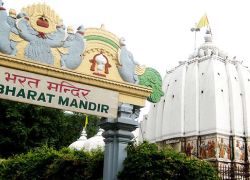
About The Bharatha Temple The Bharatha Temple is a magnificent Hindu temple located in Rishikesh, Uttarakhand. This temple is dedicated to Lord Bharatha, who is believed to be the brother of Lord Rama. The temple is a popular pilgrimage site for devotees seeking blessings and spiritual solace. The serene and tranquil surroundings of the temple make it a peaceful place for meditation and prayer. Architecture of Bharatha Temple The Bharatha Temple exudes exquisite architectural beauty with its intricate carvings, colorful frescoes, and towering spires. The temple follows traditional North Indian architectural styles, with a grand entrance leading to a central courtyard surrounded by smaller shrines dedicated to various deities. The temple's main sanctum sanctorum houses a beautifully adorned idol of Lord Bharatha, attracting devotees from far and wide. History The Bharatha Temple has a rich history dating back several centuries. It is believed that the temple was built by a royal patron in the region to honor Lord Bharatha and seek his blessings. Over the years, the temple has undergone renovations and additions, but its sacred essence has been preserved through generations. The temple stands as a symbol of devotion and reverence towards Lord Bharatha and his teachings. Best Time To Visit The best time to visit the Bharatha Temple is during the Hindu festivals of Ram Navami and Diwali when the temple is adorned with lights, flowers, and decorations. The vibrant atmosphere during these festivals adds to the spiritual experience of visiting the temple. However, the temple is open to visitors throughout the year, allowing devotees to seek solace and blessings whenever they feel the need. How To Reach The Bharatha Temple is conveniently located in the heart of Rishikesh, making it easily accessible by road. Visitors can reach the temple by private vehicles, taxis, or local transportation services. The temple is situated at a short distance from the main market area of Rishikesh, allowing visitors to combine their spiritual journey with a cultural exploration of the town. Significance Of The Bharatha Temple The Bharatha Temple holds immense significance for devotees who believe in the teachings and blessings of Lord Bharatha. The temple is a place of prayer, meditation, and spiritual awakening for those seeking guidance and divine intervention in their lives. The serene ambiance of the temple offers a sense of peace and tranquility, inviting visitors to connect with their inner selves and find solace in the presence of the divine. In conclusion, the Bharatha Temple in Rishikesh is not just a place of worship but a spiritual sanctuary where devotees can seek blessings, find solace, and connect with the divine. The temple's rich history, exquisite architecture, and serene ambiance make it a must-visit destination for those on a spiritual journey in the sacred town of Rishikesh.
Explore More
About The Gita Bhavan Temple The Gita Bhavan Temple is a prominent spiritual attraction located in the holy city of Rishikesh, India. It is a revered place of worship for Hindus and followers of the teachings of the Bhagavad Gita. The temple is dedicated to Lord Krishna, who imparted the sacred teachings of the Gita to Arjuna on the battlefield of Kurukshetra. Architecture of Gita Bhavan Temple The Gita Bhavan Temple showcases traditional Indian temple architecture with intricate carvings and beautiful embellishments. The temple complex is adorned with colorful frescoes depicting scenes from the Mahabharata, the epic in which the Bhagavad Gita is a part. The main sanctum of the temple houses a majestic idol of Lord Krishna, attracting devotees from all over the country. History The Gita Bhavan Temple was established as a center for studying and disseminating the teachings of the Bhagavad Gita. It was founded by a group of spiritual leaders and devotees who were inspired by the message of the Gita. The temple has since become a hub for spiritual seekers and pilgrims seeking solace and guidance in the revered scripture. Best Time To Visit The best time to visit the Gita Bhavan Temple is during the winter months of October to March when the weather is pleasant and conducive for spiritual activities. The temple hosts various events and discourses during this time, offering visitors an opportunity to immerse themselves in the teachings of the Bhagavad Gita. How To Reach The Gita Bhavan Temple is conveniently located in the heart of Rishikesh, making it easily accessible by road. Visitors can reach Rishikesh by bus or taxi from major cities like Delhi and Dehradun. The nearest railway station is in Haridwar, which is well-connected to Rishikesh by road. The temple is also accessible by air, with the nearest airport being Jolly Grant Airport in Dehradun. Significance Of The Gita Bhavan Temple The Gita Bhavan Temple holds immense significance for devotees and spiritual seekers due to its association with the teachings of the Bhagavad Gita. The scripture emphasizes the importance of duty, righteousness, and devotion, providing valuable insights into leading a purposeful and fulfilling life. The temple serves as a place of reflection and contemplation, guiding visitors on their spiritual journey towards self-realization and inner peace. In conclusion, the Gita Bhavan Temple in Rishikesh is a place of profound spiritual significance, attracting devotees and pilgrims seeking solace and wisdom. With its rich history, beautiful architecture, and sacred atmosphere, the temple provides a serene refuge for those looking to connect with the divine and explore the timeless teachings of the Bhagavad Gita.
Explore More
Welcome to the serene and enchanting Karkotaka Temple nestled in the picturesque city of Bhimtal. This hidden gem offers a perfect blend of spirituality and natural beauty, making it a must-visit destination for travelers seeking tranquility and a touch of history in the lap of nature. History of Karkotaka Temple Steeped in history, Karkotaka Temple holds significance as a sacred site with deep-rooted historical connections. Originally established as a royal hunting ground, it has evolved into a sanctuary dedicated to the preservation of local flora and fauna. The temple's rich heritage and conservation efforts have garnered recognition from UNESCO, highlighting its importance in both cultural and environmental preservation. Architecture and Natural Beauty of Karkotaka Temple The temple is surrounded by lush wetlands, dense forests, and sprawling grasslands that provide a haven for a myriad of bird species. Nature enthusiasts are drawn to the diverse bird habitats and breathtaking landscapes that offer a glimpse into the region's ecological richness. The historical Keoladeo Temple, located within the park, adds to the architectural charm and spiritual aura of the surroundings. Why is Karkotaka Temple Famous? Karkotaka Temple is renowned for its appeal to birdwatchers, photographers, and wildlife enthusiasts. The abundance of avian species, coupled with the serene ambiance and natural vistas, make it a paradise for those seeking to connect with nature and capture its beauty through their lenses. How to Reach Karkotaka Temple Traveling to Karkotaka Temple is convenient, with options for air, rail, and road transport. The city is easily accessible via nearby airports and railway stations, ensuring a smooth journey for visitors coming from various parts of the country. Weather and Best Time to Visit Karkotaka Temple The temple experiences varying weather conditions throughout the year, with summers being warm, monsoons bringing lush greenery, and winters offering a cool and pleasant atmosphere. The best time to visit is during the moderate months when the weather is ideal for exploring the natural beauty of the surroundings. Timings of Karkotaka Temple Visiting hours at Karkotaka Temple are structured to accommodate the needs of tourists, with seasonal variations considered to optimize the visitor experience. Planning your trip accordingly will ensure you make the most of your time exploring this captivating destination. Entry Fee and Visit Details Entry to Karkotaka Temple is subject to nominal fees, with provisions for guide services, safari options, bicycle rentals, and other visitor facilities to enhance your experience. These services cater to the diverse interests of tourists, offering an enriching and informative visit to the temple and its surroundings. Things to Do at Karkotaka Temple Engage in a host of activities at Karkotaka Temple, from birdwatching and photography to cycling, walking trails, and nature observation. The temple provides ample opportunities for educational experiences, allowing visitors to immerse themselves in the natural wonders and biodiversity of the region. Interesting Facts About Karkotaka Temple Discover fascinating facts about the migratory birds that frequent the temple, the conservation efforts aimed at preserving the local ecosystem, and the ecological importance of maintaining a harmonious balance between human activity and wildlife conservation. These insights shed light on the temple's significance beyond its historical and cultural value. Travel Tips for Visiting Karkotaka Temple When planning your visit to Karkotaka Temple, remember to pack appropriate clothing, essential photography gear, and birdwatching equipment to make the most of your trip. Consider the best seasons for birdwatching and nature exploration, and practice responsible tourism by respecting the temple's natural surroundings and wildlife habitats. Conclusion In conclusion, Karkotaka Temple in Bhimtal offers a unique blend of spirituality, history, and natural beauty that captivates the hearts of all who visit. Its rich heritage, diverse biodiversity, and tranquil ambiance make it a destination worth exploring for a truly immersive and soul-enriching travel experience.
Explore More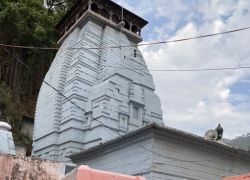
Devprayag, a picturesque town in India, is home to the renowned Raghunathji Temple. This sacred site holds immense significance for both spiritual seekers and nature enthusiasts. Surrounded by the tranquil beauty of Devprayag, Raghunathji Temple offers a unique blend of spirituality and natural splendor. History of Raghunathji Temple The history of Raghunathji Temple dates back centuries, with its origins deeply rooted in ancient traditions and beliefs. Once a royal hunting ground, this temple has witnessed the evolution of Devprayag's cultural landscape. The conservation efforts to preserve this historical site have gained international recognition, including a UNESCO acknowledgment for its historical and cultural importance. Architecture and Natural Beauty of Raghunathji Temple Surrounded by lush wetlands, dense forests, and sprawling grasslands, Raghunathji Temple provides a serene sanctuary for numerous bird species and wildlife. The picturesque landscapes offer a perfect backdrop for the historical Keoladeo Temple, enhancing the charm of this sacred place. Why is Raghunathji Temple Famous? Raghunathji Temple has gained fame as a haven for birdwatchers, photographers, and nature enthusiasts. Its rich biodiversity and tranquil ambiance attract wildlife lovers from around the globe, making it a must-visit destination for those seeking a peaceful retreat amidst nature. How to Reach Raghunathji Temple Traveling to Raghunathji Temple is convenient, with options available by air, rail, and road. The nearest airports and railway stations provide easy access to this spiritual and natural gem, ensuring a smooth journey for visitors. Weather and Best Time to Visit Raghunathji Temple The weather at Raghunathji Temple varies across summer, monsoon, and winter seasons, offering distinct experiences throughout the year. The best time to visit is during [mention best months] when the weather is pleasant, and the natural beauty of the surroundings is at its peak. Timings of Raghunathji Temple Raghunathji Temple welcomes visitors during specific timings, with seasonal variations that may affect accessibility. Planning your visit accordingly will ensure an enriching experience at this spiritual and natural hotspot. Entry Fee and Visit Details Visitors can explore Raghunathji Temple by following the designated entry procedures and availing guide services if needed. Safari options, bicycle rentals, and well-equipped visitor facilities enhance the overall experience, making it convenient for travelers to immerse themselves in the beauty of this sacred site. Things to Do at Raghunathji Temple Engaging in popular activities such as birdwatching, photography, cycling, and nature observation allows visitors to connect with the abundant wildlife and serene surroundings of Raghunathji Temple. Walking trails and educational experiences offer unique insights into the biodiversity of this natural haven. Interesting Facts About Raghunathji Temple Raghunathji Temple is renowned for its migratory bird population, conservation successes, and ecological significance. These fascinating facts contribute to the allure of this spiritual and natural sanctuary, showcasing the importance of preserving such treasures for future generations. Travel Tips for Visiting Raghunathji Temple When planning a visit to Raghunathji Temple, consider practical tips such as appropriate clothing, photography gear, and birdwatching equipment. Understanding the best visiting seasons and practicing responsible tourism will ensure a memorable and sustainable travel experience at this enchanting destination. Conclusion In conclusion, Raghunathji Temple in Devprayag stands as a testament to India's rich cultural heritage and natural beauty. Combining spirituality with biodiversity, this hotspot offers a unique blend of experiences for visitors seeking tranquility and connection with nature. Plan your journey to Raghunathji Temple to embark on a soul-stirring adventure in the heart of Devprayag.
Explore More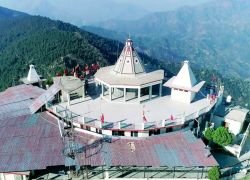
Welcome to the serene and spiritual destination of Chandrabadni Temple located in the picturesque city of Devprayag. This ancient temple holds a deep significance for devotees and nature lovers alike, offering a perfect blend of spirituality and natural beauty. History of Chandrabadni Temple Steeped in history, Chandrabadni Temple has been a place of worship for centuries, attracting pilgrims seeking blessings and solace. The temple's origins date back to ancient times, with legends and myths surrounding its creation. Once a royal hunting ground, it is now a revered site known for its conservation efforts and cultural heritage, making it a potential UNESCO World Heritage Site in the future. Architecture and Natural Beauty of Chandrabadni Temple Surrounded by lush forests, enchanting wetlands, and diverse bird habitats, Chandrabadni Temple boasts breathtaking landscapes that captivate visitors. The historical Keoladeo Temple within the temple complex adds to its architectural charm, offering a glimpse into the region's rich past and cultural significance. Why is Chandrabadni Temple Famous? Chandrabadni Temple is renowned for its tranquility, making it a popular destination for birdwatchers, photographers, nature enthusiasts, and wildlife lovers. Its serene environment and diverse ecosystem attract visitors from far and wide, seeking a peaceful retreat amidst nature's bounty. How to Reach Chandrabadni Temple Travelling to Chandrabadni Temple is convenient, with options available by air, rail, and road. The nearest airports and railway stations provide easy access to this hidden gem, allowing visitors to embark on a memorable journey to this spiritual haven. Weather and Best Time to Visit Chandrabadni Temple Chandrabadni Temple experiences varied weather conditions throughout the year, with distinct seasons of summer, monsoon, and winter. The best time to visit is during the moderate months when the weather is conducive to exploring the temple grounds and enjoying the natural beauty that surrounds it. Timings of Chandrabadni Temple Visitors can explore Chandrabadni Temple during specific timings, with seasonal variations influencing the overall experience. Planning a visit during the temple's operational hours ensures a smooth and fulfilling trip, allowing ample time to soak in the spirituality and tranquility of the surroundings. Entry Fee and Visit Details Entry to Chandrabadni Temple is accompanied by simple procedures, with guide services and safari options available for those seeking a more immersive experience. Bicycle rentals and visitor facilities enhance the overall visit, making it convenient for travellers to explore the temple complex and its natural wonders. Things to Do at Chandrabadni Temple Engaging activities such as birdwatching, photography, cycling, walking trails, and nature observation await visitors at Chandrabadni Temple. The temple's serene ambiance and diverse ecosystem provide ample opportunities for educational experiences and memorable encounters with nature's wonders. Interesting Facts About Chandrabadni Temple Chandrabadni Temple is home to a plethora of migratory birds and boasts rich biodiversity, contributing to its conservation achievements and ecological importance. The temple's role in preserving nature's treasures highlights its significance as a sustainable tourism destination. Travel Tips for Visiting Chandrabadni Temple For a rewarding visit to Chandrabadni Temple, it is advisable to pack appropriate clothing, essential photography gear, and birdwatching equipment. Understanding the best visiting seasons and practicing responsible tourism ensures a memorable and respectful experience at this sacred site. Conclusion In conclusion, Chandrabadni Temple in Devprayag stands as a testament to spirituality and natural beauty, offering visitors a unique blend of cultural heritage and serene landscapes. Whether seeking solace in its ancient walls or exploring the diverse ecosystems that surround it, this destination promises an unforgettable journey of discovery and reverence.
Explore More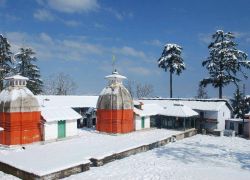
Welcome to the serene town of Devprayag, home to the magnificent Kyunkaleshwar Mahadev Temple. Nestled amidst the natural beauty of Devprayag, this temple is not only a religious site but also a significant tourist attraction for nature enthusiasts and history lovers alike. History of Kyunkaleshwar Mahadev Temple The Kyunkaleshwar Mahadev Temple holds a rich historical background dating back to ancient times. Built as a tribute to Lord Shiva, it stands as a symbol of cultural heritage and spiritual significance. The temple is located on the former royal hunting grounds, adding to its historical charm. Conservation efforts have been undertaken to preserve the temple's architecture and surroundings, earning it recognition for its cultural importance. Architecture and Natural Beauty of Kyunkaleshwar Mahadev Temple Surrounded by lush wetlands, dense forests, and sprawling grasslands, the Kyunkaleshwar Mahadev Temple offers a picturesque setting for visitors. The temple's architecture is a blend of traditional design and intricate carvings, reflecting the cultural heritage of the region. The landscape around the temple is a haven for bird habitats, making it a paradise for birdwatchers and nature lovers. The historical Keoladeo Temple within the park adds to the architectural beauty of the site. Why is Kyunkaleshwar Mahadev Temple Famous? The Kyunkaleshwar Mahadev Temple is renowned for its natural beauty and cultural significance. It attracts birdwatchers, photographers, and wildlife enthusiasts from around the world. The temple's tranquil surroundings and biodiversity make it a popular destination for those seeking a peaceful retreat in the lap of nature. How to Reach Kyunkaleshwar Mahadev Temple Traveling to Kyunkaleshwar Mahadev Temple is convenient with various options available. Visitors can reach the temple by air, rail, or road. The nearest airports and railway stations provide easy access to the site, ensuring a hassle-free journey for tourists. Weather and Best Time to Visit Kyunkaleshwar Mahadev Temple The weather at Kyunkaleshwar Mahadev Temple varies across seasons, with summer, monsoon, and winter offering different experiences. The best time to visit is during the moderate months when the weather is pleasant, allowing visitors to explore the temple and its surroundings comfortably. Timings of Kyunkaleshwar Mahadev Temple The temple welcomes visitors during specific timings, ensuring that everyone has the opportunity to experience its beauty. Seasonal variations may affect the visiting hours, so it is advisable to plan your trip accordingly for a fulfilling visit. Entry Fee and Visit Details Entry to Kyunkaleshwar Mahadev Temple may require nominal fees, with additional services such as guide assistance, safari options, and bicycle rentals available for visitors. The temple provides essential facilities to ensure a comfortable and enriching visit for all guests. Things to Do at Kyunkaleshwar Mahadev Temple Visitors to Kyunkaleshwar Mahadev Temple can engage in a variety of activities such as birdwatching, photography, cycling, and nature walks. The temple's serene environment offers opportunities for peaceful observation and educational experiences, making it a perfect destination for nature enthusiasts. Interesting Facts About Kyunkaleshwar Mahadev Temple Kyunkaleshwar Mahadev Temple is a hub of biodiversity, hosting a myriad of migratory birds and rare species. The temple's conservation efforts have contributed to the preservation of the local ecosystem, highlighting its ecological importance and achievements in sustaining wildlife populations. Travel Tips for Visiting Kyunkaleshwar Mahadev Temple When planning a visit to Kyunkaleshwar Mahadev Temple, consider the weather conditions, appropriate clothing, and necessary equipment for activities such as birdwatching and photography. It is essential to follow responsible tourism practices and respect the natural environment to ensure a memorable and sustainable travel experience. Conclusion In conclusion, Kyunkaleshwar Mahadev Temple in Devprayag is a hidden gem that combines spirituality, history, and natural beauty. Whether you are a nature lover, history buff, or simply seeking tranquility, a visit to this temple offers a unique and enriching experience in the heart of Devprayag. Plan your trip to Kyunkaleshwar Mahadev Temple to immerse yourself in the charm of this cultural and natural marvel.
Explore More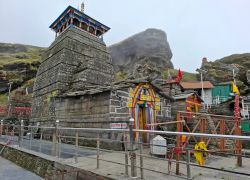
About The Tungnath Temple The Tungnath Temple is a famous Hindu temple dedicated to Lord Shiva, located in the Rudraprayag district of Uttarakhand, India. It is situated at an altitude of 3,680 meters (12,073 feet) above sea level, making it the highest Shiva temple in the world. The temple holds great religious significance and is a popular pilgrimage destination for devotees seeking blessings and spiritual fulfillment. Architecture of Tungnath Temple The Tungnath Temple is constructed in the traditional North Indian style of architecture, with intricate carvings and designs that date back to ancient times. The temple is made of stone and wood, with a conical spire that rises gracefully towards the sky. The inner sanctum of the temple houses a sacred Shiva lingam, which is the focal point of worship for devotees. History The history of the Tungnath Temple dates back to ancient times and is shrouded in myth and legend. According to Hindu mythology, the temple is one of the Panch Kedar, the five sacred temples dedicated to Lord Shiva in the Garhwal region of Uttarakhand. It is believed that the temple was built by the Pandavas, the legendary heroes of the Hindu epic Mahabharata, during their exile. Best Time To Visit The Tungnath Temple is open to visitors throughout the year, but the best time to visit is during the summer months from May to June and the autumn months from September to November. The weather during these months is pleasant and ideal for trekking and sightseeing. It is advisable to avoid visiting during the winter months as the region receives heavy snowfall, making it difficult to access the temple. How To Reach The Tungnath Temple is located in the Rudraprayag district of Uttarakhand and is easily accessible by road. The nearest major town is Rishikesh, which is well-connected by road and rail to major cities in India. From Rishikesh, visitors can hire a taxi or take a bus to reach Chopta, the base camp for the trek to the temple. The trek from Chopta to Tungnath is a moderate 3.5 km hike that offers stunning views of the surrounding Himalayan peaks. Significance Of The Tungnath Temple The Tungnath Temple holds great religious significance for Hindus, who believe that it is a sacred place where Lord Shiva resides. Devotees visit the temple to seek blessings for health, prosperity, and spiritual enlightenment. The trek to the temple is considered a form of penance and is believed to cleanse the soul of sins and impurities. The serene surroundings of the temple, surrounded by snow-capped peaks and lush green meadows, make it a peaceful retreat for those seeking solace and inner peace. Overall, the Tungnath Temple is a must-visit destination for spiritual seekers and nature lovers alike, offering a unique blend of history, architecture, and natural beauty that is sure to leave a lasting impression on all who visit.
Explore MoreJim Corbett With Jeep Safari Tour Package From Delhi 2 Night 3 Days
3 Days/ 2 Night
Corbett - Nainital
Haridwar Rishikesh Tour Package From Delhi 2 Night 3 Days
3 Days/ 2 Night
Haridwar - Rishikesh
Mussoorie - Rishikesh 4N - 5D Tour
5 Days/ 4 Night
Mussoorie - Rishikesh
Uttarakhand Explorer 6N - 7D Tour
7 Days/ 6 Night
Mussoorie - Nainital - Rishikesh
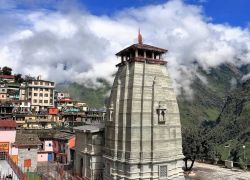
Welcome to the enchanting destination of Narsingh Temple in Joshimath, a place where spirituality, natural beauty, and wildlife converge to offer a truly unique experience for visitors. This sacred site holds not only historical significance but also serves as a haven for nature enthusiasts and birdwatchers alike. History of Narsingh Temple Steeped in history, Narsingh Temple traces its origins back to ancient times, serving as a place of worship and pilgrimage for devotees. Formerly part of royal hunting grounds, the temple area has been transformed into a conservation area, with efforts to preserve its biodiversity and cultural heritage. The site’s importance has garnered recognition from UNESCO for its conservation endeavors. Architecture and Natural Beauty of Narsingh Temple Surrounded by lush wetlands, dense forests, and sprawling grasslands, Narsingh Temple boasts a diverse natural environment that is home to a myriad of bird species and wildlife. The picturesque landscapes provide a serene backdrop to the historical Keoladeo Temple, adding to the charm of the area. Why is Narsingh Temple Famous? Narsingh Temple has gained fame among birdwatchers, photographers, and nature enthusiasts for its rich avian diversity and scenic beauty. The site offers a sanctuary for migratory birds, making it a prime destination for wildlife lovers seeking to observe these winged wonders in their natural habitat. How to Reach Narsingh Temple Traveling to Narsingh Temple is convenient, with options available by air, rail, and road. The nearest airports and railway stations provide easy access to the city of Joshimath, from where visitors can reach the temple site via well-connected roadways. Weather and Best Time to Visit Narsingh Temple Narsingh Temple experiences varying weather conditions throughout the year, with summers being warm, monsoons bringing lush greenery, and winters offering a chilly ambiance. The best time to visit is during the months when the weather is pleasant, allowing for a comfortable exploration of the surroundings. Timings of Narsingh Temple Visiting hours at Narsingh Temple are structured to accommodate the needs of tourists, with seasonal variations in timings to optimize the visitor experience. Planning your trip accordingly will ensure a smooth and enjoyable visit to this cultural and natural marvel. Entry Fee and Visit Details Entry procedures at Narsingh Temple are streamlined to provide a hassle-free experience for visitors, with guide services, safari options, and bicycle rentals available for those looking to explore the area further. Visitor facilities are well-maintained, ensuring a comfortable stay for all. Things to Do at Narsingh Temple Engage in a range of activities at Narsingh Temple, from birdwatching and photography to cycling and walking trails that offer an up-close experience with nature. Immerse yourself in the serenity of the surroundings and embark on educational journeys that provide insights into the local ecosystem. Interesting Facts About Narsingh Temple Narsingh Temple is replete with fascinating facts, from the diverse migratory bird population it hosts to the conservation achievements that have made it a beacon of environmental preservation. Its ecological importance cannot be understated, making it a must-visit for those passionate about wildlife conservation. Travel Tips for Visiting Narsingh Temple When planning your trip to Narsingh Temple, remember to pack appropriate clothing for the prevailing weather conditions, equip yourself with birdwatching essentials, and adhere to responsible tourism practices to help preserve the beauty of the site. Choose the right visiting season to make the most of your experience. Conclusion In conclusion, a visit to Narsingh Temple in Joshimath promises a harmonious blend of spirituality, natural splendor, and wildlife encounters that will leave a lasting impression on every visitor. Explore the wonders of this unique destination and immerse yourself in the tranquility of its surroundings, creating memories to cherish for a lifetime.
Explore More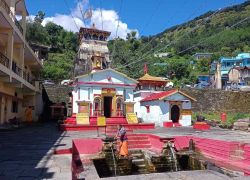
Welcome to the enchanting city of Guptakashi, home to the magnificent Vishwanath Temple. This sacred site holds immense significance for both spiritual seekers and nature enthusiasts, offering a unique blend of historical charm and natural beauty. History of Vishwanath Temple The Vishwanath Temple in Guptakashi has a rich historical background dating back centuries. It is believed to be a revered site dedicated to Lord Shiva, attracting pilgrims from far and wide. The temple's architecture reflects ancient craftsmanship and intricate designs, showcasing the region's cultural heritage. Architecture and Natural Beauty of Vishwanath Temple Surrounded by lush forests, the Vishwanath Temple stands as a symbol of tranquility and spiritual devotion. The natural environment around the temple is teeming with biodiversity, offering a haven for various bird species and wildlife. Visitors can explore the scenic landscapes and immerse themselves in the serene ambiance of this sacred place. Why is Vishwanath Temple Famous? The Vishwanath Temple is renowned for its spiritual significance and architectural beauty. It serves as a popular destination for birdwatchers, photographers, and nature lovers seeking to witness the harmony between man-made structures and the surrounding natural elements. How to Reach Vishwanath Temple Traveling to Guptakashi is convenient, with options available by air, rail, and road. The nearest airport is located in Dehradun, while Rishikesh serves as a major railway station in the region. From there, visitors can easily reach Guptakashi by road, enjoying picturesque views along the journey. Weather and Best Time to Visit Vishwanath Temple Guptakashi experiences varying weather conditions throughout the year, with summers being warm and pleasant, monsoons bringing lush greenery, and winters offering a chilly ambiance. The best time to visit the Vishwanath Temple is during the months of spring and autumn when the weather is favorable for exploration and sightseeing. Timings of Vishwanath Temple The Vishwanath Temple welcomes visitors during specific timings, allowing ample opportunity to explore its spiritual essence and architectural marvels. It is advisable to check for any seasonal variations in timings and plan your visit accordingly to make the most of your experience. Entry Fee and Visit Details Visitors can access the Vishwanath Temple by following the designated entry procedures. Guide services are available for those seeking in-depth knowledge about the temple's history and significance. Additionally, safari options, bicycle rentals, and visitor facilities ensure a comfortable and enjoyable visit for all. Things to Do at Vishwanath Temple Engage in a range of activities at the Vishwanath Temple, from birdwatching and photography to cycling and nature walks. The temple's serene surroundings offer the perfect setting for peaceful contemplation and immersive experiences in the lap of nature. Interesting Facts About Vishwanath Temple The Vishwanath Temple is a sanctuary for migratory birds and boasts a diverse range of flora and fauna within its vicinity. Conservation efforts have been instrumental in preserving this ecological gem, highlighting the importance of sustainable practices and environmental awareness. Travel Tips for Visiting Vishwanath Temple When visiting the Vishwanath Temple, remember to dress modestly and respectfully to honor the sacredness of the site. Carry essential photography and birdwatching equipment to capture memorable moments. Plan your trip during the recommended seasons and practice responsible tourism to preserve the temple's natural heritage. Conclusion In conclusion, the Vishwanath Temple in Guptakashi offers a harmonious blend of spirituality and natural beauty, making it a must-visit destination for travelers seeking serenity and cultural enlightenment. Immerse yourself in the timeless charm of this sacred site and embark on a journey of discovery in the heart of Guptakashi.
Explore More
Welcome to Hemkund Sahib, located in Ghangaria, a breathtaking destination known for its spiritual significance, natural beauty, and rich biodiversity. This enchanting place offers a serene retreat for travelers seeking a blend of tranquility and adventure amidst the picturesque Himalayan landscapes. History of Hemkund Sahib Steeped in history, Hemkund Sahib holds deep religious importance for Sikhs as it is believed to be a meditation site of Guru Gobind Singh Ji. The surroundings were once the royal hunting grounds of the Maharaja of Bharatpur. Today, Hemkund Sahib stands as a symbol of conservation efforts and has been recognized by UNESCO for its cultural heritage. Architecture and Natural Beauty of Hemkund Sahib The natural environment of Hemkund Sahib is a mesmerizing mix of wetlands, alpine forests, and vibrant grasslands that attract a myriad of bird species. The Keoladeo Temple, an ancient architectural marvel, adds to the spiritual aura of the place, surrounded by lush landscapes and serene water bodies. Why is Hemkund Sahib Famous? Hemkund Sahib is renowned for being a haven for birdwatchers, photographers, nature enthusiasts, and wildlife lovers. The diverse avian population, coupled with the tranquil surroundings, makes it a paradise for those seeking solace in nature's lap. How to Reach Hemkund Sahib Traveling to Hemkund Sahib is an adventure in itself. The nearest airport is in Dehradun, and the closest railway station is in Rishikesh. From there, a scenic road journey takes you to Govindghat, from where a trek through picturesque landscapes leads to Ghangaria, the base camp for Hemkund Sahib. Weather and Best Time to Visit Hemkund Sahib The weather at Hemkund Sahib varies with the seasons, offering pleasant summers, lush monsoons, and snowy winters. The best time to visit is from May to October when the weather is favorable for trekking and exploring the natural beauty of the region. Timings of Hemkund Sahib Hemkund Sahib welcomes visitors during the daytime, with seasonal variations in timings. It is advisable to plan your visit during the daytime to make the most of the serene ambiance and natural surroundings. Entry Fee and Visit Details Visitors can enter Hemkund Sahib after following the necessary procedures. Guide services are available for those seeking assistance in exploring the area. Safari options, bicycle rentals, and visitor facilities are provided to enhance the overall experience. Things to Do at Hemkund Sahib Engage in a variety of activities at Hemkund Sahib, including birdwatching to spot rare species, capturing the beauty through photography, cycling through scenic trails, walking amidst nature's wonders, and indulging in educational experiences to learn more about the rich biodiversity of the region. Interesting Facts About Hemkund Sahib Hemkund Sahib is a haven for migratory birds, with a wide range of species calling it home during different seasons. The conservation efforts have led to the preservation of this ecological gem, making it a significant site for wildlife enthusiasts and nature lovers. Travel Tips for Visiting Hemkund Sahib When visiting Hemkund Sahib, it is essential to carry appropriate clothing for the changing weather conditions. Ensure you have the necessary photography and birdwatching equipment to capture the beauty of the surroundings. Plan your visit during the recommended seasons and practice responsible tourism to protect the natural habitat. Conclusion In conclusion, Hemkund Sahib in Ghangaria offers a unique blend of spirituality, natural beauty, and biodiversity, making it a must-visit destination for travelers seeking a soulful retreat amidst the Himalayan tranquility. Explore the wonders of Hemkund Sahib to immerse yourself in the serenity and splendor of this enchanting hotspot.
Explore More
Welcome to Govindghat Gurudwara, a serene and spiritually significant tourist attraction located in the charming city of Govindghat. This beautiful gurudwara is not only a place of worship but also a haven for nature lovers and birdwatching enthusiasts. History of Govindghat Gurudwara The history of Govindghat Gurudwara dates back to ancient times, with its origins deeply rooted in religious traditions. The gurudwara stands on what was once a royal hunting ground, now transformed into a conservation area dedicated to preserving the natural beauty and biodiversity of the region. Its efforts have garnered recognition from UNESCO for its conservation initiatives. Architecture and Natural Beauty of Govindghat Gurudwara Surrounded by lush wetlands, dense forests, and sprawling grasslands, Govindghat Gurudwara offers a picturesque setting for visitors to immerse themselves in the tranquility of nature. The gurudwara is also home to a variety of bird species, making it a paradise for birdwatchers. The historic Keoladeo Temple nestled within the park adds to its architectural and cultural richness. Why is Govindghat Gurudwara Famous? Govindghat Gurudwara is renowned for its natural beauty and rich biodiversity, attracting birdwatchers, photographers, nature enthusiasts, and wildlife lovers from far and wide. The gurudwara provides a unique opportunity to connect with nature and experience the wonders of the avian world up close. How to Reach Govindghat Gurudwara Traveling to Govindghat Gurudwara is convenient, with options for air, rail, and road transport. The nearest airports are located in nearby cities, and the region is well-connected by rail. Road transport offers scenic views of the surrounding landscape, making the journey to Govindghat a memorable experience. Weather and Best Time to Visit Govindghat Gurudwara The weather at Govindghat Gurudwara varies across seasons, with pleasant summers, refreshing monsoons, and chilly winters. The best time to visit is during the winter months when the weather is mild, and the bird population is at its peak, providing excellent birdwatching opportunities. Timings of Govindghat Gurudwara Govindghat Gurudwara welcomes visitors throughout the year, with timings varying slightly based on seasonal changes. It is advisable to plan your visit during early morning or late afternoon to witness the beauty of the gurudwara and its surroundings. Entry Fee and Visit Details Visitors can enter Govindghat Gurudwara by following the designated procedures and avail guide services for a more informative experience. Safari options, bicycle rentals, and visitor facilities are available to enhance the overall visit and ensure a comfortable stay. Things to Do at Govindghat Gurudwara At Govindghat Gurudwara, visitors can engage in a variety of activities such as birdwatching, photography, cycling, walking trails, and nature observation. The gurudwara also offers educational experiences for those interested in learning more about the local flora and fauna. Interesting Facts About Govindghat Gurudwara Govindghat Gurudwara is home to numerous migratory birds, showcasing the region's rich biodiversity and conservation efforts. The gurudwara's commitment to preserving the ecosystem has led to significant conservation achievements, highlighting its ecological importance on a global scale. Travel Tips for Visiting Govindghat Gurudwara When visiting Govindghat Gurudwara, it is advisable to dress comfortably, carry appropriate photography equipment, and be respectful of the natural surroundings. Different seasons offer unique experiences, so plan your visit accordingly and practice responsible tourism to help protect this precious ecosystem. Conclusion In conclusion, Govindghat Gurudwara in Govindghat is a place of spiritual significance and natural beauty, offering a harmonious blend of religious heritage and environmental conservation. Visitors to this tranquil destination can immerse themselves in the wonders of nature and create lasting memories amidst the serene surroundings.
Explore More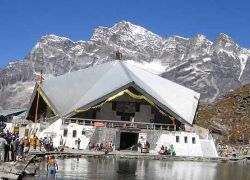
Hemkund Sahib Gurudwara, located in the city of Hemkund Sahib, is a prominent tourist attraction known for its spiritual significance and natural beauty. Nestled amidst the picturesque Himalayan mountains, this Gurudwara attracts visitors from all over the world seeking tranquility and breathtaking scenery. History of Hemkund Sahib Gurudwara The history of Hemkund Sahib dates back to ancient times, with its origins associated with the Sikh Guru Gobind Singh. It is believed to have been a place of meditation for Guru Gobind Singh, adding to its historical importance. Over the years, the Gurudwara has undergone conservation efforts to preserve its cultural heritage and is now recognized by UNESCO for its historical significance. Architecture and Natural Beauty of Hemkund Sahib Gurudwara The Gurudwara is surrounded by lush green forests, pristine water bodies, and snow-capped mountains, creating a serene and peaceful environment for visitors. The natural beauty of Hemkund Sahib, along with the historical Keoladeo Temple situated nearby, offers a unique blend of spirituality and natural wonders. Why is Hemkund Sahib Gurudwara Famous? Hemkund Sahib Gurudwara is famous for its tranquil ambiance, making it a popular destination for birdwatchers, photographers, nature enthusiasts, and wildlife lovers. The Gurudwara's serene surroundings and spiritual aura attract visitors seeking solace and connection with nature. How to Reach Hemkund Sahib Gurudwara Traveling to Hemkund Sahib Gurudwara is possible by air, rail, and road. The nearest airports are located in Dehradun and Rishikesh, while the closest railway station is in Haridwar. From these points, one can reach the Gurudwara by road through well-connected routes. Weather and Best Time to Visit Hemkund Sahib Gurudwara The weather in Hemkund Sahib varies throughout the year, with summers being pleasant, monsoons experiencing rainfall, and winters being cold with snowfall. The best time to visit is during the summer months from May to June and post-monsoon in September. Timings of Hemkund Sahib Gurudwara Hemkund Sahib Gurudwara is open to visitors during specific timings, with seasonal variations based on weather conditions. Visitors are advised to check the official timings before planning their trip and are recommended to consider the seasonal changes in accessibility. Entry Fee and Visit Details Entry to Hemkund Sahib Gurudwara is free for all visitors. Guide services, safari options, bicycle rentals, and visitor facilities are available for those wanting to explore the area further and make the most of their visit. Things to Do at Hemkund Sahib Gurudwara Popular activities at Hemkund Sahib Gurudwara include birdwatching, photography, cycling around the scenic routes, walking trails amidst nature, and engaging in educational experiences to learn more about the cultural and natural heritage of the region. Interesting Facts About Hemkund Sahib Gurudwara Hemkund Sahib Gurudwara is home to a diverse range of migratory birds, showcasing the rich biodiversity of the region. Conservation efforts have been successful in maintaining the ecological balance, making it a significant site for wildlife enthusiasts and nature conservationists. Travel Tips for Visiting Hemkund Sahib Gurudwara When visiting Hemkund Sahib Gurudwara, it is advisable to carry appropriate clothing for varying weather conditions, photography equipment for capturing the scenic beauty, and birdwatching gear for observing the diverse avian species. Visitors should also be mindful of the best seasons to visit and practice responsible tourism to preserve the natural habitat. Conclusion In conclusion, Hemkund Sahib Gurudwara in Hemkund Sahib offers a harmonious blend of spirituality and natural beauty, attracting visitors with its historical significance and serene environment. Whether seeking solace in the tranquil surroundings or exploring the diverse flora and fauna, Hemkund Sahib Gurudwara provides a unique and enriching experience for all who visit.
Explore More
Gangotri Temple, situated in Uttarkashi, is a revered Hindu pilgrimage destination known for its spiritual significance and breathtaking natural beauty. The temple holds immense importance as one of the Char Dham pilgrimage sites and is dedicated to Goddess Ganga, the river Ganges personified. History of Gangotri Temple The history of Gangotri Temple dates back to ancient times and is steeped in mythological tales. It is believed that King Bhagirath meditated here to bring the sacred river Ganges down to earth to cleanse the sins of his ancestors. Over the years, the temple has stood as a symbol of faith and devotion, attracting pilgrims from far and wide. Architecture and Natural Beauty of Gangotri Temple Surrounded by the majestic Himalayas, Gangotri Temple is set amidst a natural paradise. The temple's architecture reflects traditional Garhwali style, with intricate carvings and a serene ambiance. The region is also known for its lush forests, snow-capped peaks, and the pristine Bhagirathi River flowing nearby. Why is Gangotri Temple Famous? Gangotri Temple is renowned for its spiritual aura and scenic charm, making it a popular destination for both religious seekers and nature lovers. The temple's tranquil surroundings and the opportunity to witness the source of the holy Ganges River attract visitors seeking solace and rejuvenation. How to Reach Gangotri Temple Reaching Gangotri Temple involves a journey through picturesque mountain roads. The nearest airport is in Dehradun, approximately 250 km away, while the closest railway station is in Rishikesh. From there, regular buses and taxis are available to reach Gangotri. Weather and Best Time to Visit Gangotri Temple Gangotri experiences cool summers, chilly winters, and moderate monsoons. The best time to visit is during the summer months from May to June and the post-monsoon season from September to October when the weather is pleasant and ideal for exploring the temple and surrounding areas. Timings of Gangotri Temple Gangotri Temple is usually open from early morning till late evening, allowing devotees and tourists to seek blessings and soak in the spiritual ambiance. The temple timings may vary during special festivals and winter months, so it's advisable to check before planning a visit. Entry Fee and Visit Details Visitors can enter Gangotri Temple premises for free, but donations are accepted for maintenance and upkeep. Guide services are available for a more insightful experience, and local vendors offer refreshments and souvenirs. Trekking and camping options near the temple provide a unique adventure. Things to Do at Gangotri Temple At Gangotri Temple, visitors can engage in a variety of activities such as attending religious ceremonies, exploring nearby trekking trails, witnessing the Ganges River origin point, and immersing in the tranquil beauty of the Himalayan landscape. Birdwatching and photography opportunities abound for nature enthusiasts. Interesting Facts About Gangotri Temple Gangotri Temple is not just a place of worship but also a haven for biodiversity conservation. The region is home to a variety of flora and fauna, including rare Himalayan species. The temple's surroundings contribute to the ecological balance of the area, making it a significant ecological hotspot. Travel Tips for Visiting Gangotri Temple When visiting Gangotri Temple, it is advisable to carry warm clothing, sturdy footwear, and essential medicines due to the high altitude and varying weather conditions. Birdwatching enthusiasts should bring binoculars and cameras to capture the diverse avian species. Respecting the temple customs and local traditions is essential for a meaningful visit. Conclusion In conclusion, Gangotri Temple in Uttarkashi stands as a testament to faith, nature's beauty, and cultural heritage. The temple's historical significance, architectural charm, and serene surroundings make it a must-visit destination for spiritual seekers and nature enthusiasts alike. A journey to Gangotri offers a blend of spirituality, adventure, and tranquility, leaving visitors with lasting memories of this sacred place in the lap of the Himalayas.
Explore More