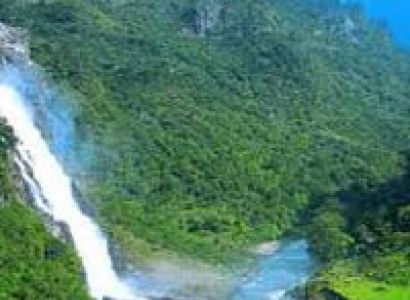
"Home to majestic elephants and diverse wildlife."
Located in Jalpaiguri, Jaldapara National Park is a mesmerizing tourist attraction that offers a unique blend of natural beauty and diverse wildlife. Spread over vast landscapes, this park is not only significant for its historical background but also for its rich biodiversity, making it a haven for nature enthusiasts, birdwatchers, and wildlife lovers.
Originally a former royal hunting ground for the Maharaja of Cooch Behar, Jaldapara National Park has a rich historical background dating back to the colonial era. Over the years, it has transformed into a conservation area dedicated to protecting the endangered species that inhabit its lush forests and grasslands. The park's commitment to wildlife preservation has earned it recognition from UNESCO as an important conservation site.
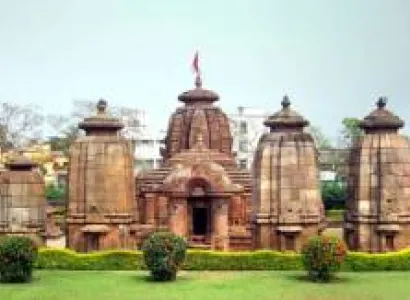
The natural environment of Jaldapara National Park is a sight to behold, with its expansive wetlands, dense forests, and vast grasslands creating a picturesque landscape. The park is renowned for its diverse bird habitats, making it a paradise for birdwatchers. Nestled within this natural beauty is the historic Keoladeo Temple, adding a touch of spirituality to the serene surroundings.
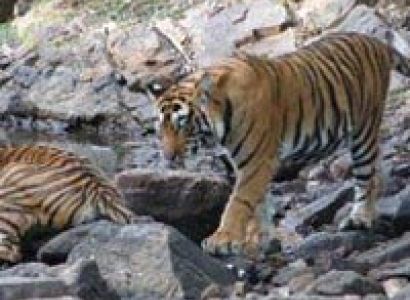
Jaldapara National Park has gained fame for being a hotspot for birdwatchers, photographers, and nature enthusiasts. The park's rich biodiversity, including rare and endangered species like the one-horned rhinoceros and Bengal florican, attracts wildlife lovers from around the world. The opportunity to witness these majestic creatures in their natural habitat makes Jaldapara National Park a must-visit destination for wildlife enthusiasts.
Travelling to Jaldapara National Park is convenient, with options to reach the park by air, rail, and road. The nearest airports are Bagdogra and Guwahati, while Jalpaiguri Road and New Jalpaiguri Railway Station provide easy access for those travelling by train. Visitors can also opt for road transport via well-connected highways that lead to the park's entrance.
Jaldapara National Park experiences varied weather conditions throughout the year, with summers being warm, monsoons bringing heavy rainfall, and winters being pleasantly cool. The best time to visit the park is during the winter months from November to February when the weather is mild, and wildlife sightings are at their peak.
Jaldapara National Park is open to visitors during specific timings, allowing guests to explore the park's beauty at their convenience. The park may have seasonal variations in timings, so it is advisable to check in advance for any changes. Proper planning ensures a smooth and enjoyable visit to this natural wonder.
Entry into Jaldapara National Park is subject to specific procedures, with options for guide services, safari rides, bicycle rentals, and visitor facilities available within the park. These services cater to the needs of guests, offering an immersive experience in the heart of nature. Visitors can make the most of their trip by availing these amenities.
There are numerous activities to enjoy at Jaldapara National Park, ranging from birdwatching and photography to cycling and walking trails. Nature enthusiasts can immerse themselves in the park's serene surroundings, observing the diverse wildlife and capturing memorable moments amidst the lush greenery. Educational experiences also abound, providing insights into the park's ecological significance.
Jaldapara National Park is home to a plethora of migratory birds, rare flora and fauna, and conservation efforts that have contributed significantly to the park's ecological importance. The park's achievements in biodiversity conservation stand as a testament to its commitment to preserving the natural heritage of the region, making it a valuable treasure for generations to come.
When planning a visit to Jaldapara National Park, it is essential to pack appropriate clothing, photography equipment, and birdwatching essentials to make the most of your trip. Understanding the best visiting seasons, respecting the park's regulations, and practicing responsible tourism are key to ensuring a memorable and sustainable experience at this pristine destination.
In conclusion, Jaldapara National Park in Jalpaiguri stands out as a remarkable destination that offers a perfect blend of history, natural beauty, and wildlife conservation. Whether you are a nature enthusiast, wildlife lover, or simply seeking a peaceful retreat amidst nature, a visit to Jaldapara National Park promises an enriching experience filled with awe-inspiring sights and unforgettable moments.