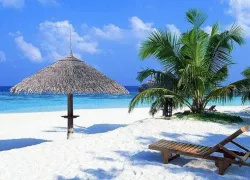
Negombo Beach is a popular tourist destination located in Negombo, Sri Lanka. Known for its golden sands, clear blue waters, and palm-lined shores, this beach is a paradise for sunbathers and water sports enthusiasts. The beach is situated just a short drive away from the Bandaranaike International Airport, making it a convenient stop for travelers arriving or departing from the country. Water Sports Negombo Beach offers a wide range of water sports activities for visitors to enjoy. From jet skiing and windsurfing to banana boat rides and snorkeling, there is something for everyone to experience the thrill of the sea. The warm waters and gentle waves make it an ideal spot for both beginners and experienced water sports enthusiasts. How To Reach Negombo Beach is easily accessible by road from Colombo, the capital city of Sri Lanka. Visitors can take a taxi or a tuk-tuk from the airport or Colombo to reach the beach. Alternatively, there are also public buses that run between Colombo and Negombo, providing an affordable option for travelers. Best Time To Visit The best time to visit Negombo Beach is during the dry season, which runs from November to April. During this time, the weather is sunny and the sea is calm, making it perfect for sunbathing and water sports. The monsoon season from May to October brings heavy rainfall and rough seas, making it less ideal for beach activities. Places To Stay Near Negombo Beach There are plenty of accommodation options near Negombo Beach, ranging from luxury resorts to budget guesthouses. Visitors can choose from beachfront properties with stunning ocean views or cozy boutique hotels in the town center. Some popular options include Jetwing Blue, Goldi Sands Hotel, and Pledge Scape. Traveller Tip One tip for travelers visiting Negombo Beach is to try the fresh seafood available at the beachside restaurants. From grilled fish to prawn curry, the local cuisine is a must-try for food enthusiasts. Additionally, don't forget to catch the stunning sunset over the Indian Ocean for a memorable experience. Things To Carry When visiting Negombo Beach, it is essential to pack sunscreen, sunglasses, a hat, and a beach towel to protect yourself from the sun. Water shoes are recommended for walking on the sandy shores, and a waterproof phone pouch can come in handy for capturing beach moments. Don't forget to bring a refillable water bottle to stay hydrated throughout the day. Tourist Attractions To See In And Around The Negombo Beach Aside from the pristine beach, visitors can explore several tourist attractions in and around Negombo. The Negombo Dutch Fort, St. Mary's Church, and Angurukaramulla Temple are popular landmarks worth visiting. The Muthurajawela Marsh and Negombo Lagoon offer opportunities for bird watching and boat rides for nature lovers. Shopping Negombo Beach is also a great place for shopping, with plenty of souvenir shops and local markets selling handicrafts, clothing, and spices. Visitors can shop for unique gifts such as handwoven textiles, wooden masks, and traditional Sri Lankan tea to bring back home as souvenirs. Nightlife At Negombo Beach After a day of sunbathing and sightseeing, visitors can enjoy the vibrant nightlife at Negombo Beach. The beachfront bars and clubs offer live music, cocktails, and seafood dinners by the sea. Join the locals for a beach bonfire or take a moonlit stroll along the shore for a relaxing end to the day.
Explore More
Bentota Beach, located on the southwest coast of Sri Lanka, is one of the country’s most popular beach destinations. Renowned for its golden sand, crystal-clear waters, and beautiful sunsets, this beach attracts visitors looking for both relaxation and adventure. Whether you’re a beach lover, water sports enthusiast, or nature explorer, Bentota Beach offers a variety of activities and experiences to enjoy. How to Reach Bentota Beach Bentota Beach is easily accessible from major cities like Colombo and Galle. The beach is located about 65 kilometers south of Colombo, making it a convenient 1.5 to 2-hour drive from the capital. You can reach Bentota by: By Car: Renting a car or hiring a taxi is the most convenient option. The drive from Colombo is scenic, passing through small villages and beautiful landscapes. By Train: Bentota has a railway station, and you can take a train from Colombo to Bentota, which offers a scenic route along the coastline. By Bus: Public buses operate from Colombo to Bentota. It’s an affordable option but may take longer due to frequent stops. Weather and Best Time to Visit Bentota Beach The weather in Bentota is typically tropical, with warm temperatures year-round. However, there are certain months that are better for visiting: Best Time to Visit: The best months to visit Bentota are from November to April, when the weather is dry and sunny. This period is ideal for beach activities, swimming, and water sports. Monsoon Season: The monsoon season in Bentota is between May and October, bringing heavy rains and rough seas. While the area is still beautiful, some beach activities may be restricted during this time. Why Bentota Beach is Famous Bentota Beach is famous for its stunning natural beauty and its wide range of activities. Some of the key factors that make this beach famous include: Golden Sand & Clear Waters: The beach is lined with fine golden sand, offering a beautiful, serene environment for visitors. The calm, clear waters are perfect for swimming and other water activities. Water Sports Hub: Bentota is known for its wide variety of water sports like jet-skiing, windsurfing, wakeboarding, and parasailing. The beach’s calm waters make it ideal for both beginners and experienced water sport enthusiasts. Relaxing Atmosphere: Despite being a popular tourist destination, Bentota Beach maintains a peaceful atmosphere, making it perfect for those looking to relax and unwind. Stunning Sunsets: The beach is one of the best places to enjoy a breathtaking sunset. The view of the sun setting over the Indian Ocean is a highlight for many visitors. Entry and Visit Details Visiting Bentota Beach is free of charge. However, some private resorts along the beach may charge for access to their pools and other amenities. The beach is open to visitors at all hours, but for safety reasons, it is best to visit during daylight hours. While the beach is open to the public, it’s important to respect local customs and maintain cleanliness. Things to Do at Bentota Beach Bentota Beach offers a variety of activities for visitors of all interests. Whether you’re looking for adventure or relaxation, there’s something for everyone. Some popular activities include: Water Sports: You can enjoy various water sports, such as jet skiing, banana boat rides, windsurfing, and kite surfing. Many operators on the beach offer rentals and lessons for beginners. Beach Relaxation: If you prefer a more laid-back experience, you can simply relax on the beach with a book, sunbathe, or take a swim in the calm waters. Boat Rides on Bentota River: Bentota River is located near the beach, and boat rides along the river offer a serene experience. You can explore the river’s lush surroundings and spot various bird species and wildlife. Visit the Bentota Turtle Hatchery: A short distance from the beach, the Bentota Turtle Hatchery is a must-visit. It’s a conservation project that helps protect sea turtles, and visitors can learn about turtle nesting and witness hatchlings being released into the ocean. Explore the Nearby Temples: Bentota is home to several cultural and religious landmarks. Kande Vihara, a large Buddhist temple located nearby, is worth visiting for its massive Buddha statue and peaceful surroundings. History and Architecture of Bentota Beach Bentota Beach has a rich history tied to its coastal location. The area was once a key trade route for merchants traveling between Colombo and the southern part of Sri Lanka. The nearby town of Bentota has historical importance, with ancient temples and landmarks that reflect Sri Lanka’s cultural heritage. In terms of architecture, the area is home to a number of colonial-style buildings, some of which have been converted into boutique hotels and resorts. Facts about Bentota Beach UNESCO Biosphere Reserve: The Bentota River and surrounding areas are part of Sri Lanka’s designated biosphere reserves, making it a haven for biodiversity. Popular for Weddings and Honeymoons: Due to its scenic beauty, Bentota Beach is a popular destination for weddings, honeymoons, and romantic getaways. Less Crowded than Other Beaches: Unlike other popular beaches in Sri Lanka, Bentota is relatively quieter, making it perfect for those seeking a peaceful beach vacation. Tips for Visiting Bentota Beach Bring Sunscreen: The sun can be quite strong, especially during the day. Be sure to apply sunscreen to protect your skin from harmful UV rays. Stay Hydrated: The tropical climate can be hot and humid, so it’s important to stay hydrated by drinking plenty of water. Respect Local Customs: Sri Lanka is a culturally rich country with deep religious traditions. Always be respectful when visiting temples or interacting with locals. Watch Out for Strong Currents: While the waters are generally calm, always pay attention to the weather and any warnings about ocean conditions, especially if you plan on swimming or engaging in water sports. Conclusion Bentota Beach offers something for every type of traveler, whether you're seeking adventure, relaxation, or a combination of both. Its beautiful landscapes, exciting activities, and serene atmosphere make it a top destination for those visiting Sri Lanka. With plenty to see, do, and experience, Bentota Beach is undoubtedly one of the country's most beloved beach destinations.
Explore More
Cinnamon Bay, located in the beautiful coastal town of Bentota, Sri Lanka, is a picturesque destination that attracts tourists with its crystal-clear waters, golden sand beaches, and tranquil atmosphere. Known for its breathtaking beauty, the bay is perfect for a relaxing holiday by the sea. Whether you're a nature lover, water sports enthusiast, or simply seeking a peaceful retreat, Cinnamon Bay offers a variety of activities and experiences that make it a must-visit spot in Sri Lanka. How to Reach Cinnamon Bay, Bentota, Sri Lanka Cinnamon Bay is easily accessible from Bentota town, located about 2-3 kilometers to the north. Visitors can reach the bay by taking a short tuk-tuk ride or driving along the coastal road. The nearest major city to Cinnamon Bay is Colombo, which is approximately 80 km away and can be reached by car in about 1.5 to 2 hours. The closest airport is the Bandaranaike International Airport in Colombo, around 100 km away, making it convenient for international tourists traveling to Sri Lanka. Local buses and taxis are also available for those looking for public transportation options. Weather in Cinnamon Bay, Bentota The weather in Cinnamon Bay is typical of a tropical coastal climate, with warm temperatures throughout the year. The average temperature ranges from 25°C to 32°C (77°F to 90°F). The best time to visit Cinnamon Bay is during the dry season, from December to April, when the weather is sunny and ideal for outdoor activities such as swimming, sunbathing, and water sports. The monsoon season runs from May to October, bringing rain and humidity, which may make outdoor activities less comfortable. Timings for Visiting Cinnamon Bay Cinnamon Bay is a public beach, and there are no specific opening or closing hours for visitors. The beach is open to the public all day, but it is recommended to visit during daylight hours for the best experience. Many visitors prefer to come early in the morning or late in the afternoon to enjoy the cooler temperatures and fewer crowds. The best time for swimming and sunbathing is typically between 9:00 AM and 5:00 PM. However, those looking for a more peaceful experience can come in the early morning or evening when the beach is less crowded. Why Cinnamon Bay is Famous Cinnamon Bay is famous for its natural beauty, clear waters, and unspoiled environment. The bay is named after the cinnamon trees that once flourished along the coast, adding to the allure of the area. Visitors are drawn to Cinnamon Bay for its tranquil atmosphere, which provides the perfect setting for a relaxing beach vacation. The bay is also known for its vibrant marine life, making it a popular spot for snorkeling and swimming. Its secluded nature and peaceful vibe also make it a perfect place for couples and honeymooners looking for a romantic escape. The stunning stretch of golden sand, fringed by palm trees, offers an ideal setting for both relaxation and water sports. Whether you prefer lying on the beach, taking a dip in the warm waters, or indulging in water-based activities, Cinnamon Bay has something for everyone. Entry and Visit Details for Cinnamon Bay Since Cinnamon Bay is a public beach, there is no entry fee to visit the bay. Visitors can freely access the beach and spend as much time as they like. However, if you wish to engage in specific activities such as water sports or rent equipment (like snorkels, surfboards, etc.), you may need to pay a fee to local vendors. Beachfront resorts and hotels nearby also offer additional services such as lounges, umbrellas, and refreshments, which can be rented for a more comfortable experience. History and Architecture of Cinnamon Bay While Cinnamon Bay doesn't have a rich architectural history like ancient temples or colonial buildings, its natural history is what makes it so special. The bay was once surrounded by thriving cinnamon plantations, hence its name. These cinnamon trees played a significant role in Sri Lanka’s colonial trade history, as the country has been one of the world’s leading producers of cinnamon for centuries. Today, while the cinnamon plantations are no longer operational, the legacy of this spice is still evident in the local culture and the area’s name. Along the beach, visitors can see remnants of traditional Sri Lankan beach houses and small cottages that add a rustic charm to the area. The architecture here is simple yet functional, designed to blend with the natural beauty of the surroundings. Things to Do at Cinnamon Bay, Bentota Swimming and Sunbathing: The calm waters of Cinnamon Bay make it perfect for a relaxing swim. The sandy shores are ideal for sunbathing or lounging under the shade of palm trees. Snorkeling: Cinnamon Bay is home to vibrant coral reefs and rich marine life. Snorkeling enthusiasts can explore the underwater world and observe fish, sea turtles, and other marine species. Water Sports: If you're looking for adventure, try your hand at water sports such as jet-skiing, banana boat rides, and windsurfing. Equipment rentals are available at local beachside vendors. Fishing: Fishing is a popular activity around the bay, with opportunities for both deep-sea fishing and traditional methods. Many local fishermen offer tours for visitors who are interested in experiencing fishing in Sri Lanka. Beach Volleyball: Some resorts set up volleyball nets on the beach, providing a fun and active way to enjoy the sunny weather. Relaxing and Picnic: The serene atmosphere makes Cinnamon Bay an ideal spot for a picnic. You can bring along some snacks and enjoy a peaceful lunch with the sound of the waves in the background. Facts and Tips about Cinnamon Bay, Bentota Best Time to Visit: The dry season from December to April is the best time to visit Cinnamon Bay for perfect weather and water conditions. Bring Sunscreen: The tropical sun can be intense, so make sure to apply sunscreen regularly to protect your skin from sunburn. Stay Hydrated: The heat and humidity can make you thirsty, so always carry a bottle of water with you, especially if you plan to engage in outdoor activities. Respect the Environment: Help preserve the natural beauty of Cinnamon Bay by keeping the beach clean. Avoid littering and dispose of trash in proper bins. Safety First: While the waters are usually calm, it’s important to always swim within the designated safe areas, especially if you're unfamiliar with the sea conditions. Conclusion Cinnamon Bay in Bentota, Sri Lanka, is a beautiful and serene destination perfect for those looking to enjoy nature, relax by the sea, or engage in various water sports. Its peaceful atmosphere, combined with the crystal-clear waters and golden sandy shores, makes it a perfect spot for both families and couples. Whether you prefer lounging on the beach, exploring marine life, or trying water activities, Cinnamon Bay offers a memorable experience for every visitor. Don’t forget to bring your camera to capture the stunning views and enjoy all that this lovely bay has to offer!
Explore More
Induruwa Beach, located in Bentota on the southwestern coast of Sri Lanka, is a serene and less-crowded alternative to some of the more popular beaches in the region. Known for its long stretches of golden sand, clear blue waters, and tranquil atmosphere, it offers a perfect escape for those seeking relaxation and natural beauty. The beach is ideal for sunbathing, swimming, and indulging in water sports, making it a must-visit destination for beach lovers. How to Reach Induruwa Beach, Bentota, Sri Lanka Induruwa Beach is located approximately 5 kilometers south of Bentota town, along the coastal road (Galle Road, A2). Visitors can easily access the beach by car, tuk-tuk, or even by local bus from Bentota. If you are traveling from Colombo, the distance to Induruwa Beach is about 65-70 kilometers, and it takes around 1.5 to 2 hours to reach by car via the Southern Expressway (E01). For those relying on public transport, buses from Colombo or Bentota regularly ply the Galle Road and stop at Induruwa. Weather in Induruwa Beach, Bentota The weather in Induruwa Beach is typical of Sri Lanka's tropical coastal climate, with warm temperatures year-round. The average temperature ranges from 25°C to 30°C (77°F to 86°F). The dry season, from December to April, is the best time to visit the beach, as the weather is sunny, and the sea is calm. During the wet season, from May to October, the region experiences monsoon rains, which may make outdoor activities less enjoyable. It’s recommended to plan your visit during the dry months to experience the best beach conditions. Timings for Visiting Induruwa Beach Induruwa Beach is a public beach and is open all day, every day. There are no specific opening or closing hours, but it is best to visit during daylight hours for a safe and enjoyable experience. The most ideal time for sunbathing and swimming is between 9:00 AM and 5:00 PM. For a peaceful experience, early mornings and late evenings are perfect, as the beach is less crowded, and you can enjoy the calmness of the ocean. Why Induruwa Beach is Famous Induruwa Beach is famous for its unspoiled natural beauty and tranquil ambiance. Unlike other crowded beaches in Sri Lanka, Induruwa offers a more relaxed atmosphere, making it an ideal destination for those seeking solitude. The beach is known for its clean, golden sands, clear turquoise waters, and the occasional sighting of sea turtles that nest along the coastline. Its relatively quiet nature makes it a perfect location for beach lovers, honeymooners, and families who wish to escape the hustle and bustle of more touristy spots. The beach is also famous for its natural surroundings, which include lush palm trees, rocky outcrops, and scenic views of the Indian Ocean. It is a hidden gem that remains less commercialized, allowing visitors to experience Sri Lanka’s natural beauty in a peaceful setting. Entry and Visit Details for Induruwa Beach Induruwa Beach is a public beach, so there is no entry fee for visitors. You can spend as much time as you like enjoying the beach, as long as you respect local customs and maintain cleanliness. Although the beach is free to visit, you may wish to spend some time at one of the nearby resorts or beachfront cafés, where you can enjoy refreshments, rent sunbeds, or participate in water sports activities. Many of the local hotels offer day passes for beach access, and there are also small beach shacks that provide services like towels, drinks, and snacks. History and Architecture of Induruwa Beach Induruwa Beach does not have a significant historical or architectural heritage like some of Sri Lanka’s ancient cities or temples. However, the area is steeped in the natural history of Sri Lanka’s coastal environment. Over the years, the beach has gained popularity as a low-key alternative to other beaches in the region, particularly for those seeking tranquility. The development around Induruwa Beach consists primarily of small, eco-friendly resorts, private villas, and guesthouses, which aim to blend in with the natural surroundings while offering visitors a comfortable stay by the sea. Things to Do at Induruwa Beach, Bentota Swimming: The calm and clean waters of Induruwa Beach make it perfect for swimming. The water is warm and inviting, especially during the dry season when the sea is calm. Sunbathing: With its expansive sandy shore, the beach offers plenty of space for sunbathing. Visitors can relax under the shade of palm trees or rent umbrellas from nearby vendors for added comfort. Snorkeling: While the waters around Induruwa Beach are generally calm, they are also home to a variety of marine life. Snorkeling here provides a chance to explore the underwater world and observe vibrant fish and coral reefs. Water Sports: Visitors can enjoy a variety of water sports, such as jet skiing, kayaking, and windsurfing. Rentals and lessons are available through local beachside vendors and resorts. Beach Walks: The long stretch of beach is perfect for peaceful walks, allowing you to take in the scenic views and enjoy the ocean breeze. Sea Turtle Watching: Induruwa is known for its turtle nesting sites. You might be lucky enough to spot a sea turtle coming ashore during the nesting season (usually between November and February). Photography: The beauty of the beach, with its clear blue waters, palm trees, and golden sand, offers plenty of opportunities for photography, especially at sunrise and sunset. Facts and Tips about Induruwa Beach, Bentota Best Time to Visit: The best time to visit Induruwa Beach is during the dry season, from December to April, when the weather is perfect for beach activities. Bring Sun Protection: Sri Lanka's tropical sun can be intense, so be sure to bring sunscreen, sunglasses, and a hat to protect yourself from the sun’s rays. Stay Hydrated: The heat can be overwhelming, especially during the midday hours, so always keep water with you to stay hydrated. Respect the Environment: Keep the beach clean by disposing of trash in proper bins and avoiding littering. Being eco-conscious is essential for preserving the beauty of the beach for future visitors. Watch for Turtles: If you're visiting during the nesting season, you may have the opportunity to see sea turtles coming ashore. Remember to respect their space and avoid disturbing them. Conclusion Induruwa Beach in Bentota, Sri Lanka, is a hidden gem that offers a peaceful escape from the more crowded beaches in the area. Its clear waters, golden sand, and serene atmosphere make it a perfect destination for those looking to relax, swim, and enjoy the natural beauty of Sri Lanka’s coastline. Whether you're visiting for a quiet day at the beach, enjoying water sports, or simply taking in the stunning views, Induruwa Beach provides a tranquil and unforgettable experience for all kinds of travelers.
Explore More
Nilaveli Beach is a stunning tropical beach located in Trincomalee, on the northeastern coast of Sri Lanka. Known for its pristine white sand, crystal-clear turquoise waters, and peaceful atmosphere, Nilaveli is one of the most beautiful beaches in the country. Whether you're seeking a relaxing beach getaway or an adventure-packed holiday, Nilaveli Beach offers something for everyone. How to Reach Nilaveli Beach Nilaveli Beach is located about 16 kilometers north of Trincomalee town, making it easily accessible by road. The best way to reach Nilaveli is by car or tuk-tuk from Trincomalee. You can also take a bus to Trincomalee from Colombo or other major cities in Sri Lanka, and then hire a tuk-tuk or a taxi to Nilaveli. For visitors coming from Colombo, the drive takes approximately 6-7 hours. From Trincomalee, it is a short drive of about 20-30 minutes. The route is well-maintained, and the ride offers scenic views of the coastline. Weather at Nilaveli Beach The climate in Nilaveli is tropical, with warm weather throughout the year. The best time to visit Nilaveli Beach is during the dry season, which runs from May to September. During this time, the temperatures range from 25°C to 32°C, making it ideal for beach activities and water sports. From October to December, the region experiences the monsoon season, with occasional rain showers. While the weather can still be warm, it’s best to plan your visit around the dry months to fully enjoy the beach and outdoor activities. Timing of Nilaveli Beach Nilaveli Beach is open to visitors at all times, as it is a public beach. However, the best time to visit the beach is during the day, from 8:00 AM to 5:00 PM, when the weather is pleasant and the water is calm for swimming and other activities. It is advisable to avoid visiting after dark, as there are limited facilities and the area can be less secure at night. Why Famous for Nilaveli Beach, Trincomalee, Sri Lanka? Nilaveli Beach is famous for its untouched natural beauty, with pristine white sands, crystal-clear waters, and a peaceful environment. Unlike some of Sri Lanka's more crowded beaches, Nilaveli offers a tranquil escape, making it ideal for visitors looking to relax in a serene setting. Its proximity to Pigeon Island National Park, a protected marine sanctuary, is another reason for its popularity. The beach is also known for its fantastic opportunities for snorkeling, scuba diving, and whale watching, making it a top choice for water sports enthusiasts. Entry and Visit Details Access to Nilaveli Beach is free, as it is a public beach. However, if you plan to visit Pigeon Island National Park for snorkeling or diving, you will need to pay an entry fee for the park. There are also a variety of hotels and resorts near Nilaveli Beach, ranging from budget accommodations to luxurious beachfront properties, where visitors can stay. While visiting, be sure to carry sunscreen, a hat, and plenty of water to stay hydrated. Nilaveli Beach is relatively less commercialized compared to other beaches in Sri Lanka, so there are fewer shops and restaurants around. It’s advisable to carry your essentials with you or stay at one of the nearby resorts where services are readily available. History of Nilaveli Beach Nilaveli Beach is known for its natural beauty and historical significance in the local culture. The area has long been a destination for both locals and tourists looking for a peaceful beach experience. The beach and its surrounding areas were also influenced by the colonial powers that once controlled Sri Lanka, with the remnants of their influence seen in various nearby sites. In recent years, Nilaveli has grown in popularity as a beach destination due to its pristine environment and the availability of activities like whale watching and scuba diving. Its proximity to Trincomalee, a city with a rich history, adds to the appeal of the beach as a tourist destination. Things to Do at Nilaveli Beach There are plenty of activities to enjoy while visiting Nilaveli Beach. Here are a few things you can do during your stay: Snorkeling and Scuba Diving: Nilaveli Beach is close to Pigeon Island National Park, which is famous for its vibrant coral reefs and diverse marine life. Snorkeling and scuba diving enthusiasts will love exploring the underwater world here. Whale Watching: Nilaveli is one of the best places in Sri Lanka for whale watching. Visitors can take boat tours to spot blue whales, sperm whales, and dolphins, especially during the whale watching season from May to October. Relaxing on the Beach: If you're looking to unwind, Nilaveli Beach is the perfect spot. The calm waters and white sandy shores offer a perfect place to sunbathe, swim, or just enjoy the natural beauty of the surroundings. Fishing: Fishing is another popular activity at Nilaveli Beach. Visitors can engage in traditional fishing methods, or they can join local fishermen on boat trips for a more hands-on experience. Architecture Around Nilaveli Beach While Nilaveli Beach itself is all about natural beauty, the surrounding area features a mix of modern and traditional architecture. The resorts and guesthouses around Nilaveli offer beachfront accommodations with stunning views of the ocean. Traditional Sri Lankan architecture can be seen in some of the temples and local buildings around Trincomalee, a short drive from the beach. The area has maintained its natural appeal, with most buildings being low-rise structures that blend in with the surrounding landscape. This ensures that the beach’s tranquil environment remains intact, and visitors can enjoy the calm, unspoiled beauty of the area. Facts and Tips About Nilaveli Beach Seclusion: Nilaveli Beach is relatively quiet compared to other popular beaches in Sri Lanka, making it a great choice for those seeking a peaceful retreat. Water Safety: The waters at Nilaveli Beach are generally calm, but it’s always advisable to swim in designated areas and pay attention to local safety guidelines, especially if you’re new to water sports. Best Time to Visit: The best time to visit Nilaveli Beach is between April and September when the weather is dry and ideal for beach activities. Respect the Environment: While visiting, be mindful of the natural environment. Avoid littering, and try to minimize your impact on the local ecosystem, particularly around Pigeon Island National Park. Conclusion Nilaveli Beach in Trincomalee, Sri Lanka, is a true tropical paradise. Its pristine beauty, diverse marine life, and range of activities make it an excellent destination for both relaxation and adventure. Whether you’re into water sports, history, or simply enjoying the stunning views, Nilaveli Beach has something for everyone. Plan your visit to this serene destination for an unforgettable experience in Sri Lanka's northeast coast.
Explore More
Marble Beach is one of Sri Lanka’s most stunning coastal destinations, located near the town of Trincomalee in the northeastern part of the island. Known for its pristine, white sandy beaches and crystal-clear turquoise waters, Marble Beach offers a peaceful retreat for both locals and tourists. Whether you’re looking to relax on the beach, swim in the warm ocean, or explore the natural beauty of the surrounding area, Marble Beach is an ideal spot for a perfect day by the sea. How to Reach Marble Beach Marble Beach is located about 10 km from the center of Trincomalee, making it easily accessible from the town. The best way to reach Marble Beach is by taxi, tuk-tuk, or private vehicle. The drive from Trincomalee takes about 15-20 minutes, and the road leading to the beach is well-paved and straightforward. If you are staying in Trincomalee, you can arrange a local tuk-tuk ride to Marble Beach. The ride is relatively inexpensive and is a convenient option for tourists. Additionally, some hotels in the area offer transport services to the beach for their guests, so it’s worth checking with your accommodation. If you're traveling from Colombo, you can reach Trincomalee by train or bus. From Colombo, the journey takes approximately 6-7 hours by bus, and about 7-8 hours by train. Once you arrive in Trincomalee, you can take a tuk-tuk or taxi to Marble Beach. Weather at Marble Beach Trincomalee, including Marble Beach, experiences a tropical climate with warm temperatures year-round. The average temperature ranges from 25°C to 32°C, with higher humidity during the rainy season. The best time to visit Marble Beach is during the dry season, which lasts from May to September. During this period, you can expect clear skies, calm waters, and perfect weather for beach activities. The monsoon season, from October to January, brings occasional rain showers, which may make outdoor activities less pleasant. However, rain showers are typically brief and don’t last all day, so visiting during this period can still be enjoyable. If you prefer fewer crowds and cooler weather, the shoulder months (March and April) are also a good time to visit. Timing of Marble Beach Marble Beach is a public beach, so there are no specific opening or closing hours. However, it is best to visit during daylight hours, typically from 6:00 AM to 6:00 PM, to ensure you can fully enjoy the natural beauty of the area and have access to amenities like beach chairs, restaurants, and cafes. For those who enjoy the peace of early mornings or late afternoons, visiting during these times offers the advantage of quieter beach conditions. This is ideal for taking in the breathtaking views or enjoying the beach without the crowds. The evening sunsets over the horizon are particularly stunning and a perfect way to end your day at Marble Beach. Why Famous for Marble Beach, Trincomalee, Sri Lanka? Marble Beach is famous for its breathtaking beauty and serene atmosphere. The name "Marble Beach" comes from the pristine white sand that contrasts with the crystal-clear, blue waters, resembling polished marble. The beach is not as crowded as some of the more popular beaches in Sri Lanka, offering a more peaceful and relaxing experience. The beach is also well known for its shallow, calm waters, which make it ideal for swimming and snorkeling. Marble Beach is a great place to relax, enjoy a picnic, or take a leisurely walk along the shore. The surrounding area is rich in natural beauty, with lush greenery and coconut trees providing shade and a picturesque backdrop to the beach. In addition to its natural beauty, Marble Beach is a favorite for those looking for a more private and secluded experience, as it tends to be less commercialized compared to other popular beaches in Sri Lanka. Entry and Visit Details There is no formal entry fee to Marble Beach, making it an affordable option for travelers. However, there are facilities on-site, such as beach chairs, umbrellas, and small restaurants, where you may need to pay for services or food and drinks. The beach is well-maintained, and there are clean restrooms and changing rooms available for visitors. However, because the beach is located a bit off the main road, it is advisable to bring your own water and snacks, especially if you plan to stay for an extended period. While visiting Marble Beach, you can take advantage of the calm waters for swimming, or simply relax on the soft, white sand. There are also opportunities for photography, as the beach offers stunning views of the ocean and surrounding landscape. If you're a nature enthusiast, the area is great for birdwatching as well. History of Marble Beach Marble Beach has not been the site of significant historical events like some of Sri Lanka’s other coastal locations. However, it is known for its beautiful natural environment and the role it plays in the tourism industry of Trincomalee. The beach is relatively new in terms of development, having gained popularity over recent years due to its pristine beauty and its proximity to major tourist attractions in Trincomalee. Historically, the area around Trincomalee has been of strategic importance due to its location near one of the best natural harbors in the world. The region has been used for centuries as a trading hub and military post. Today, Marble Beach is primarily known for its scenic beauty, offering a peaceful and relaxing retreat for both local and international tourists. Architecture and Landscape of Marble Beach The architecture and landscape of Marble Beach are naturally stunning, with no significant man-made structures dominating the area. The beach is a perfect example of Sri Lanka’s unspoiled natural beauty, with clear blue waters lapping against the white sands. The surrounding landscape is lush with coconut palms, making it an ideal place to relax under the shade and enjoy the tropical atmosphere. Along the coast, you will find a few simple beach huts and small cafes where you can grab a bite to eat or drink. These low-key structures add to the relaxed vibe of the area, maintaining a peaceful and tranquil environment for visitors. There are no large resorts or hotels directly on the beach, ensuring that Marble Beach remains largely untouched by commercial development. Things to Do at Marble Beach Marble Beach is a haven for beach lovers, offering a variety of activities for visitors to enjoy. Here are some of the top things to do at Marble Beach: Swimming: The shallow, calm waters make Marble Beach a perfect spot for swimming, especially for families with young children. Snorkeling: The clear waters are ideal for snorkeling, where you can explore the underwater world and discover colorful marine life. Relaxing on the Sand: If you're looking to unwind, you can simply lay back on the soft sand and enjoy the serene surroundings. Photography: The natural beauty of the beach and its surroundings makes it an excellent location for photography, whether you’re capturing the turquoise water, the sunsets, or the vibrant local flora and fauna. Picnicking: Pack a picnic and enjoy a meal by the beach while soaking in the views of the ocean. Facts and Tips About Marble Beach Marble Beach is one of the most peaceful beaches in Sri Lanka, making it perfect for those looking to escape the hustle and bustle of more commercialized tourist spots. The waters at Marble Beach are typically calm, but it’s always a good idea to check the weather conditions before swimming, as conditions can change quickly. Wear sunscreen, as the sun can be quite strong during the day, especially if you plan to stay for a long time on the beach. Bring your own snacks and drinks, as there are limited food options directly on the beach. If you are staying in Trincomalee, consider renting a tuk-tuk or a bike to explore the area around Marble Beach, including nearby attractions like Fort Frederick and the Koneswaram Temple. Conclusion Marble Beach in Trincomalee is a hidden gem of Sri Lanka, offering a tranquil escape with stunning natural beauty. Whether you're swimming, snorkeling, or just relaxing by the sea, this pristine beach is the perfect destination for those seeking peace and serenity. Its unspoiled beauty and quiet atmosphere make it one of Sri Lanka’s most charming coastal spots.
Explore More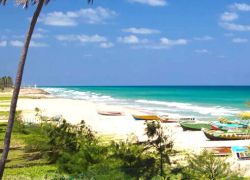
Trincomalee Beach, located on the northeastern coast of Sri Lanka, is one of the most beautiful and tranquil beaches in the country. Known for its golden sands, clear turquoise waters, and serene atmosphere, Trincomalee Beach attracts visitors from around the world. Whether you’re a beach lover, history enthusiast, or adventure seeker, this stunning beach offers a unique experience for all types of travelers. How to Reach Trincomalee Beach Trincomalee Beach is easily accessible from the town of Trincomalee, which is well connected by road, rail, and air. If you are traveling from Colombo, you can take a bus or train to Trincomalee, which will take about 6-7 hours. The town is located approximately 257 km away from Colombo. Once you arrive in Trincomalee, the beach is a short distance from the town center. You can reach Trincomalee Beach by taxi, tuk-tuk, or private car. The beach is well-signposted, and the ride from the town should take around 10-15 minutes, depending on the traffic. If you prefer a more scenic route, there are local buses that run from the town center to the beach. However, for maximum comfort and convenience, a tuk-tuk or taxi is recommended. Weather at Trincomalee Beach Trincomalee Beach enjoys a tropical climate, with warm temperatures year-round. The average temperature in Trincomalee ranges from 25°C to 30°C, making it an ideal destination for beach lovers. The best time to visit the beach is during the dry season, which runs from May to September. During this period, the weather is sunny with minimal rainfall, perfect for swimming, sunbathing, and water sports. The months from October to January bring the northeast monsoon, which can bring occasional rain and higher humidity. While the weather is still warm, rain showers may affect outdoor activities. However, the beach remains a peaceful spot to relax, even during the rainy season, as the rain usually doesn’t last all day. Timing of Trincomalee Beach Trincomalee Beach is open to visitors at all times, as it is a public beach. However, it is best to visit during daylight hours for a full beach experience. The ideal times to visit are from 7:00 AM to 6:00 PM. Early morning offers a tranquil atmosphere, and you can enjoy a peaceful walk along the shoreline as the sun rises over the Indian Ocean. In the late afternoon, the beach becomes more lively, with people enjoying the sunset views. If you want to witness a beautiful sunset, plan to visit in the evening. It is recommended to avoid visiting after dark for safety reasons, as the area is less busy and not well-lit. Why Famous for Trincomalee Beach, Trincomalee, Sri Lanka? Trincomalee Beach is famous for its pristine natural beauty and peaceful environment. The beach is one of Sri Lanka’s best-kept secrets, with golden sands, crystal-clear waters, and a serene ambiance. It is relatively less crowded compared to some of the more popular beaches in Sri Lanka, making it the perfect place to unwind and enjoy the beauty of the coastline in peace. The beach is also famous for its historical significance. Trincomalee has been an important port for centuries, and the area surrounding the beach has several landmarks related to Sri Lanka’s colonial past. The beach is located near historic sites such as the Koneswaram Temple, Fort Frederick, and the Trincomalee Harbour, adding to its appeal for history enthusiasts. Additionally, Trincomalee Beach is known for its marine life. The clear waters make it ideal for snorkeling and diving, with vibrant coral reefs and diverse marine species. The beach also offers opportunities for water sports, including kayaking, sailing, and fishing, attracting adventure seekers and nature lovers. Entry and Visit Details There is no entry fee to visit Trincomalee Beach, making it an affordable destination for all travelers. Since it is a public beach, it is open to visitors at all times. However, you may be required to pay for certain activities or services, such as renting beach chairs, umbrellas, or booking water sports activities. There are a few small beachside cafes and restaurants where you can grab refreshments or enjoy a meal with a view of the ocean. The beach is also equipped with basic facilities, including restrooms and changing rooms. While there are no large resorts directly on the beach, there are several accommodation options nearby, ranging from budget guesthouses to mid-range hotels. For those interested in taking part in water activities like snorkeling or diving, there are several local operators who offer guided tours and equipment rentals. It’s advisable to check the weather conditions and ocean currents before engaging in water activities to ensure your safety. History of Trincomalee Beach The history of Trincomalee Beach is deeply tied to the history of the town itself. Trincomalee has been a significant port city for centuries, and its natural harbor has been used by various civilizations, including the ancient Tamil kingdoms, the Chola dynasty, the Portuguese, the Dutch, and the British. During colonial times, the area around Trincomalee Beach was a bustling military and trade hub. The British established Fort Frederick on a nearby hill, which still stands today as a historical landmark. The beach and surrounding areas were used by the military and traders, and the region played a strategic role in maritime commerce and defense. In recent years, Trincomalee Beach has become a popular tourist destination, thanks to its natural beauty and historical significance. It remains a peaceful escape from the more crowded tourist spots in Sri Lanka and offers visitors a chance to relax while exploring the rich history of the area. Architecture of Trincomalee Beach The architecture surrounding Trincomalee Beach is largely influenced by the colonial history of the region. The nearby **Fort Frederick** offers stunning views of the beach and is an example of British colonial military architecture. The fort, which dates back to the 17th century, was built to defend the area and played a key role during the colonial era. Visitors can walk through the fort and enjoy panoramic views of the beach and harbor. In addition to the fort, the **Koneswaram Temple** perched on Swami Rock above the beach is another architectural marvel, with its intricate Dravidian-style carvings and sculptures. These landmarks offer a fascinating blend of history, culture, and architecture for those visiting Trincomalee Beach. Things to Do at Trincomalee Beach Trincomalee Beach offers a variety of activities for visitors to enjoy, including both relaxing and adventurous options: Swimming: The calm, clear waters of the beach make it ideal for swimming, especially for families with children. Snorkeling and Diving: The waters off Trincomalee Beach are rich in marine life, making it a great spot for snorkeling and diving. There are several dive centers in the area offering guided tours. Kayaking and Sailing: You can rent kayaks or small boats to explore the coastline and enjoy the stunning views of the ocean. Relaxing on the Beach: If you're looking to unwind, simply lying on the beach and soaking up the sun is a perfect way to spend the day. Exploring Historic Sites: Take a break from the beach to visit nearby landmarks such as Fort Frederick, Koneswaram Temple, and Trincomalee Harbour. Facts and Tips About Trincomalee Beach Trincomalee Beach is one of the least crowded beaches in Sri Lanka, offering a peaceful and relaxing atmosphere. The beach is safe for swimming, but always be cautious of currents, especially when swimming further from the shore. If you're visiting during peak tourist season (December to March), try to visit early in the morning or late in the afternoon to avoid crowds. Wear sunscreen and bring a hat, as the sun can be intense during the day, especially from 10 AM to 4 PM. Don’t forget to bring your own beach towel, as some areas may not have beach chairs available for rent. Conclusion Trincomalee Beach is one of Sri Lanka’s hidden gems, offering a unique combination of natural beauty, historical significance, and peaceful surroundings. Whether you’re visiting for the beautiful beaches, the nearby historic sites, or the array of water activities, this destination has something for everyone. Plan your visit to Trincomalee Beach for a relaxing and enriching experience that you’ll remember for years to come.
Explore More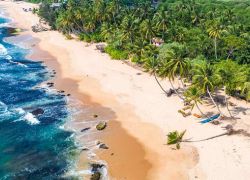
Kalutara Beach is a stunning coastal destination located in the town of Kalutara, situated along Sri Lanka’s southwestern coastline. Known for its tranquil environment, golden sands, and crystal-clear waters, the beach offers a perfect escape for those looking to relax or indulge in water sports. It is an ideal spot for both local and international tourists seeking a peaceful beach experience while also being close to historical landmarks and cultural sites in the area. How to Reach Kalutara Beach Kalutara Beach is easily accessible from Colombo, the capital city of Sri Lanka, making it a popular weekend getaway for locals as well as a prime tourist destination. The beach is located approximately 40 kilometers south of Colombo, and the journey takes about 1.5 to 2 hours by car or taxi, depending on traffic conditions. For visitors traveling by public transport, Kalutara can be reached by bus or train. The train journey from Colombo to Kalutara takes approximately 1.5 hours, with several trains operating throughout the day. Buses are also available, taking around 2 hours to reach Kalutara. Once you arrive in Kalutara, the beach is a short 5-10 minute tuk-tuk ride or a pleasant walk from the town center, making it easy to access from the main transport hubs. Weather at Kalutara Beach Kalutara enjoys a tropical climate, with warm temperatures and sunny weather year-round. The average temperature ranges between 25°C and 30°C, making it a great destination for beach lovers. The dry season, which lasts from December to April, is the best time to visit Kalutara Beach. During this period, you can enjoy clear skies, warm temperatures, and little to no rainfall. The monsoon season, from May to September, brings occasional rains and higher humidity. However, the weather is still warm, and rain showers tend to be short-lived, allowing visitors to enjoy the beach in between showers. The rainy season may be less ideal for outdoor activities, but the peaceful atmosphere of the beach remains a charm throughout the year. Timing of Kalutara Beach Kalutara Beach is a public beach, and there are no specific opening or closing times. However, the best times to visit are during the day, from early morning to late afternoon. The beach is particularly peaceful in the early morning, when you can enjoy a calm walk along the shoreline and watch the sunrise over the Indian Ocean. Late afternoon is another great time to visit Kalutara Beach, as the weather becomes cooler and you can enjoy the beautiful sunset. As the beach is not typically crowded, it offers a peaceful setting for those looking to unwind and relax. Why Famous for Kalutara Beach, Kalutara, Sri Lanka? Kalutara Beach is famous for its natural beauty, serene atmosphere, and proximity to both Colombo and various cultural landmarks. Unlike some of Sri Lanka's more crowded beaches, Kalutara offers a more laid-back vibe, making it ideal for relaxation and enjoying the sun. The beach's golden sands and calm waters are perfect for swimming, while the beach is also known for its excellent facilities for water sports like surfing, windsurfing, and snorkeling. Another unique feature of Kalutara Beach is its location along the Kalu River, providing a scenic and peaceful backdrop for visitors. The river mouth, where it meets the ocean, is a beautiful sight, and the surrounding greenery adds to the natural charm of the area. The beach is also known for being close to several historical and religious sites, such as the Kalutara Bodhiya, a sacred Buddhist temple. Additionally, Kalutara Beach is relatively less commercialized compared to other beaches in Sri Lanka, making it a perfect destination for those seeking tranquility away from the crowds. Entry and Visit Details There is no entry fee to visit Kalutara Beach, as it is a public beach. Visitors can access the beach freely at any time during the day. However, if you are interested in engaging in water sports or renting beach equipment, there may be additional charges for rentals or guided activities offered by local operators. The beach is generally well-maintained, with basic facilities available for visitors, including public restrooms and showers. Several hotels and resorts along the beach offer additional amenities, such as sunbeds, umbrellas, and refreshments. If you prefer to relax at a more private spot, there are also plenty of quiet corners where you can enjoy the beauty of the beach undisturbed. As a popular spot for both locals and tourists, Kalutara Beach can get a bit busy on weekends or public holidays, but it never feels overcrowded. If you're looking for a quieter experience, it’s best to visit on weekdays or in the early mornings and late afternoons. History of Kalutara Beach Kalutara Beach has a rich historical context. The town of Kalutara itself has been an important trading and transportation hub throughout Sri Lanka’s history, due to its strategic location along the southwestern coastline. Historically, it has been a point of contact between Colombo and the southern regions of Sri Lanka. The beach area has also played a role in local maritime activities. Fishing has traditionally been a major livelihood for many families in the region, and Kalutara remains an important fishing center. Additionally, Kalutara is known for its colonial history, with several colonial-era buildings still standing in the town, reflecting the influence of the Portuguese, Dutch, and British in the region. Architecture of Kalutara Beach Area The architecture around Kalutara Beach combines modern structures with colonial-era influences. Many of the hotels and resorts along the beach are built in traditional Sri Lankan architectural styles, incorporating elements like tiled roofs, open verandas, and expansive windows that allow for beautiful ocean views. One of the notable architectural landmarks near Kalutara Beach is the **Kalutara Bridge**, which spans the Kalu River. This bridge, built during the British colonial period, is a significant feature in the region’s landscape and provides an excellent view of the river and the ocean beyond. Alongside modern amenities, you will find traditional Sri Lankan Buddhist temples and other historical buildings, adding to the cultural richness of the area. Things to Do at Kalutara Beach Kalutara Beach offers plenty of activities to keep visitors entertained, from relaxation to water sports. Here are some of the things to do while at the beach: Swimming: The calm, clear waters of Kalutara Beach make it perfect for swimming, especially for families and those looking to cool off in the warm tropical waters. Water Sports: The beach offers opportunities for water sports such as surfing, windsurfing, and jet skiing. You can rent equipment from local operators or take part in guided water sports activities. Relaxing on the Beach: With its quiet and peaceful ambiance, Kalutara Beach is perfect for relaxing. Lay on the soft sands, soak up the sun, or read a book while listening to the sound of the waves crashing onto the shore. Explore the Kalu River: Take a boat ride along the Kalu River to explore the natural beauty of the riverbanks and enjoy a different perspective of the area. Visit Nearby Attractions: While at Kalutara Beach, you can also visit nearby attractions like **Kalutara Bodhiya**, a sacred Buddhist temple, or take a short drive to explore the town's colonial-era architecture. Facts and Tips About Kalutara Beach The beach is safe for swimming, but always check the local weather and ocean conditions before engaging in water activities. For those looking for a quiet retreat, the best time to visit Kalutara Beach is in the early mornings or late afternoons when the crowds are smaller. Wear sunscreen, a hat, and sunglasses to protect yourself from the sun, especially if you plan on spending long hours on the beach. If you plan to enjoy water sports, be sure to book with licensed operators who provide safety gear and equipment. Kalutara Beach is an excellent destination for families, couples, and solo travelers alike due to its calm atmosphere and variety of activities. Conclusion Kalutara Beach is a beautiful, serene destination that combines natural beauty, historical charm, and a range of recreational activities. Whether you’re looking to relax on the golden sands, explore the Kalu River, or engage in water sports, Kalutara Beach offers something for every type of traveler. With its peaceful ambiance and proximity to cultural landmarks, it’s a perfect escape for those seeking a mix of relaxation and adventure in Sri Lanka.
Explore More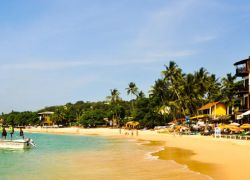
West Coast Beach, located in Kalutara, is a serene and beautiful coastal destination on Sri Lanka's southwestern coastline. This tranquil beach, known for its golden sands, clear waters, and peaceful ambiance, is an ideal spot for relaxation, water activities, and cultural exploration. With its proximity to the capital city Colombo and various historical sites in the region, West Coast Beach attracts both locals and international tourists looking for a perfect beach getaway. How to Reach West Coast Beach West Coast Beach is located about 40 kilometers south of Colombo, making it an easily accessible beach destination. The most convenient way to reach the beach is by car or taxi, with the journey taking approximately 1.5 to 2 hours, depending on traffic. You can also take a bus or train from Colombo to Kalutara, with buses taking about 2 hours and trains taking around 1.5 hours. Once you arrive in Kalutara, the beach is a short 5-10 minute ride by tuk-tuk or a 15-minute walk from the town center. If you are driving from Colombo, you can take the Southern Expressway (E01) for a faster route. The expressway provides easy access to Kalutara and surrounding areas. Once you reach Kalutara, a taxi or tuk-tuk can take you directly to West Coast Beach. The beach is located just beyond the Kalutara Bridge, near the mouth of the Kalu River, where the river meets the ocean. Weather at West Coast Beach West Coast Beach enjoys a tropical climate, with warm temperatures throughout the year. The average temperature ranges between 25°C to 30°C, making it a great beach destination for sun lovers. The best time to visit West Coast Beach is during the dry season, from December to April, when the weather is sunny and rainfall is minimal. The dry season is ideal for enjoying outdoor activities like swimming, sunbathing, and water sports. From May to September, the region experiences the monsoon season, with occasional rainfall and higher humidity. While the rain showers are usually brief, it’s advisable to check the weather forecast if you plan to visit during the rainy season. The beach remains accessible year-round, but the rainy season can be less favorable for outdoor activities. Timing of West Coast Beach West Coast Beach is open to the public 24/7, as it is a natural beach. However, the best times to visit are during daylight hours, especially in the early morning or late afternoon. Early mornings offer a peaceful atmosphere, perfect for a calm walk along the shore or a quiet swim in the sea. Late afternoons are also ideal for enjoying the sunset, which is a stunning sight at this beach, with the sun sinking into the horizon over the Indian Ocean. While the beach is not usually crowded, it is more lively during weekends and holidays, when locals and tourists alike come to enjoy the sun and sand. For a quieter experience, it’s best to visit on weekdays or during the early morning hours. Why Famous for West Coast Beach, Kalutara, Sri Lanka? West Coast Beach is famous for its natural beauty and its laid-back atmosphere. Unlike some of the more commercialized beaches in Sri Lanka, this beach offers a quieter and more relaxed environment, making it an excellent destination for those looking to escape the hustle and bustle of more crowded tourist spots. The beach is known for its soft, golden sand and the clear blue waters of the Indian Ocean, which make it ideal for swimming, sunbathing, and taking in the scenic views. The beach is also surrounded by lush palm trees and vegetation, adding to its charm and making it a picturesque spot for relaxation and photography. Another unique feature of West Coast Beach is its location near the mouth of the Kalu River, where the river meets the sea. This provides visitors with a chance to enjoy both river and ocean views. The proximity to Kalutara Bodhiya, a sacred Buddhist site, and the historic Kalutara Bridge adds to the cultural significance of the area, making the beach a great place to combine nature and culture during your visit. Entry and Visit Details West Coast Beach is a public beach, and there is no entry fee to visit. Visitors can access the beach at any time of the day. However, there are several nearby hotels and resorts that offer private beach access, along with additional amenities such as sunbeds, umbrellas, and refreshments for a more comfortable beach experience. Although the beach is public, it is well-maintained, and there are basic facilities such as public restrooms and showers available. However, there are limited food and drink options directly on the beach. Visitors are recommended to bring their own water and snacks or head to nearby hotels and restaurants for meals. The beach is also safe for swimming, with lifeguards present in some areas during peak hours. For those looking for more organized activities, several local operators offer water sports rentals such as jet skiing, paddleboarding, and windsurfing. These activities are available for an additional charge, and most rentals come with safety equipment and instructions from trained professionals. History of West Coast Beach While West Coast Beach does not have a long recorded history like some of Sri Lanka’s ancient sites, it has been a significant location for local fishermen and residents for centuries. The area around Kalutara has long been an important trade and transportation route, and the beach has played a role in the region’s maritime activities. Historically, Kalutara itself has been a hub for trade, and the West Coast Beach was once frequented by traders and sailors arriving from the sea. The Kalutara Bridge, built during the British colonial era, is an important historical landmark near the beach, connecting the northern and southern parts of the region. Today, the beach serves not only as a recreational area but also as a reminder of the region’s maritime and trade heritage. The Kalu River, which flows into the sea at this point, has also played a crucial role in the area’s economy, with fishing and river transport being vital to the local community. Architecture of the West Coast Beach Area The architecture surrounding West Coast Beach blends traditional Sri Lankan styles with modern designs. Many of the hotels and resorts along the beach feature coastal-inspired designs, with open-air verandas, large windows, and rooftops designed to capture the ocean breeze. In addition to the modern beachfront resorts, you’ll find traditional Sri Lankan-style buildings, including the nearby Kalutara Bodhiya temple, which features classical Buddhist architecture. The Kalutara Bridge, a colonial-era structure, adds to the historical charm of the area and provides a picturesque backdrop for the beach. The contrast between modern beachfront properties and historical sites creates a unique and aesthetically pleasing environment around West Coast Beach. Things to Do at West Coast Beach West Coast Beach offers a variety of activities for all types of visitors. Here are some of the best things to do while at the beach: Swimming: The beach is ideal for swimming due to its calm waters and gentle waves. It’s a great spot for both beginners and experienced swimmers. Water Sports: Rent jet skis, paddleboards, or try windsurfing for an exciting experience on the water. Local operators offer equipment and lessons for beginners. Sunbathing: West Coast Beach is perfect for sunbathing, with plenty of space for laying out towels or renting beach chairs. The warm weather and sunny days make it an ideal spot for relaxation. Photography: The picturesque views of the ocean, palm trees, and the Kalu River make this beach a fantastic location for photography, especially during sunrise or sunset. Exploring the Kalu River: Take a boat ride along the Kalu River to explore the surrounding natural beauty and enjoy birdwatching along the riverbanks. Visit Nearby Attractions: Explore Kalutara Bodhiya, the Kalutara Bridge, or take a short drive to visit other cultural and historical sites in Kalutara. Facts and Tips About West Coast Beach Wear sunscreen and a hat to protect yourself from the sun, especially if you plan to spend long hours at the beach. Bring your own snacks and water, as there are limited food vendors directly on the beach. For a more peaceful experience, visit early in the morning or late in the afternoon when the beach is less crowded. Always check the weather before engaging in water sports, and use the appropriate safety equipment provided by rental operators. If you want to enjoy a quieter beach experience, visit on weekdays or during off-peak times. Conclusion West Coast Beach in Kalutara is a beautiful, serene destination that offers the perfect balance of relaxation, water activities, and cultural exploration. Whether you’re swimming in the calm waters, enjoying a sunset, or exploring nearby attractions, the beach provides an ideal getaway for anyone visiting Sri Lanka’s southwestern coast. With its stunning natural surroundings and easy accessibility, West Coast Beach is sure to leave a lasting impression on all who visit.
Explore More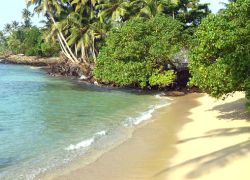
Polhena Beach, located in the southern coastal city of Matara, Sri Lanka, is one of the most popular beach destinations in the region. Known for its serene atmosphere, clear waters, and coral reefs, Polhena Beach offers an idyllic escape for travelers seeking relaxation, water sports, and natural beauty. Unlike some of the more crowded beaches in Sri Lanka, Polhena Beach provides a peaceful retreat where visitors can enjoy both the beauty of nature and the charm of Sri Lankan coastal life. How to Reach Polhena Beach Polhena Beach is conveniently located about 3 kilometers from the center of Matara, making it easily accessible by both private and public transportation. If you are traveling from Colombo, which is around 160 kilometers away, you can take the Southern Expressway (E01) and follow the directions to Matara. From there, you can reach Polhena Beach by taking a short tuk-tuk ride or taxi from Matara town. If you prefer public transport, there are regular buses from Colombo to Matara, which take approximately 3 to 4 hours. Once you arrive in Matara, buses or tuk-tuks are available to take you to the beach. Alternatively, the Matara railway station is well connected by trains from Colombo, and from there, you can easily reach Polhena Beach by a short ride. Weather and Best Time to Visit Polhena Beach enjoys a tropical climate, with warm temperatures throughout the year. The weather is generally sunny, making it an excellent destination for beach lovers. The best time to visit Polhena Beach is during the dry season, from November to April. During this period, the weather is perfect for swimming, snorkeling, and enjoying the beach. The monsoon season, from May to October, brings heavy rainfall, so it is advisable to plan your visit during the drier months to fully enjoy the beach experience. Entry and Visit Details Polhena Beach is a public beach, and there is no entry fee to visit. Visitors are free to enjoy the beach at any time of day, although it is recommended to visit early in the morning or late in the afternoon to avoid the midday heat and enjoy the peaceful atmosphere. The beach is open to the public year-round, with no specific closing hours. However, if you plan to participate in water sports or guided activities, it’s best to arrange those in advance with local providers. Why Famous for Polhena Beach? Polhena Beach is famous for several reasons, making it one of the top beach destinations in the southern part of Sri Lanka. First and foremost, it is known for its calm, shallow waters, which make it perfect for swimming and snorkeling. The beach is also surrounded by beautiful palm trees, adding to its tropical charm. One of the main attractions of Polhena Beach is the vibrant coral reef just offshore, which is home to a variety of marine life, making it an excellent spot for snorkeling and underwater exploration. Another reason for the beach’s fame is its relatively quiet and uncrowded atmosphere compared to other popular Sri Lankan beaches. Polhena Beach offers a peaceful environment for relaxation, beach walks, and sunbathing, without the large crowds found in other tourist areas. The friendly local community also contributes to the warm and welcoming ambiance of the beach. History and Architecture of Polhena Beach Polhena Beach does not have a specific historical or architectural significance, as it is primarily known for its natural beauty. However, the beach’s surrounding area has a rich history tied to the larger region of Matara, which was a significant port during the colonial era. While the beach itself is more about natural charm, the town of Matara has historical landmarks such as the Matara Fort, which can be explored after a relaxing day at Polhena Beach. The area around Polhena Beach is also home to traditional Sri Lankan fishing villages, where visitors can experience local life and culture. The architecture here is typically Sri Lankan coastal, with small, colorful homes and simple structures that blend harmoniously with the natural surroundings. Things to Do at Polhena Beach Polhena Beach offers a variety of activities for visitors of all interests. Some of the top things to do at the beach include: Snorkeling: The coral reefs around Polhena Beach are perfect for snorkeling, with an abundance of colorful fish, sea turtles, and other marine life. Swimming: The calm, shallow waters of the beach are ideal for swimming, making it safe for families and beginners. Sunbathing and Relaxing: Polhena Beach’s tranquil environment and golden sands are perfect for relaxing and sunbathing. Boat Tours: You can take a boat ride to explore nearby islands or to enjoy dolphin and whale watching tours in the surrounding waters. Beach Volleyball: The spacious beach is often used for casual beach volleyball games, a fun activity for groups or families. Photography: The picturesque setting of Polhena Beach offers great opportunities for photography, especially during sunrise and sunset. Facts and Tips about Polhena Beach The beach is known for its clear, shallow waters, making it a safe and ideal destination for families with young children. Polhena Beach is not as crowded as other beaches like Unawatuna or Mirissa, providing a more peaceful experience. While swimming, be mindful of the occasional strong current, especially near the coral reefs. It’s always a good idea to swim in designated safe areas. Bring sunscreen, a hat, and water to stay protected from the sun, as the tropical heat can be intense. There are several beachfront cafes and restaurants where you can enjoy fresh seafood and Sri Lankan cuisine while taking in the view of the beach. Local fishermen are often seen along the beach, and it’s possible to learn about traditional Sri Lankan fishing techniques or even buy fresh seafood directly from them. Polhena Beach is ideal for a relaxing day, but if you are looking for more adventure, nearby areas like Mirissa offer more active water sports opportunities. Conclusion Polhena Beach in Matara is a hidden gem that offers a tranquil escape with its calm waters, beautiful coral reefs, and laid-back atmosphere. Whether you are looking to swim, snorkel, relax on the beach, or simply enjoy the beauty of nature, Polhena Beach has something for everyone. Its serene setting and uncrowded charm make it one of Sri Lanka’s best-kept secrets, perfect for those seeking a more peaceful and authentic beach experience.
Explore More
Tangalle Beach, located in the southern part of Sri Lanka in Matara District, is a tranquil and beautiful destination known for its picturesque coastline and pristine surroundings. With its golden sandy shores, crystal-clear waters, and laid-back atmosphere, Tangalle Beach offers a perfect getaway for those seeking peace and relaxation away from the hustle and bustle of more crowded tourist spots. Whether you are looking to swim, sunbathe, or explore local culture, Tangalle Beach has something for everyone. How to Reach Tangalle Beach Reaching Tangalle Beach is relatively easy and can be done by car, bus, or train. The beach is located approximately 35 kilometers east of the city of Matara, and about 190 kilometers south of Colombo, Sri Lanka’s capital. The easiest way to reach Tangalle is by car or taxi, which takes about 3 to 4 hours from Colombo via the A2 highway. If you're traveling from Matara, Tangalle is just a short 30-minute drive away. Public buses run frequently between Matara and Tangalle, and the journey takes around 45 minutes. If you prefer traveling by train, you can take a train from Colombo to Matara, and from there, take a local bus or taxi to Tangalle Beach. The beach itself is just a short distance from Tangalle town. Weather and Best Time to Visit Tangalle Beach enjoys a tropical climate, with warm temperatures throughout the year. The best time to visit Tangalle is during the dry season, which runs from December to April. During this period, the weather is sunny, dry, and ideal for beach activities such as swimming, sunbathing, and water sports. The monsoon season, which lasts from May to October, brings heavier rainfall, but the beach is still accessible during this time, although outdoor activities may be limited by the rain. Entry and Visit Details Tangalle Beach is a public beach, and there is no entry fee to visit. The beach is open year-round, and visitors are welcome to enjoy the natural beauty of the coastline and the surrounding area. The beach can be visited at any time of the day, but it is best to go early in the morning or late afternoon to avoid the midday heat and enjoy the cooler atmosphere. The beach is not overcrowded, making it an excellent place to relax and enjoy the serenity. There are several beachfront hotels, guesthouses, and restaurants where you can enjoy local Sri Lankan cuisine and refreshments. Visitors can easily find accommodations nearby if they wish to stay for a few days to fully experience the area. It’s recommended to bring sunscreen, a hat, and water, especially during the hotter months. Why Famous for Tangalle Beach? Tangalle Beach is famous for its untouched beauty, relatively quiet atmosphere, and pristine natural environment. Unlike other more commercialized beaches in Sri Lanka, Tangalle Beach is known for its peacefulness and less crowded spaces, offering visitors a chance to unwind and relax. The beach is also known for its picturesque beauty, with golden sands, turquoise waters, and dramatic rock formations lining the shore. The beach is also popular for its shallow waters and calm waves, making it a perfect destination for swimming and families with children. Additionally, the surrounding area is rich in biodiversity, with local wildlife such as sea turtles nesting on the beach during the nesting season. The area around Tangalle is home to several small fishing villages, where visitors can experience the local culture and interact with friendly fishermen. History and Architecture of Tangalle Beach While Tangalle Beach itself does not have a significant historical or architectural monument directly on its shore, the surrounding region is steeped in cultural heritage. The town of Tangalle, which lies close to the beach, has a long history as a trading port. Historically, Tangalle has been an important coastal settlement that was utilized by the Portuguese and Dutch during the colonial era for trade and defense. The surrounding area is home to several notable historical and architectural landmarks, such as the nearby Mulkirigala Rock Monastery, which dates back to over 2,000 years. The ancient rock temple, built into a series of caves, offers visitors the chance to explore Sri Lanka’s deep Buddhist heritage while taking in stunning views of the surrounding landscape. The local architecture in the surrounding villages is typically Sri Lankan, with simple yet beautiful coastal homes, many of which are designed in traditional styles with thatched roofs and wooden verandas. Things to Do at Tangalle Beach While Tangalle Beach is mainly known for its relaxed atmosphere, there are plenty of activities to keep visitors entertained. Some of the top things to do include: Swimming: The calm and shallow waters make it perfect for a refreshing swim. The beach is ideal for both beginners and experienced swimmers. Sunbathing and Relaxing: With its golden sands and tranquil atmosphere, Tangalle Beach is perfect for lying back and soaking up the sun. Snorkeling and Diving: There are opportunities for snorkeling and diving in the clear waters of Tangalle Beach. Explore the underwater world, with vibrant coral reefs and a variety of marine life. Wildlife Watching: Tangalle is home to nesting sea turtles, especially during the nesting season (from October to March). You can visit the nearby turtle conservation projects to learn more about these incredible creatures. Fishing Villages: Take a stroll through the nearby fishing villages and experience the local way of life. You can interact with local fishermen and learn about traditional fishing techniques. Beach Volleyball: Tangalle Beach’s large, open spaces make it ideal for casual beach volleyball games with friends or fellow travelers. Facts and Tips about Tangalle Beach Tangalle Beach is much quieter and less crowded than other popular beaches in Sri Lanka, making it an ideal location for those seeking peace and relaxation. Be cautious while swimming as there can sometimes be strong currents, especially near the rocks. Always swim in designated safe areas. If you visit during the turtle nesting season, be respectful of the nesting sites and avoid disturbing the turtles. Many of the local hotels and guesthouses work closely with turtle conservation groups. Bring plenty of sunscreen, as the sun can be intense during the midday hours. Wearing a hat and sunglasses is also recommended. While there are several restaurants and guesthouses near the beach, it’s a good idea to bring some cash as some smaller local establishments may not accept credit cards. Visit the nearby Mulkirigala Rock Monastery for a unique cultural and historical experience, and to enjoy panoramic views of the region. Consider visiting the nearby Kiriweldola Waterfall for a refreshing break, located about 20 minutes by car from Tangalle Beach. Conclusion Tangalle Beach offers a perfect blend of natural beauty, tranquility, and cultural experiences. Whether you are looking to relax on its golden sands, explore the surrounding fishing villages, or engage in water sports, Tangalle Beach has something for everyone. Its peaceful atmosphere, combined with its stunning natural surroundings, makes it one of Sri Lanka’s best-kept beach destinations. A visit to Tangalle Beach will surely provide you with an unforgettable experience of Sri Lanka’s southern coast.
Explore More
Madiha Beach, located in the Matara District of southern Sri Lanka, is a serene and picturesque beach that offers a tranquil escape from the busier tourist destinations on the island. Known for its crystal-clear waters, golden sandy shores, and peaceful ambiance, Madiha Beach is a hidden gem that attracts visitors looking for a relaxing beach experience. Whether you're into swimming, surfing, or simply enjoying the natural beauty of Sri Lanka's southern coastline, Madiha Beach has something to offer. How to Reach Madiha Beach Madiha Beach is located about 10 kilometers east of Matara town, making it easily accessible by car, tuk-tuk, or bus. To get to Madiha Beach from Colombo, the easiest route is via the Southern Expressway (E01), which takes you to Matara in around 2.5 to 3 hours. From Matara, you can take a local tuk-tuk or taxi to Madiha Beach, which will take approximately 20-30 minutes depending on traffic. If you’re traveling from Galle, the journey to Madiha Beach will take about 1.5 hours by car, heading south along the coastal road. Alternatively, public buses also run regularly from Matara to nearby towns, and you can find tuk-tuks or taxis that will take you directly to the beach. There are also several guesthouses and hotels in and around Madiha Beach where visitors can stay for easy access to the shore. Weather and Best Time to Visit Madiha Beach enjoys a tropical climate with warm temperatures throughout the year. The best time to visit the beach is during the dry season, which lasts from November to April. During this period, the weather is sunny and ideal for swimming, sunbathing, and beach activities. The monsoon season runs from May to October, bringing occasional rain showers and rough seas, so if you're planning to visit during this time, it's best to check the weather forecast beforehand. Despite the rain during the monsoon months, the beach remains accessible, and many visitors still come to enjoy the quiet atmosphere and lush green surroundings. However, for those looking for optimal beach weather, the months from December to March are perfect, offering the best combination of sunshine and pleasant temperatures. Entry and Visit Details There are no entry fees to visit Madiha Beach, as it is a public beach. The beach is open year-round, and visitors are welcome to enjoy its peaceful environment. However, since Madiha Beach is less commercialized compared to other popular beaches in Sri Lanka, there are limited facilities in the immediate vicinity. It’s a good idea to carry some water, snacks, and sunscreen, especially if you plan to spend the whole day by the beach. The beach area is well-maintained, and visitors can relax, swim, or take a walk along the shoreline. There are a few local restaurants and cafes nearby where you can enjoy fresh seafood and Sri Lankan delicacies, but it's advisable to check the hours of operation before visiting, as some establishments may close earlier in the evening. As with any public beach, it's essential to respect local customs and keep the area clean by disposing of trash responsibly. Why Famous for Madiha Beach? Madiha Beach is famous for its natural beauty, calm waters, and less crowded environment. Unlike some of the more popular tourist beaches in Sri Lanka, Madiha Beach remains a tranquil spot where visitors can enjoy a peaceful day by the sea. The beach is known for its long stretch of golden sand and crystal-clear waters, which are perfect for swimming and relaxing. The beach is also a favorite among surfers, as the waves are ideal for beginners and intermediate surfers. The shallow waters near the shore make it safe for swimming, while the deeper parts of the ocean offer good conditions for surfing. Madiha Beach is also a great location for watching the sunset, with spectacular views of the horizon as the sun dips into the Indian Ocean. History and Architecture of Madiha Beach While Madiha Beach does not have significant historical landmarks or architectural structures directly on its shores, the surrounding area is rich in Sri Lanka’s traditional culture and history. The region has been home to fishing villages for centuries, and many of the local people still depend on fishing as a primary livelihood. This gives the area a unique charm, with simple yet picturesque coastal homes and small fishing boats dotting the shoreline. In terms of architecture, the nearby towns and villages feature typical Sri Lankan coastal architecture, with buildings made from natural materials like timber, clay, and thatch. These traditional homes, along with local shrines and temples, provide visitors with a glimpse of life in rural Sri Lanka. The presence of Buddhist shrines in the nearby villages further adds to the spiritual and cultural significance of the region. Things to Do at Madiha Beach There are plenty of activities to enjoy at Madiha Beach, whether you’re looking to relax on the sand or explore the surrounding area: Swimming and Sunbathing: The calm, shallow waters of Madiha Beach make it perfect for swimming and sunbathing. You can spend hours lounging by the shore and enjoying the peaceful atmosphere. Surfing: Madiha Beach is a great spot for beginner and intermediate surfers. The gentle waves provide excellent conditions for learning how to surf or for those who enjoy a more relaxed surfing experience. Beach Walks: Take a leisurely walk along the long stretch of golden sand, with the sound of the waves crashing in the background. The beach offers a serene and relaxing environment for peaceful walks, especially at sunrise or sunset. Explore Nearby Villages: Take a short trip to the nearby fishing villages to get a sense of traditional Sri Lankan coastal life. You can interact with local fishermen and enjoy a more authentic experience of Sri Lanka’s rural culture. Photography: The stunning landscapes, clear waters, and picturesque sunsets make Madiha Beach an ideal spot for photography. Don’t forget to capture the natural beauty of the beach and surrounding area. Try Local Seafood: Enjoy delicious, freshly caught seafood at one of the local restaurants or beachfront cafes. Sri Lankan coastal cuisine, including dishes like rice and curry, grilled fish, and seafood platters, is a must-try while visiting the beach. Facts and Tips about Madiha Beach Madiha Beach is less commercialized than other popular beaches in Sri Lanka, making it a perfect choice for those seeking peace and solitude. The beach is ideal for swimming, with calm waters and a sandy shoreline that makes it safe for families with children. While the area is quiet, there are a few small cafes and restaurants nearby where you can enjoy local seafood and fresh juices. Bring sunscreen, a hat, and plenty of water, especially if you're planning to spend a lot of time outdoors. There are no large hotels in the immediate area, but there are many guesthouses and boutique accommodations in the surrounding towns like Matara and Weligama. It’s a good idea to bring cash with you, as some of the smaller local establishments may not accept credit cards. Check the weather before visiting, especially during the monsoon season, as heavy rains may affect the condition of the beach and waves. Conclusion Madiha Beach is a beautiful and peaceful destination in southern Sri Lanka that offers visitors the chance to relax, unwind, and enjoy the natural beauty of the coastline. With its calm waters, sandy beaches, and serene atmosphere, Madiha Beach is perfect for families, solo travelers, and anyone looking to escape the more crowded tourist spots. Whether you enjoy swimming, surfing, or simply strolling along the beach, Madiha Beach is a hidden gem that promises a memorable experience. The beach’s charm lies in its tranquility and the chance to enjoy Sri Lanka’s coastal beauty at its best.
Explore More7 Night - 8 Days Sri Lanka Tour Package
8 Days/ 7 Night
Colombo - Kandy - Nuwara Eliya - Bentota
Sri Lanka - Wonder Of Asia 04 Nights - 05 Days Tour
5 Days/ 4 Night
Kandy - Nuwara Eliya - Bentota
7 Night - 8 Days Trip To Sri Lanka
8 Days/ 7 Night
Colombo - Kandy - Nuwara Eliya - Bentota - Galle
Sri Lanka 7N - 8D Tour
8 Days/ 7 Night
Colombo - Kandy - Nuwara Eliya - Bentota
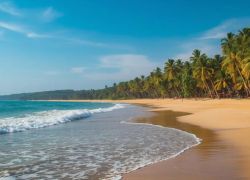
Casuarina Beach, located in the northern region of Jaffna, Sri Lanka, is one of the most beautiful and tranquil beaches on the island. Known for its natural beauty, calm waters, and pristine environment, Casuarina Beach is a popular destination for both locals and tourists seeking a peaceful escape from the more crowded tourist spots in Sri Lanka. The beach is famous for its unique Casuarina trees that line the coastline, creating a picturesque setting. It’s an ideal place for swimming, picnicking, and enjoying the serenity of the Jaffna Peninsula. How to Reach Casuarina Beach Casuarina Beach is located approximately 20 kilometers northwest of Jaffna city center, making it easily accessible by car, tuk-tuk, or bus. The beach can be reached by taking the A9 highway from Jaffna and turning off towards the northern coast. The road is well-maintained, and the journey takes about 30 to 45 minutes by car, depending on traffic. If you’re traveling from Colombo to Jaffna, you can take a direct flight to Jaffna International Airport, which takes about 1.5 hours. Alternatively, you can take a bus or train from Colombo to Jaffna, which takes about 6 to 8 hours. Once you arrive in Jaffna, hiring a tuk-tuk or taxi will be the most convenient way to reach Casuarina Beach. Local buses also connect Jaffna to the nearby beaches, including Casuarina, at affordable rates. Weather and Best Time to Visit Casuarina Beach, like much of the Jaffna Peninsula, experiences a tropical climate with warm temperatures year-round. The best time to visit the beach is during the dry season, which typically runs from November to April. During this time, the weather is sunny, and the sea is calm, making it ideal for swimming and sunbathing. The temperature in Jaffna during this period hovers around 28°C to 32°C, with low humidity and minimal rainfall. From May to October, the area experiences the southwest monsoon, bringing heavy rains and rough seas, which can make outdoor activities less pleasant. While Casuarina Beach is still accessible during the rainy season, the best experience is during the dry months when the beach is at its most serene and picturesque. Entry and Visit Details Casuarina Beach is open to the public year-round, and there is no entry fee to visit the beach. The beach is known for its natural environment, and visitors are encouraged to respect the peaceful atmosphere by keeping the area clean. The beach is relatively quiet compared to more commercialized beaches in Sri Lanka, providing a great spot for relaxation and leisurely activities. The beach is typically less crowded on weekdays, with weekends seeing more local visitors, especially from nearby areas. Visitors can enjoy the calm, shallow waters, making it a perfect spot for families with young children. The beach has ample space for picnics, beach games, and relaxation, although it is important to bring your own food and supplies, as there are limited facilities nearby. Why Famous for Casuarina Beach? Casuarina Beach is famous for its beautiful natural surroundings, especially the iconic Casuarina trees that line the coastline. These trees, with their feathery branches, create a striking contrast against the clear blue sky and turquoise waters of the beach. The beach is named after these trees, which provide much-needed shade and a tranquil atmosphere, perfect for relaxation and picnics. The beach is also known for its calm, shallow waters, making it a safe and enjoyable spot for swimming, especially for families and those not experienced in more turbulent sea conditions. The beach’s peaceful ambiance and stunning scenery make it one of the most photographed beaches in the Jaffna region. Another reason for its popularity is that Casuarina Beach is relatively less developed compared to other beaches in Sri Lanka. This lack of commercialization adds to its charm, as visitors can experience the untouched beauty of the northern coastline without the crowds and noise found at more tourist-heavy destinations. History and Architecture of Casuarina Beach While Casuarina Beach itself does not have a rich historical background like some of the other heritage sites in Sri Lanka, its geographical location at the northern tip of the island gives it historical importance. The Jaffna Peninsula, where the beach is located, has a long and complex history involving ancient kingdoms, colonial powers, and conflicts that shaped the region's cultural identity. Though the beach is primarily known for its natural beauty, the surrounding area has significant cultural and architectural landmarks. The Jaffna Peninsula is home to numerous Hindu temples, ancient ruins, and colonial-era structures that reflect its diverse cultural heritage. Visitors to Casuarina Beach can also explore the nearby areas to experience the region’s rich history and architecture, such as the Nallur Kandaswamy Kovil or the Jaffna Fort. Things to Do at Casuarina Beach Casuarina Beach offers a wide range of activities for visitors to enjoy. Whether you're looking for adventure, relaxation, or cultural experiences, the beach and its surroundings provide ample opportunities. Some of the best things to do at Casuarina Beach include: Swimming and Relaxing on the Beach: The shallow waters and calm waves make Casuarina Beach an ideal place for swimming. The soft sand and tranquil environment also make it perfect for sunbathing or simply relaxing under the shade of the Casuarina trees. Picnicking: With its spacious coastline and natural beauty, Casuarina Beach is a great spot for a picnic. Visitors often bring their own food and enjoy the serene atmosphere while overlooking the ocean. Photography: The picturesque landscape of Casuarina Beach, with its clear blue waters, sandy shore, and Casuarina trees, makes it an excellent location for photography. Capture the stunning views of the beach, the surrounding nature, and the golden sunsets. Nature Walks: The beach and its surrounding area offer a chance for peaceful walks in nature. Take a stroll along the beach or walk through the nearby fishing villages to get a glimpse of local life and culture. Bird Watching: The beach and its surrounding vegetation are home to a variety of bird species, making it a good spot for bird watching. The tranquil environment provides a perfect setting for observing local wildlife in their natural habitat. Facts and Tips about Casuarina Beach Casuarina Beach is named after the distinctive Casuarina trees that line the shoreline, creating a unique landscape. The beach is relatively undeveloped, so it is advisable to bring your own food, drinks, and supplies for a day at the beach, as there are limited facilities nearby. The best time to visit Casuarina Beach is during the dry season, from November to April, when the weather is sunny and ideal for outdoor activities. While the beach is calm, it is still advisable to be cautious of the occasional strong waves and currents, especially if you plan on swimming. Respect the local environment by keeping the beach clean and avoiding any activities that may disturb the natural surroundings. If you’re traveling during peak tourist season, it’s recommended to visit early in the morning or later in the afternoon to avoid crowds, especially on weekends. Conclusion Casuarina Beach in Jaffna, Sri Lanka, is a hidden gem that offers visitors a peaceful and beautiful escape from the hustle and bustle of more tourist-heavy destinations. With its serene environment, calm waters, and picturesque scenery, it is a perfect spot for relaxation, swimming, and enjoying nature. Whether you’re a local looking for a weekend getaway or a traveler seeking a tranquil destination, Casuarina Beach is sure to provide an unforgettable experience. Visit this beautiful beach and discover the charm of northern Sri Lanka’s coastal beauty.
Explore More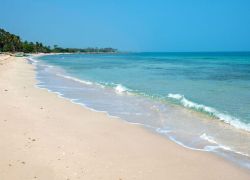
Sittandy Beach, located in the northernmost region of Sri Lanka near the Jaffna Peninsula, is one of the lesser-known gems of the island's coastline. Known for its serene atmosphere and clear waters, Sittandy Beach offers an idyllic escape for those seeking a peaceful getaway. Unlike the more tourist-heavy beaches in Sri Lanka, Sittandy Beach provides a more laid-back, tranquil experience, making it an ideal spot for nature lovers, beachgoers, and those interested in exploring Jaffna’s hidden beauty. The beach is not only beautiful but also holds cultural significance, making it an intriguing destination for visitors. How to Reach Sittandy Beach Sittandy Beach is located about 30 kilometers to the south of Jaffna city, which is easily accessible by road. To reach the beach, you can drive south from Jaffna along the A9 highway, and from there, follow the local roads leading towards Sittandy. The journey takes approximately 45 minutes to 1 hour, depending on road conditions and traffic. If you are traveling from Colombo to Jaffna, you can either take a flight to Jaffna International Airport (roughly 1.5 hours) or travel by train or bus (around 6 to 8 hours). From Jaffna city, local transport options like tuk-tuks or taxis are available to take you directly to Sittandy Beach. Public buses are also available for those looking for a more economical way to travel, but they may not be as frequent as taxis or tuk-tuks. Weather and Best Time to Visit Sittandy Beach experiences a tropical climate, with warm temperatures year-round. The best time to visit Sittandy Beach is during the dry season, which lasts from November to April. This period is characterized by sunny weather and low humidity, making it ideal for beach activities such as swimming, sunbathing, and water sports. The monsoon season, from May to October, brings heavy rains and higher humidity levels. While the beach remains accessible during the wet season, visitors may experience rain showers and rough seas, which can affect the overall beach experience. It is recommended to check the weather forecast before planning your visit during the rainy months. Entry and Visit Details There is no formal entry fee to visit Sittandy Beach, as it is a public beach. Visitors are free to enjoy the beach and surrounding areas at their leisure. However, as the beach is relatively quiet and not overly commercialized, there are few facilities in the immediate vicinity, so visitors are advised to carry their own refreshments, water, and snacks. The beach is open to the public throughout the day, but the best time to visit is in the morning or late afternoon, when the weather is cooler, and the beach is less crowded. There are no strict visiting hours, so you can spend as much time as you wish at the beach. The calm atmosphere and natural beauty of Sittandy Beach make it a perfect place to relax, meditate, or simply enjoy the peaceful surroundings. Why Famous for Sittandy Beach? Sittandy Beach is famous for its untouched beauty and quiet ambiance, which makes it a perfect destination for those looking to escape the hustle and bustle of more popular beaches in Sri Lanka. The beach is known for its clean, golden sand, crystal-clear waters, and scenic surroundings. Unlike other beaches in Sri Lanka, which can get crowded with tourists, Sittandy Beach offers a serene and tranquil experience, making it ideal for those seeking solitude. Another reason for its fame is its proximity to the Jaffna Peninsula, an area known for its rich cultural heritage and historical significance. Sittandy Beach offers visitors a chance to explore the less-visited side of Sri Lanka’s northern coast while also experiencing the local Jaffna culture. The beach is often less crowded, offering an authentic experience of Sri Lanka’s coastal charm. History and Architecture of Sittandy Beach While Sittandy Beach itself is primarily known for its natural beauty, the region surrounding it holds historical significance. The Jaffna Peninsula, where the beach is located, has a rich cultural heritage, influenced by various colonial powers, including the Portuguese, Dutch, and British. The area is also home to several ancient Hindu temples and historical landmarks that reflect the island's diverse history. In terms of architecture, the area surrounding Sittandy Beach includes traditional Jaffna-style houses with their unique features, such as large courtyards and tiled roofs. While there is no specific historical building or monument directly on the beach, the cultural influences of the past can still be seen in the surrounding communities and their architecture. Visitors can explore nearby villages and get a sense of the local way of life, with their traditional customs and architecture. Things to Do at Sittandy Beach While Sittandy Beach is primarily known for its tranquil atmosphere and natural beauty, there are several activities that visitors can enjoy while visiting the beach. Some of the top things to do include: Beach Relaxation: The calm, clean beach is perfect for sunbathing, relaxing, and enjoying the serenity of the surroundings. Spend your day unwinding on the golden sand and listening to the sound of the waves. Swimming: The clear, warm waters of Sittandy Beach make it ideal for swimming. The gentle waves and shallow waters are safe for visitors of all ages. Photography: Sittandy Beach is a beautiful spot for photography, offering stunning landscapes, vibrant sunsets, and a peaceful ambiance. Capture the natural beauty of the beach and its surroundings. Explore Local Villages: Visit nearby villages to experience the local culture and traditions of the Jaffna region. The village life in the area offers a unique opportunity to engage with local communities and learn about their way of life. Enjoy Seafood: The Jaffna Peninsula is known for its delicious seafood. Take the opportunity to enjoy freshly caught fish and other local seafood delicacies in nearby restaurants or from local vendors. Facts and Tips about Sittandy Beach The beach is relatively quiet and peaceful, making it ideal for those seeking a tranquil beach experience away from the crowds. Sittandy Beach is not highly commercialized, so there are limited amenities in the immediate vicinity. Be sure to carry your own water, snacks, and essentials for a comfortable visit. The beach is a safe spot for swimming, but it's advisable to be cautious of the waves and currents, especially if visiting during the rainy season when the sea can become rough. Visitors are encouraged to respect the natural surroundings and help keep the beach clean. Avoid littering and dispose of waste responsibly. While there are no formal accommodations at Sittandy Beach itself, there are guesthouses and hotels in nearby areas, such as Jaffna city, where visitors can stay. The best time to visit is during the dry season, from November to April, when the weather is ideal for outdoor activities and beach enjoyment. Conclusion Sittandy Beach in Jaffna offers a peaceful and beautiful retreat for visitors seeking a quiet escape. With its pristine beaches, clear waters, and scenic surroundings, it provides the perfect destination for beach lovers and those wanting to explore the less touristy side of Sri Lanka. Whether you’re looking to relax on the sand, swim in the warm waters, or explore the local culture, Sittandy Beach is a hidden gem in the Jaffna Peninsula that is worth visiting for anyone wanting to experience the serene beauty of Sri Lanka's northern coast.
Explore More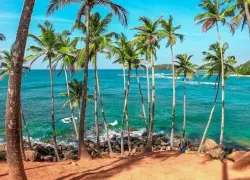
Eastern Beach in Batticaloa is one of the most scenic and peaceful coastal attractions on the eastern coast of Sri Lanka. Known for its calm waters, golden sand, palm-fringed coastline, and mesmerizing sunrises, Eastern Beach offers a perfect escape for travelers seeking natural beauty, relaxation, and a quieter beach experience away from major tourist crowds. It is a favorite destination among locals and tourists for swimming, sunbathing, beach walks, photography, and enjoying the coastal charm of Batticaloa. How to Reach Eastern Beach Eastern Beach is located close to Batticaloa City, making it easily accessible by road. Travelers can reach Batticaloa by: By Train: Regular trains operate from Colombo Fort, Badulla, Polonnaruwa, and other major towns to Batticaloa Railway Station. From the railway station, travelers can hire tuk-tuks, taxis, or buses to reach Eastern Beach within a short 10–15-minute ride. By Bus: Long-distance and intercity buses from Colombo, Kandy, Kurunegala, and other key cities connect to the Batticaloa Bus Stand. From the bus stand, local public transport or private vehicles can be used to reach the beach. By Road: Travelers driving from Colombo can take the A4 or A11 highway. The beach is well connected by the main city roads and easy to access using Google Maps or road signboards. Weather at Eastern Beach Eastern Beach has a tropical climate, with warm temperatures throughout the year. The average annual temperature ranges from 26°C to 32°C. The best time to visit is from April to October, when the weather is dry and ideal for swimming and outdoor activities. The monsoon season between November and February brings occasional rainfall, though the beach remains accessible and pleasant, especially in the morning and late afternoon. Early mornings and late evenings are cooler and perfect for walks and photography. Timings Eastern Beach is open throughout the day, 24 hours, and does not have a formal closing time. However, most tourists prefer visiting between sunrise and sunset when visibility and conditions are ideal. Early morning is especially spectacular, as the eastward-facing beach offers one of the best sunrise views on the island. Why Famous for Eastern Beach, Batticaloa? Eastern Beach is famous for its soft sandy shores, tranquil blue waters, and stunning sunrise views. Unlike the more crowded western beaches in Sri Lanka, Eastern Beach remains pristine, peaceful, and less commercialized, offering a natural and untouched experience. The beach is also popular for live seafood stalls, local coastal communities, fishing boats, and picture-perfect landscapes cherished by photographers and nature lovers. Moreover, the beach plays a role in the daily life of Batticaloa residents, providing a space for evening walks, social gatherings, and traditional fishing activities. The presence of friendly local vendors and fresh seafood adds to its charm. Entry and Visit Details Entry to Eastern Beach is completely free. There are no tickets, restrictions, or mandatory registrations required for visiting. Basic beachside facilities such as small cafés, local food shops, fishing boats, and paid parking areas may be available depending on the section of the beach visited. Travelers are advised to carry essentials such as water, sun protection, and towels, as large commercial cafes or restaurants are limited directly on the beach. History and Background Eastern Beach has a deep connection with the maritime heritage of Batticaloa, a region that has been inhabited for thousands of years. Historically, this coastline served as a fishing hub for local communities, and the beach still reflects this legacy with traditional fishing boats, nets, and coastal lifestyles. Batticaloa itself has seen influences from Portuguese, Dutch, and British colonial powers, and although Eastern Beach is not directly tied to major colonial structures, it forms part of the scenic waterfront that shaped the city’s culture and economy. During the ancient period, traders from Southeast Asia and the Arabian region frequently visited Batticaloa due to its coastal location. Over the centuries, the beach became a local retreat for families, fishermen, and traders. Today, despite modernization, Eastern Beach retains its original natural purity and cultural authenticity. Architecture and Landscape Eastern Beach is not an architectural attraction, but its natural landscape is its true beauty. The coastline is long, curved, and framed with coconut trees, sandy dunes, and fishing settlements. The shallow waters near the shore make it suitable for swimming, wading, and playing for families. The soft golden sand stretches across several kilometers, offering plenty of space for leisure activities without crowding. Seaside structures such as simple fishing huts, small food kiosks, and boat storage areas showcase the region’s traditional and functional architecture. The absence of large commercial buildings helps maintain the natural identity of the beach. Things to Do at Eastern Beach Visitors to Eastern Beach can enjoy a wide range of relaxing and engaging activities, including: • Swimming and wading in the calm sea • Walking or jogging along the peaceful coastline • Watching spectacular sunrise views • Beach photography and videography • Enjoying seafood from small local food outlets • Fishing with local fishermen (sometimes arranged for visitors) • Playing beach games such as volleyball or football • Relaxing with family or friends in a serene environment • Exploring nearby Batticaloa attractions such as the lagoon, fort, and lighthouse Facts About Eastern Beach • It is considered one of the cleanest and least crowded beaches on Sri Lanka’s eastern coast. • Eastern Beach offers one of the best sunrise views in the country due to its eastward orientation. • The beach remains an active hub for traditional fishing livelihoods. • It is located just minutes from central Batticaloa, making it easily accessible. • The beach played a role in local recovery and rebuilding after the 2004 tsunami, with communities returning to restore their fishing resources. Travel Tips for Visitors • The best time to visit is early morning or late afternoon to avoid peak heat. • Carry sunscreen, a hat, and drinking water, as shade may be limited. • Avoid swimming during rough sea conditions; always follow local advice. • Respect the fishing boats and gear placed on the beach. • Keep the beach clean and avoid littering to help preserve its natural beauty. • If visiting during monsoon months, check weather updates in advance. • Support local vendors and fishermen, as tourism is a valuable income source for the community. Eastern Beach in Batticaloa is a serene and naturally beautiful destination for travelers seeking peace, coastal charm, and authentic Sri Lankan culture. With its untouched stretches of sand, friendly locals, and breathtaking scenery, it offers a memorable experience away from commercial crowds and remains one of the finest coastal treasures on the eastern side of Sri Lanka.
Explore More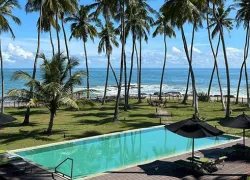
Kottukal Beach in Batticaloa is one of the most beautiful and peaceful beaches on the eastern coast of Sri Lanka. Known for its stunning natural setting, quiet atmosphere, and sparkling blue waters, it has become a favorite destination for travelers seeking relaxation away from commercial crowds. The beach features long stretches of golden sand, swaying palm trees, and turquoise ocean waves that create the perfect environment for sunbathing, swimming, and beachside walks. Kottukal Beach is especially loved by visitors who want to experience the authentic coastal lifestyle of Batticaloa while enjoying peaceful scenery and clean surroundings. The area around Kottukal Beach is also surrounded by fishing communities, offering visitors a chance to observe traditional Sri Lankan lifestyles and daily activities of local fishermen. Unlike overly developed tourist beaches, Kottukal Beach maintains its natural beauty and calmness, making it ideal for solitude seekers, couples, backpackers, and families who want a serene environment. The natural surroundings also attract nature photographers and explorers looking for beautiful sunrise and sunset views along the coast. How to Reach Kottukal Beach Kottukal Beach is located about 40–45 minutes from the Batticaloa town area. The most convenient way to reach the beach is by road. Visitors can hire a private taxi, rent a scooter, or use local buses that operate from Batticaloa town toward coastal villages. The roads are smooth and scenic, passing through paddy fields, coconut groves, and small villages. If traveling from Colombo, visitors can reach Batticaloa by train, bus, or car. Overnight trains and buses run frequently, and once in Batticaloa, local transportation can take you easily to Kottukal Beach. Some travelers also visit from nearby tourist towns such as Pasikudah and Kalkudah since the beach is well connected to popular eastern coastline destinations. Weather at Kottukal Beach Kottukal Beach experiences warm and tropical weather throughout the year. The ideal months to visit are from April to September when the sea is calm and skies are mostly clear. The average daytime temperature ranges from 27°C to 33°C, making it perfect for water activities, beach walks, and outdoor sightseeing. During the monsoon season (November to February), the area can experience rain and strong sea currents, so travelers should plan accordingly. However, even during monsoon, the beach offers beautiful natural charm and refreshing weather. Timing of Visit Kottukal Beach is open throughout the day and accessible at all hours, as it is a public beach. Most travelers prefer visiting early in the morning for quiet and scenic sunrise views, or in the late afternoon when the weather becomes cooler and sunsets light up the sky. Visitors spending the full day can enjoy beach walks, swimming, and relaxing on the sand. Night visits are also peaceful, but travelers should carry necessary safety items as the beach has limited lighting in remote areas. Why Kottukal Beach is Famous Kottukal Beach is famous for its untouched natural beauty and serene environment. Unlike many commercial beaches, it offers clean sands, calm waters, and very few crowds. Visitors come here for meditation, yoga, photography, and relaxation. The sunrise over the eastern horizon is especially magnificent and often considered one of the most memorable views in Batticaloa. The beach is also known for its fishing culture. Early morning visitors may see fishermen pulling nets and boats returning from sea, offering an authentic glimpse into Sri Lankan coastal traditions. Additionally, its proximity to other tourist attractions further enhances its popularity among travelers. Entry and Visit Details Entry to Kottukal Beach is completely free, and visitors can explore at any time. There are no entry tickets or restrictions. Basic facilities such as small shops and local food stalls may be found near the beach, especially during peak tourist seasons. Travelers are advised to carry necessary items such as drinking water, towels, sunscreen, beach mats, and personal belongings since the beach remains minimally commercialized. History and Architecture Kottukal Beach does not have built architectural structures like forts or temples, but it forms an important part of the cultural and historical identity of Batticaloa’s coastal communities. The region has been home to fishing families for generations, and traditional wooden fishing boats, known as oruwa, can still be seen along the shores. The beach has remained largely untouched, preserving its natural coastline and way of life without modern construction taking over. Its historical significance lies in its legacy as a traditional fishing hub and natural environment that has supported the local economy for many years. Things to Do at Kottukal Beach Visitors can enjoy several peaceful and refreshing activities at Kottukal Beach, including: - Swimming in the calm turquoise waters - Morning or evening beach walks - Watching traditional fishing activities - Photography and nature videography - Picnicking with family or friends - Relaxing on the sand and listening to ocean waves - Spotting seabirds along the coast - Meditation or yoga practice in a quiet environment Facts About Kottukal Beach - It is one of the less crowded beaches in the Batticaloa region. - Known for spectacular sunrises due to its eastern location. - Surrounded by rural fishing communities with rich cultural heritage. - Offers natural, clean, and undeveloped coastline views. - Close to other eastern coastal attractions like Pasikudah and Kalkudah beaches. Tips for Visiting Kottukal Beach - Bring sunscreen, hats, and protective clothing as daytime sun can be strong. - Carry water and snacks since there are limited shops near the beach. - Early morning or late afternoon visits are ideal for pleasant temperatures and scenic beauty. - Respect the local fishing community and avoid disturbing boats and nets. - Be cautious while swimming during monsoon months due to changing tides. - Keep the beach clean and avoid littering to help preserve its natural beauty.
Explore More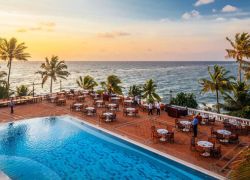
Mount Lavinia Beach is one of the most popular coastal destinations in Sri Lanka, located in the suburban town of Mount Lavinia, just a short drive south of Colombo. The beach has a rich colonial legacy, vibrant coastal life, and a beautiful golden shoreline that attracts both local crowds and international travelers. Known for its calm waters, scenic sunsets, and lively dining scene along the beachside, Mount Lavinia Beach is regarded as one of the most scenic and accessible beach escapes near the capital city. It is an ideal spot for families, couples, backpackers, and anyone looking for a relaxed day by the sea. History and Background The history of Mount Lavinia Beach is closely connected to the colonial heritage of the area. During British rule in Sri Lanka, the Governor Sir Thomas Maitland built a luxurious mansion on the nearby cliffs. Legends say that he fell in love with a local dancer named Lovina, and secret tunnels from the mansion to her home were used for their clandestine meetings. Over time, the mansion was converted into the world-famous Mount Lavinia Hotel, which still stands today and continues to showcase old-world colonial charm. Because of this history, the region became one of the most prominent beach resorts during British rule, and the beach continues to preserve that charm even today. Architecture and Surroundings While the beach itself is a natural attraction, the surroundings of Mount Lavinia include notable colonial architecture, cozy seaside cafés, and the historic Mount Lavinia Hotel overlooking the waters. The coastline is lined with palm trees, small beach shacks, seafood restaurants, and open-air dining spaces. The beach has a long stretch of wide sand, making it suitable for picnics, relaxation, walks, and recreational activities. The nearby railway line running parallel to the coast adds a unique charm and offers visitors a scenic journey to and from the beach. How to Reach Mount Lavinia Beach Mount Lavinia Beach is easily accessible from Colombo and nearby major towns. By Road: Travelers can reach Mount Lavinia by bus, taxi, or private vehicle. It is about 12 km from central Colombo, and the drive normally takes 30 to 45 minutes depending on traffic. By Train: The most scenic route is by train, as the railway line runs along the coastline. Visitors can take a southern line train from Colombo Fort to the Mount Lavinia Railway Station, located just a short walk from the beach. By Air: International travelers can arrive at Bandaranaike International Airport near Colombo and then proceed to Mount Lavinia by car, taxi, bus, or train. Weather of Mount Lavinia Beach Mount Lavinia experiences tropical coastal weather throughout the year. Temperatures stay warm, averaging between 26°C to 32°C, making the beach suitable for year-round visits. The best time to visit is generally from December to April, when the sea is calmer and rainfall is minimal. The monsoon season occurs from May to September, bringing occasional strong waves and rain showers. However, even during monsoon months, sunny days are frequent, and the beach remains accessible. Timing and Best Hours to Visit Mount Lavinia Beach is open 24 hours a day, and visitors can enjoy it at any time. However, the best time to visit is early morning or late afternoon. Evening is particularly popular as the beach provides spectacular sunset views. Nighttime also offers a lively atmosphere with restaurants, bars, and beachside cafés lighting up the coastline. Why Mount Lavinia Beach is Famous Mount Lavinia Beach is famous for several reasons. It is one of the most accessible beaches near Colombo, making it a convenient destination for day trips. It is also known for its romantic sunset views, historical Mount Lavinia Hotel, and a vibrant atmosphere with seafood restaurants along the shore. The location holds deep historical value connected to British colonial times, adding cultural significance to its natural beauty. Additionally, the beach is known for nightlife, beach festivals, weddings, and special events hosted at the hilltop hotel. Entry and Visit Details Mount Lavinia Beach is free for visitors and does not require any entry tickets. Visitors are free to walk along the beach, relax, swim, or spend time at restaurants and resorts. However, some private establishments such as hotel pools or private beach sections may charge fees for access. Additionally, water sports operators may have individual pricing for activities like jet skiing or snorkeling. Things to Do at Mount Lavinia Beach There are a variety of activities that travelers can enjoy at Mount Lavinia Beach: Relaxation and Sunbathing: The long sandy coastline provides ample space for sunbathing, lounging, and simply enjoying the ocean breeze. Seafood Dining: The beach is famous for its seafood restaurants where travelers can enjoy freshly caught fish, crabs, prawns, and Sri Lankan curries with ocean views. Swimming: The waters near the beach are generally calm, especially during non-monsoon months, making swimming enjoyable. Walking and Jogging: The long stretch of beach is perfect for morning walks, jogging, or evening strolls. Photography: The scenic views and colonial structures make it a great place for landscape and travel photography. Nightlife: If visiting in the evening, travelers can enjoy beachside bars and lounges that create a festive atmosphere at night. Interesting Facts Mount Lavinia was one of the first beachside resorts developed during Sri Lanka’s British colonial era. The historic Mount Lavinia Hotel was built over 200 years ago and still features old colonial architecture. The beach is a popular location for wedding photoshoots and beachfront ceremonies. A railway line runs parallel to the beach, offering one of the most scenic short train journeys in Sri Lanka. Tips for Visiting Mount Lavinia Beach Visit during sunset for the best views and photography. If traveling by train, try to sit on the side facing the ocean for scenic views. Weekends and public holidays can be crowded, so visit on weekdays for a quieter experience. Wear sunscreen, especially during midday, as the coastal sun can be strong. While swimming is generally safe, always check local conditions and avoid swimming during rough seas. Carry cash if planning to dine at small beach shacks, as not all accept cards. Mount Lavinia Beach remains one of Sri Lanka’s most charming, accessible, and historically rich coastal getaways. Whether you want a relaxed evening by the sea, a romantic walk, good seafood, or a glimpse into the colonial past of the island, this beach has something for every traveler.
Explore More