"Explore ancient architecture and vibrant rituals."
Periya Kovil, also known as the Sri Mamangeswarar Kovil or Mamangam Temple, is one of the most important and ancient Hindu temples in Batticaloa, Sri Lanka. Dedicated to Lord Shiva, this sacred temple holds great spiritual value among the Tamil Hindu population of the Eastern Province. It is not only a religious site but also a historical landmark that reflects the heritage, traditions, and cultural evolution of the region. The temple is especially famous for its grand annual festival, Mamangam, which attracts thousands of devotees from all across Sri Lanka and even from abroad. The festival is a vibrant celebration filled with rituals, processions, music, and religious activities that highlight the cultural identity of the local community.
Set in the heart of Batticaloa town, Periya Kovil is surrounded by peaceful residential areas, narrow streets, and a picturesque environment that adds to its spiritual charm. The temple stands as a symbol of devotion, resilience, and cultural continuity, especially considering Batticaloa’s past history of colonization, natural challenges, and community struggles. Over generations, Periya Kovil has remained an active center of worship, community gatherings, classical music and dance performances, and religious education.
How to Reach Periya Kovil
Reaching Periya Kovil in Batticaloa is convenient due to its central location within the city. Visitors arriving from Colombo, which is about 300 km away, can use multiple transportation options including long-distance buses, private vehicles, or intercity trains. The train route from Colombo to Batticaloa is scenic and passes through lush greenery, villages, and lagoons, providing a memorable journey. From the Batticaloa Railway Station, the temple is only a short drive or tuk-tuk ride away.
Within Batticaloa itself, local transportation is widely available. Buses, tuk-tuks, and taxis can be hired easily at affordable rates. Since the temple is located in a well-known part of the town, most drivers are familiar with its location. The temple area also provides adequate road access, making it convenient for pilgrims arriving for special festivals and large community events.
Weather at Periya Kovil
Batticaloa experiences warm tropical weather throughout the year. Temperatures generally range from 26°C to 34°C depending on the season. The region receives monsoon rains mainly between October and January, which can make the surroundings lush and green. The drier period, from February to August, is ideal for sightseeing, temple visits, and outdoor activities.
Morning and evening hours are the most pleasant for a temple visit, as afternoons can be fairly warm. Visitors should carry sun protection like hats, sunscreen, and water, especially when exploring the city on foot or during festival processions.
Timing of Visit
Periya Kovil is generally open to devotees from early morning until evening. Typical temple timings include:
- Morning: 6:00 AM – 12:00 PM
- Evening: 4:30 PM – 9:00 PM
Timings may vary on special religious occasions, festive days, or during the annual Mamangam festival when extended worship hours and special rituals are organized. Early morning and evening are considered the most auspicious times for prayers as the atmosphere is peaceful and spiritually uplifting.
Why Periya Kovil is Famous
Periya Kovil is famous for multiple reasons. The foremost is its religious significance as one of the most important Shiva temples in the Eastern Province. Devotees believe that the temple holds special spiritual power, and prayers offered here bring blessings, good fortune, and divine protection. The temple’s annual Mamangam festival is another major highlight that draws large crowds from across Sri Lanka. The festival includes traditional music, dance, temple chariot processions, special rituals, and cultural performances that preserve and celebrate Tamil Hindu traditions.
The temple is also famous for its historical importance. It represents centuries of survival and cultural continuity, standing strong despite colonial challenges, wars, and natural calamities. Periya Kovil remains a symbol of faith and identity for Hindu communities in Batticaloa and beyond.
Entry and Visit Details
Entry to Periya Kovil is free for all devotees and visitors. However, certain areas of the temple may be restricted during rituals, and visitors are expected to follow standard decorum. Dress code is modest, and footwear must be removed before entering the temple premises, as is the tradition in Hindu worship spaces.
Photography may be restricted inside sanctum areas, especially during poojas or rituals. Visitors are advised to seek permission from temple authorities before taking pictures. During major festivals, the temple area can become crowded, and traffic restrictions may be implemented around the premises.
History and Architecture
Periya Kovil has a long history believed to date back several centuries. Historical records and local tradition suggest that the temple has undergone multiple restorations and expansions over time due to natural disasters, social changes, and community development. Despite these changes, the temple has preserved its original Dravidian architectural features and religious design.
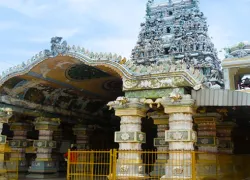
The architecture of Periya Kovil includes intricately carved pillars, colorful gopurams (entrance towers), and sacred shrines dedicated to various deities, with the central sanctum reserved for Lord Shiva. Traditional statues, motifs, and symbolic carvings decorate the walls, reflecting Hindu mythology, spiritual symbolism, and artistic craftsmanship. The temple courtyard is spacious, allowing processions and gatherings during festivals.
The traditional chariot (Ther), used for festival processions, is also an important cultural artifact associated with the temple. It is beautifully decorated and pulled through the streets during Mamangam, accompanied by music, chanting, and thousands of devotees.
Things to Do at Periya Kovil
Visitors to Periya Kovil can enjoy a variety of experiences, including:
- Attending daily poojas and offering prayers
- Exploring the temple’s traditional architecture and carvings
- Observing classical rituals and religious traditions
- Visiting during the grand Mamangam festival for vibrant celebrations
- Enjoying peaceful meditation in the temple courtyard
- Exploring local markets, eateries, and shops around the temple area
- Learning about Tamil Hindu customs and cultural heritage
Interesting Facts About Periya Kovil
- It is considered one of the oldest and most important Hindu temples in Batticaloa.
- The Mamangam festival is one of the largest Shiva temple festivals in Eastern Sri Lanka.
- The temple has survived multiple historical challenges, including colonial occupations and natural disasters.
- It follows traditional Dravidian temple architecture.
- Large numbers of devotees participate in the chariot procession during festival celebrations.
Tips for Visiting Periya Kovil
- Dress modestly in traditional or respectful clothing.
- Remove footwear before entering temple areas.
- Visit early in the morning or evening for a peaceful experience.
- Follow temple rules and respect ongoing rituals.
- Carry water and sun protection during daytime visits.
- During festivals, arrive early to avoid crowds and traffic delays.
- Seek permission before taking photographs inside the temple.

Batticaloa