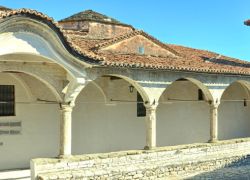
Saint Nicholas Church is a historic and culturally significant religious site in Berat, Albania. Known for its stunning Byzantine architecture and spiritual heritage, this church has been a place of worship for centuries and is an essential part of Berat's rich cultural landscape. Located within the city's historic center, the church continues to attract visitors with its serene beauty, its fascinating history, and its significance in the Albanian Orthodox Christian tradition. How to Reach Saint Nicholas Church, Berat, Albania Saint Nicholas Church is located in the heart of Berat, a city well-known for its historical landmarks and religious sites. The church is situated within the Berat Castle complex, which is perched on a hill and offers stunning views of the town and surrounding areas. To reach the church, visitors need to head towards Berat Castle. From the main square of Berat, you can either walk uphill to the castle or take a taxi for a short ride. Once you arrive at the castle entrance, you’ll need to continue walking up the stone paths that lead to the church. The entire journey is around 15 to 20 minutes on foot, and along the way, you can enjoy the beautiful panoramic views of Berat and the Osum River. The church is easily accessible and is part of the numerous historical sites within the castle area. The entrance fee to the castle also grants you access to Saint Nicholas Church. Weather in Berat Berat enjoys a Mediterranean climate, characterized by hot, dry summers and mild, wet winters. The best time to visit Saint Nicholas Church is during the spring (April to June) and autumn (September to November), when temperatures are moderate and ideal for walking through the castle and exploring the surrounding areas. During these months, the weather is pleasant with temperatures ranging from 15°C to 25°C (59°F to 77°F). In summer (June to August), temperatures in Berat can rise above 30°C (86°F), making it the hottest time of the year. If you visit during this period, it’s advisable to go early in the morning or later in the afternoon to avoid the midday heat. Winters (December to February) are generally mild, with temperatures ranging from 5°C to 10°C (41°F to 50°F), though there may be occasional rainfall. Berat rarely experiences snow, but it’s still good to bring a light jacket if visiting in winter. Why is Saint Nicholas Church Famous? Saint Nicholas Church is famous for its historical significance, its stunning architecture, and its connection to the religious traditions of Albania. The church is part of Berat’s impressive collection of Byzantine-era structures and is known for its beautiful frescoes, stone construction, and simple yet captivating design. It’s also one of the most important religious buildings in Berat, with a long history of Christian worship dating back to the Middle Ages. The church is dedicated to Saint Nicholas, the patron saint of sailors, travelers, and children. His image is often depicted in icons and religious art, and his life and deeds are central to the Orthodox Christian faith. Saint Nicholas Church in Berat is also significant because it is part of a larger complex of religious sites within Berat Castle, many of which were constructed during the Byzantine and Ottoman periods. Visitors come to Saint Nicholas Church not only for its religious importance but also for its peaceful atmosphere and stunning views of the city. The church offers a tranquil space for reflection, prayer, and contemplation, and is a must-see for those interested in the religious heritage of Berat and Albania. Entry and Visit Details about Saint Nicholas Church, Berat, Albania Saint Nicholas Church is open to visitors throughout the week, and there is no specific time for religious services as it is more of a cultural and historical site for tourists. However, it’s always respectful to check in advance if you plan to visit during a local religious holiday or celebration when the church may be hosting special events. To enter the church, visitors must purchase a ticket to enter Berat Castle. The ticket price includes access to Saint Nicholas Church, as well as other sites within the castle, such as the Onufri Museum and other Byzantine churches. The ticket price is relatively inexpensive, and it’s a small fee considering the cultural and historical value of the site. Saint Nicholas Church is typically open from 9:00 AM to 6:00 PM, though the hours may vary depending on the season or special events. It is advisable to visit earlier in the day, especially during the summer months when the area can get busy with tourists. History and Architecture of Saint Nicholas Church Saint Nicholas Church has a rich history that dates back to the 13th century, during the Byzantine period. The church is a fine example of Byzantine architecture, characterized by its simple yet elegant design, stone construction, and intricate frescoes. It is one of the many religious buildings that were built in Berat during the time of the Byzantine Empire and later under the Ottoman rule, serving as a focal point for the local Christian community. The church’s architecture is modest but reflects the spiritual and artistic traditions of the time. It features a typical Byzantine layout with a central nave and a rounded dome. The walls of the church are adorned with frescoes depicting scenes from the Bible, including the life of Saint Nicholas, Christ, and other saints. The frescoes are notable for their vivid colors and detailed iconography, which provide insight into the religious and cultural practices of the period. Over the centuries, the church has undergone several renovations and restorations. Some parts of the church, such as the frescoes, have been restored to preserve their historical value, while others have been left in their original condition to showcase the passage of time. The church remains an active symbol of religious and cultural identity for the local Orthodox Christian community. Things to Do in Saint Nicholas Church Visiting Saint Nicholas Church offers several opportunities for exploration and spiritual reflection. Here are some of the key things to do when you visit: Admire the Frescoes: The church’s frescoes are one of its most prominent features. Take time to appreciate the intricate details and religious symbolism of these Byzantine artworks. Enjoy the Views: The church is located within Berat Castle, providing breathtaking views of the town, the Osum River, and the surrounding mountains. Don’t forget your camera to capture the beauty of the landscape. Learn About the History: While visiting the church, take the time to learn about its history, the significance of Saint Nicholas, and the cultural context of the Byzantine period in Albania. Relax and Reflect: The church offers a peaceful and quiet atmosphere, ideal for personal reflection, prayer, or simply enjoying the serene environment. Interesting Facts about Saint Nicholas Church Saint Nicholas Church is dedicated to Saint Nicholas, a revered figure in Christianity known for his kindness and generosity. His feast day is celebrated on December 6th. The church is part of the Berat Castle complex, which has been continuously inhabited for over 2,000 years. In addition to being a place of worship, the church is also a museum of religious art, displaying Byzantine frescoes and icons that date back centuries. The church’s architecture reflects both the Byzantine and Ottoman influences that shaped much of Berat’s historical buildings. The church has survived many historical events, including Ottoman rule and the communist era, and continues to serve as a place of worship for the local Orthodox Christian community. Tips for Visiting Saint Nicholas Church Wear Comfortable Shoes: Since the church is located within Berat Castle, there are some uphill walks and cobblestone paths. Comfortable footwear is recommended. Respect the Local Customs: As the church is still used for religious purposes, be mindful of the local customs and avoid disruptive behavior, especially during prayer times. Bring a Camera: Don’t forget to capture the stunning views and beautiful frescoes inside the church. The scenery around the church is also picturesque and ideal for photography. Plan for the Walk: Be prepared for a bit of a hike to reach the church from the castle entrance. It’s a pleasant walk with plenty of photo opportunities along the way.
Explore More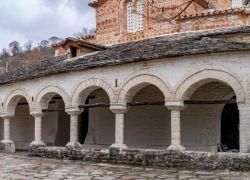
Holy Mary Church is one of the most important religious and cultural landmarks in Pogradec, Albania. Located near the shores of Lake Ohrid, this historic church attracts visitors for its spiritual significance, beautiful architecture, and tranquil surroundings. Known for its serene environment and historical value, Holy Mary Church offers tourists and locals alike an opportunity to explore Albania's rich religious heritage and architectural traditions. It is an ideal destination for those interested in history, culture, and spiritual reflection. How to Reach Holy Mary Church, Pogradec The Holy Mary Church is easily accessible from the town center of Pogradec. It is located just a few kilometers from the main urban area, making it reachable by car, taxi, or even by walking for visitors staying nearby. From Tirana to Pogradec: Visitors traveling from Tirana can take the SH3 highway, which takes about 2 to 2.5 hours. Public buses and minibuses connect Tirana to Pogradec daily. After reaching Pogradec, local taxis or private vehicles can transport visitors directly to the church. From Ohrid, North Macedonia: Travelers can cross the Qafa e Thanës border to reach Pogradec in approximately 1 hour. From there, taxis or guided tours can take visitors directly to Holy Mary Church. Weather and Best Time to Visit The best time to visit Holy Mary Church is during spring (April to June) and autumn (September to October) when the weather is mild and comfortable for sightseeing. Summers (July and August) can be warm, with temperatures reaching up to 30°C (86°F), while winters are mild but can bring occasional rain. Daytime visits are recommended for the best experience and to capture the scenic surroundings of the church. Why Famous for Holy Mary Church, Pogradec Holy Mary Church is famous for its historical and religious significance. It has served as a central place of worship for the local Christian community for decades, and it continues to host religious ceremonies and festivals. The church is admired for its peaceful atmosphere, traditional architectural style, and its location overlooking Lake Ohrid, which enhances its spiritual and aesthetic appeal. In addition to its spiritual importance, the church is recognized for its cultural and architectural heritage. It has become a popular destination for tourists seeking to explore the religious history of Pogradec and experience the serene beauty of this lakeside town. Entry and Visit Details Entry Fee: Visiting Holy Mary Church is generally free, though donations are welcomed to support the maintenance and upkeep of the site. Opening Hours: The church is open year-round, typically from 8:00 AM to 6:00 PM. Visiting during daylight hours ensures a full experience of the church's interior, architecture, and surrounding gardens. Guided Tours: Guided tours are available for visitors who wish to gain deeper insights into the church’s history, religious practices, and architectural details. Local guides provide engaging explanations about the church’s significance in the region’s spiritual life. History and Architecture Holy Mary Church has a long history that reflects the religious and cultural evolution of Pogradec. The church was constructed using traditional Albanian architectural techniques, characterized by simple yet elegant lines, stone walls, and arched windows. The interior features religious icons, frescoes, and wooden altars, which reflect the craftsmanship and devotion of the local community. The church has undergone several restorations over the years to preserve its historical integrity and maintain its structural stability. These restorations have carefully retained the original architectural features, allowing visitors to experience the church much as it would have appeared in earlier times. Things to Do at Holy Mary Church Attend Religious Services: Visitors can participate in regular masses and religious ceremonies, gaining insight into local traditions and practices. Explore the Architecture: Admire the church’s stone construction, arched windows, and detailed interior decorations. Photography: Capture the beauty of the church, its interior icons, and the picturesque views of Lake Ohrid from the surrounding gardens. Learn About Local History: Discover the church's historical significance and its role in the spiritual life of the Pogradec community. Relax in the Surrounding Area: The church is set in a peaceful area with gardens and benches, perfect for reflection and enjoying the serene environment. Visit Nearby Attractions: Combine your visit with nearby sites such as Lake Ohrid, Pogradec Promenade, and Drilon National Park for a complete day of exploration. Facts and Tips About Holy Mary Church Historical Importance: The church has been a central place of worship for the local Christian community for decades. Photography: Photography is allowed, but visitors should be respectful during services and avoid using flash in sensitive areas. Respect Religious Practices: Dress modestly and maintain decorum while inside the church. Visit Early or Late: To enjoy a peaceful experience without crowds, visit early in the morning or later in the afternoon. Combine with Scenic Views: Don’t miss the opportunity to admire the panoramic views of Lake Ohrid from the church area. Guided Tours Recommended: Local guides can provide valuable historical and cultural context, enhancing the visitor experience. Conclusion Holy Mary Church in Pogradec is a blend of spiritual, cultural, and architectural significance. It offers visitors a peaceful retreat with opportunities to explore Albania’s religious heritage and appreciate beautiful lakeside surroundings. Whether attending a service, photographing the scenic views, or learning about the church’s history, a visit to Holy Mary Church is an enriching experience. Combined with nearby attractions, it provides a comprehensive glimpse into the historical and cultural richness of Pogradec, making it a must-visit destination for travelers.
Explore More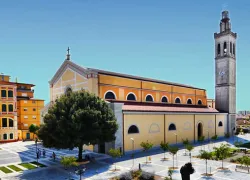
The Shkodra Cathedral, also known as the Cathedral of the Nativity of the Virgin Mary, is one of the most significant religious and historical landmarks in the city of Shkoder, Albania. This Catholic cathedral holds great importance for the local community and visitors alike, serving as both a place of worship and a symbol of Albania's rich cultural heritage. With its beautiful architecture, fascinating history, and cultural significance, Shkodra Cathedral attracts both pilgrims and tourists from around the world. How to Reach Shkodra Cathedral Shkodra Cathedral is located in the heart of Shkoder, the largest city in northern Albania. The cathedral is easily accessible by foot from the city center, as it is situated near other significant landmarks, such as the Shkodra Castle and the city’s main square. If you are arriving by car, there are several parking options nearby. Taxis are also available for those who prefer not to walk, and the city’s public transportation network can take you close to the cathedral. If you're traveling from Tirana, the capital of Albania, Shkoder is around a 2-hour drive (about 130 kilometers) to the north. You can reach the city by bus, car, or train. Once in Shkoder, the cathedral is easy to find due to its central location. Weather The climate in Shkoder is Mediterranean, with hot, dry summers and mild, wet winters. The best time to visit Shkodra Cathedral is during the spring (April to June) and fall (September to October) when the temperatures are moderate, and the weather is pleasant for sightseeing. Summer months (July and August) can be quite hot, making it ideal for early morning or late afternoon visits. Winters in Shkoder are mild but may have occasional rainfall, so it's advisable to bring an umbrella if you're visiting during this season. Timing The Shkodra Cathedral is open to visitors throughout the year. While the cathedral is primarily used for religious services, tourists are welcome to visit during non-service hours. The usual visiting hours are from 8:00 AM to 6:00 PM, but these may vary on holidays or during special religious events. It's advisable to check the schedule in advance, especially if you want to witness a mass or attend a special event. The cathedral can get quite busy during major religious holidays, such as Christmas and Easter, when special services are held. Why Famous for Shkodra Cathedral, Shkoder, Albania? Shkodra Cathedral is famous not only for its architectural beauty but also for its historical and religious significance. The cathedral is dedicated to the Nativity of the Virgin Mary and has served as the center of Catholic worship in the region for centuries. It is an important symbol of the city’s Catholic heritage and a key part of Shkoder’s identity. The cathedral is famous for its distinctive architectural style, which blends elements of traditional Albanian, Romanesque, and Byzantine designs. The cathedral's location in Shkoder, a city with a rich religious history, adds to its importance as a cultural and spiritual landmark. Over the years, Shkodra Cathedral has also played a central role in various religious and community events, including weddings, baptisms, and festivals. Entry and Visit Details about Shkodra Cathedral, Shkoder, Albania Visitors to Shkodra Cathedral can enter freely during non-service hours. The cathedral’s serene interior, with its beautiful altars, stained glass windows, and intricate decorations, makes it a popular stop for anyone interested in architecture, history, or religion. There is no entry fee to visit the cathedral, though donations are encouraged to help maintain the building and its facilities. If you wish to explore the cathedral in more detail, you may consider hiring a local guide who can provide information about the church’s history, architecture, and significance. The cathedral also occasionally hosts events such as concerts, religious ceremonies, and cultural gatherings, making it worth visiting during special occasions. If you happen to visit during a mass or religious service, you can experience the vibrant atmosphere and local traditions of Catholic worship in Albania. History and Architecture The history of Shkodra Cathedral dates back to the late 19th century. The current structure was built in 1858 after the original cathedral was destroyed by a fire. The cathedral was constructed under the guidance of Albanian and Italian architects, with a design that incorporates traditional Albanian styles along with Romanesque and Byzantine influences. The cathedral's distinct bell tower, ornate facades, and striking interior make it an impressive example of religious architecture in Albania. The cathedral’s interior is equally beautiful, with a large altar, intricate woodwork, and stained-glass windows depicting scenes from the Bible. The vibrant colors of the stained glass add a divine light to the space, creating a peaceful and reflective atmosphere. The cathedral’s design reflects the influence of both Catholic and Orthodox traditions, which have shaped the religious landscape of the region over centuries. Things to Do Explore the Cathedral’s Architecture: Spend time admiring the impressive architecture of the cathedral, both on the exterior and inside. Pay close attention to the intricate designs, stained glass windows, and grand altar. Attend a Mass or Religious Service: If you're interested in experiencing the religious atmosphere of the cathedral, attending a mass or service is a meaningful way to engage with the local culture and traditions. Photography: Capture the beauty of the cathedral's architecture, both inside and out. The cathedral's surroundings also offer excellent opportunities for photography. Visit During Special Events: Check the local calendar to see if there are any special events, such as religious festivals, concerts, or cultural performances, being held at the cathedral during your visit. Learn About Shkoder’s Catholic Heritage: Spend time learning about Shkoder's Catholic history and the role the cathedral has played in the region’s religious and cultural life. Facts and Tips about Shkodra Cathedral, Shkoder, Albania The Shkodra Cathedral is also known as the Cathedral of the Nativity of the Virgin Mary and is the largest Catholic church in Shkoder. The cathedral was built in 1858 after the original church was destroyed by fire. The bell tower of the cathedral is a prominent feature and can be seen from many parts of the city. The cathedral is a symbol of Shkoder's strong Catholic traditions, which date back to the arrival of Christianity in the region in the early centuries. Make sure to visit during the quiet hours to fully appreciate the peaceful atmosphere of the cathedral without the distractions of large crowds. If you're interested in the religious history of Albania, a visit to the cathedral is a must, as it is an important cultural landmark in the city. Visitors should dress modestly, especially if attending a religious service, to show respect for local customs and traditions. In conclusion, Shkodra Cathedral is a beautiful and historically significant landmark in Shkoder, Albania. Its impressive architecture, religious significance, and cultural heritage make it a must-visit destination for anyone traveling to the city. Whether you're interested in the cathedral’s stunning design, its rich history, or the chance to experience local religious practices, the Shkodra Cathedral offers a memorable and meaningful experience.
Explore More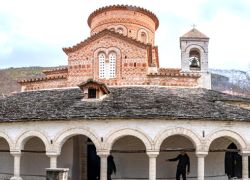
Saint Mary's Church, also known as the Church of Saint Mary, is one of the most significant religious sites in Elbasan, Albania. It stands as a symbol of both cultural heritage and religious devotion in the region. The church, a prime example of Byzantine architecture, is a testament to Albania's rich history, reflecting the artistic and spiritual influences of the past centuries. How to Reach Saint Mary's Church, Elbasan Located in the heart of Elbasan, Saint Mary's Church is easily accessible by car, bus, or on foot. If you are traveling from the capital city, Tirana, the church is about a 45-minute drive (approximately 40 km) southeast. You can also take a bus or taxi, which are common modes of transportation in the area. Once in Elbasan, the church is centrally located, and you can follow local signs to reach it. The church is within walking distance of many hotels and tourist attractions in the city. Weather Around Saint Mary's Church Elbasan experiences a Mediterranean climate, characterized by hot, dry summers and mild, wet winters. The best time to visit Saint Mary's Church is between May and October, when the weather is warm and pleasant. During the summer months, temperatures can reach up to 35°C (95°F), while in winter, temperatures usually range between 5°C (41°F) and 15°C (59°F). It's advisable to check the local weather forecast before planning your visit to ensure the best experience. Timings for Saint Mary's Church Saint Mary's Church is generally open to visitors throughout the week. The exact opening times can vary, so it's always a good idea to check in advance. However, most visits take place during daylight hours, typically from 9:00 AM to 6:00 PM. If you plan to attend a religious service, it is best to visit during the scheduled mass times. Services are held on Sundays, as well as on Christian holidays. Why Saint Mary's Church is Famous Saint Mary's Church is famous for its historical significance, architectural beauty, and religious importance. The church is one of the oldest in the region and is a prime example of Byzantine ecclesiastical architecture. Its beautiful frescoes, intricate mosaics, and grand design attract both history enthusiasts and art lovers. The church also plays a central role in the local Christian community and serves as a venue for spiritual gatherings, adding to its cultural significance. Entry and Visit Details There is no entry fee for visiting Saint Mary's Church, making it an accessible destination for all travelers. However, donations to support the church's upkeep are always appreciated. Visitors can explore the church independently or with the help of a local guide, who can provide insights into the history and significance of the church's artwork and religious importance. History of Saint Mary's Church Saint Mary's Church dates back to the early Christian period, with its origins believed to be from the 6th century. Over the centuries, the church has undergone several restorations and modifications, which reflect the changing artistic and architectural trends of the time. Despite this, much of its original Byzantine influence remains intact, including stunning frescoes and mosaics that depict scenes from Christian history. The church has withstood numerous challenges, including Ottoman rule and various natural disasters, maintaining its place as a center of faith for the local community. Architecture of Saint Mary's Church The architecture of Saint Mary's Church is a fine example of Byzantine-style design, characterized by its cross-shaped floor plan, high domes, and large central nave. The church's interior is adorned with beautiful frescoes and mosaics, many of which were created in the 14th and 15th centuries. The colorful depictions of biblical stories on the walls and ceiling are not only artistically impressive but also serve as a testament to the rich religious heritage of the region. The church's stone exterior and classic bell tower add to its impressive architectural presence in Elbasan. Things to Do Near Saint Mary's Church While visiting Saint Mary's Church, you can explore several other attractions in Elbasan. The Elbasan Castle, another historical site in the city, is a short walk away and offers panoramic views of the surrounding area. You can also visit the National Museum of Elbasan to learn more about the region's rich history, or take a leisurely stroll through the local markets and shops. Additionally, there are many parks and green spaces in Elbasan where you can relax and enjoy the beautiful landscape. Facts and Tips for Visiting Saint Mary's Church Respectful Behavior: As it is an active religious site, visitors are encouraged to dress modestly and behave respectfully inside the church. Photography: While photography is allowed in the church, it is advised to ask for permission before taking photos, especially during religious services. Guides: Consider hiring a local guide to learn about the history and significance of the church, as well as the artwork it houses. Nearby Attractions: Don't miss visiting the Elbasan Castle and the Ethnological Museum of Elbasan, which provide additional insight into the region's cultural history. Best Time to Visit: The church is most pleasant to visit during the spring and summer months, when the weather is warm and there are fewer crowds.
Explore More
Korca Cathedral, officially known as the Resurrection of Christ Cathedral, is one of the most important religious and cultural landmarks in Korca, a charming city in southeastern Albania. Standing proudly in the heart of the city, the cathedral represents the spiritual identity of the Orthodox Christian community and is also a symbol of Albania’s religious harmony. With its grand domes, elegant façade, and peaceful surroundings, Korca Cathedral attracts not only worshippers but also history lovers, architecture enthusiasts, and tourists exploring the cultural richness of Albania. Why Korca Cathedral Is Famous Korca Cathedral is famous for being the largest Orthodox cathedral in Albania and one of the most impressive religious structures in the Balkans. Dedicated to the Resurrection of Christ, it holds deep religious importance for Albanian Orthodox believers. The cathedral is also well known for its modern construction combined with traditional Byzantine architectural elements. Its central location in Korca makes it a focal point for religious ceremonies, festivals, and city events. The peaceful atmosphere, beautiful interior artwork, and harmonious design contribute to its reputation as a must-visit attraction in Korca. History of Korca Cathedral The history of Korca Cathedral is closely linked with the revival of religious freedom in Albania after the fall of the communist regime. During the communist period, religious practices were banned, and many churches and mosques were destroyed or repurposed. After the early 1990s, Albania experienced a religious rebirth, and the Orthodox community in Korca decided to build a new cathedral to replace older churches that had been damaged or lost. Construction of the Resurrection of Christ Cathedral began in the early 1990s and was completed in the mid-1990s. Since then, it has become the main Orthodox cathedral in Korca and a strong symbol of faith, hope, and cultural restoration. Today, the cathedral stands as a reminder of Albania’s resilience and its respect for religious diversity. Architecture of Korca Cathedral The architecture of Korca Cathedral is a beautiful blend of traditional Byzantine style and modern construction techniques. The cathedral features a large central dome surrounded by smaller domes, symbolizing heaven and spiritual unity. The exterior is simple yet majestic, with clean lines, light-colored stone, and carefully designed proportions that create a sense of balance and calm. Inside, the cathedral is richly decorated with religious frescoes, icons, and elegant chandeliers. The iconostasis, which separates the altar from the main prayer hall, is intricately designed and holds beautifully painted icons of Christ, the Virgin Mary, and various saints. High ceilings and large windows allow natural light to fill the interior, enhancing the spiritual atmosphere and highlighting the artistic details. How to Reach Korca Cathedral Korca Cathedral is centrally located in the city of Korca, making it easy to reach from different parts of the city. If you are already in Korca, you can comfortably walk to the cathedral from most hotels, cafes, and attractions in the city center. For visitors traveling from other cities in Albania, Korca can be reached by bus or car from Tirana, which is approximately 180 kilometers away. Regular buses operate between Tirana and Korca, and the journey usually takes around four to five hours. Once you arrive at Korca’s main bus terminal, local taxis or a short walk will take you to the cathedral. Weather and Best Time to Visit Korca Cathedral Korca experiences a continental climate, with cold winters and warm summers. Winters can be quite chilly, especially from December to February, with occasional snowfall adding charm to the city. Summers, from June to August, are warm and pleasant, making it a popular time for tourists. The best time to visit Korca Cathedral is during spring (April to June) and early autumn (September to October). During these months, the weather is comfortable, and the city is lively with cultural activities. Visiting during religious holidays such as Easter can be especially meaningful, as the cathedral hosts special services and celebrations. Timing and Entry Details Korca Cathedral is generally open daily for visitors and worshippers. Opening hours may vary depending on religious services and special events, but it is usually accessible from morning until early evening. Visitors are welcome to attend prayer services, but it is important to remain respectful during worship times. Entry to Korca Cathedral is free of charge. Donations are welcome and often used for maintenance and community activities. Modest dress is recommended, especially during religious services, as a sign of respect for local customs and traditions. Things to Do at Korca Cathedral Visitors to Korca Cathedral can enjoy several meaningful and peaceful activities. You can explore the interior artwork, admire the icons and frescoes, and learn about Orthodox Christian traditions. Spending a few quiet moments inside the cathedral allows visitors to experience its calm and spiritual atmosphere. Photography is generally allowed, but it is best to avoid taking photos during services. The cathedral’s surroundings are also pleasant for a short walk, offering views of nearby squares and cafes where you can relax after your visit. Interesting Facts About Korca Cathedral Korca Cathedral is considered one of the tallest and most spacious Orthodox churches in Albania. Its construction marked a new chapter in Albania’s religious history after decades of restriction. The cathedral is not only a place of worship but also a cultural symbol that represents unity and freedom of belief. Another interesting fact is that Korca itself is known as a cultural center of Albania, and the cathedral plays an important role in the city’s cultural and spiritual life. Many important religious ceremonies, including Easter and Christmas celebrations, take place here. Tips for Visiting Korca Cathedral When visiting Korca Cathedral, it is best to dress modestly and behave respectfully, especially during prayer times. Silence or quiet conversation is appreciated inside the church. If you wish to attend a service, try to arrive early to observe the rituals without disturbing others. Plan your visit as part of a wider exploration of Korca, as the cathedral is close to museums, parks, and traditional restaurants. Combining your visit with a walk through the city center will help you better understand the cultural charm and relaxed lifestyle of Korca. Conclusion Korca Cathedral, Korca, Albania, is more than just a religious building; it is a symbol of faith, history, and cultural rebirth. With its impressive architecture, peaceful interior, and deep historical significance, the cathedral offers visitors a meaningful experience. Whether you are interested in history, architecture, or spiritual exploration, Korca Cathedral is a destination that leaves a lasting impression and enriches any visit to southeastern Albania.
Explore More
The Monastery of St. George is a peaceful and spiritually significant religious site located near Korca, in southeastern Albania. Surrounded by natural beauty and quiet landscapes, this monastery is an important symbol of Orthodox Christian heritage in the region. Known for its calm atmosphere, historical value, and traditional architecture, the Monastery of St. George attracts pilgrims, history lovers, and travelers seeking a deeper understanding of Albania’s religious and cultural roots. Far from the noise of busy cities, the monastery offers a place for reflection and connection with nature. Its simple yet meaningful presence reflects centuries of devotion, making it a valuable destination for anyone exploring the cultural landmarks around Korca. Why The Monastery of St. George Is Famous The Monastery of St. George is famous for its religious importance and long-standing role in the spiritual life of the local Orthodox community. Dedicated to Saint George, one of the most respected saints in Christianity, the monastery is especially visited during religious feast days and celebrations held in his honor. The monastery is also known for preserving traditional Orthodox practices and serving as a symbol of faith during difficult historical periods. Its peaceful setting and historical background make it a well-respected and meaningful landmark in the Korca region. History of The Monastery of St. George The history of the Monastery of St. George dates back several centuries, although exact construction dates may vary according to historical records and local traditions. Like many monasteries in Albania, it played an important role as a center of worship, education, and community life during the medieval and post-medieval periods. Throughout history, the monastery faced challenges during times of political change, foreign rule, and religious restrictions. During the communist era, religious activities were heavily limited, and many religious institutions were closed or damaged. Despite these difficulties, the Monastery of St. George survived and later regained its religious function after the restoration of religious freedom in Albania in the early 1990s. Today, it stands as a powerful reminder of faith, resilience, and cultural continuity. Architecture of The Monastery of St. George The architecture of the Monastery of St. George reflects traditional Orthodox monastic design, characterized by simplicity, harmony, and spiritual symbolism. The main church is typically built with stone, featuring modest proportions and a strong, grounded structure that blends naturally with its surroundings. Inside the church, visitors can admire religious icons, wall paintings, and an iconostasis that separates the altar from the main prayer area. The artwork often reflects Byzantine influence, with rich colors and symbolic imagery. The monastery complex may also include small living quarters for monks, courtyards, and surrounding walls that add to its secluded and sacred character. How to Reach The Monastery of St. George The Monastery of St. George is located a short distance from the city of Korca and can be reached by car, taxi, or local transport. From Korca city center, the journey usually takes a short time, depending on the exact location and road conditions. Visitors traveling from other parts of Albania can reach Korca by bus or car from major cities such as Tirana. Once in Korca, local taxis or guided tours are the most convenient way to reach the monastery. Some routes may include narrow or rural roads, so careful driving is recommended. Weather and Best Time to Visit The Korca region has a continental climate, with cold winters and warm summers. Winters can be quite cold, especially in rural and elevated areas near monasteries, while summers are generally pleasant and suitable for visiting. The best time to visit the Monastery of St. George is during spring and autumn, from April to June and September to October. During these months, the weather is mild, nature is at its most beautiful, and the peaceful surroundings enhance the spiritual experience. Visiting on Saint George’s feast day can also be a special cultural and religious experience. Timing and Entry Details The Monastery of St. George does not usually follow strict opening hours like a museum. It is generally open during the day, especially when monks or caretakers are present. Visitors are encouraged to visit during daylight hours for safety and convenience. Entry to the monastery is usually free of charge. Donations are welcome and often help support maintenance and religious activities. Visitors should dress modestly and behave respectfully, as this is an active place of worship. Things to Do at The Monastery of St. George One of the main activities at the monastery is quiet reflection and prayer. Visitors can spend time inside the church admiring the icons and experiencing the peaceful atmosphere. Many people come to light candles and offer prayers in a calm and respectful environment. Walking around the monastery grounds is another enjoyable activity. The surrounding nature provides beautiful views and a sense of isolation that allows visitors to disconnect from daily stress. Photography is usually allowed outdoors, but permission should be sought before taking photos inside the church. Interesting Facts About The Monastery of St. George Saint George, to whom the monastery is dedicated, is widely honored across Albania and the Balkans, making this monastery part of a broader religious tradition. The site often becomes a gathering place for the local community during religious festivals. The monastery’s survival through periods of religious suppression highlights its importance to local identity. It is not just a religious site but also a cultural monument representing centuries of belief and tradition. Tips for Visiting The Monastery of St. George Visitors should dress modestly, covering shoulders and knees, as a sign of respect. Silence or quiet conversation is appreciated, especially if religious services are taking place. It is a good idea to visit during daylight hours and, if possible, combine the visit with other nearby cultural or natural attractions around Korca. Bringing water and comfortable footwear is recommended, especially if the monastery is located in a rural or elevated area. Conclusion The Monastery of St. George, Korca, Albania, is a place of deep spiritual meaning, historical value, and peaceful beauty. With its traditional architecture, rich history, and tranquil surroundings, the monastery offers visitors a unique opportunity to experience Albania’s Orthodox heritage. Whether you visit for religious reasons, cultural interest, or quiet reflection, the Monastery of St. George provides a memorable and enriching experience in the heart of southeastern Albania.
Explore More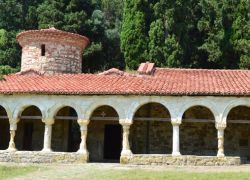
The Zvernec Monastery, also known as the Monastery of St. Mary, is a stunning Orthodox Christian monastery located on the Zvernec Island, near the city of Vlore in southern Albania. This tranquil and picturesque location offers visitors a spiritual retreat amidst the beauty of nature and a rich historical backdrop. The monastery, which dates back to the 13th century, is one of Albania’s most important religious sites. The structure, surrounded by serene waters, is dedicated to the Virgin Mary and is an architectural gem that reflects the religious and cultural heritage of the region. How to Reach Zvernec Monastery Getting to Zvernec Monastery is relatively simple, as it is located just a short distance from the city of Vlore. The monastery is situated on Zvernec Island, which is connected to the mainland by a wooden bridge. The bridge provides an easy and scenic walk across the shallow waters of the Narta Lagoon, where the monastery is nestled. The distance from Vlore to Zvernec is about 15 kilometers, and the journey takes approximately 20-30 minutes by car or taxi. From Vlore, you can take the road heading south toward the village of Zvernec. Once you arrive in the area, look for signs directing you to the monastery. The final stretch includes a pleasant walk across the bridge, which offers breathtaking views of the surrounding natural beauty, including the lagoon and its birdlife. It is also possible to reach Zvernec by public transport from Vlore, although the service might not be as frequent as private transport options. Weather in Vlore Vlore, and by extension Zvernec Monastery, enjoys a Mediterranean climate with hot, dry summers and mild, wet winters. The best time to visit the monastery is during the spring (April to June) and autumn (September to November), when the weather is warm but not too hot, and the surroundings are lush and green. During summer (July to August), temperatures can reach up to 30°C (86°F), so it's advisable to visit early in the morning or late in the afternoon to avoid the midday heat. Winter (December to February) is much cooler, with temperatures ranging between 10°C and 15°C (50°F to 59°F), but it rarely gets too cold. If you prefer fewer crowds and a quieter atmosphere, the winter months might be ideal, although some services in the area may be reduced. Timing of Zvernec Monastery The Zvernec Monastery is typically open to visitors every day. The usual visiting hours are from 9:00 AM to 6:00 PM, although these times may vary depending on the season or specific events such as religious celebrations or holidays. It’s recommended to visit the monastery earlier in the day or late afternoon to enjoy the peaceful surroundings and avoid the midday crowds. The monastery also holds religious services, particularly during Orthodox Christian holidays like Easter and Christmas, when you might be able to witness local traditions and festivities. Why Zvernec Monastery is Famous Zvernec Monastery is famous for its historical significance, stunning architecture, and tranquil setting. The monastery is dedicated to the Virgin Mary, and it has been an important spiritual center for the Orthodox Christian community in Albania for centuries. Its historical roots date back to the 13th century, although it has undergone several renovations over the years, with the most recent work occurring in the early 20th century. Its location on Zvernec Island, surrounded by the beautiful Narta Lagoon, adds to its appeal. The island is home to a rich variety of flora and fauna, particularly bird species, making it a popular spot for nature lovers. The monastery itself is an excellent example of Byzantine architecture, featuring beautiful frescoes, intricate wood carvings, and an impressive stone structure. Visitors come here not only for its religious significance but also for the peaceful atmosphere, the scenic beauty, and the opportunity to learn about the history of the area. Entry and Visit Details Visiting Zvernec Monastery is generally free of charge, although donations are welcome to help support its maintenance and preservation. Visitors can explore the grounds and the interior of the church, which contains beautiful frescoes depicting scenes from the Bible. The monastery is relatively small but offers a lot to explore, including the church itself, a small courtyard, and several nearby buildings that have been preserved as part of the monastery complex. It is also advisable to dress modestly when visiting the monastery, as it is a place of worship. While it is not a strict requirement, it is respectful to wear clothing that covers the shoulders and knees. Visitors who wish to attend religious services or experience the monastery in a more spiritual atmosphere should check the schedule for local liturgies or events. History and Architecture of Zvernec Monastery The Zvernec Monastery was originally built in the 13th century, although its current form is the result of several renovations over the years. The monastery was a significant religious center during the Ottoman era, and its strategic location on the island made it an important landmark for travelers and pilgrims. The church is dedicated to the Virgin Mary and is known for its stunning frescoes, which depict scenes from both the Old and New Testaments. The interior features intricate woodwork, including beautifully carved doors and icons, which reflect the Byzantine influence on the architecture. The monastery is a wonderful example of Byzantine architecture, with its stone walls, arched windows, and large central nave. The surrounding area is equally beautiful, with lush greenery and views of the Narta Lagoon. The monastery also has a small bell tower that chimes on the hour, adding to the peaceful ambiance of the location. The island itself is a sanctuary for wildlife, particularly birds, making it a serene retreat for nature lovers in addition to its religious and historical significance. Things to Do at Zvernec Monastery When visiting Zvernec Monastery, there are a number of activities that can enrich your experience: Walk across the wooden bridge to the island and enjoy the beautiful views of the Narta Lagoon and the surrounding area. Explore the monastery and its church, admiring the frescoes, wood carvings, and the overall Byzantine architectural style. Take photographs of the stunning surroundings, including the serene waters of the lagoon and the lush greenery that surrounds the monastery. Enjoy birdwatching at the Narta Lagoon, which is home to various species of birds, especially migratory birds during the spring and autumn months. Attend a religious service if you are in the area during an Orthodox Christian holiday or special event, to experience the local traditions and customs. Facts About Zvernec Monastery The Zvernec Monastery is dedicated to the Virgin Mary and was built in the 13th century, with several renovations throughout its history. It is located on Zvernec Island, which is accessible by a wooden bridge that crosses the shallow waters of the Narta Lagoon. The monastery is an important religious center for the Albanian Orthodox Christian community and a key historical site in the Vlore region. The church contains beautiful frescoes, wood carvings, and Byzantine-style architecture that attract both religious pilgrims and tourists alike. The Narta Lagoon, surrounding the monastery, is a popular spot for birdwatching and is home to many species of migratory birds. Tips for Visiting Zvernec Monastery To make the most of your visit to Zvernec Monastery, here are some helpful tips: Wear comfortable shoes, especially if you plan to walk across the wooden bridge and explore the surrounding areas of the island. If you're visiting in summer, bring sunscreen, a hat, and plenty of water, as the temperatures can be quite hot. Consider visiting early in the morning or later in the afternoon to avoid the heat and crowds, especially during peak tourist season. Dress modestly, as it is a place of worship, and avoid wearing clothing that is too revealing. Bring a camera to capture the stunning views and the peaceful environment around the monastery. Conclusion Zvernec Monastery is a beautiful and serene destination that offers
Explore More