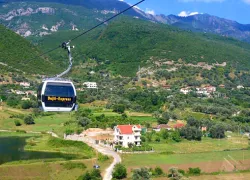
Located just 25 minutes from the heart of Tirana, Mount Dajti National Park is one of Albania’s most popular natural attractions. Known for its stunning landscapes, rich biodiversity, and panoramic views, it provides visitors with a peaceful escape from the bustle of the capital. The park offers a combination of outdoor activities, hiking trails, and cultural experiences, making it a perfect destination for nature lovers, adventure seekers, and those looking to relax and reconnect with nature. How to Reach Mount Dajti National Park, Tirana, Albania Getting to Mount Dajti National Park from Tirana is relatively easy, and there are several options for visitors. The most popular way to reach the park is by taking the Dajti Ekspres cable car, which departs from the outskirts of Tirana and takes you directly to the top of Mount Dajti. The cable car offers breathtaking views of the surrounding landscape, making the journey an experience in itself. Alternatively, if you prefer to drive, you can rent a car and take the road that leads to the base of Mount Dajti. The drive offers scenic views of the countryside and is about a 30-minute ride from the city center. There are also several taxi services available in Tirana, which can take you to the park for a reasonable price. For those who enjoy hiking, there are multiple trekking routes that lead up to Mount Dajti, though these can be more challenging and take longer than the cable car or drive. The park is accessible by public transport, though it is more convenient to use a taxi or car rental if you're unfamiliar with the area. Weather in Mount Dajti National Park The climate in Mount Dajti National Park is Mediterranean, characterized by hot, dry summers and mild, wet winters. The temperatures in summer can reach up to 30°C (86°F), making it ideal for outdoor activities such as hiking, picnicking, and sightseeing. However, the cooler temperatures of the higher elevations on Mount Dajti offer a refreshing break from the heat of the city during the summer months. Winter (December to February) is mild, with temperatures ranging from 5°C to 10°C (41°F to 50°F), but snow can occasionally blanket the mountains, adding to the park's beauty and charm. Spring (March to May) and fall (September to November) are the best times to visit, as the weather is more moderate, and the landscape is lush and green, especially after the spring rains. Why is Mount Dajti National Park Famous? Mount Dajti National Park is famous for its striking natural beauty and the variety of activities it offers to visitors. One of the primary reasons the park attracts so many tourists is the Dajti Ekspres cable car, which provides a unique opportunity to see panoramic views of Tirana and the surrounding landscapes as you ascend the mountain. The view from the top offers an incredible vista of the city, the Adriatic coast, and the surrounding mountain ranges, making it one of the most scenic spots in Albania. The park is also home to diverse flora and fauna, with various species of trees, plants, and wildlife. It has become a sanctuary for birdwatching, with numerous species of birds found in the park, including several endemic and migratory species. Hiking trails in the park offer a chance to explore the natural beauty up close, whether you're an experienced hiker or a beginner. Entry and Visit Details about Mount Dajti National Park, Tirana, Albania Mount Dajti National Park is open to visitors throughout the year, and entry is free, though certain activities within the park, such as the cable car ride, may have a fee. The cable car ride is a must-do activity, as it offers one of the best views of Tirana and the surrounding landscape. Tickets for the Dajti Ekspres cable car are typically around 800-1000 Albanian Lek (approximately $8-$10 USD) for a round-trip ticket. The park is open every day, with the cable car operating from 9:00 AM to 6:00 PM, though the hours may vary depending on the season and weather conditions. It is advisable to check the cable car schedule ahead of time, especially during winter or rainy periods. If you plan to hike in the park, it’s recommended to start early in the day to avoid the midday heat during the summer months. History and Architecture of Mount Dajti National Park Mount Dajti, which rises to an elevation of 1,613 meters (5,292 feet), has a long history dating back to ancient times. The area around Mount Dajti has been inhabited for centuries, and evidence of human presence can be found in the surrounding archaeological sites. The mountain itself holds great significance in Albanian culture and is often associated with local folklore and traditions. The park was officially designated as a national park in 2006 to preserve its unique natural environment and biodiversity. In addition to its natural beauty, Mount Dajti is home to several historical landmarks, including remnants of old military structures from the communist era. These abandoned bunkers and other structures from the regime provide an interesting glimpse into Albania's more recent history, adding a cultural layer to the natural attractions of the park. Things to Do at Mount Dajti National Park There are plenty of activities to enjoy at Mount Dajti National Park, catering to a wide range of interests. Here are some popular things to do while visiting: Take the Dajti Ekspres Cable Car: The cable car ride offers spectacular views of Tirana, the surrounding hills, and the distant Adriatic Sea. It’s a must-do experience that’s both scenic and relaxing. Hiking: There are several well-marked hiking trails in the park, ranging from easy walks to more challenging treks. Some popular routes include hikes to the summit of Mount Dajti, where you can enjoy panoramic views of the city and the countryside. Picnicking: Mount Dajti is an ideal spot for a picnic. The park has several designated picnic areas where visitors can relax and enjoy a meal surrounded by nature. Visit the Dajti Mountain Restaurant: For a true taste of Albania, stop by the restaurant located at the top of the mountain. It offers traditional Albanian dishes and features an incredible view of the landscape. Explore the Abandoned Bunkers: Explore the historical remnants of the communist era, including bunkers and military structures that dot the landscape around the park. These remnants offer insight into the country’s tumultuous past. Interesting Facts about Mount Dajti National Park Mount Dajti is home to more than 1,000 species of plants, including oak trees, pines, and various medicinal herbs. The Dajti Ekspres cable car is one of the longest in the Balkans, offering a 15-minute journey to the top of the mountain. The park is home to a diverse array of wildlife, including foxes, rabbits, wild boar, and various species of birds. The summit of Mount Dajti offers a clear view of Tirana, the Adriatic Sea, and on a clear day, even the distant peaks of the Albanian Alps. The park is a popular spot for both locals and tourists, providing a quick escape into nature from the bustling city of Tirana. Tips for Visiting Mount Dajti National Park Wear Comfortable Shoes: If you plan to hike, be sure to wear sturdy shoes, especially if you intend to explore some of the more challenging trails. Bring Water and Snacks: While there are some food and drink options available at the restaurant, it's a good idea to bring your own water and snacks, especially if you plan to hike. Visit Early in the Day: To avoid crowds and enjoy the park's tranquility, visit early in the day, especially if you're hiking or planning to take the cable car. Check the Weather: Weather conditions can change quickly in the mountains, so it’s important to check the forecast before heading out. Bring a jacket if you're visiting in the cooler months. Respect Nature: The park is home to diverse wildlife, so be sure to respect the environment and avoid disturbing animals or picking plants.
Explore More
Drilon National Park, located in the scenic town of Pogradec, Albania, is a hidden gem that offers visitors a serene escape into nature. Known for its lush landscapes, crystal-clear springs, and vibrant biodiversity, Drilon is one of the most beautiful natural parks in Albania. The park is situated on the southern shores of Lake Ohrid, offering a peaceful retreat where visitors can enjoy a variety of outdoor activities, explore historical sites, and witness the stunning natural beauty of the region. Whether you're an outdoor enthusiast, a history buff, or someone looking to relax amidst nature, Drilon National Park is a must-visit destination. How to Reach Drilon National Park, Pogradec Drilon National Park is located just a few kilometers from the town of Pogradec, making it easily accessible for visitors. Pogradec itself is well-connected to major cities in Albania, such as Tirana and Vlorë, as well as nearby destinations in North Macedonia like Ohrid. From Tirana to Pogradec: The drive from Tirana to Pogradec takes approximately 2 to 2.5 hours via the SH3 highway. Visitors can also take a bus or a taxi from Tirana’s main bus terminal, which offers several daily departures. Once in Pogradec, you can reach Drilon National Park by car, taxi, or even by foot, as the park is only about 4 km away from the town center. From Ohrid (North Macedonia): If you’re coming from Ohrid, North Macedonia, Drilon National Park is about an hour’s drive away, crossing the border at the Qafa e Thanës crossing point. Public transportation options, such as taxis, are available for this route. Weather and Best Time to Visit Drilon National Park Drilon National Park, situated along the shores of Lake Ohrid, enjoys a Mediterranean climate, characterized by hot, dry summers and mild, rainy winters. The best time to visit the park is during the spring (April to June) and autumn (September to October) when the weather is mild and ideal for hiking, picnicking, and enjoying the outdoors. The summer months can get quite hot, with temperatures reaching up to 30°C (86°F), making it perfect for a swim in the crystal-clear waters of Lake Ohrid. Winter: Winters in Drilon are generally mild, with temperatures averaging around 5°C (41°F). While it is less crowded during this time, winter can still be a pleasant time to visit, especially for those who enjoy quieter environments and off-season travel. Why Famous for Drilon National Park, Pogradec, Albania? Drilon National Park is famous for its stunning natural beauty and diverse ecosystem. The park is renowned for its freshwater springs, lush green landscapes, and crystal-clear streams that flow into Lake Ohrid. It is home to a wide variety of plant and animal species, some of which are endemic to the region. The park's picturesque scenery, with towering trees, vibrant flower meadows, and tranquil waters, makes it a haven for nature lovers, photographers, and outdoor enthusiasts. The park is also notable for its historical and cultural significance. Drilon was once the summer retreat of the former communist leader Enver Hoxha, and several buildings from that era still stand within the park. The park’s peaceful atmosphere and historical importance make it a unique blend of nature and history, providing visitors with a deeper connection to the region’s past. Entry and Visit Details Entry Fee: Drilon National Park has a nominal entry fee. The cost is typically around 100 to 200 Albanian lek (approximately 1-2 USD). The fee helps maintain the park’s infrastructure and environmental preservation efforts. Opening Hours: The park is open year-round, with no specific opening or closing hours. However, it is recommended to visit during daylight hours to fully experience the park's natural beauty and engage in outdoor activities. Guided Tours: While the park is self-explorable, you may want to consider hiring a local guide. A guide can provide insightful information about the park’s history, biodiversity, and cultural heritage, ensuring a more enriching experience. Local guides can also assist with outdoor activities, such as birdwatching or hiking. History and Architecture of Drilon National Park Drilon National Park has a rich historical background. The park was originally part of a private estate, used as a retreat by **Enver Hoxha**, the communist leader of Albania, in the 20th century. Today, you can still see the remnants of Hoxha's villa and other buildings that were used by the communist elite. The park was later opened to the public and has since become a popular destination for both locals and tourists. Architecturally, Drilon is home to a few historical buildings, including the remnants of the Hoxha residence, which sits amidst the park's lush greenery. The villa itself is surrounded by scenic landscapes, making it a fascinating historical site as well as a picturesque spot for photography. The presence of both modern and traditional architecture blends perfectly with the park’s natural beauty. Things to Do at Drilon National Park Drilon National Park offers a wide variety of activities for visitors of all ages. Whether you're an adventure seeker or someone looking for a peaceful retreat, Drilon has something for everyone. Hiking: The park offers several hiking trails that wind through dense forests and along the lakeshore. Hikers can enjoy the fresh air, explore the diverse flora and fauna, and take in stunning views of the lake and surrounding mountains. Boating: Visitors can rent small boats and take leisurely rides on the crystal-clear waters of Lake Ohrid. A boat ride through the park offers a unique perspective of the landscape, with stunning views of the trees, springs, and the surrounding hills. Photography: Drilon is an excellent destination for photographers. The park’s vibrant flora, freshwater springs, and historical structures make it a photographer’s paradise. Early mornings and late afternoons provide the best lighting for capturing the park’s beauty. Fishing: Lake Ohrid is home to various fish species, and the area around Drilon is a popular spot for fishing. You can bring your own equipment or hire a local fisherman for a guided fishing experience. Relax by the Springs: One of the park’s most unique features is the numerous freshwater springs that feed into the lake. Visitors can relax by these springs, enjoy the peaceful ambiance, or even swim in the cool waters. Visit the Historical Buildings: Explore the remnants of Enver Hoxha’s villa and other historical structures that stand as a reminder of Albania’s communist past. These sites provide an interesting contrast to the park’s natural beauty. Facts and Tips about Drilon National Park Rich Biodiversity: Drilon is home to many species of birds, plants, and animals, some of which are endemic to the region. It’s a fantastic destination for nature lovers and birdwatchers. Perfect for Picnics: With its beautiful surroundings and tranquil atmosphere, Drilon is an ideal spot for a picnic. There are designated areas in the park where you can relax and enjoy a meal in nature. Wear Comfortable Shoes: The park is best explored on foot, so be sure to wear comfortable shoes for hiking and walking. Respect the Environment: Drilon National Park is a protected area, so it’s important to respect the park’s rules. Avoid littering, stay on marked trails, and refrain from disturbing wildlife. Bring a Camera: Don’t forget your camera! The park offers plenty of photo opportunities, from the pristine waters to the lush forests and historical structures. Conclusion Drilon National Park in Pogradec is a true natural wonder, offering visitors a peaceful escape surrounded by stunning landscapes, rich biodiversity, and historical intrigue. Whether you’re hiking through its scenic trails, boating on the crystal-clear waters, or simply relaxing by the springs, Drilon provides a unique experience in one of Albania’s most beautiful regions. With its mix of nature, history, and tranquility, Drilon National Park is a must-visit destination for anyone traveling to Pogradec or the Lake Ohrid area.
Explore More
Dajti Mountain National Park, located just outside the city of Elbasan in Albania, is one of the country's most beautiful and accessible natural landmarks. The park is part of the Dajti Mountain range and offers an extraordinary blend of nature, wildlife, and scenic beauty. Known for its panoramic views, diverse flora and fauna, and historical significance, Dajti Mountain National Park is a must-visit for nature lovers, hikers, and anyone seeking a break from city life. Whether you are exploring the park's hiking trails, visiting the Dajti Ekspres cable car, or simply enjoying the landscape, Dajti Mountain promises an unforgettable experience. How to Reach Dajti Mountain National Park Dajti Mountain National Park is located around 25 kilometers from the city center of Elbasan, making it easily accessible by car, taxi, or bus. From Elbasan, travelers can take a scenic drive towards the mountain, with clear signs indicating the direction to the park. For those visiting from Tirana, the capital city of Albania, it takes about 30–40 minutes by car to reach the base of Dajti Mountain. The Dajti Ekspres cable car offers a unique and convenient way to reach the park, offering stunning views of the surrounding landscape as it ascends the mountain. Once at the top, visitors can explore the park's various trails, historical sites, and enjoy the breathtaking views. Weather and Best Time to Visit Dajti Mountain National Park enjoys a Mediterranean climate, characterized by hot, dry summers and mild, wet winters. The best time to visit the park is during the spring (April to June) and fall (September to October) when the weather is mild, and the landscapes are at their most vibrant. Spring is particularly beautiful as wildflowers bloom across the park, while fall offers cooler temperatures and beautiful autumn colors. Summer (July and August) can get warm, but it is still a great time to visit, especially for outdoor activities. Winter (December to February) is cooler, with occasional snowfall, offering a different experience for winter sports enthusiasts. Timing and Entry Details Dajti Mountain National Park is open year-round, with the Dajti Ekspres cable car operating from 9:00 AM to 5:00 PM, though these hours may vary based on season and weather conditions. The park itself does not have a strict entrance fee, but certain activities like the cable car ride or guided tours may require tickets. It is advisable to check the current operating hours and ticket prices ahead of your visit. The park is well-maintained, and visitors are encouraged to follow the marked trails to preserve the natural environment. The cable car offers an additional fee-based experience, giving visitors the chance to enjoy panoramic views as they ascend and descend the mountain. Why Dajti Mountain National Park is Famous Dajti Mountain National Park is famous for its incredible natural beauty and the variety of activities it offers. The park is home to diverse flora and fauna, with many species of birds, wild animals, and plants inhabiting its terrain. The Dajti Ekspres cable car, which provides visitors with an unparalleled view of the mountains, valleys, and the surrounding landscape, is one of the main attractions. Another reason for its fame is the park's rich cultural and historical significance. The park features several historical sites, including ancient ruins and monuments that reflect Albania’s rich past. Moreover, Dajti Mountain is a popular destination for hiking and adventure tourism, attracting outdoor enthusiasts year-round. History and Architecture Dajti Mountain has a rich history, with evidence of human settlement dating back to ancient times. The mountain has been a site of strategic importance due to its location and natural defenses. During the Ottoman period, Dajti was used as a lookout point and a source of timber for construction. Today, the park's historical significance is reflected in the presence of several ancient ruins, including stone walls, old fortifications, and remnants of military structures. The Dajti Ekspres cable car, which opened in 2005, is a modern addition to the area, providing a new perspective on the mountain while blending with the park’s natural environment. The cable car's design is both functional and aesthetic, offering a sleek, modern means of exploring the park. Things to Do at Dajti Mountain National Park Dajti Mountain National Park offers a wide range of activities for visitors of all ages and interests. Some of the top things to do at the park include: Hiking: The park features numerous trails, ranging from easy walks to more challenging hikes, allowing visitors to explore the mountain's diverse landscapes. Popular trails include the ones leading to the summit for panoramic views of Elbasan and Tirana. Cable Car Ride: The Dajti Ekspres cable car is one of the most popular attractions. It takes visitors from the base of the mountain to the top, offering stunning views of the surrounding valleys and the city below. Wildlife Watching: The park is home to a variety of wildlife, including birds, deer, and wild boars. Birdwatchers will especially enjoy spotting some of the rare species that inhabit the park. Picnicking and Relaxing: The park offers several picnic areas where visitors can relax and enjoy the peaceful surroundings. The cool mountain air and lush greenery provide a perfect setting for a family outing or a quiet retreat. Historical Exploration: The park also has several historical sites, including remnants of Ottoman-era fortifications and ancient ruins, making it a great destination for history buffs. Facts and Tips about Dajti Mountain National Park Here are some interesting facts and practical tips to enhance your visit to Dajti Mountain National Park: Fact: The Dajti Ekspres cable car is one of the longest and most scenic cable cars in the Balkans, offering a 15-minute ride with panoramic views. Tip: Wear comfortable hiking shoes if you plan to explore the trails. The terrain can be rocky and uneven, especially on longer hikes. Fact: The park is home to several species of endemic plants and animals, making it a significant area for biodiversity conservation. Tip: Bring a camera to capture the breathtaking views from the top of the mountain, especially during sunset or sunrise. Fact: The Dajti Mountain range is part of the Dajti National Park, which covers an area of over 3,300 hectares. Tip: Consider visiting during the spring or fall when the weather is most favorable for outdoor activities and the landscape is at its most vibrant. Conclusion Dajti Mountain National Park is a hidden gem near Elbasan, Albania, offering visitors a unique blend of natural beauty, outdoor activities, and historical intrigue. Whether you're hiking through its lush forests, taking a ride on the Dajti Ekspres cable car, or simply relaxing in the park's serene surroundings, Dajti Mountain is a destination that promises something for everyone. Don't forget to plan your visit ahead, wear comfortable shoes, and take in the stunning views of the Albanian countryside. Whether you're a nature lover, an adventurer, or a history enthusiast, Dajti Mountain National Park is a must-see when in Albania.
Explore More
Bredhi i Dajti National Park is a beautiful natural area known for its dense forests, fresh mountain air, and peaceful landscapes. Although commonly associated with the Dajti mountain region, it is often explored by travelers visiting different parts of Albania, including those traveling from Korca. The park is especially valued for its rich biodiversity, scenic trails, and relaxing environment, making it a popular destination for nature lovers, hikers, and families looking to escape city life. Surrounded by tall pine and fir trees, Bredhi i Dajti National Park offers visitors a chance to experience Albania’s unspoiled natural beauty. The park combines forested hills, open meadows, and panoramic viewpoints, creating a refreshing setting that is ideal for outdoor activities throughout the year. Why Bredhi i Dajti National Park Is Famous Bredhi i Dajti National Park is famous for its thick fir forests, from which it gets its name, as well as its clean air and calm atmosphere. The park is known as one of the best places in Albania for hiking, picnicking, and nature photography. Visitors are drawn to its peaceful environment, where they can enjoy nature away from noise and crowds. The park is also appreciated for its role in environmental protection. It preserves native plant species, wildlife habitats, and forest ecosystems. Its scenic beauty and accessibility make it a favorite destination for both local visitors and tourists who want to experience Albania’s natural landscapes. History of Bredhi i Dajti National Park The history of Bredhi i Dajti National Park is closely linked to Albania’s efforts to protect its natural heritage. The area has long been valued for its forests, which were traditionally used by local communities for wood, grazing, and seasonal activities. Over time, the importance of conserving these forests became clear, leading to the establishment of protected areas. With the development of national parks and protected zones in Albania, Bredhi i Dajti gained recognition as an important ecological area. Today, it stands as a symbol of conservation and sustainable tourism, helping to preserve Albania’s forest landscapes for future generations. Landscape and Natural Features Unlike man-made architecture, the beauty of Bredhi i Dajti National Park lies in its natural design. The park is characterized by rolling hills, forested slopes, and open clearings. Tall fir and pine trees dominate the landscape, creating shaded paths and cool resting spots during summer. Seasonal changes add to the park’s charm. In spring and summer, the area is green and lively with wildflowers and birds. In autumn, the forest displays warm colors, while winter often brings snow, transforming the park into a quiet and magical landscape. How to Reach Bredhi i Dajti National Park Visitors traveling from Korca can reach Bredhi i Dajti National Park by road, usually via Tirana. Korca is well connected to Tirana by bus and car, with a travel time of approximately four to five hours. From Tirana, the park can be reached by car, taxi, or local transport toward the Dajti mountain area. For those already near the park, access roads lead close to forested areas and picnic spots. Some areas may require short walks or hikes to reach the most scenic locations. It is advisable to use a local guide or follow marked paths if you are unfamiliar with the terrain. Weather and Best Time to Visit Bredhi i Dajti National Park experiences a mountain climate, with cooler temperatures compared to nearby cities. Summers are mild and pleasant, making it an ideal escape from heat. Winters can be cold, with snowfall common in higher areas, attracting visitors who enjoy winter scenery. The best time to visit the park is from late spring to early autumn, especially between May and October. During this period, the weather is comfortable for hiking, picnics, and outdoor exploration. Winter visits are also possible, but visitors should be prepared for cold conditions and limited access in some areas. Timing and Entry Details Bredhi i Dajti National Park is generally open throughout the year, as it is a natural outdoor area. There are no strict opening or closing hours, but daytime visits are recommended for safety and better visibility. Entry to the park is usually free, although certain organized areas or activities may involve small fees. Visitors are encouraged to respect park rules, avoid littering, and help preserve the natural environment. Things to Do at Bredhi i Dajti National Park Hiking is one of the most popular activities in the park. Well-used trails lead through forests and up to viewpoints where visitors can enjoy panoramic views of the surrounding landscape. These trails vary in difficulty, making them suitable for both beginners and experienced hikers. Picnicking is another favorite activity, with many visitors enjoying meals surrounded by nature. Nature photography, bird watching, and quiet relaxation are also common. During winter, visitors often come to enjoy snow-covered scenery and peaceful walks. Interesting Facts About Bredhi i Dajti National Park The name “Bredhi” refers to fir trees, which are one of the most common and important tree species in the park. These forests play a vital role in maintaining air quality and supporting wildlife. The park is home to various bird species and small animals, making it an important area for biodiversity. It also serves as a natural classroom for environmental education and awareness. Tips for Visiting Bredhi i Dajti National Park Visitors should wear comfortable walking shoes and carry enough water, especially during warmer months. Weather conditions can change quickly in mountain areas, so bringing a light jacket is recommended even in summer. Respect nature by staying on marked paths, avoiding loud noise, and taking all waste back with you. If you plan to hike longer routes, inform someone about your plans or consider going with a guide for added safety. Conclusion Bredhi i Dajti National Park, accessible for travelers from Korca and other parts of Albania, is a wonderful destination for those seeking natural beauty, peace, and outdoor adventure. With its rich forests, fresh mountain air, and diverse activities, the park offers a refreshing experience for visitors of all ages. Whether you come for hiking, relaxation, or nature appreciation, Bredhi i Dajti National Park provides a memorable connection to Albania’s natural heritage.
Explore More
Llogara National Park is one of the most beautiful and important protected natural areas in Albania, located near Dhermi along the famous Albanian Riviera. Covering a vast area of mountainous terrain, dense forests, and scenic viewpoints, the park is best known for its dramatic landscapes where high mountains meet the deep blue waters of the Ionian Sea. It offers visitors a refreshing escape into nature, combining cool mountain air, rich biodiversity, and breathtaking panoramic views. The park is centered around the Llogara Pass and extends across parts of the Ceraunian Mountains. Its unique location makes it a natural gateway between northern and southern Albania, as well as between the inland regions and the southern coastline. Llogara National Park is a must-visit destination for nature lovers, hikers, photographers, and anyone traveling to or from Dhermi. Why Llogara National Park Is Famous Llogara National Park is famous for its spectacular scenery, especially the viewpoints overlooking the Ionian Sea and the Albanian Riviera. From certain spots, visitors can see beaches such as Dhermi, Drymades, and Palasa far below, creating one of the most iconic views in the country. The park is also well known for its rich flora and fauna. Dense pine, fir, and oak forests cover much of the area, creating a cool and refreshing environment even during hot summer months. Its combination of mountain landscapes and coastal views makes Llogara National Park unique in Albania. History of Llogara National Park The region that is now Llogara National Park has been important for centuries as a natural route connecting coastal communities with inland regions. Shepherds, traders, and travelers historically passed through this area, using mountain paths and the Llogara Pass to move between regions. Llogara was officially declared a national park in 1966 to protect its forests, wildlife, and natural beauty. Since then, conservation efforts have focused on preserving the area’s biodiversity while allowing sustainable tourism. Today, the park stands as an example of Albania’s commitment to protecting its natural heritage. Natural Landscape and Architecture Llogara National Park is characterized by dramatic mountain ridges, deep valleys, and thick forests. The park’s elevation ranges from low coastal foothills to peaks over 2,000 meters high, creating diverse ecosystems within a relatively small area. There is little traditional architecture within the park itself, as it is primarily a natural area. However, small mountain lodges, roadside restaurants, and rest areas are built using simple stone and wood designs that blend into the environment. These structures serve visitors without disturbing the natural landscape. How to Reach Llogara National Park Llogara National Park is easily accessible by road and is located along the SH8 coastal highway. From Dhermi, the park entrance is approximately 15 kilometers away and can be reached by car, taxi, motorcycle, or bus. Travelers coming from Tirana typically drive to Vlora and then continue south along the SH8 road through the Llogara Pass. The total journey takes about four to five hours by car. Public buses running between Vlora and southern coastal towns also pass through the park, making it accessible for visitors without private transport. Weather and Best Time to Visit Due to its high elevation, Llogara National Park has a cooler climate than nearby coastal areas. Summer temperatures are pleasant, usually ranging between 18°C and 25°C, making it a popular escape from the summer heat. Winters can be cold, with fog and occasional snowfall, especially at higher elevations. The best time to visit the park is from April to October, when weather conditions are favorable for hiking, sightseeing, and outdoor activities. Spring and early autumn are particularly beautiful due to fresh greenery and clear views. Timing and Entry Details Llogara National Park is open to visitors year-round, as it includes public roads and open natural areas. There are no fixed opening or closing hours for the park itself. There is no official entry fee to access Llogara National Park. However, some services such as parking, guided activities, or private facilities within the park may charge small fees. Most viewpoints and walking areas are free to access. Things to Do in Llogara National Park Hiking and nature walks are among the most popular activities in Llogara National Park. Several trails lead through pine forests, mountain meadows, and scenic viewpoints. These trails vary in difficulty and offer opportunities to experience the park’s diverse landscapes. Photography is another major attraction, as the park offers some of the most stunning views in Albania. Paragliding is also popular, with launch points providing incredible flights over the Ionian coast. Visitors can also enjoy picnics, wildlife spotting, and relaxing in the peaceful mountain environment. Interesting Facts About Llogara National Park Llogara National Park is home to rare plant species and a variety of wildlife, including deer, wild boar, foxes, and many bird species. Its forests are considered some of the most beautiful and well-preserved in southern Albania. The park marks an important climatic transition zone, where mountain and Mediterranean ecosystems meet. This creates a unique natural environment that supports diverse plant and animal life. Tips for Visiting Llogara National Park Visitors should bring warm clothing, even in summer, as temperatures can be cooler at higher elevations. Comfortable walking shoes are essential for hiking and exploring trails. Drive carefully through the park, as roads are winding and weather conditions can change quickly. Respect nature by staying on marked paths, not disturbing wildlife, and carrying out all waste. Early morning visits offer the best light for photography and clearer views. Conclusion Llogara National Park, near Dhermi, Albania, is a remarkable destination that showcases the country’s natural beauty at its finest. With its cool mountain climate, rich biodiversity, and unforgettable coastal views, the park offers a perfect balance of adventure and relaxation. Whether you are passing through the Llogara Pass or spending time exploring its trails and viewpoints, Llogara National Park is an essential stop on any journey along the Albanian Riviera.
Explore More
Valbona Valley National Park, located in the northern part of Albania, is one of the most beautiful and pristine natural reserves in the country. Situated within the Albanian Alps, this park is a haven for nature enthusiasts, hikers, and anyone looking to experience Albania's untouched wilderness. The valley is surrounded by towering peaks, deep forests, crystal-clear rivers, and traditional mountain villages. Valbona Valley is also an essential part of Albania’s effort to preserve its unique biodiversity and natural heritage. The park offers an escape from modern life, with its serene environment and diverse flora and fauna. How to Reach Valbona Valley National Park To reach Valbona Valley National Park, the first step is to travel to the town of Kukës, located in the northeast of Albania. From the capital city, Tirana, it takes about 4-5 hours (around 180-200 km) by car or bus to reach Kukës. Once you arrive in Kukës, the park is accessible by car or minibus, but the roads leading to Valbona Valley are quite winding and mountainous. The journey from Kukës to the valley typically takes another 45 minutes to 1 hour. If you are traveling from Kosovo, you can enter Albania via the border near the town of Gjakova or Peja. The border crossings are straightforward, and the journey to Valbona Valley is well-marked. Many travelers opt to hire local guides or taxis to reach the park, especially during the tourist season when the roads can get busy. Weather in Valbona Valley National Park Valbona Valley experiences a Mediterranean climate, with hot, dry summers and cool, wet winters. Summer temperatures in the valley range from 20°C to 30°C (68°F to 86°F), which makes it ideal for outdoor activities such as hiking and trekking. However, due to the high altitude, the valley remains cool even during summer evenings. Winters are colder, with temperatures dropping to around 0°C to 10°C (32°F to 50°F), and snow is common, particularly in the higher elevations of the park. The best time to visit Valbona Valley National Park is during the spring (April to June) and autumn (September to October), when the weather is mild, and the area is less crowded. These months also provide the best hiking conditions. For those who enjoy winter sports or the beauty of snow-covered landscapes, visiting in the winter months offers a peaceful and magical experience in the park. Timing of the Visit Valbona Valley National Park is open year-round, but the best time for hiking and exploring the valley is from late spring to early autumn, between May and September. During these months, the weather is most favorable for outdoor activities, and the park’s trails are fully accessible. The summer months (July and August) can get a little busy, especially on weekends, but the natural beauty and peaceful atmosphere make it worth the visit. If you're planning to visit during winter, be aware that some hiking routes may be closed due to heavy snow and cold temperatures. However, for those interested in a snow-covered landscape, the valley can provide a serene and quiet winter retreat. It's best to check weather conditions and road accessibility before visiting during the colder months. Why Is Valbona Valley National Park Famous? Valbona Valley National Park is famous for its outstanding natural beauty, featuring rugged mountains, pristine rivers, lush forests, and diverse wildlife. The park is also part of the Albanian Alps, one of the most picturesque mountain ranges in Europe. The dramatic landscapes, combined with its relatively untouched environment, make it a sought-after destination for outdoor enthusiasts and nature lovers. In addition to its natural beauty, Valbona Valley is known for its rich cultural heritage. The park is home to several traditional Albanian mountain villages where people still live by ancient customs, preserving their way of life. The local hospitality is renowned, and visitors often have the opportunity to stay with local families, experiencing authentic Albanian culture. Another notable feature of the park is the Valbona River, which flows through the valley, providing crystal-clear waters and scenic vistas. The park's biodiversity is also significant, with numerous species of flora and fauna, including endemic plants and animals such as the Balkan lynx and brown bear. Entry and Visit Details about Valbona Valley National Park Valbona Valley National Park is free to enter, as it is a public natural reserve. However, there may be small fees for specific services such as parking or for hiring local guides. The park is accessible by car, and the road leading to the valley is well-maintained, though steep and winding in some sections. Visitors are encouraged to follow the marked trails and respect the park's rules to preserve its natural beauty. If you're planning on staying in the park for a longer period, accommodations such as guesthouses and local inns are available in the nearby villages of Valbona and Rragam. These accommodations provide a great opportunity to immerse yourself in the local culture. It's recommended to book in advance during the tourist season, as the park can get busy with trekkers and nature enthusiasts. History and Architecture of Valbona Valley National Park The history of Valbona Valley is closely tied to the mountain villages that have inhabited the region for centuries. The park has long been a center for agriculture, livestock farming, and the traditional lifestyle of the Albanian people. The valley's isolation and rugged terrain have helped preserve the traditional architecture of the area. The stone houses and barns in the villages are designed to withstand harsh mountain winters, with steep roofs to prevent snow accumulation and thick walls to protect from the cold. The natural environment of Valbona Valley has played a crucial role in the history of the area, as the valley has served as both a place of sustenance and protection for the local communities. During times of conflict, these remote villages often served as refuges, offering sanctuary to those fleeing from wars or invasions. Today, the park is part of Albania’s efforts to protect its natural heritage and biodiversity, while also promoting eco-tourism and sustainable development in the region. Things to Do in Valbona Valley National Park Valbona Valley National Park offers a range of activities that allow visitors to immerse themselves in nature and explore the stunning surroundings. Some of the top things to do in the park include: Hiking and Trekking: Valbona Valley is known for its scenic hiking trails, including the famous Valbona to Theth hike, which takes around 6-8 hours and offers spectacular views of the mountains and valleys. Wildlife Watching: The park is home to a variety of wildlife, including brown bears, wolves, deer, and numerous bird species. Birdwatchers will especially enjoy spotting species like the golden eagle and griffon vulture. River Activities: The Valbona River offers opportunities for fishing, swimming, and relaxing by the water, making it a great spot to unwind and enjoy the peaceful surroundings. Photography: The breathtaking landscapes of the park, from lush meadows to snow-capped peaks, make Valbona Valley a photographer's paradise. Explore Local Villages: Visit the traditional mountain villages of Valbona and Rragam, where you can experience authentic Albanian mountain culture, stay with local families, and enjoy traditional Albanian food. Interesting Facts about Valbona Valley National Park Valbona Valley is part of the larger Albanian Alps, a mountain range often referred to as the "Accursed Mountains" due to their rugged terrain. The park is home to diverse wildlife, including the endangered Balkan lynx, brown bears, and wild boar. Valbona Valley is a popular destination for eco-tourism, attracting visitors who seek adventure, tranquility, and a connection with nature. The park's rich biodiversity and pristine landscapes make it a vital conservation area within Albania’s national park system. The traditional stone houses in the nearby villages are built in a distinctive Albanian architectural style, designed to withstand the harsh mountain weather. Tips for Visiting Valbona Valley National Park Wear sturdy hiking shoes and bring plenty of water and snacks, especially if you're planning to hike the longer trails like Valbona to Theth. If you're unfamiliar with the area, consider hiring a local guide for the best hiking experience and to learn about the park's history and culture. Always check the weather forecast before heading to the park, as conditions in the mountains can change quickly. Respect the local culture and traditions, especially in the mountain villages, where hospitality is highly valued. Book accommodations in advance, particularly during the peak tourist season (summer months).
Explore More