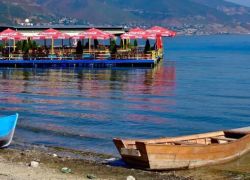
Lake Ohrid, located in the town of Pogradec in Albania, is one of the oldest and most beautiful lakes in Europe. Known for its stunning natural beauty, rich biodiversity, and historical significance, Lake Ohrid attracts visitors from all over the world. The lake spans both Albania and North Macedonia, with the town of Pogradec being one of the most popular spots on its Albanian shores. It is a UNESCO World Heritage site, recognized for its unique ecosystem and cultural heritage. This guide will take you through everything you need to know about Lake Ohrid in Pogradec, including how to reach it, its history, and things to do in the area. How to Reach Lake Ohrid, Pogradec Pogradec, the town located on the shores of Lake Ohrid, is easily accessible by car or bus from several major cities in Albania, including Tirana, the capital. The town is located approximately 140 kilometers southeast of Tirana, making it a popular destination for both local and international tourists. If you are traveling from **Tirana**, the drive takes about 2 to 2.5 hours, depending on traffic. The route follows the SH3 highway, which offers beautiful views of the Albanian countryside. From Tirana to Pogradec: You can take a bus from Tirana to Pogradec, with several buses departing daily from the main bus terminal in Tirana. The journey takes around 2.5 hours. Taxis are also available for more convenient travel, though they can be more expensive. From Ohrid (North Macedonia) to Pogradec: If you're coming from Ohrid in North Macedonia, you can reach Pogradec by crossing the border at the **Border Crossing of Qafa e Thanës**. The drive takes around 1 hour. Public transport options are available, but taxis and private transfers are the easiest way to reach the town from Ohrid. Weather and Best Time to Visit Lake Ohrid Lake Ohrid has a Mediterranean climate with hot, dry summers and mild, wet winters. The area enjoys a pleasant climate throughout the year, but the best time to visit is during the spring (April to June) and autumn (September to October). During these seasons, the weather is mild and ideal for outdoor activities like hiking and boat tours. The summer months (July and August) can be quite hot, with temperatures reaching around 30°C (86°F), but the lake provides a refreshing escape. Winter: Winters are generally mild, with temperatures averaging around 5°C (41°F). While the region is less crowded during this season, it can still be an enjoyable time to visit for those seeking a more peaceful atmosphere. Why Famous for Lake Ohrid, Pogradec, Albania? Lake Ohrid is famous for its immense natural beauty, being one of the oldest and deepest lakes in Europe. It is home to a unique and diverse ecosystem, with numerous endemic species of plants and animals. The lake is also significant for its historical and cultural importance. It has been inhabited since prehistoric times, and ancient cities like **Ohrid** in North Macedonia, and **Pogradec** on the Albanian side, have flourished around it for centuries. One of the most notable features of the lake is its biodiversity. It is home to over 200 species of fish, many of which are endemic, making it an essential location for biologists and nature enthusiasts. The lake’s clear, blue waters and picturesque landscapes make it a popular spot for both relaxation and adventure. As a UNESCO World Heritage site, Lake Ohrid is recognized not only for its natural wonders but also for its rich historical and cultural value. Entry and Visit Details Visiting Lake Ohrid is free, as it is a natural site with public access. While the lake itself is open year-round, the best time to visit is during the spring and summer when the weather is ideal for outdoor activities and boat tours. Attractions around Lake Ohrid: Visitors to Lake Ohrid can enjoy a wide range of activities, including relaxing on the lake’s beaches, hiking in the nearby hills, and exploring the town of Pogradec itself. Additionally, there are various cultural and historical sites around the lake that add to its allure, such as the **St. Naum Monastery**, located at the southern end of the lake, and the **ancient city of Apollonia**, located inland from Pogradec. History and Architecture around Lake Ohrid Lake Ohrid has a long and fascinating history. It is believed to have formed around 3 to 4 million years ago, making it one of the oldest lakes in the world. The lake has been inhabited since prehistoric times, and numerous ancient civilizations have settled around its shores. In fact, it was an important center of culture and learning during the **Byzantine Empire** and **Ottoman Empire** periods. Architecturally, the area around Lake Ohrid is home to many important landmarks. The **St. Naum Monastery**, a key cultural site, dates back to the 9th century and is located on the southern edge of the lake. The monastery is known for its beautiful frescoes and its tranquil setting by the water. Other notable sites include **Pogradec's Old Bazaar**, where visitors can stroll through the narrow streets lined with traditional Albanian shops, and **Drilon Springs**, where fresh water from the lake creates a serene environment perfect for relaxation. Things to Do at Lake Ohrid Boating and Water Sports: Lake Ohrid is a great destination for boating. Visitors can rent boats or take guided tours around the lake, which offers spectacular views of the surrounding hills and ancient cities. Fishing is also popular in the lake. Hiking and Nature Walks: The area around Lake Ohrid is perfect for hiking. Trails wind through forests and along the lake, offering breathtaking views of the water and the surrounding Albanian countryside. Visit St. Naum Monastery: Located on the lake's southern shores, this historical and religious site is a must-visit. The monastery is famous for its peaceful surroundings and stunning frescoes. Swimming: In the summer, the warm and clear waters of Lake Ohrid are perfect for swimming. The lake is surrounded by several beaches where visitors can relax and enjoy the sunshine. Explore Pogradec: The town of Pogradec itself is charming, with a pleasant lakeside promenade and restaurants serving fresh fish and local Albanian cuisine. It’s a great place to wander around and enjoy the atmosphere. Facts and Tips about Lake Ohrid, Pogradec UNESCO World Heritage Site: Lake Ohrid is a UNESCO World Heritage site due to its unique ecosystem and cultural significance. It’s one of the few places in the world that has remained ecologically intact for millions of years. Endemic Species: The lake is home to over 200 species of fish, many of which are found nowhere else in the world. It’s a haven for biologists and environmentalists. Bring Comfortable Shoes: If you plan to hike around the lake or explore the nearby hills, make sure to bring comfortable shoes for walking. Pack Swimwear: Lake Ohrid is perfect for swimming, so don’t forget your swimwear if visiting during the summer months. Local Cuisine: Pogradec is known for its fresh fish dishes, particularly **trout** from the lake. Make sure to try the local delicacies when visiting the town. Conclusion Lake Ohrid in Pogradec, Albania, is a stunning destination that offers visitors a unique blend of natural beauty, rich history, and outdoor adventure. Whether you’re interested in exploring ancient monasteries, hiking through the beautiful countryside, or simply relaxing by the water, Lake Ohrid has something for everyone. The lake’s clear waters, peaceful surroundings, and historical landmarks make it one of the most picturesque places in Albania, and a must-see for anyone visiting the region.
Explore More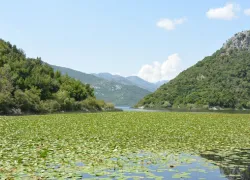
Lake Shkodra, one of the largest lakes in the Balkans, is a picturesque and serene destination located in northern Albania, near the city of Shkoder. This beautiful freshwater lake is shared by Albania and Montenegro, with approximately two-thirds of it lying within Albanian territory. Known for its stunning landscapes, rich biodiversity, and historical significance, Lake Shkodra is a popular spot for both nature lovers and tourists seeking a peaceful retreat. How to Reach Lake Shkodra Lake Shkodra is easily accessible from the city of Shkoder, which is the closest urban center to the lake. The lake is located just a few kilometers from the city center, and visitors can reach it by car, taxi, or bus. The lake can also be accessed via a short drive or bike ride from Shkoder, which makes it a convenient day trip for those staying in the city. If you are coming from other parts of Albania or even Montenegro, you can take a bus to Shkoder and then use local transportation to reach the lake. For those arriving by car, the journey to Lake Shkodra is well-signposted and offers scenic views of the surrounding countryside. Weather The climate around Lake Shkodra is Mediterranean, with hot, dry summers and mild, wet winters. The best time to visit Lake Shkodra is in the spring (April to June) and fall (September to October) when the weather is mild and pleasant. Summer months (July and August) can be hot, with temperatures sometimes exceeding 30°C (86°F), making it perfect for swimming or enjoying the lake's cooling breeze. Winters are relatively mild, although it can get chilly during December and January. Timing Lake Shkodra is accessible throughout the year, and its tranquil beauty makes it a great spot for visitors at any time. However, the best months to visit are from May to October when the weather is warmer and activities such as boating, swimming, and fishing are at their peak. While the lake is open year-round, the winter months are quieter, and many of the lakeside hotels or cafes might have reduced hours. Why Famous for Lake Shkodra, Shkoder, Albania? Lake Shkodra is famous for its natural beauty, rich biodiversity, and historical significance. The lake is not only one of the largest in the Balkans but also one of the oldest. It is a haven for a variety of wildlife, particularly birds, making it a popular destination for birdwatching enthusiasts. The surrounding landscape, with its lush green hills and mountainous backdrop, adds to the lake’s allure. In addition to its natural beauty, Lake Shkodra holds cultural and historical importance. The lake has been a part of the region's history for centuries, and it has witnessed many civilizations, including the Romans and Ottomans. Today, the lake remains an essential part of local life, with fishing and agriculture playing significant roles in the economy. Entry and Visit Details about Lake Shkodra, Shkoder, Albania Unlike many tourist attractions, Lake Shkodra does not have an entrance fee, making it an accessible destination for travelers on a budget. Visitors can enjoy the lake’s beauty by walking along the shores, taking boat tours, or simply relaxing by the water. The nearby villages and lakeside areas offer a peaceful setting for picnics, photography, and nature walks. For those interested in a more structured visit, there are several tour operators offering boat tours, fishing trips, and even guided birdwatching tours. The local area also has a number of guesthouses and hotels, especially around the village of Shkodra, where you can stay overnight and enjoy the tranquil atmosphere of the lake. History and Architecture Lake Shkodra has a long history, and it is thought to have been formed during the Pleistocene era, millions of years ago. The lake has been an important geographical feature in the region for centuries. Its shores have been inhabited since ancient times, with evidence of early settlements found in the surrounding areas. The lake is home to several historical sites, including the remains of ancient Roman fortifications and the castle of Rozafa, which overlooks the lake. These sites offer visitors a glimpse into the rich history of the area and the strategic importance of Lake Shkodra in the past. The architecture around the lake is also influenced by various cultures, including Roman, Byzantine, and Ottoman, with many charming old villages scattered around the shore. Things to Do Boat Tours: Take a boat ride on the lake to explore its beauty from a different perspective. Many local operators offer tours, some of which include stops at small islands or historical sites around the lake. Birdwatching: Lake Shkodra is a haven for birdwatchers, especially during the migration seasons. The lake is home to a variety of bird species, including herons, swans, and migratory birds. Fishing: The lake is rich in fish, and local fishermen offer boat rentals for those looking to try their hand at fishing. Hiking: The hills and mountains around Lake Shkodra provide excellent hiking opportunities with stunning views of the lake and surrounding landscape. Swimming: During the summer, the lake's clear waters are perfect for swimming and relaxing by the shore. Photography: The natural beauty of the lake, along with its historical sites, makes it a fantastic place for photographers looking to capture Albania’s scenic landscapes. Facts and Tips about Lake Shkodra, Shkoder, Albania Lake Shkodra spans an area of about 370 square kilometers, making it one of the largest lakes in the Balkans. The lake is shared by Albania and Montenegro, with the majority of the lake lying in Albanian territory. It is a prime location for birdwatching, with more than 270 species of birds recorded around the lake. The lake's waters are rich in fish, including trout, carp, and eel, making it a popular spot for fishing. Wear comfortable shoes for walking or hiking around the lake, as the terrain can be uneven in some areas. For the best experience, visit the lake in the early morning or late afternoon when the light is perfect for photography. If you are interested in exploring the surrounding villages, consider hiring a local guide to get the most out of your visit. In conclusion, Lake Shkodra is a destination that offers a perfect blend of natural beauty, rich history, and cultural significance. Whether you are interested in outdoor activities, wildlife, or simply enjoying the tranquil setting, Lake Shkodra is an ideal place to relax and immerse yourself in the beauty of Albania’s northern landscape.
Explore More
Lake Prespa is one of the most beautiful and peaceful natural attractions near Korca, in southeastern Albania. Nestled at a high altitude and surrounded by mountains, Lake Prespa is shared by three countries: Albania, North Macedonia, and Greece. The Albanian part of the lake lies close to Korca and is known for its untouched nature, quiet villages, and rich biodiversity. Far less crowded than other European lakes, Lake Prespa offers visitors a calm and authentic experience away from mass tourism. With its clear waters, scenic landscapes, and traditional rural life, Lake Prespa is an ideal destination for nature lovers, photographers, and travelers seeking relaxation. The lake is also an important ecological area, making it valuable not only for tourism but also for environmental conservation. Why Lake Prespa Is Famous Lake Prespa is famous for its natural beauty, peaceful environment, and unique ecological importance. It is one of the highest tectonic lakes in the Balkans and is known for its clean waters and surrounding mountain scenery. The lake is particularly famous for its birdlife, including rare species such as pelicans, herons, and various migratory birds. Another reason Lake Prespa is well known is its traditional lakeside villages, where visitors can experience authentic Albanian rural culture. The calm atmosphere, combined with stunning sunsets and unspoiled landscapes, makes Lake Prespa a hidden gem in the Korca region. History of Lake Prespa The history of Lake Prespa goes back thousands of years. Archaeological evidence suggests that the area around the lake has been inhabited since ancient times. Due to its strategic location and fertile surroundings, the lake region attracted various civilizations, including ancient Illyrians and later medieval communities. Throughout history, Lake Prespa served as a source of water, food, and transportation for local populations. During medieval times, the region held religious and cultural importance, with churches and settlements developing around the lake. Today, the lake remains an important symbol of shared natural heritage among the three neighboring countries. Natural Landscape and Environment Unlike architectural landmarks, Lake Prespa’s main attraction lies in its natural design. The lake is surrounded by mountains, green hills, and agricultural land, creating a diverse and picturesque landscape. Reeds and wetlands along the shoreline provide habitats for birds and aquatic life. Seasonal changes add to the lake’s charm. In spring and summer, the area is lush and green, while autumn brings warm colors to the surrounding hills. Winter often transforms the region into a quiet and peaceful landscape, sometimes with snow-covered mountains in the background. How to Reach Lake Prespa Lake Prespa is located about 50 kilometers from Korca and can be reached by car, taxi, or local transport. The road from Korca to Prespa passes through scenic countryside and small villages, making the journey enjoyable. Visitors traveling from other parts of Albania can first reach Korca by bus or car from Tirana or other major cities. From Korca, it usually takes around one to one and a half hours to reach the Albanian side of Lake Prespa. Private transport is recommended for flexibility, as public transport options may be limited. Weather and Best Time to Visit Lake Prespa Lake Prespa has a continental mountain climate. Summers are generally mild and pleasant, with cooler temperatures compared to lowland areas. Winters can be cold, with occasional snowfall, especially in the surrounding mountains. The best time to visit Lake Prespa is from May to September. During these months, the weather is comfortable for outdoor activities such as walking, cycling, and photography. Spring is ideal for birdwatching, while summer offers perfect conditions for relaxation by the lake. Autumn is also beautiful, with fewer visitors and colorful scenery. Timing and Entry Details Lake Prespa is a natural destination and is accessible at any time of the day. There are no official opening or closing hours, and visitors are free to explore the lakeside areas throughout the year. There is no entry fee to visit Lake Prespa. However, certain activities such as guided tours, boat rides, or local accommodations may involve costs. Visitors are encouraged to respect the natural environment and local communities during their visit. Things to Do at Lake Prespa One of the most popular activities at Lake Prespa is nature walking and hiking along the lakeshore. The quiet paths and scenic views make it perfect for relaxation and photography. Birdwatching is another major attraction, as the lake is home to many rare and protected bird species. Visitors can also explore nearby villages, where traditional houses, local cuisine, and friendly hospitality offer an authentic cultural experience. Cycling, picnicking, and enjoying sunset views by the lake are other enjoyable activities. Some areas also allow fishing, following local regulations. Interesting Facts About Lake Prespa Lake Prespa is actually part of a system of two lakes: Big Prespa and Small Prespa. The Albanian side mainly borders Big Prespa. Interestingly, the lake is hydrologically connected to Lake Ohrid through underground channels, making it important for regional water balance. The lake is protected under international environmental agreements due to its ecological significance. It is considered one of the most important wetland areas in the Balkans and plays a vital role in biodiversity conservation. Tips for Visiting Lake Prespa Visitors should bring comfortable walking shoes, especially if planning to explore the shoreline or nearby trails. Carrying water, sunscreen, and light snacks is recommended, as facilities may be limited in some areas. Respect nature by not littering and avoiding disturbance to wildlife, especially birds. Visiting during daylight hours is ideal for safety and better views. Combining your visit to Lake Prespa with a trip to Korca or nearby cultural sites can make your journey more rewarding. Conclusion Lake Prespa, near Korca, Albania, is a peaceful and scenic destination that offers a perfect blend of natural beauty, history, and cultural charm. With its calm waters, rich biodiversity, and authentic rural surroundings, the lake provides a refreshing escape for travelers seeking tranquility. Whether you visit for nature exploration, photography, or simple relaxation, Lake Prespa promises a memorable and enriching experience in southeastern Albania.
Explore More
Lake Kukës is a picturesque artificial lake located near the town of Kukës, in the northern part of Albania. Surrounded by stunning mountain landscapes, the lake offers a serene atmosphere that draws visitors seeking natural beauty, outdoor activities, and peaceful reflection. The lake was created in the late 20th century with the construction of the Kukës Hydroelectric Power Plant, and it now serves as an important water reservoir. Today, Lake Kukës has become a popular destination for both nature lovers and those interested in exploring the history and culture of the region. How to Reach Lake Kukës Lake Kukës is located near the town of Kukës, which lies in the northernmost part of Albania, near the border with Kosovo and Montenegro. The easiest way to reach the lake is by car. From the capital city of Tirana, it takes approximately 3 to 4 hours (around 180 km) to drive to Kukës. Visitors traveling from Kosovo or Montenegro can also easily access the lake, as Kukës is conveniently situated near the international borders. If you're traveling by public transport, there are buses and minibuses that connect Tirana to Kukës, with regular departures from the main bus station in Tirana. Once you arrive in the town of Kukës, you can take a short taxi ride or drive to the lake, which is located just outside the town. The lake is well-signposted, and local guides or taxi drivers can easily direct you to the best viewing points. Weather in Kukës The weather around Lake Kukës is Mediterranean, characterized by hot, dry summers and cool, wet winters. The best time to visit Lake Kukës is during the spring (April to June) and fall (September to November), when the temperatures are moderate, and the surrounding landscapes are lush and green. Summer temperatures can reach highs of 30°C to 35°C (86°F to 95°F), while winters can be cold, with temperatures ranging from 0°C to 10°C (32°F to 50°F). During the winter months, the area may experience occasional snowfall, especially in the surrounding mountain regions. Visiting in the spring or fall will allow you to enjoy pleasant temperatures while avoiding the peak tourist season. However, if you enjoy winter landscapes, the snow-capped mountains around the lake can create a magical atmosphere, perfect for photography or hiking. Timing of the Visit Lake Kukës is open to visitors year-round, but the timing of your visit depends on the activities you'd like to do. During the warmer months, the lake is ideal for boating, fishing, and hiking, while the cooler months offer a chance to enjoy the tranquility of the lake and the snow-covered surroundings. The best time to visit is between April and October, with the peak tourist season occurring in the summer. If you prefer to avoid crowds, visiting in the shoulder months of spring or fall is highly recommended. Why Is Lake Kukës Famous? Lake Kukës is famous for its natural beauty and its role in Albania's energy infrastructure. The lake was formed by the construction of the Kukës Hydroelectric Power Plant, which began in the 1970s and was completed in the 1980s. The lake serves as a reservoir for the power plant, which generates electricity for the region. Despite being an artificial lake, it has become a popular destination for nature lovers due to its scenic views, surrounding mountains, and serene atmosphere. Besides its technical importance, Lake Kukës is also known for its role in the local community and its contribution to the region’s development. The surrounding area is rich in flora and fauna, and the lake itself is a perfect spot for those looking for peace and natural beauty. The town of Kukës, with its mix of modern and traditional elements, adds another layer of interest for those who wish to explore the local culture and history. Entry and Visit Details Access to Lake Kukës is free of charge, as it is a natural public area. Visitors can explore the lake's shoreline, enjoy the views, and engage in various outdoor activities such as hiking, bird watching, and photography. There are no formal entry gates or visitor centers around the lake, but the surrounding area is well-maintained and accessible. If you want to enjoy a boat ride on the lake or go fishing, there are local services available for rentals. It’s a good idea to inquire locally or through your accommodation in Kukës for boat rental options, as well as fishing permits. The best time to visit for these activities is during the warmer months, from late spring to early autumn. However, be prepared to bring your own equipment if you plan on engaging in fishing, as rentals may be limited. History and Architecture of Lake Kukës Lake Kukës has an interesting history, as it was artificially created in the 1970s as part of the construction of the Kukës Hydroelectric Power Plant. The purpose of the lake was to serve as a reservoir for the plant, which provides electricity to the region. The project led to the flooding of the valley below, which submerged several villages that had existed in the area for centuries. The creation of the lake and the hydroelectric plant significantly altered the landscape of the region but also provided economic benefits by boosting energy production in the country. While the lake itself is not an ancient historical site, it holds great significance in terms of Albania's modernization during the communist era. The construction of the power plant and the artificial lake was part of the country’s industrialization efforts, which also included the building of roads, infrastructure, and new towns. Things to Do at Lake Kukës Visiting Lake Kukës offers several activities that allow you to enjoy the natural surroundings and engage in outdoor adventures. Some of the top things to do include: Boating: The lake is perfect for boating, and there are rental services available during the warmer months. You can explore the calm waters and enjoy panoramic views of the surrounding mountains. Fishing: Lake Kukës is home to several species of fish, making it an ideal location for fishing enthusiasts. You can try your luck from the shore or rent a boat for a more immersive experience. Hiking: The surrounding mountains offer excellent hiking opportunities, with trails that provide stunning views of the lake and the surrounding landscapes. Photography: The scenic beauty of the lake and the surrounding area makes it a great place for photographers to capture the natural beauty of Albania’s north. Picnicking: There are several peaceful spots along the shore of the lake where you can set up a picnic and enjoy the tranquility of the area. Interesting Facts about Lake Kukës The lake was created by the construction of the Kukës Hydroelectric Power Plant, which began in the 1970s and was completed in the 1980s. The flooding of the valley to create the lake resulted in the submersion of several villages that had existed for centuries. The lake serves as an important water reservoir for the hydroelectric plant, which generates electricity for the region. The surrounding area is rich in natural beauty, with forests, mountains, and diverse wildlife that attract nature lovers and outdoor enthusiasts. Despite being an artificial lake, Lake Kukës has become a popular destination for tourists seeking peace, outdoor activities, and scenic views. Tips for Visiting Lake Kukës Bring comfortable shoes, as you may want to explore the surrounding mountains and walk along the shoreline. If you plan on fishing, bring your own gear, or check with local rental services for equipment. During summer, it’s recommended to wear sunscreen and bring plenty of water, as the temperatures can rise quite high. Visit the lake in the early morning or late afternoon to enjoy the peaceful atmosphere and avoid the midday heat. If you’re planning to go boating, inquire about rental options in advance to ensure availability during peak tourist season.
Explore More