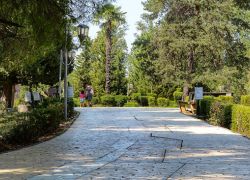
Grand Park of Tirana, also known as Parku i Madh, is one of the largest and most beautiful green spaces in Albania's capital. This lush urban park, which stretches over 230 hectares, is a popular destination for both locals and tourists. It offers a peaceful retreat from the bustling city life, providing a perfect escape for nature lovers, families, joggers, and those simply looking to enjoy a leisurely day in the outdoors. With its well-maintained walking paths, serene lake, and rich history, the Grand Park is a must-visit for anyone exploring Tirana. How to Reach Grand Park, Tirana, Albania Grand Park is conveniently located in the southern part of Tirana, and it is easy to reach from various parts of the city. If you are staying in the city center, the park is approximately a 20-minute walk from Skanderbeg Square, the main hub of Tirana. From Skanderbeg Square, you can head south along Rruga e Dajti, and you will eventually find yourself at the entrance to the park. For those who prefer public transportation, there are several bus lines that pass by or near the park, making it easy to reach. Taxis are also widely available throughout the city, and a taxi ride to the park from the city center is relatively inexpensive. Additionally, there are bike rental stations around the city, and since the park features several bike-friendly paths, cycling can be a pleasant way to reach and explore the park. Weather in Tirana Tirana experiences a Mediterranean climate with hot, dry summers and mild, wet winters. The best times to visit Grand Park are during the spring (April to June) and fall (September to November), when the weather is pleasant and mild, making outdoor activities particularly enjoyable. During the summer months (June to August), temperatures can reach up to 30°C (86°F), so visitors should plan to visit early in the morning or later in the evening to avoid the intense midday heat. In winter (December to February), Tirana experiences mild temperatures, usually between 5°C and 10°C (41°F and 50°F), although it can occasionally dip lower. The park's trees and foliage still offer a beautiful environment, even in the colder months. However, it's recommended to check the weather forecast before visiting during winter, as rain is more frequent during this season. Why is Grand Park Famous? Grand Park is famous for being a major recreational area in Tirana, offering a peaceful escape from the hectic urban environment. It is especially renowned for its large artificial lake, which is one of the park’s most prominent features. The lake, with its surrounding walking paths and picturesque views, serves as a relaxing spot for visitors to take in nature, go boating, or simply unwind. The park is also home to the President’s Palace and the impressive Tirana Zoo, which is located at the southeastern end of the park. Moreover, the park’s spacious grounds are ideal for activities such as jogging, cycling, or picnicking. It is also a popular place for families and children due to its playgrounds, open-air cafes, and grassy areas. During spring and summer, the park is particularly vibrant, with a wide variety of plants and flowers in full bloom, attracting both nature enthusiasts and photographers. Entry and Visit Details about Grand Park, Tirana, Albania Visiting Grand Park is free of charge, and the park is open to the public year-round. There are no specific opening or closing hours, as it is an open-air park, so visitors can explore it at their leisure. However, it's worth noting that certain amenities, such as cafes and the zoo, may have set operating hours. While there is no formal entry fee for the park itself, certain activities, such as renting a boat on the lake or entering the zoo, may require a small fee. The park is well-maintained, with clearly marked paths and green spaces, making it a safe and enjoyable environment for visitors. There are also several benches and shaded areas for rest, as well as clean restrooms located near popular spots within the park. History and Architecture of Grand Park The Grand Park of Tirana was officially established during the 1950s, although the land on which it sits has been used for recreational purposes for much longer. Initially, the park was part of a larger plan to develop a green space for the people of Tirana, offering a contrast to the growing urbanization of the city. The artificial lake was created as a central feature, and over time, the park grew to encompass lush gardens, wooded areas, and walking paths. Architecturally, the park features a combination of natural beauty and human-made structures. The most notable of these is the large artificial lake, which is surrounded by benches, paths, and vegetation. The park also houses the Presidential Palace, a significant structure that reflects Albania's political history. The zoo, which was built more recently, adds an educational component to the park, making it a destination for families and animal lovers. Things to Do at Grand Park Grand Park offers a variety of activities that appeal to visitors of all ages. Some of the best things to do in the park include: Stroll Around the Lake: The artificial lake is the heart of Grand Park, and it’s perfect for a leisurely walk, boat ride, or a relaxing time by the water. There are pedal boats available for rent, allowing visitors to enjoy the lake from a different perspective. Jog or Cycle: The park is a popular spot for jogging and cycling. There are designated paths for both activities, making it a great place to stay active and enjoy nature at the same time. Visit the Zoo: Located on the southeastern side of the park, the Tirana Zoo is home to a range of animals, including deer, wild boar, birds, and more. It’s a fun and educational experience for families and children. Picnic in the Park: There are numerous grassy areas and shaded spots in the park, making it ideal for picnics. You can bring your own food or grab a snack from one of the park’s cafes. Relax at the Cafes: The park has a number of outdoor cafes where you can relax with a coffee or enjoy a light meal while soaking in the beautiful surroundings. Photography and Birdwatching: With its diverse plant life and the lake attracting various species of birds, the park is an excellent place for photography and birdwatching, particularly in spring and fall when migration seasons are in full swing. Interesting Facts about Grand Park The artificial lake in Grand Park was created in the 1950s as a way to improve the park's aesthetic value and serve as a recreational space for locals. The park is home to a wide variety of flora and fauna, including both native and non-native plant species, making it an important ecological area within Tirana. The Tirana Zoo, located within the park, is one of the oldest in Albania, providing a unique opportunity for visitors to observe local and exotic wildlife. The park was originally a swampy area before it was transformed into the beautiful green space it is today. The park serves as a popular location for events, concerts, and cultural gatherings, particularly during the summer months. Tips for Visiting Grand Park Wear Comfortable Shoes: Grand Park is large and offers many walking paths, so it’s a good idea to wear comfortable shoes if you plan to explore the park extensively. Bring Sunscreen: The park can get quite sunny during the summer months, especially around the lake, so be sure to bring sunscreen, a hat, and water to stay cool and protected. Visit in the Morning or Evening: To avoid the crowds and enjoy the cooler temperatures, it’s best to visit Grand Park in the morning or late afternoon. Bring Snacks and Water: While there are cafes in the park, it’s always a good idea to bring your own snacks and water if you plan to spend a long time in the park. Respect Nature: Grand Park is a beautiful natural area, so be sure to respect the environment by disposing of trash properly and being mindful of wildlife.
Explore More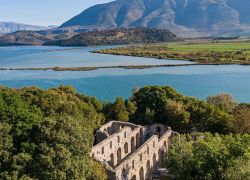
Butrint Archaeological Park, located near the town of Sarande in southern Albania, is one of the country’s most important and well-preserved archaeological sites. A UNESCO World Heritage site since 1992, Butrint offers an exceptional glimpse into the ancient civilizations that once thrived in this region. The site spans more than 2,500 years of history, with ruins from the Greek, Roman, Byzantine, and Ottoman periods, making it a must-visit destination for history enthusiasts and travelers alike. The park is set in a lush, verdant landscape, surrounded by dense forests and the shimmering waters of the Ionian Sea. Butrint’s stunning natural beauty is complemented by its rich archaeological heritage, making it one of the most significant cultural sites in Albania and the Balkans. Visitors to Butrint can explore its ancient ruins, including temples, baths, theaters, and city walls, all of which offer a fascinating journey through the past. How to Reach Butrint Archaeological Park Butrint Archaeological Park is located approximately 18 kilometers (11 miles) south of Sarande, a coastal city that serves as a gateway for visitors to the park. The site is easily accessible by car, taxi, or organized tours, with a direct road leading from Sarande to Butrint. The drive takes around 30 minutes, and visitors can enjoy scenic views of the Albanian countryside along the way. If you are staying in Sarande, you can take a local bus or taxi to the park. Alternatively, boat trips from the town to the park are available during the warmer months, offering a picturesque approach to the archaeological site from the water. If you are visiting from other parts of Albania, such as Tirana or Vlore, you can reach Sarande by bus or car, and from there, continue your journey to Butrint. Weather The climate in Sarande and Butrint is Mediterranean, characterized by hot, dry summers and mild, wet winters. The best time to visit Butrint Archaeological Park is during the spring (April to June) and fall (September to October), when the temperatures are mild and comfortable for outdoor exploration. During the summer months (July and August), temperatures can soar above 30°C (86°F), so visitors should be prepared for the heat, especially when exploring the ruins in direct sunlight. Winter in the region is relatively mild, with occasional rainfall, but it is still a good time for visiting the site if you prefer fewer crowds. Regardless of the season, it's recommended to wear comfortable shoes and bring water, especially during the warmer months, as the park's layout involves some walking and climbing. Timing Butrint Archaeological Park is generally open daily, with visiting hours from 8:00 AM to 6:00 PM during the peak season (April to October) and reduced hours during the off-season (November to March). The park is closed on some national holidays, so it is recommended to check the official website or contact the park for up-to-date information on opening hours before your visit. The best time to visit Butrint is in the early morning or late afternoon to avoid the midday heat and crowds. If you want to capture the most stunning photos of the ruins and surrounding landscapes, the early morning light is especially beautiful, casting long shadows and highlighting the details of the ancient structures. Why Famous for Butrint Archaeological Park, Sarande, Albania? Butrint Archaeological Park is famous for its extensive collection of ruins that span multiple civilizations, providing insight into the region’s complex history. The site was first established as a Greek colony in the 6th century BC and later expanded under Roman and Byzantine rule, making it a melting pot of different cultures. Butrint is also one of the best-preserved ancient cities in the Mediterranean, showcasing an impressive range of architectural styles and urban planning techniques. What sets Butrint apart is the variety of ancient structures that can be seen throughout the site. Highlights include the well-preserved Roman theater, the Baptistery with its stunning mosaics, the ancient city walls, and the grand temple dedicated to Asclepius, the Greek god of healing. The ruins are set against a stunning backdrop of lush greenery and clear blue waters, making Butrint not only a historical treasure but also a breathtaking natural wonder. Entry and Visit Details about Butrint Archaeological Park, Sarande, Albania The entrance fee for Butrint Archaeological Park is generally around 700 Albanian lek (approximately 6 Euros) for adults, with discounted rates available for students, children, and senior citizens. Tickets can be purchased at the entrance to the park, and guided tours are available for an additional fee. Guided tours are highly recommended for visitors who want to learn about the history and significance of the ruins in detail. The park is well-maintained, with clear signage in both Albanian and English, making it easy for visitors to navigate. It is advised to allocate at least 2-3 hours for a leisurely visit, though those with a deep interest in archaeology and history may wish to spend longer exploring the various ruins and learning about their significance. Visitors can also bring their own food and drinks, as there are no food stalls within the park, though there are several cafes and restaurants near the entrance where you can enjoy a meal before or after your visit. History and Architecture Butrint’s history dates back to the Greek period, when it was founded in the 6th century BC as a colony of the Greek city of Corcyra (modern-day Corfu). The city grew in importance over the centuries and became a major center of trade and culture in the Mediterranean world. In the 3rd century BC, Butrint was incorporated into the Roman Empire, and the ruins from this period include impressive public buildings, temples, and baths. Under Roman rule, Butrint flourished as an important administrative and military center. In the Byzantine period, Butrint continued to be a significant city, with the construction of Christian churches and the famous Baptistery with its intricate mosaics. The city’s importance declined during the Ottoman period, and by the 18th century, it had fallen into ruin. Today, the archaeological site offers a window into the ancient civilizations that once called Butrint home, and its varied architecture reflects the cultural influences of the Greeks, Romans, and Byzantines. Things to Do Explore the Ancient Ruins: The main attraction at Butrint is its extensive collection of ruins, including the well-preserved Roman theater, the Byzantine Baptistery, the Temple of Asclepius, and the ancient city walls. Take your time to wander through these historical structures and imagine life in this once-thriving city. Visit the Butrint Museum: Located at the entrance to the park, the Butrint Museum showcases many artifacts uncovered during excavations at the site. The museum provides a deeper understanding of Butrint’s history and the people who lived there. Enjoy the Natural Beauty: Butrint is set in a stunning landscape of lush forests, lakes, and wetlands. Take a walk around the park’s scenic trails, where you can spot wildlife and enjoy views of the surrounding nature. Photography: With its combination of ancient ruins and stunning natural beauty, Butrint is a photographer’s paradise. Don’t forget to capture the striking views and architectural details during your visit. Relax by Lake Butrint: After exploring the ruins, take some time to relax by Lake Butrint, where you can enjoy a peaceful moment by the water, take a boat ride, or observe the local birdlife. Facts and Tips about Butrint Archaeological Park, Sarande, Albania Butrint Archaeological Park is a UNESCO World Heritage site, recognized for its historical significance and well-preserved ruins. Visitors can purchase tickets at the entrance, and guided tours are available in multiple languages, including English and Albanian. The best time to visit is during the spring and fall, when the weather is mild and the crowds are smaller. Bring comfortable shoes for walking, as the site covers a large area with uneven terrain. Make sure to bring water and sun protection, especially during the summer months when it can get quite hot. There are several nearby hotels and restaurants in Sarande, making it easy to combine a visit to Butrint with a stay in the coastal town. Photography is allowed, but be mindful of the preservation of the ruins and avoid climbing on the structures. In conclusion, Butrint Archaeological Park is one of Albania’s most treasured sites, offering a rich historical experience set in a beautiful natural landscape. Whether you’re a history lover, nature enthusiast, or photography buff, Butrint provides a memorable experience that combines the best of ancient history and stunning surroundings. A visit to Butrint is an opportunity to walk in the footsteps
Explore More
The Elbasan City Park, located in the heart of Elbasan, Albania, is one of the most beloved recreational spots in the city. Offering both natural beauty and a tranquil escape from urban life, the park is a popular destination for both locals and tourists. Whether you're looking for a peaceful walk, a spot for a family picnic, or a place to relax and enjoy nature, the Elbasan City Park has something to offer. History and Architecture of The Elbasan City Park The Elbasan City Park is not just a modern creation; it has a rich history that ties closely to the development of the city itself. Elbasan, historically an important urban center in Albania, was once a strategic location for both trade and defense. The park was established as a public space to give locals and visitors a place to unwind amidst nature, but it has also been a site for several historical events throughout the years. Architecturally, the park features a variety of landscape designs, from tree-lined pathways to open green spaces and water features. The park's layout is designed to offer both wide-open areas for gatherings and more intimate spaces for quiet reflection. The park's strategic placement near the center of Elbasan further emphasizes its importance as a social and cultural hub. How to Reach The Elbasan City Park Elbasan is easily accessible by car or public transport from Tirana, the capital of Albania. The park is centrally located within the city, making it a convenient destination for both locals and tourists. To reach Elbasan from Tirana, you can take the SH2 highway, which connects the two cities. The drive typically takes around 1.5 to 2 hours, depending on traffic conditions. Once in Elbasan, the City Park is easily accessible by foot from most parts of the city center. It’s also well-served by local buses, and there are plenty of taxis available for a direct ride to the park. The central location makes the park an easy stop for those exploring Elbasan’s historic sites and other attractions. Weather in Elbasan The climate in Elbasan is Mediterranean, with hot, dry summers and mild, rainy winters. Summer temperatures can reach highs of 30-35°C (86-95°F), making it a popular time for outdoor activities in the park. The cooler months of autumn and spring bring mild temperatures, typically ranging from 15-20°C (59-68°F), ideal for walking and picnicking in the park. Winter temperatures can drop to around 5-12°C (41-54°F), but the park remains a pleasant place to visit even during the cooler months due to its peaceful atmosphere. Timing and Opening Hours The Elbasan City Park is open year-round and is accessible to the public at all hours. However, the best time to visit is during daylight hours when you can fully appreciate the beauty of the park and its surroundings. The park is a popular spot for morning jogs, afternoon strolls, and evening relaxation. While there are no official opening hours for the park, it’s recommended to visit during the daytime for a more enjoyable experience. Why is The Elbasan City Park Famous? The Elbasan City Park is famous for being a peaceful retreat in the middle of a busy city. It is a beloved spot for locals who visit regularly to relax, walk their dogs, or meet friends and family. The park's extensive green spaces and variety of trees make it a natural sanctuary, especially for those looking to escape the hustle and bustle of Elbasan's city center. In addition to its natural beauty, the park is also famous for its role in the community. It is a place where people gather for various social events, cultural activities, and celebrations. The park is often used for public festivals, open-air performances, and other cultural events, contributing to its status as a social hub in Elbasan. Entry and Visit Details Visiting the Elbasan City Park is completely free of charge. There are no entry fees or special tickets required to enjoy the park, making it an affordable destination for anyone. The park is maintained by the local municipality, which ensures that the grounds are kept clean and well-kept for visitors. During your visit, you’ll find benches, walking paths, and green areas for resting and enjoying the surroundings. Things to Do at The Elbasan City Park There are plenty of activities you can enjoy at the Elbasan City Park: Walking and Jogging: The park is perfect for a morning jog or a relaxing walk along its many pathways. The fresh air and serene atmosphere make it ideal for outdoor exercise. Picnicking: With ample open spaces and shaded areas, the park is a great spot for a picnic with family or friends. You can bring your own food and enjoy a leisurely meal amidst nature. Photography: The park offers beautiful landscapes and photo opportunities, especially during sunset when the colors of the sky reflect off the water features. Children's Play Area: The park has a dedicated play area for children, making it a family-friendly location. Children can enjoy swings, slides, and other fun activities. Relaxing and Reading: For those seeking peace and quiet, the park has plenty of spots to sit back, relax, and read a book or simply enjoy the surroundings. Interesting Facts about The Elbasan City Park The park is one of the largest green spaces in Elbasan and is a popular place for both residents and tourists alike. It is home to a variety of tree species, including pines, oaks, and willows, making it a great spot for nature lovers. The park features several small ponds and water features, which add to its serene ambiance and attract birds and other wildlife. During the warmer months, the park hosts various cultural events, including outdoor concerts and performances by local artists. Elbasan City Park has become a symbol of the city's growth, blending nature with urban life in a way that promotes sustainability and well-being. Tips for Visiting The Elbasan City Park Bring sunscreen and a hat during the summer months, as the sun can be intense, especially in the afternoon. Carry a bottle of water to stay hydrated while walking or enjoying the park’s activities. If you're planning to picnic, be sure to bring a blanket and some snacks to enjoy the park’s relaxing atmosphere. Keep an eye on the weather forecast, especially during the winter months when rain is more frequent. Consider visiting the park early in the morning or late in the afternoon to avoid the crowds and enjoy a more peaceful experience. Conclusion The Elbasan City Park is an essential part of Elbasan, offering both locals and visitors a peaceful haven in the midst of a bustling city. Whether you're looking to relax, enjoy outdoor activities, or simply connect with nature, this park has something for everyone. With its history, architecture, and cultural significance, the Elbasan City Park continues to be a central spot for relaxation and recreation, making it a must-visit destination for anyone exploring the city of Elbasan.
Explore More
Korça's City Park is one of the most loved public spaces in Korca, Albania, offering a peaceful green retreat in the middle of the city. Known locally as a place for relaxation, social gatherings, and daily walks, the park reflects the calm and cultured lifestyle of Korca. With tree-lined paths, open lawns, and well-maintained surroundings, Korça's City Park is a perfect destination for both locals and tourists who want to enjoy nature without leaving the city. Why Korça's City Park Is Famous Korça's City Park is famous for being the main recreational area of the city and a popular meeting point for residents of all ages. It is well known for its clean environment, fresh air, and beautifully landscaped spaces. Families visit the park for leisure time, children enjoy the play areas, and elderly residents often come for quiet walks and conversations. The park is also famous for hosting cultural events, public celebrations, and seasonal activities. During festivals and holidays, the park becomes lively with music, performances, and local gatherings, making it an important social and cultural center in Korca. History of Korça's City Park The history of Korça's City Park dates back to the period when Korca began developing as a modern city. As urban planning expanded, the need for public green spaces became clear, leading to the creation of the city park as a place for relaxation and community interaction. Over the years, the park has undergone several improvements and renovations to meet the needs of the growing population. Despite these changes, it has maintained its original purpose as a peaceful and accessible space for everyone. Today, Korça's City Park stands as a symbol of the city’s commitment to quality of life and environmental care. Architecture and Design of Korça's City Park The architecture of Korça's City Park focuses on natural landscaping rather than buildings. The design includes wide walking paths, shaded areas with mature trees, flower beds, and open green lawns. Benches are placed along the paths, offering comfortable spots to rest and enjoy the surroundings. Decorative elements such as small fountains, sculptures, and lighting fixtures add to the park’s charm, especially in the evening. The layout is simple and welcoming, making it easy for visitors of all ages to move around and enjoy the space. How to Reach Korça's City Park Korça's City Park is centrally located and easily accessible from different parts of the city. Visitors staying in the city center can reach the park on foot within a few minutes. The park is also well connected by local roads, making it easy to reach by taxi or bicycle. For travelers coming from outside Korca, the city is connected by road to major Albanian cities such as Tirana. Once you arrive in Korca, local transport or a short walk will take you directly to the park. Its central location makes it a convenient stop during a city tour. Weather and Best Time to Visit Korça's City Park Korca experiences a continental climate, with cold winters and warm summers. During winter, the park often looks charming under a light layer of snow, although temperatures can be quite low. Summers are pleasant, with warm days and cooler evenings, making the park a popular place to relax. The best time to visit Korça's City Park is during spring and autumn. From April to June and September to October, the weather is mild, and the park is at its most colorful, with blooming flowers and fresh greenery. Early mornings and late afternoons are especially enjoyable. Timing and Entry Details Korça's City Park is open daily and accessible throughout the year. As a public park, there are no strict opening or closing hours, although daylight visits are recommended for comfort and safety. Entry to Korça's City Park is completely free, making it an inclusive space for everyone. Visitors can enter at any time and spend as long as they wish enjoying the peaceful environment. Things to Do at Korça's City Park Walking and jogging are among the most popular activities in the park. The well-maintained paths are ideal for morning exercise or evening strolls. Many visitors also come to read, relax, or simply enjoy the natural surroundings. Families often visit with children, who can enjoy open spaces for play. The park is also a great place for photography, especially during spring and autumn when the scenery is at its best. During special occasions, visitors can enjoy cultural events and public celebrations held in the park. Interesting Facts About Korça's City Park Korça's City Park plays an important role in daily life in the city, serving as a social meeting place for residents. It is often included in city tours as a place to understand the local lifestyle and community culture. The park is also known for its cleanliness and regular maintenance, reflecting the pride locals take in preserving their public spaces. Seasonal decorations and lighting add a festive atmosphere during holidays. Tips for Visiting Korça's City Park Visitors are encouraged to keep the park clean by using trash bins and respecting the environment. Comfortable footwear is recommended if you plan to walk or explore the entire park. If you want a quiet experience, visit early in the morning. For a lively atmosphere, evenings and weekends are ideal. Combine your park visit with nearby cafes or attractions to enjoy a complete Korca city experience. Conclusion Korça's City Park, Korca, Albania, is a refreshing green space that reflects the city’s peaceful character and strong sense of community. With its pleasant design, central location, and welcoming atmosphere, the park offers something for everyone. Whether you are looking for relaxation, light activity, or a glimpse into local life, Korça's City Park is a wonderful place to visit and enjoy during your time in Korca.
Explore More