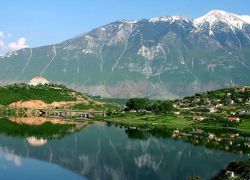
The Albanian Alps, often referred to as the "Accursed Mountains" (Bjeshkët e Nemuna), are one of Albania’s most stunning natural attractions. Located in the northern part of the country, these rugged mountains offer breathtaking views, pristine nature, and a rich cultural heritage. Situated in the Kukës region, the Albanian Alps are an ideal destination for nature lovers, adventurers, and anyone interested in exploring the beautiful, remote wilderness of Albania. This region is renowned for its majestic peaks, deep valleys, crystal-clear rivers, and picturesque villages that have remained untouched by modern development. How to Reach The Albanian Alps To reach the Albanian Alps, the first step is to travel to the town of Kukës, located in the northeastern part of Albania. From Tirana, the capital of Albania, it takes approximately 4 to 5 hours (around 180-200 kilometers) by car or bus to reach Kukës. You can either drive yourself, hire a private car, or take a bus from the Tirana bus terminal. From Kukës, you can reach the heart of the Albanian Alps by taking a local taxi or continuing by car to the mountain villages of Valbona, Theth, or other surrounding areas. These villages serve as the gateway to the Albanian Alps and are popular starting points for hiking and exploring the region. If you're traveling from Kosovo, you can reach the Albanian Alps by crossing the border from Peja or Gjakova and driving toward Kukës. The border crossings are straightforward, and the roads leading to the Alps are well-maintained, though some mountainous roads may require more attention and care, especially during winter months. Weather in the Albanian Alps The weather in the Albanian Alps is influenced by its high altitude, resulting in cool, often chilly temperatures year-round. The climate is generally continental, with hot summers and cold winters. Summer temperatures in the valleys can range from 20°C to 30°C (68°F to 86°F), but the higher altitudes experience cooler temperatures even in the peak of summer. In winter, temperatures in the mountains can drop below freezing, and snowfall is common, especially at higher elevations. This makes the Albanian Alps a popular destination for winter sports, including skiing and snowboarding in places like the Valbona Valley. The best time to visit the Albanian Alps is during the warmer months, from late spring to early autumn (May to September), when hiking trails are accessible and the weather is more favorable for outdoor activities. For those who enjoy winter sports or the beauty of snow-covered landscapes, visiting between December and February offers a unique experience. Timing of the Visit The Albanian Alps are accessible year-round, but the timing of your visit depends on the type of experience you’re looking for. In the summer, you can take advantage of the numerous hiking and trekking routes, enjoy the fresh air, and experience the local culture and traditions of the mountain villages. However, the alpine roads can be tricky during the winter months due to heavy snow, so it's best to check the road conditions before planning a trip in the colder seasons. For winter sports enthusiasts, the months of December to February are the best, as the region receives considerable snowfall, turning the mountains into a winter wonderland. Why Are the Albanian Alps Famous? The Albanian Alps are famous for their dramatic natural beauty, rugged terrain, and rich cultural history. The region is a haven for hikers, nature lovers, and adventure tourists due to its rugged peaks, clear lakes, and remote villages. The mountains are home to some of the most pristine landscapes in Europe, with deep valleys, high waterfalls, and glacial lakes, such as the famous Lake Valbona and Lake Theth. The region is also famous for its distinctive culture and traditions. The mountain villages of the Albanian Alps, like Valbona and Theth, are known for their traditional stone houses, unique customs, and hospitality. The people in these villages have preserved their way of life, often living in isolation from the rest of the country. The hospitality and warmth of the local people, combined with the breathtaking landscapes, make the Albanian Alps a unique destination. Entry and Visit Details about the Albanian Alps Accessing the Albanian Alps does not require any special permits, as they are part of the national landscape. However, the area is mostly rural and mountainous, so travelers should be prepared for limited facilities. In the villages, basic accommodations such as guesthouses, local inns, and small hotels are available, especially in the more popular locations like Theth and Valbona. It is advisable to book accommodations in advance during peak seasons (summer and fall). Since many of the attractions in the Albanian Alps, such as hiking routes and natural landmarks, are in remote areas, you may need to hire a guide or arrange a tour to ensure safety and accessibility. Local guides are available in the villages and can provide you with valuable insight into the history, flora, fauna, and cultural traditions of the region. History and Architecture of the Albanian Alps The Albanian Alps have a long and fascinating history. The region has been inhabited for centuries, with ancient settlements dating back to Illyrian times. The isolated nature of the mountains meant that they were not heavily influenced by foreign invasions, and the culture and traditions of the people in the Albanian Alps have been preserved over generations. The villages, such as Theth and Valbona, feature traditional Albanian architecture, with stone houses, narrow alleys, and old churches that have withstood the test of time. The architecture of the Albanian Alps is characterized by the use of local materials like stone and wood, which blend seamlessly with the natural landscape. The homes in these villages are often built in a traditional style, with thick stone walls to protect from the harsh mountain climate and steep roofs to prevent snow accumulation. Many of the churches in the region are also built from stone and reflect the rich religious history of the area. Things to Do in the Albanian Alps The Albanian Alps offer a wide range of activities for nature lovers and adventurers. Some of the most popular things to do in the region include: Hiking and Trekking: The Albanian Alps are famous for their scenic hiking trails. Some of the most well-known routes include the hike from Theth to Valbona, which takes about 6 to 8 hours and offers stunning views of the surrounding mountains. Wildlife Watching: The region is home to diverse wildlife, including brown bears, wolves, wild boars, and numerous bird species. Birdwatchers and wildlife enthusiasts will find the Albanian Alps to be a paradise. Photography: The breathtaking landscapes of the Albanian Alps are perfect for photography, with dramatic mountain peaks, alpine lakes, waterfalls, and traditional stone villages. Visit the Theth Waterfall: Located near the village of Theth, this waterfall is one of the most stunning natural attractions in the Albanian Alps. Explore the Kulla (Tower) of Theth: The Kulla is a traditional fortified tower in Theth, where families would take refuge during times of conflict. It is a great place to learn about the region's history and culture. Interesting Facts about the Albanian Alps The Albanian Alps are sometimes referred to as the “Accursed Mountains” because of their rugged and often inaccessible terrain. These mountains are part of the larger Dinaric Alps, which stretch across several countries in the Balkans. The Albanian Alps are home to several glacial lakes, such as Lake Valbona and Lake Theth, which add to the region's scenic beauty. The region is one of the least developed and most remote in Albania, offering an untouched natural environment. The Alps are home to several traditional villages, where people still live in the same way as their ancestors, with strong family ties and a deep respect for tradition. Tips for Visiting the Albanian Alps Wear appropriate hiking shoes and gear, as the trails can be challenging and rugged. Carry enough water and snacks, as the area is remote, and facilities may not be readily available along hiking trails. If you plan on hiking, it's advisable to go with a local guide who is familiar with the terrain and weather conditions. Bring a camera, as the views are breathtaking and you'll want to capture the natural beauty of the area. Be prepared for sudden changes in weather, especially at higher altitudes. Bring layers of clothing and rain gear, just in case.
Explore More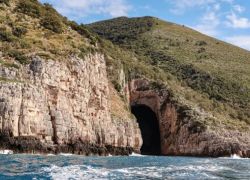
Gajtan Cave, situated in the Fier region of Albania, is one of the country's most fascinating natural wonders. Known for its breathtaking beauty and geological significance, this cave attracts both nature lovers and adventure enthusiasts. The cave is located within the hills of the Cakran Plain, which is a key geological area rich in limestone formations. Gajtan Cave is an essential destination for those interested in exploring Albania's hidden natural treasures and learning about the country's geological history. With its unique formations, underground streams, and historical context, Gajtan Cave promises an unforgettable experience for every visitor. How to Reach Gajtan Cave Reaching Gajtan Cave requires a bit of travel from the major cities of Albania. The nearest city is Fier, which is well-connected by road and can be easily reached from Tirana, the capital. If you're traveling from Tirana, the journey to Gajtan Cave will take approximately 2.5 hours by car. The main route is the SH1 highway, which passes through the scenic Albanian countryside. From Fier, you can take the local road that leads to the Gajtan Cave area, though this road can be rough, so a sturdy vehicle is recommended for the trip. Public transportation options are limited, so visitors usually rent a car or use local taxis for the final leg of the journey. Once you arrive at the base of the cave, a short hike is required to reach the entrance. The terrain can be rocky and uneven, so it's important to wear sturdy shoes suitable for hiking. Weather in Gajtan Cave The weather in the region around Gajtan Cave follows a Mediterranean climate, with hot, dry summers and mild, wet winters. During the summer months, temperatures in the area can rise above 30°C (86°F), so it’s advisable to visit early in the morning or late in the afternoon to avoid the heat. Summer is also the most popular time for tourists to visit the cave, and the weather is ideal for hiking and outdoor activities. In the winter months, temperatures drop significantly, with average lows around 5°C (41°F). Although it doesn’t snow heavily in the area, occasional rainfall makes the roads leading to the cave more slippery and challenging to navigate. If you plan to visit during the winter, be prepared with appropriate clothing and equipment. The cave's entrance can be a little colder, especially if you venture deep inside, so a light jacket or sweater is recommended. Timing of the Visit Gajtan Cave is open year-round, though the best time to visit is during the spring and autumn months (April to June and September to November). During these seasons, the weather is more comfortable for hiking, and the crowds are fewer compared to the peak summer season. The summer months (July and August) can be very hot, but they also offer the longest days, giving you ample time to explore the cave and surrounding area. It’s important to note that the cave doesn’t have specific operating hours like a traditional tourist attraction. Instead, visitors are encouraged to visit during daylight hours, as the area is not lit up after dark, and it can be dangerous to navigate in low light conditions. Local guides are available during the day to provide tours of the cave and its surroundings. Why Is Gajtan Cave Famous? Gajtan Cave is famous for its remarkable geological features, including its ancient limestone formations, stalactites, and stalagmites. The cave is believed to have formed over thousands of years through the slow erosion of limestone by water, creating a stunning array of rock formations that are truly a sight to behold. The cave also holds historical and cultural significance. Some archaeologists believe that it may have been used by early human settlers or even as a refuge during periods of conflict, though this has yet to be conclusively proven. The cave's accessibility and unique geological features make it a popular destination for both scientific study and eco-tourism. Researchers continue to explore and map the cave system, looking for clues about the ancient environment and early human activity in the area. Additionally, Gajtan Cave is situated in a region known for its natural beauty, with lush landscapes and diverse wildlife, making it a fantastic spot for nature photography and outdoor exploration. Entry and Visit Details About Gajtan Cave Gajtan Cave is free to visit, and no formal entry fees are required. However, visitors may choose to hire a local guide for a more informative experience. Guided tours can help you understand the geological processes that formed the cave and the historical context of the surrounding area. Local guides are knowledgeable and can point out interesting features of the cave that you might miss on your own. Since the cave is located in a natural environment, there are no developed facilities such as restrooms or restaurants nearby. It’s advisable to bring water, snacks, and any other essentials you may need for your hike. If you plan to stay longer and explore the surrounding area, a picnic can be a great way to enjoy the natural beauty of the region. History and Architecture of Gajtan Cave The history of Gajtan Cave is not extensively documented, but its geological features indicate that it has been formed over millions of years. The limestone structures inside the cave, including stalactites and stalagmites, tell the story of water erosion and mineral deposits. The cave’s entrance is situated on the slopes of the Cakran Plain, a region known for its rich natural resources and ancient history. It’s believed that early settlers may have used the cave for shelter due to its strategic location and protection from the elements. From an architectural perspective, the cave’s design is purely natural. The interior is adorned with intricate rock formations that are unique to caves formed in limestone. As you venture deeper into the cave, you’ll encounter narrow passages and expansive chambers, some of which still have traces of ancient minerals and calcite deposits. Things to Do at Gajtan Cave Visiting Gajtan Cave offers several exciting activities for outdoor enthusiasts and nature lovers: Explore the Cave: The main activity is exploring the cave itself. As you wander through the narrow passageways, you’ll come across stunning stalactites, stalagmites, and mineral formations. Photography: Gajtan Cave offers fantastic photo opportunities. The cave’s natural beauty, combined with the surrounding landscape, makes for some breathtaking shots. Hiking: The cave is located in a beautiful natural area, so hiking around the surrounding hills is another enjoyable activity. The region’s rich biodiversity makes it ideal for birdwatching and wildlife spotting. Picnicking: If you have time, bring a picnic and enjoy the peaceful surroundings of the area after your cave exploration. Guided Tours: Hiring a local guide can enhance your visit, providing you with a deeper understanding of the cave’s geological history and the local ecosystem. Interesting Facts About Gajtan Cave The cave is located at an elevation of around 500 meters (1,640 feet) above sea level. The stalactites and stalagmites in Gajtan Cave are estimated to be several thousand years old, formed by the slow drip of mineral-rich water. Researchers believe that the cave may have been used by early humans, though no definitive archaeological evidence has been found. The cave is located in a region known for its biodiversity, with various plant species and wildlife inhabiting the surrounding hills and forests. Tips for Visiting Gajtan Cave Wear sturdy footwear suitable for hiking, as the terrain around the cave can be uneven and rocky. Bring a flashlight or headlamp, as the cave can be dark, especially in the deeper sections. If you're visiting during the summer, carry enough water and sun protection, as the temperature can get quite hot. Check the weather forecast before your visit, especially in winter, as the cave’s access road may become slippery or difficult to navigate during rain or snow. Respect the natural environment by not disturbing the cave’s formations or leaving any trash behind.
Explore More