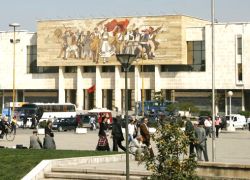
The National History Museum in Tirana is Albania’s largest and most significant museum, dedicated to the rich cultural and historical heritage of the country. Established in 1981, it showcases the entire history of Albania from ancient times to the modern era. The museum is located in the heart of Tirana, Skanderbeg Square, and is a must-visit for anyone interested in exploring the history and evolution of Albania and its people. How to Reach National History Museum, Tirana, Albania The National History Museum is centrally located in Tirana, right next to Skanderbeg Square, making it easily accessible from most areas in the city. If you’re arriving by air, the nearest airport is Tirana International Airport (Nënë Tereza), about 17 km away from the city center. From the airport, you can take a taxi or a shuttle bus to reach the museum. If you are already in the city, the museum is within walking distance from other popular landmarks like Skanderbeg Square and the Et'hem Bey Mosque. Public transport, including buses and taxis, are also readily available and make getting to the museum easy. Additionally, the museum is well-signposted, so you won't have trouble finding it once you're in the city center. Weather in Tirana The weather in Tirana is Mediterranean, with hot summers and mild winters. The summer months (June to August) can be quite warm, with temperatures regularly reaching over 30°C (86°F), while winters (December to February) are typically mild, with temperatures averaging around 10°C (50°F). The best time to visit the National History Museum is in the spring (April to June) or fall (September to November), when the weather is pleasant and you can comfortably explore both the museum and the surrounding areas. Summer can be very hot, so be prepared with sunscreen and water if visiting during this season. Why is the National History Museum Famous? The National History Museum is famous for being the primary institution in Albania that preserves and showcases the country’s rich historical, archaeological, and cultural heritage. With a vast collection that spans thousands of years of history, the museum offers visitors a comprehensive overview of Albania’s past. Highlights include displays on the Illyrian, Roman, and Byzantine periods, as well as exhibitions on Albania’s struggle for independence, communism, and the post-communist era. The museum is also known for its large mosaic that covers the front of the building. This iconic mosaic, titled "The Albanians," depicts key moments in Albania's history and is one of the largest of its kind in Europe. It serves as a striking visual representation of the nation's historical journey and its cultural diversity. Entry and Visit Details about National History Museum, Tirana, Albania The National History Museum is open to visitors every day of the week, except for Mondays. The opening hours are typically from 9:00 AM to 6:00 PM, but it's always advisable to check the latest timings on the museum's official website or by calling ahead, as these can sometimes vary, especially around holidays. The museum has an entry fee, which is quite affordable for both locals and tourists, making it accessible for a wide audience. Tickets for adults are generally around 300-400 Albanian Lek, while students, children, and senior citizens usually get discounted or free entry. Audio guides are available in various languages, including English, Italian, and French, making it easy for international visitors to enjoy the museum’s exhibits. History and Architecture of National History Museum The National History Museum was established in 1981 to preserve the history of Albania. The building itself is a significant example of socialist-era architecture, reflecting the design ideals of the period. The structure is an imposing modernist building with clean lines and a grand entrance, symbolizing Albania's resilience and strength throughout history. The most striking feature of the museum is its large mosaic on the façade, titled "The Albanians," which covers the entire front of the building. The mosaic illustrates important figures and events from Albania’s history, such as the resistance against Ottoman occupation, the independence movement, and the various struggles for freedom throughout the centuries. Inside, the museum is divided into different sections, each representing a different era of Albania’s history. The interior architecture is straightforward, focusing more on functionality and the presentation of historical artifacts than on decorative elements. The museum features a range of exhibitions, including prehistoric artifacts, ancient coins, and important documents related to the country's independence and communist era. Things to Do at National History Museum, Tirana When visiting the National History Museum, there are several things you can do to make the most of your experience: Explore the Exhibits: The museum has a vast collection of historical artifacts, including ancient pottery, tools, weapons, and textiles. Don’t miss the section dedicated to the prehistoric and ancient Illyrian cultures. Admire the Iconic Mosaic: The large mosaic titled "The Albanians" on the museum's façade is a major attraction. Take some time to appreciate the details of this artwork and its representation of Albania’s historical narrative. Learn about Communist Albania: The museum offers an insightful look into Albania’s communist past. Learn about the country's political history, the role of Enver Hoxha, and the oppressive regimes that ruled the country for decades. Visit Temporary Exhibitions: The museum regularly hosts temporary exhibitions on a variety of topics related to Albania's cultural and historical evolution. Keep an eye on the museum’s website for updates. Use Audio Guides: Audio guides are available to enhance your experience. They provide additional context and detailed explanations of the exhibits in several languages, including English. Interesting Facts about National History Museum, Tirana The mosaic on the front of the National History Museum is one of the largest in Europe and covers 1,200 square meters. The museum’s collection spans over 2,000 years of history, showcasing the ancient Illyrian, Roman, Byzantine, and Ottoman influences on Albania. The museum is divided into multiple sections, each representing a different historical period, from prehistory to the modern day. In addition to its permanent exhibits, the museum hosts numerous temporary exhibitions, educational events, and cultural activities throughout the year. The museum is an important cultural hub in Tirana, often visited by school groups, local residents, and international tourists alike. Tips for Visiting National History Museum, Tirana Check Opening Hours: The museum is closed on Mondays, so plan your visit accordingly. It's open daily from 9:00 AM to 6:00 PM. Wear Comfortable Shoes: The museum has a lot to explore, so make sure you’re comfortable walking around. The museum spans several rooms and floors, so be prepared for some walking. Bring Water: While there are cafes around the museum, it's a good idea to stay hydrated, especially during the summer months when Tirana can get very hot. Take Your Time: The museum’s exhibits are extensive, so give yourself plenty of time to explore and fully appreciate the collection. Don’t rush through it! Ask About Guided Tours: If you're interested in a deeper understanding of the museum's history and exhibits, ask about guided tours, which are often available in multiple languages.
Explore More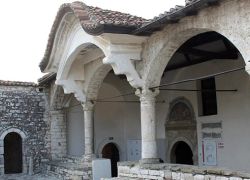
Onufri National Iconographic Museum
The Onufri National Iconographic Museum is one of the most significant cultural landmarks in Berat, Albania. Located inside the historic Berat Castle, the museum is dedicated to the works of Onufri, a renowned 16th-century Albanian iconographer whose creations are considered masterpieces of Byzantine-inspired religious art. The museum is a treasure trove of religious art, featuring a vast collection of Orthodox Christian icons, church artifacts, and other invaluable pieces of Albania’s spiritual and cultural heritage. How to Reach Onufri National Iconographic Museum, Berat, Albania The Onufri National Iconographic Museum is located within the grounds of Berat Castle, which is one of the most popular tourist attractions in the city. To reach the museum, visitors can first make their way to Berat Castle, which is situated on a hill overlooking the city. From the center of Berat, it’s an uphill walk to the castle, which takes about 15-20 minutes. Along the way, visitors can enjoy panoramic views of the town and the surrounding landscape. If you are coming from the main square of Berat, follow the signs that direct you toward Berat Castle. Once you reach the castle entrance, continue inside, and you will find the Onufri Museum housed within one of the churches inside the castle walls. The museum is located in the Saint Mary Church (Kisha e Shën Marisë), a beautiful example of Byzantine architecture. For those traveling from outside Berat, the town is easily accessible by bus or car. Berat is located about 120 kilometers (75 miles) south of Tirana, the capital of Albania, and can be reached by a 2.5 to 3-hour drive. From the main bus station in Berat, the castle is just a short taxi ride or walk away. Weather in Berat Berat has a Mediterranean climate, characterized by hot, dry summers and mild, wet winters. The best time to visit the Onufri National Iconographic Museum is during the spring (April to June) or autumn (September to November), when the temperatures are moderate and ideal for exploring the castle and surrounding area. During these months, temperatures range from 15°C to 25°C (59°F to 77°F), providing comfortable weather for sightseeing. Summer (June to August) in Berat can be quite hot, with temperatures reaching up to 30°C (86°F). If you plan to visit in summer, it’s best to go early in the morning or later in the afternoon to avoid the midday heat. Winter (December to February) is milder but can get chilly, with temperatures ranging between 5°C and 10°C (41°F to 50°F). The castle is open year-round, but be prepared for the possibility of rain in the winter months. Why is the Onufri National Iconographic Museum Famous? The Onufri National Iconographic Museum is famous for housing a remarkable collection of Byzantine and post-Byzantine icons, particularly the works of Onufri, an iconic Albanian artist. Onufri is widely regarded as one of the most influential iconographers of the 16th century, and his distinctive style has had a lasting impact on religious art in the region. The museum is an essential stop for anyone interested in religious art and Albanian history. Onufri’s icons are known for their vibrant colors, intricate details, and spiritual depth. The museum also provides insight into the role of art in the Orthodox Christian faith and the significance of icons in worship and religious rituals. In addition to Onufri’s works, the museum features other important religious artifacts, including silverwork, vestments, and ecclesiastical items that highlight the cultural and artistic traditions of Albania. The museum is a place to experience the intersection of history, art, and religion in the region. Entry and Visit Details about Onufri National Iconographic Museum, Berat, Albania There is a small entry fee to visit the Onufri National Iconographic Museum, which is part of the overall ticket to enter Berat Castle. The museum is open every day of the week, except for holidays. The opening hours are generally from 9:00 AM to 6:00 PM, though they may vary during the off-season or on holidays, so it’s a good idea to confirm the hours in advance if you're planning a visit during the winter months. Once inside the museum, visitors can explore the exhibits at their own pace. The museum is housed in a church within Berat Castle, so it’s a relatively small space, but the collection is rich and well-preserved. The museum staff are knowledgeable and can provide additional information about the exhibits, making it a great experience for those looking to deepen their understanding of Albania's religious and artistic heritage. History and Architecture of Onufri National Iconographic Museum The Onufri National Iconographic Museum is housed in the Saint Mary Church within Berat Castle, a church dating back to the 14th century. The church itself is a stunning example of Byzantine and post-Byzantine architecture, featuring simple yet beautiful frescoes and a traditional domed design. The architecture of the church complements the collection of icons, creating a perfect setting for this unique museum. The museum is dedicated to the works of Onufri, a master iconographer who lived and worked in Albania during the 16th century. His works are characterized by vivid colors and intricate details, which reflect his deep understanding of both Christian theology and artistic techniques. Onufri’s icons were created for churches and monasteries throughout Albania and the Balkans, and they have become invaluable cultural treasures. The museum not only showcases Onufri’s works but also provides historical context for the religious art of the time. Visitors can explore the development of iconography in the Balkans and learn about the importance of icons in Orthodox Christianity. The museum also displays a variety of ecclesiastical artifacts, such as sacred vessels, vestments, and manuscripts, that further enrich the visitor's understanding of the region’s religious and cultural history. Things to Do in Onufri National Iconographic Museum When visiting the Onufri National Iconographic Museum, here are a few things you can do to make the most of your visit: Admire Onufri’s Iconography: Take time to study Onufri's detailed icons, which are the highlight of the museum. Notice the intricate details and the vibrant use of color in the icons. Learn About the History of Iconography: The museum provides a rich historical context for understanding Orthodox Christian iconography, including the cultural significance of icons in Albanian religious life. Visit the Church of Saint Mary: The museum is housed in the beautiful Saint Mary Church, which is worth visiting in its own right for its impressive Byzantine architecture and frescoes. Explore Berat Castle: After visiting the museum, take time to explore the rest of Berat Castle, which offers stunning views of the town and the surrounding countryside. Interesting Facts about Onufri National Iconographic Museum Onufri is considered one of the greatest Albanian artists of the 16th century and is known for his work in creating religious icons that are still highly revered in Albania and beyond. The Onufri National Iconographic Museum is located within Berat Castle, which is a UNESCO World Heritage site. The castle itself is an iconic symbol of Berat’s cultural heritage. The museum’s collection of icons is one of the most important in Albania, showcasing religious art that spans several centuries of Orthodox Christian influence. The museum is part of the larger cultural complex of Berat Castle, which also includes other historical and religious sites, such as the Onufri Church and the Citadel of Berat. Tips for Visiting Onufri National Iconographic Museum Bring a Camera: The icons and the stunning views of Berat from the castle are perfect for photography, so don’t forget to bring your camera. Wear Comfortable Shoes: Since Berat Castle is on a hill, be prepared to walk uphill to reach the museum. Comfortable shoes are essential for navigating the cobblestone streets. Take Your Time: The museum may be small, but the collection is rich in history and detail. Take your time to absorb the beauty and historical significance of the icons and the church. Ask for a Guide: If you are interested in learning more about Onufri and the history of the icons, consider hiring a guide who can offer additional insights and context.
Explore More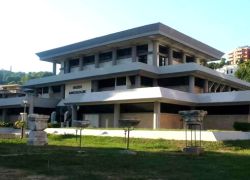
The Archaeological Museum of Durrës is the largest and one of the most important archaeological museums in Albania. Established in 1951, the museum showcases the historical depth and cultural layers of the ancient city — originally known as Dyrrachium — spanning prehistoric, Illyrian, Greek, Hellenistic, Roman and later periods. :contentReference[oaicite:3]{index=3} Located near the coast and close to Durrës’ city centre, it offers visitors an insightful journey through thousands of years of history, through its extensive collection of artifacts. :contentReference[oaicite:4]{index=4} How to reach Durrës Archaeological Museum The museum is centrally located on Rruga Taulantia (Taulantia Street), close to the beachfront and the main promenade of Durrës. :contentReference[oaicite:5]{index=5} If you are arriving by bus or from other parts of the city, local buses frequently serve routes toward the city centre/beach area — you can ask to be dropped near Taulantia Street for the museum. :contentReference[oaicite:6]{index=6} From the port or central square, the museum is within easy walking distance: often a 10–15 minute walk depending on your starting point. :contentReference[oaicite:7]{index=7} Taxis are also commonly available throughout the city; a short taxi ride from central Durrës or the port will get you there quickly. :contentReference[oaicite:8]{index=8} Weather & Best Time to Visit Durrës lies on the Adriatic coast and enjoys a Mediterranean climate: generally warm summers and mild winters. Because many of the museum’s artifacts are indoors, visiting is not heavily dependent on weather — but pleasant weather helps if you plan to combine the museum visit with a seaside stroll or other outdoor exploration. Visiting in the morning or early afternoon tends to be more comfortable, especially if summer heat is intense or if you wish to avoid crowds. Local travel guides often recommend a visit earlier in the day. :contentReference[oaicite:9]{index=9} Timing & Entry (Practical Visit Details) Historically, the museum has been open most days of the week except Mondays. :contentReference[oaicite:10]{index=10} Typical published opening hours are from about 9:00 AM to 3:00 PM (or 4:00 PM depending on seasonal variation). :contentReference[oaicite:11]{index=11} Entry fee is modest. Local guides and travel sources mention around €3 (or in Albanian Lek) for adults. :contentReference[oaicite:12]{index=12} Usually a visit takes around 1 to 1.5 hours to view the main exhibits; for more detailed viewing or if combining with other nearby sites, you might spend up to two hours. :contentReference[oaicite:13]{index=13} However — as of recent reports — the museum underwent restoration and has remained closed for some time, which may affect accessibility. :contentReference[oaicite:14]{index=14} Why the Archaeological Museum of Durrës is Famous The museum is famous because it preserves a large and important collection of artifacts from ancient Dyrrachium (the predecessor of modern Durrës), reflecting the city’s long and layered history — from prehistoric settlements to Roman prominence and later periods. :contentReference[oaicite:15]{index=15} With over 3,200 artifacts, including Roman funerary steles, stone sarcophagi, ancient coins, statues — even miniature busts of deities such as Venus — the museum captures the cosmopolitan and multi-era identity of the region. :contentReference[oaicite:16]{index=16} Because Durrës was a major port and trade hub in antiquity, the museum’s collections also reflect trade, cultural exchange, and the evolution of the city through Greek, Hellenistic, Roman, Byzantine and later influences. :contentReference[oaicite:17]{index=17} This makes the museum a crucial place to understand not only local history but also the broader heritage of the Adriatic and Mediterranean region. History & Architecture of the Museum The first archaeological museum in Durrës was founded in 1951 under the direction of the archaeologist Vangjel Toçi. :contentReference[oaicite:19]{index=19} Over time, as more excavations revealed new artifacts and as the city’s archaeological heritage expanded, the museum’s collections grew. Eventually a newer building was constructed to accommodate the expanded holdings. The new museum building — whose construction began in the 1980s — received the archaeological collections in 1999. :contentReference[oaicite:20]{index=20} Architecturally, the museum is a purpose-built facility (rather than an ancient monument repurposed). It is designed to display thousands of objects from various eras, with gallery space, display cases, and — historically — amenities for visitors. :contentReference[oaicite:21]{index=21} However, the museum’s proximity to the sea and coastal climate has posed challenges: salt air, humidity, and weathering have been cited as risks to artifact preservation — a factor that motivated renovation efforts. :contentReference[oaicite:22]{index=22} The museum has been managed by regional cultural heritage authorities, with plans at times to upgrade its status, facilities, and scientific support. :contentReference[oaicite:23]{index=23} Things to Do / What to See • Explore the prehistoric and Illyrian exhibits: The museum’s earliest sections cover prehistoric settlements and the autochthonous populations around Durrës, with tools, pottery and early artifacts that document human presence long before classical times. :contentReference[oaicite:24]{index=24} • View Greek, Hellenistic and Roman collections: Ceramics, statues, Roman funerary steles, stone sarcophagi, coins, and miniature busts give a vivid picture of daily life, religious practices, trade and burial rites in ancient Dyrrachium. :contentReference[oaicite:25]{index=25} • See evidence of Byzantine and later periods: Because the city remained inhabited through Byzantine, medieval, and later periods, the museum’s collection includes artifacts that show the historical continuity and changes over time. :contentReference[oaicite:26]{index=26} • Learn about ancient trade and maritime links: Some exhibits include objects — such as amphorae and other trade-related finds — that reflect Durrës’s ancient role as a port city, connecting the Adriatic coast to Mediterranean trade networks. :contentReference[oaicite:27]{index=27} • Combine visit with nearby sites: Given the museum’s central location, many visitors pair a museum visit with a walk along the seafront, a visit to ancient ruins or the old town area, or to nearby historical landmarks — making for a full day of cultural exploration. :contentReference[oaicite:28]{index=28} Facts & Highlights • Number of artifacts: ~3,204 objects — making it the largest archaeological collection in Albania outside the national collection. :contentReference[oaicite:29]{index=29} • Periods covered: Prehistoric, Illyrian, Ancient Greek, Hellenistic, Roman, Byzantine, and subsequent periods — reflecting a continuous human presence and cultural layering. :contentReference[oaicite:30]{index=30} • Key artifact types: Roman funerary steles, stone sarcophagi, miniature busts (e.g. of venus and other deities), ancient coins, pottery, ceramics, statues, tools and bronze items from prehistory. :contentReference[oaicite:31]{index=31} • Significance: The museum preserves the legacy of ancient Dyrrachium — a city that was a major Adriatic port and a crossroads of civilizations. Its collections provide evidence for trade, cultural exchange, religious practices, and urban life across centuries. • Accessibility: For many visitors, the museum remains one of the few concentrated places where Albania’s ancient heritage is presented systematically in one location — rather than scattered ruins. :contentReference[oaicite:32]{index=32} Practical Tips for Visitors 1. Before visiting, check for reopening status — the museum has been undergoing restoration and at times has been closed. Recent local reporting suggests that as of 2025 the museum remains closed, while restoration work and reorganization of exhibits continue. :contentReference[oaicite:33]{index=33} 2. If it is open, aim to visit in the morning (shortly after opening) or early afternoon to avoid crowds and to have the best light for photos (many galleries use natural or soft lighting). :contentReference[oaicite:34]{index=34} 3. Allocate at least 1 to 1.5 hours for a proper visit. If you are especially interested in ancient coins, funerary objects or Roman period artifacts, you may want a longer visit. :contentReference[oaicite:35]{index=35} 4. Combine the museum visit with a walk along the seaside promenade or other nearby historical sites (ancient ruins, old town, port) — Durrës is compact and many attractions lie close to each other. :contentReference[oaicite:36]{index=36} 5. Respect the displays: as many artifacts are fragile and centuries old, avoid touching exhibits or leaning on display cases. Use photography only where permitted, and avoid flash if possible. 6. For those with limited mobility: The museum building tends to have galleries and display halls (rather than ruins requiring walking over uneven ground), which makes it more accessible than many archaeological sites — though availability of ramps or elevators may depend on current state after renovation. :contentReference[oaicite:37]{index=37} Caution: Current Status & Restoration It is important to highlight that as of mid-2025, the museum has been reported as still closed — more than 18 months after a scheduled restoration completion deadline. :contentReference[oaicite:38]{index=38} While physical restoration is reportedly nearly complete (some sources claim about 93 %), essential tasks such as reinstalling display cases, reorganizing exhibits, and re-exhibiting objects remain ongoing. :contentReference[oaicite:39]{index=39} Consequently, there is no firm confirmed reopening date currently available. This uncertainty means that visitors should check local tourism information or contact local authorities in Durrës for the latest updates before planning a visit. :contentReference[oaicite:40]{index=40} Conclusion The Archaeological Museum of Durrës stands as a crucial repository of Albania’s ancient heritage — offering a glimpse into millennia of human civilization, from prehistoric settlers to Roman, Byzantine and later eras. Its curated collection helps visitors understand how Durrës (ancient Dyrrachium) evolved from a small settlement to a significant port and cultural hub on the Adriatic coast. If reopened, a visit to the museum — combined with a walk around the old city and seafront — gives a rich, layered experience of history, culture and the sea-facing life of Durrës. Until then, it remains a symbol of Albania’s ongoing efforts to preserve and showcase its archaeological and cultural legacy.
Explore More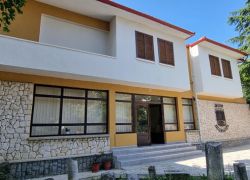
The Museum of Pogradec is one of the key cultural landmarks in the city, showcasing the rich history, art, and heritage of Pogradec and the surrounding region. The museum is renowned for its diverse collection of archaeological artifacts, traditional Albanian crafts, and exhibitions that highlight the local history from ancient times to the modern era. Located near the scenic shores of Lake Ohrid, the museum provides both locals and tourists an opportunity to explore Albania’s cultural legacy in a serene and educational setting. How to Reach The Museum of Pogradec The Museum of Pogradec is situated in the heart of the city, making it easily accessible by car, taxi, or on foot from nearby hotels and accommodations. From Tirana: Travelers coming from the Albanian capital can take the SH3 highway to reach Pogradec, a drive of approximately 2 to 2.5 hours. Public buses and minibuses operate regularly from Tirana to Pogradec, offering a convenient option for visitors. From Ohrid, North Macedonia: Cross the Qafa e Thanës border to enter Albania and reach Pogradec within about an hour. From there, taxis or local transportation can easily take visitors to the museum. Weather and Best Time to Visit The Museum of Pogradec can be visited year-round as it is an indoor facility, but the best time to explore the city and combine outdoor sightseeing is during spring (April to June) or autumn (September to October), when the weather is mild and pleasant. Summers can be warm, reaching temperatures of 30°C (86°F), while winters are cooler with occasional rain, which may affect outdoor activities but not the museum visit itself. Why Famous for The Museum of Pogradec, Pogradec The Museum of Pogradec is famous for its extensive collection of artifacts that document the cultural and historical evolution of the region. Visitors can find ancient tools, pottery, coins, and traditional clothing that provide insights into life in Pogradec throughout the centuries. It also features exhibits dedicated to notable historical figures, local crafts, and the unique ecology of the Lake Ohrid area. Its location in the city center, combined with its rich and well-curated displays, makes it a must-visit for tourists interested in history, archaeology, and Albanian culture. The museum serves as both an educational hub and a cultural landmark, connecting visitors to the traditions and heritage of the region. Entry and Visit Details Entry Fee: The museum typically charges a small entrance fee to support maintenance and exhibits, generally around 100-200 Albanian Lek (approximately 1-2 USD). Opening Hours: The Museum of Pogradec is open daily from 9:00 AM to 5:00 PM, with guided tours available by appointment. Visiting during these hours allows full access to the museum’s exhibits and interactive displays. Guided Tours: Knowledgeable guides provide visitors with detailed explanations about the exhibits, historical context, and the significance of the artifacts. Guided tours are recommended for first-time visitors or those wanting deeper insights into the museum’s collections. History and Architecture The Museum of Pogradec was established to preserve and display the historical and cultural artifacts of the region. Its architecture combines modern functional design with traditional Albanian elements, creating an environment that is both welcoming and culturally authentic. The building houses multiple exhibition halls, each dedicated to different aspects of the city’s history, from ancient times and archaeological findings to modern cultural developments. The interior features organized displays, informative panels, and climate-controlled sections to preserve delicate artifacts. Traditional crafts, textiles, and artworks are presented in a way that highlights the aesthetic and historical value, while multimedia displays provide engaging storytelling for visitors of all ages. Things to Do at The Museum of Pogradec Explore Exhibits: Discover archaeological finds, historical documents, traditional crafts, and cultural displays. Guided Tours: Participate in guided tours to gain a detailed understanding of the region’s history and cultural heritage. Photography: Capture images of exhibits, traditional crafts, and museum architecture (where permitted). Educational Activities: Engage in workshops or educational programs, often available for students and families. Learn Local History: Study the influence of historical events, notable figures, and cultural traditions in the region. Combine With Nearby Attractions: Visit Lake Ohrid, Pogradec Promenade, or Drilon National Park to complement the cultural experience. Facts and Tips About The Museum of Pogradec Accessibility: Located in the city center, easily accessible by foot, car, or public transport. Photography: Check for photography rules inside the museum; flash may be restricted. Guided Tours: Strongly recommended for a comprehensive understanding of the exhibits. Combine With City Exploration: Explore nearby restaurants, cafes, and shops for a complete cultural experience. Preservation: Avoid touching artifacts to help preserve them for future generations. Educational Value: Ideal for history enthusiasts, students, and researchers interested in Albanian culture and archaeology. Conclusion The Museum of Pogradec is a cornerstone of cultural and historical preservation in the region. With its diverse exhibits, educational programs, and thoughtfully designed architecture, it provides visitors with an in-depth understanding of Pogradec’s heritage. From ancient artifacts to modern cultural displays, the museum offers a comprehensive glimpse into the city’s past and present. Whether you are a history enthusiast, a student, or a tourist seeking to enrich your travel experience, the Museum of Pogradec is an essential destination that highlights the r
Explore More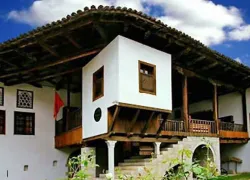
The Historical Museum of Shkodra
The Historical Museum of Shkodra is one of the most important cultural and educational institutions in the city of Shkoder, Albania. Located in the heart of the city, the museum is dedicated to preserving and showcasing the rich history, culture, and heritage of Shkoder and the surrounding region. The museum offers an in-depth look at the city’s development through the ages, from its ancient roots to its significance during the Ottoman period and beyond. With its extensive collection of artifacts, exhibits, and displays, The Historical Museum of Shkodra is a must-visit for history enthusiasts and anyone looking to understand the cultural fabric of northern Albania. How to Reach The Historical Museum of Shkodra The Historical Museum of Shkodra is centrally located within the city, making it easily accessible for both locals and tourists. If you are traveling by car, you can park nearby, as the museum is situated in a bustling area of Shkoder. Public transport, such as taxis or local buses, can also take you to the museum, and the city center is only a short walk away from most major hotels and guesthouses. For those arriving from outside of Shkoder, the city can be reached by bus, car, or train from other Albanian cities like Tirana (about a 2-hour drive) or from Montenegro. Once in Shkoder, the museum is within walking distance of key landmarks such as the Shkoder Castle and the pedestrian street Kole Idromeno, making it easy to include in a day of sightseeing. Weather Shkoder has a Mediterranean climate, characterized by hot, dry summers and mild, wet winters. The best time to visit The Historical Museum of Shkodra is during the spring (April to June) and fall (September to October), when the weather is pleasant and the temperatures are moderate. Summer (July and August) can be very hot, with temperatures often reaching up to 30°C (86°F), so it’s recommended to visit in the early morning or late afternoon to avoid the midday heat. Winters are mild but may have some rainfall, so bringing an umbrella is advisable if you are visiting in the colder months. Timing The Historical Museum of Shkodra is generally open to visitors year-round. The typical opening hours are from 9:00 AM to 5:00 PM, Monday through Saturday. The museum is closed on Sundays and major public holidays, but these hours may vary during special events or holidays. It’s always a good idea to check in advance for any changes to the schedule, especially during the off-season or if you’re planning to attend a specific event or exhibition. Why Famous for The Historical Museum of Shkodra, Shkoder, Albania? The Historical Museum of Shkodra is famous for its comprehensive collection of artifacts that trace the history of Shkoder and the surrounding region from ancient times to the present. The museum offers a unique opportunity to learn about the city's historical importance, especially during the Ottoman period when Shkoder was a key cultural and political center in the region. The museum's displays highlight the city's role in Albania’s struggle for independence, as well as its connections with the wider Balkans. Shkoder has been a melting pot of cultures throughout its history, and the museum showcases the impact of Roman, Byzantine, Ottoman, and Albanian traditions. It also features artifacts related to the city’s role in the Albanian National Renaissance, making it an important place for understanding the country's history and identity. Entry and Visit Details about The Historical Museum of Shkodra, Shkoder, Albania Entry to The Historical Museum of Shkodra is typically affordable, with a small entrance fee that helps to maintain the museum’s exhibits and services. Tickets are usually available at the entrance, and the museum offers discounts for students, children, and groups. For those interested in guided tours, the museum offers professional guides who can provide a detailed explanation of the exhibits, enhancing the overall experience. The museum is equipped with educational materials in both Albanian and English, making it accessible to international visitors. While the museum does not have a specific age group restriction, it is recommended for visitors who are interested in learning about the historical and cultural aspects of Shkoder and Albania. History and Architecture The Historical Museum of Shkodra is housed in a charming building that reflects the city’s architectural heritage. The building itself is an important part of the museum’s history, as it was once a residence for a prominent local family during the Ottoman era. The structure combines traditional Albanian design elements with influences from the Ottoman period, featuring ornate details and spacious rooms that allow for the display of a wide range of exhibits. The museum is divided into several sections, each dedicated to a different period in Shkoder's history. These sections include ancient artifacts from the Illyrian and Roman periods, medieval displays, Ottoman-era items, and exhibits on the Albanian National Renaissance. The museum also features a section dedicated to Shkoder's role in the modern history of Albania, including its resistance during the communist era. Things to Do Explore the Exhibits: Take your time to explore the wide range of exhibits, from ancient artifacts to more modern items. The museum’s diverse collection provides a comprehensive understanding of the region's history. Take a Guided Tour: For a more in-depth experience, consider hiring a local guide to help you understand the significance of the museum’s displays and provide additional context about Shkoder's cultural and historical importance. Learn About Shkoder’s Role in Albanian History: The museum provides insights into Shkoder’s pivotal role in the Albanian National Renaissance and its resistance movements during the Ottoman and communist periods. Visit the Museum's Special Exhibitions: The museum often hosts special temporary exhibitions, providing a chance to see rare items and learn about specific aspects of Shkoder's history. Check the museum’s website for information on these exhibitions. Take Photographs: The museum is full of interesting displays, architecture, and artifacts that make for excellent photographic opportunities, but make sure to ask about any photography restrictions before taking pictures inside. Facts and Tips about The Historical Museum of Shkodra, Shkoder, Albania The Historical Museum of Shkodra was founded in 1959 and has since become one of the most important cultural institutions in northern Albania. The museum is housed in a historical building that was once a residential house, reflecting traditional Shkoder architecture. Shkoder was one of the most important cities during the Ottoman period, and the museum's Ottoman-era artifacts are a highlight of the collection. Don't miss the section dedicated to the Albanian National Renaissance, which focuses on Shkoder’s role in the country's fight for independence. Plan to spend about 1-2 hours at the museum to fully explore all the exhibits. If you're interested in local crafts, the museum occasionally features exhibits on Shkoder’s traditional arts and crafts, including its famous woven textiles and pottery. For those interested in the history of communism in Albania, the museum has several exhibits on the political and cultural changes that took place in Shkoder during the communist era. In conclusion, The Historical Museum of Shkodra offers a fascinating and comprehensive look at the history, culture, and heritage of Shkoder and Albania. Whether you’re interested in ancient artifacts, Ottoman history, or the role of Shkoder in the Albanian National Renaissance, the museum provides valuable insights into the city’s diverse past. A visit to this museum is a must for anyone interested in the rich historical tapestry of Albania.
Explore More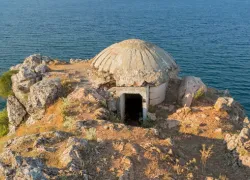
The Bunker Museum in Shkoder is one of Albania's most unique and fascinating attractions. The museum is located in a former civil defense bunker, built during the communist era under Enver Hoxha’s regime. This era saw the construction of thousands of bunkers across Albania, many of which were designed to defend the country from potential foreign invasions. The Bunker Museum is dedicated to showcasing the country's history during this time, particularly the oppressive regime and the fear-driven atmosphere that led to the widespread construction of bunkers. The Bunker Museum in Shkoder offers a powerful glimpse into Albania’s totalitarian past, and it provides visitors with an opportunity to learn about the impact of the Cold War and the dictatorship on ordinary Albanians. Through its displays of historical artifacts, photographs, and exhibits, the museum takes visitors on a journey back to a time of intense political control, fear, and isolation from the rest of the world. How to Reach The Bunker Museum The Bunker Museum is located on the outskirts of Shkoder, in the village of "Bunker," approximately 5 km from the city center. It is easily accessible by car or taxi, and the journey takes around 10 minutes. The museum can also be reached by public transportation; local buses or taxis frequently run between Shkoder and the surrounding villages, including the one where the museum is situated. For those traveling by bicycle, the museum is about a 20-minute ride from Shkoder’s city center. If you're coming from outside Shkoder, the city can be easily accessed by bus or private car from major cities such as Tirana or Podgorica (Montenegro). Once in Shkoder, you can follow the signs to the museum or ask locals for directions to the "Bunker" village. Guided tours can also be arranged through the museum, which is a great way to learn more about the site and its historical context. Weather The climate in Shkoder is Mediterranean, with hot, dry summers and mild, wet winters. The best time to visit The Bunker Museum is during the spring and fall months (April to June, September to October) when the weather is pleasant and the crowds are smaller. During the summer, temperatures can rise above 30°C (86°F), making it advisable to visit the museum in the early morning or later in the afternoon to avoid the midday heat. Winters in Shkoder are relatively mild, but they can be rainy, so be sure to bring appropriate clothing if visiting during the colder months. Timing The Bunker Museum is typically open every day of the week, from 9:00 AM to 5:00 PM. It is closed on public holidays, so it is recommended to check the museum’s website or call ahead to confirm hours if you’re visiting on a special occasion or holiday. The museum’s opening hours may also vary depending on the season, with longer hours during the summer months. Guided tours are available throughout the day, and it is advisable to book a tour in advance if you prefer to visit with a guide. Private tours offer a more personalized experience and allow visitors to delve deeper into the history of the bunker and its significance during Albania’s communist era. Why Famous for The Bunker Museum, Shkoder, Albania? The Bunker Museum is famous for its unique and poignant portrayal of life under Albania’s communist regime. The museum is housed in a real bunker, part of the thousands of defensive structures built across the country during Enver Hoxha’s leadership, reflecting the paranoia and isolationism of the regime. The museum stands as a symbol of the oppressive state-controlled society that existed in Albania for nearly 45 years. The Bunker Museum is particularly notable because it is not just a simple display of military history; it focuses on the everyday impact of the regime on ordinary people. Through its exhibits, visitors can learn about the fear and isolation experienced by Albanians during this period. It also highlights how the bunker system was part of the larger strategy of building a self-sufficient, insular state. The museum serves as a reminder of Albania's complicated history, which many visitors find both fascinating and sobering. Entry and Visit Details about The Bunker Museum, Shkoder, Albania Entry to The Bunker Museum is typically affordable, with tickets priced around 500 Albanian lek (approximately 4-5 Euros) for adults. Discounts are often available for students, children, and senior citizens. The museum’s entrance fee contributes to the upkeep of the exhibits and the preservation of the bunker. Visitors can explore the museum on their own, or they can opt for a guided tour, which is highly recommended to get a deeper understanding of the significance of the exhibits. The guided tours are conducted in both Albanian and English and usually last around 30-45 minutes. The museum is wheelchair accessible, but due to the bunker’s original design, it is advisable to check in advance if you have specific accessibility requirements. History and Architecture The Bunker Museum is housed in one of the many bunkers that were built throughout Albania during the regime of Enver Hoxha, who led the country from 1944 until his death in 1985. The bunkers were part of a massive infrastructure project initiated by Hoxha to defend Albania from perceived threats. Over 170,000 bunkers were constructed across the country, making Albania one of the most heavily fortified nations in the world during the Cold War. Most of these bunkers were designed for military defense, but some were also intended for civilian use. The bunker housing the museum is typical of the small, dome-shaped structures built to withstand bombings and provide shelter. Its architecture reflects the utilitarian and defensive nature of the era. The walls are thick and made of reinforced concrete, with narrow slits for ventilation and small observation windows. While the bunker itself is austere and utilitarian, the museum has transformed it into a space for reflection, education, and exploration of Albania’s communist history. Things to Do Learn about Albania’s Communist Past: The Bunker Museum is a great place to understand the history of Albania under the rule of Enver Hoxha. It offers a unique perspective on the country's isolation during the Cold War. Take a Guided Tour: While exploring the exhibits on your own is rewarding, a guided tour will provide much deeper insight into the history of the bunker and its role during the regime. Explore the Exhibits: The museum is filled with historical photographs, artifacts, and displays that help tell the story of life during Albania’s communist era, from the construction of the bunkers to the daily lives of citizens. Reflect on Albania’s Isolationism: The museum provides visitors with a chance to reflect on the isolationism that defined much of Albania’s communist period and the impact it had on the country’s development. Photography: The unique setting of the bunker and its historical exhibits make for excellent photography opportunities, especially for history buffs and those interested in the Cold War era. Facts and Tips about The Bunker Museum, Shkoder, Albania The Bunker Museum is located in an actual bunker, part of Albania's extensive Cold War-era defense system built during the rule of Enver Hoxha. There are over 170,000 bunkers scattered throughout Albania, but few have been preserved as museums. Visitors should be prepared for the underground setting of the museum, which can be a bit cold and dimly lit. Bring a light jacket if visiting in cooler months. The museum is located just outside Shkoder, a short drive from the city center, and can be reached by car, taxi, or bike. Check the museum's official website or call ahead for any special events or exhibitions that may coincide with your visit. Make sure to bring your camera to capture the unique setting and historical artifacts displayed at the museum. Allow at least an hour for your visit if you wish to take a guided tour and explore the exhibits thoroughly. In conclusion, The Bunker Museum in Shkoder is a powerful testament to Albania's communist past and offers visitors a chance to step inside a real piece of history. Through its exhibits and guided tours, the museum provides a deeper understanding of the country's isolation during the Cold War and the oppressive environment under Enver Hoxha's rule. Whether you're a history enthusiast or just looking to learn more about Albania's intriguing past, The Bunker Museum is a must-visit destination.
Explore More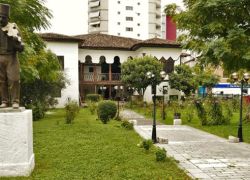
The Ethnological Museum of Elbasan
The Ethnological Museum of Elbasan is one of the most significant cultural landmarks in the city, offering visitors a glimpse into the rich history, customs, and traditions of the region. Located in the heart of Elbasan, this museum showcases the lifestyle, crafts, clothing, and everyday objects of the people who have lived in this area for centuries. Housed in a traditional Ottoman-era building, the museum is an excellent place for anyone interested in Albanian history and cultural heritage. How to Reach The Ethnological Museum of Elbasan The Ethnological Museum is located in the city center of Elbasan, making it easily accessible from various parts of the city. Here’s how you can reach the museum: By Car: Elbasan is about 35 kilometers (22 miles) southeast of Tirana, the capital of Albania. You can take the SH3 highway from Tirana to Elbasan. Once in the city, the museum is centrally located and can be easily reached by car. There is parking available in the nearby areas of the museum. By Bus: Public buses run regularly between Tirana and Elbasan, with travel times ranging from 1 to 1.5 hours. From the Elbasan bus station, the museum is a short walk, about 10 minutes away. By Taxi: Taxis are available from Tirana or other nearby towns. A taxi ride from Tirana to Elbasan will take approximately 40-50 minutes, depending on traffic. Once in Elbasan, the museum is easy to find and is located in the city center. Weather at Elbasan & The Ethnological Museum Elbasan experiences a Mediterranean climate, with hot, dry summers and mild, wet winters. The best time to visit the Ethnological Museum of Elbasan is during the spring (April to June) and autumn (September to November), when the weather is pleasant and ideal for sightseeing. The summer months (July and August) are warm, with temperatures reaching up to 30°C (86°F), so it’s a great time to explore the city, although it can be a bit crowded with tourists. During the winter (December to February), temperatures are mild, averaging around 10°C (50°F), but the weather can be rainy. If you prefer a quieter experience, visiting during the off-peak seasons can give you a more peaceful visit. Timings and Entry Details for The Ethnological Museum The Ethnological Museum of Elbasan is open to the public every day except Mondays. The museum’s regular hours of operation are from 9:00 AM to 5:00 PM. It’s best to visit in the morning or early afternoon to avoid any potential crowds and to enjoy the exhibits at a leisurely pace. Entry to the museum is relatively inexpensive. The standard entrance fee is a few hundred Albanian Lek (approximately 2-3 Euros), which helps support the upkeep of the museum and its collections. Visitors can also hire a guide on-site to learn more about the history and significance of the exhibits, though some knowledge of Albanian or English may be helpful as guides typically speak those languages. Why The Ethnological Museum of Elbasan is Famous The Ethnological Museum of Elbasan is famous for being an exceptional example of Albanian folk culture and traditional life. The museum is housed in a beautifully preserved Ottoman-era building, which itself is a testament to the city’s history. Inside, visitors can explore a wide range of exhibits that showcase the customs, traditions, clothing, tools, and objects that were once part of daily life in the Elbasan region. The museum’s exhibits cover a variety of themes, from traditional Albanian crafts like weaving and pottery to everyday life in the rural villages surrounding Elbasan. It provides a valuable insight into the Albanian way of life, especially for those interested in the customs and culture of the Balkans. History and Architecture of The Ethnological Museum The Ethnological Museum of Elbasan is housed in an impressive Ottoman-era building, which dates back to the 18th century. The building itself is an architectural gem, with distinct features of Ottoman design, including arched windows, wooden balconies, and a beautifully carved wooden entrance door. The building was originally used as a private residence, and later transformed into a museum to preserve and promote the cultural heritage of Elbasan and the surrounding areas. Inside, the museum is divided into different sections that focus on various aspects of traditional Albanian life. The exhibits are meticulously arranged to reflect the various facets of Albanian culture, including the clothing, tools, domestic items, and traditional crafts. Visitors can also explore displays of old agricultural equipment, musical instruments, and religious artifacts, all of which offer a fascinating look into the daily lives of Albanians throughout history. Things to Do in The Ethnological Museum of Elbasan Visiting the Ethnological Museum of Elbasan offers plenty of opportunities for cultural enrichment and learning. Here are some things you can do during your visit: Explore the Exhibits: The museum has a variety of exhibits, from traditional clothing and household items to tools and crafts. Take your time exploring the displays, as each exhibit has a story to tell about life in Elbasan and the surrounding region. Learn About Traditional Crafts: The museum showcases a variety of traditional crafts that were once practiced in Elbasan, including weaving, wood carving, and pottery. You can learn about the techniques and processes used to create these items, many of which are still made by local artisans today. Experience Albanian Folk Music: One of the highlights of the museum is the collection of traditional musical instruments, including the *gajde* (bagpipe) and *çifteli* (a two-stringed instrument). You can learn about the role of music in Albanian culture and the importance of these instruments in celebrations and daily life. Visit the Museum’s Courtyard: The museum’s courtyard is a tranquil space where you can relax and enjoy the peaceful atmosphere. It’s also a great spot to take photographs and enjoy the traditional architecture of the building. Take a Guided Tour: If you want to learn more about the museum and its exhibits, consider hiring a guide. Guides can provide in-depth information about the history and significance of the artifacts on display, making your visit even more enriching. Interesting Facts About The Ethnological Museum of Elbasan The Ethnological Museum is located in one of the oldest and best-preserved Ottoman-era buildings in Elbasan. The museum houses more than 1,000 ethnographic objects, including clothing, jewelry, and domestic items from the 18th and 19th centuries. Many of the items on display were donated by local families who wanted to preserve the cultural heritage of the region. The museum also features a collection of old photographs that document the history of Elbasan, its people, and its traditions. Elbasan was an important center for trade and craftsmanship during the Ottoman period, and many of the objects in the museum reflect the region’s historical role as a trade hub. Tips for Visiting The Ethnological Museum of Elbasan Visit in the morning: The museum is less crowded in the morning, which allows for a more relaxed and enjoyable experience. Bring a guidebook or audio guide: While there are guides available on-site, bringing a guidebook or using an audio guide can enhance your understanding of the exhibits, especially if you prefer a more independent experience. Dress comfortably: The museum is housed in a historical building with uneven floors, so it’s a good idea to wear comfortable shoes. Take your time: There is a lot to see and learn in the museum, so don’t rush. Take your time to appreciate the exhibits and immerse yourself in the local culture. Respect the exhibits: Many of the items on display are centuries old, so it’s important to handle them with care and respect. Conclusion The Ethnological Museum of Elbasan is an essential stop for anyone interested in learning about the traditions and cultural history of Albania. With its fascinating exhibits, rich history, and traditional architecture, the museum offers a unique and immersive experience for visitors. Whether you're interested in the crafts, music, or daily life of the people of Elbasan, this museum provides valuable insight into the region’s past and its cultural heritage.
Explore More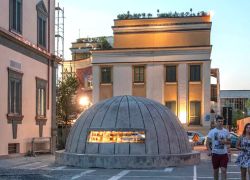
The Bunker Museum in Elbasan is a unique and intriguing destination that offers a glimpse into Albania's Cold War history. During the communist era under Enver Hoxha's regime, Albania built thousands of bunkers throughout the country to prepare for possible foreign invasions. These concrete structures, once hidden symbols of military defense, are now part of the nation's cultural heritage. The Bunker Museum in Elbasan stands as a testament to the era, showcasing the history and purpose of these bunkers and their role in Albania's military and social landscape. How to Reach the Bunker Museum, Elbasan Elbasan is easily accessible from Albania's capital, Tirana, which is approximately 40 kilometers away. Visitors can reach the city by bus, private car, or taxi. The journey typically takes around 40 to 60 minutes, depending on traffic. The museum itself is located on the outskirts of Elbasan, and while it is not far from the city center, it may require a short taxi ride or local transportation to reach the site. It is advisable to check local maps or ask for directions if you're unfamiliar with the area. Weather and Best Time to Visit Elbasan enjoys a Mediterranean climate, with hot, dry summers and mild, wet winters. The best time to visit the Bunker Museum is during the spring (April to June) and fall (September to October), when the weather is pleasant for sightseeing. Summers can be quite hot, with temperatures reaching up to 30°C (86°F), while winters are cooler, with temperatures ranging from 5°C to 10°C (41°F to 50°F). The museum is open year-round, but it’s best to visit during the milder months to avoid the summer heat or the colder winter months. Opening Hours and Entry Details The Bunker Museum typically operates during the day, with opening hours from 9:00 AM to 5:00 PM. However, it is recommended to confirm the hours in advance, especially during the off-season, as they may vary. The entry fee is usually modest, making it an affordable stop for those interested in Albania’s Cold War history. It’s a good idea to check for any discounts or group rates if you plan to visit with a large party or school group. Audio guides and guided tours are often available, which enrich the experience and provide deeper insights into the history of the bunkers and the museum’s exhibits. Why the Bunker Museum is Famous The Bunker Museum in Elbasan is famous for its unique focus on Albania’s Cold War military history. The museum is located in one of the many bunkers built during the regime of Enver Hoxha, who ordered the construction of over 700,000 bunkers across the country in preparation for a potential foreign invasion. These bunkers, once symbols of paranoia and isolation, have become fascinating historical sites today. The museum showcases the history, architecture, and societal impact of the bunkers, making it a significant stop for history enthusiasts and those curious about Albania’s communist past. History and Architecture The Bunker Museum's historical significance lies in its connection to the extensive bunker-building program that took place under Enver Hoxha’s dictatorship. Hoxha’s regime feared an invasion by both the West and the Eastern Bloc, leading to the mass construction of these bunkers across Albania. The museum itself is housed in a bunker that is part of this vast network, offering visitors an authentic experience of what life inside these structures would have been like. Architecturally, the bunkers are simple but robust structures made of reinforced concrete. They were designed to withstand bomb blasts and provide protection in case of a military attack. The Bunker Museum's exhibits include models of bunkers, photographs from the communist era, and displays detailing the daily life of those who lived in the shadow of the regime’s fear-driven policies. The stark, utilitarian design of the bunker contrasts with the personal stories of survival and resistance that are told through the exhibits. Things to Do at the Bunker Museum Visiting the Bunker Museum offers a unique opportunity to step back in time and learn about the social, political, and architectural aspects of Albania’s communist past. Some of the activities you can enjoy include: Exploring the bunker’s interior and its exhibits, which include photos, documents, and artifacts from the Cold War era. Taking a guided tour to gain a deeper understanding of the bunker system and the history of Albania under Enver Hoxha. Learning about the lives of ordinary Albanians who were affected by the regime's policies, including the creation of the bunkers. Photography opportunities inside and outside the bunker, capturing the eerie and historic architecture of the site. Facts and Tips about the Bunker Museum Here are some interesting facts and tips to enhance your visit to the Bunker Museum: Did you know? The bunkers were designed to house not only military personnel but also civilians. Some bunkers even had living quarters, kitchens, and ventilation systems. Tip: Wear comfortable shoes, as the museum involves walking through narrow hallways and uneven floors inside the bunker. Fun Fact: The Bunker Museum is just one of many such structures across Albania. Visitors to other parts of the country can also explore various bunkers that have been preserved and repurposed for educational and cultural purposes. Photography Tip: Be sure to bring a camera to capture the bunker’s unique features, but always check with the museum staff about any photography restrictions inside the exhibits. Conclusion The Bunker Museum in Elbasan offers a fascinating glimpse into Albania's Cold War past. It stands as a powerful symbol of the country's period of isolation and the deep fear that shaped the nation’s history. Whether you're interested in military history, architecture, or the social impacts of totalitarian regimes, this museum is a must-see for anyone visiting Albania. Don't forget to check local transport schedules, wear comfortable shoes, and prepare for an immersive experience that will deepen your understanding of this fascinating period in history.
Explore More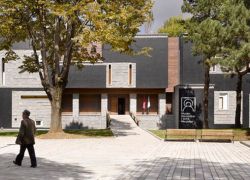
The National Museum of Medieval Art
The National Museum of Medieval Art in Korca is one of Albania’s most important cultural institutions and a must-visit destination for anyone interested in history, art, and religious heritage. Located in the beautiful city of Korca in southeastern Albania, this museum houses the country’s richest collection of medieval and post-Byzantine art. With its impressive displays of icons, sculptures, and artifacts, the museum offers visitors a deep insight into Albania’s artistic and spiritual traditions from the Middle Ages. Why The National Museum of Medieval Art Is Famous The National Museum of Medieval Art is famous for its outstanding collection of Orthodox icons, many of which date back to the 13th to 19th centuries. It is considered the most important iconography museum in Albania and one of the finest in the Balkans. The museum showcases works by renowned Albanian icon painters, including Onufri, David Selenica, and the Zografi brothers, whose works are admired for their vibrant colors, detailed expressions, and unique artistic styles. The museum is also well known for preserving and presenting Albania’s medieval cultural identity, reflecting the influence of Byzantine art combined with local Albanian traditions. Its educational value and artistic significance make it a key attraction in Korca. History of The National Museum of Medieval Art The history of the National Museum of Medieval Art dates back to 1980, when it was officially established to protect and display Albania’s rich collection of medieval religious art. Before the museum was founded, many of the icons and artifacts were stored in churches, monasteries, or private collections across the country. Recognizing the importance of preserving these valuable works, the Albanian authorities decided to create a national museum dedicated entirely to medieval art. Over the years, the museum’s collection has grown significantly, and today it includes more than 7,000 objects, with around 400 icons and artifacts displayed at any given time. The museum has played a crucial role in conserving artworks that survived periods of political and religious suppression, making it an essential guardian of Albania’s cultural heritage. Architecture of The National Museum of Medieval Art The building of the National Museum of Medieval Art is modern and thoughtfully designed to complement the historical significance of its contents. While the exterior appears simple and elegant, the interior is carefully structured to create a calm and respectful atmosphere suitable for viewing sacred art. Spacious galleries, controlled lighting, and clear display arrangements allow visitors to focus on the details and craftsmanship of each piece. The museum’s layout follows a chronological and thematic order, guiding visitors through different periods of medieval and post-Byzantine art. This architectural and curatorial approach enhances the visitor experience by making the complex history of Albanian medieval art easy to understand. How to Reach The National Museum of Medieval Art The National Museum of Medieval Art is located near the city center of Korca, making it easily accessible for visitors. If you are staying in Korca, the museum can be reached on foot from most central hotels, cafes, and attractions. Walking through the city also allows you to enjoy Korca’s charming streets and relaxed atmosphere. For travelers coming from other parts of Albania, Korca is well connected by road. Regular buses operate from Tirana and other major cities, and the journey from Tirana takes approximately four to five hours. Once you arrive at Korca’s bus station, a short taxi ride or walk will take you directly to the museum. Weather and Best Time to Visit Korca has a continental climate, with cold winters and warm summers. Winter temperatures can drop significantly, and snow is not uncommon, especially between December and February. Summers are generally warm and pleasant, with July and August being the hottest months. The best time to visit the National Museum of Medieval Art is during spring and autumn, from April to June and September to October. During these seasons, the weather is comfortable for walking around the city and visiting indoor attractions like museums. Visiting during these months also allows you to enjoy Korca’s cultural festivals and lively city atmosphere. Timing and Entry Details The National Museum of Medieval Art is usually open from morning until late afternoon, with opening hours varying slightly depending on the season. It is generally open from Tuesday to Sunday, while Mondays may be closed. Visitors are advised to check local timings during holidays or special events. An entry fee is required to visit the museum, with affordable ticket prices for both local and international visitors. Discounts are often available for students, children, and groups. Guided tours may also be available and are highly recommended for a deeper understanding of the artworks and their historical context. Things to Do at The National Museum of Medieval Art One of the main activities at the museum is exploring the impressive collection of icons and religious artifacts. Visitors can admire the artistic techniques, symbolism, and evolution of medieval art in Albania. Reading the information panels and descriptions helps in understanding the cultural and religious background of each piece. Another enjoyable activity is joining a guided tour, which provides expert insights into the lives of famous icon painters and the historical periods in which they worked. Photography is usually allowed without flash, but visitors should follow the museum’s rules to protect the artworks. Interesting Facts About The National Museum of Medieval Art The museum houses one of the largest collections of Byzantine and post-Byzantine icons in the Balkans. Many of its artworks were rescued from churches that were closed or damaged during Albania’s communist era. The museum has also collaborated with international institutions to restore and exhibit its collection abroad. Another interesting fact is that Korca itself has a long tradition of art and education, making it a fitting home for this national museum. The museum plays a key role in promoting Albanian cultural identity both locally and internationally. Tips for Visiting The National Museum of Medieval Art To make the most of your visit, allow at least one to two hours to explore the museum comfortably. Visiting early in the day can help you avoid crowds and enjoy a quieter experience. If you are particularly interested in history and art, consider hiring a guide for detailed explanations. Respect the museum’s rules by not touching the exhibits and avoiding flash photography. After your visit, take time to explore nearby attractions, cafes, and parks, as the museum is located close to Korca’s main cultural and social areas. Conclusion The National Museum of Medieval Art, Korca, Albania, is a remarkable destination that offers a deep journey into the country’s medieval artistic and spiritual heritage. With its exceptional collection, well-designed galleries, and cultural importance, the museum provides an enriching experience for visitors of all backgrounds. Whether you are an art lover, history enthusiast, or cultural traveler, this museum is an essential stop during your visit to Korca.
Explore More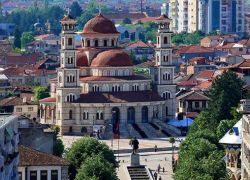
Muzeu i Pogradec is an important cultural and historical museum located in the town of Pogradec, close to the city of Korca in southeastern Albania. This museum is dedicated to preserving and presenting the rich cultural, literary, and social heritage of the Pogradec region. Known especially for its strong connection to famous Albanian writers and poets, Muzeu i Pogradec offers visitors a meaningful insight into the traditions, lifestyle, and intellectual history of this beautiful lakeside area near Lake Ohrid. Why Muzeu i Pogradec Is Famous Muzeu i Pogradec is famous for highlighting the literary and cultural identity of Pogradec, a town that has produced some of Albania’s most respected writers and artists. The museum is closely associated with Lasgush Poradeci, one of Albania’s greatest poets, whose life and work are deeply connected to Pogradec. Through exhibitions, manuscripts, photographs, and personal belongings, the museum tells the story of the town’s cultural influence on Albanian literature. In addition to its literary importance, the museum is also known for showcasing traditional lifestyle elements, local history, and the social development of the region. This combination makes Muzeu i Pogradec a unique attraction that blends literature, history, and local culture in one place. History of Muzeu i Pogradec The history of Muzeu i Pogradec reflects Albania’s efforts to preserve its cultural memory after decades of political and social change. The museum was established to protect the cultural heritage of Pogradec and surrounding areas, especially during the period after the fall of communism, when there was a renewed focus on national identity and artistic expression. Over time, the museum expanded its collections to include literary archives, historical documents, and ethnographic objects. These items help visitors understand how life in Pogradec evolved over the years and how the town became an important cultural center. Today, Muzeu i Pogradec stands as a symbol of pride for the local community and a valuable educational resource for visitors. Architecture of Muzeu i Pogradec The architecture of Muzeu i Pogradec is simple, elegant, and closely connected to traditional Albanian design. The building often reflects the style of local houses, with modest proportions, warm colors, and functional spaces. This architectural approach creates a welcoming atmosphere that allows visitors to feel connected to the past rather than overwhelmed by grandeur. Inside, the museum is well organized with clearly defined exhibition rooms. Each space is designed to guide visitors through different themes, such as literature, daily life, and regional history. The layout encourages slow exploration and reflection, making it ideal for those who enjoy cultural and educational visits. How to Reach Muzeu i Pogradec Muzeu i Pogradec is located in the town of Pogradec, which is approximately 40 kilometers from Korca. Visitors traveling from Korca can reach Pogradec by car, taxi, or bus. The road between Korca and Pogradec is well maintained and offers scenic views of the surrounding countryside. Regular buses operate between Korca and Pogradec, and the journey usually takes about one hour. Once in Pogradec, the museum is easily accessible on foot or by local taxi, as it is situated close to the town center. Visitors coming from Tirana can reach Pogradec via Korca or directly by long-distance bus. Weather and Best Time to Visit Muzeu i Pogradec Pogradec experiences a continental climate influenced by its proximity to Lake Ohrid. Summers are warm and pleasant, while winters can be cold, with occasional snowfall. Spring and autumn bring mild temperatures and are considered the most comfortable seasons for sightseeing. The best time to visit Muzeu i Pogradec is from April to June and from September to October. During these months, the weather is ideal for exploring both the museum and nearby attractions, including the lake promenade and parks. Summer visits are also popular, especially for tourists enjoying Lake Ohrid, but midday heat can be stronger. Timing and Entry Details Muzeu i Pogradec is generally open during standard daytime hours, usually from morning until late afternoon. Opening times may vary depending on the season, weekends, or public holidays. It is recommended to check local schedules or inquire at the tourist information center before visiting. Entry to the museum typically requires a small ticket fee, which is affordable for both local and international visitors. Discounts may be available for students, children, and organized groups. Guided visits can sometimes be arranged and are helpful for gaining deeper insight into the exhibits. Things to Do at Muzeu i Pogradec One of the main activities at Muzeu i Pogradec is exploring the literary exhibitions dedicated to Albanian writers, especially Lasgush Poradeci. Visitors can view original manuscripts, photographs, and personal items that provide a closer look into the lives of influential cultural figures. Another enjoyable activity is learning about traditional life in the Pogradec region through ethnographic displays. These exhibits show traditional clothing, household tools, and everyday objects that reflect how people lived in the past. Visitors can also take time to read historical information panels that explain the cultural development of the area. Interesting Facts About Muzeu i Pogradec Muzeu i Pogradec plays an important role in preserving Albania’s literary heritage, especially poetry and written works connected to nature and national identity. Many of the museum’s exhibits focus on the relationship between art and the natural beauty of Lake Ohrid. Another interesting fact is that Pogradec has long been a source of inspiration for Albanian artists due to its peaceful environment. The museum reflects this artistic spirit and highlights how the town influenced generations of writers and thinkers. Tips for Visiting Muzeu i Pogradec To fully enjoy your visit, plan to spend at least one hour exploring the museum at a relaxed pace. Visiting in the morning can offer a quieter experience, especially during the tourist season. Take time to read the descriptions, as they add valuable context to the exhibits. Combine your museum visit with a walk along Lake Ohrid or a visit to nearby cafes and parks to experience the full charm of Pogradec. Photography may be allowed in certain areas, but always follow museum guidelines and respect the exhibits. Conclusion Muzeu i Pogradec, near Korca, Albania, is a cultural gem that offers visitors a deep and meaningful look into the literary, historical, and social heritage of the region. With its thoughtful exhibitions, welcoming architecture, and strong connection to Albanian identity, the museum provides an enriching experience for all visitors. Whether you are a literature lover, history enthusiast, or cultural traveler, Muzeu i Pogradec is a rewarding destination that adds depth to any journey through southeastern Albania.
Explore More
The Ethnological Museum of Gjirokaster is one of the most important cultural attractions in southern Albania. Located in the historic old town of Gjirokaster, a UNESCO World Heritage Site, the museum offers visitors a deep insight into traditional Albanian lifestyle, customs, and social structure. Housed in a beautifully preserved Ottoman-era stone house, the museum reflects the architectural elegance and cultural richness for which Gjirokaster is famous. This museum is especially significant because it represents everyday life rather than royal or military history. Through its rooms, objects, and layout, visitors can understand how Albanian families lived, worked, and interacted over centuries. A visit to the Ethnological Museum is an essential experience for anyone interested in Albanian heritage and traditional Balkan culture. Why the Ethnological Museum Is Famous The Ethnological Museum is famous for its authentic presentation of traditional Albanian domestic life during the Ottoman period. Unlike modern museums with glass cases and digital displays, this museum preserves rooms as they originally functioned, allowing visitors to feel as if they have stepped back in time. It is also well known because the building was once the birthplace of Enver Hoxha, Albania’s former communist leader. Although the museum focuses on ethnography rather than politics, this historical connection adds to its significance and attracts many visitors interested in Albania’s complex past. History of the Ethnological Museum The original house on this site dates back to the 18th century and was built in the traditional Gjirokaster style. After being damaged by fire in the 19th century, it was rebuilt in 1966, carefully following original architectural methods and materials. The building was later converted into the Ethnological Museum to showcase Albanian cultural traditions, family life, and social customs. Over the years, it has become one of the most visited museums in Gjirokaster, playing a vital role in preserving and presenting Albania’s intangible cultural heritage. Architecture and Building Design The Ethnological Museum is a classic example of Gjirokaster’s Ottoman-style stone architecture. The house is built with thick stone walls, wooden ceilings, and a tower-like structure that reflects both defensive and residential purposes. Large windows allow natural light while offering views of the old town. Inside, the museum features multiple floors connected by wooden staircases. Rooms are arranged according to their original functions, including living areas, guest rooms, kitchens, storage spaces, and family quarters. The detailed woodwork, carved ceilings, and stone fireplaces highlight the craftsmanship of the period. How to Reach the Ethnological Museum The Ethnological Museum is located in the historic old town of Gjirokaster, close to other major attractions such as Gjirokaster Castle and the Old Bazaar. Visitors can easily reach the museum on foot while exploring the old town. From Tirana, Gjirokaster can be reached by car or bus in approximately four to five hours. Regular buses operate from Tirana, Saranda, and other major cities. Once in Gjirokaster, taxis are available, but walking is the best way to navigate the narrow cobblestone streets of the old town. Weather and Best Time to Visit Gjirokaster experiences a Mediterranean climate with hot summers and mild winters. Summer temperatures can reach up to 35°C, while spring and autumn are generally pleasant and comfortable for sightseeing. The best time to visit the Ethnological Museum is from April to June and from September to October. During these months, the weather is ideal for walking through the old town and exploring indoor and outdoor attractions without extreme heat. Timing and Entry Details The Ethnological Museum is usually open daily, with visiting hours typically from morning until late afternoon. Exact timings may vary slightly depending on the season, so it is advisable to check locally before visiting. There is a small entry fee to visit the museum, which helps support maintenance and preservation efforts. Tickets can be purchased at the entrance. Guided tours may be available and are recommended for a deeper understanding of the exhibits. Things to Do at the Ethnological Museum Visitors can explore traditional rooms furnished with original household items such as wooden furniture, textiles, carpets, kitchen tools, and clothing. Each room tells a story about family life, hospitality, and social traditions in Albanian culture. Photography is allowed in many areas, making it a great place to capture architectural details and cultural elements. Visitors can also combine their museum visit with a walk through the Old Bazaar and nearby historic houses to gain a broader view of Gjirokaster’s heritage. Interesting Facts About the Ethnological Museum The museum building has over a dozen rooms, each serving a specific purpose according to traditional Albanian family structure. Guest rooms were often the most elaborately decorated, highlighting the cultural importance of hospitality. Gjirokaster is known as the “City of Stone,” and the museum perfectly reflects this identity through its heavy stone construction and slate roofs, which are characteristic of the region. Tips for Visiting the Ethnological Museum Wear comfortable shoes, as the old town streets are steep and paved with stone. Allow at least one hour to explore the museum thoroughly. Consider visiting early in the day to avoid crowds, especially during peak tourist season. Hiring a local guide can enhance your experience by explaining cultural details that may not be obvious from the displays alone. Conclusion The Ethnological Museum in Gjirokaster, Albania, is a remarkable cultural site that brings traditional Albanian life to life through authentic architecture and carefully preserved interiors. More than just a museum, it is a journey into the social values, family traditions, and craftsmanship of the past. For travelers seeking to understand Albania beyond its landscapes, the Ethnological Museum offers a meaningful and enriching experience in one of the country’s most historic cities.
Explore More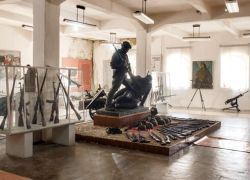
The Museum of Weapons in Gjirokaster, Albania, is a unique and fascinating destination for anyone interested in the country’s military history. Located in the heart of the UNESCO World Heritage-listed Old Town of Gjirokaster, the museum showcases an extensive collection of weaponry that spans centuries of Albanian history. The museum is housed in a former military barracks, and its displays offer insights into the region’s turbulent past, including its battles for independence and its role during the Ottoman and Communist periods. How to Reach The Museum of Weapons Reaching the Museum of Weapons in Gjirokaster is fairly simple, as it is located in the central area of the city, close to other important landmarks. The town of Gjirokaster is accessible by car or bus from major Albanian cities such as Tirana (120 km away). From Tirana, you can take a bus or private car, which typically takes about 3-4 hours. Once in Gjirokaster, the museum is within walking distance from other attractions like the Gjirokaster Castle and the Ethnological Museum. It is located on the main road that runs through the old town, making it easy to find. Weather in Gjirokaster Gjirokaster enjoys a Mediterranean climate with hot, dry summers and mild, rainy winters. The best time to visit the Museum of Weapons is during the spring and fall months (April to June and September to November), when the weather is pleasant and ideal for sightseeing. During the summer (June to August), temperatures can reach as high as 35°C (95°F), so it is recommended to visit in the early morning or late afternoon. Winter months are much cooler, with temperatures averaging between 5°C to 10°C (41°F to 50°F), so visitors may want to dress warmly during this time. Timing of The Museum of Weapons The Museum of Weapons is generally open every day of the week, with slightly varying hours depending on the season. During the high tourist season (spring and summer), the museum is open from 9:00 AM to 6:00 PM. During the off-season (fall and winter), the opening hours are usually shorter, typically from 10:00 AM to 5:00 PM. It is advisable to check the opening hours in advance, especially during the winter months, as the museum may close on certain public holidays. Why The Museum of Weapons is Famous The Museum of Weapons is famous for its vast and diverse collection of military artifacts that reflect the history of warfare in Albania and the Balkans. It is one of the few museums in Albania dedicated solely to weaponry, making it a unique attraction. The collection spans from the medieval period to World War II, the Communist era, and beyond. Visitors can view a wide range of weapons, from swords and rifles to pistols, machine guns, and military uniforms, all displayed in an organized and educational manner. Entry and Visit Details To visit the Museum of Weapons, you will need to purchase an entrance ticket. The ticket prices are generally affordable and can be paid at the entrance of the museum. For visitors interested in a more detailed experience, guided tours are available for an additional fee. The guides are knowledgeable about the history and significance of the artifacts and can provide in-depth explanations about Albania’s military past. Visitors can also explore the museum at their own pace, as there are signs in both Albanian and English that explain the exhibits in detail. History and Architecture of The Museum of Weapons The Museum of Weapons is housed in a former military barracks that was built during the Communist era, and the building itself holds historical significance. The structure is a traditional Albanian military building, designed to withstand the rigors of military use while also serving as a functional space for training and storing weapons. The museum’s exhibits are displayed in large, open rooms that retain much of the building’s original character, giving visitors a glimpse of its past use. Historically, the museum reflects the changing landscape of Albania’s military past, from its resistance against foreign occupation during the Ottoman period to its role in World War II and the Communist era. The museum is an important resource for understanding the country’s military history, especially during the time of Enver Hoxha’s dictatorship, which saw a massive build-up of military defenses, many of which are on display today. Things to Do at The Museum of Weapons There are many things to see and do when visiting the Museum of Weapons in Gjirokaster. Here are some activities to make the most of your visit: Explore the extensive collection of weapons, ranging from medieval swords to World War II-era rifles and machine guns. Learn about the role of Albanian resistance movements during the Ottoman and World War II periods. Observe the displays of military uniforms, helmets, and personal items used by soldiers throughout history. Take a guided tour to gain a deeper understanding of the military history of Albania and its role in the broader Balkan region. Visit the nearby attractions, such as the Gjirokaster Castle and the Ethnological Museum, to learn more about the history and culture of the city. Facts About The Museum of Weapons The museum was established in the 1970s and was initially part of the Albanian army’s efforts to showcase its military history. It holds a large collection of weapons, some of which date back to the Ottoman period, as well as items from the World Wars and the Communist era. The museum’s artifacts provide a unique insight into Albania’s military past, particularly during its struggle for independence and its later involvement in World War II. The building itself was originally used as a barracks by the Albanian army and has been preserved to maintain its historical authenticity. The museum is a key stop for anyone interested in learning more about the history of warfare in the Balkans and Albania's role in global conflicts. Tips for Visiting The Museum of Weapons Here are some helpful tips to ensure you have the best experience during your visit to the Museum of Weapons: Wear comfortable shoes, as the museum’s exhibits are spread over several floors, and there may be some walking involved. If you're visiting in the summer, consider going early in the day or late afternoon to avoid the heat, as Gjirokaster can get quite hot. Consider hiring a local guide to learn more about the history behind the weapons and their significance in Albania’s military past. Take your time to read the informative plaques next to each exhibit, as they provide detailed information about the items on display. Bring a camera to capture the impressive displays of historical military artifacts, but be respectful of any photography rules in the museum. Conclusion The Museum of Weapons in Gjirokaster is a fascinating and educational attraction for anyone interested in military history and the past of Albania. With its vast collection of artifacts, historical significance, and informative exhibits, the museum offers a unique perspective on the country’s history. Whether you’re a history enthusiast, a student, or a tourist, the Museum of Weapons is an essential stop in Gjirokaster and provides an insightful experience into the region’s military past.
Explore More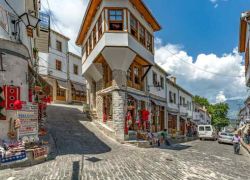
The Regional History Museum of Gjirokaster is one of the most important cultural institutions in southern Albania. Located in the heart of the UNESCO World Heritage-listed Gjirokaster Old Town, this museum offers a rich and comprehensive look into the region’s history, from ancient times to the present day. Housed in the former home of a wealthy Ottoman-era family, the museum is a remarkable place to explore the history, culture, and traditions of Gjirokaster and the surrounding area. It offers an intriguing mix of artifacts, exhibitions, and interactive displays that highlight the city’s role in Albanian history. How to Reach The Regional History Museum Gjirokaster is well connected by road to other major cities in Albania. The most common way to reach the city is by bus or private car from Tirana, which is approximately 120 kilometers (about 3-4 hours by car). There are several buses that run between Tirana and Gjirokaster each day, and the journey is comfortable and affordable. Once you arrive in Gjirokaster, the Regional History Museum is located in the heart of the old town. It is within walking distance from other prominent attractions, including the Gjirokaster Castle and the Ethnological Museum. Weather in Gjirokaster Gjirokaster has a Mediterranean climate, with hot, dry summers and mild winters. The summer months (June to September) are typically the busiest for tourists, with temperatures reaching up to 35°C (95°F). If you plan to visit during the summer, it’s recommended to explore the museum early in the day or later in the evening to avoid the heat. The best months for sightseeing are in the spring (April to June) and autumn (September to November), when the weather is pleasant and not too hot. Winter (December to February) is cooler, with temperatures ranging from 5°C to 10°C (41°F to 50°F), but it is also less crowded. Timing of The Regional History Museum The museum is generally open every day, but the opening hours may vary depending on the season. During the peak tourist season (spring and summer), the museum is open from 9:00 AM to 7:00 PM, allowing visitors to explore at their own pace. In the off-season (fall and winter), the hours may be reduced, typically from 10:00 AM to 5:00 PM. It’s a good idea to check the opening hours ahead of time, especially if you are visiting during the off-season or during public holidays. Why The Regional History Museum is Famous The Regional History Museum in Gjirokaster is famous for its well-curated exhibitions that provide a deep dive into the region’s history. From the prehistoric era through the Ottoman period and up to Albania’s independence and communist times, the museum showcases a wide variety of artifacts. The museum stands out not only for its collections but also for its location in a historic Ottoman-era house, which offers a unique insight into the city’s architectural past. The museum’s exhibitions include items such as traditional Albanian clothing, old photographs, documents, and even weapons used during the country’s various struggles for independence. Entry and Visit Details Visiting the Regional History Museum requires purchasing an entrance ticket, which is generally affordable. The ticket can be purchased at the entrance, and prices are often lower for students and groups. The museum also offers guided tours in both Albanian and English, providing a more in-depth explanation of the exhibits. Although you can explore the museum on your own, a guided tour is recommended for a better understanding of the historical context of the artifacts. Audio guides may also be available for those who prefer to explore independently. The museum is a great place to learn about Gjirokaster’s role in Albania’s history and its significance in the broader context of the Balkan region. History and Architecture of The Regional History Museum The Regional History Museum is housed in a beautiful Ottoman-era house that was originally owned by a wealthy merchant family from Gjirokaster. The building is a fine example of the distinctive architectural style of the region, featuring large stone walls, wooden beams, and traditional Albanian decorations. The structure is a two-story house with multiple rooms, and the interior has been preserved to retain its historical charm. The museum’s design complements its collections, offering visitors a glimpse into the past not just through the exhibits but also through the building itself. The museum’s exhibits are arranged in thematic sections, each focusing on different aspects of Gjirokaster’s history, from its ancient Illyrian origins to its role in the Albanian War of Independence, the Italian and German occupations during World War II, and the Communist era. The museum provides detailed historical context for each period, with photographs, written materials, and artifacts that help visitors understand the key events that shaped the region. Things to Do at The Regional History Museum When visiting the Regional History Museum, there are a number of activities you can enjoy to enhance your experience: Take a guided tour to learn about the history of Gjirokaster, from its ancient roots to its modern history. Explore the exhibits of traditional Albanian clothing, weapons, and tools used by locals throughout history. Admire the beautiful Ottoman architecture of the house, with its unique wooden ceilings and stone walls. Visit the museum's collection of old photographs and documents that tell the story of Gjirokaster’s development and its role in Albanian history. After visiting the museum, take a walk through the old town of Gjirokaster to experience the historical atmosphere firsthand. Facts About The Regional History Museum The museum is housed in a traditional Ottoman house, which was built in the 18th century and later turned into a museum in the 1960s. It features a wide range of exhibits, including archaeological artifacts, traditional clothing, and military items. The museum’s collections span many different periods, including the Illyrian, Roman, Byzantine, and Ottoman periods. The museum provides an excellent insight into the cultural and historical development of Gjirokaster and its people. It is located in the heart of Gjirokaster’s old town, which is a UNESCO World Heritage site, making it easy to combine with visits to nearby attractions. Tips for Visiting The Regional History Museum To make the most of your visit to the Regional History Museum, here are some helpful tips: Wear comfortable shoes as you will be walking through the museum’s multiple rooms and may also explore the surrounding old town. If you’re interested in the history of Gjirokaster, consider taking a guided tour for a more in-depth experience. Visit the museum in the morning or late afternoon to avoid the midday crowds, especially during the summer months. Bring a camera to capture the beautiful architecture and artifacts, but check for any photography restrictions within the museum. After visiting the museum, take some time to explore the nearby attractions such as the Gjirokaster Castle and the Ethnological Museum for a more comprehensive understanding of the city’s history. Conclusion The Regional History Museum in Gjirokaster is an essential stop for anyone interested in learning more about the region’s rich cultural heritage. Whether you’re a history enthusiast, a student of Albanian culture, or simply a curious traveler, this museum offers an immersive experience that will help you understand the pivotal moments that shaped Gjirokaster and Albania as a whole. With its well-preserved building, extensive collection of artifacts, and informative exhibits, the museum is a must-visit location in Gjirokaster for anyone exploring the city’s fascinating past.
Explore More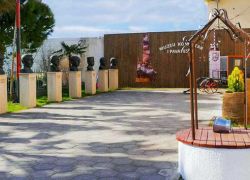
National Museum of Independence
The National Museum of Independence is one of the most significant historical landmarks in Vlore, Albania. Located in the heart of the city, the museum is dedicated to the declaration of Albania's independence from the Ottoman Empire in 1912. The museum showcases the history, struggles, and triumphs of Albania's fight for freedom. It also offers a glimpse into the country’s national identity and the cultural heritage that shaped the modern Albanian state. The museum, housed in a beautiful historical building, serves as both an educational and cultural hub for locals and tourists alike. How to Reach the National Museum of Independence The National Museum of Independence is conveniently located in Vlore’s city center, making it easily accessible by car, bus, or on foot. If you are staying in the city center, the museum is just a short walk away, situated near several other important landmarks and the seafront. It is approximately a 10-minute walk from the port and Vlore’s main promenade, which is lined with cafes, restaurants, and shops. If you are traveling to Vlore from other parts of Albania, the city is well-connected by road. From the capital, Tirana, it is about a 2-hour drive via the SH1 highway. Once you arrive in Vlore, the museum is easy to find in the center of the city. There are also local buses that connect the city’s main bus terminal to the museum, providing an affordable and reliable means of transport. Weather in Vlore Vlore enjoys a Mediterranean climate with hot, dry summers and mild, wet winters. The best time to visit the National Museum of Independence is during the spring (April to June) and autumn (September to November) when the weather is pleasant and ideal for exploring. The average temperature during these seasons ranges from 15°C to 25°C (59°F to 77°F), perfect for a leisurely walk through the city and a visit to the museum. Summer (July to August) is the peak tourist season, with temperatures often exceeding 30°C (86°F). While the city is bustling, it is best to visit early in the day or later in the afternoon to avoid the midday heat. The winter months (December to February) are milder, with temperatures ranging from 5°C to 15°C (41°F to 59°F), which can be ideal for a quieter visit, though some outdoor activities may be limited due to rain or cooler temperatures. Timing of the National Museum of Independence The National Museum of Independence is open to visitors every day of the week from 9:00 AM to 6:00 PM. It is recommended to visit earlier in the day, especially during peak tourist seasons, as the museum can get crowded later in the afternoon. Visitors should note that the museum is closed on certain national holidays, so it is wise to check the museum's schedule before planning your visit. Why the National Museum of Independence is Famous The National Museum of Independence is famous for its deep historical significance. It commemorates the events leading up to Albania's declaration of independence on November 28, 1912. This event marked the end of over 400 years of Ottoman rule and the birth of Albania as an independent nation. The museum houses artifacts, documents, and exhibits that highlight the key figures, movements, and struggles of the time, including the efforts of Ismail Qemali, the leader of the Albanian independence movement. In addition to its historical value, the museum is also notable for its location in a building that once served as the site for the first Albanian government. This adds a layer of cultural and architectural importance to the museum, making it not only a place to learn about history but also a symbol of the beginning of Albania’s modern statehood. Entry and Visit Details Entry to the National Museum of Independence is relatively affordable. The general entry fee is typically around 200-300 Albanian lek (roughly 2-3 USD). For students and senior citizens, there are often discounts available. It’s important to bring cash, as credit card payments may not always be accepted. The museum offers both individual and guided tours. While the museum is small enough to explore independently, taking a guided tour can greatly enhance your experience, providing a deeper understanding of the artifacts and the historical events that shaped Albania’s independence. Tours are typically available in both Albanian and English, but it’s advisable to check in advance if you need a guide in another language. History and Architecture of the National Museum of Independence The National Museum of Independence is housed in a historical building that dates back to the early 20th century. The structure itself is a prime example of the Italian-influenced architectural style that was common in Albania during the late Ottoman and early independence periods. The building’s façade reflects a mix of classical and local design elements, and its interior features elegant halls and galleries that are carefully curated to showcase the country’s rich history. The museum’s most notable feature is the large central hall, where the declaration of independence was made. The building has been meticulously preserved to maintain its historical integrity, and many of the rooms contain original furniture, documents, and photographs from the time of independence. The museum’s exhibits focus on the major events of 1912, including the establishment of the provisional government, and the pivotal role played by figures like Ismail Qemali and other leaders of the independence movement. Things to Do at the National Museum of Independence While the National Museum of Independence is a historical and educational site, there are several activities and experiences that visitors can enjoy during their visit: Explore the museum's extensive collection of photographs, documents, and artifacts that tell the story of Albania's journey to independence. Visit the room where Albania’s independence was declared and reflect on the significance of this moment in the country’s history. Learn about the key figures involved in the independence movement, such as Ismail Qemali, and their contributions to the formation of modern Albania. Take a guided tour to gain a more in-depth understanding of the museum's exhibits and Albania's historical context during the early 20th century. Enjoy the surrounding area of Vlore, which is rich in both natural beauty and historical landmarks, including the nearby Muradie Mosque and Independence Square. Facts About the National Museum of Independence The museum was established in 1962 to commemorate the 50th anniversary of Albania’s declaration of independence in 1912. It is housed in the very building where the provisional government of Albania was formed after the declaration of independence. The museum features over 1,000 historical objects, including documents, photographs, and personal belongings of the independence leaders. The museum is an important center for the study of Albania’s national identity and the country’s path to independence from the Ottoman Empire. It also offers insight into the political and social landscape of Albania during the early 20th century, including the challenges the country faced after gaining independence. Tips for Visiting the National Museum of Independence Here are some tips to make the most of your visit to the National Museum of Independence: Visit early in the day or later in the afternoon to avoid crowds, especially during the peak tourist season (summer months). Bring a camera to capture the historical exhibits, but remember that photography may be restricted in some areas, so ask first. Consider taking a guided tour to fully appreciate the museum’s historical context and the significance of the artifacts. Dress comfortably, as the museum requires walking through multiple rooms and floors to fully appreciate its exhibits. Check the museum’s schedule in advance, as it may be closed on national holidays or special events. Conclusion The National Museum of Independence in Vlore is an essential destination for those interested in learning about Albania’s path to independence and its rich cultural heritage. The museum offers a comprehensive look at the events of 1912, the key figures involved in the independence movement, and the broader historical context that shaped modern Albania. Whether you are a history enthusiast, a student, or simply a traveler interested in Albania’s past, a visit to this museum will leave you with a deeper appreciation for the country’s journey to freedom.
Explore More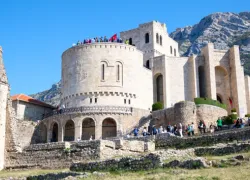
The Skanderbeg Museum, located in the historic town of Krujë, Albania, is dedicated to one of the country’s greatest national heroes, Gjergj Kastrioti, also known as Skanderbeg. This museum honors his legacy and his resistance against the Ottoman Empire in the 15th century. The museum is housed within the walls of the famous Krujë Castle, which adds to its historical significance and charm. A visit to the Skanderbeg Museum offers a unique opportunity to delve into Albanian history, culture, and the heroic past of its people. How to Reach Skanderbeg Museum Skanderbeg Museum is located within Krujë Castle, so reaching it is the same as visiting the castle. The easiest way to get there is by car. If you're coming from Tirana, the capital city of Albania, the drive to Krujë takes around 30 minutes (20 kilometers). You can also take a local bus from Tirana’s main bus station, which will drop you at the base of Krujë’s hill. From the bus stop, it's a short walk uphill to the castle and the museum entrance. Taxis and private tours are also options for a more direct route to Krujë Castle. Weather in Krujë Krujë experiences a Mediterranean climate, with hot, dry summers and mild, wet winters. The best time to visit the Skanderbeg Museum is during the spring and fall months (April to October), when the weather is moderate and pleasant. In the summer, temperatures can reach between 25°C and 35°C (77°F to 95°F), so it’s important to dress accordingly with light clothing and sunscreen. Winter temperatures are cooler, between 5°C and 15°C (41°F and 59°F), but the weather is still manageable for sightseeing. Always check the weather forecast before you visit to ensure the best experience. Timing of the Visit The Skanderbeg Museum is open year-round, typically from 9:00 AM to 6:00 PM. However, opening hours may vary during the off-season or around public holidays, so it’s a good idea to confirm the hours before your visit. In the summer, the museum can get quite busy, so it’s advisable to arrive early to avoid crowds. If you're planning to visit during the busy tourist season, early mornings offer a peaceful experience, allowing you to explore the museum and surrounding castle grounds without many visitors. Why Is Skanderbeg Museum Famous? The Skanderbeg Museum is famous for its dedication to one of Albania's most revered national figures: Skanderbeg (Gjergj Kastrioti). Skanderbeg is celebrated for his valiant efforts to defend Albania and other Balkan territories against the advancing Ottoman Empire during the 15th century. As the leader of the Albanian resistance, Skanderbeg became a symbol of freedom and pride for Albanians. His successful military campaigns and strategic alliances against the Ottomans earned him a place in both Albanian and world history. The museum is not just about his military achievements but also offers a deep insight into his personal life, his leadership, and his legacy as a protector of Albanian culture and independence. Entry and Visit Details To visit the Skanderbeg Museum, you need to enter Krujë Castle, as the museum is located within the castle’s grounds. The entry fee for both the castle and the museum is generally around 200 Albanian Lek (approximately 2 USD), but this may vary. Once inside, you’ll have access to the museum exhibits, which include paintings, sculptures, and artifacts related to Skanderbeg’s life and military campaigns. There is also an audio guide available to help you navigate the museum and learn more about the history behind each exhibit. A visit typically lasts between 1 and 2 hours, depending on how much time you spend exploring the museum and the castle grounds. History and Architecture of Skanderbeg Museum The Skanderbeg Museum was established in 1982, in a building that has historical significance. It is located within the walls of the Krujë Castle, which dates back to the 5th century but was largely fortified by Skanderbeg himself in the 15th century. The museum is housed in a section of the castle that has been preserved and restored to showcase exhibits on Skanderbeg’s life. The architecture of the museum is a mix of medieval fortifications and modern museum design, making it a fascinating place to explore both the historical structures of the castle and the curated displays of the museum. Things to Do at Skanderbeg Museum Aside from exploring the museum's exhibits, visitors can enjoy several activities within the Krujë Castle complex. These include: Walking along the castle’s ramparts and walls to admire the panoramic views of the surrounding valley and the Adriatic Sea. Exploring the Ethnological Museum, located near the castle, to learn more about traditional Albanian life, customs, and clothing. Visiting the old Krujë Bazaar, which is known for its narrow streets and traditional handicrafts, such as Albanian carpets, pottery, and textiles. Taking a leisurely walk through the town of Krujë itself, which is rich in cultural heritage. Interesting Facts about Skanderbeg Museum The museum’s main exhibit is dedicated to Skanderbeg’s battle against the Ottoman Empire, where visitors can see detailed replicas of his armor, weapons, and maps of his military campaigns. Skanderbeg’s statue stands proudly at the entrance to the museum, symbolizing his role in Albanian history and his national importance. Skanderbeg’s personal flag, which features a double-headed eagle, is a key symbol of Albanian national identity and is displayed prominently in the museum. The museum is part of a larger historical complex that includes the ruins of the ancient castle and other nearby structures from the 15th century. Tips for Visiting Skanderbeg Museum Wear comfortable shoes because there is a bit of walking and climbing involved to reach the castle and museum. If you're visiting during the summer, bring water and sunscreen as it can get quite hot walking around the castle grounds. Consider bringing a camera to capture the beautiful views of Krujë and the surrounding areas from the castle walls. Take time to explore the Krujë Bazaar after your visit to the museum to shop for souvenirs and experience local crafts. Be sure to ask the museum staff for a guide or audio tour to enrich your understanding of Skanderbeg’s life and achievements.
Explore More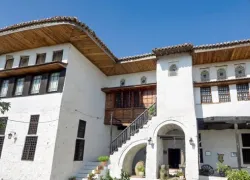
The Ethnographic Museum of Krujë is one of the most significant cultural institutions in Albania. Located in the historic town of Krujë, the museum offers a fascinating insight into the traditional way of life in Albania, showcasing the customs, crafts, and daily activities of the local people. Housed in an old Ottoman-era building, the museum not only highlights the cultural richness of Krujë but also represents the broader Albanian heritage. A visit to the Ethnographic Museum is a journey back in time, giving you the chance to experience the history and culture of this beautiful region in a way that is both educational and immersive. How to Reach the Ethnographic Museum of Krujë The Ethnographic Museum is located in the heart of Krujë, just a short walk from the famous Krujë Castle and the Skanderbeg Museum. If you are traveling from Tirana, the capital city of Albania, you can reach Krujë by car or bus. The drive from Tirana to Krujë takes approximately 30 minutes, covering a distance of 20 kilometers. If you prefer public transportation, you can take a bus from the Tirana Bus Station to Krujë. The bus will drop you near the center of Krujë, from where you can easily walk to the museum. Taxis are also a convenient option if you're looking for a direct route. Once in Krujë, the museum is within walking distance of many other historical landmarks, making it an ideal stop for those exploring the town. Weather in Krujë Krujë has a Mediterranean climate, which means that summers are hot and dry, while winters are mild and rainy. The best time to visit the Ethnographic Museum is during the spring (April to June) and fall (September to November), when the weather is pleasant and moderate. Summer temperatures can range from 25°C to 35°C (77°F to 95°F), so it's advisable to wear light, breathable clothing and carry sunscreen if you're visiting during this time. Winters are cooler but still comfortable, with temperatures ranging from 5°C to 15°C (41°F to 59°F). Since the museum is indoors, you can visit year-round, but it's a good idea to check the weather forecast to make the most of your trip. Timing of the Visit The Ethnographic Museum of Krujë is typically open every day from 9:00 AM to 6:00 PM. However, opening hours may vary depending on the time of year, so it's always a good idea to check in advance. During peak tourist season, which runs from late spring to early autumn, the museum may be busier, so visiting in the morning is recommended to avoid the crowds. If you visit in the off-season, you may find that it’s less crowded and you can take your time exploring the exhibits. Why Is the Ethnographic Museum Famous? The Ethnographic Museum is famous for its authentic and comprehensive portrayal of traditional Albanian life, specifically that of the Krujë region. It is housed in a traditional 18th-century Ottoman-era building, which itself is an important part of the museum's appeal. The museum’s exhibits showcase a wide range of artifacts, from traditional clothing and household items to tools used in daily life. The museum also highlights the craftsmanship of the local people, including weaving, pottery, and metalwork. It provides visitors with a glimpse into the rural life of Albania, which has remained largely unchanged for centuries. The museum’s focus on the customs and traditions of the region makes it an essential stop for those interested in understanding Albanian culture and history. Entry and Visit Details The entry fee for the Ethnographic Museum of Krujë is generally around 200 Albanian Lek (approximately 2 USD). This ticket gives visitors access to the museum’s exhibits, which are spread out over multiple rooms in the building. Inside, you’ll find displays of traditional Albanian clothing, wooden furniture, tools, and items related to local farming, crafts, and daily life. The museum also features photographs and historical documents that help to tell the story of the people of Krujë. Guided tours are available for an additional fee and can help you get a deeper understanding of the exhibits. It's recommended to spend at least 1-1.5 hours exploring the museum and its rich cultural offerings. History and Architecture of the Ethnographic Museum The Ethnographic Museum of Krujë is located in a beautifully preserved building dating back to the 18th century, during the Ottoman period. The house itself is an excellent example of traditional Albanian architecture, with its wooden beams, stone floors, and intricately carved details. The building was originally a residence for a wealthy family, and the architecture reflects the local style of the time. The museum was established in 1989 and has since become an important cultural institution in Albania. The exhibits inside are arranged to give visitors a sense of what life would have been like for the people of Krujë during the Ottoman era and the following centuries. It’s a blend of history, culture, and local heritage, all beautifully preserved within an authentic setting. Things to Do at the Ethnographic Museum Aside from touring the museum’s exhibits, there are a few other things to do in and around the museum: Explore the Old Bazaar of Krujë, located just a short walk from the museum, where you can buy traditional Albanian handicrafts, including handmade carpets, jewelry, and textiles. Visit the Krujë Castle and Skanderbeg Museum, which are nearby and offer a deeper understanding of Albanian history and the life of the national hero, Skanderbeg. Enjoy the panoramic views of Krujë from the museum and surrounding castle area. The views of the valley and the Adriatic Sea are particularly stunning. Take a stroll through the town of Krujë itself, which has many charming cafes and restaurants where you can sample local Albanian dishes. Interesting Facts about the Ethnographic Museum The museum is housed in a traditional Ottoman-style house that was once a private residence. It showcases a wide variety of traditional Albanian crafts, including weaving, embroidery, and pottery. The exhibits include items that were used in everyday life, such as old cooking utensils, tools, and furniture. The museum is part of a larger complex of cultural sites in Krujë, including the Krujë Castle and the Skanderbeg Museum, making it a perfect stop for history lovers. The town of Krujë itself is known for its rich cultural heritage, and the museum plays a key role in preserving and presenting this history to visitors. Tips for Visiting the Ethnographic Museum of Krujë Wear comfortable shoes, as the museum is located on a hill and you may need to walk uphill to reach it. Consider visiting the museum in the morning to avoid crowds, especially during the summer months. If you’re interested in learning more about the exhibits, consider hiring a guide or using an audio guide to get more context about the artifacts on display. Don't forget to explore the nearby Old Bazaar, where you can purchase authentic Albanian handicrafts as souvenirs. Take your time to enjoy the views from the museum and Krujë Castle, as the scenery is one of the highlights of the area.
Explore More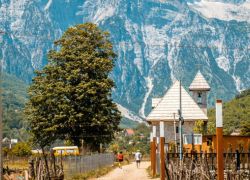
The Ethnological Museum of Kukës
The Ethnological Museum of Kukës is an important cultural landmark in the town of Kukës, located in northeastern Albania. It serves as a window into the traditional life, customs, and history of the region, offering visitors a deep insight into the unique cultural heritage of the Kukës area. The museum is dedicated to preserving and showcasing the customs, art, tools, clothing, and everyday items that have shaped the lives of the people in this part of Albania. Whether you are interested in history, culture, or simply want to learn more about Albania’s rural traditions, the Ethnological Museum in Kukës is a must-visit destination. How to Reach The Ethnological Museum of Kukës The Ethnological Museum of Kukës is centrally located in the town of Kukës, which is easily accessible by road. If you're traveling from the capital city, Tirana, the journey takes around 4-5 hours by car (approximately 170 kilometers), via the Rruga e Kombit highway. This scenic road provides breathtaking views of the Albanian Alps and is an experience in itself. Visitors can also take a bus from Tirana to Kukës, with buses departing regularly from the central bus station in Tirana. The bus ride is affordable and convenient, although it may take longer due to road conditions and stops along the way. Once in Kukës, the museum is located in the heart of the town, and you can easily reach it by foot, taxi, or a short local ride. Weather in Kukës Kukës enjoys a continental climate, characterized by hot summers and cold winters, which significantly impacts the visitor experience. Summer temperatures typically range from 25°C to 35°C (77°F to 95°F), with cooler evenings due to its high altitude. The weather is ideal for sightseeing and exploring the outdoors, making it a perfect time to visit the museum and surrounding areas. Winter temperatures in Kukës can drop to as low as -5°C to 5°C (23°F to 41°F), with occasional snow, particularly in the higher elevations. While snow adds to the region's charm, it may make travel conditions more challenging, so it’s important to check road conditions if you plan to visit during the colder months. The best time to visit the Ethnological Museum of Kukës is during the spring (April to June) and autumn (September to October), when the weather is mild, and outdoor activities such as hiking are also popular in the region. However, the museum is open year-round, and winter visitors can enjoy the quiet beauty of Kukës when fewer tourists are around. Timing of the Visit The Ethnological Museum of Kukës is typically open every day of the week, although the exact opening hours may vary depending on the season. Generally, the museum is open from 9:00 AM to 6:00 PM. During the winter months, the museum might have reduced hours, so it’s advisable to check ahead before planning your visit. It is recommended to allocate around 1 to 2 hours to explore the museum, depending on your interest in the exhibits. The museum is relatively small but packed with fascinating artifacts, making it an ideal stop for those interested in learning about the traditions of Kukës and the surrounding regions of Albania. Why Is The Ethnological Museum of Kukës Famous? The Ethnological Museum of Kukës is famous for being a repository of the region's rich cultural heritage. It houses a collection of traditional artifacts, clothing, agricultural tools, furniture, and crafts that represent the everyday life of the people of Kukës and its surrounding areas. The museum offers a unique glimpse into the customs and history of the region, preserving traditions that have been passed down through generations. What sets the museum apart is its focus on rural life and the cultural identity of northern Albania. Visitors can learn about the traditional clothing worn by the local people, the customs surrounding marriage and family life, as well as the tools used in agriculture and handicrafts. The museum also explores the impact of the region’s geography, such as the challenges faced by the people living in the mountainous areas, and how these conditions shaped their lifestyle and culture. Entry and Visit Details about The Ethnological Museum of Kukës Entry to the Ethnological Museum of Kukës is typically very affordable, with a small entrance fee for adults. Children, students, and seniors often enjoy discounted entry fees. The museum is open year-round, and it’s a popular stop for both tourists and local school groups who visit for educational purposes. The museum offers guided tours in Albanian, but English-speaking guides are available upon request. These guided tours provide a more in-depth understanding of the exhibits and offer visitors the opportunity to ask questions and interact with the museum staff. The museum is housed in a traditional building that reflects the architectural style of the region, making it a fitting setting for the artifacts it holds. It’s recommended to arrive early to avoid crowds, especially during peak tourist seasons. The museum is not typically crowded, and you’ll be able to enjoy a more intimate experience while exploring the collection. Additionally, nearby cafes and restaurants offer the chance to try local dishes after your visit. History and Architecture of The Ethnological Museum of Kukës The Ethnological Museum of Kukës was established to preserve the cultural heritage of the Kukës region and to educate visitors about the traditional ways of life in northern Albania. The museum is housed in a traditional building that reflects the architectural style typical of the area. The building itself is a beautiful example of Albanian rural architecture, with its stone walls and wooden accents. The museum’s collection includes a variety of historical objects, including farming tools, furniture, and textiles that were used by the people of Kukës. There are also displays of religious artifacts, reflecting the deep cultural and spiritual traditions of the region. The museum’s exhibitions offer visitors a chance to connect with the history of the region in a tangible way, through the objects that were once used in daily life. Things to Do at The Ethnological Museum of Kukës While the main focus of the Ethnological Museum is the collection of artifacts and exhibits related to traditional Albanian culture, there are several activities that visitors can enjoy during their visit: Explore the Exhibits: The museum showcases traditional clothing, agricultural tools, furniture, and religious artifacts that offer insight into the way of life in Kukës and the surrounding villages. Learn About Local Traditions: The museum provides valuable information about local customs, such as traditional weddings, festivals, and daily rituals. Guided Tours: Visitors can take advantage of guided tours to gain a deeper understanding of the museum’s exhibits and the cultural history of the Kukës region. Photography: The museum’s beautifully arranged exhibits offer great opportunities for photography, especially for those interested in cultural and historical photography. Interesting Facts About The Ethnological Museum of Kukës The museum houses more than 2000 objects, including traditional clothing, ceramics, metal tools, and religious items. Many of the artifacts on display have been donated by local families, reflecting the strong connection between the people of Kukës and their heritage. The museum also hosts occasional cultural events and exhibitions that highlight other aspects of Albanian culture, such as music, dance, and crafts. Visitors can also learn about the historical significance of Kukës, which has played an important role in Albania's history, particularly during the 20th century. Tips for Visiting The Ethnological Museum of Kukës Check the museum’s opening hours before your visit, as they may vary depending on the season. It’s a good idea to hire a guide for a more immersive experience, especially if you want to learn more about the objects on display and the history of the region. Don’t forget to take photos of the exhibits, but be respectful of the museum’s rules regarding photography. After visiting the museum, explore the town of Kukës and nearby attractions like the Valbona Valley or Rruga e Kombit for a complete cultural experience.
Explore More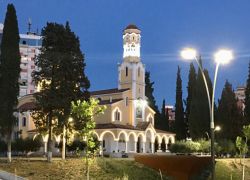
The Fier Archaeological Museum
The Fier Archaeological Museum, located in the city of Fier in southern Albania, is a fascinating cultural and historical destination for those interested in exploring the region's ancient past. The museum showcases an extensive collection of artifacts that trace the history of the area from the prehistoric period through to the Roman era. Fier, being strategically located in the fertile plains of the Adriatic coast, has been inhabited for thousands of years, and the museum presents an incredible overview of this rich heritage. From Greek pottery to Roman sculptures, the Fier Archaeological Museum is a must-visit for history enthusiasts and tourists exploring Albania’s diverse cultural landscape. How to Reach The Fier Archaeological Museum The Fier Archaeological Museum is located in the center of Fier city, which is easily accessible by road from other major cities in Albania. If you're traveling from Tirana, the capital of Albania, the museum is approximately 2 hours away by car, covering a distance of around 130 kilometers. The easiest route is to take the A1 highway, which connects Tirana to the southern cities of Albania. For those traveling by bus, Fier is well-connected by public transportation. Buses from Tirana to Fier run regularly throughout the day, and the journey takes about 2 to 2.5 hours, depending on traffic. Once you arrive in the city, the museum is located just a short walk or taxi ride from the main bus station in the center of Fier. Weather in Fier Fier has a Mediterranean climate, which means it enjoys hot, dry summers and mild, wet winters. The summer months (June to August) are typically hot, with temperatures ranging from 25°C to 35°C (77°F to 95°F), making it an ideal time to explore the city and the museum. However, it is advisable to bring water and wear sunscreen as the sun can be quite intense. Winter temperatures (December to February) are mild, usually ranging between 8°C and 16°C (46°F to 61°F). Rain is more frequent during the winter months, so it’s a good idea to bring a light jacket and check the weather forecast before visiting. Spring (March to May) and autumn (September to November) are pleasant times to visit, with mild temperatures, fewer tourists, and ideal conditions for walking and sightseeing. Timing of the Visit The Fier Archaeological Museum is generally open year-round, with the exception of certain holidays. The regular opening hours are from 9:00 AM to 5:00 PM, Monday through Saturday. It is closed on Sundays and during certain national holidays. The best time to visit is in the morning, as the museum tends to be quieter and provides a more relaxed atmosphere for exploring the exhibits. If you are planning to visit during the summer, it is advisable to arrive early to avoid the afternoon heat and crowds. The museum is smaller compared to some other European museums, but it is well worth the visit for those interested in the rich history of Albania’s southern region. Why Is The Fier Archaeological Museum Famous? The Fier Archaeological Museum is famous for its impressive collection of artifacts that span several historical periods. The museum focuses primarily on the archaeology of the Fier region, highlighting the ancient civilizations that lived in the area. It is particularly famous for its exhibits from the Greek and Roman periods, as well as its collection of artifacts from the prehistoric Illyrian culture. One of the museum’s most significant exhibits is a collection of pottery from the ancient Greek city of Apollonia, which was an important cultural center during antiquity. The museum also has an exceptional display of Roman and Byzantine coins, stone inscriptions, and sculptures that provide insight into the daily life, religious practices, and political structure of these ancient civilizations. Entry and Visit Details about The Fier Archaeological Museum Entry to the Fier Archaeological Museum is affordable, with a small entrance fee for adults. Children, students, and senior citizens often benefit from discounted entry fees. The museum also offers guided tours in multiple languages, including Albanian and English. The tours are led by knowledgeable guides who can provide a deeper understanding of the history and significance of the exhibits. Visitors can also explore the museum independently, with the help of informational plaques and descriptions available in both Albanian and English. The museum is well-maintained and organized, making it easy to navigate and enjoy the exhibits at your own pace. Although it’s not a large museum, the collection is rich in historical value, providing an excellent introduction to the archaeological history of the region. History and Architecture of The Fier Archaeological Museum The Fier Archaeological Museum was established in 1960 and is located in a building that was originally designed as a cultural center. The museum was founded to preserve and display the artifacts uncovered during excavations in and around Fier. The surrounding area has been inhabited since prehistoric times, and archaeological excavations have revealed numerous artifacts and structures that reflect the rich cultural heritage of the region. The architecture of the museum itself is modern and functional, with spacious exhibition halls that showcase the collections in an organized manner. The design of the building is simple, yet effective in creating an atmosphere that enhances the historical experience for visitors. The museum is set amidst the beautiful surroundings of the city of Fier, and the large windows allow natural light to flood the interior, providing a welcoming environment for visitors. Things to Do in The Fier Archaeological Museum There are several things visitors can do when they visit the Fier Archaeological Museum, which make for an enriching cultural experience: Explore the Exhibits: The museum is home to a wide range of archaeological artifacts, including pottery, sculptures, and inscriptions. The museum’s main exhibit focuses on the history of the ancient Illyrians, the Greek colonists of Apollonia, and the Roman presence in the region. Guided Tours: Take a guided tour of the museum to learn more about the history of the exhibits and the archaeological significance of the Fier region. The guides are knowledgeable and offer fascinating insights into the ancient cultures of Albania. Photography: The museum’s well-maintained exhibits and interesting displays make it a great place for photography. Be sure to capture the beautiful artifacts and sculptures that reflect the region’s ancient past. Visit the Surroundings: After visiting the museum, take time to explore the city of Fier. The city offers a variety of cafes, restaurants, and parks, and visitors can learn more about the local culture and enjoy traditional Albanian cuisine. Interesting Facts About The Fier Archaeological Museum The museum’s collection includes artifacts from the ancient city of Apollonia, one of the most important Greek cities in Albania during the 6th century BC. The Fier Archaeological Museum has a unique collection of Roman coins, including some that were minted locally during the Roman period. Artifacts from the prehistoric Illyrian culture, which predated the Greeks and Romans, are also on display, showcasing the ancient roots of the region. The museum is located near the ancient city of Apollonia, which was a key center for trade and culture in antiquity and continues to be a major archaeological site. Tips for Visiting The Fier Archaeological Museum Wear comfortable shoes, as you may be walking for an extended period of time while exploring the museum and the surrounding area. Visit during the morning or early afternoon to avoid the crowds, especially during the summer tourist season. Consider taking a guided tour to gain a deeper understanding of the exhibits and the history of the region. If you’re traveling with children, make the visit more engaging by encouraging them to observe and ask questions about the ancient artifacts on display. Don’t forget to bring a camera to capture the impressive sculptures, pottery, and other artifacts on display. Be respectful of the museum's rules, especially when it comes to photography. Some artifacts may have restrictions on photography.
Explore More