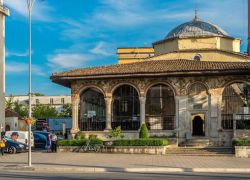
The Et'hem Bey Mosque is one of the most iconic and historically significant landmarks in Tirana, the capital city of Albania. Located in the heart of the city, right next to Skanderbeg Square, the mosque stands as a testament to the country’s Islamic heritage and architectural elegance. Built in the late 18th century, Et'hem Bey Mosque is not just a place of worship, but also a symbol of Albania’s rich cultural history. Today, it serves as a popular tourist attraction and a peaceful space for reflection and spirituality. How to Reach Et'hem Bey Mosque, Tirana, Albania Et'hem Bey Mosque is centrally located in Tirana, making it easily accessible by foot from most major landmarks, including Skanderbeg Square, the National History Museum, and the Clock Tower. If you're staying in the city center, you can simply walk to the mosque as it's within walking distance from most attractions. If you’re arriving by air, the nearest airport is Tirana International Airport (Nënë Tereza), which is about 17 kilometers away from the mosque. You can take a taxi, use a ride-hailing app like Uber or Bolt, or take a shuttle bus to the city center. From there, the mosque is just a short walk away from Skanderbeg Square. Public transportation, including buses and taxis, are also easily available and can take you to the mosque if you're coming from other parts of the city. The mosque is well signposted, so you won’t have trouble finding it once you’re in the city center. Weather in Tirana The weather in Tirana is Mediterranean, with hot summers and mild winters. The summer months (June to August) can be quite warm, with temperatures often exceeding 30°C (86°F), while winters are mild with temperatures averaging around 10°C (50°F). The best time to visit Et'hem Bey Mosque is during the spring (April to June) and fall (September to November), when the weather is moderate and pleasant. In the summer, it can be quite hot, so be prepared for the warmth if visiting during this season. Why is Et'hem Bey Mosque Famous? Et'hem Bey Mosque is famous for both its historical significance and its unique architectural features. Built between 1789 and 1821 by Mullah Bey, the mosque is one of the oldest and most important Islamic structures in Albania. What sets this mosque apart from others is its remarkable blend of Ottoman, Albanian, and European architectural styles, which is rare in the region. The mosque is particularly well-known for its stunning frescoes, which adorn the interior walls and ceiling. These frescoes are not typical of Islamic art, as they incorporate Western artistic influences, such as the depiction of trees, bridges, and landscapes. This makes the mosque one of the few examples of such eclectic Islamic art in the world. In addition to its artistic beauty, the mosque holds cultural significance as one of the few places of worship in Albania that was open during the communist era. Albania's communist regime, which lasted from 1946 to 1992, banned all religious practices. Et'hem Bey Mosque was one of the few mosques in the country to reopen in 1991 after the fall of communism, marking a symbolic return to religious freedom for the Albanian people. Entry and Visit Details about Et'hem Bey Mosque, Tirana, Albania Visiting Et'hem Bey Mosque is free of charge, though donations are appreciated to help maintain the mosque. The mosque is open to visitors and worshippers alike, but it is important to note that it is still an active place of worship. As such, visitors should respect the mosque’s religious significance and follow proper etiquette when entering. It’s recommended to visit during the daytime, as the mosque’s beauty is best appreciated in natural light. The mosque is open for tourists during the day, but you may want to avoid visiting during prayer times. Friday prayers, in particular, can be crowded. The mosque is open for tourists throughout the week except during prayer times, typically from early morning to late afternoon. History and Architecture of Et'hem Bey Mosque Et'hem Bey Mosque was built between 1789 and 1821 by Mullah Bey, who was a prominent local figure and the leader of the Albanian Muslim community in Tirana. The mosque is constructed in the traditional Ottoman architectural style, with a large central dome and a tall minaret. The interior is equally impressive, with ornate decorations, beautiful calligraphy, and vibrant frescoes on the walls and ceiling. These frescoes are particularly noteworthy for their depiction of scenes from nature, such as trees, waterfalls, and bridges, which are highly unusual in Islamic art. The mosque’s exterior features a grand entrance with arches and columns, typical of Ottoman mosques, but it also incorporates elements of Albanian and European design. The combination of these styles reflects the cultural melting pot that is Albania, blending Islamic, Christian, and European influences. The mosque's minaret, which reaches a height of 35 meters, can be seen from various points in the city, serving as a symbol of Tirana’s rich history. Things to Do at Et'hem Bey Mosque, Tirana While visiting Et'hem Bey Mosque, there are several things you can do to make the most of your experience: Admire the Architecture: Take the time to explore the mosque's intricate architectural details, both inside and out. The blend of Ottoman, Albanian, and European styles is a unique feature that makes this mosque stand out. Explore the Frescoes: The frescoes inside the mosque are a rare example of Western artistic influence in Islamic art. Look for the depictions of landscapes, trees, and bridges, which are unusual for religious Islamic art. Attend a Prayer Service: If you're in Tirana during the appropriate time, consider attending one of the daily prayer services to experience the mosque in use. Just be sure to dress modestly and follow proper etiquette. Learn About the Mosque’s History: Spend some time learning about the mosque's rich history and its significance during the communist era. Ask locals or guides for more information about the mosque’s role in Albania’s cultural and religious history. Interesting Facts about Et'hem Bey Mosque, Tirana The mosque was built over a period of more than 30 years, from 1789 to 1821, making it one of the oldest surviving mosques in Tirana. The frescoes inside the mosque are a remarkable feature, as they incorporate Western-style depictions of nature, a rarity in Islamic art. During the communist era, religious practices were banned, and many mosques and churches were either closed or destroyed. Et'hem Bey Mosque was one of the few mosques in Tirana to remain open and functional during this time. The mosque's minaret stands at 35 meters and is one of the tallest in the city, making it a prominent feature of the Tirana skyline. Et'hem Bey Mosque is considered one of the most important symbols of Albania's Ottoman heritage and Islamic culture in the region. Tips for Visiting Et'hem Bey Mosque, Tirana Dress Modestly: As the mosque is an active place of worship, visitors should dress modestly. Women are recommended to wear headscarves and long skirts or pants, and men should avoid wearing shorts. Be Respectful: Remember that this is a place of religious worship. Maintain a respectful demeanor, especially during prayer times. Visit During Daylight: To fully appreciate the mosque’s beauty, it’s best to visit during the day when the interior is well-lit. The frescoes are particularly stunning in natural light. Take a Guided Tour: If you want to learn more about the mosque's history and architecture, consider taking a guided tour. Local guides can offer valuable insights into the mosque's significance in Tirana’s history. Combine with Nearby Attractions: The mosque is located in the heart of Tirana, so consider visiting other nearby attractions such as Skanderbeg Square, the National History Museum, and the Clock Tower after your visit.
Explore More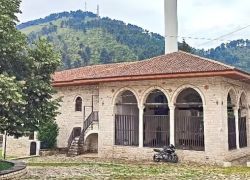
The King Mosque, also known as "Xhamia e Mbretit," is one of the most significant historical and cultural landmarks in Berat, a UNESCO World Heritage city in Albania. Located in the heart of the old town, this mosque is not only a spiritual site but also a remarkable testament to the Islamic architecture of the Ottoman period in Albania. Visitors flock to Berat to witness the blend of cultural, historical, and architectural beauty that the King Mosque represents. History of The King Mosque The King Mosque was built in the 15th century during the reign of Sultan Bayezid II, who commissioned the construction of the mosque in 1481. The mosque stands as a symbol of the Ottoman Empire's religious and cultural influence in the Balkans during that time. The mosque has been through various renovations over the centuries, particularly after the period of the Ottoman Empire's decline. Today, it remains one of the most well-preserved mosques in Berat and is a key element of the city’s rich architectural heritage. Architecture of The King Mosque The architecture of the King Mosque is a prime example of Ottoman religious structures in Albania. The mosque’s large dome, slender minaret, and simple yet elegant design reflect the classical Ottoman style. The interior of the mosque is equally impressive with its beautifully painted ceilings, intricate calligraphy, and geometric designs that adorn the walls. Its layout is typical of mosques built during the Ottoman period, with a large prayer hall, a prayer niche (mihrab), and a minbar (pulpit) for the imam. Why Famous for The King Mosque, Berat? The King Mosque is famous for several reasons. First, it is one of the oldest and most important mosques in Albania, having survived centuries of political and cultural changes. It’s a vital religious site for local Muslims, offering a sense of continuity and tradition. Secondly, the mosque's location in Berat, often called the "City of a Thousand Windows," adds to its allure. The mosque stands as a symbol of the Ottoman legacy in the region and is an important part of Berat's UNESCO World Heritage designation. Lastly, the mosque is renowned for its simple yet stunning Ottoman architectural style, attracting visitors interested in history, religion, and art. How to Reach The King Mosque, Berat Reaching the King Mosque is easy once you're in Berat. If you're arriving by car, Berat is approximately 120 kilometers south of the capital, Tirana, and can be reached via the SH2 highway. Once in Berat, the mosque is located in the city center, near the Castle of Berat, making it a popular stop for tourists exploring the town. If you're traveling by public transport, there are buses from Tirana to Berat, which take around 2-3 hours. From the bus station in Berat, the mosque is within walking distance. Weather at The King Mosque, Berat Berat experiences a Mediterranean climate, with hot, dry summers and mild, wet winters. The best time to visit the King Mosque is during the spring (April-May) or autumn (September-October), when the weather is comfortable and ideal for sightseeing. During the summer months (June-August), the temperature can rise above 30°C, which might be too hot for some visitors. In winter (December-February), temperatures usually range between 5°C to 15°C, and snowfall is rare but possible. Timing for Visiting The King Mosque, Berat The King Mosque is open to visitors throughout the week, but it is important to note that it remains an active place of worship. Visitors are welcome to explore the mosque outside of prayer times. Typically, the mosque is open from early morning to late afternoon. However, it is recommended to check the local timings before planning your visit, as they might change during religious holidays or special events. Entry and Visit Details for The King Mosque, Berat Entry to the King Mosque is free, though donations are always appreciated to help with the maintenance of the mosque. Since the mosque is a place of active worship, visitors should be respectful of the religious practices happening inside. It is advisable to dress modestly, covering shoulders and knees, and remove shoes before entering the mosque. Additionally, if you plan to visit during the prayer times, be mindful of the local customs and avoid disturbing worshippers. Things to Do Around The King Mosque, Berat After visiting the King Mosque, there are plenty of other things to do in Berat. The mosque is located near the famous Berat Castle, which offers stunning panoramic views of the town and surrounding countryside. The castle is home to several historic churches and museums that provide further insight into the city's rich cultural history. Don't miss exploring the charming old town, which is filled with cobbled streets, traditional Ottoman-era houses, and local craft shops. You can also take a stroll along the Osum River, which divides the city into two parts, or enjoy a meal in one of the traditional Albanian restaurants nearby. Facts About The King Mosque, Berat The mosque is one of the oldest Islamic structures in Albania, dating back to 1481. It is one of the most significant landmarks in Berat and is an essential part of the city's UNESCO World Heritage site. The mosque's large dome and slender minaret make it a striking feature in Berat's skyline. It is still used for regular prayers by the local Muslim community. The mosque’s location near Berat Castle makes it part of a larger cultural and historical heritage in the city. Tips for Visiting The King Mosque, Berat Dress modestly when visiting the mosque to show respect for local customs. Make sure to remove your shoes before entering the mosque. Visit during the spring or autumn for the best weather for sightseeing. Take time to explore Berat Castle and the old town, which are located near the mosque. If you are traveling in a group or with a guide, consider scheduling a guided tour to learn more about the mosque’s history and significance. Conclusion The King Mosque in Berat is more than just a place of worship—it is an iconic symbol of Albania’s rich Ottoman history and architectural heritage. Whether you’re a history enthusiast, an architecture lover, or simply seeking a peaceful and spiritual experience, the King Mosque offers something for everyone. The mosque’s blend of history, culture, and stunning architecture makes it a must-visit destination in Berat, Albania.
Explore More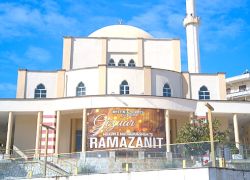
The King’s Mosque, or "Xhamia e Mbretit" in Albanian, is one of Durrës' most important religious and historical landmarks. Located in the heart of the city, this mosque is a symbol of the region’s Ottoman heritage and a key cultural site for both locals and visitors. Built in the early 16th century, it continues to serve as a mosque and is a beautiful example of Ottoman Islamic architecture in Albania. Whether you're a history enthusiast, an architecture lover, or simply a traveler interested in learning more about the cultural heritage of Durrës, the King’s Mosque is a must-visit destination. How to Reach The King's Mosque The King’s Mosque is centrally located in Durrës, making it easily accessible from most parts of the city. It is situated near the main pedestrian area and is within walking distance from other historical landmarks such as the Durrës Amphitheater, Venetian Tower, and the Archaeological Museum. By Road: If you are traveling from Tirana, Durrës is about a 30–40 minute drive. Buses and taxis frequently run from the capital to Durrës, with many dropping passengers near the central square, which is a short walk from the mosque. By Taxi: Taxis are available throughout Durrës, and a ride to the King’s Mosque from the city center or bus station is quick and inexpensive. It will take about 5–10 minutes by taxi. Walking: If you are staying in the city center, you can easily walk to the King’s Mosque. The surrounding area is pedestrian-friendly, with plenty of signs pointing towards major attractions, including the mosque. Weather in Durrës Durrës enjoys a Mediterranean climate, which makes it a pleasant destination throughout the year. Summers are hot and dry, with temperatures reaching as high as 30°C (86°F) and above, while winters are mild, with temperatures rarely falling below 8°C (46°F). The best time to visit the King’s Mosque is from late spring to early autumn (May to October), when the weather is perfect for sightseeing. During summer, temperatures can get quite high, so visitors should plan to visit early in the morning or later in the afternoon to avoid the midday heat. Winters are more comfortable for those who prefer fewer crowds, although some attractions might have reduced hours during the off-season. Timing & Best Time to Visit The King’s Mosque is open to visitors throughout the day, but it’s important to keep in mind that it is an active place of worship. Therefore, it’s advisable to visit outside of prayer times, especially during the five daily prayers, to respect the local customs. Early mornings or late afternoons are ideal times to visit if you want to avoid crowds. Peak Season: June to August – The summer months bring plenty of tourists to Durrës, so expect larger crowds. Shoulder Season: April to May and September to October – These months offer moderate temperatures and fewer tourists. Low Season: November to March – While quieter, be prepared for cooler temperatures and occasional rain. Why The King's Mosque is Famous The King’s Mosque is famous for both its historical and architectural significance. Built in the early 16th century during the reign of the Ottoman Empire, it stands as a testament to the spread of Islamic culture in the region. The mosque's name derives from the local legend that it was commissioned by a local ruler or king, though some historical sources suggest it was built by the Ottomans as a sign of their influence in the area. The mosque is an important religious and cultural site for the Muslim community in Durrës, and it is still in active use today. Visitors come to admire its beautiful Ottoman architecture, which features a large central dome, minaret, and intricately decorated interior. The King’s Mosque is also a great place for those interested in understanding the role of Islam in Albania's history, particularly during the Ottoman period. Entry and Visit Details Visiting the King’s Mosque is free of charge, as it remains an active place of worship. However, if you are interested in a more detailed experience, you may consider joining a guided tour. Some local guides offer historical tours of Durrës, which include stops at significant landmarks such as the King’s Mosque. When visiting, it's important to dress modestly, as it is a religious site. Women are often required to cover their heads with a scarf, and both men and women should wear clothing that covers their shoulders and knees. You should also be respectful of the prayer times and avoid visiting during the five daily prayers unless you intend to participate in a prayer. It’s recommended to visit during the morning or late afternoon for the best experience, especially when the mosque is less crowded. History of The King's Mosque The King’s Mosque was built during the early 16th century, likely in the 1500s, during the height of Ottoman rule in the region. At the time, the Ottoman Empire was expanding its control over the Balkans, and many mosques were constructed to promote Islamic culture and influence. The King’s Mosque was one of several mosques built in Durrës to serve the local Muslim population and those who came to the city for trade and religious pilgrimage. According to local legend, the mosque was commissioned by a local king or ruler, but historical records suggest that it was actually built by the Ottomans. The King’s Mosque was part of a larger movement to integrate Ottoman Islamic architecture into the cities they controlled. It was designed to not only serve as a place of worship but also as a center for community activities. Over the centuries, the mosque has undergone several repairs and renovations to preserve its structure and to maintain its religious and cultural significance. Today, it remains one of the oldest and most important religious buildings in Durrës. Architecture of The King's Mosque The King’s Mosque is an excellent example of Ottoman architecture. It features a large central dome, which is supported by four massive pillars, allowing the interior space to be open and airy. The mosque's walls are adorned with decorative Islamic calligraphy and geometric patterns, which are characteristic of Ottoman design. The use of large arches and vaulted ceilings further adds to the grandeur of the structure. The mosque also features a tall minaret, which was historically used to call Muslims to prayer. The minaret's height allows it to be seen from various parts of the city, making it a prominent feature of Durrës’ skyline. Inside, the mosque’s simple yet elegant design creates a peaceful atmosphere, ideal for prayer and reflection. The large central space is flanked by smaller prayer areas and a mihrab (prayer niche) that indicates the direction of Mecca. The interior design reflects the traditional Ottoman style, with intricate tile work, carpets, and wooden elements that provide warmth and beauty to the space. Things to Do at The King's Mosque When visiting the King’s Mosque, here are some activities you can enjoy: Admire the Architecture: Take time to appreciate the mosque's Ottoman architectural features, including the dome, minaret, and ornate decorations. Learn About Ottoman Influence: Explore the mosque’s history and its role in the spread of Islam in the region during the Ottoman Empire. Photography: The exterior of the mosque offers beautiful photo opportunities, especially in the early morning or late afternoon light. Join a Guided Tour: Many local guides offer detailed historical tours that include the King’s Mosque as part of a broader exploration of Durrës’ Ottoman heritage. Facts About The King's Mosque The King’s Mosque was built in the early 16th century during Ottoman rule. The mosque is named after a local king, though it was likely built by the Ottomans. The mosque features a large central dome and a tall minaret, both of which are typical of Ottoman mosque design. It remains an active mosque, used for prayers and religious gatherings. The mosque is an important cultural and historical site in Durrës, reflecting the city’s Ottoman heritage. Tips for Visiting The King's Mosque Dress Modestly: As a religious site, visitors are expected to dress modestly. Women may need to cover their heads, and both men and women should wear clothes that cover their shoulders and knees. Respect Prayer Times: The mosque is an active place of worship, so try to visit outside of prayer times to avoid disrupting religious services. Consider a Guided Tour: For a deeper understanding of the mosque's history and significance, consider taking a guided tour of Durrës. Bring Water: Durrës can be hot, especially in summer, so be sure to stay hydrated during your visit. Conclusion The King’s Mosque in Durrës is a remarkable historical and religious landmark that offers visitors a glimpse into Albania’s Ottoman past. Its beautiful architecture, rich history, and cultural significance make it a must-visit site in Durrës. Whether you are interested in Ottoman architecture, religious history, or simply exploring the city’s heritage, the King’s Mosque is sure to be an enriching experience.
Explore More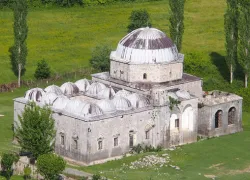
The Lead Mosque, known locally as "Xhamia e Plumbit," is one of the most iconic and historically significant mosques in Shkoder, Albania. Built during the Ottoman period, this mosque stands as a testament to the region's rich Islamic heritage and architectural style. The mosque is located in the heart of Shkoder and is not only a place of worship but also an important cultural and historical landmark that attracts both tourists and pilgrims alike. With its distinctive architectural features and fascinating history, The Lead Mosque is a must-see when visiting Shkoder. How to Reach The Lead Mosque The Lead Mosque is centrally located in Shkoder, making it easily accessible from the city center. It is just a short walk from other significant landmarks such as the Shkodra Castle and the city’s main square. If you are arriving by car, there are parking areas nearby, and public transport services, including taxis and buses, can take you close to the mosque. Visitors from other cities in Albania or Montenegro can reach Shkoder by bus, car, or train and then easily make their way to the mosque by foot or taxi. Weather Shkoder experiences a Mediterranean climate, with hot, dry summers and mild, wet winters. The best time to visit The Lead Mosque is during the spring (April to June) or fall (September to October) when the weather is pleasant, and the temperatures are moderate. During summer, temperatures can reach up to 30°C (86°F), so it's advisable to visit in the early morning or late afternoon when it's cooler. Winters are mild but may have occasional rain, so it’s recommended to bring an umbrella if you plan to visit during the colder months. Timing The Lead Mosque is open to visitors throughout the year. While it is primarily a place of worship, tourists are welcome to visit during non-prayer hours. Visitors can typically explore the mosque from 9:00 AM to 6:00 PM. However, if you wish to attend a prayer service or experience the mosque in its religious setting, you may want to check the local prayer schedule, as it is an active place of worship for the local Muslim community. The mosque is particularly busy during Islamic holidays such as Ramadan and Eid, so it’s best to plan accordingly if you wish to avoid the crowds. Why Famous for The Lead Mosque, Shkoder, Albania? The Lead Mosque is famous for its unique architectural style and its historical significance. Built in the early 18th century, it is one of the oldest and most well-preserved Ottoman-era mosques in Shkoder. The mosque gets its name from the large lead sheets that cover its dome, which makes it stand out in terms of its construction and design. The mosque’s significance extends beyond its architecture, as it has played an important role in the religious and cultural life of Shkoder for centuries. Additionally, the Lead Mosque’s central location in Shkoder and its proximity to other historical sites make it an essential stop for anyone interested in the city’s rich Islamic and Ottoman heritage. The mosque is one of the few Ottoman-era buildings in Albania that has maintained its original design and continues to serve as a place of worship. Entry and Visit Details about The Lead Mosque, Shkoder, Albania Visiting The Lead Mosque is free of charge, and there is no entry fee for tourists. However, visitors are asked to dress modestly as it is an active place of worship. Women may be required to cover their heads, and both men and women are encouraged to wear clothing that covers their shoulders and knees. Visitors should be respectful of local customs and religious practices when exploring the mosque. The mosque is open to tourists during the day, but it is advisable to visit during non-prayer hours to avoid disrupting religious services. It is also recommended to take a guided tour or learn about the mosque’s history before visiting to gain a deeper understanding of its cultural and religious importance. Photography inside the mosque may be allowed, but it’s always best to ask permission from the mosque’s staff to avoid any misunderstandings. History and Architecture The Lead Mosque was built in 1773 by the Ottoman ruler of Shkoder, Hasan Pasha, and is one of the finest examples of Ottoman religious architecture in Albania. The mosque was constructed in the classic Ottoman style, with a large central dome and an elegant minaret that towers over the surrounding area. The mosque’s distinctive feature is its lead-covered dome, which gives it its name and makes it stand out from other mosques in the region. The mosque’s interior is equally impressive, with intricately designed walls, wooden carvings, and a beautifully decorated mihrab (the niche in the wall indicating the direction of Mecca). The mosque is designed in a traditional Ottoman layout, with a large prayer hall and a courtyard. The minaret is a classic feature of Ottoman mosques and serves as a focal point for the surrounding area. Over the years, The Lead Mosque has undergone several renovations to preserve its architectural integrity. Despite the passage of time, much of the original design has been preserved, and it remains an important symbol of Shkoder’s Islamic heritage. Things to Do Explore the Mosque’s Architecture: Spend time admiring the unique architecture of The Lead Mosque, including its lead-covered dome, intricate carvings, and the beautiful minaret. Attend a Prayer Service: If you are visiting during a prayer time, attending a service can offer a deeper understanding of the mosque’s role in the local community and provide insight into Islamic practices in Albania. Learn About the History: Take time to learn about the mosque’s history, its significance in the Ottoman era, and its role in the cultural and religious life of Shkoder. Take Photographs: Capture the beauty of the mosque and its surroundings. The mosque’s stunning architecture and its position within the city make it a fantastic spot for photography. Visit Other Historical Sites: After visiting The Lead Mosque, consider exploring other nearby historical sites in Shkoder, such as the Shkoder Castle or the Marubi National Museum of Photography. Facts and Tips about The Lead Mosque, Shkoder, Albania The Lead Mosque was built in 1773 during the Ottoman period and is named after its lead-covered dome. The mosque is one of the few surviving Ottoman-era buildings in Shkoder and has remained in active use since its construction. The mosque’s distinctive lead dome and towering minaret make it a prominent feature in the city’s skyline. Visitors should dress modestly when visiting the mosque, and women may need to cover their heads as a sign of respect. Visiting during non-prayer hours is recommended to avoid disruptions to religious services. If you are interested in learning more about the mosque's history and architecture, consider hiring a local guide or visiting the mosque’s office for more information. Shkoder is known for its historical and cultural significance, so be sure to explore other nearby attractions, such as the Shkoder Castle, the pedestrian street of Kole Idromeno, and the historical museums. In conclusion, The Lead Mosque in Shkoder is a beautiful and historically significant landmark that offers visitors a glimpse into the city’s Islamic heritage. Whether you're interested in its unique architecture, rich history, or simply enjoying the peaceful atmosphere, the mosque is a must-visit destination in Shkoder. Its central location, free entry, and cultural significance make it a valuable stop for anyone exploring the region.
Explore More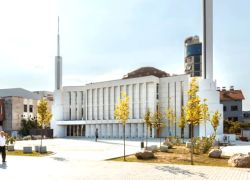
The King Mosque, or "Xhamia e Mbretit" in Albanian, is one of the most significant religious and historical landmarks in Elbasan, Albania. Located in the heart of the city, this mosque stands as a symbol of the Ottoman Empire’s influence on Albania during its centuries-long rule. The mosque is renowned for its historical value, architectural beauty, and cultural significance, making it a must-visit destination for tourists exploring Elbasan and its rich heritage. How to Reach The King Mosque, Elbasan The King Mosque is located in Elbasan's city center, making it easy to reach by foot from various points within the city. Here are some ways to get to the mosque: By Car: Elbasan is situated about 35 kilometers (22 miles) southeast of Tirana, Albania's capital. If you are driving from Tirana, take the SH3 highway and head towards Elbasan. The mosque is located in the city center, and there is street parking available near the mosque. By Bus: Regular bus services connect Elbasan with Tirana and other nearby towns. The bus ride takes about an hour, and once you arrive at the Elbasan bus station, you can walk to the King Mosque within 10-15 minutes. By Taxi: Taxis are readily available from Tirana or other towns. A taxi ride from Tirana to Elbasan takes approximately 40 minutes, and the mosque is easily accessible by taxi once you reach the city center. Weather at Elbasan & The King Mosque Elbasan experiences a Mediterranean climate, with hot, dry summers and mild, wet winters. The best time to visit the King Mosque and Elbasan in general is during the spring (April to June) and autumn (September to November) when the weather is pleasant for outdoor activities. The summer months (July and August) can be quite hot, with temperatures rising above 30°C (86°F), so it’s advisable to bring sunscreen and stay hydrated. Winter (December to February) is generally mild, with temperatures averaging 10°C (50°F) to 15°C (59°F). Although it can be rainy, it’s still a good time to explore the city and enjoy the historical sites without the crowds. Timings and Entry Details for The King Mosque The King Mosque is an active place of worship, and visitors are welcome to explore the mosque, especially during non-prayer times. The mosque is typically open for visitors during the daytime, with the best time to visit being between 9:00 AM and 6:00 PM. Entry to the King Mosque is free of charge, but it’s important to be respectful of the mosque’s status as a religious site. While the mosque does not charge an entrance fee, donations are always appreciated to help maintain the site. Visitors are encouraged to dress modestly when entering the mosque, covering shoulders and knees, and women may be asked to wear a headscarf, which can be provided by the mosque. Why The King Mosque, Elbasan is Famous The King Mosque is famous for several reasons. Built during the Ottoman period in the 15th century, it is one of the most well-preserved mosques in Albania. It stands as a testament to the architectural and cultural influence of the Ottoman Empire in the Balkans. The mosque's name, “Xhamia e Mbretit” (The King Mosque), is attributed to its historical importance, as it was commissioned by the Albanian ruler Sultan Mehmet II, also known as Mehmed the Conqueror, who was responsible for the expansion of the Ottoman Empire in the 15th century. Not only does the King Mosque reflect the architectural styles of the Ottoman Empire, but it also serves as an important symbol of religious tolerance. Albania has a rich history of religious diversity, and the mosque is one of the many examples of the peaceful coexistence of different faiths in the region. History and Architecture of The King Mosque The King Mosque was built in the 15th century, during the reign of the Ottoman Empire, which controlled much of the Balkans at that time. The mosque was commissioned by Sultan Mehmet II, who is also famous for his conquest of Constantinople in 1453. The construction of the mosque was part of the broader Ottoman influence on the region, where mosques and other Islamic buildings were constructed to reflect the power and dominance of the empire. Architecturally, the mosque is an excellent example of Ottoman-style design, with a large central dome, minaret, and arched windows. The exterior of the mosque is adorned with intricate details, and the interior is equally impressive, with beautiful calligraphy, delicate tile work, and a peaceful atmosphere that invites reflection and prayer. The mosque’s central dome is supported by four massive columns, and the interior space is well-lit, with sunlight filtering through the mosque’s tall windows. The building is made of local stone and has a simple yet elegant design, typical of the Ottoman architectural style. Things to Do at The King Mosque, Elbasan While the King Mosque is primarily a religious site, it offers a variety of activities for visitors interested in history, culture, and architecture. Here are some things you can do during your visit: Explore the Architecture: Take the time to admire the mosque’s stunning Ottoman architecture. From the impressive dome to the intricate calligraphy on the walls, there’s much to appreciate in the mosque’s design. Experience the Atmosphere: Whether you’re visiting during prayer time or just exploring, the mosque offers a peaceful environment for reflection. If you’re lucky, you might get to witness one of the prayers, which adds a special cultural experience to your visit. Learn About Islamic Culture: The King Mosque is an excellent place to learn about Islamic traditions and the role of mosques in the Islamic faith. The mosque’s staff may be able to provide some insight into the history and significance of the mosque and its role in the local community. Take Photographs: The mosque’s unique architecture and beautiful surroundings make it a fantastic place for photography. Don’t forget to capture the mosque from different angles to fully appreciate its design and historical beauty. Relax in the Courtyard: The mosque features a lovely courtyard, which is an ideal place to sit and relax after exploring the building. It’s a peaceful space with a calming atmosphere, perfect for some quiet reflection. Interesting Facts About The King Mosque, Elbasan The King Mosque is one of the oldest mosques in Albania, with a history that dates back to the 15th century. The mosque is named after Sultan Mehmet II, who commissioned its construction during his rule over the Ottoman Empire. The mosque has been an important symbol of religious and cultural tolerance in Elbasan, where Muslim, Christian, and other religious communities have coexisted for centuries. The King Mosque has undergone several renovations over the years, preserving its original Ottoman architectural style while adapting to modern needs. The mosque is a central part of the Elbasan community, hosting religious services, cultural events, and festivals throughout the year. Tips for Visiting The King Mosque, Elbasan Dress Modestly: Since the King Mosque is a religious site, visitors are expected to dress modestly. Women should cover their heads and both men and women should avoid wearing shorts or revealing clothing. Be Respectful: The mosque is an active place of worship, so be respectful of those praying and keep noise to a minimum. It’s also best to avoid using flash photography during prayer times. Take a Guided Tour: To better understand the mosque’s history and architectural features, consider hiring a local guide. They can provide in-depth information about the mosque’s significance and help you appreciate its cultural value. Visit During Off-Peak Hours: The mosque can get crowded during prayer times, so it’s best to visit during the middle of the day when it’s quieter. Bring a Camera: The mosque’s architecture and surroundings make it a fantastic location for photography, so don’t forget your camera to capture its beauty. Conclusion The King Mosque of Elbasan is a remarkable cultural and architectural landmark that offers a fascinating insight into the Ottoman Empire’s legacy in Albania. With its stunning design, historical significance, and peaceful atmosphere, the mosque is a must-see attraction for visitors to Elbasan. Whether you’re interested in history, architecture, or simply want to experience the peaceful ambiance of this religious site, the King Mosque is sure to leave a lasting impression.
Explore More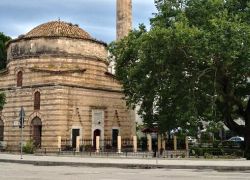
The Muradie Mosque is one of the most significant historical and architectural landmarks in Vlore, Albania. Situated in the heart of the city, it has been a symbol of the Islamic heritage of the region for centuries. The mosque was constructed during the Ottoman era in the 16th century and remains a place of worship and cultural importance today. Known for its impressive architecture and historical relevance, the Muradie Mosque stands as a testament to the rich cultural and religious history of Albania during the Ottoman period. How to Reach The Muradie Mosque The Muradie Mosque is centrally located in Vlore, making it easily accessible from different parts of the city. If you're staying in the city center, the mosque is just a short walk from the main street, offering visitors the chance to enjoy the local atmosphere as they make their way to the mosque. If you are traveling by car, you can find parking nearby, although it can get busy during peak hours. For those traveling from outside of Vlore, the mosque is easily reachable by bus or taxi. The distance from the Vlore bus station to the mosque is about 2 kilometers, and it will take around 5 minutes by car or taxi. Local buses that go through the center of the city will also pass near the mosque, providing convenient access for those traveling by public transport. Weather in Vlore Vlore enjoys a Mediterranean climate, characterized by hot, dry summers and mild, wet winters. The best time to visit the Muradie Mosque is during the spring (April to June) and autumn (September to November), when the temperatures are pleasant, ranging between 15°C and 25°C (59°F and 77°F). Summer months (July and August) can be quite hot, with temperatures often exceeding 30°C (86°F), so it’s best to visit in the early morning or late afternoon during these months to avoid the heat. Winter (December to February) is mild, with temperatures ranging from 5°C to 15°C (41°F to 59°F), making it still a good time to visit for those who prefer fewer crowds. However, some rainy days might be expected during this period, so it’s advisable to check the weather forecast in advance. Timing of The Muradie Mosque The Muradie Mosque is open to visitors every day from 9:00 AM to 6:00 PM. However, it is important to note that the mosque is also an active place of worship, so it may be closed during prayer times, particularly on Fridays, when the mosque hosts the Jumu'ah (congregational Friday prayers). Visitors should plan their visit around these prayer times to ensure they can explore the mosque without disturbing those there for worship. If you are interested in learning more about the mosque's history, it is advisable to visit in the morning or early afternoon, as these times tend to be quieter, allowing for a more peaceful and insightful visit. Why The Muradie Mosque is Famous The Muradie Mosque is famous for its historical and architectural significance, making it a popular destination for tourists and locals alike. Built in the 16th century during the Ottoman Empire's rule over Albania, the mosque stands as a symbol of the cultural and religious influence the Ottomans had on the region. It was constructed by the renowned architect Sinan, who also designed many famous mosques throughout the Ottoman Empire. The mosque's fame is also attributed to its unique architectural style. The mosque features classic Ottoman design elements, such as a large central dome, a minaret, and beautifully decorated interior. The mosque’s beauty and historical value make it an essential stop for visitors interested in Albania’s Ottoman past and the role of Islam in shaping the country’s culture. Entry and Visit Details Visiting the Muradie Mosque is free of charge. It is a public religious site, and visitors are welcome to explore its stunning architecture and learn about its history. However, it is important to be respectful of the mosque’s religious significance. When visiting, it is customary to dress modestly. Women are advised to cover their heads, and both men and women should avoid wearing revealing or inappropriate clothing. If you wish to learn more about the history of the mosque, it is recommended to hire a local guide, who can provide more detailed information about the mosque's architectural style, the significance of its design elements, and its place in the history of Vlore and Albania. While the mosque itself does not have an official museum, many guides provide valuable insights into its past and its role in the community. History and Architecture of The Muradie Mosque The Muradie Mosque was built during the reign of the Ottoman Empire in the 16th century. It is considered one of the most important examples of Ottoman architecture in Albania. The mosque was commissioned by the famous Ottoman ruler Suleiman the Magnificent and was designed by the renowned architect Mimar Sinan, who is known for his work on many mosques throughout the Ottoman Empire, including the Suleymaniye Mosque in Istanbul. The mosque is built with large stone blocks, and its design follows traditional Ottoman styles, including a massive dome that dominates the structure. The mosque also features a tall, slender minaret, which is an iconic feature of Ottoman mosque design. Inside, visitors will find intricate calligraphy and decorations that showcase the craftsmanship of the period. The Muradie Mosque is also important because it was one of the first buildings in Vlore to incorporate elements of Islamic architecture, which helped shape the city's development during the Ottoman era. Over the centuries, the mosque has been renovated and restored several times, preserving its architectural splendor for future generations. Things to Do at The Muradie Mosque When visiting the Muradie Mosque, there are several things you can do to make the most of your experience: Explore the mosque’s beautiful architecture, both inside and out, and appreciate its historical significance. Learn about the mosque’s construction and the role of architect Mimar Sinan in shaping Ottoman architecture. Attend a prayer service if you’re interested in experiencing the mosque in a spiritual context (respectful behavior is essential during prayers). Take a walk around the mosque’s surrounding area, which is situated in the heart of Vlore’s historic district. Hire a local guide to learn more about the mosque’s history, its role in Albania’s Ottoman past, and its significance in modern-day Vlore. Facts About The Muradie Mosque The mosque was built in the 16th century, during the reign of the Ottoman Empire. It was designed by the famous Ottoman architect Mimar Sinan, who is renowned for his contributions to Islamic architecture. The mosque features a large central dome, a slender minaret, and beautiful calligraphy and tile work. The mosque is an active place of worship, and visitors are expected to show respect during prayer times. The Muradie Mosque is one of the most significant examples of Ottoman architecture in Albania. Tips for Visiting The Muradie Mosque To make your visit to the Muradie Mosque enjoyable and respectful, here are some helpful tips: Dress modestly, covering your shoulders and knees. Women may also need to cover their heads. Visit during off-peak hours, such as early in the morning or late in the afternoon, to avoid crowds. If you’re visiting during a prayer time, be respectful of those worshiping and avoid making noise or disturbing the peace. Consider hiring a local guide to gain a deeper understanding of the mosque’s historical and architectural significance. Take time to explore the surrounding area of Vlore, as it has other historical sites that complement your visit to the mosque. Conclusion The Muradie Mosque is a vital cultural and historical landmark in Vlore, Albania. Its architectural beauty, rich history, and significance as an active place of worship make it a must-visit for anyone interested in Albania's Islamic heritage and Ottoman architecture. Whether you are a history enthusiast, an architecture lover, or simply looking to experience a piece of Albania’s past, a visit to the Muradie Mosque will leave a lasting impression. Be sure to explore the mosque’s stunning design, learn about its historical context, and show respect for its cultural and religious importance during your visit.
Explore More