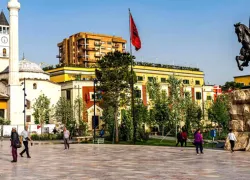
Skanderbeg Square is the heart of Tirana, the capital city of Albania. Located in the central part of the city, the square is a focal point for locals and tourists alike. The square is named after the national hero, Gjergj Kastrioti, also known as Skanderbeg, who fought against the Ottoman Empire. Today, it is a hub of culture, history, and politics in Albania, and offers visitors a variety of attractions and experiences. How to Reach Skanderbeg Square, Tirana, Albania Skanderbeg Square is easily accessible from most areas in Tirana. If you’re arriving by air, the nearest airport is Tirana International Airport (Nënë Tereza), which is about 17 km away from the city center. You can take a taxi, bus, or use ride-hailing apps like Bolt or Uber to reach the square. Public buses are a common mode of transportation, with multiple routes passing through the square. Alternatively, you can also explore the city on foot, as Skanderbeg Square is centrally located and connected to many other notable landmarks in Tirana. Weather in Tirana The weather in Tirana varies by season. Summers are hot and dry, with temperatures often exceeding 30°C (86°F), while winters are mild, with temperatures averaging around 10°C (50°F). The best time to visit Skanderbeg Square is during the spring (April to June) and fall (September to November), when the weather is pleasant and the city is not too crowded. Summer is also a popular time for tourists, but it can be quite hot. Be sure to check the weather forecast before your trip for the most accurate information. Why is Skanderbeg Square Famous? Skanderbeg Square is famous for its historical and cultural significance. It serves as the center of public life in Tirana, hosting various cultural events, concerts, and protests throughout the year. The square is dedicated to Skanderbeg, a legendary Albanian figure who led a rebellion against the Ottomans in the 15th century. Today, it is home to several important monuments, including a statue of Skanderbeg himself, the National History Museum, and other government buildings. Skanderbeg Square also acts as a symbol of Albania's national identity and its journey towards independence. Entry and Visit Details about Skanderbeg Square There is no entry fee to visit Skanderbeg Square, and it is open to the public at all hours. Visitors can stroll around the square, take photos, and explore the nearby attractions. The square is a vibrant area with cafes, restaurants, and shops. The National History Museum, located on the eastern side of the square, is also open for visits and requires a ticket. While the square itself is accessible 24/7, nearby attractions may have specific opening hours, so it’s advisable to check in advance. History and Architecture of Skanderbeg Square Skanderbeg Square has a long and rich history. Originally, the area was a part of the Ottoman Empire, and it was used for military and administrative purposes. After the Ottoman Empire’s collapse, the square became the focal point of Tirana’s political and cultural life. The square was redesigned in the 1950s under the communist regime, with grandiose Soviet-style buildings constructed around it. In the 21st century, the square underwent major renovations to modernize its design and pedestrianize the area. Today, the square is a blend of historical architecture and modern design, featuring a large open space surrounded by government buildings, cultural institutions, and a central fountain. Things to Do at Skanderbeg Square, Tirana Skanderbeg Square offers a variety of things to do for visitors of all ages. Here are some top recommendations: Visit the National History Museum: Located on the eastern side of the square, this museum offers an in-depth look at Albania's history, from prehistoric times to the present day. Admire the Skanderbeg Statue: The statue of Skanderbeg, located in the center of the square, is one of the most iconic landmarks of Tirana. It’s a great spot for photos and reflection. Stroll Around the Square: Enjoy the open space, sit by the fountains, or simply walk around and admire the architecture of the surrounding buildings. Explore the Et'hem Bey Mosque: This historic mosque, located nearby, is a stunning example of Ottoman architecture and features beautiful frescoes. Enjoy the Local Cafes and Shops: The area surrounding the square is filled with cafes and shops where you can relax, enjoy a coffee, and people-watch. Interesting Facts about Skanderbeg Square, Tirana Skanderbeg Square was originally called "People’s Square" during the communist era. The statue of Skanderbeg, erected in 1968, was crafted by Albanian sculptor Odhise Paskali. The square underwent a major facelift in the early 2000s, which included the removal of traffic and the installation of green spaces, fountains, and pedestrian zones. The National History Museum in Skanderbeg Square is the largest museum in Albania and showcases the country’s rich heritage and historical events. Skanderbeg Square is located near other famous landmarks, including the Grand Park of Tirana and the Bunk’Art museum. Tips for Visiting Skanderbeg Square, Tirana Wear Comfortable Shoes: Since the square is large, you’ll likely do a fair bit of walking. Comfortable footwear is a must. Bring Sunscreen: If visiting during the summer months, make sure to protect yourself from the sun, as Tirana can get quite hot. Stay Hydrated: With its warm climate, it's important to drink plenty of water. There are numerous cafes where you can stop for a refreshing drink. Check Event Schedules: Skanderbeg Square often hosts events, so check ahead to see if there are any concerts, festivals, or exhibitions happening during your visit. Explore the Surrounding Area: Don’t just stick to the square! Take time to explore the nearby streets, museums, and attractions like the Clock Tower and the Bunk'Art museums.
Explore More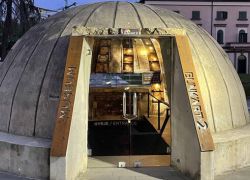
Situated in the capital of Albania, Tirana, Bunk'Art is a fascinating historical museum housed in a large, underground Cold War bunker. This unique museum offers an insight into Albania’s communist past, providing visitors with a deeper understanding of the country’s history, military strategy, and social conditions under the regime of Enver Hoxha. The bunker, which was initially constructed as a high-security shelter for the political elite, has been transformed into a public museum that is both educational and thought-provoking. Whether you're a history buff or a curious traveler, Bunk'Art is a must-visit attraction in Tirana. How to Reach Bunk'Art, Tirana, Albania Bunk'Art is located on the outskirts of Tirana, but it’s still relatively easy to reach from the city center. If you're staying in the city, the museum is just a short taxi ride away, approximately 4-5 kilometers from Skanderbeg Square. You can also use ride-hailing apps like Uber or Bolt to get to the museum. Public transportation is available, with buses heading towards the outskirts of the city; however, taxis are often more convenient for visitors unfamiliar with the bus routes. If you prefer walking, the museum is about 30 minutes on foot from Skanderbeg Square, though the route involves a bit of uphill walking. Once you arrive in the area, the bunker is clearly marked and easy to find. You can also ask locals for directions if needed, as it's a well-known spot in Tirana. Weather in Tirana The weather in Tirana is Mediterranean, with hot summers and mild winters. The best time to visit Bunk'Art is during the spring (April to June) and fall (September to November) when the weather is moderate and comfortable for sightseeing. During the summer months (June to August), Tirana can get quite hot, with temperatures often exceeding 30°C (86°F). Be sure to wear sunscreen and bring water if you're visiting during the summer. Winter (December to February) is mild, but be aware that temperatures can occasionally drop below 10°C (50°F). Why is Bunk'Art Famous? Bunk'Art is famous for its connection to Albania's communist history and its transformation into a unique museum. The structure itself is an imposing example of Cold War-era architecture. Constructed in the 1980s by the regime of Enver Hoxha, it was originally designed as a fallout shelter to protect the political elite of Albania in case of nuclear war or other catastrophic events. It is one of the largest bunkers of its kind in Albania and was part of an extensive network of bunkers built across the country during the communist period. The bunker’s history is fascinating because, despite its strategic military purpose, it was never used for its intended function. After the fall of communism in the early 1990s, the bunker was abandoned, and in 2014, it was opened as a museum. Today, it serves as a symbol of Albania’s totalitarian past and offers a glimpse into the oppressive environment that Albanians lived under during the communist regime. Entry and Visit Details about Bunk'Art, Tirana, Albania Entry to Bunk'Art is ticketed, and the museum is open every day of the week. The opening hours are generally from 10:00 AM to 6:00 PM, though it’s advisable to check the museum’s official website or social media pages for the latest updates, especially around public holidays or special events. Tickets are reasonably priced, and there are often discounts available for students, children, and senior citizens. The general admission fee is around 500-700 Albanian Lek (approximately $5-$7 USD). Visitors can also choose to take a guided tour for a more in-depth understanding of the exhibits. The museum’s staff are knowledgeable and provide insightful commentary on the bunker’s history, the Albanian communist regime, and the artifacts displayed within the museum. Audio guides are also available in several languages, including English, making it easy for international visitors to navigate and understand the exhibits. History and Architecture of Bunk'Art The architecture of Bunk'Art is a striking example of Cold War-era design, characterized by its concrete, minimalist style and its underground, labyrinthine structure. The bunker was designed to house high-ranking members of the Albanian government in case of a nuclear attack or civil unrest. It is made up of several rooms and corridors, all reinforced with thick concrete walls and ceilings to withstand blasts. The total area of the bunker covers over 1,000 square meters, and the complex includes various rooms, including a command center, living spaces, and a hospital area. What makes Bunk'Art truly unique, however, is its transformation into a museum. The rooms of the bunker have been repurposed to house exhibits that explore Albania’s communist history, the military strategy of the regime, and the lives of ordinary Albanians during the dictatorship. The museum’s design incorporates a mix of original elements from the bunker (such as the concrete walls, ventilation shafts, and steel doors) with modern exhibits and multimedia displays that bring the history to life. Things to Do at Bunk'Art, Tirana While visiting Bunk'Art, there are several things to do to make the most of your experience: Explore the Exhibits: The museum showcases a wide range of historical artifacts, photographs, documents, and multimedia displays that tell the story of Albania's communist era and the people who lived under the regime. The exhibits include everything from military equipment to personal items from those who lived through the regime. Learn About Albania’s Dictatorship: Take the time to learn about the regime of Enver Hoxha and the impact of totalitarian rule on the lives of ordinary Albanians. The museum provides an eye-opening account of the propaganda, surveillance, and repression that defined the communist period. Attend a Special Event or Exhibition: Bunk'Art frequently hosts temporary exhibitions, lectures, and cultural events. Keep an eye on their website or social media channels for information on upcoming events. Take a Guided Tour: A guided tour is a great way to gain a deeper understanding of the historical context of the exhibits and the significance of the bunker. Local guides provide expert insights and stories that you might otherwise miss during a self-guided visit. Interesting Facts about Bunk'Art, Tirana The bunker was part of a vast network of over 170,000 bunkers built throughout Albania during the communist era. These bunkers were constructed to protect the population and government officials in case of attack. Bunk'Art is one of the largest and most well-preserved Cold War bunkers in Albania. It has been carefully preserved and transformed into a museum without losing its original character. The bunker was never used for its intended purpose. After the fall of communism, it remained abandoned until its transformation into a museum in 2014. The museum’s exhibits not only focus on the communist regime but also delve into the experiences of everyday Albanians during this tumultuous time, offering a personal and emotional perspective. The entrance of Bunk'Art features a large, imposing door that was once used for security purposes. Visitors can pass through the same doors that were once closed to the public. Tips for Visiting Bunk'Art, Tirana Wear Comfortable Shoes: Bunk'Art involves some walking through its underground corridors and rooms. Make sure you wear comfortable footwear, as you’ll be exploring a large space. Bring a Jacket: The temperature inside the bunker is cool year-round, so it’s advisable to bring a light jacket or sweater, especially if you're visiting in the colder months. Visit During Off-Peak Hours: To avoid crowds, try to visit the museum early in the morning or later in the afternoon. Weekdays tend to be quieter than weekends. Check for Events: If you're interested in special exhibitions or cultural events, be sure to check Bunk'Art’s website or social media for the latest updates. Take Your Time: The exhibits at Bunk'Art are rich with history, so take your time to explore each room and read the informative placards. A guided tour can also enhance your visit.
Explore More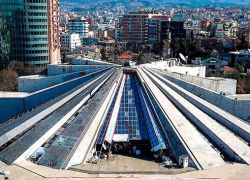
The Tirana Pyramid is one of the most iconic and enigmatic landmarks in the capital city of Albania. Located in the heart of Tirana, this peculiar structure has been a subject of debate, curiosity, and fascination for both locals and tourists alike. Originally built as a museum to honor the legacy of Enver Hoxha, the communist dictator, the pyramid has undergone various transformations throughout the years. Today, it stands as a symbol of Albania's tumultuous past and a striking example of 20th-century architecture. How to Reach Tirana Pyramid, Tirana, Albania Tirana Pyramid is centrally located in the heart of Tirana, making it easily accessible for visitors. If you are staying in the city center, the pyramid is within walking distance of several key landmarks, including Skanderbeg Square, the National History Museum, and the Et'hem Bey Mosque. To get to the pyramid from Skanderbeg Square, it is a short 15-minute walk. Simply head south towards the main road, and you will see the pyramid on your left. Public transportation, including buses and taxis, also offer routes to the pyramid. However, due to its central location, walking is one of the most convenient options. If you're arriving by air, Tirana International Airport (Nënë Tereza) is about 17 kilometers (10.5 miles) from the pyramid. You can take a taxi or a shuttle bus to reach the city center, where the pyramid is located. Taxis are readily available at the airport, and the ride to the city center takes about 25 minutes, depending on traffic. Weather in Tirana Tirana experiences a Mediterranean climate, characterized by hot, dry summers and mild, wet winters. Summer temperatures often exceed 30°C (86°F), making it ideal for sightseeing in the cooler morning or evening hours. The pyramid, being outdoors and open to the elements, is best visited in spring (April to June) or autumn (September to November) when the weather is pleasant and mild. In winter, temperatures can drop to around 10°C (50°F), but snow is rare. If you're visiting during the colder months, it's advisable to dress warmly as the weather can be unpredictable. Overall, the best time to visit Tirana Pyramid is during the spring and fall when the weather is most comfortable. Why is Tirana Pyramid Famous? The Tirana Pyramid, also known as the Enver Hoxha Pyramid, is famous for its unusual and futuristic architecture, as well as its controversial historical context. The structure was originally built in 1988 as a museum dedicated to Enver Hoxha, Albania’s communist leader. Designed by his daughter, Shpresa, along with a team of architects, the pyramid was meant to be a symbol of Hoxha's legacy and the socialist regime. However, after the fall of communism in 1991, the pyramid's purpose became a point of contention, and it has since become a symbol of Albania’s transition from dictatorship to democracy. Over the years, the pyramid has undergone several changes. It was initially a museum but later became a center for cultural and public events. It was also abandoned and fell into disrepair for many years, leading to its current state, which is a mix of deterioration and occasional use as a space for street art, performances, and informal gatherings. Its unique structure, which looks like a large, angular pyramid with a series of steps leading to the top, continues to draw both curiosity and admiration for its distinctive design. Entry and Visit Details about Tirana Pyramid, Tirana, Albania Entry to the Tirana Pyramid is free of charge, though some events or activities held at the pyramid may require an admission fee. The pyramid itself is not currently functioning as a museum, but it is open to visitors who wish to explore the structure, take photographs, or simply enjoy the view from the top. It’s important to note that the pyramid is in a state of disrepair, so visitors should be cautious while exploring the site. The pyramid is usually accessible to the public throughout the week. However, as it is not an official tourist site anymore, visiting hours may vary depending on local events and circumstances. It's always a good idea to check with the local tourist office or online resources for updated information about visiting hours and accessibility. While there are no official guides at the pyramid, you can often find informal guides or locals who can share interesting insights about the structure and its history. History and Architecture of Tirana Pyramid The history of the Tirana Pyramid is deeply intertwined with Albania’s communist past. Commissioned in 1985 by Enver Hoxha's regime, the pyramid was designed as a museum to honor Hoxha's leadership. The building was completed in 1988 and featured a modern and somewhat futuristic design for its time, with a large concrete structure resembling a pyramid, sloping sides, and a set of stairs that led to an observation deck at the top. The structure was controversial from the beginning due to its association with Hoxha’s dictatorship. However, after the fall of communism, the pyramid’s role as a museum was abandoned, and it was repurposed for various purposes over the years. It was used as a conference center, a cultural space, and even as a temporary center for radio and television broadcasts. Unfortunately, the building was left to deteriorate due to lack of maintenance, and its unique architecture, once a symbol of communist pride, gradually became a symbol of Albania’s post-communist challenges. The pyramid's design is a stark contrast to other Soviet-era architecture, with its sleek, angular lines and open space. The steps that lead to the top are now covered in graffiti, adding to its post-apocalyptic aesthetic. Despite its dilapidated condition, the pyramid remains a fascinating and highly photogenic structure. It is also a stark reminder of the country’s history and the complicated legacy of its communist past. Things to Do at Tirana Pyramid While the pyramid is no longer functioning as a museum, there are still several activities you can enjoy during your visit: Explore the Architecture: The pyramid’s angular design and unusual structure make it a prime location for architectural photography. Take your time to explore the exterior and climb the stairs to the top for a great view of the surrounding area. Street Art: The pyramid has become a canvas for street artists, with vibrant graffiti and murals adorning its walls. This adds a contemporary layer to the history of the building, providing a unique artistic contrast to the original structure. Panoramic Views: If you manage to reach the top, you’ll be rewarded with panoramic views of Tirana and the surrounding landscape. It’s a great spot for taking photos or simply enjoying the view. Relax in the Park: The pyramid is located near a park, which is perfect for a relaxing afternoon. You can enjoy a picnic or take a leisurely walk around the area after exploring the pyramid. Interesting Facts about Tirana Pyramid The Tirana Pyramid was designed by the architect Kristaq Qano, and its construction was supervised by Hoxha's daughter, Shpresa Hoxha. The pyramid was initially intended to be a museum dedicated to Enver Hoxha, but it has never truly fulfilled its purpose due to Albania’s political changes after communism fell. At one point, the pyramid was the tallest building in Tirana. Over the years, the pyramid has been used for various purposes, including as a conference center, an exhibition space, and even a nightclub. The pyramid’s deteriorating condition has led to debates about whether it should be demolished or preserved as a historical monument. Tips for Visiting Tirana Pyramid Be Cautious: The pyramid is not officially maintained as a tourist attraction, so be cautious when exploring the structure. The stairs and surfaces can be slippery or unstable in places. Bring a Camera: The unique design and graffiti make the pyramid an excellent spot for photography, so don’t forget your camera! Visit During Daylight: Since the pyramid is open-air and in a semi-deteriorated state, it is best to visit during the daytime to ensure safety and to enjoy the view. Combine with Other Attractions: The pyramid is located close to other notable attractions in Tirana, such as the National History Museum and Skanderbeg Square, making it easy to combine visits to multiple landmarks in one day.
Explore More
The National Gallery of Arts in Tirana, Albania, is one of the most important cultural institutions in the country. Located in the heart of the capital, it houses a vast collection of Albanian and international art, showcasing the nation's rich artistic heritage. From the ancient to the contemporary, the gallery presents a variety of exhibitions and collections that provide insight into Albania’s history, culture, and artistic evolution. It is a must-visit for art enthusiasts and those interested in exploring Albania’s cultural identity through visual arts. How to Reach The National Gallery of Arts, Tirana, Albania The National Gallery of Arts is located in the city center of Tirana, making it easily accessible from most parts of the city. The gallery is situated on the main boulevard, Rruga Sheshi Skënderbej, close to other key attractions like Skanderbeg Square, the National History Museum, and Et'hem Bey Mosque. From Skanderbeg Square, the gallery is only a 5-minute walk. If you're traveling from further away, you can take a taxi or use public transportation. Several bus lines serve the area, with stops close to the gallery. Alternatively, you can rent a bicycle or use a scooter to explore Tirana and make your way to the gallery. The gallery is located in a pedestrian-friendly zone, making it easy to access on foot once you’re in the central part of the city. Weather in Tirana Tirana experiences a Mediterranean climate, with hot, dry summers and mild, wet winters. The best times to visit the National Gallery of Arts are during the spring (April to June) and fall (September to November) when the weather is pleasant and conducive to outdoor exploration as well as indoor activities like visiting museums and galleries. Summer (June to August) can be quite hot, with temperatures reaching up to 30°C (86°F). During this time, the gallery can provide a cool and quiet escape from the heat. In winter (December to February), the temperature can drop to around 5°C to 10°C (41°F to 50°F), but the museum remains a great place to visit regardless of the cooler weather. Make sure to check the weather forecast before visiting, particularly if you plan to walk around the city after your visit to the gallery. Why is The National Gallery of Arts Famous? The National Gallery of Arts is famous for being the premier institution that preserves and showcases the artistic heritage of Albania. Its collection includes works by some of the most celebrated Albanian artists, as well as international artists who have contributed to the country's cultural evolution. The gallery is home to a wide range of art forms, including paintings, sculptures, and drawings, spanning from the Byzantine period to modern-day art. In addition to its permanent collection, the gallery frequently hosts temporary exhibitions, allowing visitors to explore new trends in contemporary art or view pieces from private collections. The gallery’s role in promoting Albanian art and providing a platform for international dialogue about art and culture has made it a significant cultural hub in Tirana. Furthermore, the building itself is an architectural landmark, adding to the gallery’s fame. Entry and Visit Details about The National Gallery of Arts, Tirana, Albania The National Gallery of Arts is open to the public every day except Mondays. The standard visiting hours are from 10:00 AM to 6:00 PM, though these hours may be subject to change on holidays or special occasions. The entrance fee is typically around 200 Albanian Lek (approximately $2 USD) for adults, while students and children may enjoy discounted or free entry depending on the current policies. It's always a good idea to check ahead, especially if you are visiting during a temporary exhibition or event, as additional fees may apply. The gallery is accessible to visitors with disabilities, with ramps and elevators available for ease of access. You can explore the galleries at your own pace, and there are informative descriptions available in both Albanian and English. Audio guides are also available in several languages to help you learn more about the exhibits and the history of the art on display. The gallery’s staff is friendly and helpful, and they are available to answer questions or guide you to specific exhibitions if needed. History and Architecture of The National Gallery of Arts The National Gallery of Arts was founded in 1954 and has since become a symbol of Albania's commitment to preserving and celebrating its artistic traditions. The building itself is a stunning example of 20th-century architecture, featuring a combination of modernist and traditional elements. Designed by the Albanian architect Hysen Mersini, the structure is a blend of functionality and aesthetics, making it a visually striking piece of architecture in its own right. Over the years, the gallery has undergone several renovations and expansions to accommodate its growing collection. Today, it includes multiple exhibition halls, a large permanent collection of Albanian art, and rotating temporary exhibitions showcasing international artists. The building’s spacious halls are designed to allow for the optimal display of artworks, creating a serene atmosphere for visitors to appreciate the art in peace. In addition to the gallery, the museum complex includes a library and educational spaces where workshops, seminars, and lectures are regularly held to engage the public in art and culture. These spaces aim to foster a deeper understanding and appreciation of the arts, offering opportunities for both local and international audiences to engage with the material in an interactive way. Things to Do at The National Gallery of Arts Aside from viewing the art collections, there are several things you can do during your visit to the National Gallery of Arts: Explore the Permanent Collection: The gallery’s permanent collection includes works by some of Albania’s most important artists, including Vangjush Mio, Kolë Idromeno, and Sali Shijaku, offering visitors a deep dive into Albanian art history. Attend Temporary Exhibitions: The gallery frequently hosts temporary exhibitions, which cover various genres of art, from classical to contemporary. These exhibitions offer unique insights into trends in global art and provide opportunities to experience art from other parts of the world. Take an Art Workshop: The National Gallery of Arts organizes educational workshops for both children and adults. These sessions are designed to foster creativity and teach new artistic skills, making it a great activity for art lovers of all ages. Participate in Cultural Events: The gallery often hosts cultural events such as art talks, performances, and discussions about the art world. These events are an excellent opportunity to engage with artists, curators, and other art enthusiasts. Interesting Facts about The National Gallery of Arts The National Gallery of Arts was originally established as the National Art Museum in 1954 but was later renamed to reflect its broader scope of exhibitions. The museum’s collection includes over 1,500 pieces of Albanian art, as well as international works, making it one of the largest collections in the country. One of the most famous pieces in the museum is a 16th-century icon of St. George, considered a key example of Byzantine art in Albania. The National Gallery regularly collaborates with international museums and institutions, providing Albanian artists with a platform for showcasing their work on a global stage. The gallery also plays a significant role in preserving Albania’s cultural heritage, with works dating back to the medieval period, through the communist era, and into modern times. Tips for Visiting The National Gallery of Arts Visit during Off-Peak Hours: To avoid large crowds, it’s best to visit the gallery during weekdays, especially in the morning. Check for Special Events: Before your visit, check the gallery’s website or social media for information on temporary exhibitions, workshops, or events that may be taking place. Bring a Camera: Photography is allowed in most parts of the gallery, so don't forget to bring your camera to capture the incredible art on display. Wear Comfortable Shoes: The gallery has several floors, and you will likely be walking around for a couple of hours, so comfortable footwear is recommended. Take Your Time: The National Gallery of Arts is home to a rich collection of art, so take your time to appreciate each piece. Consider using an audio guide to enhance your understanding of the exhibits.
Explore More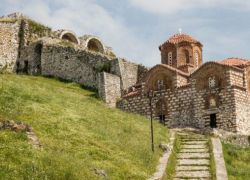
Berat Castle, also known as Kalaja e Beratit, is a historic fortress that sits proudly atop a hill overlooking the charming town of Berat in central Albania. With its stunning views, well-preserved architecture, and rich history, the castle is one of Albania's most significant cultural and historical landmarks. Dating back to the 4th century BC, Berat Castle is a testament to the region's strategic importance and the various civilizations that have left their mark on this ancient site. Today, it is a popular tourist destination for those interested in history, architecture, and beautiful landscapes. How to Reach Berat Castle, Berat, Albania Berat Castle is located on a hill above the town of Berat, offering breathtaking views of the surrounding area. The castle is situated approximately 1 km (0.6 miles) from the center of Berat, making it easily accessible on foot from most parts of the town. A leisurely walk uphill takes around 15-20 minutes, and the path is clearly marked, making it an easy trek for most visitors. If you prefer to drive, you can reach the base of the castle by car. There is a parking area near the entrance to the castle, where visitors can park before walking up to the main entrance. The drive from the town center to the castle takes just a few minutes, and the road is well-maintained. However, be prepared for a slightly steep climb once you get closer to the castle. For those coming from Tirana, the capital of Albania, the journey to Berat takes about 2 to 2.5 hours by car. The most convenient route is via the SH2 highway. Buses also run between Tirana and Berat, with departures from the main bus station. Once in Berat, you can easily reach the castle by following the signs or by asking locals for directions. Weather in Berat Berat experiences a Mediterranean climate with hot, dry summers and mild, wet winters. The best time to visit Berat Castle is during the spring (April to June) and autumn (September to November), when the weather is mild and comfortable for outdoor activities. Average temperatures during these seasons range from 15°C to 25°C (59°F to 77°F), providing the perfect conditions for exploring the castle and enjoying panoramic views of the town. Summer (June to August) can be quite hot, with temperatures often reaching 30°C (86°F) or higher. Visitors are advised to wear light clothing, bring sunscreen, and stay hydrated during the summer months. Early morning or late afternoon is the best time to visit the castle during the summer, when the temperatures are cooler and the views are stunning. In winter (December to February), temperatures can drop to around 5°C to 10°C (41°F to 50°F), but snow is rare. While winter is less crowded, it may be a good idea to bring a warm jacket if you plan to visit the castle during these months, as it can get chilly, especially in the evenings. Why is Berat Castle Famous? Berat Castle is famous for its rich history, stunning architecture, and breathtaking views of the town and surrounding landscapes. The castle has been continuously inhabited for over 1,500 years, making it one of Albania's most enduring historical sites. It is known for its impressive walls, towers, and gates, which have withstood the test of time and multiple invasions. The castle’s strategic location atop a hill provided a natural defense against enemy attacks, and it played an important role in the region's defense throughout history. The castle is also famous for its well-preserved Ottoman-era buildings, including churches, mosques, and residential homes that were once part of the fortress. The combination of different architectural styles and the integration of the castle with the town below make it a unique example of historical architecture in Albania. Entry and Visit Details about Berat Castle, Berat, Albania Visiting Berat Castle is an unforgettable experience, and entry is relatively affordable. The general entrance fee for the castle is approximately 200 Albanian Lek (around $2 USD), which grants access to the castle grounds, its historical buildings, and the breathtaking views from the hilltop. There are no set opening hours, but it is typically open to the public every day from early morning until sunset. The castle is easily accessible for most visitors, but be prepared for some uphill walking to reach the main entrance. The path can be a bit steep, so wearing comfortable shoes is recommended. There are several points of interest inside the castle, including the Byzantine-era churches, the Tower of the Seven Arches, and various Ottoman-era buildings. Inside the castle, you will also find an array of local vendors offering souvenirs and refreshments. If you prefer a guided tour, local guides are available at the entrance to provide in-depth information about the history, architecture, and significance of the castle. These tours are highly recommended for visitors who want to learn more about the castle's fascinating past and its role in Albania's history. History and Architecture of Berat Castle Berat Castle dates back to the 4th century BC, though the majority of the surviving structures were built during the Byzantine and Ottoman periods. The fortress was originally constructed by the Illyrians, an ancient people who inhabited the western Balkans. Over the centuries, the castle was expanded and reinforced by various rulers, including the Romans, Byzantines, and Ottomans. One of the most impressive features of Berat Castle is its massive defensive walls, which are made from large stone blocks. The walls enclose a sprawling area of the castle, which includes residential buildings, religious structures, and defensive towers. The castle’s layout reflects its function as both a defensive stronghold and a thriving residential area for the local population. Inside the castle, visitors can explore several important sites, such as the Church of St. Mary, which dates back to the 13th century and is a fine example of Byzantine architecture. Another notable feature is the Tower of the Seven Arches, which offers panoramic views of Berat and the surrounding valley. The castle also contains several mosques and Ottoman-era houses that were built after the Ottoman Empire took control of the region in the 15th century. Things to Do at Berat Castle There are plenty of things to see and do when visiting Berat Castle. Here are a few highlights: Explore the Castle Walls and Towers: Walk along the impressive walls of the castle and climb the towers for stunning views of Berat and the surrounding countryside. Visit the Churches and Mosques: Inside the castle, you can visit several ancient churches, including the Church of St. Mary, as well as mosques from the Ottoman era. Climb the Tower of the Seven Arches: This iconic tower offers a unique vantage point and a chance to take beautiful photos of the town and its landscape. Enjoy the Views: Take time to appreciate the panoramic views of Berat, the Osum River, and the surrounding hills. The castle’s hilltop location offers one of the best views in Albania. Learn from a Local Guide: Hire a local guide to take you through the castle’s history, providing you with fascinating details about the fortress and its role in Albania’s past. Interesting Facts about Berat Castle The castle has been continuously inhabited for over 1,500 years, making it one of the oldest and most historically significant castles in Albania. During the Middle Ages, Berat Castle was the residence of the ruling family of the region, and it served as a strategic military stronghold. Today, the castle still houses several hundred people, with many living in homes within the castle walls. The castle was originally built by the Illyrians, but it was expanded and reinforced by the Romans, Byzantines, and Ottomans over the centuries. Berat Castle is part of the UNESCO World Heritage Site designation for Berat, which is known as the “City of a Thousand Windows” for its distinctive Ottoman architecture. Tips for Visiting Berat Castle Wear Comfortable Shoes: The climb to the castle can be steep, so make sure to wear comfortable shoes suitable for walking uphill. Bring Water: Bring a bottle of water, especially during the summer months, as it can get hot while walking around the castle. Visit Early or Late: To avoid crowds, try visiting the castle early in the morning or later in the afternoon. Take Your Time: Spend time exploring the various churches, mosques, and towers within the castle walls to get a deeper understanding of its history. Take Photos: The views from the castle are stunning, so don’t forget to bring a camera to capture the beauty of Berat and its surroundings.
Explore More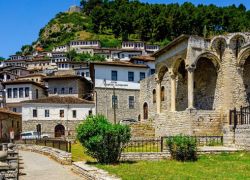
The Mangalem Quarter in Berat, Albania, is one of the most picturesque and historically significant neighborhoods in the city. Known for its narrow streets, traditional Ottoman-era houses, and stunning views of the Berat Castle, Mangalem is a UNESCO World Heritage site that offers a glimpse into the city’s rich cultural and architectural heritage. The quarter is a perfect place for visitors to explore, offering an authentic experience of Berat's unique blend of history, culture, and architecture. How to Reach Mangalem Quarter, Berat, Albania Mangalem Quarter is located in the heart of Berat, just below the famous Berat Castle. Visitors can easily reach Mangalem from anywhere in the city center by walking. It is about a 10 to 15-minute walk uphill from the Osum River and the town's main square, offering a chance to enjoy the scenic streets of Berat. The walk itself is an experience, with narrow alleys and old houses leading up to the quarter. If you are coming from Tirana, the capital of Albania, Berat is about 120 kilometers (75 miles) away and can be reached by car or bus in about 2.5 to 3 hours. Buses run regularly between Tirana and Berat, with departures from the main bus station in Tirana. Once in Berat, it is easy to navigate to the Mangalem Quarter by foot. Taxis are also available for visitors who prefer a more comfortable option. Once in the quarter, it is best to explore on foot, as the area is pedestrian-friendly with cobblestone streets. Weather in Berat Berat has a Mediterranean climate, with hot, dry summers and mild, wet winters. The best time to visit Mangalem Quarter is during the spring (April to June) or autumn (September to November), when the weather is comfortable for outdoor activities and sightseeing. During these months, temperatures range from 15°C to 25°C (59°F to 77°F), providing a pleasant environment for walking through the quarter’s charming streets and enjoying the views of Berat Castle and the surrounding landscape. Summer (June to August) can get quite hot, with temperatures reaching up to 30°C (86°F) or higher. While the streets of Mangalem are shaded by its old houses, visitors should be prepared for the heat, especially in the midday hours. Winter (December to February) is mild but cool, with temperatures typically ranging between 5°C and 10°C (41°F to 50°F). Snowfall is rare, but the winter months can bring rain, so it is a good idea to bring an umbrella or raincoat during this season. Why is Mangalem Quarter Famous? Mangalem Quarter is famous for its unique and well-preserved Ottoman-era architecture, with whitewashed houses that have distinctive wooden windows and red-tiled roofs. The area is an excellent example of how different cultural influences have blended together over the centuries. The traditional homes of Mangalem are built into the hillside, creating an incredible visual effect as they seem to cascade down the slope toward the river. The architecture of the quarter is one of the main reasons why Berat is often called the "City of a Thousand Windows" due to the abundance of windows and the picturesque views they offer. Beyond its architecture, Mangalem is also famous for its historical significance. It is one of the oldest parts of Berat, dating back to the 15th century. Over the centuries, the neighborhood has been home to various communities, including Albanians, Greeks, and Ottoman Turks, all of whom have left their mark on the architecture, culture, and history of the area. Mangalem's close proximity to Berat Castle, another key historical landmark, makes it an essential stop for visitors seeking to explore the rich cultural heritage of Berat. Entry and Visit Details about Mangalem Quarter, Berat, Albania There is no official entrance fee or ticket required to visit Mangalem Quarter, as it is an open neighborhood. Visitors can wander freely through its cobbled streets, enjoying the architecture and the atmosphere. The best way to explore the quarter is on foot, as it allows visitors to fully appreciate the beauty and character of the area. Since Mangalem is a residential neighborhood, it's important to be respectful of the local community as you explore. While the neighborhood is accessible year-round, the best time to visit is during the spring and autumn months when the weather is most pleasant. If you're planning to visit Berat Castle, Mangalem is just a short walk away, making it an easy addition to your itinerary. Local guides are available for those who wish to learn more about the history and architecture of Mangalem and Berat as a whole. Many guides offer walking tours of the area, providing valuable insights into the cultural and historical significance of the quarter. History and Architecture of Mangalem Quarter Mangalem Quarter dates back to the Ottoman period, with the earliest construction of its houses believed to have begun in the 15th century. The neighborhood grew during the Ottoman Empire, as it became the center of daily life for many of the region's inhabitants. The architecture of Mangalem reflects the unique blend of Ottoman, Byzantine, and Albanian influences, with its white-washed stone houses, large wooden windows, and red-tiled roofs. The buildings are typically three or four stories high, with the upper floors built into the hillside to create a stepped effect. One of the most notable features of Mangalem is its characteristic "windows," which adorn nearly every house in the quarter. These windows are large and often wooden-framed, allowing natural light to flood the interiors. The design of these houses also takes into account the steep terrain, with homes built in layers to maximize space and provide panoramic views of the surrounding area. In addition to its distinctive houses, Mangalem is home to several important religious buildings. The Halveti Tekke, a 16th-century Sufi lodge, is one such example. The mosque in the quarter, known as the King Mosque, was built during the Ottoman period and is a key landmark. The presence of both Christian and Muslim buildings in Mangalem highlights the religious diversity that has shaped the area over the centuries. Things to Do in Mangalem Quarter There are several things to see and do when visiting Mangalem Quarter. Here are some of the highlights: Explore the Traditional Architecture: Wander through the narrow streets and alleys of Mangalem to admire the traditional Ottoman houses with their distinctive windows and wooden balconies. Don’t forget to take photos of the stunning views of Berat Castle and the surrounding landscape. Visit the Halveti Tekke: This 16th-century Sufi lodge is an important part of Mangalem’s religious and cultural history. It’s a peaceful and serene place to visit, offering a glimpse into the spiritual side of the neighborhood. Walk to the Berat Castle: Mangalem is located at the base of Berat Castle, so after exploring the quarter, take a short walk uphill to visit the castle and enjoy its panoramic views of the town. Enjoy the Local Cafes: There are several charming cafes and restaurants in Mangalem where you can relax and enjoy a traditional Albanian coffee or meal while taking in the views. Take a Guided Walking Tour: A guided tour is a great way to learn about the history, culture, and architecture of Mangalem and the surrounding areas. Local guides are available to offer detailed information about the neighborhood and Berat’s history. Interesting Facts about Mangalem Quarter Mangalem is often referred to as the “Old Town” of Berat and is one of the best-preserved Ottoman neighborhoods in Albania. The neighborhood is famous for its “thousand windows,” a term used to describe the large number of windows visible in the quarter's traditional houses. In addition to its residential homes, Mangalem also contains several important mosques, churches, and religious buildings, highlighting its multicultural history. Mangalem is part of the UNESCO World Heritage Site of Berat, which was recognized for its well-preserved Ottoman architecture and its role in Albanian history. Despite being a popular tourist destination, Mangalem is still a vibrant residential area, with many locals living and working in the neighborhood. Tips for Visiting Mangalem Quarter Wear Comfortable Shoes: The streets in Mangalem are cobblestone and can be steep, so make sure to wear comfortable shoes for walking. Visit Early or Late: To avoid crowds, visit Mangalem early in the morning or later in the afternoon, when the light is softer for photos. Take a Camera: The neighborhood offers beautiful views of Berat Castle, the Osum River, and the surrounding hills, so don’t forget to bring a camera to capture the stunning scenes. Respect the Locals: Mangalem is a residential area, so be respectful of the people who live there while exploring the neighborhood. Learn About the History: Consider hiring a local guide to learn more about the fascinating history of Mangalem and the cultural influences that shaped it.
Explore More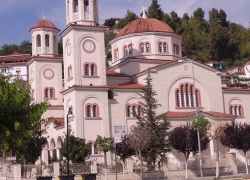
The Gorica Quarter in Berat, Albania, is another charming and historic district that adds to the cultural richness of this UNESCO World Heritage town. Located on the opposite side of the Osum River from the famous Mangalem Quarter, Gorica is known for its beautiful Ottoman-style houses, narrow streets, and stunning views of the Berat Castle and the river. With its quiet, residential atmosphere, Gorica offers visitors a peaceful glimpse into the life of one of Albania's most well-preserved historic towns. How to Reach Gorica Quarter, Berat, Albania Gorica Quarter is easily accessible from the center of Berat. To reach Gorica, visitors can cross the Osum River using the Gorica Bridge, which connects the Mangalem Quarter to the Gorica neighborhood. The bridge itself is an attraction, as it offers a scenic view of the river and the surrounding landscapes. If you are already in the town center, it is only a 10-minute walk to Gorica. Visitors can either walk through the main streets or follow the riverbank to reach the area. For those coming by car, the drive to Gorica is short, and there are parking areas near the Gorica Bridge. From there, visitors can easily explore the neighborhood on foot. For those traveling to Berat from Tirana, the capital city of Albania, Berat is approximately 120 kilometers (75 miles) away, and the journey takes around 2.5 to 3 hours by car or bus. Once in Berat, visitors can easily reach Gorica by walking across the bridge from the Mangalem Quarter. Weather in Berat Berat experiences a Mediterranean climate, characterized by hot, dry summers and mild, wet winters. The best time to visit Gorica Quarter is during the spring (April to June) and autumn (September to November), when the temperatures are pleasant for walking and exploring the area. During these seasons, temperatures typically range from 15°C to 25°C (59°F to 77°F), providing ideal conditions for outdoor activities. In summer (June to August), temperatures in Berat can soar to around 30°C (86°F), so visitors should be prepared for the heat, especially in the midday sun. Early mornings or late afternoons are the best times to visit Gorica during summer to avoid the intense heat. In winter (December to February), the temperatures are generally mild, ranging from 5°C to 10°C (41°F to 50°F), with occasional rain. Snowfall is rare, but it's advisable to bring a jacket if visiting during the colder months. Why is Gorica Quarter Famous? Gorica Quarter is famous for its traditional Ottoman architecture and its serene, residential atmosphere. It is one of the most picturesque parts of Berat, with its whitewashed houses and red-tiled roofs nestled along the hillsides. Unlike the bustling Mangalem Quarter, Gorica offers a more peaceful setting, making it an ideal place to explore on foot and soak in the town's old-world charm. The neighborhood is also known for its exceptional views of the Osum River and the Berat Castle, which sits atop the hill opposite Gorica. The vantage points from Gorica allow visitors to appreciate the beauty of Berat’s landscape and its historical sites. The area is particularly famous for its cobblestone streets, traditional houses, and its role in the development of Berat throughout the centuries. Entry and Visit Details about Gorica Quarter, Berat, Albania Gorica Quarter is a public residential area, so there is no official entry fee to visit the neighborhood. Visitors are free to wander through the charming streets and explore the old houses, the riverbanks, and the Gorica Bridge. Since it is primarily a residential area, it is important to respect the privacy of the locals while exploring the quarter. There are no set opening hours for Gorica, as it is an open neighborhood. However, it is best to visit during daylight hours to fully appreciate the beautiful views and architecture. The best time to explore Gorica is early in the morning or late in the afternoon, when the lighting is perfect for photography and the streets are less crowded. If you want to learn more about the history of Gorica and Berat, you can consider hiring a local guide. There are several tour operators in Berat that offer walking tours of the town, including Gorica Quarter. These guided tours provide valuable insights into the historical and cultural significance of the area and its architecture. History and Architecture of Gorica Quarter The history of Gorica Quarter dates back to the Ottoman era, and it has retained much of its traditional charm. Like the Mangalem Quarter, Gorica developed during the Ottoman period, with many of its houses built in the 18th and 19th centuries. The houses in Gorica are built with stone, with large wooden windows, red-tiled roofs, and expansive balconies that reflect the Ottoman architectural style. The layout of Gorica is quite similar to Mangalem, with houses arranged in a stepped pattern along the hillside. This allows the residents to enjoy the stunning views of the river and the surrounding mountains. The narrow streets and alleys of Gorica are lined with traditional homes, many of which are still occupied by local families. The neighborhood has a timeless quality, making it a great place to explore on foot. One of the most distinctive features of Gorica is the Gorica Bridge, which was built during the Ottoman era. The bridge connects the two quarters of Berat, Mangalem and Gorica, and it has become an iconic symbol of the town. The bridge offers great views of both neighborhoods and is a perfect spot for taking photos of the town's charming streets and river. Things to Do in Gorica Quarter There are several things to see and do when visiting Gorica Quarter. Here are some of the highlights: Walk Along the Gorica Bridge: The Gorica Bridge is one of the most iconic landmarks in Berat. Take a leisurely walk across the bridge to enjoy the views of the Osum River and the town’s old quarters. Explore the Streets and Houses: Wander through the narrow streets of Gorica and admire the traditional Ottoman-style houses with their wooden windows and red-tiled roofs. Take in the Scenic Views: From Gorica, you can enjoy panoramic views of Berat Castle and the surrounding landscape. The view of the town from the hill is especially breathtaking during sunset. Relax by the River: The Osum River flows through Gorica, and the riverbanks provide a tranquil place to relax and enjoy the natural beauty of the area. Visit the Local Cafes: Gorica has a few cozy cafes where you can enjoy a coffee or tea while taking in the views of the river and the surrounding hills. Interesting Facts about Gorica Quarter The Gorica Bridge is one of the oldest and most well-preserved bridges in Albania, with roots dating back to the 18th century during the Ottoman era. Gorica Quarter is known for its quiet, residential atmosphere, making it a perfect spot for those looking to escape the more tourist-heavy areas of Berat. While Mangalem is the more famous of Berat's two main quarters, Gorica offers a unique perspective on the town’s history and architecture. The neighborhood’s houses were traditionally built to maximize natural light and ventilation, an essential feature in the hot Mediterranean climate of the region. Gorica is also known for its olive trees, which are a significant part of the region's agricultural heritage. Tips for Visiting Gorica Quarter Wear Comfortable Shoes: The streets in Gorica are cobblestone and hilly, so comfortable shoes are a must for walking through the neighborhood. Bring a Camera: Gorica offers some of the best views of Berat, so be sure to bring a camera to capture the scenic landscapes and charming architecture. Take Your Time: Explore the neighborhood at a leisurely pace to appreciate the beauty of the old houses, narrow streets, and the views of the castle and river. Respect the Locals: Gorica is a residential area, so be respectful of the people who live there. Keep noise levels down and avoid disturbing the residents. Visit in the Early Morning or Late Afternoon: For the best lighting and fewer crowds, visit Gorica in the early morning or late afternoon, especially if you're planning to take photos.
Explore More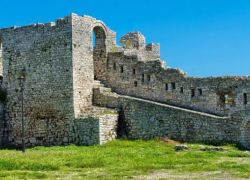
The Kale Fortress, also known as the Berat Castle, is one of the most iconic landmarks in the city of Berat, Albania. This ancient fortress offers spectacular views of the surrounding city and the Osum River. It is a place where history, culture, and breathtaking landscapes come together, making it a must-visit destination for travelers exploring this beautiful region of Albania. How to Reach Kale Fortress, Berat Reaching Kale Fortress is relatively easy, especially if you are already in Berat. The fortress is situated atop a hill overlooking the city, and you can access it through several routes. If you are coming from the city center, the most common way to reach the fortress is by foot, as it is only about a 15-20 minute walk from the main square. The walk can be a bit steep, but it offers a chance to explore the charming streets of Berat and enjoy the unique Ottoman-era architecture along the way. If you're driving, you can park near the entrance to the castle, and then walk a short distance to the top. For visitors coming from other parts of Albania, you can take a bus or a taxi to Berat and then follow the same routes to reach the fortress. Weather at Kale Fortress, Berat The weather in Berat can vary depending on the season. The best time to visit the Kale Fortress is during the spring (April to June) or autumn (September to October) when the weather is mild and pleasant. During these months, temperatures range from 15°C to 25°C (59°F to 77°F), and the surroundings are lush and green. Summer months (July and August) can be quite hot, with temperatures often exceeding 30°C (86°F), making it important to bring water and wear sunscreen if you're planning to explore the fortress during this time. Winters (December to February) can be cold, with temperatures occasionally dipping below freezing, so be sure to dress warmly if you're visiting during this season. Timings for Kale Fortress The Kale Fortress is generally open to visitors throughout the year. However, the official opening hours for entry can vary depending on the time of year. In the warmer months (April to October), the fortress is typically open from 8:00 AM to 8:00 PM. During the off-peak months (November to March), the timings may be shorter, typically from 9:00 AM to 5:00 PM. It is recommended to visit earlier in the day to avoid crowds, especially in the summer months. Additionally, be sure to check with local authorities for any changes in hours or special events before your visit. Why is Kale Fortress Famous? The Kale Fortress is famous for its rich history, stunning architecture, and panoramic views of Berat and its surroundings. The fortress has stood for centuries, offering a glimpse into the military and cultural past of the region. It was originally built by the Byzantines in the 4th century BC, later expanded by the Ottomans, and has seen numerous battles, changes in ownership, and historical events. Today, the fortress is an important symbol of Berat and a UNESCO World Heritage site, showcasing the unique blend of cultures that have shaped the city. Visitors are drawn not only by its historical significance but also by the amazing views it offers over the river, the old town, and the nearby mountains. Entry and Visit Details for Kale Fortress, Berat The entry to Kale Fortress is relatively affordable, with a small entrance fee that helps maintain the site. As of now, the entry fee is around 200-300 Albanian Lek (approximately $2-3 USD). Children, students, and senior citizens may enjoy discounted rates. Once inside the fortress, visitors can explore the various sections of the castle, including the watchtowers, the ancient walls, and the old churches. There are also several rooms inside the fortress that offer exhibits about its history and the people who once lived there. Guided tours are available in multiple languages for those who wish to learn more about the site’s history and significance. History and Architecture of Kale Fortress The Kale Fortress has a fascinating history dating back to ancient times. Initially built by the ancient Greeks in the 4th century BC, it was later expanded by the Romans and Byzantines. The fortress, as it stands today, is largely the work of the Ottomans who took control of the area in the 15th century. The castle features impressive Ottoman-era architecture, with its thick stone walls, towers, and ramparts. One of the most notable aspects of the fortress is the many churches and mosques within its walls, reflecting the religious diversity of the area over the centuries. The most famous of these is the Church of St. Mary, which offers stunning views from its location within the fortress. As you walk around the fortress, you can admire the well-preserved walls and fortifications that have helped it stand the test of time. The panoramic views from the fortress are also a highlight, offering visitors a chance to take in the beauty of Berat and its surrounding landscapes. Things to Do at Kale Fortress While visiting the Kale Fortress, there are several things you can do to enhance your experience: Explore the Historical Sites: Visit the churches, mosques, and old residential buildings inside the fortress, and learn about the history of the people who lived there. Enjoy the Views: The fortress offers some of the best panoramic views of Berat, the Osum River, and the surrounding hills. Be sure to take a few moments to enjoy the scenery. Take Photos: The castle’s architectural beauty and the landscape make it a photographer’s dream. Capture the views, the fortress walls, and the surrounding old town. Learn the History: Hire a local guide or read the informative signs around the fortress to gain insight into the history of the site and the city of Berat. Interesting Facts About Kale Fortress The fortress was originally built by the Greeks and expanded by the Romans before being modified by the Ottomans. It houses several churches, including the Church of St. Mary, which is an important cultural and historical site in Berat. In the 19th century, the fortress was used as a military base by the Albanian forces during the Ottoman period. The castle offers one of the best vantage points in the city, providing stunning panoramic views over Berat, the river, and the surrounding mountains. Tips for Visiting Kale Fortress, Berat Wear Comfortable Shoes: The terrain around the fortress can be steep and rocky, so comfortable walking shoes are a must. Bring Water: It can get hot during the summer, so make sure to carry a bottle of water with you as you explore the site. Visit Early: To avoid crowds, especially in the peak summer months, it’s best to arrive early in the morning. Hire a Guide: A local guide can provide you with fascinating insights into the history and significance of the fortress and the city of Berat. Conclusion The Kale Fortress in Berat is an extraordinary historical site, offering visitors a unique blend of culture, history, and stunning views. Whether you're a history buff, a photography enthusiast, or simply someone who loves exploring beautiful landmarks, the fortress is a must-see when visiting Berat, Albania. Make sure to plan your visit accordingly and enjoy all that this remarkable site has to offer!
Explore More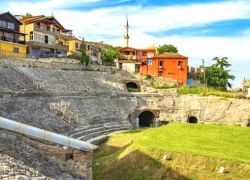
The Durrës Amphitheatre (Albanian: Amfiteatri i Durrësit) sits in the heart of Durrës, Albania’s principal port on the Adriatic Sea. Built during the Roman Imperial period, this elliptical amphitheatre is the largest known Roman amphitheatre on the Balkan Peninsula and remains one of Durrës’s most important archaeological attractions. It provides a rare, close-in glimpse into the urban and social life of Roman Dyrrachium and today functions as both a ruin to explore and a small archaeological museum site. :contentReference[oaicite:0]{index=0} How to reach Durrës Amphitheatre Durrës is about 30–40 km west of Tirana (the capital). From Tirana, regular buses and minibuses depart for Durrës from the central bus terminals and the airport area; the ride usually takes around 30–45 minutes depending on traffic. Taxis or private transfers are also common and take roughly the same time but cost more. If you are already in Durrës, the amphitheatre is centrally located and easily reached on foot from the seafront promenade and the main central streets. :contentReference[oaicite:1]{index=1} Weather and best time to visit Durrës enjoys a Mediterranean climate — hot, dry summers and mild, wetter winters. The best time to visit the amphitheatre for comfortable walking and photos is in spring (April–June) and autumn (September–October) when temperatures are warm but not scorching and crowds are smaller than midsummer. If you visit during July–August, plan for early morning or late afternoon when the light is softer and heat is less intense. Opening hours and entry (practical details) Practical opening hours and ticketing can sometimes vary by season and by local museum management. Many visitor reports and local guides list the amphitheatre as having daytime opening hours (roughly 9:00–16:00 or 9:00–19:00 depending on the season), with a modest entry fee — frequently reported around a few euros (for example ~300 Lek / €2–€4). Occasionally the hours differ by weekday/weekend, and in some periods the site may have restricted access for restoration work or archaeological work, so check locally when you arrive in Durrës. The amphitheatre is often ticketed together with the adjacent Archaeological Museum. :contentReference[oaicite:2]{index=2} Why the Durrës Amphitheatre is famous The amphitheatre’s fame stems from several factors: its sheer scale for the region (historically holding thousands of spectators), its central urban setting that reveals layers of occupation (Roman, early Christian, medieval), and the survival of rare early-Christian remains such as chapel mosaics and fresco fragments inside the structure. Its unusual situation — partly excavated, partly built over by later housing, and surrounded by modern city — makes it a striking example of living-heritage tensions and visible urban archaeology. :contentReference[oaicite:3]{index=3} History and architecture Construction began in the 2nd century AD, likely under the reign of Trajan or during that general imperial period, when Dyrrachium (the Roman name for Durrës) was a major Adriatic port and provincial centre. The amphitheatre is elliptical with axes reported at roughly 132 by 113 metres; the arena itself measures approximately 61 by 42 metres, and the structure once reached heights of around 20 metres in places. In its heyday it could accommodate many thousands of spectators — some estimates range up to 15,000–20,000 — and it staged spectacles and public events typical of Roman urban life. :contentReference[oaicite:4]{index=4} Over the centuries the amphitheatre suffered earthquake damage (notably in late antiquity), was repurposed in the early Christian era (a chapel and mosaics date to the 4th–6th centuries), and later was partially covered and incorporated into the medieval and Ottoman urban fabric. Systematic archaeological excavation began in the mid-20th century and continued in phases; conservation and rehabilitation efforts have taken place in recent decades with international cooperation to stabilise and restore vulnerable elements. Despite conservation work, parts of the amphitheatre remain threatened by urban pressure and earlier neglect. :contentReference[oaicite:5]{index=5} Things to do at and around the site • Walk the rim and terraces: even though only part of the seating is exposed, you can follow the ancient stairways and imagine the original layout. • See the chapel mosaics: inside the amphitheatre there are preserved early-Christian mosaics and traces of frescoes; these are small but historically important. • Visit the nearby Archaeological Museum: many finds from Durrës and the amphitheatre are showcased in the museum, often on the same ticket. • Combine with a seaside stroll: Durrës’s promenade and beaches are minutes away, making it easy to pair culture and beach. • Guided walking tours: local guides and walking tours often include the amphitheatre plus other city highlights (castle, Venetian tower, mosaic floors). These guided options are useful for historical context and for seeing less obvious details. :contentReference[oaicite:6]{index=6} Facts and quick reference • Period: Built in the 2nd century AD (Roman). :contentReference[oaicite:7]{index=7} • Size: Elliptical plan, axes ~132 × 113 m; arena ~61 × 42 m. :contentReference[oaicite:8]{index=8} • Capacity (historic): Estimates vary widely but often quoted in the tens of thousands (historical estimates around 15,000–20,000). :contentReference[oaicite:9]{index=9} • Present status: Partially excavated and conserved; functions as a protected archaeological site and visitor attraction. Conservation campaigns and rehabilitation projects have been carried out in recent decades. Practical tips for visitors 1. Check current opening hours and combined-ticket options with the Archaeological Museum — local kiosks, official tourism offices in Durrës or your hotel can confirm up-to-date times and prices. :contentReference[oaicite:11]{index=11} 2. Wear sensible shoes — the stone seating, steps and uneven surfaces require good walking footwear. 3. Sun protection — limited shade inside the arena; bring a hat and water in summer. 4. Photography — great for wide-angle shots that juxtapose ancient stonework with modern cityscape; early morning or late afternoon gives best light. 5. Respect restricted areas — parts of the site may be closed off for conservation or excavation; obey signs and local staff. :contentReference[oaicite:12]{index=12} Conclusion The Durrës Amphitheatre is a compact but powerful encounter with Albania’s Roman past right in the modern city centre. Whether you are a history buff, a casual visitor pairing culture with a beach day, or a photographer hunting for unusual urban-archaeological scenes, the amphitheatre rewards a careful visit. Allow time to combine it with the Archaeological Museum and a stroll along Durrës’s lively waterfront for the full experience.
Explore More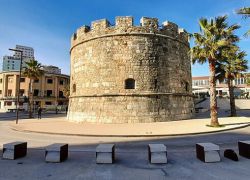
The Venetian Tower, located in the heart of Durrës, Albania, is one of the most important historical landmarks in the city. This impressive structure is a reminder of Durrës' strategic importance throughout history, particularly during the medieval period when the city was part of the Venetian Empire. As a significant defensive structure, the Venetian Tower not only offers insight into the city’s past but also provides stunning views of the surrounding area, making it a must-visit for tourists. How to Reach The Venetian Tower The Venetian Tower is located in the center of Durrës, making it easily accessible for visitors. It is situated near the city’s historic district and is within walking distance from several other popular attractions like the Durrës Amphitheater and the Archaeological Museum. By Road: If you’re traveling from Tirana, the capital of Albania, Durrës is about a 30–40 minute drive by car. You can easily take a bus from Tirana to Durrës, with buses leaving frequently from the main bus terminal. Once in Durrës, the Venetian Tower is a short walk from the main square or port. By Taxi: Taxis are readily available in Durrës and can take you directly to the Venetian Tower. From the Durrës bus station or port, the taxi ride should take about 5–10 minutes. Walking: If you’re staying in the central part of Durrës, it’s an easy walk to the Venetian Tower. The area is pedestrian-friendly, and you’ll enjoy a stroll through the historic streets of the city as you make your way to the tower. Weather in Durrës Durrës has a Mediterranean climate, characterized by hot, dry summers and mild, wet winters. The best time to visit the Venetian Tower and other attractions in Durrës is from late spring to early autumn (May to September), when temperatures are pleasant, ranging between 20°C and 30°C (68°F - 86°F). During the summer months, the city can become quite hot, with temperatures rising above 30°C (86°F), so be prepared with sunscreen, hats, and plenty of water. Winter temperatures in Durrës are relatively mild, rarely dropping below 8°C (46°F), making it a year-round destination. However, winter visitors should expect more rain and cooler conditions, particularly from November to February. Timing & Best Time to Visit The Venetian Tower is an outdoor monument, meaning it can be visited at any time of day. However, the best time to visit is during daylight hours when the views from the tower are most spectacular. Peak Season: June to August – Ideal for sightseeing with warm weather, though it can be crowded. Shoulder Season: April to May and September to October – A great time to visit for more comfortable temperatures and fewer tourists. Low Season: November to March – Ideal for those who prefer a quieter experience, but be prepared for occasional rain. Why The Venetian Tower is Famous The Venetian Tower is famous for its historical and architectural significance. It was originally built as part of the city’s fortifications and was later reinforced by the Venetians in the 15th century. The tower’s location provided a strategic advantage, offering a panoramic view of the harbor and the surrounding areas. Over the centuries, it served as both a defensive structure and a symbol of Venetian influence in the region. The tower is also a key piece of Durrës' rich history. It offers visitors a glimpse into the city’s past as a major Mediterranean port and center of trade under various empires, including the Romans, Byzantines, and Venetians. Today, the Venetian Tower remains a vital part of the city’s cultural heritage and an important landmark for both locals and tourists. Entry and Visit Details Visiting the Venetian Tower is free of charge, as the tower is part of the public space. Visitors can freely explore the surrounding area and enjoy the views. The tower’s interior may not always be open to the public, but its exterior and the surrounding historic site are accessible year-round. When visiting, it’s a good idea to check for any temporary closures or events that might affect access to the site. The tower is often included in walking tours of the city, so you can join a guided group to learn more about its history. History of The Venetian Tower The Venetian Tower was initially part of the ancient fortifications of Durrës, which were built to protect the city from invaders. The tower we see today was constructed by the Venetians in the 15th century when they controlled Durrës as part of their empire. Its primary purpose was to protect the harbor and the city from naval attacks, while also serving as a lookout point for incoming ships. Over time, the tower has withstood numerous challenges, including earthquakes and military conflicts. Despite the wear and tear over the centuries, the tower remains a prominent feature of Durrës' skyline and a testament to the city’s military history. The Venetian Tower continues to be a symbol of the city’s past under Venetian rule and its continued importance as a maritime hub in the Mediterranean. Architecture of The Venetian Tower The Venetian Tower is a circular structure made of thick stone walls, which were designed to withstand attacks. The tower is built in the typical Venetian style, characterized by its simplicity and functionality. The thick walls were constructed to protect the people inside from projectiles, and the round shape allowed defenders to have a 360-degree view of the surrounding area. At the top of the tower, there was likely a small platform from which guards could keep watch over the harbor and the surrounding areas. The tower’s strategic location provided an advantage in terms of defense, and its elevation allowed for better visibility of the sea and land approaches to the city. Things to Do at The Venetian Tower While the Venetian Tower itself is a historical monument, there are several things to do around the site: Photography: The tower is a popular spot for photographers who want to capture the beauty of Durrës and its ancient architecture. Explore the Ancient Walls: The Venetian Tower is part of the larger city wall system, which you can explore on foot. Walking Tours: Many guided tours of Durrës include a stop at the Venetian Tower, allowing visitors to learn about its history and significance. Relax in the Nearby Parks: The area around the tower is perfect for relaxing and enjoying the historic atmosphere of Durrës. Facts About The Venetian Tower The Venetian Tower was built in the 15th century during Venetian rule. It is part of the city’s ancient fortifications, which protected Durrës from attacks. The tower’s cylindrical shape is typical of Venetian military architecture. Today, the tower is one of the most photographed landmarks in Durrës. The tower offers panoramic views of the surrounding areas, including the Durrës harbor and the Mediterranean Sea. Travel Tips for Visiting The Venetian Tower Wear Comfortable Shoes: The area around the tower is cobbled, so wear sturdy footwear for easy walking. Check Local Opening Hours: While the tower itself is always visible, the interior may be closed at times, so check in advance. Visit During Off-Peak Hours: The best time to visit is early morning or late afternoon when there are fewer tourists. Combine With Other Historical Sites: The Venetian Tower is located near other attractions like the Durrës Amphitheater and Archaeological Museum, so plan to visit them as well. Stay Hydrated: If you’re visiting during the summer, be sure to bring water, as it can get hot around the tower. Conclusion The Venetian Tower in Durrës is a fascinating historical monument that offers visitors a glimpse into the city’s past under Venetian rule. With its strategic location, impressive architecture, and panoramic views, the tower remains one of the most important landmarks in Durrës. Whether you're a history enthusiast or simply looking to explore the city’s rich cultural heritage, a visit to the Venetian Tower is a must
Explore More
The Roman Baths in Durrës, Albania, are one of the most important and well-preserved archaeological sites in the city. Dating back to the 2nd century AD, these baths were a key part of Roman public life and provide a fascinating glimpse into the ancient Roman civilization. Located in the heart of Durrës, they are part of the city’s rich history and an essential stop for those interested in Albania’s Roman past. How to Reach The Roman Baths The Roman Baths are centrally located in Durrës, making them easy to reach from anywhere in the city. They are situated near the city center, not far from other important landmarks like the Durrës Amphitheater and the Venetian Tower. By Road: If you are traveling from Tirana, the capital of Albania, Durrës is about a 30–40 minute drive by car. From the main bus station in Durrës, it is a short walk or taxi ride to the Roman Baths. Walking: If you're staying in the center of Durrës, you can easily walk to the Roman Baths. The site is located in a pedestrian-friendly area with many other attractions nearby, such as the city’s ancient walls and the Archaeological Museum. By Taxi: Taxis are readily available in Durrës. From the city center, a short taxi ride will take you to the Roman Baths in just a few minutes. Weather in Durrës Durrës enjoys a Mediterranean climate, which makes it a great destination for year-round visits. Summers are hot and dry, with temperatures reaching up to 30°C (86°F) and higher, while winters are mild, with temperatures rarely dropping below 10°C (50°F). The best time to visit the Roman Baths is between late spring (May–June) and early autumn (September–October) when the weather is pleasant and ideal for sightseeing. During the summer months, it can get quite hot, so it’s a good idea to visit the Roman Baths in the morning or late afternoon to avoid the midday heat. Timing & Best Time to Visit The Roman Baths are open to the public year-round, and visitors can explore the site during daylight hours. The best time to visit is during the cooler parts of the day, typically early in the morning or in the late afternoon, especially during the summer months when the temperatures can be high. Peak Season: June to August – Perfect for those who want to experience the city at its liveliest. Shoulder Season: April to May and September to October – Ideal for sightseeing without large crowds and more comfortable temperatures. Low Season: November to March – A quieter time to visit, but with a higher chance of rain and cooler temperatures. Why The Roman Baths Are Famous The Roman Baths in Durrës are famous for their exceptional preservation and the insight they provide into Roman life. These baths were part of a larger Roman complex that included public and private spaces used for bathing, relaxation, and socializing. The site is an important reminder of the Roman Empire's influence on the region and provides a rare opportunity to explore ancient Roman architecture and urban design. What makes these baths especially fascinating is their scale and structure. They feature a series of interconnected rooms, including heated chambers, cold pools, and changing rooms, all designed to create the ideal environment for the Roman bathing ritual. These baths were not only a place of hygiene but also social centers where people could meet, relax, and engage in conversation. Today, the Roman Baths stand as one of Durrës’ top historical attractions, drawing visitors from around the world. Entry and Visit Details The Roman Baths are open to the public, and visiting them is typically free of charge. However, a small fee may apply for access to certain parts of the site, such as special exhibitions or guided tours. The site is well-maintained, with informational signs in both Albanian and English. If you want to learn more about the history of the baths, it’s a good idea to join a guided tour. Many local tour companies offer walking tours of Durrës, which include a stop at the Roman Baths as part of a larger exploration of the city’s ancient sites. It is advisable to wear comfortable shoes, as the terrain around the Roman Baths can be uneven and the area has cobblestone paths. Visitors should also bring water during the warmer months, as Durrës can get quite hot. History of The Roman Baths The Roman Baths in Durrës were built during the Roman Empire, around the 2nd century AD, during a period of great prosperity for the city. Durrës, known as Epidamnos in ancient times, was a major port and trade hub along the Adriatic Sea. The baths were part of a large Roman public complex that included baths, temples, and public buildings. The baths were constructed with advanced engineering techniques, utilizing a system of underfloor heating known as the hypocaust. This system allowed for the heating of the floors and walls of the baths, creating a warm, comfortable environment for bathing. The Roman Baths were an essential part of daily life for the people of Durrës, serving not only as a place to clean but also as a social center. Over the centuries, the baths were abandoned and fell into disrepair. However, excavation and preservation efforts in the 20th century uncovered the remains of this remarkable structure, allowing visitors to experience a piece of Roman history in Albania. Architecture of The Roman Baths The Roman Baths in Durrës are a stunning example of Roman architectural ingenuity. The site features several interconnected rooms, including the frigidarium (cold bath), tepidarium (warm bath), and caldarium (hot bath). These rooms were heated using the hypocaust system, where hot air from a furnace would circulate beneath the floors and in the walls. The architecture of the Roman Baths demonstrates a high level of sophistication. The large vaulted ceilings, the remains of marble decorations, and the use of bricks and stone in the construction all reflect the Romans' advanced engineering skills. The baths also feature a series of bathing pools, which would have been used for both relaxation and hygiene. Things to Do at The Roman Baths When visiting the Roman Baths, here are some things you can do: Explore the Excavations: Wander around the ruins to discover the remnants of the ancient Roman baths and learn about their purpose and construction. Photography: The site offers excellent opportunities for photography, especially with its well-preserved architecture and intricate details. Guided Tours: Join a guided tour to learn more about the history and significance of the Roman Baths and Durrës’ Roman past. Visit Nearby Attractions: After exploring the Roman Baths, visit nearby sites such as the Durrës Amphitheater, the Venetian Tower, and the Archaeological Museum to gain a fuller understanding of the city’s rich history. Facts About The Roman Baths The Roman Baths were built in the 2nd century AD during the Roman Empire. They were part of a larger public complex, which included other amenities such as temples and public buildings. The baths featured the advanced Roman hypocaust system for heating. After falling into disuse, the baths were rediscovered in the 20th century and have since been preserved for public viewing. The Roman Baths are one of the best-preserved Roman structures in Durrës. Tips for Visiting The Roman Baths Wear Comfortable Footwear: The site has uneven surfaces and cobblestones, so wear sturdy shoes. Bring Water: Durrës can get hot in the summer, so be sure to carry water with you. Combine with Other Historical Sites: The Roman Baths are located near other important attractions in Durrës, so plan to visit them all for a comprehensive historical tour. Consider a Guided Tour: If you want to learn more about the history of the Roman Baths, consider joining a guided tour. Check the Opening Hours: Be sure to check the hours of operation before your visit, as they may vary based on the season. Conclusion The Roman Baths in Durrës offer an incredible opportunity to step back in time and explore the Roman way of life. With their remarkable architecture, advanced engineering, and historical significance, the baths are a must-see for any visitor to Durrës. Whether you're a history enthusiast or simply looking to explore the ancient past, the Roman Baths are a fascinating site that brings the Roman Empire’s influence in Albania to life.
Explore More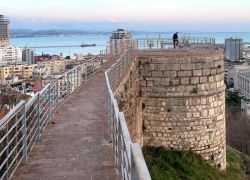
The Durrës Fortress, also known as the Durrës City Walls, is a historic site located in the city of Durrës, Albania. Dating back to the 5th century, the fortress is one of the most important historical landmarks in the city and offers a fascinating glimpse into the city's ancient past. Built initially by the Byzantines and later expanded by the Venetians and Ottomans, the fortress played a critical role in defending the city from various invaders throughout its history. Today, it stands as a symbol of Durrës' rich cultural heritage and is a popular attraction for history enthusiasts and tourists alike. How to Reach The Durrës Fortress The Durrës Fortress is located in the city center, making it easily accessible for visitors. It is within walking distance from other significant landmarks in Durrës, such as the Durrës Amphitheater, Venetian Tower, and King’s Mosque. By Road: If you're traveling from Tirana, the capital of Albania, Durrës is approximately 30–40 minutes by car. You can take a bus from Tirana’s main bus terminal to Durrës, and from there, it is a short walk to the fortress. By Taxi: Taxis are available throughout Durrës and can take you directly to the fortress. It’s a short ride from the bus station or port, typically taking 5–10 minutes. Walking: If you're staying in the central area of Durrës, you can easily walk to the Durrës Fortress. The area is pedestrian-friendly, and signs in the city point to the fortress and other nearby attractions. Weather in Durrës Durrës enjoys a Mediterranean climate, characterized by hot, dry summers and mild, wet winters. The best time to visit the Durrës Fortress is during the spring and fall months (April–October) when the weather is pleasant for sightseeing. In the summer (June–August), temperatures can rise above 30°C (86°F), so it's best to visit early in the morning or late in the afternoon to avoid the heat. Winter temperatures are mild, with average highs of 10–15°C (50–59°F). While winter offers fewer crowds, some attractions may have reduced hours, and occasional rain is expected. Timing & Best Time to Visit The Durrës Fortress is open year-round to visitors, and it’s best to visit during daylight hours. Since it is an open-air site, the best times to explore are early in the morning or later in the afternoon to avoid the heat of midday, especially during the summer months. Peak Season: June to August – Expect larger crowds during these months, as many tourists visit Durrës for its warm weather. Shoulder Season: April to May and September to October – These months offer moderate temperatures and fewer tourists. Low Season: November to March – Durrës is quieter during the winter months, making it an excellent time for those who prefer a less crowded experience. Why The Durrës Fortress is Famous The Durrës Fortress is famous for its historical significance and its role in defending the city of Durrës throughout various periods. The fortress was originally built by the Byzantines in the 5th century to protect the city from invaders. It was later expanded and reinforced by the Venetians and Ottomans, making it a symbol of Durrës' long and varied history. The fortress also offers spectacular views of the city and the Adriatic Sea. Its location at the highest point in Durrës allowed defenders to keep watch over the surrounding areas and thwart any potential attacks. Today, the fortress stands as a remarkable example of ancient military architecture and a testament to the city’s strategic importance in the region. Entry and Visit Details Visiting the Durrës Fortress is typically free of charge, though a small entry fee may be required for certain areas or special exhibitions. As the fortress is an open-air site, it is accessible at all times, but it's best to check for any special events or closures before your visit. The site is well-maintained, and informational plaques are available in both Albanian and English, providing visitors with a deeper understanding of the fortress’ history and significance. You can also join a guided tour of the fortress, which is highly recommended for those who wish to learn more about its role in Durrës' military history. History of The Durrës Fortress The Durrës Fortress dates back to the 5th century and was originally built by the Byzantine Empire as a means of protecting the city from invaders. The location was chosen for its strategic advantage, offering commanding views of the surrounding areas and the Adriatic Sea. The fortress was expanded and reinforced several times during the centuries, especially by the Venetians in the 15th century and later by the Ottomans. The Venetians added fortified walls and defensive towers, while the Ottomans introduced new architectural features to strengthen the fortress further. The fortress played a crucial role in the defense of Durrës against various invaders, including the Normans, the Ottoman Empire, and even the Venetians themselves during various periods of conflict. After the fall of the Ottoman Empire and the decline of Durrës as a major military hub, the fortress became less important. However, it has remained an important historical landmark and is one of the key attractions in the city today. Architecture of The Durrës Fortress The architecture of the Durrës Fortress is a mixture of Byzantine, Venetian, and Ottoman styles, reflecting the city’s diverse history. The original structure was built in the 5th century by the Byzantines and featured thick defensive walls made of stone. The fortress was later expanded during the Venetian occupation, with the addition of fortified towers and bastions that further strengthened its defenses. The Ottomans also left their mark on the fortress, adding several features typical of their military architecture, such as the use of arched gateways and fortified walls. Today, visitors can see remnants of these different architectural periods, making the Durrës Fortress a fascinating example of historical military design. The fortress also offers stunning panoramic views of the city and the Adriatic Sea from its elevated position. Visitors can explore the defensive walls and towers, some of which are still standing today. Things to Do at The Durrës Fortress There are several things to do when visiting the Durrës Fortress: Explore the Defensive Walls: Walk along the remaining sections of the city walls and take in the panoramic views of Durrës and the Adriatic coast. Photography: The fortress offers plenty of opportunities for photography, with its historic walls, towers, and scenic views. Learn About Durrës' History: Take a guided tour or explore the informative plaques to learn about the fortress’ role in defending the city throughout its history. Visit the Nearby Attractions: The fortress is located close to other historic sites in Durrës, such as the Durrës Amphitheater and the Archaeological Museum. Facts About The Durrës Fortress The Durrës Fortress dates back to the 5th century, originally built by the Byzantines. It was expanded and reinforced by the Venetians and Ottomans, making it a blend of several architectural styles. The fortress was a key military site, protecting Durrës from various invaders over the centuries. Today, the fortress is a major historical landmark and tourist attraction in Durrës. Visitors can still see remnants of the original defensive walls, towers, and gates that were used for protection. Tips for Visiting The Durrës Fortress Wear Comfortable Shoes: The site involves some walking, and the terrain may be uneven, so wear sturdy footwear. Bring Water: Durrës can get hot, especially in the summer, so carry water to stay hydrated during your visit. Visit Early or Late: To avoid crowds and heat, it’s best to visit the fortress early in the morning or later in the afternoon. Combine with Other Attractions: The Durrës Fortress is close to other historical landmarks like the Durrës Amphitheater and Venetian Tower, so plan to visit multiple sites in one trip. Conclusion The Durrës Fortress is one of the most important historical landmarks in Durrës, offering visitors a chance to step back in time and explore the city's military past. With its rich history, unique architecture, and stunning views, the fortress is a must-visit attraction for anyone traveling to Durrës. Whether you're a history buff, architecture lover, or simply a traveler exploring Albania, the Durrës Fortress provides a captivating and enriching experience.
Explore More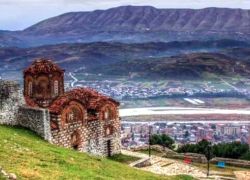
The Tomb of King Arthur, located near Durrës, Albania, is a site that blends history with legend. While the true existence of King Arthur as a historical figure remains a mystery, many places across Europe claim to be his final resting place. In Albania, the Tomb of King Arthur is a fascinating blend of folklore, culture, and historical significance, making it a popular stop for travelers interested in Arthurian legends and Albanian heritage. How to Reach the Tomb of King Arthur The Tomb of King Arthur is located just outside Durrës, Albania, in a region that is steeped in mystery and legend. While there are no specific addresses for this site, it can be reached easily from the city center of Durrës by car or taxi. By Road: From the center of Durrës, it takes about 20-30 minutes to reach the site by car or taxi. Roads leading to the tomb are well-maintained, though the exact location may not be marked as a conventional tourist spot. It’s advisable to ask locals for directions if you're unsure of the path. By Taxi: Taxis are widely available in Durrës and can take you directly to the vicinity of the tomb. Ensure to clarify the specific location with the driver, as the tomb is located in a somewhat remote area. Walking: While walking to the tomb might be feasible from the city center, it is recommended to take a car or taxi due to the distance and terrain. Public transportation options may not directly connect to the tomb. Weather in Durrës Durrës enjoys a Mediterranean climate, with hot, dry summers and mild, wet winters. The best time to visit the Tomb of King Arthur is during the spring (April–June) and fall (September–October) when the temperatures are pleasant for exploring outdoor sites. In the summer (June–August), temperatures can rise to over 30°C (86°F), which can make visiting outdoor sites like the Tomb of King Arthur quite challenging. It’s best to visit early in the morning or late in the afternoon to avoid the heat. In the winter, temperatures rarely fall below 10°C (50°F), making it a comfortable destination for those who prefer quieter travel. Timing & Best Time to Visit The Tomb of King Arthur is an open-air site and is accessible throughout the year. However, it’s important to keep in mind that the tomb is not always staffed, and certain aspects of the site may be more difficult to access in extreme weather conditions. Peak Season: June to August – Expect more visitors during this time as the summer months draw the largest crowds. Shoulder Season: April to May and September to October – These months offer more comfortable temperatures and fewer tourists. Low Season: November to March – While quieter, some services may be reduced or unavailable during the off-season. Why The Tomb of King Arthur is Famous The Tomb of King Arthur is famous for its association with the legendary British king, who has been immortalized in myths, literature, and folklore. Although there is no concrete evidence linking this site to the real King Arthur, the tomb is nonetheless a significant cultural and historical landmark. The site has become famous in recent years due to its connection to Arthurian legend. The tomb is often viewed as a symbol of the region's rich folklore, combining local myths with global legends. Whether or not King Arthur’s remains are buried here, the site attracts visitors who wish to learn more about the medieval hero and the lore surrounding his life and death. Entry and Visit Details The Tomb of King Arthur is typically accessible to visitors free of charge, though some parts of the site may be closed for maintenance or during extreme weather. There are no formal entry fees, but donations are appreciated to help with the preservation of the site. It is a good idea to visit with a local guide or arrange a tour. Many guides in Durrës offer specialized tours of historical and legendary sites, including the Tomb of King Arthur, which can provide more context about the folklore surrounding the tomb and its potential connection to the famous king. It is important to dress appropriately for the visit, especially if you plan to walk around the surrounding area. Comfortable shoes and a hat are recommended for sunny days, and it’s advisable to carry some water for hydration, especially during the summer months. History of The Tomb of King Arthur While the historical existence of King Arthur is shrouded in mystery, the legend of Arthur dates back to the early medieval period. Some sources suggest that Arthur was a leader of a band of knights who defended Britain against invading forces, while others regard him as a mythological figure entirely. The Tomb of King Arthur in Durrës is linked to a much later period, with local legends claiming that the tomb marks the final resting place of Arthur or a figure associated with him. While historians and archaeologists have not found definitive evidence to confirm this connection, the site remains an important piece of the region's folklore. In the medieval period, Durrës was an important city in Albania, part of a strategic location in the Adriatic. It is possible that this site, like many others in Europe, became intertwined with local myths and legends over time, especially with its ties to European literature and Arthurian themes. Architecture of The Tomb of King Arthur The Tomb of King Arthur is not a grand architectural monument, but rather a site marked by a simple stone structure and an inscription that has become a point of interest for visitors. The site itself is more symbolic than monumental, as it is believed to represent the final resting place of a legendary figure rather than a grandiose burial tomb. The area surrounding the tomb features rocky terrain, which is typical of much of the Albanian coast. Visitors can explore the surrounding countryside, which is often seen as part of the legend of King Arthur's burial site. The site does not feature elaborate architecture, but its simplicity and connection to legend are what make it an interesting visit for those intrigued by the myths of King Arthur. Things to Do at The Tomb of King Arthur Visitors to the Tomb of King Arthur can enjoy several activities in the surrounding area: Explore the Surroundings: Take a walk around the site to enjoy the beautiful Albanian countryside and coastline, which offer a peaceful atmosphere and scenic views. Learn About the Legend: Learn about the connection between the tomb and the legend of King Arthur through local tours and guides who specialize in Arthurian lore. Photography: The tomb and its surroundings offer excellent opportunities for photography, especially during the early morning or late afternoon light. Visit Nearby Attractions: While in Durrës, you can explore other historical and cultural sites, such as the Durrës Amphitheater, the Archaeological Museum, and the King’s Mosque. Facts About The Tomb of King Arthur The Tomb of King Arthur is linked to the legendary figure of King Arthur, though its connection to the historical king is not verified. The tomb is located just outside Durrës, Albania, in a region rich in folklore and myth. While the tomb is not an elaborate structure, it holds cultural significance due to its association with the Arthurian legend. Visitors can explore the tomb and its surroundings, which offer scenic views and a peaceful environment. There are no formal entry fees to visit the tomb, but donations are encouraged to help maintain the site. Tips for Visiting The Tomb of King Arthur Wear Comfortable Shoes: The terrain can be rocky, so be sure to wear sturdy footwear. Bring Water: If visiting in the summer, ensure you bring water with you to stay hydrated. Take a Guided Tour: Consider hiring a guide to learn more about the legend and folklore surrounding the tomb. Check the Weather: Before visiting, check the weather forecast to avoid extreme conditions, especially during the summer months. Conclusion The Tomb of King Arthur, located near Durrës, Albania, is a fascinating site for those interested in Arthurian legend and folklore. While the actual connection to King Arthur remains a matter of legend, the tomb offers a unique opportunity to explore local history and myths. Whether you're a fan of medieval legends, history, or simply looking for a tranquil destination, the Tomb of King Arthur is a must-visit in Durrës, Albania.
Explore More
The Pogradec Promenade is one of the most popular and picturesque destinations in Pogradec, Albania. Stretching along the shores of the beautiful Lake Ohrid, this lakeside walkway offers visitors an immersive experience combining natural beauty, cultural landmarks, and leisure activities. Known for its serene atmosphere, vibrant local life, and stunning sunset views, the promenade is a must-visit destination for both tourists and locals. It is ideal for leisurely walks, jogging, or simply enjoying a peaceful afternoon by the lake. How to Reach Pogradec Promenade The Pogradec Promenade is centrally located in the town of Pogradec, making it easily accessible for visitors staying in or around the town. Pogradec itself is well-connected to major cities in Albania, including Tirana, Vlorë, and Elbasan, as well as nearby destinations in North Macedonia. From Tirana to Pogradec: The drive from Tirana to Pogradec takes approximately 2 to 2.5 hours via the SH3 highway. Several daily buses and minibuses also connect Tirana with Pogradec. Once in Pogradec, the promenade is easily reachable by taxi, local transport, or even on foot if you are staying in the town center. From Ohrid (North Macedonia): Travelers coming from Ohrid can reach Pogradec by crossing the Qafa e Thanës border. The drive takes around 1 hour. Public transport is available, but taxis or private cars are more convenient for a direct journey to the town and the promenade. Weather and Best Time to Visit The Pogradec Promenade enjoys a Mediterranean climate, characterized by warm, dry summers and mild, wet winters. The best time to visit is during spring (April to June) and autumn (September to October), when the weather is mild and perfect for walking along the lakeside or engaging in outdoor activities. Summer (July and August) can be hot, with temperatures reaching up to 30°C (86°F), but the cool breeze from Lake Ohrid makes it comfortable for enjoying a stroll or lakeside dining. Winter: Winters are mild, with average temperatures around 5°C (41°F). Though the area is less crowded during this season, walking along the promenade in winter offers a tranquil and peaceful experience. Why Famous for Pogradec Promenade The Pogradec Promenade is famous for its scenic beauty and the vibrant atmosphere that attracts locals and tourists alike. Stretching along Lake Ohrid, it provides breathtaking views of the lake, the surrounding mountains, and the colorful sunsets that paint the sky in warm hues. The promenade is lined with cafes, restaurants, and small shops, allowing visitors to enjoy local cuisine and refreshments while taking in the natural scenery. In addition to its aesthetic appeal, the promenade is known for being a hub of cultural and social life in Pogradec. It hosts various events and festivals throughout the year, including music performances, cultural exhibitions, and food fairs. Walking along the promenade offers visitors an insight into the local lifestyle, with artists, musicians, and families enjoying the lakeside environment. Entry and Visit Details Visiting the Pogradec Promenade is free of charge, as it is a public space. The promenade is open year-round, allowing visitors to enjoy its beauty during any season. However, daylight hours are the most recommended for a visit, especially for enjoying sunset views or participating in lakeside activities. Guided Tours: While the promenade is self-explorable, guided tours are available to provide insights into the local history, cultural significance, and notable landmarks along the lakeshore. Local guides can also suggest the best spots for photography and leisure activities. History and Architecture The Pogradec Promenade has evolved over the years from a simple lakeside path into a well-maintained public space with modern facilities while preserving its natural charm. The promenade features benches, shaded areas, walking paths, and landscaped gardens. The area also includes historical markers and monuments that reflect the town’s cultural heritage, connecting visitors with Pogradec’s history. While the promenade itself is primarily a modern construction designed for leisure and tourism, it complements the natural landscape and nearby historic sites, such as the Drilon National Park and various lakeside villas that date back to earlier periods. The blend of natural scenery, open spaces, and subtle architectural elements makes it both functional and aesthetically pleasing. Things to Do at Pogradec Promenade Leisurely Walks: Enjoy a peaceful stroll along the lakeside path while taking in the scenic views of Lake Ohrid and the surrounding mountains. Jogging or Cycling: The promenade is perfect for morning jogs or cycling with its well-maintained walking and biking paths. Cafes and Restaurants: Stop at one of the lakeside cafes or restaurants to enjoy traditional Albanian cuisine or fresh fish from the lake. Photography: Capture stunning photos of the lake, sunsets, and the promenade’s lively atmosphere. Early mornings and late afternoons are ideal for the best lighting. Attend Local Events: Participate in or watch local festivals, music performances, and cultural exhibitions that often take place along the promenade. Relaxation: Simply sit on a bench, enjoy the cool breeze, and watch the world go by, making it a perfect spot for unwinding and reflection. Nearby Attractions: From the promenade, it is easy to visit nearby attractions such as Drilon National Park, Lake Ohrid beaches, and historical monuments in Pogradec. Facts and Tips about Pogradec Promenade Free Access: Entry to the promenade is free, making it accessible for all visitors. Best Time for Sunset: The promenade offers some of the best sunset views in Pogradec, with the sun setting over Lake Ohrid creating a magical ambiance. Bring Comfortable Shoes: The promenade is long, so wear comfortable shoes for walking, jogging, or cycling. Photography Tips: Early morning and late afternoon provide the best lighting for photography, capturing the calm waters and reflections of the surrounding landscape. Enjoy Local Cuisine: Don’t miss the opportunity to taste fresh fish dishes and local delicacies at the lakeside restaurants. Respect the Environment: Keep the area clean and respect public property while enjoying the promenade. Conclusion The Pogradec Promenade is a serene and picturesque destination that perfectly combines natural beauty, leisure, and cultural experiences. Stretching along the shores of Lake Ohrid, it offers a perfect setting for walks, cycling, relaxation, and socializing. With its scenic views, vibrant atmosphere, and easy access to nearby attractions, the promenade is a must-visit spot for anyone traveling to Pogradec. Whether you’re a tourist or a local resident, a visit to the Pogradec Promenade promises tranquility, beauty, and an unforgettable experience by one of Albania’s most stunning lakes.
Explore More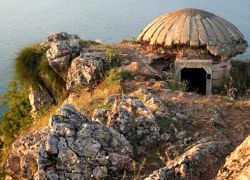
The Red Rock is one of the most remarkable natural landmarks near Pogradec, Albania. Known locally as "Guri i Kuq," this striking geological formation is famous for its vibrant red hue and unique shape, making it a popular destination for tourists, photographers, and nature enthusiasts. Situated near the scenic shores of Lake Ohrid, the Red Rock provides breathtaking views, particularly during sunrise and sunset, and is a testament to the region's geological diversity. Its natural beauty, combined with the surrounding landscapes, makes it a must-visit attraction in Pogradec. How to Reach The Red Rock, Pogradec The Red Rock is located a short distance from the center of Pogradec, making it easily accessible by car, taxi, or even on foot for those who enjoy a scenic walk. Visitors coming from major Albanian cities such as Tirana or Elbasan can reach Pogradec via the SH3 highway. From Tirana to Pogradec: The drive is approximately 2 to 2.5 hours. Visitors can also take a daily bus or minibus from Tirana to Pogradec, and from there, hire a local taxi or guide to reach the Red Rock. From Ohrid (North Macedonia) to Pogradec: Cross the border at Qafa e Thanës, which takes about 1 hour by car. After reaching Pogradec, a taxi or local guide can lead you to the Red Rock. Weather and Best Time to Visit The Red Rock is best visited in spring (April to June) and autumn (September to October), when the weather is mild and comfortable for hiking and outdoor activities. Summers can be hot, with temperatures rising to around 30°C (86°F), while winters are mild but less ideal for outdoor exploration due to rain and occasional chilly winds. Visiting during early morning or late afternoon is recommended for the best light, especially for photography, as the sun enhances the rock's natural red color and provides stunning contrasts with Lake Ohrid and the surrounding greenery. Why Famous for The Red Rock, Pogradec, Albania? The Red Rock is famous for its distinctive color and the dramatic visual impact it creates against the backdrop of Lake Ohrid and the Albanian mountains. The rock formation is a result of ancient geological processes that exposed iron-rich sediments, giving it a deep red color. It has become an iconic landmark for the Pogradec area and is often featured in travel guides, postcards, and photography collections. In addition to its natural beauty, the Red Rock is surrounded by rich flora and fauna, adding to its appeal for hikers, nature lovers, and photographers. Its panoramic views, especially during sunrise and sunset, attract visitors who want to experience the tranquility and grandeur of Albania’s natural landscapes. Entry and Visit Details Entry Fee: Visiting the Red Rock is generally free as it is a natural formation with public access. Occasionally, local guides may charge a small fee for guided hikes or tours. Opening Hours: The Red Rock is accessible year-round. However, visiting during daylight hours is recommended to ensure safety while hiking and to enjoy the views to their fullest. Guided Tours: Local guides are available to provide detailed information about the geology, flora, fauna, and local legends surrounding the Red Rock. Guided tours are particularly useful for first-time visitors or those unfamiliar with the area. History and Geology of The Red Rock The Red Rock is a geological wonder formed millions of years ago through natural sedimentation and tectonic activity. Its distinctive red hue is due to the high iron content in the rock, which oxidizes over time. Unlike man-made structures, the Red Rock's appeal lies in its natural formation, scenic setting, and the way it interacts with sunlight and surrounding landscapes. While there is no formal architecture associated with the rock, its prominence has influenced the development of local hiking trails and viewpoints designed to maximize visitor experience. The surrounding area also holds historical significance, as Pogradec has been inhabited since ancient times, with settlements around Lake Ohrid dating back thousands of years. Things to Do at The Red Rock Hiking: The area around the Red Rock is ideal for hiking. Trails offer varying levels of difficulty and provide stunning views of the lake and surrounding hills. Photography: The Red Rock is a photographer’s dream, especially during sunrise and sunset. Capture the vibrant red color, scenic lake views, and surrounding greenery. Picnicking: Visitors can bring a picnic and enjoy the serene environment, listening to birds and taking in the fresh air. Birdwatching: The area around the Red Rock is home to various bird species, making it perfect for bird enthusiasts. Nature Walks: Explore the surrounding area on foot, enjoying the flora and fauna, and discovering hidden viewpoints over Lake Ohrid. Guided Tours: Learn about the rock's geological formation, local myths, and history from experienced local guides. Facts and Tips About The Red Rock Iconic Landmark: The Red Rock is one of the most photographed and visited natural landmarks in Pogradec. Free Access: There is no official entry fee, making it accessible for everyone. Best Times to Visit: Early morning and late afternoon provide the best lighting and cooler temperatures for hiking. Wear Comfortable Shoes: Trails around the rock can be uneven, so sturdy footwear is recommended. Bring Water and Snacks: Facilities are limited, so bring essentials for a day out. Respect Nature: Do not litter, avoid disturbing wildlife, and stay on marked trails. Combine With Nearby Attractions: Visit Lake Ohrid, Drilon National Park, or Pogradec Promenade in the same trip to maximize your experience. Conclusion The Red Rock in Pogradec is a natural marvel that combines geological intrigue with breathtaking scenery. Its striking red color, stunning views of Lake Ohrid, and peaceful surroundings make it an ideal destination for nature lovers, photographers, and travelers seeking tranquility. With opportunities for hiking, photography, birdwatching, and exploring nearby attractions, the Red Rock provides a unique and unforgettable experience in Albania. Whether visiting for a few hours or a full day, the Red Rock promises a remarkable connection with nature and the beauty of the Pogradec region.
Explore More
Kongresi i Pogradecit is one of the most significant historical sites in Pogradec, Albania. It commemorates the historic congress held in 1944, during World War II, which played a crucial role in Albania's liberation movement. Today, Kongresi i Pogradecit is not only a place of historical and cultural significance but also a popular tourist attraction. Visitors are drawn to its rich history, informative exhibitions, and the picturesque surroundings that provide a reflective and educational experience. This site combines historical architecture with cultural storytelling, making it a must-visit location in Pogradec. How to Reach Kongresi i Pogradecit, Pogradec Kongresi i Pogradecit is located within the town of Pogradec, making it easily accessible from most parts of the town. Visitors can reach the site by car, taxi, or even by walking if staying nearby. From Tirana to Pogradec: The journey from Albania’s capital, Tirana, takes approximately 2 to 2.5 hours by car via the SH3 highway. Public buses and minibuses also connect Tirana to Pogradec daily, providing convenient travel options for tourists. From Ohrid, North Macedonia: Travelers can cross the Qafa e Thanës border to reach Pogradec. The drive typically takes around 1 hour, after which taxis or local guides can bring visitors directly to the Kongresi i Pogradecit site. Weather and Best Time to Visit Pogradec experiences a Mediterranean climate, which means hot, dry summers and mild, wet winters. The best time to visit Kongresi i Pogradecit is during spring (April to June) or autumn (September to October) when the weather is comfortable for walking, exploring, and outdoor sightseeing. Summers (July and August) can be quite hot, reaching up to 30°C (86°F), but early mornings or late afternoons are perfect for a visit. Winters are mild but can be rainy, so planning visits during daylight hours is recommended. Why Famous for Kongresi i Pogradecit, Pogradec Kongresi i Pogradecit is famous for its historical significance in Albanian history. It commemorates the 1944 congress where important decisions were made regarding Albania's liberation and post-war political organization. This congress was a pivotal moment in the national history and is remembered as a symbol of resistance and national unity. The site has been preserved to educate visitors about Albania’s struggle for independence and the resilience of its people. Beyond its historical importance, the site is also a symbol of cultural pride for Pogradec. Educational programs and exhibitions highlight the congress’s impact, making it an informative and meaningful destination for both locals and international visitors. Entry and Visit Details Entry Fee: The site may have a small entrance fee to support maintenance and preservation, typically around 100-200 Albanian Lek (1-2 USD). Entry is free on certain national holidays or commemorative days. Opening Hours: Kongresi i Pogradecit is open year-round, usually during daylight hours from 9:00 AM to 6:00 PM. Visiting during these hours ensures access to all exhibits and guided tours. Guided Tours: Local guides are available and highly recommended for visitors who wish to understand the historical context, view artifacts, and learn detailed stories about the 1944 congress. Guided tours enhance the visitor experience by providing rich historical and cultural insights. History and Architecture The Kongresi i Pogradecit site preserves both the historical legacy and architectural style of the mid-20th century. The buildings are designed in a functional style, reflecting the period in which they were constructed. The main hall where the congress took place has been restored to resemble its original state, with exhibits and displays providing a glimpse into the significant decisions made during the congress. Artifacts on display include historical documents, photographs, personal items from delegates, and other memorabilia that showcase Albania’s liberation history. The site’s architecture combines simplicity with a solemn, commemorative atmosphere, allowing visitors to reflect on the historical events while appreciating the design and layout. Things to Do at Kongresi i Pogradecit Explore Exhibits: Walk through the halls to view historical documents, photographs, and artifacts that tell the story of the 1944 congress. Guided Tour: Participate in a guided tour to gain a deeper understanding of Albania’s liberation history and the significance of the congress. Photography: Capture the architecture, exhibits, and surrounding gardens while learning about the historical context. Educational Programs: Engage in educational programs and events organized by the site to better understand Albanian history and culture. Relax in Surrounding Gardens: The site includes landscaped areas and gardens where visitors can relax and reflect after touring the historical halls. Nearby Attractions: Combine your visit with nearby sites such as Lake Ohrid, Pogradec Promenade, and Drilon National Park to enjoy a full day of sightseeing. Facts and Tips About Kongresi i Pogradecit Historical Significance: The congress held in 1944 is a crucial part of Albania’s liberation history, symbolizing national unity and resistance. Guided Visits Recommended: To fully appreciate the significance of the site, guided tours or audio guides are highly recommended. Photography: Visitors are welcome to take photos, but flash may be restricted in certain exhibition areas to protect artifacts. Respect the Site: As a historical monument, it is important to maintain decorum and follow the site rules while visiting. Combine With Nearby Attractions: Explore nearby attractions such as Lake Ohrid, Drilon National Park, and Pogradec Promenade to enjoy the region fully. Accessibility: The site is suitable for visitors of all ages, though walking tours may require moderate physical activity. Conclusion Kongresi i Pogradecit in Pogradec is a historical and cultural landmark that offers visitors an educational, reflective, and visually engaging experience. From its preserved architecture and exhibitions to the surrounding scenic beauty, the site combines history with natural charm. Visiting Kongresi i Pogradecit provides a deeper understanding of Albania’s liberation movement, making it a meaningful and enriching destination. It is a must-visit site for anyone exploring Pogradec, providing insights into the country’s past while offering opportunities for leisure and reflection in a serene environment.
Explore More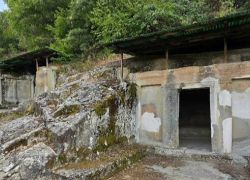
The Bllaca Cave is one of the most fascinating natural attractions near Pogradec, Albania. Nestled in the hills overlooking Lake Ohrid, this cave offers visitors a unique opportunity to explore underground formations, historical remnants, and the natural beauty of the region. The cave is not only a geological wonder but also a site of archaeological and historical interest, making it a must-visit destination for tourists, adventure seekers, and nature enthusiasts. How to Reach The Bllaca Cave, Pogradec The Bllaca Cave is located approximately 15 kilometers from the town center of Pogradec. Visitors can reach the cave by car, taxi, or organized tour services. The journey involves driving along rural roads and a short hike to the cave entrance, which adds to the adventure and scenic value of the visit. From Tirana: Travelers can take the SH3 highway from Tirana to Pogradec, which takes about 2 to 2.5 hours. From the town, local transport or taxi services can bring visitors to the starting point of the trail leading to the cave. From Ohrid, North Macedonia: Visitors can cross the Qafa e Thanës border and drive approximately one hour to reach Pogradec, followed by local transport to the cave. Weather and Best Time to Visit The Bllaca Cave can be visited year-round, but the best time is during spring (April to June) or autumn (September to October) when the weather is mild and ideal for hiking. Summers can be hot, so it is recommended to start early in the day to avoid peak heat. Winters are cooler and may bring rain, making trails slippery, so extra caution is needed during that season. Why Famous for The Bllaca Cave, Pogradec The Bllaca Cave is famous for its natural formations and historical significance. The cave features stalactites, stalagmites, and unique rock formations that have developed over thousands of years. It is also believed to have been used by ancient communities for shelter and religious rituals, adding an archaeological and cultural dimension to its appeal. Additionally, the cave’s location offers panoramic views of Lake Ohrid and the surrounding mountains, making it a popular spot for photography and nature exploration. Its combination of natural beauty, adventure, and historical intrigue makes it a standout attraction in the Pogradec region. Entry and Visit Details Entry Fee: A small fee may be required for maintenance and guided tours, typically around 100-200 Albanian Lek (1-2 USD). Opening Hours: The cave is generally open during daylight hours, from 9:00 AM to 5:00 PM. Visits outside these hours are not recommended for safety reasons. Guided Tours: Guided tours are available and highly recommended. Guides provide insights into the geological formations, historical significance, and tips for exploring safely. History and Geological Significance The Bllaca Cave has existed for thousands of years and has been a site of interest for both geologists and archaeologists. Its formations, including stalactites and stalagmites, have developed over millennia due to water erosion and mineral deposits. Archaeological studies suggest that the cave may have been inhabited or used by ancient populations for shelter, rituals, or as a strategic hideout. The cave’s interior features narrow passages, open chambers, and interesting rock structures, giving visitors a sense of exploration and discovery. Its geological and historical importance adds to the educational value of visiting, making it a rich experience for both students and tourists interested in natural history. Things to Do at The Bllaca Cave Explore the Cave: Walk through the chambers and passages to admire the stalactites, stalagmites, and rock formations. Guided Tour: Join a guided tour to learn about the cave’s history, geology, and significance in the local culture. Photography: Capture the natural beauty and unique formations inside the cave and the surrounding landscapes outside. Hiking: Enjoy the hike to the cave, which offers scenic views of the Albanian countryside and Lake Ohrid. Nature Observation: Observe the local flora and fauna around the cave and along the hiking trail. Picnicking: Relax in nearby shaded areas or scenic spots outside the cave. Facts and Tips About The Bllaca Cave Safety First: Wear comfortable hiking shoes and bring a flashlight or headlamp, as some cave areas are dimly lit. Weather Consideration: Check local weather conditions before visiting, especially during rainy periods. Guided Tours: Recommended for safety and educational purposes, as guides provide valuable information about the cave’s history and geology. Photography: Non-flash photography is recommended inside the cave to preserve delicate formations. Physical Preparation: Moderate physical activity is required due to hiking and navigating uneven terrain. Combine Visits: Pair your visit with nearby attractions such as Lake Ohrid, Livadhi Beach, and Drilon National Park for a full day of exploration. Conclusion The Bllaca Cave in Pogradec, Albania, offers a unique blend of adventure, natural beauty, and historical intrigue. With its impressive geological formations, panoramic views of Lake Ohrid, and archaeological significance, it provides a rich and memorable experience for visitors. Whether you are a nature lover, history enthusiast, or simply seeking an adventurous outing, The Bllaca Cave is a must-visit destination in the Pogradec region. Combining hiking, photography, and exploration, it promises an unforgettable journey into Albania’s natural and cultural heritage.
Explore More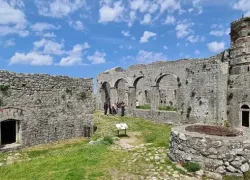
Rozafa Castle is one of Albania's most iconic historical landmarks, located in the picturesque city of Shkoder. Perched on a hilltop overlooking the city and the confluence of three rivers, this ancient fortress offers breathtaking views of the surrounding area. The castle's rich history, fascinating legends, and impressive architecture make it a must-visit destination for history enthusiasts and tourists alike. How to Reach Rozafa Castle Rozafa Castle is located just 3 kilometers from the center of Shkoder, making it easily accessible by car, taxi, or even on foot. The castle is situated on a hill, so visitors need to climb a series of steps to reach the entrance. Alternatively, you can take a local bus from Shkoder’s city center. Once at the castle, you’ll enjoy a scenic walk to the top where you’ll be rewarded with panoramic views of the city and its surroundings. Weather Shkoder experiences a Mediterranean climate, with hot summers and mild winters. The best time to visit Rozafa Castle is during the spring (April to June) or fall (September to October) when the weather is pleasant, and the crowds are fewer. Summers (July and August) can be hot, so it’s advisable to visit early in the morning or late afternoon to avoid the midday heat. Winters are cooler, but the weather is still mild compared to other parts of Europe. Timing The castle is open to visitors year-round. The typical visiting hours are from 8:00 AM to 8:00 PM, though it's always a good idea to check ahead for any changes, especially around holidays or seasonal variations. The castle tends to be less crowded in the winter months, allowing for a more peaceful experience. Why Famous for Rozafa Castle, Shkoder, Albania? Rozafa Castle is famous not only for its stunning location but also for its historical and mythical significance. According to Albanian legend, the castle's construction was said to be impossible due to the constant collapse of the walls. Eventually, a prophecy revealed that the sacrifice of a woman was necessary to ensure the castle’s stability. A young woman named Rozafa was sealed alive within the walls of the castle, and her tragic story has become a symbol of strength and sacrifice. This legend adds an air of mystery to the already impressive historical site. Entry and Visit Details about Rozafa Castle Visitors can enter the castle by purchasing a ticket at the entrance. The entry fee is affordable, and it provides access to the main fortress, the towers, the walls, and the small museum located on-site. The museum offers insight into the history of the castle, the region, and the archaeological findings uncovered during excavations. The visit to Rozafa Castle typically takes about 1 to 2 hours, depending on how thoroughly you wish to explore the site. History and Architecture Rozafa Castle dates back to the Illyrian period, around the 4th century BC, although it was significantly expanded and renovated by the Romans and Venetians. The castle has witnessed many historical events and has served as a strategic military stronghold throughout the centuries. Its location atop a hill allowed it to control the surrounding lands and rivers, making it a vital fortress for various civilizations. The castle is built using large stone blocks, and its robust walls are a testament to the engineering skills of the ancient builders. The castle’s architecture reflects the different periods of construction, with Roman, Byzantine, and Venetian influences. The most notable features include the massive walls, the three towers, and the intricate system of gates and defensive structures. Visitors can explore the castle’s ramparts, climb the towers for stunning views, and walk along the stone pathways that once provided access to the fortress’s interior. Things to Do Explore the ancient walls and towers of the castle. Enjoy panoramic views of the city of Shkoder, the Buna River, and Lake Shkoder from the castle’s vantage points. Visit the small museum located within the castle to learn more about the region’s history and the legend of Rozafa. Take a guided tour to gain a deeper understanding of the castle’s history, architecture, and legends. Take photographs of the stunning landscape surrounding the castle. Facts and Tips about Rozafa Castle, Shkoder, Albania The name "Rozafa" comes from the legendary woman who was sacrificed to ensure the castle's stability. The castle was built by the Illyrians but underwent significant renovations by the Romans and Venetians. It is one of the most important and well-preserved castles in Albania, attracting both history buffs and tourists alike. Visitors should wear comfortable shoes as the terrain can be uneven and requires some walking and climbing. If you're interested in history and myths, hiring a local guide can enrich your experience with fascinating stories and insights. Don't miss the opportunity to watch the sunset from the castle, as the view is spectacular. In conclusion, Rozafa Castle in Shkoder is a place where history, mythology, and natural beauty come together. Whether you're a history enthusiast, a photography lover, or just someone looking to explore the cultural heritage of Albania, this castle is a must-see attraction. The combination of its impressive architecture, historical significance, and the captivating legend of Rozafa herself makes it a memorable visit for anyone traveling to Albania.
Explore More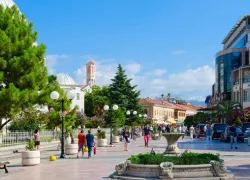
The Shkodra Promenade, known locally as "Shëtitorja," is one of the most popular and scenic spots in the city of Shkoder, Albania. Situated along the banks of the beautiful Shkodra Lake, this charming promenade offers both locals and visitors a peaceful place to relax, stroll, and take in the breathtaking views of the lake and surrounding mountains. It is a perfect blend of natural beauty and cultural history, making it a must-visit location for anyone exploring Shkoder. How to Reach Shkodra Promenade Shkodra Promenade is centrally located in the city and is easily accessible by foot, car, or public transport. If you are staying in the city center, the promenade is just a short walk away from popular landmarks such as the Shkoder Castle, the Historical Museum, and the main pedestrian streets. For those traveling by car, there are several parking areas nearby where you can safely leave your vehicle while you explore the area. Public transportation options, including taxis and local buses, are also available, with stops close to the promenade. If you're coming from other cities, such as Tirana or Bar (in Montenegro), you can reach Shkoder by bus or car and then walk to the promenade, which is conveniently located in the heart of the city. Weather Shkoder enjoys a Mediterranean climate with hot, dry summers and mild, wet winters. The best time to visit the Shkodra Promenade is during the spring (April to June) and fall (September to October), when the weather is pleasant, and the temperatures are moderate. Summers (July and August) can be quite hot, with temperatures often exceeding 30°C (86°F), making it ideal for evening walks along the promenade when the temperatures are cooler. Winter months are mild but may have occasional rain, so it’s advisable to bring an umbrella if you visit during this time. Timing The Shkodra Promenade is open year-round and can be visited at any time of the day or night. Since it’s an outdoor space, there are no fixed opening or closing hours. However, the best time to visit is in the early morning or late afternoon when the weather is cooler, and the area is less crowded. During the summer months, the promenade becomes a popular gathering place for both locals and tourists in the evenings, so expect it to be busier around sunset. Why Famous for Shkodra Promenade, Shkoder, Albania? Shkodra Promenade is famous for its stunning natural scenery, providing visitors with unobstructed views of Shkodra Lake, the surrounding hills, and the distant Albanian Alps. The area has long been a central part of the city’s social life and serves as a peaceful retreat where locals gather to relax, enjoy the fresh air, and take part in leisurely activities. The promenade is also known for its cultural significance, offering a glimpse into the traditional way of life in Shkoder. The promenade’s proximity to Shkodra Lake makes it an ideal location for boat tours and water activities, while the tree-lined paths and benches provide a relaxing atmosphere for walking, cycling, or simply sitting and enjoying the view. The area is also home to several cafes and restaurants, where visitors can savor local Albanian cuisine while enjoying the picturesque setting. Entry and Visit Details about Shkodra Promenade, Shkoder, Albania Shkodra Promenade is free to visit, and there is no entrance fee to enjoy the beautiful surroundings. As it is an open-air space, visitors can explore the promenade at their own pace, whether for a short walk or a longer outing. The promenade is accessible to people of all ages and abilities, with smooth walking paths suitable for strollers and wheelchairs. If you wish to enjoy a meal or drink while at the promenade, there are numerous cafes and restaurants nearby that offer outdoor seating with views of the lake and the surrounding nature. Many of these establishments offer traditional Albanian dishes, local wines, and freshly brewed coffee, making it an excellent spot for a leisurely lunch or dinner. History and Architecture The Shkodra Promenade has a long history that dates back to the Ottoman period when it was developed as a recreational space for the local community. Over time, it became a hub for socializing, with elegant cafés and open-air spaces becoming popular gathering spots. The promenade’s design features a mix of traditional Albanian and Ottoman architectural elements, including well-maintained gardens, tree-lined pathways, and seating areas. While the promenade itself is a modern space, it has maintained a historical charm with its architectural layout that reflects Shkoder's cultural heritage. The promenade offers stunning views of the Shkodra Lake, which has been a vital part of the city’s economy and lifestyle for centuries. Visitors can admire the natural beauty of the lake, as well as the surrounding countryside and mountains, which have shaped the city's history and development. Things to Do Stroll Along the Promenade: The best way to enjoy the promenade is by taking a leisurely walk along the lake, soaking in the views of the water and mountains while enjoying the fresh air. Take a Boat Ride: The Shkodra Promenade offers easy access to boat tours on Shkodra Lake. You can enjoy a peaceful boat ride and explore the lake’s many small islands and scenic shorelines. Visit the Cafés and Restaurants: There are several cafés and restaurants along the promenade where you can enjoy traditional Albanian dishes and local drinks while taking in the stunning surroundings. Bike Ride: The promenade is a popular destination for cyclists, offering smooth paths for a relaxing bike ride along the lake’s edge. People-Watching and Relaxing: The promenade is a great spot for people-watching and experiencing the local way of life. Take a seat on one of the benches, watch the boats on the lake, and enjoy the peaceful atmosphere. Photography: With its scenic views, lush green surroundings, and tranquil atmosphere, the promenade is an excellent location for photography, especially during the golden hours of sunrise and sunset. Facts and Tips about Shkodra Promenade, Shkoder, Albania The Shkodra Promenade stretches along the shores of Shkodra Lake, offering breathtaking views of the water and surrounding mountains. The promenade is one of the most visited areas in Shkoder, particularly in the evening when locals come to relax after a day of work. Many cafes and restaurants along the promenade offer delicious local dishes, such as "tavë kosi" (a traditional Albanian dish made with lamb and yogurt) and fresh fish from the lake. Make sure to bring sunscreen, especially during the summer months, as the area can get quite sunny during the day. If you're visiting in the evening, don’t miss the beautiful sunset over the lake, which offers perfect photo opportunities. Shkodra Promenade is easily accessible on foot, and you can combine a visit to the promenade with other nearby attractions, such as Shkoder Castle or the historical museum. If you’re looking for a peaceful and relaxing place to unwind, the promenade offers plenty of benches and shaded areas where you can sit and enjoy the atmosphere. In conclusion, the Shkodra Promenade is a tranquil and picturesque destination that combines the beauty of nature with the charm of Shkoder’s local culture. Whether you are taking a leisurely stroll, enjoying a boat ride on Shkodra Lake, or simply relaxing at one of the lakeside cafés, the promenade offers a perfect escape for visitors looking to unwind and immerse themselves in the beauty of northern Albania. Its central location, scenic views, and relaxed atmosphere make it an essential part of any visit to Shkoder.
Explore More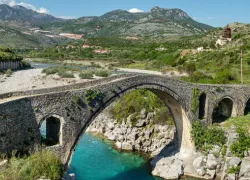
The Bridge of Mesi, also known as "Ura e Mesit," is one of the most iconic landmarks near Shkoder, Albania. This historical bridge, located just outside the city, spans the beautiful River Kir and is one of the most well-preserved Ottoman-era bridges in the country. With its elegant arch design and picturesque surroundings, The Bridge of Mesi offers visitors a fascinating glimpse into Albania's Ottoman past and its rich architectural heritage. Whether you are a history enthusiast, a photography lover, or simply looking for a peaceful spot in nature, The Bridge of Mesi is a must-visit destination in Shkoder. How to Reach The Bridge of Mesi The Bridge of Mesi is located approximately 17 kilometers (10.5 miles) south of Shkoder, making it easily accessible from the city center. Visitors can reach the bridge by car, taxi, or private transport. The drive to the bridge takes around 30 minutes, depending on traffic and road conditions. If you don’t have access to a car, there are local taxis available in Shkoder that can take you directly to the bridge for a reasonable fare. For those who prefer a more adventurous route, renting a bike or taking a local bus to the surrounding areas is also an option. If you are using public transportation, you can take a bus or a shared taxi from the city center to the village of Mesi, which is located near the bridge. From there, it’s just a short walk to the bridge itself. Visitors should plan ahead and check schedules for public transportation to ensure the best route to the bridge. Weather Shkoder and the surrounding areas experience a Mediterranean climate, which means hot, dry summers and mild, wet winters. The best time to visit The Bridge of Mesi is during the spring (April to June) and fall (September to October) when the weather is pleasant, and the temperatures are moderate. During these months, the surrounding landscape is lush and green, providing stunning views of the river and nearby mountains. Summer months (July and August) can be quite hot, with temperatures often exceeding 30°C (86°F), so visitors are advised to bring sun protection and stay hydrated if visiting during this time. Winters are mild, with occasional rainfall, making it an ideal time for a quieter visit to the bridge. Be sure to check the weather forecast before planning your trip to ensure the best experience. Timing The Bridge of Mesi is an outdoor attraction, and there are no specific opening or closing hours. Visitors can visit the bridge at any time of the day or night. However, for the best experience, it’s recommended to visit during daylight hours when the views are clearer, and the bridge is illuminated by natural light. The best time to take photographs is during the golden hour—shortly after sunrise or before sunset—when the soft light casts a magical glow on the bridge and its surroundings. Why Famous for The Bridge of Mesi, Shkoder, Albania? The Bridge of Mesi is famous for its stunning architecture and historical significance. It was built during the Ottoman era in the 18th century, and it is a prime example of Ottoman bridge-building techniques. The bridge is known for its impressive stone arch, which spans the River Kir, and its strategic location, which made it an important crossing point for travelers and traders in the past. The bridge’s significance is not just in its history but also in its role in the local community. It has been a vital transportation route for centuries and remains a symbol of Shkoder’s rich cultural heritage. Today, the bridge is a popular tourist attraction and is often visited by those interested in exploring Albania’s Ottoman-era structures and its beautiful natural landscapes. Entry and Visit Details about The Bridge of Mesi, Shkoder, Albania Visiting The Bridge of Mesi is free of charge, and there are no entrance fees. It is an open-air attraction, making it accessible to everyone. However, visitors should be aware that there are no facilities at the bridge itself, such as restrooms or shops, so it’s best to bring any necessary supplies with you, such as water, snacks, and sun protection. Although the bridge is free to visit, it is advisable to take a guided tour or do some research before visiting to learn more about the history and significance of the structure. Local guides may be available for a small fee, and their knowledge can enrich your visit by providing deeper insight into the bridge’s architectural features and its role in Albanian history. History and Architecture The Bridge of Mesi was constructed during the 18th century, most likely during the reign of the Ottoman Empire. The bridge’s design reflects typical Ottoman engineering techniques of the time, featuring a large central arch and smaller arches on either side. The structure is built entirely of stone, which has helped it withstand centuries of use and weathering. The bridge spans the River Kir and connects the villages on either side, serving as an important trade route for merchants and travelers. The design of The Bridge of Mesi is both functional and beautiful. Its central arch is 20 meters (65 feet) wide, and the bridge is supported by several smaller arches, which distribute the weight evenly and help prevent structural damage. The stonework is finely crafted, and the bridge’s elegant design is a testament to the skill of its builders. Over the years, The Bridge of Mesi has undergone several repairs and renovations to preserve its structural integrity. Despite the passage of time, much of the original architecture remains intact, and it continues to serve as a reminder of the region’s Ottoman heritage. Things to Do Photography: The Bridge of Mesi is a popular spot for photography. The combination of the bridge’s stunning stone arch, the flowing river, and the surrounding mountains creates a perfect setting for capturing beautiful landscape photos, especially during sunrise or sunset. Nature Walks: Take a walk around the bridge and explore the scenic countryside. The surrounding area is rich in natural beauty, and visitors can enjoy peaceful strolls along the riverbank while soaking in the views of the mountains and the bridge. Boat Ride: While at the bridge, consider taking a boat ride on the River Kir. Local boatmen offer tours of the river, which allow visitors to see the bridge from a different perspective and explore the area’s natural beauty. Picnicking: If you’re looking for a peaceful place to relax, the area surrounding the bridge is perfect for a picnic. Bring some snacks and enjoy a quiet meal with stunning views of the river and mountains. Explore Nearby Villages: The Bridge of Mesi is located near several picturesque villages, such as the village of Mesi itself. Take time to explore the charming rural areas, visit local farms, and interact with the friendly locals to get a true sense of Albanian village life. Facts and Tips about The Bridge of Mesi, Shkoder, Albania The Bridge of Mesi was built during the 18th century and is considered one of the most important Ottoman-era bridges in Albania. The bridge is made entirely of stone, with a large central arch and smaller supporting arches, which have allowed it to withstand the test of time. It is located about 17 kilometers (10.5 miles) south of Shkoder, easily accessible by car, taxi, or public transport. The best time to visit the bridge is during the spring and fall when the weather is mild and the natural surroundings are at their most vibrant. There are no facilities at the bridge itself, so visitors should bring water, snacks, and sun protection with them during their visit. If you're visiting during the summer, be sure to bring sunscreen, a hat, and sunglasses to protect yourself from the sun. Take your time to explore the area and enjoy the peaceful atmosphere, and don’t forget to bring your camera to capture the stunning views. In conclusion, The Bridge of Mesi is a historical gem that offers visitors a unique blend of Ottoman architectural beauty and natural tranquility. Its location along the River Kir, its impressive design, and its rich history make it a must-visit destination for anyone traveling to Shkoder. Whether you're interested in history, photography, or simply enjoying the outdoors, The Bridge of Mesi is an unforgettable experience that offers something for everyone.
Explore More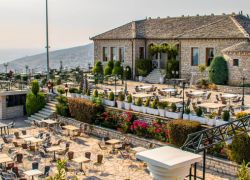
Lëkurësi Castle, also known as the Castle of Lëkurësi, is a historic fortress located on a hilltop overlooking the coastal city of Sarande in southern Albania. This well-preserved castle offers visitors not only a glimpse into Albania’s medieval history but also some of the most stunning panoramic views of the Ionian Sea and the surrounding countryside. Its strategic position makes it one of the most significant historical landmarks in the region, offering insight into the area's role during various periods of conflict and territorial control. Built in the 16th century, Lëkurësi Castle stands as a testament to the Ottoman era, although its origins date back further to earlier fortifications. The castle’s architecture, with its thick stone walls and watchtowers, reflects its military function. Today, it is one of the most visited tourist sites in Sarande, attracting history enthusiasts, photographers, and those simply looking to enjoy the breathtaking views from the top of the hill. How to Reach Lëkurësi Castle Lëkurësi Castle is located approximately 4 kilometers (2.5 miles) from the city center of Sarande, making it easily accessible by car, taxi, or even on foot. The castle sits atop a hill, offering panoramic views of the surrounding area, which makes the journey to the castle itself quite scenic. Visitors can drive up to the castle, with clear signs marking the route from Sarande, or they can take a taxi for a more comfortable ride. If you prefer to walk, the hike up to the castle takes around 30 minutes, depending on your pace. The walk is uphill, but it is relatively short and offers beautiful views of the town and the sea as you ascend. For those arriving by car, there is a small parking lot near the entrance of the castle, making it convenient for visitors who want to save time and energy. Weather The climate in Sarande and the surrounding region is Mediterranean, characterized by hot, dry summers and mild, wet winters. The best time to visit Lëkurësi Castle is during the spring (April to June) and fall (September to October), when the temperatures are comfortable for walking and exploring the area. During the summer months, temperatures can rise above 30°C (86°F), so it’s recommended to visit the castle in the early morning or later in the afternoon to avoid the midday heat. Winter in Sarande is mild, with temperatures rarely dropping below 10°C (50°F), but there can be occasional rain showers. If you’re planning to visit during winter, it’s advisable to bring a light jacket and be prepared for the possibility of rain. No matter when you visit, the views from the castle are magnificent, and the area’s natural beauty makes it a pleasant destination year-round. Timing Lëkurësi Castle is open to visitors year-round, with varying hours depending on the season. During the summer months (May to October), the castle is typically open from 9:00 AM to 7:00 PM. In the off-season (November to April), the hours may be reduced, so it’s a good idea to check ahead of time or call for confirmation. The castle can be visited during the day, and the best time to go is in the late afternoon, as the setting sun casts a golden glow over the city and the surrounding landscape. Why Famous for Lëkurësi Castle, Sarande, Albania? Lëkurësi Castle is famous for both its historical significance and its stunning views. The castle was built by the Ottomans in the 16th century as a military stronghold to defend the area from potential invaders. Over the centuries, the castle has witnessed numerous battles and has played a vital role in the region’s defense strategy. The fortress was strategically located to monitor and protect the port of Sarande and the surrounding coastline. Aside from its military importance, the castle is also famous for its unique architectural features. The structure consists of high stone walls, a circular tower, and several smaller defensive structures. The walls are constructed using large stones, and the layout of the castle is typical of Ottoman military fortifications. Visitors can explore the castle’s inner courtyard, walk along the perimeter walls, and enjoy sweeping views of the town of Sarande, the Ionian Sea, and the Greek island of Corfu, which lies just across the water. Entry and Visit Details about Lëkurësi Castle, Sarande, Albania Entry to Lëkurësi Castle is typically affordable, with an entrance fee of around 200 Albanian lek (approximately 1.5 Euros). The fee contributes to the maintenance of the site and helps preserve this important historical landmark. The castle is open to all visitors, and there are no specific restrictions or requirements for entry. It’s advisable to bring cash, as credit card payment is not always accepted at the entrance. While at the castle, visitors can freely explore the various sections, including the outer and inner walls, the observation tower, and the castle’s courtyard. There are no guided tours provided at the castle, but informational signs in both Albanian and English offer insights into the history and architectural features of the site. Some local guides may be available for hire in Sarande if you prefer a more in-depth explanation of the castle’s history and significance. History and Architecture Lëkurësi Castle was built in the 16th century by the Ottomans as part of their military fortifications in the region. The Ottoman Empire, at its height, controlled much of the Balkans, and the castle’s location was strategically chosen to defend the port of Sarande from potential attacks. The castle’s design reflects typical Ottoman military architecture, with thick stone walls, towers, and a circular layout that allowed defenders to monitor the surrounding area for threats. Over the centuries, the castle has undergone various modifications and renovations. While much of the original Ottoman structure remains intact, the castle has been influenced by subsequent architectural styles, including Venetian and local Albanian elements. Despite the ravages of time and the challenges posed by weather and warfare, Lëkurësi Castle remains a striking example of fortification architecture from the period and serves as a symbol of the region’s complex history. Things to Do Explore the Castle Walls: Walk along the thick stone walls of the castle and take in the views of Sarande, the Ionian Sea, and the nearby Greek island of Corfu. The elevated position of the castle provides some of the best views in the region. Visit the Castle’s Courtyard: The inner courtyard of the castle is a peaceful spot where you can relax and reflect on the site’s history. Take a moment to appreciate the atmosphere and imagine what life was like for the soldiers who once guarded the fort. Photography: Lëkurësi Castle offers many opportunities for stunning photography, whether you’re capturing the architecture, the surrounding landscape, or the sunset over the Ionian Sea. Dining with a View: Just outside the castle, there are a few restaurants that offer panoramic views of Sarande and the sea. Enjoy a meal while taking in the breathtaking scenery. Learn about Local History: If you’re interested in learning more about the history of Sarande and the region, ask local guides for recommendations on nearby historical sites and museums. Facts and Tips about Lëkurësi Castle, Sarande, Albania The castle was built in the 16th century by the Ottomans as a military fortress to defend Sarande and its strategic port. Lëkurësi Castle is one of the best-preserved historical sites in the region and offers spectacular views of Sarande, the Ionian Sea, and Corfu. There is a small entrance fee (approximately 1.5 Euros), and it’s a good idea to bring cash with you. The best time to visit is during the spring or fall when the weather is mild and the crowds are smaller. Summer can be hot, so consider visiting in the early morning or late afternoon. Wear comfortable shoes for walking, as the terrain can be uneven, especially as you climb up to the castle. For those interested in photography, the late afternoon provides the best lighting for capturing the castle’s architecture and the surrounding views. Consider pairing your visit with a trip to the nearby beaches or a meal in one of the restaurants with stunning views of the sea. In conclusion, Lëkurësi Castle is a must-visit historical site in Sarande, offering both a rich cultural experience and breathtaking views. Whether you’re interested in history, architecture, or simply enjoying the beautiful landscapes, a visit to Lëkurësi Castle is a memorable addition to any trip to southern Albania.
Explore More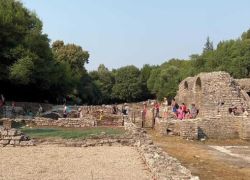
Buthrotum, an ancient city located near the town of Sarande in Albania, is one of the country's most significant archaeological sites. Sarande, a coastal city known for its Mediterranean beauty, is a popular destination for tourists who seek a mix of history, culture, and stunning landscapes. Buthrotum’s ruins and Sarande’s beaches and vibrant atmosphere make it a perfect combination for history buffs and beach lovers alike. How to Reach Buthrotum and Sarande Getting to Buthrotum and Sarande is quite easy. If you are traveling internationally, the nearest airport to Sarande is Ioannina Airport in Greece, about a 2-hour drive from the city. Alternatively, you can fly into Tirana International Airport in Albania, which is approximately a 4-5 hour drive from Sarande. Once in Sarande, Buthrotum is only a 20-minute drive away by car, or you can take a local bus or taxi. Many tourists prefer taking guided tours that include transportation from Sarande to Buthrotum. Weather in Buthrotum and Sarande Both Buthrotum and Sarande enjoy a Mediterranean climate, with hot, dry summers and mild, rainy winters. The best time to visit is between May and October, when temperatures are pleasant and ideal for sightseeing and beach activities. Summer temperatures in Sarande can reach up to 30°C (86°F), while in the winter months, temperatures rarely drop below 10°C (50°F), making it a year-round destination for tourists. Timings and Entry Details The Buthrotum archaeological site is generally open to visitors from 8:00 AM to 6:00 PM, though the hours may vary depending on the season. It is recommended to arrive early to avoid the midday heat and large crowds, especially during the summer months. The entrance fee to the Buthrotum archaeological site is approximately 700 Albanian Lek (around $7 USD) for adults. Discounts are often available for students and groups. You can also opt for a guided tour, which may cost a little extra but provides deeper insight into the history and significance of the site. Why Buthrotum and Sarande Are Famous Buthrotum is famous for being one of Albania's best-preserved ancient cities. The archaeological site is a UNESCO World Heritage Site, dating back to the 8th century BC. Its well-preserved ruins include a Roman theater, temples, baths, and mosaics, which provide a glimpse into the city’s former grandeur. Sarande, on the other hand, is famous for its stunning beaches, crystal-clear waters, and charming coastal atmosphere. It has become one of the most popular tourist destinations in Albania due to its combination of natural beauty and vibrant nightlife. Sarande is also known for its proximity to the Greek border and is often used as a base to explore nearby attractions like the UNESCO-listed Butrint National Park. History and Architecture of Buthrotum Buthrotum has a rich history that spans over two millennia. It was founded by Greek settlers in the 8th century BC and later became an important city in the Roman Empire. The city was known for its strategic location along trade routes and its religious significance. The remains of the Roman theater, which could once seat thousands, are among the most iconic features of Buthrotum. The architecture of Buthrotum is a blend of Greek, Roman, and Byzantine influences. The site features a grand amphitheater, a Roman bathhouse, a Byzantine basilica, and several well-preserved mosaics. The most famous mosaic is located in the Baptistery of the Great Basilica, which is decorated with intricate depictions of animals and mythological scenes. Things to Do in Buthrotum and Sarande While visiting Buthrotum, here are some of the activities you can enjoy: Explore the ancient ruins of the Roman theater, temples, and baths. Admire the well-preserved mosaics, particularly in the Great Basilica. Visit the museum on-site to learn more about the history of Buthrotum and its significance in the ancient world. Take a leisurely walk through the surrounding nature reserve, which offers stunning views of the nearby lake and coastline. In Sarande, you can also enjoy a variety of activities: Relax on the beautiful beaches of Sarande, such as Ksamil Beach or Mirror Beach. Take a boat tour to the nearby islands and enjoy the crystal-clear waters of the Ionian Sea. Visit the Lekursi Castle for panoramic views of Sarande and its surroundings. Experience the vibrant nightlife of Sarande, with numerous cafes, restaurants, and bars offering local food and drinks. Interesting Facts About Buthrotum and Sarande Buthrotum is believed to be the inspiration for Virgil’s "Aeneid," as the city is mentioned in the epic poem. The site was inhabited continuously from the Greek period through the Roman and Byzantine periods, showcasing the cultural evolution of the region. Sarande was once known as "Onhezmi" in ancient times and was part of the Roman province of Epirus. During the summer months, Sarande’s coastline is dotted with local seafood markets offering fresh catches of the day. Tips for Visiting Buthrotum and Sarande Wear comfortable shoes, as there is a lot of walking and uneven terrain at the Buthrotum archaeological site. Bring sunscreen, a hat, and plenty of water, especially if you’re visiting during the summer. It’s a good idea to bring some local currency (Albanian Lek) with you, although many establishments also accept credit cards. If you plan to visit Sarande's beaches, pack swimwear, a towel, and beach gear for a relaxing day by the water. Consider hiring a local guide for a more insightful experience at Buthrotum. Conclusion Buthrotum and Sarande are two of the most captivating destinations in Albania. With their rich history, stunning architecture, and picturesque landscapes, they offer a unique travel experience. Whether you are exploring the ancient ruins of Buthrotum or relaxing by the crystal-clear waters of Sarande, these locations are sure to leave a lasting impression. Plan your visit today and immerse yourself in the heritage and beauty of this fascinating region of Albania!
Explore More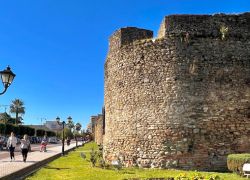
Elbasan Castle, located in the heart of the city of Elbasan in central Albania, is one of the most historically significant landmarks in the region. The castle, with its ancient walls and strategic location, offers a glimpse into Albania's rich cultural heritage, blending both Ottoman and medieval architecture. Elbasan, the city surrounding the castle, is also known for its vibrant culture, historical monuments, and its role as an important trade center during both the Ottoman and Roman periods. How to Reach Elbasan Castle & Elbasan Getting to Elbasan and Elbasan Castle is quite easy, whether you're traveling from Albania's capital, Tirana, or from other parts of the country. Here are some ways to reach the castle and city: By Car: Elbasan is located around 35 kilometers (22 miles) southeast of Tirana, and the journey takes about 40 minutes by car. You can reach Elbasan by taking the SH3 highway from Tirana. The castle is located in the center of the city, and the streets surrounding it are accessible by car. By Bus: Regular bus services connect Elbasan with Tirana and other major Albanian cities. The bus ride takes approximately 1 hour, and once in Elbasan, you can walk to the castle, which is located in the city center. By Taxi: Taxis are available for hire from Tirana or other nearby towns, providing a more convenient and direct route to Elbasan Castle. Weather at Elbasan & Elbasan Castle Elbasan experiences a Mediterranean climate, characterized by hot, dry summers and mild, wet winters. The best time to visit Elbasan Castle and the city is during the spring (April to June) or autumn (September to November) when temperatures are pleasant and the weather is ideal for sightseeing. In the summer months (July and August), temperatures can soar above 30°C (86°F), making it a great time to explore the outdoors but also warm, so visitors should stay hydrated and wear sunscreen. Winter months (December to February) are generally mild, with temperatures averaging 10°C (50°F) to 15°C (59°F), though it can be rainy, so visitors should pack accordingly. Timings and Entry Details for Elbasan Castle Elbasan Castle is open to the public year-round, and there are no specific visiting hours. However, it’s best to visit during the daytime between 9:00 AM and 5:00 PM when it’s easier to explore and enjoy the views from the castle walls. There is no entrance fee to visit the castle, but there may be a small fee for access to certain areas or guided tours. Local guides are available at the entrance, and they can provide insightful historical details about the castle’s architecture, history, and significance. Why Elbasan Castle & Elbasan Are Famous Elbasan Castle is famous for its rich history and its strategic role throughout different periods of Albania’s history. The castle was originally built by the Romans in the 2nd century AD, later expanded by the Byzantines, and further fortified by the Ottomans in the 15th century. The castle’s strong defensive walls, watchtowers, and impressive gates reflect its historical significance as a military stronghold. Elbasan, the city surrounding the castle, has long been a center of trade and commerce, particularly during the Ottoman Empire, and continues to be an important cultural and economic hub in central Albania. The city is known for its blend of historical architecture, including Ottoman mosques and traditional Albanian houses, making it an interesting destination for travelers interested in history and culture. History and Architecture of Elbasan Castle The history of Elbasan Castle spans several centuries, starting with its origins as a Roman fortress. It was initially built by the Romans in the 2nd century AD to protect the area from invasions. In the 4th century, the Byzantines reinforced the castle’s walls, and later, during the Ottoman period (15th century), significant modifications were made to the structure, including the construction of new towers, gates, and defensive walls. These additions transformed the castle into a stronghold that played a key role in protecting the region from foreign invaders. The architecture of Elbasan Castle is a fascinating blend of different styles, from Roman to Byzantine and Ottoman influences. The walls, which still stand today, are made of large stone blocks and are reinforced with defensive towers. The castle features an impressive main gate, which is still visible to visitors, and a system of narrow walkways that offer sweeping views of the city of Elbasan and the surrounding landscape. Inside the castle, visitors can explore the ruins of old structures, including a mosque and a number of Ottoman-era buildings. The castle’s strategic location, perched on a hill, allowed it to serve as both a military fortification and a symbol of power during various historical periods. Things to Do in Elbasan Castle & Elbasan Elbasan Castle offers a variety of activities for history lovers and those interested in exploring the area’s rich cultural heritage. Here are some of the best things to do when visiting Elbasan Castle and the city of Elbasan: Explore the Castle: Walk along the castle’s ancient walls and climb the watchtowers for panoramic views of the city and the surrounding mountains. The castle offers a great opportunity to learn about the history of the region and experience its architectural marvels. Visit the Mosque of Elbasan: Located in the city center, the Mosque of Elbasan is one of the oldest and most significant Ottoman-era structures in the city. The mosque is known for its beautiful architecture and historical importance. Stroll through the Old Town: Elbasan’s old town is home to narrow streets lined with traditional Albanian houses, shops, and cafes. It’s a great place to experience the local culture and enjoy a coffee or traditional Albanian meal. Visit the Elbasan Archaeological Museum: Located in the heart of the city, this museum houses a collection of ancient artifacts, including Roman and Byzantine items, that give insight into the history of Elbasan and the surrounding area. Hike in the Surrounding Nature: Elbasan is surrounded by stunning landscapes, including lush forests and mountains. There are several hiking trails nearby that offer scenic views of the region and the opportunity to experience Albania’s natural beauty. Interesting Facts About Elbasan Castle & Elbasan The castle was originally built by the Romans, and over the centuries, it was expanded and modified by the Byzantines and Ottomans, reflecting the changing rulers of the region. The castle walls are made of large stone blocks, many of which were sourced from ancient ruins in the area, including remnants from the Roman period. Elbasan Castle is located on a hill, providing it with a strategic vantage point that allowed defenders to oversee and control the surrounding areas. The castle has undergone several restoration efforts over the years, ensuring that its historical significance is preserved for future generations. Elbasan is a city with a long tradition of cultural exchange, and its architecture reflects a mix of Ottoman, Byzantine, and modern influences. Tips for Visiting Elbasan Castle & Elbasan Wear comfortable shoes: The castle has uneven surfaces and some steep paths, so it’s best to wear comfortable shoes while exploring. Bring water and snacks: Elbasan Castle is a large site, and you might want to bring some water and snacks with you to stay refreshed during your visit. Hire a local guide: A local guide can provide valuable insights into the history and significance of the castle, making your visit more informative and enjoyable. Plan to visit the surrounding area: Elbasan is a beautiful city with much to explore. Take the time to visit the old town, local museums, and nearby parks for a full experience. Respect the historical site: Elbasan Castle is a significant historical landmark, so it’s important to respect the site by not damaging the walls or littering around the area. Conclusion Elbasan Castle is a must-visit destination for anyone interested in Albania’s rich history and culture. The castle’s fascinating history, stunning architecture, and panoramic views make it one of the most important landmarks in the country. With the surrounding city of Elbasan offering additional attractions, including Ottoman-era mosques, traditional Albanian houses, and natural beauty, a visit to Elbasan Castle promises to be an enriching experience for all types of travelers.
Explore More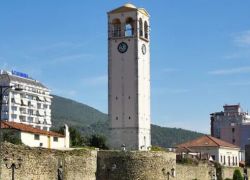
The Tower of Hoxha is one of the most significant historical landmarks in Elbasan, Albania. Situated in the heart of the city, this tower not only offers a glimpse into the country’s past but also stands as a reminder of the era of dictatorship that marked Albania’s mid-20th century history. Originally built as a military structure, it has now become an important tourist attraction in Albania. History and Architecture of The Tower of Hoxha The Tower of Hoxha was built during the time of Enver Hoxha, the communist leader of Albania, who ruled the country from 1946 to 1985. It was originally constructed in the 1960s with a strategic purpose. The tower was designed as a part of a larger system of defense structures meant to protect Albania from potential foreign invasions. The structure itself is quite simple but practical, featuring a large cylindrical stone tower with an observation platform at the top. Architecturally, the Tower of Hoxha is a typical example of the military fortifications built during the communist era. The tower's design focuses on functionality rather than beauty, with reinforced walls and a sturdy construction meant to withstand potential artillery attacks. Over the years, the tower has undergone various renovations, but it still maintains much of its original form and appearance. How to Reach The Tower of Hoxha Elbasan is located in central Albania and can be easily reached by both car and public transportation. If you’re traveling by car, Elbasan is about 80 kilometers from Tirana, the capital of Albania. The drive takes approximately 1.5 to 2 hours via the SH2 highway. Public buses and minivans from Tirana to Elbasan are also available, departing regularly from various locations in the capital. Once you arrive in Elbasan, the Tower of Hoxha is situated in the city center, making it easy to find. It is within walking distance from other popular sites, so you can also explore the city’s surroundings on foot after visiting the tower. Weather in Elbasan The weather in Elbasan, like much of Albania, is Mediterranean, characterized by hot, dry summers and mild, wet winters. Summer temperatures often reach highs of 30-35°C (86-95°F), making it an ideal time for outdoor visits, though it can be quite warm. The winter months are cooler, with temperatures ranging from 5-12°C (41-54°F). Spring and autumn are mild and pleasant, offering comfortable temperatures for sightseeing. Timing and Opening Hours The Tower of Hoxha is typically open for visits every day, with regular hours from 9:00 AM to 6:00 PM. However, it's a good idea to check in advance for any changes in opening hours, especially around public holidays or during the winter months when the attraction may close earlier. There is no official day of closure, but some maintenance work or special events may temporarily affect its availability. Why is The Tower of Hoxha Famous? The Tower of Hoxha is famous because it represents an era of Albania's past that many would prefer to forget, but it is also a symbol of the country's transition. During the communist regime, the tower served as a defensive structure, symbolizing both strength and paranoia. It was part of a network of over 700,000 bunkers built throughout Albania, designed to defend against perceived foreign threats. Today, the tower serves as a reminder of the country’s complex history. The structure has become a symbol not only of Albania’s past military and political climate but also of its post-communist recovery and growth. Entry and Visit Details There is a small entry fee to visit the Tower of Hoxha, which helps maintain the site and fund its preservation. The entry fee is quite affordable, making it accessible to tourists. Tickets can be purchased at the entrance, where you’ll also find helpful staff to guide you around and answer any questions you may have. Things to Do at The Tower of Hoxha While visiting the Tower of Hoxha, you can: Climb to the top of the tower and enjoy panoramic views of Elbasan and the surrounding landscape. Learn about the history of Albania's communist era through informational displays and exhibits. Take photographs of the tower and the scenic surroundings, including the ancient Roman ruins that can be seen nearby. Explore the nearby city center of Elbasan, which has a number of historical sites and charming streets to discover. Interesting Facts about The Tower of Hoxha The Tower of Hoxha is not the only tower in Elbasan, but it is by far the most famous. It was initially part of Albania’s larger system of military fortifications, which included bunkers and other defensive structures scattered across the country. The tower is often referred to as a "symbol of isolation" due to the closed-off and paranoid nature of the communist regime under Hoxha. During the communist regime, it was used as a watchtower for surveillance purposes. Tips for Visiting The Tower of Hoxha Wear comfortable shoes, as you may need to walk around the city and climb to the top of the tower. Bring water with you, especially during the hot summer months, as there are limited places to buy drinks around the tower. Visit early in the day or later in the afternoon to avoid crowds and enjoy a more peaceful experience. Consider hiring a local guide to gain a deeper understanding of the history of the tower and its significance in Albania’s past. Make sure to bring a camera to capture the stunning views from the tower’s observation deck. Conclusion The Tower of Hoxha in Elbasan is a fascinating piece of Albanian history, offering visitors a chance to step back in time and learn about the country’s communist past. Whether you’re a history enthusiast or simply looking to enjoy panoramic views of the city, the tower is a must-see landmark in Elbasan. With its strategic location and historical significance, it stands as a powerful reminder of the complexities of Albania's past and its ongoing transformation into a modern European nation.
Explore More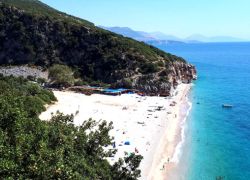
The Castle of Dhermi is a historic and cultural landmark located in the old hilltop settlement of Dhermi, overlooking the stunning Ionian Sea on Albania’s southern coast. Situated above the modern beach area, the castle ruins reflect the rich history, strategic importance, and traditional lifestyle of this ancient coastal village. Though not a fully preserved fortress, the Castle of Dhermi represents the fortified heart of old Dhermi, where local communities once lived, worshipped, and defended themselves. Visiting the Castle of Dhermi offers a journey into Albania’s past, combined with breathtaking panoramic views of the sea, mountains, and olive-covered hills. It is an ideal destination for history lovers, photographers, and travelers seeking authentic cultural experiences away from crowded beaches. Why the Castle of Dhermi Is Famous The Castle of Dhermi is famous for its historical significance and its unique location above the Ionian coastline. Unlike large medieval castles, this site is known as a fortified village rather than a single massive structure. Stone houses, narrow paths, defensive walls, and churches together formed a natural fortress that protected residents from invasions and pirate attacks. The castle area is also well known for its scenic views. From the ruins and viewpoints, visitors can enjoy sweeping vistas of Dhermi Beach, the Ionian Sea, and the surrounding mountains. Its combination of history, culture, and natural beauty makes it one of the most meaningful attractions in Dhermi. History of the Castle of Dhermi The origins of the Castle of Dhermi date back to ancient and medieval times, when coastal communities needed protection from invasions and raids. The area was influenced by Illyrian tribes, Byzantine rule, and later the Ottoman Empire. Due to its strategic hilltop position, Dhermi became an important defensive settlement. Rather than constructing a single large fortress, locals built tightly packed stone houses with thick walls, narrow streets, and limited access points. Churches and defensive towers were integrated into the settlement. Over centuries, the fortified village evolved, and while its military role faded, it remained a cultural and religious center for the local population. Architecture and Structural Features The architecture of the Castle of Dhermi reflects traditional Albanian stone construction adapted for defense. Buildings were made from locally sourced stone, with small windows and thick walls designed to withstand attacks. The narrow alleys made it difficult for invaders to move through the settlement. Several historic churches can be found within the castle area, including the Church of St. Mary and the Church of St. Stephen. These structures feature simple stone exteriors and reflect the strong religious traditions of the region. Though parts of the castle are in ruins, the remaining structures clearly show the layout of a fortified hilltop village. How to Reach the Castle of Dhermi The Castle of Dhermi is located above the modern village and beach area of Dhermi. Visitors can reach Dhermi by road via the SH8 coastal highway, which connects Vlora to Himara and Saranda. From Dhermi Beach, the old village and castle area can be reached by car, taxi, or on foot. Walking up to the castle is a rewarding experience, taking around 20 to 30 minutes depending on pace. The uphill path offers beautiful views and passes through traditional neighborhoods. From Tirana, reaching Dhermi takes approximately four to five hours by car or bus, usually via Vlora and the scenic Llogara Pass. Weather and Best Time to Visit The Castle of Dhermi enjoys a Mediterranean climate with warm summers and mild winters. Summer temperatures range from 25°C to 35°C, while spring and autumn are cooler and more comfortable for walking and exploring the ruins. The best time to visit the Castle of Dhermi is from April to June and from September to October. During these months, the weather is pleasant, and the site is less crowded. Early morning or late afternoon visits are recommended in summer to avoid strong sunlight. Timing and Entry Details The Castle of Dhermi is an open historical area and does not have fixed opening or closing hours. Visitors can explore the site freely throughout the day. There is no entry fee to visit the Castle of Dhermi. Since it is an open-air historical settlement rather than a managed museum, visitors should take care while walking through uneven paths and ruins. Things to Do at the Castle of Dhermi Exploring the stone ruins and narrow alleys is the main activity at the Castle of Dhermi. Visitors can walk through the old village, admire traditional architecture, and imagine life in this fortified settlement centuries ago. Photography is highly popular due to the stunning views of the Ionian Sea and surrounding landscape. Visitors can also explore nearby historic churches, enjoy peaceful moments away from the beach crowds, and combine the visit with a walk through old Dhermi village. Interesting Facts About the Castle of Dhermi The Castle of Dhermi is not a single fortress but a fortified village, which is why it looks different from typical medieval castles. Its design reflects community-based defense rather than royal or military control. The area is culturally unique, influenced by both Albanian and Greek traditions. This blend is visible in architecture, language, and religious practices, making the castle area culturally significant as well as historical. Tips for Visiting the Castle of Dhermi Wear comfortable walking shoes, as paths are uneven and rocky. Bring water, especially during warmer months, as there are limited facilities in the old village area. Respect local homes and religious sites, as some areas are still used by residents. Visiting during cooler hours improves comfort and allows better photography. Combine your visit with a trip to nearby beaches for a balanced cultural and leisure experience. Conclusion The Castle of Dhermi, Dhermi, Albania, is a fascinating historical site that offers insight into traditional coastal life and defensive architecture. With its hilltop location, ancient stone structures, and breathtaking sea views, it provides a meaningful contrast to the modern beach scene below. A visit to the Castle of Dhermi is an enriching experience for anyone interested in history, culture, and the timeless beauty of the Albanian Riviera.
Explore More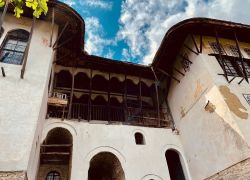
Skenduli House is one of the most iconic and well-preserved historical homes located in the city of Gjirokaster, Albania. The house offers a glimpse into the traditional life of the 18th century in Albania and is an essential part of the UNESCO World Heritage-listed Gjirokastra Old Town. Known for its rich architectural style, unique features, and historical significance, Skenduli House is a must-visit location for those interested in Albanian history and culture. How to Reach Skenduli House Gjirokaster is well-connected to other major cities in Albania, and getting to Skenduli House is fairly simple. The town is located about 120 kilometers south of the capital, Tirana, and can be reached by bus or private car. There are regular buses from Tirana to Gjirokaster, which take approximately 3-4 hours. If you are already in Gjirokaster, Skenduli House is located within the old town and can be easily reached by foot, as it is situated near other famous landmarks. The house is on a slope, so visitors should be prepared for a bit of a climb to reach it. Weather in Gjirokaster Gjirokaster experiences a Mediterranean climate, characterized by hot, dry summers and mild, rainy winters. During the summer months (June to September), temperatures can reach up to 35°C (95°F), making it a great time to explore the house and the surrounding area. However, it’s best to visit early in the morning or later in the evening to avoid the intense midday heat. The winter months (December to February) are much cooler, with temperatures averaging between 5°C (41°F) and 10°C (50°F). Visitors should check the weather forecast before their trip, especially if traveling during the colder months. Timing of Skenduli House Skenduli House is generally open for visitors throughout the week, with specific opening hours that can vary depending on the season. During the peak tourist season (spring and summer), the house is open daily from 9:00 AM to 7:00 PM. In the off-season (fall and winter), the house may have shorter opening hours, typically from 10:00 AM to 5:00 PM. It is advisable to check the opening hours in advance, especially if you are planning a visit during the winter months when hours might be reduced. Why Skenduli House is Famous Skenduli House is famous for its well-preserved Ottoman-era architecture, which offers a rare glimpse into the lifestyle and design practices of the time. The house is notable for its traditional design, featuring distinctive stonework, wood carvings, and an intricate layout that includes multiple floors and terraces. The house also reflects the social structure of the period, with separate areas for men and women and multiple spaces for various activities. It is not just a house but a representation of the cultural and historical evolution of the region. Entry and Visit Details To visit Skenduli House, there is an entrance fee. The fee is usually modest, and tickets can be purchased on-site. The entrance fee helps maintain the property and fund preservation efforts. Guides are available for an additional fee, and their knowledge of the house's history, architecture, and cultural significance will enhance your visit. It is recommended to take a guided tour to fully appreciate the story behind the house and learn about the customs, traditions, and lifestyle of the people who lived there. History and Architecture of Skenduli House The history of Skenduli House dates back to the late 18th century. It was constructed by the Skenduli family, who were one of the prominent families in Gjirokaster during that time. The house features traditional Albanian architecture influenced by Ottoman designs, with a unique blend of local materials such as stone and wood. The house’s structure is designed to withstand the region’s natural climate, with thick stone walls and wooden beams supporting the upper floors. It has several rooms, including a grand salon, a library, and a series of bedrooms with large windows offering panoramic views of the surrounding town and landscape. Things to Do at Skenduli House When visiting Skenduli House, there are several activities and attractions to enjoy: Take a guided tour to explore the historical and architectural significance of the house. Admire the stunning views of Gjirokaster from the terraces of the house. Learn about the Skenduli family's role in Gjirokaster's history and the culture of the region. Explore the old town of Gjirokaster and visit nearby attractions such as the Gjirokaster Castle and the Ethnological Museum. Facts About Skenduli House The house is one of the best-preserved examples of Ottoman-era architecture in Gjirokaster. The Skenduli family were known for their wealth and influence in the region, and the house was a symbol of their status. Skenduli House has been carefully restored to maintain its original charm while offering modern amenities to visitors. The house is built on a hillside, providing stunning views of the surrounding valley and the old town of Gjirokaster. Tips for Visiting Skenduli House Here are some helpful tips for your visit to Skenduli House: Wear comfortable shoes, as there is some uphill walking to reach the house. Bring a camera to capture the beauty of the architecture and the views of Gjirokaster. If you are interested in learning more about the history, hire a local guide who can provide detailed information. Check the weather forecast before your visit to ensure you’re prepared for the climate. Don’t rush through the house; take your time to admire the details and soak in the atmosphere. Conclusion Skenduli House is a remarkable example of Gjirokaster’s rich cultural heritage. With its historical significance, stunning architecture, and breathtaking views, it remains one of the top tourist destinations in Albania. Whether you're a history buff, an architecture enthusiast, or simply looking to explore the beauty of Albania, Skenduli House is a must-see when visiting Gjirokaster.
Explore More
Zekate House is one of the most remarkable and iconic examples of Ottoman-era architecture in Gjirokaster, Albania. Located in the heart of the UNESCO World Heritage-listed Gjirokaster Old Town, this historical home provides visitors with a deep insight into the region’s rich cultural heritage. The house is known for its distinctive architecture, rich history, and well-preserved features, making it a significant landmark in Albania. How to Reach Zekate House Reaching Zekate House is relatively easy if you are already in Gjirokaster. The town is well connected to other major cities in Albania, and you can get to Gjirokaster by bus or private car. From the capital city, Tirana, it is about a 3-hour drive (approximately 120 kilometers) to Gjirokaster. Once in Gjirokaster, the Zekate House is located in the old town area, and you can easily walk to it. The house is perched on a hillside, so visitors should be prepared for some uphill walking to reach the entrance. Weather in Gjirokaster Gjirokaster enjoys a Mediterranean climate, which means hot, dry summers and mild, rainy winters. Summer temperatures often rise above 30°C (86°F), making it a popular time to visit. If you're planning to visit during the summer, it's a good idea to go in the morning or evening to avoid the intense midday heat. Winters, from December to February, are cooler, with average temperatures ranging from 5°C to 10°C (41°F to 50°F). The climate is relatively mild throughout the year, but visitors should always check the weather forecast before traveling to ensure a pleasant experience. Timing of Zekate House Zekate House is typically open to the public year-round, although opening hours may vary depending on the season. In the summer months, the house is usually open daily from 9:00 AM to 7:00 PM. During the off-peak season, from late fall to early spring, the house may operate on shorter hours, usually from 10:00 AM to 5:00 PM. Visitors are advised to check the specific opening hours on the day of their visit, especially during the winter months when timings might differ. Why Zekate House is Famous Zekate House is famous primarily for its stunning architectural style, which represents the peak of Gjirokaster's traditional construction methods during the Ottoman period. The house is a prime example of the "tower house" architecture common in Gjirokaster, with its multi-story structure designed to withstand both the region's harsh weather and social conditions. The house’s layout is designed around a central courtyard, and its high stone walls, large wooden beams, and distinctive wooden windows give it a timeless character. Entry and Visit Details To visit Zekate House, you will need to purchase an entrance ticket. The fee is typically affordable, and ticket prices may vary based on the season. You can pay for your ticket at the entrance of the house. While there, you can either explore the house on your own or opt for a guided tour, which provides more in-depth information about the history and architecture of the house and Gjirokaster. Guided tours are especially recommended for those who want to learn more about the cultural and historical significance of the place. Visitors can also enjoy panoramic views of Gjirokaster from the upper floors of the house. History and Architecture of Zekate House Zekate House was built in the 19th century by a wealthy local family, the Zekati family, who played a prominent role in Gjirokaster's social and economic life during the Ottoman era. The house is designed to reflect both the family’s status and the defensive needs of the time. The house is a four-story structure with a characteristic tower, which was used for defense purposes in times of unrest. The interior of the house features elegant woodwork, intricate carvings, and antique furniture, reflecting the wealth and tastes of its former inhabitants. The design of Zekate House is an excellent example of the Ottoman architectural influence on Gjirokaster. It features a traditional stone foundation, with the upper floors constructed using wooden beams and covered with a stone roof. The house’s layout is characterized by spacious rooms, a large central hall, and small rooms on the upper floors. The house’s most striking feature is its large windows, which offer breathtaking views of the town and surrounding valley. Things to Do at Zekate House Visiting Zekate House offers a variety of experiences for history buffs, architecture enthusiasts, and anyone wanting to explore Gjirokaster’s rich cultural heritage. Here are some activities you can enjoy: Take a guided tour of the house to learn about its history, architecture, and the life of the Zekati family. Admire the stunning panoramic views of Gjirokaster from the house’s upper floors and terraces. Explore the traditional rooms, complete with antique furniture, carpets, and artwork, that offer a glimpse into life during the Ottoman period. Walk around the old town of Gjirokaster, a UNESCO World Heritage site, and visit nearby landmarks such as the Gjirokaster Castle and the Ethnological Museum. Facts About Zekate House Zekate House is one of the best-preserved examples of Ottoman-era architecture in Gjirokaster. The house was originally built for the Zekati family, who were wealthy merchants in the region. It has four stories, with the top floor functioning as a tower for defense and observation. The architecture of Zekate House reflects the influence of both Ottoman and local Albanian design traditions. The house’s location provides stunning views of the old town and the surrounding countryside, which were strategically important in the past. Tips for Visiting Zekate House Here are some tips to help make your visit to Zekate House enjoyable: Wear comfortable shoes as the house is located on a hill, and there is a bit of walking required to reach the entrance. Consider hiring a local guide for a more informative and enriching experience. Bring your camera to capture the beautiful architecture and panoramic views. Be sure to check the opening hours before your visit, especially during the off-season. Take your time to explore both the interior and exterior of the house, as there is much to discover in every corner. Conclusion Zekate House is a historical treasure in Gjirokaster, offering visitors a fascinating look into the life and architecture of the Ottoman period in Albania. Its well-preserved structure, stunning views, and cultural significance make it a must-see attraction for anyone visiting Gjirokaster. Whether you are interested in history, architecture, or simply want to experience the beauty of the Albanian countryside, Zekate House should be on your list of places to visit.
Explore More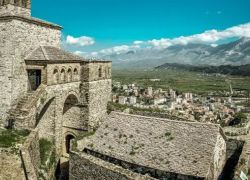
The Gjirokastër Clock Tower is one of the most iconic and historical landmarks of the city of Gjirokaster, Albania. Located in the heart of the old town, the tower has stood for centuries, offering not only a functional timepiece but also a beautiful architectural feature that reflects the cultural history of the region. Part of the UNESCO World Heritage-listed Gjirokaster Old Town, the clock tower is a must-visit destination for tourists exploring the area. How to Reach The Gjirokastër Clock Tower Reaching the Gjirokastër Clock Tower is relatively simple, as it is situated within the old town of Gjirokaster. The city is well-connected to other parts of Albania, and you can travel to Gjirokaster from Tirana (about 120 kilometers away) by bus, car, or taxi. The bus ride from Tirana typically takes 3-4 hours. Once in Gjirokaster, the Clock Tower is located in the central part of the old town and can be easily accessed on foot from most parts of the town. Weather in Gjirokastër Gjirokastër experiences a Mediterranean climate, characterized by hot summers and mild winters. In the summer months (June to September), temperatures can reach over 30°C (86°F), making it ideal for sightseeing early in the day or late in the evening. The fall and spring seasons are more temperate, with average temperatures ranging from 10°C to 20°C (50°F to 68°F). Winters (December to February) are cool but not harsh, with temperatures averaging between 5°C and 10°C (41°F to 50°F). It is important to check the weather forecast ahead of your visit to ensure a comfortable experience. Timing of The Gjirokastër Clock Tower The Gjirokastër Clock Tower is generally open to visitors throughout the year. However, the exact visiting hours may vary depending on the season. During the high tourist season (spring and summer), the clock tower is typically open from 9:00 AM to 7:00 PM, allowing visitors to enjoy panoramic views of the city and the surrounding valley. In the winter months, it may close earlier, usually around 5:00 PM. It is advisable to check the specific hours before your visit, especially if you plan to visit outside the peak season. Why The Gjirokastër Clock Tower is Famous The Gjirokastër Clock Tower is famous for its historical significance and its striking Ottoman architectural style. Built in the early 19th century, it is one of the oldest clock towers in Albania and a symbol of the city’s cultural heritage. The tower stands at a height of about 30 meters and offers stunning views of the old town, the Gjirokastër Castle, and the surrounding mountains. The clock tower’s unique design features a blend of traditional Ottoman elements with local architectural influences, making it a beautiful and functional piece of Gjirokaster’s skyline. Entry and Visit Details Visiting the Gjirokastër Clock Tower requires purchasing an entrance ticket. The cost is generally affordable and helps fund the preservation of this important historical monument. Visitors can either explore the tower on their own or opt for a guided tour. A guided tour provides a deeper understanding of the tower’s history, significance, and the architectural features that make it so special. The tower is open daily, and it is recommended to visit early in the morning or late in the afternoon to avoid the midday heat, especially during the summer months. History and Architecture of The Gjirokastër Clock Tower The Gjirokastër Clock Tower was built in the early 19th century, during the period when the city was under Ottoman rule. The tower’s construction was funded by a local wealthy family and was designed to serve as both a timekeeping device and a visual marker of the city’s importance. Its height and position atop a hill made it an essential point of reference for the people of Gjirokaster. Architecturally, the tower is a blend of traditional Ottoman and local Albanian styles. The stone structure is tall and cylindrical, with a clock face on all four sides. The clock tower is topped with a dome, which is typical of Ottoman architecture, while the clock itself has undergone several renovations over the years to maintain its functionality. Inside the tower, there are narrow stairs that lead to the top, offering an exciting climb and an even more breathtaking view of Gjirokaster and the surrounding valley. Things to Do at The Gjirokastër Clock Tower Visiting the Gjirokastër Clock Tower offers a variety of experiences for history lovers, photographers, and anyone interested in learning about Gjirokaster’s rich cultural heritage. Here are a few things you can do during your visit: Climb to the top of the clock tower for stunning panoramic views of Gjirokaster, the valley, and the surrounding mountains. Take a guided tour to learn more about the history and significance of the tower and its role in the city’s development. Explore the area around the clock tower, including the charming old streets of Gjirokaster and nearby attractions like the Gjirokaster Castle and Ethnological Museum. Take photographs of the clock tower and its surroundings, especially during sunrise or sunset when the light creates dramatic shadows and highlights. Facts About The Gjirokastër Clock Tower The Gjirokastër Clock Tower is one of the oldest clock towers in Albania, dating back to the early 1800s. It was built during the Ottoman period, reflecting the architectural style of that era, with local Albanian influences. The clock tower stands at a height of 30 meters, offering breathtaking views of the city and the valley. The clock mechanism has been restored multiple times, with the most recent renovation taking place in the 20th century to keep it operational. It is located in the heart of Gjirokaster’s UNESCO World Heritage-listed Old Town, a testament to the region’s rich history and cultural significance. Tips for Visiting The Gjirokastër Clock Tower Here are some useful tips to enhance your visit to the Gjirokastër Clock Tower: Wear comfortable shoes as there are narrow, steep stairs leading to the top of the tower. Visit early in the morning or late in the afternoon to avoid the heat and crowds, especially in the summer months. If you’re interested in history, consider hiring a local guide who can provide detailed information about the tower and its significance. Bring a camera to capture the panoramic views of Gjirokaster from the top of the tower. Be prepared for a bit of a climb to the top, but the effort is worth it for the stunning views. Conclusion The Gjirokastër Clock Tower is an essential part of the city’s historic landscape, offering visitors a chance to experience a piece of Albania’s past while enjoying spectacular views of one of the country’s most charming towns. Whether you’re interested in history, architecture, or simply taking in the beauty of the area, the clock tower is a must-visit destination. With its fascinating history, unique architectural features, and incredible views, the Gjirokastër Clock Tower is a landmark that should not be missed when visiting the region.
Explore More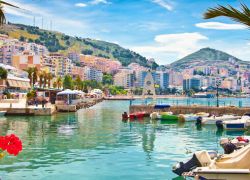
The Luan Kaba House is one of Gjirokaster’s most fascinating historical landmarks, located in the UNESCO World Heritage-listed Old Town. This house stands out not only for its architectural beauty but also for its cultural and historical significance. Built in the 19th century, it offers a unique glimpse into the traditional life of the local Albanian community during the Ottoman era. The house is named after its original owner, Luan Kaba, and serves as an excellent example of the region's residential architecture during that time. Today, it is a popular destination for visitors looking to explore Gjirokaster’s rich cultural heritage. How to Reach The Luan Kaba House Reaching the Luan Kaba House is relatively easy, as it is situated in the heart of Gjirokaster’s Old Town. Gjirokaster is well connected by road to other cities in Albania, and the most common way to get there is by car or bus from the capital, Tirana. The distance between Tirana and Gjirokaster is about 120 kilometers, and the journey takes approximately 3-4 hours by car. Upon arriving in Gjirokaster, the house is within walking distance of other major attractions such as the Gjirokaster Castle and the Ethnological Museum. The Old Town is compact and ideal for walking, so it’s easy to navigate your way to the house. Weather in Gjirokaster Gjirokaster enjoys a Mediterranean climate, with hot, dry summers and mild, wet winters. The best time to visit the Luan Kaba House is during the spring (April to June) or autumn (September to November), when the weather is pleasant and ideal for sightseeing. Summer months (June to September) can be very hot, with temperatures often reaching 30°C (86°F) or higher, so it’s advisable to visit early in the morning or later in the evening to avoid the heat. Winter temperatures (December to February) range between 5°C and 10°C (41°F and 50°F), so it’s important to dress warmly during this period. Timing of The Luan Kaba House The Luan Kaba House is generally open to visitors every day, though the opening hours may vary depending on the season. During the high tourist season (spring and summer), the house is open from 9:00 AM to 7:00 PM. In the off-season (fall and winter), the hours are usually reduced, typically from 10:00 AM to 5:00 PM. It’s always a good idea to check the museum's official website or call ahead to confirm the current opening hours before planning your visit. Why The Luan Kaba House is Famous The Luan Kaba House is famous for its distinctive blend of traditional Albanian and Ottoman architectural styles. This house offers an intimate view of Gjirokaster’s rich history and provides a unique insight into the lifestyle of a well-to-do merchant family during the 19th century. It is not only a beautiful example of regional architecture but also a symbol of the cultural influences that shaped Gjirokaster. The house is famous for its elaborate woodwork, spacious rooms, and unique elements such as its stone foundation, large wooden beams, and characteristic wooden windows. The house also showcases the customs, traditions, and daily life of the region’s inhabitants during the Ottoman period. Entry and Visit Details To visit the Luan Kaba House, you will need to purchase an entrance ticket. The ticket price is generally affordable and helps to support the upkeep and preservation of the house. Visitors have the option to explore the house independently or take a guided tour. A guided tour is highly recommended as it provides a deeper understanding of the house’s history, architecture, and cultural significance. The house is well-maintained, and the exhibitions inside highlight the social and cultural aspects of life during the time of its construction. For those interested in learning more about Gjirokaster’s heritage, this is a must-see destination. History and Architecture of The Luan Kaba House The Luan Kaba House was built in the 19th century and is an excellent example of the Ottoman-influenced architecture typical of Gjirokaster at the time. The house’s design reflects the wealth and social standing of its original owner, Luan Kaba, a prominent merchant. The structure of the house is designed to offer both comfort and security, with its thick stone walls and elevated position offering protection from the elements and any potential threats. The house is characterized by large, open rooms, intricate wooden beams, and beautiful hand-carved wooden details, including the doors and windows. The architecture of the Luan Kaba House is unique in that it blends elements of both Ottoman and traditional Albanian styles. The upper floors of the house feature a series of large rooms that overlook the surrounding town and offer breathtaking views of the valley below. The house’s central courtyard is a peaceful and quiet space that was once used for various family activities. The combination of these architectural features makes the Luan Kaba House an outstanding example of the region’s residential design and an important cultural landmark in Gjirokaster. Things to Do at The Luan Kaba House Visitors to the Luan Kaba House can enjoy several activities that will enhance their experience. Here are some suggestions: Take a guided tour to learn about the house’s fascinating history, its original owner, and the social context in which it was built. Admire the intricate woodwork and craftsmanship of the furniture, beams, and decorations throughout the house. Explore the spacious rooms and imagine life during the Ottoman era in Gjirokaster, particularly the lifestyle of wealthy families. Relax in the central courtyard, which provides a beautiful view of the surrounding area and the old town. Visit the nearby attractions in the Old Town, such as the Gjirokaster Castle and the Ethnological Museum, to further explore the region’s heritage. Facts About The Luan Kaba House The Luan Kaba House is over 150 years old, built during the 19th century, and reflects the architectural style of the Ottoman period. The house was originally owned by Luan Kaba, a wealthy merchant, whose family played a significant role in the local economy. The house is a two-story structure with a large central courtyard and spacious rooms designed to accommodate both family life and social gatherings. The architectural design of the house combines Ottoman elements with local Albanian traditions, making it a unique example of Gjirokaster’s residential buildings. It is located in the UNESCO World Heritage-listed Old Town of Gjirokaster, which is known for its well-preserved Ottoman-era buildings. Tips for Visiting The Luan Kaba House Here are some tips to make your visit to the Luan Kaba House even more enjoyable: Wear comfortable walking shoes, as the house is located in the Old Town, which involves some uphill walking. Consider visiting in the morning or late afternoon to avoid the heat, particularly if you're visiting during the summer months. Bring a camera to capture the beautiful architecture, intricate woodwork, and stunning views of the old town and surrounding valley. If you're interested in history, hiring a local guide will enhance your experience and provide you with deeper insights into the history of the house and the city. Take time to explore the nearby attractions in the Old Town, as Gjirokaster has much to offer in terms of history and culture. Conclusion The Luan Kaba House is a key part of Gjirokaster’s cultural heritage and an essential stop for anyone interested in Albanian history and architecture. Its beautiful design, rich history, and well-preserved features make it a must-visit attraction in the city. Whether you are a history enthusiast, an architecture lover, or simply curious about traditional Albanian life, the Luan Kaba House provides a fascinating and enriching experience. With its stunning views, unique architecture, and connection to the past, it offers an unforgettable glimpse into the region's history and culture.
Explore More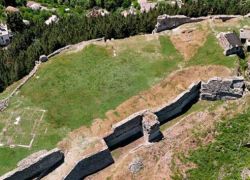
Kanine Castle is a historical fortress located on a hilltop near the city of Vlore in southern Albania. The castle offers spectacular panoramic views of the surrounding area, including the Ionian Sea and the city of Vlore. Dating back to the medieval period, Kanine Castle is an important archaeological and historical site, with its origins believed to date back to the 4th century BC. The castle has been a significant location for various empires and rulers, including the Byzantine and Ottoman periods. Today, Kanine Castle remains one of Albania’s most iconic landmarks, attracting visitors interested in history, architecture, and stunning views. How to Reach Kanine Castle Kanine Castle is located approximately 5 kilometers southeast of Vlore, making it easily accessible from the city center. The most common way to reach the castle is by car or taxi, which takes about 10 minutes from downtown Vlore. The route is well-marked, and the road leading to the castle is paved, though it can be steep as the castle sits on a hilltop. If you are traveling from the Vlore bus station or port, taxis are readily available, and it is recommended to confirm the price before starting your journey. For those who enjoy walking and exploring, there is also a walking trail leading to the castle, though it is quite steep and can take around 30 to 45 minutes to reach the top. The scenic route offers a chance to appreciate the natural surroundings and get a feel for the local landscape. Weather in Vlore Vlore, including the area around Kanine Castle, experiences a Mediterranean climate. Summers are typically hot and dry, with temperatures often exceeding 30°C (86°F) from June to August. The best time to visit the castle is during the spring (April to June) and autumn (September to November) months when the temperatures are more comfortable for sightseeing. During these seasons, you can expect mild weather with average temperatures ranging from 18°C to 25°C (64°F to 77°F). Winters are mild, with temperatures rarely dropping below 10°C (50°F), making it a year-round destination, though the cooler weather in winter may lead to fewer tourists. Timing of Kanine Castle Kanine Castle is typically open to visitors every day from 9:00 AM to 6:00 PM. These hours can vary depending on the season, with extended hours during the summer months to accommodate more tourists. It is always a good idea to check the local opening times before planning your visit, especially if you’re going during holidays or off-season months when the hours may be more limited. The best time to visit is early in the morning or late in the afternoon to avoid the heat and the crowds. Why Kanine Castle is Famous Kanine Castle is famous for its historical significance and its stunning views of the surrounding area. The castle was originally built by the Illyrians, an ancient people who inhabited the region before the Roman Empire expanded into the Balkans. Over time, the castle was expanded and modified by the Romans, Byzantines, and Ottomans, giving it a rich and diverse architectural heritage. It’s an essential part of Albania’s historical and cultural landscape, as it offers a glimpse into the region’s turbulent past, with its strategic location serving as a military and defensive stronghold. Visitors flock to Kanine Castle not only for its historical importance but also for the panoramic views it offers of Vlore, the Ionian Sea, and the surrounding hills. The location makes it an ideal spot for photography and enjoying the natural beauty of southern Albania. Entry and Visit Details Visiting Kanine Castle is generally free of charge, although there may be a small fee for parking in the area or for special guided tours. The castle is a public monument, and local guides may be available for hire to provide a deeper understanding of the history and significance of the site. Guided tours are recommended, as they give visitors an in-depth look at the castle’s history, architecture, and the various historical periods it has witnessed. There are no specific dress codes for visiting the castle, but it is advisable to wear comfortable footwear as the terrain can be uneven, especially if you plan on walking up the hill. Bringing water is also recommended, particularly if visiting during the warmer months, as there are few facilities on the site itself. History and Architecture of Kanine Castle Kanine Castle was originally built by the Illyrians in the 4th century BC and later expanded by the Romans, Byzantines, and Ottomans. It was strategically positioned on a hill to provide a defensive vantage point overlooking the surrounding valley, making it an ideal location for military defense. The castle has witnessed many battles and changes in control over the centuries, from its time as a Roman fortification to its use by the Ottoman Empire during their occupation of Albania. Architecturally, Kanine Castle is a blend of different styles reflecting the various periods of construction. The castle’s walls are made of large, well-cut stones, a testament to Roman engineering techniques. There are remnants of the medieval walls, towers, and gates that once provided protection. The castle’s strategic location allows for a unique design with the use of its natural environment for defense, such as steep hills and rocky terrain. Inside the castle, visitors can still see remnants of the Byzantine-era structures, including parts of the church that were once part of the complex. Things to Do at Kanine Castle Kanine Castle offers visitors several activities to enhance their experience. Here are some things to do when visiting the castle: Explore the ruins of the castle and imagine the military history that unfolded within its walls. Take photographs of the breathtaking views of Vlore, the Ionian Sea, and the surrounding mountains. Walk along the castle walls and towers for a better understanding of the site’s historical significance and defense structures. Visit the small church within the castle grounds, which adds to the historical and spiritual atmosphere of the site. Take a hike around the castle’s vicinity, exploring the beautiful hills and enjoying the Mediterranean flora and fauna. Facts About Kanine Castle Kanine Castle is thought to have been originally constructed by the Illyrians in the 4th century BC. The castle was expanded and renovated by the Romans and Byzantines, and it later served as a key military site during the Ottoman Empire. The castle offers stunning panoramic views of Vlore, the Ionian Sea, and the surrounding Albanian countryside. The site is free to visit, though there may be a small charge for parking or guided tours. Kanine Castle is one of Albania’s most important historical and archaeological landmarks, showcasing various architectural styles. Tips for Visiting Kanine Castle Here are some helpful tips for making the most of your visit to Kanine Castle: Wear comfortable shoes, as there is a lot of walking and the terrain can be uneven, especially when hiking to the top. Bring a hat, sunscreen, and water during the summer months, as the castle can get very hot. Visit early in the day or late in the afternoon to avoid the heat and crowds. If you’re interested in history, consider hiring a local guide to get a more detailed tour of the castle’s history and architecture. Take time to enjoy the surrounding nature and the views, as the area around the castle is perfect for photography and hiking. Conclusion Kanine Castle is a must-visit destination for history enthusiasts, nature lovers, and anyone looking to explore the rich cultural heritage of Albania. With its impressive history, diverse architecture, and stunning views, the castle offers an unforgettable experience. Whether you are interested in exploring the ancient ruins, taking in the views, or simply enjoying the peaceful atmosphere, Kanine Castle provides a memorable experience that captures the essence of Vlore and its surrounding areas.
Explore More