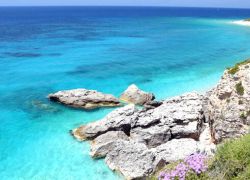
The Llogara Pass is one of the most spectacular mountain passes in Albania, located near Dhermi along the famous Albanian Riviera. Sitting at an elevation of around 1,027 meters above sea level, the pass connects the coastal areas of southern Albania with the inland regions. It is best known for its breathtaking panoramic views, dramatic mountain scenery, and winding road that descends toward the turquoise Ionian Sea. For many travelers, the Llogara Pass is not just a route but an experience in itself. As you travel through this mountain gateway, you witness a striking contrast between dense pine forests, rugged cliffs, and the deep blue sea below. It is considered one of the most scenic drives in the Balkans and a must-visit destination for nature lovers and photographers. Why the Llogara Pass Is Famous The Llogara Pass is famous for its stunning viewpoints overlooking the Ionian Sea and the Albanian Riviera, including the beaches of Dhermi, Himara, and beyond. The dramatic descent from the mountains to the coast offers unforgettable views, especially on clear days when the horizon seems endless. It is also well known for being part of the Llogara National Park, a protected natural area rich in biodiversity. The pass is popular among road trip travelers, hikers, paragliders, and those seeking cooler mountain air during the hot summer months along the coast. History of the Llogara Pass The Llogara Pass has played an important role in Albania’s history as a natural route connecting coastal communities with inland settlements. For centuries, it was used by traders, shepherds, and travelers moving goods such as olive oil, salt, and agricultural products between regions. During different historical periods, including Roman, Byzantine, and Ottoman times, the pass served as a strategic route for communication and movement. Though modern roads have improved access, the Llogara Pass still follows ancient pathways that reflect Albania’s long-standing connection between mountains and sea. Natural Landscape and Architecture The Llogara Pass is surrounded by dramatic natural landscapes rather than traditional architecture. The area is characterized by steep limestone mountains, dense pine and fir forests, and open meadows. These natural features create a refreshing environment, especially compared to the warmer coastal areas below. Along the road, visitors will find scenic viewpoints, small roadside restaurants, and rest areas built simply to blend with the environment. These structures use stone and wood, maintaining harmony with the surrounding national park rather than dominating the landscape. How to Reach the Llogara Pass The Llogara Pass is located along the SH8 highway, which connects Vlora with Dhermi, Himara, and Saranda. From Dhermi, the pass is approximately 15 kilometers away and can be reached by car, motorcycle, taxi, or bus. From Tirana, travelers usually drive to Vlora and then continue south along the SH8 road, passing through the Llogara Pass. The journey takes around four to five hours by car. Public buses traveling between Vlora and southern coastal towns also pass through the Llogara Pass, making it accessible even without private transport. Weather and Best Time to Visit The Llogara Pass has a cooler climate compared to the coast due to its higher elevation. Summers are mild and refreshing, with temperatures often ranging between 18°C and 25°C, while coastal areas below may experience much higher heat. Winter can bring cold temperatures, fog, and occasional snowfall, which adds beauty but may make driving conditions challenging. The best time to visit the Llogara Pass is from April to October, when the weather is generally clear and ideal for sightseeing, hiking, and outdoor activities. Timing and Entry Details The Llogara Pass is open year-round, as it is part of a public highway and national park area. There are no fixed opening or closing hours, and visitors can pass through at any time of day. There is no entry fee to drive through the Llogara Pass. However, some areas within Llogara National Park may have small parking or service fees, depending on facilities used. Most viewpoints and stops are freely accessible. Things to Do at the Llogara Pass One of the main activities at the Llogara Pass is enjoying the scenic viewpoints. Several stops along the road allow visitors to take photos of the Ionian coastline, mountain ridges, and forests. These viewpoints are especially popular at sunrise and sunset. Hiking and nature walks are also popular within Llogara National Park. The area offers trails through pine forests and mountain terrain. Paragliding is another well-known activity, as the strong air currents and high viewpoints make the pass an ideal launch location for flights over the coast. Interesting Facts About the Llogara Pass The Llogara Pass marks the transition between northern and southern Albania in terms of landscape and climate. It is often described as the gateway to the Albanian Riviera. The pass is home to unique wildlife, including deer, wild boar, and various bird species. Its forests are considered some of the most beautiful in southern Albania and are protected as part of the national park. Tips for Visiting the Llogara Pass Drivers should be cautious, as the road includes sharp turns and steep slopes. It is best to drive during daylight hours, especially for first-time visitors. Bring warm clothing even in summer, as temperatures can be cooler at the top. Stop at designated viewpoints rather than roadside edges for safety. Respect nature by not leaving litter and staying on marked trails while hiking. Conclusion The Llogara Pass, near Dhermi, Albania, is a remarkable destination that combines dramatic mountain scenery with unforgettable coastal views. As both a vital route and a natural attraction, it offers travelers a unique opportunity to experience Albania’s diverse landscapes in a single journey. Whether you are driving through, stopping for views, or exploring the surrounding national park, the Llogara Pass is an essential highlight of any trip to the Albanian Riviera.
Explore More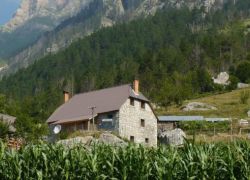
The Bajkaj River Valley is one of the most scenic and serene natural landscapes in northern Albania, located near the town of Kukës in the Kukës County. This valley is home to the Bajkaj River, a tributary of the larger Drin River, and is surrounded by breathtaking mountain views, dense forests, and rich biodiversity. The Bajkaj River Valley offers a unique opportunity to experience the beauty of Albania’s rugged north, making it a must-visit destination for nature lovers, hikers, and those seeking to explore Albania’s natural heritage. The valley is known for its peaceful atmosphere, offering visitors a retreat from the hustle and bustle of city life. How to Reach Bajkaj River Valley The Bajkaj River Valley is located approximately 15 kilometers to the north of the town of Kukës, making it easily accessible by car. From Kukës, visitors can take the Rruga e Kombit (Highway of the Nation) and follow the signs leading to the valley. The drive is relatively short, taking around 20-30 minutes depending on road conditions and the specific route taken. If you're traveling from Tirana, the capital of Albania, you will need to drive for around 4-5 hours (approximately 170 km) to reach Kukës, which is the nearest major town to Bajkaj River Valley. From Kukës, you can hire a taxi or rent a vehicle to take you directly to the valley. For those traveling by bus, there are regular services between Tirana and Kukës, and upon reaching Kukës, you can find local transport options to the valley. Weather in Bajkaj River Valley The weather in the Bajkaj River Valley is influenced by its location in the Albanian Alps, which gives it a continental climate. The summers in the valley are generally warm, with temperatures ranging from 25°C to 30°C (77°F to 86°F), especially in the lower altitudes. However, the high mountain regions surrounding the valley provide cooler temperatures, especially in the mornings and evenings, making it an ideal summer destination. Winters in the Bajkaj River Valley can be quite cold, with temperatures often dipping below freezing. Snowfall is common, particularly at the higher elevations, making the valley a beautiful winter landscape. During the winter months (December to February), the area can experience heavy snowfall, which may impact road access, so it's advisable to check weather conditions before traveling during this period. The best time to visit the Bajkaj River Valley is during spring (April to June) and autumn (September to November), when the weather is mild, and outdoor activities such as hiking and sightseeing are most enjoyable. These seasons provide pleasant weather and fewer tourists, allowing for a more peaceful visit. Timing of the Visit There are no specific visiting hours for the Bajkaj River Valley as it is a natural area, but it is recommended to visit during daylight hours for safety reasons. The valley is a peaceful, quiet place, perfect for a full day trip to explore its surroundings. During the summer, it can get busy with tourists and locals alike, so planning your visit early in the day is a good idea to avoid crowds. For those looking to enjoy the natural beauty of the valley and its river, an ideal visit would last a few hours or even a full day. Visitors can enjoy the lush landscapes, walk along the riverbanks, or take part in activities like hiking and birdwatching. In winter, it’s advisable to visit during the middle of the day when temperatures are slightly warmer, as mornings and evenings can be quite chilly. Why Is Bajkaj River Valley Famous? The Bajkaj River Valley is famous for its untouched natural beauty, peaceful atmosphere, and the variety of outdoor activities it offers. The valley is often described as one of Albania’s hidden gems, far from the bustling tourist destinations. The clear waters of the Bajkaj River, along with its surrounding lush green forests and towering mountains, create a stunning environment that attracts nature lovers and photographers. What makes the valley particularly famous is its diverse flora and fauna. The region is home to various species of plants and animals, including birds, deer, and other mountain wildlife. The river itself, with its crystal-clear waters, adds to the charm of the valley, and visitors often come to admire the natural surroundings or enjoy a peaceful day by the water. Entry and Visit Details about Bajkaj River Valley As a natural site, there is no entry fee to visit the Bajkaj River Valley. The valley is open to the public year-round, with access available via the main road from Kukës. Visitors can either hike to the valley or drive through the surrounding mountainous terrain. If you are planning a longer visit or want to explore the area more deeply, it is advisable to bring supplies such as food, water, and appropriate clothing, especially if you plan to hike or trek. While there are no specific visitor facilities in the valley, you will find some accommodations and small local shops in Kukës, where you can stay or buy supplies for your trip. Kukës offers a variety of accommodations, including hotels, guesthouses, and even eco-lodges that allow visitors to experience the local culture and nature. The town is also home to a few restaurants that serve traditional Albanian dishes, which can be a great way to end your day after exploring the valley. History and Architecture of Bajkaj River Valley The Bajkaj River Valley itself is a natural site, and as such, it doesn’t have a distinct history or architecture in the traditional sense. However, it is deeply connected to the culture and history of the Kukës region. The valley and the river have historically been vital resources for the people who live in the surrounding areas, providing water for agriculture, animal husbandry, and daily life. The valley is also part of the larger ecosystem that supports the traditional mountain lifestyle, where local families have lived for generations. The architecture of the region reflects this heritage, with houses made from local materials such as stone and wood. Visitors to the valley can also explore nearby villages to see examples of traditional Albanian mountain architecture. Things to Do in Bajkaj River Valley The Bajkaj River Valley offers several activities for visitors looking to connect with nature and enjoy the outdoors. Some of the most popular things to do in the area include: Hiking: The valley is a paradise for hikers, with several scenic trails that allow visitors to explore the area’s diverse landscapes. From river walks to mountain treks, there’s something for all levels of experience. Fishing: The Bajkaj River is known for its crystal-clear waters and offers excellent opportunities for fishing. Visitors can fish for local species in a tranquil, picturesque setting. Photography: The natural beauty of the valley, including its mountains, forests, and river, makes it a great destination for photography enthusiasts. Sunrise and sunset provide particularly stunning lighting for capturing the landscape. Wildlife Watching: The valley is home to a range of wildlife, including various bird species, deer, and other animals. Birdwatchers will find plenty of opportunities to spot unique species in the area. Picnicking and Relaxing: The peaceful environment of the valley is perfect for a relaxing picnic by the river. Many visitors simply come to enjoy the natural surroundings, read a book, or unwind after a long day. Interesting Facts about Bajkaj River Valley The Bajkaj River is a tributary of the Drin River, which is one of the longest rivers in Albania. The valley is located in the foothills of the Albanian Alps, which are known for their rugged beauty and biodiversity. The area around Bajkaj River Valley is home to several small villages, many of which still practice traditional farming methods that have been passed down through generations. Despite its natural beauty, the valley remains relatively undiscovered by mass tourism, making it a perfect destination for those seeking tranquility and authenticity. Tips for Visiting Bajkaj River Valley Wear appropriate hiking shoes if you plan on exploring the valley on foot, as the terrain can be rough in some areas. Bring plenty of water and snacks, especially if you plan to hike or spend several hours in the area. If visiting during the winter months, check road conditions beforehand, as snow and ice may make travel difficult. Respect the local environment and wildlife, and make sure to leave no trace during your visit to preserve the beauty of the valley for future generations. Consider hiring a local guide to get more insight into the flora, fauna, and history of the area, especially if you are unfamiliar with the region.
Explore More