Fourvière Hill, Lyon
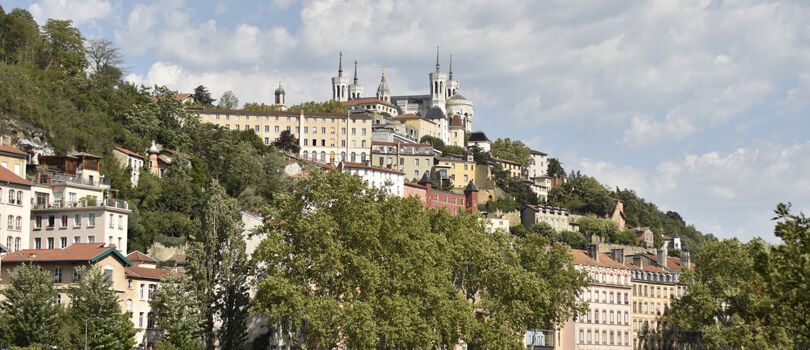
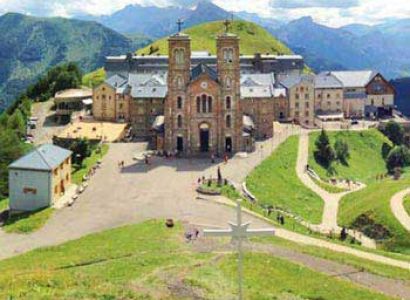
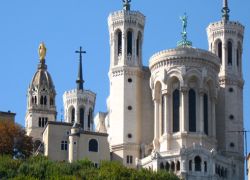
Fourvière Hill is one of the most famous landmarks in Lyon, offering breathtaking panoramic views of the city. It is home to the magnificent Basilica of Notre-Dame de Fourvière and many historical sites.
How to Reach Fourvière Hill, Lyon
You can reach Fourvière Hill using the following modes of transport:
- By Funicular: Take the funicular from Vieux Lyon station to Fourvière.
- By Foot: A scenic but steep walk from Old Lyon.
- By Car: Parking is available near the basilica.
Weather in Lyon
Lyon has a temperate climate with the following seasonal variations:
- Spring (March-May): Mild and pleasant.
- Summer (June-August): Warm, with temperatures reaching up to 30°C.
- Autumn (September-November): Cool with occasional rain.
- Winter (December-February): Cold, sometimes dropping below freezing.
Timing and Entry Details
Fourvière Hill is accessible 24/7, but specific sites like the basilica have visiting hours.
Why is Fourvière Hill Famous?
Fourvière Hill is known for:
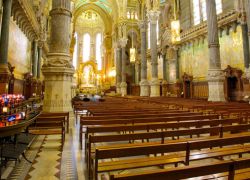
- The Basilica of Notre-Dame de Fourvière, an architectural marvel.
- Stunning views of Lyon from its summit.
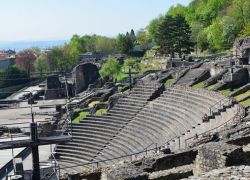
- Its Roman ruins, including an ancient amphitheater.
History and Architecture
Fourvière Hill has historical significance dating back to Roman times. The Basilica, built in the 19th century, showcases intricate mosaics and stunning architecture, blending Romanesque and Byzantine styles.
Things to Do at Fourvière Hill
- Visit the Basilica: Explore its grand interiors and stained glass windows.
- Enjoy the View: Capture stunning panoramic photos of Lyon.
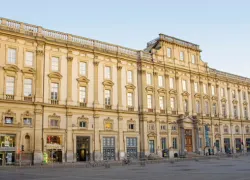
- Explore the Roman Ruins: Discover the ancient theater and museum.
Interesting Facts about Fourvière Hill
- The name "Fourvière" comes from the Latin "Forum Vetus," meaning Old Forum.
- The hill has been a place of pilgrimage for centuries.
- The Basilica was built to thank the Virgin Mary for saving Lyon from plagues and wars.
Tips for Visiting
- Visit early in the morning to avoid crowds.
- Wear comfortable shoes if walking up the hill.
- Take a guided tour to learn about the rich history.