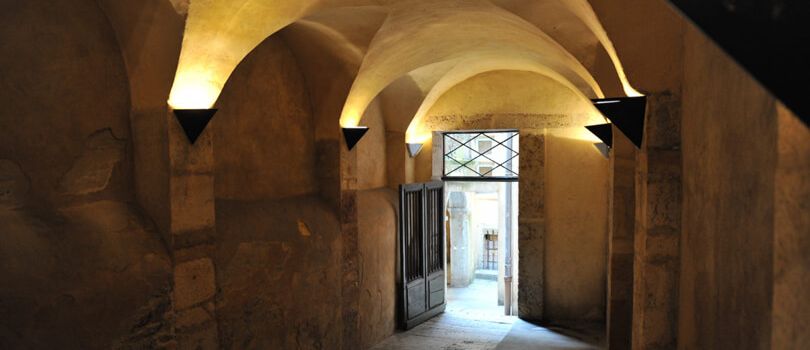
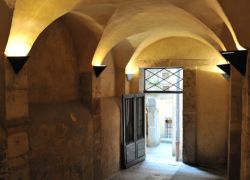
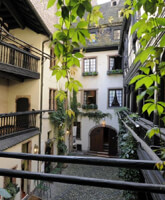
The Traboules of Lyon are secret passageways that date back to the Renaissance period. These unique pathways connect streets through buildings and courtyards, allowing residents and merchants to move quickly through the city.
How to Reach Traboules Lyon, Lyon
There are several ways to access the traboules:
- By Metro: Take Line D to Vieux Lyon and explore the traboules in the Old Town.
- By Bus: Various buses stop near Croix-Rousse, where many traboules are located.
- By Foot: The best way to experience the traboules is by walking through the historic districts.
Weather in Lyon
Lyon has a diverse climate throughout the year:
- Spring (March-May): Mild temperatures and blooming flowers.
- Summer (June-August): Warm and dry, ideal for walking tours.
- Autumn (September-November): Cool weather with occasional rain.
- Winter (December-February): Cold temperatures but still great for indoor visits.
Timing and Entry Details
Most traboules are open to the public, but some are within private residences. Guided tours are available for a deeper insight into their history.
Why are Traboules Lyon Famous?
The traboules are famous for:
- Being a symbol of Lyon’s silk industry.
- Playing a significant role in the French Resistance during World War II.
- Their unique architectural design blending passageways and courtyards.
History and Architecture
The traboules date back to the 4th century and were primarily used by silk workers to transport goods. They are characterized by beautiful Renaissance-style courtyards and spiral staircases.
Things to Do at Traboules Lyon
- Explore Hidden Passageways: Discover the secret routes connecting different streets.
- Take a Guided Tour: Learn about the history and significance of the traboules.
- Visit Croix-Rousse: Experience the district where many traboules are located.
- Admire Architecture: Observe the mix of medieval and Renaissance designs.
Interesting Facts about Traboules Lyon
- There are over 400 traboules in Lyon, but only around 40 are open to the public.
- Traboules helped silk workers efficiently move between workshops and markets.
- During World War II, they served as escape routes for the French Resistance.
- The longest traboule runs for 54 meters, connecting Rue Saint-Jean and Rue du Bœuf.
Tips for Visiting
- Join a guided tour for a better understanding of their history.
- Respect private residences as some traboules are within apartment buildings.
- Wear comfortable shoes, as some paths are narrow and uneven.
- Visit early in the morning for a quieter experience.