
Mubarak Mandi Palace is one of the most important historical landmarks in Jammu, Jammu & Kashmir. Situated on a hill overlooking the Tawi River, this magnificent palace complex served as the royal residence of the Dogra dynasty for several centuries. Known for its grand architecture, rich history, and cultural significance, Mubarak Mandi Palace stands as a symbol of Jammu's royal heritage and attracts history enthusiasts, architecture lovers, and tourists from across the country. The palace complex consists of several buildings, courtyards, halls, and royal chambers constructed over different periods by various Dogra rulers. The blend of Rajasthani, Mughal, Baroque, and European architectural styles makes Mubarak Mandi Palace a unique monument. Even though parts of the palace have suffered damage due to natural disasters and aging, restoration efforts continue to preserve this remarkable heritage site for future generations. Why Mubarak Mandi Palace is Famous? Mubarak Mandi Palace is famous for its historical importance, architectural beauty, and association with the Dogra rulers of Jammu and Kashmir. Royal Residence: It served as the official residence of the Dogra Maharajas until the early 20th century. Architectural Excellence: The palace showcases a fascinating blend of Mughal, Rajasthani, and European architectural styles. Historical Significance: It played a major role in the administration and governance of the Dogra Kingdom. Panoramic Views: The palace offers stunning views of Jammu city and the Tawi River. Cultural Heritage: It represents the rich cultural and royal history of Jammu. Pink Hall Museum: The palace complex houses the famous Dogra Art Museum, known for its collection of rare artifacts and paintings. History of Mubarak Mandi Palace The history of Mubarak Mandi Palace dates back to the early 18th century when the Dogra rulers established Jammu as their capital. Construction of the palace complex began around 1720 and continued for more than a century, with successive rulers adding new sections and buildings. The palace became the principal residence of the Dogra kings, including Maharaja Gulab Singh, who founded the princely state of Jammu and Kashmir in 1846. The complex witnessed many important political, administrative, and royal events throughout its history. Over the years, the palace served not only as a residence but also as the center of governance for the Dogra Kingdom. Several royal ceremonies, meetings, and cultural activities were held within its premises. In 1925, the royal family moved to the newly built Hari Niwas Palace, and Mubarak Mandi gradually lost its status as the primary royal residence. Despite facing damage from earthquakes and neglect, the palace remains one of the most significant heritage structures in Jammu. Architecture of Mubarak Mandi Palace Mubarak Mandi Palace is renowned for its remarkable architectural design. The palace complex covers a large area and consists of numerous buildings constructed over different periods, resulting in a unique blend of architectural styles. The architecture combines: Rajasthani Style: Decorative balconies, jharokhas, and intricate carvings. Mughal Influence: Arched doorways, elegant courtyards, and symmetrical layouts. European Features: Large halls, decorative columns, and Baroque-style elements. Dogra Architecture: Traditional local craftsmanship and construction techniques. One of the most prominent sections is the Pink Hall, which features striking pink-colored exteriors and beautiful interiors. The palace also contains spacious courtyards, royal chambers, reception halls, and ornate windows that showcase the grandeur of the Dogra era. The elevated location of the palace provides magnificent views of the surrounding cityscape and the Tawi River, adding to its architectural appeal. How to Reach Mubarak Mandi Palace, Jammu Mubarak Mandi Palace is located in the heart of Jammu city and is easily accessible through various modes of transportation. By Air The nearest airport is Jammu Airport, located approximately 7 kilometers from the palace. Taxis and app-based cab services are readily available from the airport. By Train Jammu Tawi Railway Station is about 6 kilometers away from Mubarak Mandi Palace. The station is well-connected to major cities such as Delhi, Mumbai, Kolkata, and Chandigarh. By Road Jammu enjoys excellent road connectivity with major cities in North India. State transport buses, private buses, and taxis regularly operate to Jammu from nearby destinations. Local Transport Auto-rickshaws, taxis, minibuses, and local transport services can easily take visitors to the palace complex from any part of Jammu city. Weather at Mubarak Mandi Palace Jammu experiences varied weather conditions throughout the year. Summer (March to June): Temperatures range between 25°C and 42°C. Mornings and evenings are better for sightseeing. Monsoon (July to September): Moderate rainfall occurs, making the surroundings greener. Winter (October to February): Pleasant temperatures ranging from 7°C to 22°C make this the ideal season for visiting. The best time to explore Mubarak Mandi Palace is from October to March when the weather remains comfortable. Timings of Mubarak Mandi Palace The palace complex is generally open to visitors during the daytime. Opening Hours: 10:00 AM to 5:00 PM Open Days: Usually open throughout the week, except on certain public holidays and maintenance days. Best Time to Visit: Morning hours for pleasant weather and fewer crowds. Visitors are advised to verify current timings before planning their visit, as restoration work may occasionally affect accessibility. Entry and Visit Details Mubarak Mandi Palace welcomes tourists, historians, and architecture enthusiasts. Entry Fee: Entry charges may vary depending on specific sections open to visitors. Photography: Photography is generally allowed in outdoor areas. Additional permissions may be required for professional photography. Guided Tours: Local guides are available to explain the history and significance of the palace. Museum Access: Visitors can explore the Dogra Art Museum located within the Pink Hall section. Basic visitor facilities are available near the palace complex, including parking areas, food outlets, and public conveniences. Things to Do at Mubarak Mandi Palace Explore Historical Architecture: Admire the intricate blend of Mughal, Rajasthani, and European architectural styles. Visit Dogra Art Museum: Discover rare manuscripts, miniature paintings, royal artifacts, and historical exhibits. Photography: Capture beautiful images of the palace, courtyards, and city views. Learn About Dogra History: Gain insights into the rulers who shaped Jammu and Kashmir's history. Enjoy Scenic Views: Take in panoramic views of the Tawi River and Jammu city. Observe Restoration Work: Witness ongoing efforts to preserve one of Jammu's most treasured heritage sites. Explore Nearby Attractions: Visit Raghunath Temple, Bahu Fort, Amar Mahal Palace Museum, and Ranbireshwar Temple. Interesting Facts about Mubarak Mandi Palace The palace complex took more than 150 years to reach its present form. It served as the royal residence of the Dogra dynasty for nearly two centuries. The famous Pink Hall within the palace now houses the Dogra Art Museum. The architecture reflects a rare fusion of Indian and European styles. The palace overlooks the scenic Tawi River. Several sections of the palace were damaged during earthquakes but continue to be restored. The palace was once the administrative headquarters of the Dogra Kingdom. Many royal ceremonies and state functions were conducted within its walls. Tips for Visiting Mubarak Mandi Palace Visit during the winter season for comfortable sightseeing. Wear comfortable footwear, as exploring the palace involves considerable walking. Hire a local guide to understand the historical significance of various sections. Carry drinking water, especially during summer months. Check current accessibility before visiting, as restoration work may affect some areas. Keep a camera handy to capture the palace's architectural beauty. Respect heritage conservation rules and avoid touching delicate structures. Combine your visit with nearby historical attractions in Jammu. Arrive early to enjoy the palace without large crowds. Conclusion Mubarak Mandi Palace is one of the most remarkable historical monuments in Jammu, Jammu & Kashmir. Its royal legacy, stunning architecture, and cultural significance make it an essential destination for anyone interested in history and heritage. The palace offers visitors a fascinating journey into the era of the Dogra rulers while providing breathtaking views of Jammu city and the Tawi River. Whether you are an architecture enthusiast, history lover, photographer, or tourist, Mubarak Mandi Palace promises a memorable and enriching experience that showcases the grandeur of Jammu's royal past.
Explore More
Jammu Tawi Railway Station, located in the heart of Jammu city, is more than just a transit hub; it is a landmark that embodies the rich history and cultural significance of the region. Serving as a gateway to the picturesque state of Jammu and Kashmir, this railway station holds a special place in the hearts of locals and tourists alike. History of Jammu Tawi Railway Station The history of Jammu Tawi Railway Station dates back to the colonial era when the British established the rail network in the region. Initially serving as a vital link for trade and transportation, the station has evolved over the years to become a key transportation hub connecting Jammu to various parts of the country. Architecture and Natural Beauty of Jammu Tawi Railway Station Surrounded by the natural beauty of the Jammu region, the railway station offers a glimpse of the lush landscapes and serene surroundings that characterize this part of the country. The architecture of the station reflects a blend of traditional and modern elements, creating a unique ambiance for travelers. Why is Jammu Tawi Railway Station Famous? Jammu Tawi Railway Station is renowned for its strategic location and the seamless connectivity it provides to travelers visiting the region. It serves as a crucial entry point for tourists exploring the scenic beauty and cultural heritage of Jammu and Kashmir. How to Reach Jammu Tawi Railway Station Traveling to Jammu Tawi Railway Station is convenient, with options available by air, rail, and road. The station is well connected to major cities and towns, making it easily accessible for both domestic and international visitors. Nearby airports and railway stations further enhance the accessibility of this transportation hub. Weather and Best Time to Visit Jammu Tawi Railway Station The weather at Jammu Tawi Railway Station varies with the seasons, offering different experiences throughout the year. While summers are warm and pleasant, the monsoon season brings lush greenery to the surroundings. Winter transforms the region into a winter wonderland, making it an ideal time for a visit. Timings of Jammu Tawi Railway Station Jammu Tawi Railway Station operates round the clock, catering to the needs of travelers arriving and departing at various hours of the day. Whether you are embarking on an early morning journey or reaching late at night, the station remains functional to ensure a smooth travel experience. Entry Fee and Visit Details Entry to Jammu Tawi Railway Station is free for all visitors, with facilities such as guide services, luggage handling, and waiting areas available for passenger convenience. The station also offers amenities like food stalls, restrooms, and ticketing counters to meet the needs of travelers. Things to Do at Jammu Tawi Railway Station While waiting for trains, visitors can engage in various activities such as people-watching, exploring the station premises, or simply enjoying a cup of chai at the local tea stalls. The vibrant atmosphere and bustling energy of the station make it an interesting place to observe daily life in Jammu. Interesting Facts About Jammu Tawi Railway Station Jammu Tawi Railway Station serves as a lifeline for the region, connecting it to the rest of the country and facilitating trade, tourism, and cultural exchange. The station witnesses a diverse influx of travelers, creating a melting pot of cultures and experiences within its premises. Travel Tips for Visiting Jammu Tawi Railway Station When visiting Jammu Tawi Railway Station, it is advisable to dress comfortably and carry essential travel documents for a hassle-free experience. Photography enthusiasts can capture the vibrant sights and sounds of the station, while birdwatchers may spot a variety of avian species in the vicinity. Conclusion In conclusion, Jammu Tawi Railway Station stands as a symbol of connectivity and unity, bridging gaps between different regions and cultures. Whether you are a traveler passing through or a visitor exploring Jammu city, the station offers a glimpse into the vibrant tapestry of life in this enchanting destination.
Explore More
Baba Reshi Shrine is a historical shrine in the district of Baramulla in J&K. It was built in the late 14th century in the Persian style of architecture during the Mughal rule in India. This shrine is the tomb of the Sufi saint, Baba Payam-Ud-Din Reshi. It is frequented on a huge scale by the Muslims, especially on the birth & death anniversary of the saint.It Is Known For:-1) Baba Reshi Shrine is a historical shrine in Kashmir. It is the resting place of Payam-Ud-Din Reshi, a Sufi saint.2) According to the folklore, Baba Reshi meditated at this place and served the people who were in need.3) The shrine is built in the Persian style of architecture. It has a minaret inside the premises where the grave of the saint is located.4) The grave is covered with the cloth having embroidery of the Quranic verses.5) The birth-death anniversary and the festival of Eid is celebrated here with a great zest.Best Time To Visit:-Baba Reshi Shrine attracts millions of visitors from different parts of Kashmir. Though it can be visited during any time of the year, the best time to visit this place is on the occasion of Eid, Ramadan, and birth-death anniversary of Baba Payam-Ud-Din-Reshi.No entry fee is charged from visitors.Watch Out!Pilgrims often offer a chaadar (decorated fabric sheet) on the grave of the saint as a respect. It is said that offering a chaadar pleases the almighty and washes away the troubles immediately.Reaching There:-Baba Reshi Shrine is located in Baramulla district and it has a well-established connectivity to the roadways, railways, and airways. This place can be reached easily from anywhere in Kashmir.Nearest Railway Station:- Baramulla Railway StationNearest Airport:- Srinagar Airport
Explore More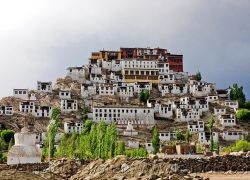
The Thiksey Monastery is one of the most important and visually stunning Buddhist monasteries located in Leh Ladakh, Jammu & Kashmir. Built on a hilltop overlooking the Indus Valley, this monastery is famous for its massive structure, peaceful atmosphere, and deep spiritual significance. It is one of the most visited attractions in Ladakh and offers a perfect blend of culture, history, architecture, and natural beauty. About Thiksey Monastery Thiksey Monastery is a large Tibetan Buddhist monastery belonging to the Gelugpa (Yellow Hat) sect. It is located approximately 19 km from Leh city and is home to hundreds of monks who live, study, and practice Buddhism here. The monastery complex is built in a stepped formation on a hill, making it one of the most impressive sights in the region. Thiksey Monastery is often compared to the Potala Palace in Tibet due to its architectural style and grand appearance. It plays an important role in preserving Buddhist teachings and traditions in Ladakh. History of Thiksey Monastery The monastery was founded in the 15th century by Palden Zangpo, a disciple of the great Tibetan Buddhist reformer Je Tsongkhapa. Over the centuries, it grew into an important center for Buddhist learning, meditation, and spiritual practice. Thiksey Monastery has preserved ancient manuscripts, religious artifacts, statues, and paintings that reflect centuries of Buddhist heritage. It continues to serve as a major religious institution in Ladakh. Architecture of Thiksey Monastery The architecture of Thiksey Monastery is one of its biggest attractions. The structure is built in a unique stepped design that rises up the hill like a fortress. It has around 12 levels, each containing different sections such as prayer halls, temples, residential quarters, and meditation rooms. Inside the monastery, visitors can see beautifully painted murals, ancient thangkas, and golden statues of Lord Buddha. The main highlight is the large 15-meter-high statue of Maitreya Buddha, which is one of the tallest indoor Buddha statues in Ladakh. Why Thiksey Monastery is Famous Thiksey Monastery is famous for its breathtaking hilltop location, spiritual importance, and architectural beauty. It is especially known for its morning prayer ceremonies, where monks gather to chant Buddhist prayers in a peaceful and rhythmic atmosphere. The monastery is also famous for its panoramic views of the Indus Valley, making it a favorite destination for photographers and travelers. Entry Fees and Timings Opening Hours: 6:00 AM to 7:00 PM (approx.) Entry Fee: ₹20 to ₹50 per person (approx.) Camera Charges: May apply in certain prayer halls or restricted areas How to Reach Thiksey Monastery By Air: The nearest airport is Kushok Bakula Rimpochee Airport in Leh. From the airport, Thiksey Monastery is about 19–20 km away and can be easily reached by taxi or private cab. By Road: The monastery is well connected by road from Leh city. Visitors can hire taxis, rent bikes, or join local sightseeing tours. By Bus: Shared taxis and limited local buses are available between Leh and nearby villages, including Thiksey. Weather and Best Time to Visit Thiksey Monastery experiences a cold desert climate with dry air and extreme temperature variations throughout the year. Summer (May to September): 10°C to 25°C – Best time for travel and sightseeing Winter (October to April): Can drop below -15°C with heavy snowfall and road closures Summer is the most suitable time to visit as the weather remains pleasant and roads are open for travel. Things to Do at Thiksey Monastery • Attend the early morning prayer ceremony with monks • Explore the multi-level monastery complex • Visit the giant Maitreya Buddha statue • Enjoy panoramic views of the Indus Valley and mountains • Learn about Tibetan Buddhist culture and traditions • Capture stunning photographs of architecture and landscapes Interesting Facts About Thiksey Monastery • It is often called the “Mini Potala Palace” of Ladakh • One of the largest monasteries in central Ladakh • Home to centuries-old Buddhist teachings and artifacts • Houses a 15-meter-high statue of Maitreya Buddha • Plays a key role in Buddhist education and practice in the region Travel Tips for Visitors • Acclimatize properly before visiting due to high altitude • Carry warm clothes even during summer months • Respect monastery rules and maintain silence inside prayer areas • Avoid flash photography during religious rituals • Carry sufficient cash as digital payments may not always work Conclusion Thiksey Monastery is a remarkable destination that beautifully combines spirituality, culture, history, and natural beauty. Its peaceful environment, ancient traditions, and stunning hilltop architecture make it one of the most important monasteries in Ladakh. Whether you are a traveler, photographer, or spiritual seeker, a visit to Thiksey Monastery offers a truly unforgettable experience in the Himalayas.
Explore More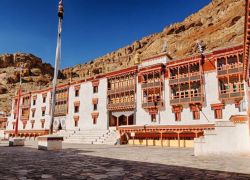
The Hemis Monastery is one of the most iconic and spiritually significant Buddhist monasteries in India, located in the stunning region of Leh Ladakh, Jammu & Kashmir. Surrounded by the mighty Himalayas, this ancient monastery is a major attraction for pilgrims, travelers, photographers, and culture lovers who come to experience its peaceful environment and rich Tibetan Buddhist heritage. About Hemis Monastery Hemis Monastery is the largest and wealthiest monastery in Ladakh. It belongs to the Drukpa lineage of Tibetan Buddhism and is located around 45 km from Leh city. The monastery is known for its peaceful surroundings, ancient spiritual practices, and strong cultural importance in the region. Leh Ladakh is a high-altitude desert region famous for its monasteries, mountains, and unique culture. Hemis Monastery stands as one of its most important spiritual landmarks. History of Hemis Monastery Hemis Monastery was re-established in 1672 under the patronage of King Sengge Namgyal with the help of the Drukpa Buddhist sect. The monastery has roots that are believed to be even older. Over time, it became an important center for Buddhist learning, meditation, and preservation of ancient teachings. It houses rare manuscripts, sacred relics, and traditional Buddhist paintings that reflect centuries of spiritual tradition. The monastery is also linked to various legends, including stories that attract global curiosity and research interest. Architecture of Hemis Monastery The architecture of Hemis Monastery reflects traditional Tibetan Buddhist style. It is built using stone and wood and is designed as a large complex with multiple levels. Inside the monastery, visitors can see prayer halls, meditation rooms, courtyards, and living quarters for monks. The walls are decorated with beautiful murals, statues of Lord Buddha, and ancient thangkas. One of the highlights is a giant sacred thangka displayed during festivals. Why Hemis Monastery is Famous The monastery is world-famous for the Hemis Festival, which celebrates Guru Padmasambhava. During this festival, monks perform traditional masked dances, rituals, and cultural performances. It is also famous for being a major center of Tibetan Buddhism, its ancient relics, peaceful atmosphere, and stunning Himalayan backdrop. Entry Fees and Timings Opening Hours: 8:00 AM to 1:00 PM and 2:00 PM to 6:00 PM (approx.) Entry Fee: ₹50–₹100 (approx., may vary for Indian and foreign tourists) Camera Charges: Additional charges may apply inside certain sections How to Reach Hemis Monastery By Air: The nearest airport is Kushok Bakula Rimpochee Airport in Leh. From Leh, taxis and private vehicles are available to reach Hemis Monastery. By Road: Hemis is around 45 km from Leh and is easily accessible by taxi, bike, or tour vehicles via scenic mountain roads. By Bus: Limited public transport is available, but shared taxis are the most convenient option for tourists. Weather and Best Time to Visit The region has cold desert weather conditions. Summers are the best time to visit as roads remain open and weather is pleasant. Summer (May to September): 15°C to 25°C Winter (October to April): Can drop below -15°C Winter visits are difficult due to heavy snowfall and extreme cold conditions. Things to Do at Hemis Monastery • Explore the monastery complex and prayer halls • Attend the famous Hemis Festival • Experience meditation and spiritual peace • Take photography of architecture and landscapes • Interact with monks and learn Buddhist teachings Interesting Facts • Largest monastery in Ladakh • Home to rare Buddhist relics and scriptures • Hemis Festival attracts global tourists • Belongs to Drukpa lineage of Buddhism • Over 400 years of cultural heritage Travel Tips • Acclimatize properly due to high altitude • Carry warm clothes even in summer • Respect local customs and traditions • Carry cash as ATMs are limited • Avoid plastic and keep environment clean Conclusion Hemis Monastery is a perfect blend of spirituality, culture, history, and natural beauty. Located in the heart of Ladakh, it offers visitors a peaceful escape from modern life. Whether you are a traveler, photographer, or spiritual seeker, this monastery provides a deeply enriching and unforgettable experience.
Explore More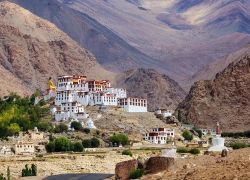
Spituk Monastery, also known as Spituk Gompa, is one of the most important Buddhist monasteries in Ladakh, Jammu & Kashmir. Located near Leh, it sits dramatically on a hilltop overlooking the Indus River and offers stunning views of the surrounding Himalayan landscape. The monastery is a spiritual center for Tibetan Buddhism and is home to monks of the Gelugpa sect. It is also famous for its ancient religious artifacts, annual festivals, and peaceful atmosphere that attracts travelers from around the world. Spituk Monastery, Leh Ladakh, Jammu & Kashmir is famous for its spiritual significance, hilltop location, Buddhist heritage, and panoramic views of the Indus Valley. History of Spituk Monastery Spituk Monastery was founded in the 11th century by Od-de, the elder brother of Lha Lama Changchub Od, a Tibetan king who played a key role in spreading Buddhism in Ladakh. The monastery was later reformed and developed by the Gelugpa order in the 15th century, which is the same sect followed by the Dalai Lama. Over time, it became an important religious and cultural center in the region. Today, Spituk Monastery continues to function as an active monastery, housing monks and preserving centuries-old Buddhist traditions. Architecture of Spituk Monastery Spituk Monastery is built in traditional Tibetan style architecture, featuring whitewashed walls, prayer halls, stupas, and golden statues of Buddhist deities. The monastery complex includes assembly halls, meditation rooms, monks’ quarters, and ancient shrines filled with murals and religious scriptures. One of the main highlights is the giant statue of Goddess Kali, which is displayed during the annual Gustor Festival. The hilltop location enhances its architectural beauty, offering breathtaking views of the Indus River and surrounding mountains. Why Spituk Monastery is Famous Spituk Monastery is famous for its spiritual importance in Tibetan Buddhism and its association with the Gelugpa sect. It is also known for its annual Gustor Festival, where monks perform traditional masked dances and rituals. The monastery’s scenic location near Leh makes it a popular stop for tourists exploring Ladakh. How to Reach Spituk Monastery Spituk Monastery is located about 8 km from Leh city and is easily accessible by road. By Air: The nearest airport is Kushok Bakula Rimpochee Airport in Leh, approximately 5–6 km away. Taxis are easily available from the airport. By Road: Spituk is well connected by road from Leh city. Visitors can hire taxis, bikes, or local transport to reach the monastery. By Trek: Some travelers prefer short scenic walks or cycling routes from Leh to Spituk Monastery. Weather at Spituk Monastery Spituk Monastery experiences a cold desert climate typical of Ladakh. Summer (May to September): Pleasant and the best time to visit, with temperatures ranging from 10°C to 25°C. Winter (October to March): Extremely cold with temperatures dropping below -15°C and heavy snowfall in surrounding areas. Spring: Mild weather with clear skies, ideal for photography and sightseeing. Timing and Entry Details Spituk Monastery is generally open daily from 6:00 AM to 6:00 PM. There is usually a small entry fee for tourists, while locals may have free access. Visitors are advised to check festival dates as timings may vary during religious events. Things to Do at Spituk Monastery Explore ancient Buddhist prayer halls filled with murals, scriptures, and statues. Attend the Gustor Festival to witness traditional Cham masked dances performed by monks. Enjoy panoramic views of the Indus Valley and surrounding Himalayan peaks. Meditate or spend quiet time in the peaceful environment of the monastery. Interesting Facts About Spituk Monastery The monastery is over 900 years old and is one of the oldest in Ladakh. It belongs to the Gelugpa sect of Tibetan Buddhism, the same tradition as the Dalai Lama. A giant statue of Goddess Kali is revealed only during the annual Gustor Festival. The monastery offers one of the best panoramic viewpoints of Leh Valley and Indus River. Travel Tips for Visitors Wear warm clothing even in summer due to cold winds at higher altitudes. Respect local customs and maintain silence inside prayer halls. Carry water and sunscreen as Ladakh has strong sunlight and dry air. Visit during morning hours for the best lighting and peaceful experience. Conclusion Spituk Monastery in Leh Ladakh is a beautiful blend of spirituality, history, and natural beauty. Its ancient Buddhist heritage and breathtaking location make it a must-visit destination for travelers exploring Ladakh. Whether you are a spiritual seeker, history lover, or adventure traveler, Spituk Monastery offers a peaceful and unforgettable Himalayan experience.
Explore More
Welcome to the enchanting Drass War Memorial located in the city of Kargil. This memorial stands as a testament to the valor and sacrifices made by the brave soldiers during the Kargil War, making it a significant landmark in the region. History of Drass War Memorial The Drass War Memorial holds a poignant historical background, commemorating the heroes of the Kargil War. It was established on the former battlegrounds and serves as a reminder of the brave soldiers who laid down their lives for the nation. The memorial's creation also signifies the conservation efforts to preserve the memory of the war heroes and has garnered recognition for its historical significance. Architecture and Natural Beauty of Drass War Memorial Surrounded by the serene natural environment of Kargil, the Drass War Memorial offers a peaceful setting amidst the rugged landscapes. The memorial is a blend of architectural beauty and historical significance, attracting visitors with its poignant tribute to the martyrs. The lush greenery and picturesque views add to the tranquility of the memorial site. Why is Drass War Memorial Famous? The Drass War Memorial is renowned for its emotional impact and the tribute it pays to the soldiers who fought bravely during the Kargil War. It holds a special place in the hearts of visitors, especially for those interested in history, patriotism, and honoring the sacrifices made by the armed forces. How to Reach Drass War Memorial Traveling to the Drass War Memorial is convenient with various options available. Visitors can reach Kargil by air, rail, or road, with nearby airports and railway stations providing easy access to the city. The memorial is well-connected by road, allowing for a seamless journey to this significant landmark. Weather and Best Time to Visit Drass War Memorial The weather at Drass War Memorial varies throughout the seasons, offering unique experiences for visitors. While summers provide pleasant temperatures, monsoons bring lush greenery to the surroundings. Winter showcases a snowy wonderland, making it an ideal time for snow enthusiasts. The best time to visit depends on individual preferences, with each season offering a distinct charm. Timings of Drass War Memorial The Drass War Memorial welcomes visitors during specific timings, ensuring a structured and informative experience for guests. Seasonal variations may affect the operating hours, so it is advisable to plan your visit accordingly to make the most of your time at the memorial. Entry Fee and Visit Details Entry to the Drass War Memorial may be subject to certain procedures and fees, which contribute to the maintenance and upkeep of the site. Guide services, safari options, bicycle rentals, and visitor facilities are available to enhance your visit and provide a comprehensive experience at the memorial. Things to Do at Drass War Memorial Visitors to the Drass War Memorial can engage in various activities that cater to different interests. From birdwatching to photography, cycling, walking trails, and nature observation, there are ample opportunities to explore the surroundings and immerse yourself in the serene ambiance of the memorial. Educational experiences are also available for those seeking to learn more about the history and significance of the site. Interesting Facts About Drass War Memorial The Drass War Memorial is not just a tribute to the soldiers but also a hub of biodiversity and conservation efforts. Its ecological importance is highlighted by the presence of migratory birds and the lush greenery that surrounds the memorial. The site's conservation achievements add to its significance, making it a must-visit destination for nature enthusiasts. Travel Tips for Visiting Drass War Memorial When planning a visit to the Drass War Memorial, it is essential to consider factors like clothing, photography gear, and birdwatching equipment. Understanding the best seasons to visit and practicing responsible tourism are crucial for a memorable and respectful experience at the memorial. By following these travel tips, visitors can make the most of their trip while appreciating the significance of the site. Conclusion In conclusion, the Drass War Memorial in Kargil stands as a poignant reminder of the sacrifices made by the soldiers during the Kargil War. With its historical significance, natural beauty, and homage to the war heroes, the memorial offers visitors a unique and emotional experience. Whether you are a history buff, nature enthusiast, or patriot, a visit to the Drass War Memorial is sure to leave a lasting impact and deepen your understanding of the region's rich heritage.
Explore More
Welcome to the Munshi Aziz Bhat Museum, situated in the charming city of Kargil. This museum is a treasure trove of history and culture, offering visitors a glimpse into the rich heritage of the region. The museum's unique collection and fascinating exhibits make it a must-visit destination for history enthusiasts and curious travelers alike. History of Munshi Aziz Bhat Museum The Munshi Aziz Bhat Museum holds a significant historical background, showcasing the legacy of the Bhat family who were prominent traders in the region. The museum is a testament to their contributions and showcases artifacts that reflect the cultural heritage of Kargil. Once a residence of the Bhat family, the museum now stands as a symbol of their legacy and the history of the region. Architecture and Natural Beauty of Munshi Aziz Bhat Museum Surrounded by the natural beauty of Kargil, the museum itself is a blend of traditional architecture and modern preservation techniques. The picturesque landscapes around the museum add to its charm, making it a serene and culturally significant site. Visitors can also explore the nearby historic sites and experience the tranquility of the surroundings. Why is Munshi Aziz Bhat Museum Famous? The Munshi Aziz Bhat Museum is renowned for its unique collection of artifacts that offer insights into the history, culture, and traditions of Kargil. It attracts history buffs, culture enthusiasts, and travelers seeking to understand the heritage of the region. The museum's popularity also stems from its role in preserving and promoting the local history and traditions. How to Reach Munshi Aziz Bhat Museum Traveling to the Munshi Aziz Bhat Museum is convenient, with various options available. Visitors can reach Kargil by air, rail, or road, with the nearest airport and railway station located within accessible distances. The well-connected road network also makes it easy to reach the museum by private or public transport. Weather and Best Time to Visit Munshi Aziz Bhat Museum The weather in Kargil varies across seasons, offering different experiences to visitors throughout the year. While summers are pleasant for sightseeing, monsoons bring lush greenery to the surroundings. Winter transforms the landscape into a winter wonderland, creating a unique charm. The best time to visit the Munshi Aziz Bhat Museum is during the summer and early autumn months when the weather is favorable for exploration. Timings of Munshi Aziz Bhat Museum The museum welcomes visitors during specific timings, allowing them to explore the exhibits at their own pace. Timings may vary seasonally, so it is advisable to check the schedule before planning your visit. Understanding the operational hours ensures a smooth and enjoyable experience at the museum. Entry Fee and Visit Details Entry to the Munshi Aziz Bhat Museum requires a nominal fee, providing access to the rich cultural heritage it houses. Visitors can also avail guide services for a more informative tour and explore the museum's offerings in detail. The museum may offer safari options, bicycle rentals, and other visitor facilities for a comprehensive experience. Things to Do at Munshi Aziz Bhat Museum Visitors to the Munshi Aziz Bhat Museum can engage in various activities to enhance their experience. From exploring the exhibits and learning about the history of the region to indulging in birdwatching and photography, there are ample opportunities for cultural immersion and relaxation. The museum's serene surroundings also provide ideal settings for nature observation and educational experiences. Interesting Facts About Munshi Aziz Bhat Museum The Munshi Aziz Bhat Museum is not just a repository of artifacts but a living testament to the cultural heritage of Kargil. The museum's collection includes rare pieces that offer insights into the region's history, biodiversity, and conservation efforts. Visitors can learn fascinating facts about migratory birds, local traditions, and the significance of preserving cultural heritage. Travel Tips for Visiting Munshi Aziz Bhat Museum When planning a visit to the Munshi Aziz Bhat Museum, it is advisable to dress comfortably and carry necessary items such as water, sunscreen, and a camera for capturing the beauty of the surroundings. Birdwatching enthusiasts can bring binoculars for a closer view of the avian species in the area. Understanding the best visiting seasons and following responsible tourism practices enhances the overall experience. Conclusion In conclusion, the Munshi Aziz Bhat Museum in Kargil stands as a beacon of cultural heritage and historical significance. Its diverse exhibits, serene surroundings, and informative offerings make it a top destination for travelers seeking to explore the rich tapestry of Kargil's past. A visit to this museum promises an enriching experience that combines history, culture, and natural beauty in a harmonious blend.
Explore More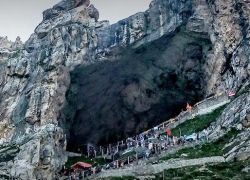
Amarnath Cave requires no introduction. It is one of the holiest shrines for the followers of Hinduism. Dedicated to Lord Shiva, this holy cave exists in the valley of Kashmir since a long time. A sixteen-feet-tall Shivalinga, entirely made up of ice, is formed naturally during winters. Numerous devotees on a huge scale throng to this cave to seek the blessings of Baba Barfani. It Is Known For:- 1) Amarnath Cave is a holy shrine in Jammu-Kashmir and is dedicated to Lord Shiva. Each year, the ice representation of Lord Shiva in the form of a Shivalinga is formed naturally. 2) This cave is believed to be the place where Lord Mahadev revealed the secret of eternity to Goddess Parvati. He removed all his accessories including Vasuki- the snake, his trident, the moon, and the damaru. However, the lord was unaware of the presence of a couple of white pigeons. 3) Those white pigeons are said to be immortal and can be sighted inside the cave of Amarnath. 4) For a major portion of the year, this cave remains covered with the snow. The snow on the outer side of the cave melts with the onset of the holy journey and allows an access to the pilgrims. Best Time To Visit:- Amarnath Caves can be visited best during June-August. It is the appropriate time because the pilgrimage is made during these months. Throughout the journey, the devotees are provided with all the required facilities by the shrine board authorities. A small regiment of The Indian Army is also deployed for ensuring the peace and safety throughout Amarnath Yatra. Watch Out! Amarnath Cave is a holy place and all devotees should maintain the decorum of the place. In order to maintain the divine aura in the cave, the incense sticks should be kept away from the ice Shivalinga. Moreover, you should also abstain from touching the Shivalinga in any manner. If you have difficulty in reaching the cave on foot then the service of the mules and palanquin is available. Reaching There:- Pahalgam is the nearest township to Amarnath Cave. This place is well-connected to the whole Kashmir via major highways, railheads, and airways. It can be reached from anywhere in Kashmir via these means. Commuting within the town of Pahalgam can be done via local buses, taxis, autos, and horse-carts. Nearest Railway Station:- Jammu Railway Station Nearest Airport:- Srinagar Airport
Explore More
Welcome to Chandanwari, a mesmerizing tourist attraction located in Pahalgam. This enchanting destination is renowned for its natural beauty, biodiversity, and tranquil environment, making it a paradise for nature lovers and adventure enthusiasts alike. History of Chandanwari Chandanwari holds a rich historical background, with origins dating back to its existence as former royal hunting grounds. Over the years, significant conservation efforts have been made to preserve the natural habitat, leading to its recognition by UNESCO for its ecological importance. Architecture and Natural Beauty of Chandanwari The charm of Chandanwari lies in its diverse landscapes, encompassing wetlands, lush forests, vast grasslands, and thriving bird habitats. Amidst this natural beauty stands the historical Keoladeo Temple, adding a touch of spirituality to the serene surroundings. Why is Chandanwari Famous? Chandanwari is celebrated for being a haven for birdwatchers, photographers, and wildlife enthusiasts. Its abundant biodiversity and picturesque landscapes offer a perfect setting for capturing the beauty of nature in its purest form. How to Reach Chandanwari Traveling to Chandanwari is convenient, with options available by air, rail, and road. The nearest airports and railway stations provide easy access to this picturesque destination, allowing visitors to embark on a memorable journey with ease. Weather and Best Time to Visit Chandanwari Chandanwari experiences varying weather conditions throughout the seasons, each offering a unique charm to visitors. While summer brings pleasant days for exploration, the winter snowfall transforms the landscape into a winter wonderland. The best time to visit depends on personal preferences, with each season offering a distinct experience. Timings of Chandanwari Visiting timings at Chandanwari are designed to accommodate the needs of travelers, ensuring a comfortable and memorable experience. Seasonal variations may impact operational hours, so it is advisable to plan ahead and check for any updates before embarking on your journey. Entry Fee and Visit Details Entry procedures at Chandanwari are hassle-free, with guide services available for those seeking a deeper insight into the surroundings. Safari options, bicycle rentals, and visitor facilities are also provided to enhance the overall experience and make your visit truly unforgettable. Things to Do at Chandanwari Engage in a myriad of activities at Chandanwari, from birdwatching and photography to cycling along scenic trails. Immerse yourself in nature's wonders, observe the diverse wildlife, and partake in educational experiences that offer a deeper understanding of the ecosystem. Interesting Facts About Chandanwari Chandanwari is home to a plethora of migratory birds, showcasing the region's rich biodiversity and conservation efforts. The conservation achievements and ecological significance of this destination highlight the importance of preserving such natural treasures for future generations to cherish. Travel Tips for Visiting Chandanwari When visiting Chandanwari, remember to dress appropriately for the weather, carry essential photography and birdwatching equipment, and be mindful of the visiting seasons to make the most of your trip. Embrace responsible tourism practices to contribute to the preservation of this natural haven. Conclusion In conclusion, Chandanwari in Pahalgam is a sanctuary of nature's beauty, offering visitors a chance to immerse themselves in the serenity of its landscapes and witness the wonders of biodiversity. Whether you are a nature enthusiast, a photographer, or a wildlife lover, Chandanwari promises an unforgettable experience that will leave you in awe of the natural world.
Explore More
Welcome to the picturesque destination of Padum in the enchanting city of Zanskar. This hidden gem nestled within the heart of the Himalayas offers a unique blend of natural beauty, cultural heritage, and serene landscapes that attract travelers from around the globe. History of Padum Padum boasts a rich historical legacy dating back to ancient times. Once a royal hunting ground, this region has witnessed significant conservation efforts to preserve its unique biodiversity. Recognized by UNESCO, Padum stands as a testament to the harmonious coexistence of nature and culture. Architecture and Natural Beauty of Padum The natural environment of Padum is a sight to behold, with lush wetlands, dense forests, expansive grasslands, and diverse bird habitats. Amidst this beauty lies the historic Keoladeo Temple, adding a touch of spirituality to the landscape. Why is Padum Famous? Padum's popularity stems from its allure to birdwatchers, photographers, nature enthusiasts, and wildlife lovers. The abundance of avian species, stunning landscapes, and tranquil surroundings make it a haven for those seeking a close encounter with nature. How to Reach Padum Traveling to Padum is an adventure in itself. Whether by air, rail, or road, the journey offers breathtaking views of the Himalayan terrain. Nearby airports and railway stations provide convenient access to this hidden paradise. Weather and Best Time to Visit Padum Padum experiences varying weather conditions throughout the year, with summer, monsoon, and winter seasons offering unique charms. The best time to visit this destination is during the pleasant months when nature is at its vibrant best. Timings of Padum Visitor timings at Padum allow for an immersive experience amidst changing seasons. Understanding the seasonal variations can enhance your visit, ensuring a memorable and well-planned exploration of this natural wonder. Entry Fee and Visit Details Entry procedures at Padum are designed to facilitate a seamless visitor experience. Guide services, safari options, bicycle rentals, and well-equipped visitor facilities cater to the needs of travelers, offering a comfortable and enjoyable stay. Things to Do at Padum Engage in a plethora of activities at Padum, from birdwatching and photography to cycling along scenic trails. Immerse yourself in nature observation, explore walking trails, and partake in educational experiences that unravel the mysteries of this breathtaking destination. Interesting Facts About Padum Padum is home to a diverse range of migratory birds, highlighting its ecological significance. Conservation achievements in this region have paved the way for sustainable tourism practices, ensuring the preservation of its natural heritage for generations to come. Travel Tips for Visiting Padum Prepare for your journey to Padum by packing appropriate clothing, essential photography gear, and birdwatching equipment. Familiarize yourself with the best visiting seasons and adopt responsible tourism practices to minimize your impact on the delicate ecosystem. Conclusion In conclusion, Padum, Zanskar, stands as a testament to the beauty of nature and the rich tapestry of cultural heritage. With its historical significance, breathtaking landscapes, and diverse wildlife, Padum offers a unique and unforgettable experience for travelers seeking solace in the lap of the Himalayas.
Explore More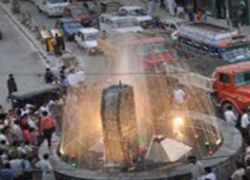
Lal Chowk is a famous & historical city square in the town of Anantnag in J&K. It is the place where the Indian Tricolor was hoisted for the first time by the first PM of India, Pt. Jawaharlal Nehru. It got its name as Lal Chowk because of the left-wing that was inspired by the Russian revolution. Lal Chowk was the place where the important political meetings were organized by Pt. Nehru and Sheikh Abdullah.It Is Known For:-1) Lal Chowk is an important place in Anantnag where many political meetings were organized b/w Pt. Nehru and Sheikh Md. Abdullah about the fate of Kashmir after Maharaja Hari Singh left the throne.2) This spot is popular in the locale due to the presence of the clock tower. Though it is an ordinary clock tower that was constructed in 1980, it gained importance in 1997 when Murli Manohar Joshi, the then BJP president, hoisted the Indian Flag.3) The militants fired the rocket that landed a few meters away from the tower and since then, Lal Chowk area is heavily guarded.4) This place remains flooded by the locals and tourists due to its charm. Many shops are located here that sell the different items like the Pashmina handloom, jewelry boxes, trinkets etc.Best Time To Visit:-Lal Chowk or ‘Mall Road of Kashmir’ remains busy throughout the year. Therefore, this point is visited every day by countless locals and tourists alike.Watch Out!Watch out for the different shops selling the exotic stuff! You can collect the souvenirs from this place like the wooden boxes and other items that are priced nominally.Reaching There:-Anantnag town is well-connected to all major roads, railheads, and airports in Kashmir. It can be reached easily from any city of the state easily. Commuting within Anantnag is usually done by the local transit that is available on a frequent basis.Nearest Railway Station:- Anantnag Railway StationNearest Airport:-Srinagar Airport
Explore MoreKashmir Tour 5 Night 6 Day
6 Days/ 5 Night
Gulmarg - Jammu - Pahalgam - Srinagar - Budgam - Kashmir - Sheshnag
Vaishno Devi Package Ex-Mumbai
5 Days/ 4 Night
Katra
Kashmir Explorer 04 Nights - 05 Days Tour
5 Days/ 4 Night
Srinagar - Pahalgam - Sonamarg - Gulmarg
Kashmir Classic
4 Days/ 3 Night
Awantipora - Gulmarg - Jammu - Pahalgam - Srinagar - Tangmarg - Kashmir
Welcome to the breathtaking Amarnath Cave Route in the city of Baltal, a mesmerizing destination that captivates visitors with its natural beauty and spiritual significance. The route leading to the Amarnath Cave is not only a pilgrimage site but also a picturesque trekking path that showcases the stunning landscapes of the region. History of Amarnath Cave Route The Amarnath Cave Route holds immense historical significance as it has been a revered pilgrimage site for centuries. The origin of the route dates back to ancient times when it was believed to be a sacred path for spiritual seekers. Once a royal hunting ground, the area surrounding the route has seen various conservation efforts to preserve its natural beauty. The Amarnath Cave Route has gained UNESCO recognition for its cultural and religious importance. Architecture and Natural Beauty of Amarnath Cave Route The Amarnath Cave Route is blessed with diverse natural environments, including lush wetlands, dense forests, expansive grasslands, and thriving bird habitats. The picturesque landscapes along the route offer a serene escape into the lap of nature. The historical Keoladeo Temple, nestled within the surroundings, adds to the architectural charm of the area. Why is Amarnath Cave Route Famous? The Amarnath Cave Route is famous for attracting birdwatchers, photographers, nature enthusiasts, and wildlife lovers from around the world. Its rich biodiversity and tranquil ambiance make it a haven for those seeking to connect with nature and witness the beauty of the region's flora and fauna. How to Reach Amarnath Cave Route Traveling to the Amarnath Cave Route is convenient as it is accessible by air, rail, and road. The nearest airports and railway stations provide easy connectivity to Baltal, the gateway to the route. Visitors can choose from various transportation options to reach this enchanting destination. Weather and Best Time to Visit Amarnath Cave Route The weather along the Amarnath Cave Route varies across summer, monsoon, and winter seasons. The best time to visit depends on personal preferences, but the route is especially enchanting during certain months when the natural beauty is at its peak. Timings of Amarnath Cave Route The visitor timings for the Amarnath Cave Route may vary seasonally, so it is advisable to plan your trip accordingly. Understanding the timings and seasonal variations can help in better planning and experiencing the route to its fullest. Entry Fee and Visit Details Entry procedures to the Amarnath Cave Route are designed to ensure a smooth and enjoyable visit for all. Guide services, safari options, bicycle rentals, and visitor facilities are available to enhance the overall experience of exploring this picturesque destination. Things to Do at Amarnath Cave Route Visitors to the Amarnath Cave Route can engage in a variety of activities such as birdwatching, photography, cycling, walking trails, nature observation, and educational experiences. Each activity offers a unique way to immerse oneself in the natural wonders of the route. Interesting Facts About Amarnath Cave Route The Amarnath Cave Route is teeming with fascinating facts about migratory birds, diverse biodiversity, conservation achievements, and its ecological importance. These facts add depth to the visitor's understanding of the route's significance in the natural world. Travel Tips for Visiting Amarnath Cave Route When planning a visit to the Amarnath Cave Route, it is essential to consider practical aspects such as clothing, photography gear, birdwatching equipment, visiting seasons, and responsible tourism practices. Following these tips can help visitors make the most of their experience while preserving the natural beauty of the route. Conclusion In conclusion, the Amarnath Cave Route in Baltal is a destination that seamlessly blends spirituality, natural beauty, and adventure. Whether you are a pilgrim, a nature lover, or a photography enthusiast, this route offers a unique experience that is both enriching and captivating. Explore the wonders of the Amarnath Cave Route and immerse yourself in the enchanting landscapes of this picturesque region.
Explore More
Located in the breathtaking city of Baltal, Zoji La Pass is a mesmerizing tourist attraction that beckons adventurers and nature lovers alike. This high mountain pass in the Himalayas offers a unique blend of natural beauty, historical significance, and biodiversity that make it a must-visit destination for those seeking an unforgettable experience. History of Zoji La Pass The history of Zoji La Pass is rich with tales of ancient trade routes and strategic military significance. It has served as a crucial link between Ladakh and Kashmir for centuries, playing a pivotal role in shaping the region's history. Once a vital part of the Silk Route, this pass has witnessed the footsteps of traders, travelers, and armies traversing its rugged terrain. Architecture and Natural Beauty of Zoji La Pass The natural environment surrounding Zoji La Pass is a sight to behold. Encircled by majestic mountains, lush forests, and pristine grasslands, this area is a haven for a diverse range of flora and fauna. Birdwatchers flock to the pass to catch a glimpse of rare avian species, while photographers are drawn to its awe-inspiring landscapes. The ancient Keoladeo Temple nestled within the pass adds a touch of historical charm to the scenic beauty. Why is Zoji La Pass Famous? Zoji La Pass is renowned for its unparalleled beauty and unique ecosystem that attracts birdwatchers, photographers, nature enthusiasts, and wildlife lovers from around the globe. The pass offers a serene retreat where visitors can immerse themselves in the tranquility of nature, observe exotic bird species, and witness the harmonious coexistence of diverse habitats. How to Reach Zoji La Pass Traveling to Zoji La Pass is an adventure in itself. Visitors can access the pass by air, rail, or road, with nearby airports and railway stations providing convenient entry points. The journey to Zoji La Pass is as rewarding as the destination itself, offering panoramic views of the surrounding mountains and valleys. Weather and Best Time to Visit Zoji La Pass Zoji La Pass experiences varied weather conditions throughout the year, with summer bringing pleasant temperatures, monsoon offering lush greenery, and winter transforming the landscape into a snowy wonderland. The best time to visit the pass depends on individual preferences, with each season offering a unique perspective of this natural marvel. Timings of Zoji La Pass Visiting hours at Zoji La Pass may vary seasonally, so it is advisable to plan your trip accordingly. The pass welcomes visitors during specific times, allowing them to experience the beauty of the surroundings in different lights. Proper planning ensures a fulfilling and memorable visit to this enchanting destination. Entry Fee and Visit Details Entry procedures at Zoji La Pass are designed to ensure a seamless visitor experience. Guide services, safari options, bicycle rentals, and other visitor facilities are available to enhance your exploration of the pass. Immerse yourself in the natural wonders of Zoji La Pass with the assistance of these amenities. Things to Do at Zoji La Pass There is no shortage of activities to indulge in at Zoji La Pass. From birdwatching and photography to cycling and nature observation, visitors can engage in a host of recreational pursuits that bring them closer to the essence of this pristine landscape. Walking trails offer a chance to explore the pass at a leisurely pace, while educational experiences provide insights into its ecological significance. Interesting Facts About Zoji La Pass Zoji La Pass is not just a picturesque destination; it is a vital ecosystem teeming with migratory birds, rare species, and conservation success stories. The pass's ecological importance resonates through its biodiversity, making it a beacon of sustainability and preservation. Every visit to Zoji La Pass unveils new wonders and reinforces the need to protect our natural heritage. Travel Tips for Visiting Zoji La Pass When planning a trip to Zoji La Pass, remember to pack appropriate clothing for the changing weather conditions. Equip yourself with photography gear and birdwatching essentials to make the most of your visit. Understand the best seasons to explore the pass and practice responsible tourism by respecting the environment and wildlife. Your journey to Zoji La Pass will be enriched by these simple yet valuable tips. Conclusion In conclusion, Zoji La Pass in Baltal stands as a testament to the beauty and resilience of nature. Its historical significance, natural splendor, and biodiversity make it a treasure trove for travelers seeking an authentic connection with the environment. A visit to Zoji La Pass promises an immersive experience that will leave a lasting impression on your heart and soul.
Explore More
Chandanwari, located in Sheshnag, is a picturesque tourist attraction renowned for its natural beauty and serene environment. Nestled amidst lush greenery and snow-capped peaks, this hotspot offers a tranquil retreat for nature lovers and adventure seekers alike. History of Chandanwari With a rich historical background, Chandanwari holds significance as a former royal hunting ground that has transformed into a conservation area over the years. The site's conservation efforts have garnered recognition from UNESCO, highlighting its importance in preserving the region's biodiversity. Architecture and Natural Beauty of Chandanwari The natural beauty of Chandanwari is unparalleled, boasting diverse landscapes including wetlands, forests, and grasslands. Bird habitats thrive in this area, attracting a plethora of avian species. Additionally, the historical Keoladeo Temple adds a touch of architectural elegance to the surroundings. Why is Chandanwari Famous? Chandanwari's fame stems from its allure to birdwatchers, photographers, nature enthusiasts, and wildlife lovers. The abundance of bird species, coupled with the captivating landscapes, makes it a haven for those seeking to immerse themselves in the wonders of the natural world. How to Reach Chandanwari Travelling to Chandanwari is convenient, with options available by air, rail, and road. Nearby airports and railway stations ensure easy access to this idyllic destination, allowing visitors to embark on a memorable journey to this scenic hotspot. Weather and Best Time to Visit Chandanwari Chandanwari experiences varying weather conditions throughout the year, with distinct summer, monsoon, and winter seasons. The best time to visit is during the months when the weather is mild, offering an ideal setting for exploration and outdoor activities. Timings of Chandanwari Visitor timings at Chandanwari cater to different seasons, providing flexibility for tourists to plan their trips accordingly. Seasonal variations may impact accessibility, so it's advisable to check for updated information before embarking on a visit. Entry Fee and Visit Details Entry procedures at Chandanwari are straightforward, with guide services and safari options available for a more immersive experience. Bicycle rentals offer a unique way to explore the surroundings, while visitor facilities ensure a comfortable stay for all guests. Things to Do at Chandanwari Popular activities at Chandanwari include birdwatching, photography, cycling, walking trails, and nature observation. Visitors can engage in educational experiences to learn more about the region's biodiversity and conservation efforts, making their trip both enjoyable and enlightening. Interesting Facts About Chandanwari Chandanwari is home to a myriad of migratory birds, showcasing the region's rich biodiversity. Conservation achievements in the area have contributed to its ecological importance, making it a valuable sanctuary for wildlife preservation. Travel Tips for Visiting Chandanwari When visiting Chandanwari, it's advisable to dress appropriately for the weather and carry essential photography and birdwatching equipment. Understanding the best visiting seasons and practicing responsible tourism ensures a fulfilling and sustainable travel experience. Conclusion In conclusion, Chandanwari in Sheshnag stands out as a gem for nature enthusiasts and adventure seekers alike. Its historical significance, natural beauty, and biodiversity make it a must-visit destination for those seeking a harmonious blend of tranquility and exploration amidst the wonders of the natural world.
Explore More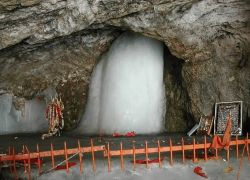
Welcome to the enchanting world of Amarnath Cave in Sheshnag, a place of divine beauty and natural wonder. Nestled in the heart of pristine surroundings, this hotspot attracts visitors from far and wide seeking solace and spiritual rejuvenation amidst breathtaking landscapes. History of Amarnath Cave The history of Amarnath Cave is steeped in ancient legends and religious significance. Believed to be the holy abode of Lord Shiva, this sacred site holds immense importance for Hindu devotees. Once a royal hunting ground, it has transformed into a sanctuary of peace and tranquility. The conservation efforts to preserve its sanctity have garnered global recognition, with UNESCO acknowledging its cultural and natural heritage. Architecture and Natural Beauty of Amarnath Cave The natural environment surrounding Amarnath Cave is a sight to behold. From lush wetlands to dense forests and sprawling grasslands, the biodiversity here is rich and varied. Bird habitats dot the landscape, offering a haven for avian species. Adding to the allure is the historic Keoladeo Temple, a marvel of architecture nestled within the park's expanse. Why is Amarnath Cave Famous? Amarnath Cave is renowned for its appeal to birdwatchers, photographers, nature enthusiasts, and wildlife lovers alike. The diverse flora and fauna, coupled with the serene ambiance, make it a paradise for those seeking a rendezvous with nature's wonders. How to Reach Amarnath Cave Reaching Amarnath Cave is convenient with multiple travel options available. Whether by air, rail, or road, the journey to this ethereal destination is filled with picturesque views. Nearby airports and railway stations ease the travel experience, ensuring a seamless trip for visitors. Weather and Best Time to Visit Amarnath Cave The seasonal variations at Amarnath Cave offer unique experiences throughout the year. While summer brings vibrant hues and pleasant weather, the monsoon transforms the landscape into a lush paradise. Winter casts a magical spell, turning the surroundings into a snowy wonderland. The best time to visit varies based on individual preferences, with each season offering its own charm. Timings of Amarnath Cave Visitors can explore the beauty of Amarnath Cave during specific timings, ensuring a delightful experience. Seasonal variations may impact accessibility, so it's advisable to plan ahead and check for any updates before embarking on a journey to this captivating destination. Entry Fee and Visit Details Entry procedures at Amarnath Cave are designed to enhance visitor experiences. Guide services, safari options, bicycle rentals, and well-equipped visitor facilities cater to the needs of travelers, making every visit memorable and hassle-free. Things to Do at Amarnath Cave Engage in a myriad of activities at Amarnath Cave, from birdwatching and photography to cycling and nature observation. Walking trails offer a chance to immerse in the serenity of the surroundings, while educational experiences provide insights into the rich biodiversity thriving within the park. Interesting Facts About Amarnath Cave Amarnath Cave is a treasure trove of fascinating facts. Migratory birds grace its skies, adding to the park's ecological diversity. Conservation achievements stand as a testament to the commitment towards preserving this natural marvel, highlighting its ecological importance on a global scale. Travel Tips for Visiting Amarnath Cave When planning a visit to Amarnath Cave, consider practical tips for a fulfilling experience. Choose appropriate clothing, carry essential photography and birdwatching equipment, and align your visit with the optimal seasons to make the most of your trip. Embrace responsible tourism practices to contribute to the preservation of this pristine ecosystem. Conclusion In conclusion, Amarnath Cave in Sheshnag is a destination that captivates the soul and ignites a sense of wonder. Its historical significance, natural beauty, and tourism offerings combine to create a memorable experience for every visitor. Explore the depths of spirituality and nature's bounty at Amarnath Cave, a place where serenity meets splendor.
Explore More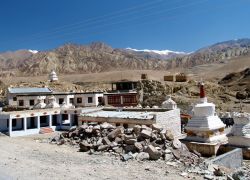
Alchi Monastery, located in the serene city of Alchi, is a hidden gem nestled in the heart of the Himalayas. This ancient monastery holds a rich cultural heritage, surrounded by breathtaking natural beauty that attracts visitors from around the world. Alchi Monastery offers a unique blend of history, spirituality, and natural wonders, making it a must-visit destination for travelers seeking an off-the-beaten-path experience. History of Alchi Monastery Steeped in history, Alchi Monastery dates back over a thousand years and is considered one of the oldest monastic settlements in Ladakh. Originally founded as a Buddhist learning center, the monastery served as a spiritual hub for monks and scholars. Its intricate murals and ancient artifacts provide a glimpse into the region's rich past. Alchi Monastery was once a royal complex and has been meticulously preserved over the centuries, earning it recognition as a UNESCO World Heritage Site. Architecture and Natural Beauty of Alchi Monastery Surrounded by rugged mountains and lush greenery, Alchi Monastery offers a tranquil escape from the hustle and bustle of modern life. The monastery's architecture is a blend of Indian and Tibetan styles, with ornate carvings and vibrant frescoes adorning its walls. The natural beauty of Alchi enhances the spiritual ambiance of the monastery, making it a perfect retreat for those seeking peace and serenity. Nearby, the historic Keoladeo Temple adds to the mystical charm of the place. Why is Alchi Monastery Famous? Alchi Monastery is renowned for its spiritual significance, stunning artwork, and peaceful ambiance. Birdwatchers, photographers, nature enthusiasts, and wildlife lovers are drawn to Alchi for its unique blend of cultural heritage and natural beauty. The monastery's serene surroundings and historical treasures make it a popular destination for those seeking a deeper connection with the past and the natural world. How to Reach Alchi Monastery Traveling to Alchi is an adventure in itself, with options to reach the monastery by air, rail, or road. The nearest airport is located in Leh, while the closest railway station is in Jammu. From there, visitors can embark on a scenic road journey to Alchi, soaking in the majestic views of the Himalayas along the way. Weather and Best Time to Visit Alchi Monastery Alchi experiences varying weather conditions throughout the year, with summers being pleasant, monsoons bringing occasional showers, and winters offering a snowy wonderland. The best time to visit Alchi is during the summer months from May to September when the weather is favorable for sightseeing and outdoor activities. Timings of Alchi Monastery Alchi Monastery welcomes visitors throughout the year, with timings varying based on the season. It is advisable to check the monastery's schedule before planning your visit to make the most of your experience. Seasonal variations may affect accessibility, so it's essential to plan accordingly. Entry Fee and Visit Details Visitors to Alchi Monastery can explore its premises with the help of knowledgeable guides who offer insights into the monastery's history and significance. Entry procedures are straightforward, and visitors can avail of guide services, safari options, bicycle rentals, and other facilities to enhance their visit. Things to Do at Alchi Monastery Alchi Monastery offers a range of activities for visitors, including birdwatching, photography, cycling, walking trails, and nature observation. The monastery's serene surroundings provide the perfect backdrop for educational experiences and spiritual retreats, allowing visitors to immerse themselves in the tranquility of the Himalayas. Interesting Facts About Alchi Monastery Alchi Monastery is home to a diverse range of migratory birds and boasts a rich biodiversity that contributes to the region's ecological importance. Conservation efforts at the monastery have helped preserve its cultural heritage and natural beauty, making it a testament to the harmonious coexistence of man and nature. Travel Tips for Visiting Alchi Monastery When planning a trip to Alchi Monastery, remember to pack warm clothing, sturdy footwear, and essential photography equipment to capture the beauty of the surroundings. It's advisable to visit during the recommended seasons and follow responsible tourism practices to help protect the fragile ecosystem of Alchi and its surroundings. Conclusion In conclusion, Alchi Monastery in Alchi is a hidden treasure waiting to be explored by travelers seeking a unique cultural and natural experience. With its rich history, stunning architecture, and serene surroundings, Alchi Monastery offers a glimpse into the past while providing a peaceful retreat for modern-day visitors. Plan your visit to Alchi Monastery to immerse yourself in the beauty and tranquility of this Himalayan sanctuary.
Explore More
Nestled along the serene banks of the Indus River, Alchi Bazaar in Alchi, Jammu & Kashmir offers a unique glimpse into the cultural and spiritual heritage of the region. Known for its vibrant local life, traditional handicrafts, and proximity to some of the oldest monasteries in Ladakh, Alchi is a must-visit destination for travelers seeking an authentic blend of history, culture, and natural beauty. How to Reach Alchi Bazaar, Alchi, Jammu & Kashmir Reaching Alchi Bazaar is relatively straightforward. The nearest major town is Leh, which is approximately 70 kilometers away. From Leh, travelers can hire taxis, take shared cabs, or join guided tours to Alchi. The drive along the Indus River offers spectacular views of the surrounding mountains and valleys. For those coming by air, the Leh Kushok Bakula Rimpochee Airport connects to major cities like Delhi, Srinagar, and Jammu. Once in Leh, local transportation options make the journey to Alchi smooth and convenient. For adventure enthusiasts, the scenic route along NH1 also allows for a memorable road trip through Ladakh. Weather in Alchi, Jammu & Kashmir The weather in Alchi, Jammu & Kashmir varies with the seasons. Summers (May to September) are pleasant, with temperatures ranging from 15°C to 30°C, making it the ideal time to explore the bazaar and nearby monasteries. Winters (October to April) are cold and harsh, with heavy snowfall and temperatures dropping below freezing, which may limit accessibility. Carrying layered clothing and sun protection is recommended during the summer months. Timings of Alchi Bazaar The Alchi Bazaar is generally active from early morning until late evening. Most shops open around 9:00 AM and close by 6:00 PM. It is advisable to visit in the morning or early afternoon for a more relaxed shopping experience, as the marketplace tends to be busier in the late hours. Why Alchi Bazaar is Famous Alchi Bazaar is renowned for its rich cultural offerings and traditional Ladakhi handicrafts. Visitors can find intricately designed jewelry, handwoven carpets, prayer flags, and Buddhist artifacts. The bazaar also serves as a gateway to the famous Alchi Monastery, which is celebrated for its 11th-century murals, statues, and woodwork. The vibrant marketplace reflects the harmonious blend of Buddhist spirituality and local life, making it a significant cultural hotspot in the region. Entry and Visit Details Visiting Alchi Bazaar does not require any entry fees. However, entry to the nearby Alchi Monastery is regulated, and a small donation is often suggested to support its preservation. Tourists are encouraged to respect local customs, dress modestly, and seek permission before photographing individuals or religious sites. Guided tours are available, which provide in-depth knowledge of the bazaar’s history and the monasteries nearby. History and Architecture The architecture around Alchi Bazaar is a testament to Ladakhi heritage. The nearby Alchi Monastery is one of the oldest in Ladakh, dating back to the 11th century. Its unique Indo-Tibetan style is reflected in its wooden structures, frescoes, and statues. The bazaar itself is lined with traditional Ladakhi houses, often built with stone and wood, maintaining the historic charm of the village. Walking through the bazaar provides a vivid sense of the region’s artistic and cultural evolution. Things to Do in Alchi Bazaar Shopping for Handicrafts: Pick up local jewelry, carpets, thangka paintings, and souvenirs. Visit Alchi Monastery: Admire the ancient murals, statues, and Buddhist art. Photography: Capture the scenic beauty of the Indus River and surrounding mountains. Local Cuisine: Try traditional Ladakhi dishes like thukpa, momos, and butter tea in local eateries. Interact with Locals: Learn about their lifestyle, traditions, and crafts. Facts About Alchi Bazaar Alchi is considered a cultural and spiritual hub of Ladakh. Its unique bazaar and proximity to ancient monasteries make it a significant destination for both tourists and scholars. The area is also famous for its annual festivals, where local traditions, music, and dance are celebrated. Tips for Visiting Alchi Bazaar, Alchi, Jammu & Kashmir Carry cash, as many small shops may not accept cards. Wear comfortable footwear for walking along uneven paths. Respect local customs, especially in and around monasteries. Stay hydrated and acclimatize to the altitude before exploring extensively. Plan your visit during summer months for better accessibility and weather conditions. In conclusion, Alchi Bazaar, Alchi, Jammu & Kashmir is more than just a marketplace. It is a vibrant hub of culture, art, and tradition, offering visitors a chance to immerse themselves in the spiritual and historical richness of Ladakh. Whether you are a history enthusiast, a culture seeker, or a traveler in search of breathtaking landscapes, Alchi Bazaar promises a memorable experience that combines heritage, scenic beauty, and local charm.
Explore More
Welcome to the mesmerizing world of Alchi Petroglyphs located in the charming city of Alchi. This unique tourist attraction offers a delightful blend of historical significance, natural beauty, and rich biodiversity, making it a must-visit destination for travelers seeking an immersive experience in the lap of nature. History of Alchi Petroglyphs The Alchi Petroglyphs hold a deep historical background dating back to ancient times when they served as a sacred site for various rituals and cultural practices. Once a royal hunting ground, the area has seen dedicated conservation efforts over the years and has been recognized by UNESCO for its cultural and archaeological significance. Architecture and Natural Beauty of Alchi Petroglyphs Surrounded by picturesque wetlands, lush forests, and vast grasslands, Alchi Petroglyphs boast a diverse ecosystem that supports a wide range of bird habitats. The enchanting landscapes are complemented by the historic Keoladeo Temple, adding a touch of spirituality to the natural charm of the park. Why is Alchi Petroglyphs Famous? Alchi Petroglyphs have gained popularity among birdwatchers, photographers, nature enthusiasts, and wildlife lovers due to the rich birdlife and stunning natural vistas that offer a perfect setting for capturing memorable moments and exploring the wonders of the wilderness. How to Reach Alchi Petroglyphs Traveling to Alchi Petroglyphs is convenient, with options to reach by air, rail, or road. The nearest airports and railway stations provide easy access to the park, ensuring a hassle-free journey for visitors coming from different parts of the country. Weather and Best Time to Visit Alchi Petroglyphs The weather at Alchi Petroglyphs varies across summer, monsoon, and winter seasons, offering unique experiences throughout the year. The best time to visit is during the mild months when the natural beauty of the park is at its peak, providing an ideal environment for exploration. Timings of Alchi Petroglyphs Alchi Petroglyphs welcome visitors at specific timings, with seasonal variations that may impact the overall experience. Planning ahead and being aware of the operational hours will help in optimizing your visit and making the most of your time in the park. Entry Fee and Visit Details Entry procedures at Alchi Petroglyphs are simple, with guide services, safari options, and bicycle rentals available for visitors looking to enhance their experience. The park offers various visitor facilities to ensure a comfortable and enjoyable stay for all guests. Things to Do at Alchi Petroglyphs Engage in popular activities at Alchi Petroglyphs such as birdwatching, photography, cycling, walking trails, nature observation, and educational experiences that offer a deeper insight into the biodiversity and conservation efforts within the park. Interesting Facts About Alchi Petroglyphs Alchi Petroglyphs are home to a diverse range of migratory birds and showcase remarkable conservation achievements that highlight the ecological importance of preserving natural habitats. The park is a treasure trove of fascinating facts waiting to be explored and appreciated. Travel Tips for Visiting Alchi Petroglyphs When planning a visit to Alchi Petroglyphs, consider practical advice on clothing choices, photography essentials, birdwatching equipment, optimal visiting seasons, and responsible tourism practices to ensure a memorable and sustainable travel experience in harmony with nature. Conclusion In conclusion, Alchi Petroglyphs in Alchi offer a captivating journey into the heart of nature, where history, biodiversity, and tourism blend seamlessly to create an enriching experience for all visitors. Explore the wonders of this unique destination and immerse yourself in the beauty and tranquility of Alchi Petroglyphs.
Explore More
Welcome to the mesmerizing destination of Parihaspora, located in the enchanting city of Baramulla. This hidden gem in the heart of nature offers a unique blend of historical significance, natural beauty, and diverse biodiversity that captivates the hearts of all who visit. History of Parihaspora Steeped in history, Parihaspora holds the echoes of a bygone era, serving as a former royal hunting ground and a sanctuary for wildlife. The park's rich historical background is complemented by ongoing conservation efforts that have earned it recognition by UNESCO as a site of importance for biodiversity conservation. Architecture and Natural Beauty of Parihaspora As you explore Parihaspora, you will be greeted by lush wetlands, dense forests, sprawling grasslands, and a myriad of bird habitats that create a picturesque setting. The historical Keoladeo Temple nestled within the park adds a touch of ancient grandeur to the already breathtaking landscapes. Why is Parihaspora Famous? Parihaspora is renowned for its appeal to birdwatchers, photographers, nature enthusiasts, and wildlife lovers alike. The diverse bird species, stunning natural vistas, and tranquil environment make it a haven for those seeking to connect with nature in its purest form. How to Reach Parihaspora Getting to Parihaspora is convenient, with options for travel by air, rail, and road. Nearby airports and railway stations provide easy access to this nature lover's paradise, ensuring a smooth journey for visitors from near and far. Weather and Best Time to Visit Parihaspora Throughout the seasons, Parihaspora exudes its own charm. Summer brings vibrant hues, monsoon offers a refreshing green landscape, and winter casts a serene blanket of calm. The best time to visit varies with personal preferences, but the months of [mention best months] are ideal for a truly enchanting experience. Timings of Parihaspora For those planning a visit to Parihaspora, understanding the visitor timings is essential. Seasonal variations may impact accessibility, so it is advisable to plan accordingly. Detailed information on timings ensures a well-organized and fulfilling trip. Entry Fee and Visit Details Upon arrival at Parihaspora, visitors are greeted with entry procedures that are hassle-free. Guide services, safari options, bicycle rentals, and well-equipped visitor facilities cater to the diverse needs of guests, enhancing the overall experience of exploring this natural haven. Things to Do at Parihaspora Engage in a plethora of activities at Parihaspora, from birdwatching and photography to cycling along scenic trails. Walking amidst nature's wonders, observing diverse wildlife, and partaking in educational experiences promise an unforgettable journey of discovery and enlightenment. Interesting Facts About Parihaspora Delve into the realm of fascinating facts at Parihaspora, where migratory birds grace the skies, biodiversity thrives, conservation efforts bear fruit, and ecological balance is celebrated. Each fact unveils a new layer of wonder, making every moment at Parihaspora truly special. Travel Tips for Visiting Parihaspora Prepare for your visit to Parihaspora with practical advice on clothing choices, essential photography gear, birdwatching equipment, preferred visiting seasons, and the significance of responsible tourism practices. Embrace these tips to make the most of your time at this captivating destination. Conclusion In conclusion, Parihaspora in Baramulla stands as a testament to the harmony between history, nature, and conservation. Its allure is irresistible to those seeking a transformative travel experience that blends cultural heritage with ecological preservation. Visit Parihaspora to immerse yourself in a world where every moment is a celebration of life's beauty.
Explore More
Welcome to Baba Reshi Shrine, a mesmerizing tourist attraction located in Baramulla. This sacred site is not only rich in history but also offers a serene natural environment that attracts visitors from all around the globe. Let's delve into the beauty and significance of this remarkable hotspot. History of Baba Reshi Shrine The history of Baba Reshi Shrine dates back to ancient times, with a deep-rooted historical background that adds to its charm. Originally serving as a spiritual retreat, this shrine holds immense cultural and religious significance. It was once a place of solace for many seekers on a spiritual quest. Over the years, conservation efforts have been put in place to preserve the sanctity of this sacred site, earning it recognition from UNESCO for its historical importance. Architecture and Natural Beauty of Baba Reshi Shrine Surrounded by lush wetlands, dense forests, and picturesque landscapes, Baba Reshi Shrine offers a blend of architectural beauty and natural wonders. The tranquil environment, rich biodiversity, and bird habitats make it a paradise for nature enthusiasts. The presence of the historical Keoladeo Temple within the shrine adds to its allure, attracting visitors with its ancient charm. Why is Baba Reshi Shrine Famous? Baba Reshi Shrine has gained fame for its unparalleled beauty and tranquility, making it a hotspot for birdwatchers, photographers, and wildlife lovers. The diverse flora and fauna found here provide a unique opportunity for visitors to immerse themselves in the wonders of nature and capture unforgettable moments in their lenses. How to Reach Baba Reshi Shrine Reaching Baba Reshi Shrine is convenient, with various travel options available. Whether by air, rail, or road, visitors can easily access this enchanting destination. Nearby airports and railway stations ensure smooth connectivity, allowing travelers to embark on a memorable journey to this sacred site. Weather and Best Time to Visit Baba Reshi Shrine The weather at Baba Reshi Shrine varies across seasons, offering different experiences throughout the year. While summers are ideal for exploring the lush landscapes, monsoons bring a refreshing charm to the surroundings. Winter months provide a unique perspective, making it essential to choose the best time to visit based on personal preferences. Timings of Baba Reshi Shrine Understanding the visitor timings and seasonal variations at Baba Reshi Shrine is crucial for planning a memorable trip. Whether exploring during peak tourist seasons or opting for a quieter visit, being aware of the timings ensures a seamless experience. Useful planning information enhances the overall visit and allows visitors to make the most of their time at this remarkable site. Entry Fee and Visit Details Entry procedures, guide services, safari options, and visitor facilities at Baba Reshi Shrine cater to the diverse needs of travelers. From bicycle rentals to informative guides, visitors can enhance their experience by making use of the available services. Understanding the visit details ensures a smooth and enjoyable exploration of this sacred destination. Things to Do at Baba Reshi Shrine Baba Reshi Shrine offers a plethora of activities for visitors to engage in, ranging from birdwatching to cycling and nature observation. The walking trails amidst the serene surroundings provide an opportunity for peaceful exploration, while educational experiences enrich the understanding of the site's ecological importance. Whether capturing moments through photography or simply immersing in nature's beauty, there is something for everyone at this enchanting hotspot. Interesting Facts About Baba Reshi Shrine Discover fascinating facts about the migratory birds that frequent Baba Reshi Shrine, highlighting the biodiversity and conservation efforts in place. The ecological importance of this site and the achievements in preserving its natural beauty add to its allure, making it a must-visit destination for those passionate about nature and wildlife. Travel Tips for Visiting Baba Reshi Shrine When planning a visit to Baba Reshi Shrine, practical advice can enhance the overall experience. From clothing suggestions to birdwatching equipment recommendations, understanding the essentials for a trip to this sacred site is essential. Additionally, adopting responsible tourism practices ensures the preservation of the environment and contributes to a sustainable travel experience. Conclusion In conclusion, Baba Reshi Shrine in Baramulla stands as a testament to the harmonious blend of history, natural beauty, and cultural significance. Its tranquil surroundings, diverse wildlife, and spiritual aura make it a captivating destination for travelers seeking a unique and enriching experience. Whether exploring the architectural marvels or immersing in the serenity of nature, Baba Reshi Shrine offers a truly unforgettable journey for all who visit.
Explore More
Welcome to Suspension Bridge Baramula, a mesmerizing tourist attraction located in the city of Baramulla. This iconic suspension bridge offers visitors a unique experience amidst the natural beauty and tranquility of the surroundings. The bridge stands as a testament to the rich history and biodiversity of the region, attracting tourists from far and wide. History of Suspension Bridge Baramula The Suspension Bridge Baramula has a rich historical background, serving as a vital connection point in the region. Originally built as a means of transportation across the river, it has now become a popular tourist spot. The area surrounding the bridge was once part of the royal hunting grounds, adding to its historical significance. Efforts have been made to conserve the bridge and its surroundings, earning it recognition for its cultural and historical importance. Architecture and Natural Beauty of Suspension Bridge Baramula The Suspension Bridge Baramula is set amidst stunning natural landscapes, including lush wetlands, dense forests, and expansive grasslands. The bridge offers panoramic views of the surrounding bird habitats, making it a paradise for nature lovers and photographers alike. Within close proximity lies the historical Keoladeo Temple, adding to the architectural and spiritual charm of the area. Why is Suspension Bridge Baramula Famous? Suspension Bridge Baramula is renowned for its diverse bird population, making it a hotspot for birdwatchers and wildlife enthusiasts. The bridge provides a unique vantage point to observe these magnificent creatures in their natural habitat. Its serene surroundings and picturesque landscapes also attract nature lovers seeking a peaceful retreat. How to Reach Suspension Bridge Baramula Traveling to Suspension Bridge Baramula is convenient, with options available by air, rail, and road. The nearest airports and railway stations provide easy access to the city of Baramulla. Visitors can choose from various transportation modes to reach this enchanting destination. Weather and Best Time to Visit Suspension Bridge Baramula The weather at Suspension Bridge Baramula varies across seasons, with summer, monsoon, and winter offering distinct experiences. The best time to visit is during the moderate months when the weather is pleasant, allowing visitors to explore the area comfortably. Timings of Suspension Bridge Baramula Suspension Bridge Baramula welcomes visitors during specific timings, ensuring a memorable experience. Seasonal variations may affect the operational hours, so it is advisable to plan your visit accordingly. Useful information regarding the timings can help in better trip planning. Entry Fee and Visit Details Entry procedures to Suspension Bridge Baramula are straightforward, with guide services and safari options available for a more immersive experience. Visitors can also opt for bicycle rentals to explore the area at their own pace. The facilities provided cater to the needs of tourists, enhancing their overall visit. Things to Do at Suspension Bridge Baramula There are plenty of activities to indulge in at Suspension Bridge Baramula, including birdwatching, photography, cycling, and walking trails. Nature enthusiasts can engage in observing the diverse flora and fauna of the region, while educational experiences offer insights into the ecological importance of the area. Interesting Facts About Suspension Bridge Baramula Suspension Bridge Baramula is home to a myriad of migratory birds, showcasing the region's rich biodiversity. Conservation efforts have led to significant achievements in preserving the natural habitat of these avian species. The bridge holds ecological importance, contributing to the overall balance of the ecosystem. Travel Tips for Visiting Suspension Bridge Baramula For a pleasant visit to Suspension Bridge Baramula, it is recommended to dress appropriately for the weather and carry essential photography and birdwatching equipment. Understanding the best visiting seasons and practicing responsible tourism can help in preserving the beauty of the destination for future generations. Conclusion In conclusion, Suspension Bridge Baramula in Baramulla offers a captivating blend of history, architecture, and natural beauty. Its significance as a tourist attraction lies in its diverse biodiversity, tranquil environment, and unique appeal to nature enthusiasts. A visit to Suspension Bridge Baramula promises an unforgettable experience amidst the charm of this picturesque destination.
Explore More
Welcome to the mesmerizing world of Hemis Museum located in the city of Hemis. This unique attraction offers a blend of history, natural beauty, and biodiversity that captivates the hearts of visitors from around the globe. History of Hemis Museum The Hemis Museum holds a rich historical background, once serving as the royal hunting grounds for the monarchs of the region. Over the years, dedicated conservation efforts have transformed the area into a sanctuary for wildlife. Its significance is acknowledged by UNESCO, further enhancing its global recognition. Architecture and Natural Beauty of Hemis Museum Encompassed by wetlands, forests, and grasslands, Hemis Museum is a haven for diverse bird species and wildlife habitats. The landscape is adorned with the ancient Keoladeo Temple, adding a touch of historical charm to the natural surroundings. Why is Hemis Museum Famous? Hemis Museum stands out as a popular destination among birdwatchers, photographers, nature enthusiasts, and wildlife lovers due to its exceptional biodiversity and serene ambiance that offers a unique experience to every visitor. How to Reach Hemis Museum Traveling to Hemis Museum is convenient with options available by air, rail, and road. Nearby airports and railway stations provide easy access to this enchanting location, ensuring a hassle-free journey for tourists. Weather and Best Time to Visit Hemis Museum Throughout the seasons, Hemis Museum showcases varying weather conditions from the warm summers to the lush monsoons and the chilly winters. The best months to explore this attraction are [mention specific months] when nature is at its vibrant best. Timings of Hemis Museum The visitor timings of Hemis Museum cater to the seasonal variations, offering unique experiences based on the time of the year. It is advisable to plan your visit accordingly to make the most of your trip. Entry Fee and Visit Details Entry procedures at Hemis Museum are straightforward, complemented by guide services, safari options, bicycle rentals, and well-equipped visitor facilities that enhance the overall experience of exploring this natural treasure. Things to Do at Hemis Museum Engage in popular activities such as birdwatching, photography, cycling, walking trails, nature observation, and educational experiences at Hemis Museum. Immerse yourself in the wonders of nature and wildlife that await at every turn. Interesting Facts About Hemis Museum Discover fascinating facts about Hemis Museum, from the migration patterns of birds to the conservation achievements that have contributed to its ecological importance. Every corner of this attraction holds a story waiting to be unveiled. Travel Tips for Visiting Hemis Museum Prepare for your visit to Hemis Museum by considering practical advice on clothing choices, photography gear, birdwatching equipment, ideal visiting seasons, and the importance of responsible tourism practices to preserve the beauty of this destination. Conclusion In conclusion, Hemis Museum in Hemis is a gem that beckons travelers to immerse themselves in a world of history, nature, and wildlife. The experience of exploring this attraction is not just a journey but a soulful connection to the wonders of our planet.
Explore More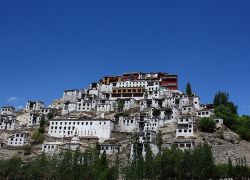
Shey Monastery, located in Shey, is a captivating tourist attraction that offers a blend of history, natural beauty, and spiritual significance. Situated amidst the serene landscapes of Shey, this monastery holds a special place for travelers seeking tranquility and cultural immersion. History of Shey Monastery Shey Monastery has a rich historical background, dating back to its origins as a former royal palace and monastery. Once serving as the summer capital of Ladakh, it was also a prominent site for royal hunting grounds. The monastery has undergone significant conservation efforts to preserve its architectural heritage and cultural importance, leading to its recognition by UNESCO. Architecture and Natural Beauty of Shey Monastery The monastery is surrounded by breathtaking natural landscapes, including lush wetlands, dense forests, and expansive grasslands. It serves as a habitat for diverse bird species, making it a paradise for birdwatchers and nature enthusiasts. Within the monastery complex lies the historical Keoladeo Temple, adding to the spiritual aura of the place. Why is Shey Monastery Famous? Shey Monastery is renowned for its picturesque setting and abundant birdlife, attracting birdwatchers, photographers, and wildlife lovers from around the globe. Its tranquil environment and architectural beauty make it a must-visit destination for those seeking a peaceful retreat in the lap of nature. How to Reach Shey Monastery Traveling to Shey Monastery is convenient, with options available by air, rail, and road. The nearest airport is located in Leh, while the closest railway station is in Jammu. Visitors can also opt for road transport via well-connected highways that offer scenic views along the journey. Weather and Best Time to Visit Shey Monastery The weather at Shey Monastery varies across seasons, with warm summers, wet monsoons, and chilly winters. The best time to visit is during the summer and early autumn months when the weather is pleasant, and the natural surroundings are at their vibrant best. Timings of Shey Monastery Shey Monastery welcomes visitors during specific timings, with seasonal variations that may affect accessibility. Planning a visit during the monastery's operational hours ensures a fulfilling experience, allowing ample time to explore its architectural marvels and serene ambiance. Entry Fee and Visit Details Visitors to Shey Monastery can gain entry by following the designated procedures and avail guide services for insightful tours. The monastery also offers safari options, bicycle rentals for exploring the surroundings, and essential visitor facilities to enhance the overall experience. Things to Do at Shey Monastery At Shey Monastery, visitors can engage in various activities such as birdwatching, photography, cycling through scenic trails, walking amidst nature, and participating in educational programs to learn more about the local culture and wildlife conservation efforts. Interesting Facts About Shey Monastery Shey Monastery is home to a diverse range of migratory birds, contributing to the region's biodiversity and ecological significance. The conservation achievements of the monastery highlight its commitment to preserving the natural habitats and heritage structures within its premises. Travel Tips for Visiting Shey Monastery When planning a visit to Shey Monastery, it is advisable to pack appropriate clothing for changing weather conditions, carry essential photography equipment for capturing memorable moments, and research the best seasons for birdwatching and nature exploration. Practicing responsible tourism is key to ensuring the sustainability of the ecosystem. Conclusion In conclusion, Shey Monastery in Shey stands as a testament to the region's cultural heritage and natural splendor. By offering a harmonious blend of spirituality, history, and biodiversity, it provides visitors with a unique opportunity to immerse themselves in the beauty of Ladakh's landscapes and the serenity of its ancient traditions.
Explore MoreKashmir Explorer
5 Days/ 4 Night
Gulmarg - Jammu - Pahalgam - Sonamarg - Srinagar - Ganderbal - Kashmir
Shaan-E-Kashmir 04 Nights 05 Days Tour
5 Days/ 4 Night
Srinagar - Gulmarg - Pahalgam
Kashmir Bliss – 5 Nights / 6 Days
6 Days/ 5 Night
Srinagar - Gulmarg - Sonamarg - Pahalgam
Kashmir Grand Tour
6 Days/ 5 Night
Gulmarg - Jammu - Pahalgam - Sonamarg - Srinagar - Budgam - Ganderbal - Kashmir
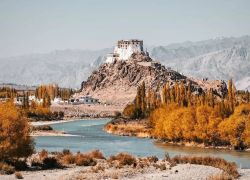
Stakna Monastery, located in Shey, is a hidden gem nestled in the picturesque landscapes of the region. This tranquil spot offers a unique blend of spirituality, history, and natural beauty that attracts visitors from around the world. Let's explore the rich heritage and charm of Stakna Monastery. History of Stakna Monastery Steeped in history, Stakna Monastery stands as a symbol of faith and devotion. Originally built as a Buddhist teaching center, the monastery holds deep-rooted cultural significance. Once a royal hunting ground, the monastery has transformed into a symbol of peace and tranquility. Its conservation efforts have garnered international recognition, with UNESCO acknowledging its historical importance. Architecture and Natural Beauty of Stakna Monastery Surrounded by lush wetlands, dense forests, and sprawling grasslands, Stakna Monastery offers a serene retreat for nature lovers. The diverse bird habitats and stunning landscapes provide a perfect backdrop for the historical Keoladeo Temple located within the monastery grounds. Why is Stakna Monastery Famous? Stakna Monastery is renowned for its spiritual aura and breathtaking surroundings, making it a popular destination for birdwatchers, photographers, nature enthusiasts, and wildlife lovers. The monastery's tranquil ambiance and rich biodiversity make it a must-visit for those seeking a peaceful retreat in the lap of nature. How to Reach Stakna Monastery Traveling to Stakna Monastery is convenient, with options available by air, rail, and road. The nearest airports and railway stations provide easy access to this serene destination, ensuring a hassle-free journey for visitors. Weather and Best Time to Visit Stakna Monastery Stakna Monastery experiences varying weather conditions throughout the year, with distinct summer, monsoon, and winter seasons. The best time to visit is during the moderate months when the weather is pleasant, allowing visitors to explore the monastery and its surroundings comfortably. Timings of Stakna Monastery Stakna Monastery welcomes visitors at specific timings, accommodating both local and international guests. Seasonal variations may affect the monastery's schedule, so it is advisable to plan your visit accordingly to make the most of your experience. Entry Fee and Visit Details Visiting Stakna Monastery is a memorable experience, with entry procedures designed to ensure a smooth visit. Guide services, safari options, bicycle rentals, and other visitor facilities are available to enhance your exploration of this spiritual and natural haven. Things to Do at Stakna Monastery Engage in popular activities such as birdwatching, photography, cycling, walking trails, and nature observation at Stakna Monastery. Immerse yourself in the serene surroundings, and embark on educational experiences that offer insights into the monastery's rich history and biodiversity. Interesting Facts About Stakna Monastery Stakna Monastery is home to a diverse range of migratory birds, showcasing the region's rich biodiversity. The monastery's conservation achievements and ecological importance highlight the need for sustainable practices to preserve this natural paradise for future generations. Travel Tips for Visiting Stakna Monastery When planning your visit to Stakna Monastery, consider essential travel tips such as appropriate clothing, photography gear, birdwatching equipment, and the best visiting seasons. Embrace responsible tourism practices to ensure the preservation of this scenic destination for years to come. Conclusion In conclusion, Stakna Monastery in Shey is a sanctuary of peace and spirituality, offering a harmonious blend of culture and nature. Its historical significance, breathtaking landscapes, and diverse wildlife make it a captivating destination for travelers seeking a unique and enriching experience. Visit Stakna Monastery to immerse yourself in a world of tranquility and beauty.
Explore More
Welcome to the enchanting destination of Druk Padma Karpo School located in the serene city of Shey. Nestled in the heart of nature, this hotspot offers a unique blend of history, architecture, and natural beauty that will captivate your senses and leave you in awe. History of Druk Padma Karpo School Steeped in rich history, Druk Padma Karpo School has its origins rooted in the former royal hunting grounds of the region. Over the years, dedicated conservation efforts have transformed this area into a sanctuary for wildlife, earning it well-deserved UNESCO recognition. Architecture and Natural Beauty of Druk Padma Karpo School As you explore this mesmerizing destination, you will encounter breathtaking wetlands, lush forests, sprawling grasslands, and diverse bird habitats. The historical Keoladeo Temple adds to the allure of this park, blending heritage with natural splendor. Why is Druk Padma Karpo School Famous? Druk Padma Karpo School has gained fame as a hotspot for birdwatchers, photographers, nature enthusiasts, and wildlife lovers. Its diverse ecosystem and abundant wildlife make it a haven for those seeking to connect with nature. How to Reach Druk Padma Karpo School Reaching Druk Padma Karpo School is convenient with options for travel by air, rail, and road. Nearby airports and railway stations ensure easy access to this picturesque destination, welcoming visitors with open arms. Weather and Best Time to Visit Druk Padma Karpo School Throughout the seasons, Druk Padma Karpo School showcases its beauty in different hues. Summer, monsoon, and winter each offer a unique perspective, but the best months to visit are when nature is at its vibrant best. Timings of Druk Padma Karpo School The visitor timings at Druk Padma Karpo School cater to varying preferences and seasons, ensuring that you can plan your visit according to your preferences. Stay informed about any seasonal variations to make the most of your experience. Entry Fee and Visit Details Upon arrival, acquaint yourself with the entry procedures, guide services, safari options, bicycle rentals, and visitor facilities available at Druk Padma Karpo School. These amenities enhance your visit and make it a memorable one. Things to Do at Druk Padma Karpo School Engage in a host of activities at Druk Padma Karpo School, from immersive birdwatching sessions and captivating photography opportunities to cycling through scenic trails, walking amidst nature, and soaking in educational experiences that enrich your understanding of the ecosystem. Interesting Facts About Druk Padma Karpo School Discover intriguing facts about the migratory birds that call this sanctuary home, the diverse biodiversity that thrives within its boundaries, the conservation achievements that safeguard its future, and the ecological importance that underscores its significance in the region. Travel Tips for Visiting Druk Padma Karpo School Prepare for your visit with essential travel tips, including guidance on clothing choices, photography equipment, birdwatching essentials, the best visiting seasons, and the importance of responsible tourism practices to preserve the beauty of Druk Padma Karpo School for future generations. Conclusion In conclusion, Druk Padma Karpo School in Shey is a destination that offers a harmonious blend of history, natural beauty, and recreational activities. Immerse yourself in the wonders of this hotspot, explore its treasures, and create lasting memories amidst the tranquility of nature.
Explore More
Welcome to the enchanting world of Stok Museum nestled in the picturesque city of Shey. This museum stands as a remarkable testament to history, culture, and natural beauty, offering visitors a captivating journey through time and heritage. History of Stok Museum The Stok Museum holds a rich historical background, once serving as the royal hunting grounds of the region. Over time, it has evolved into a conservation area aimed at preserving the diverse flora and fauna. Recognized by UNESCO for its efforts in environmental protection, the museum stands as a beacon of sustainable practices. Architecture and Natural Beauty of Stok Museum The museum is surrounded by lush wetlands, dense forests, expansive grasslands, and diverse bird habitats, creating a harmonious blend of natural landscapes. The historic Keoladeo Temple within the premises adds a touch of cultural significance to the already mesmerizing environment. Why is Stok Museum Famous? Stok Museum has gained immense popularity among birdwatchers, photographers, nature enthusiasts, and wildlife lovers due to its rich biodiversity and serene ambiance. The opportunity to witness a plethora of bird species in their natural habitat makes it a haven for nature lovers. How to Reach Stok Museum Traveling to Stok Museum is convenient with options available by air, rail, and road. The nearest airports and railway stations provide easy access to this cultural gem, welcoming visitors from far and wide to explore its wonders. Weather and Best Time to Visit Stok Museum Throughout the seasons, Stok Museum offers a unique experience. While summers bring warmth and vibrancy, the monsoons breathe life into the surroundings. Winter unveils a serene charm, making it an ideal time to visit. The best months to explore this paradise are... Timings of Stok Museum Visitors can explore the wonders of Stok Museum during specific timings, ensuring a pleasant and well-guided experience. Seasonal variations may influence these timings, so it is advisable to plan your visit accordingly. Entry Fee and Visit Details Entry to Stok Museum is accompanied by detailed procedures to enhance visitor experience. Guide services, safari options, bicycle rentals, and well-equipped visitor facilities ensure a comfortable and informative visit to this cultural and natural marvel. Things to Do at Stok Museum Engage in popular activities at Stok Museum such as birdwatching, photography, cycling through scenic trails, walking amidst nature's splendor, and immersing yourself in educational experiences that unveil the secrets of the region's ecological treasures. Interesting Facts About Stok Museum Stok Museum is home to a myriad of migratory birds, boasting a rich tapestry of biodiversity that showcases the wonders of conservation efforts. The museum's ecological significance and conservation achievements stand as beacons of hope for the preservation of our natural heritage. Travel Tips for Visiting Stok Museum When visiting Stok Museum, it is advisable to dress comfortably, carry essential photography and birdwatching equipment, time your visit according to the preferred season, and engage in responsible tourism practices to ensure the sustainability of this pristine ecosystem. Conclusion In conclusion, Stok Museum in Shey is a harmonious blend of history, culture, and natural beauty, offering visitors a unique and enriching experience. From its rich historical tapestry to its vibrant biodiversity, this destination stands as a testament to conservation and sustainable tourism practices, inviting all to explore its wonders.
Explore More
Located in the serene town of Likir, the Likir Monastery stands as a testament to the rich cultural heritage and spiritual significance of the region. Surrounded by breathtaking natural beauty and steeped in history, this monastery attracts visitors from around the world seeking tranquility and a glimpse into the past. History of Likir Monastery The Likir Monastery has a profound historical background, dating back to its establishment in the 11th century. Initially founded as a royal residence, it later transformed into a spiritual center under the patronage of the royal family. The monastery's architecture reflects a blend of Tibetan and Indian influences, making it a unique cultural gem. Recognized by UNESCO for its historical and religious importance, the Likir Monastery stands as a symbol of preservation and cultural heritage. Architecture and Natural Beauty of Likir Monastery Surrounded by verdant forests, picturesque landscapes, and diverse bird habitats, Likir Monastery offers a tranquil retreat for nature enthusiasts. The monastery's intricate architecture, adorned with colorful murals and traditional motifs, adds to its charm. The nearby Keoladeo Temple, a historical gem within the monastery grounds, provides a captivating glimpse into the region's ancient religious practices. Why is Likir Monastery Famous? The Likir Monastery is renowned for its spiritual ambiance and natural beauty, making it a haven for birdwatchers, photographers, and wildlife lovers. Its serene surroundings and historical significance draw visitors seeking solace and a deeper connection to the region's cultural roots. How to Reach Likir Monastery Traveling to Likir is convenient, with options available by air, rail, and road. The nearest airport is located in Leh, while the closest railway station is in Jammu. Visitors can also opt for a scenic road trip to Likir, enjoying the picturesque landscapes along the way. Weather and Best Time to Visit Likir Monastery Likir experiences diverse weather conditions throughout the year, with summers being mild, monsoons bringing occasional showers, and winters offering a snowy wonderland. The best time to visit Likir is during the pleasant summer months, from May to August, when the weather is ideal for exploration and sightseeing. Timings of Likir Monastery The Likir Monastery welcomes visitors throughout the year, with varying timings based on seasonal changes. It is advisable to check the monastery's schedule in advance and plan your visit accordingly to make the most of your experience. Entry Fee and Visit Details Entry to Likir Monastery is usually free, with options for guided tours and safari experiences available for a fee. Visitors can also rent bicycles to explore the surrounding areas or take advantage of the visitor facilities provided for a comfortable and enriching visit. Things to Do at Likir Monastery At Likir Monastery, visitors can engage in a myriad of activities, including birdwatching, photography, cycling, and nature walks. The monastery's peaceful ambiance and stunning surroundings offer ample opportunities for relaxation and exploration, appealing to travelers of all interests. Interesting Facts About Likir Monastery One of the most fascinating aspects of Likir Monastery is its role in biodiversity conservation and the preservation of migratory bird habitats. The monastery's commitment to ecological sustainability and cultural heritage has earned it acclaim as a model for responsible tourism practices in the region. Travel Tips for Visiting Likir Monastery When visiting Likir Monastery, it is advisable to dress modestly and respectfully, keeping in mind the spiritual significance of the site. Bringing along birdwatching equipment and a camera can enhance your experience, allowing you to capture the natural beauty and wildlife diversity of the region responsibly. Conclusion In conclusion, Likir Monastery in Likir is a treasure trove of history, spirituality, and natural beauty. Its historical significance, architectural splendor, and serene surroundings make it a must-visit destination for travelers seeking a blend of culture and nature. Whether you are a history buff, a nature enthusiast, or a spiritual seeker, Likir Monastery offers a unique and enriching experience that will leave a lasting impression on your heart and mind.
Explore More
Welcome to the Monastery Museum in Likir, a hidden gem nestled in the serene city of Likir. This museum is a true testament to the rich cultural heritage and historical significance of the region. The Monastery Museum offers visitors a unique opportunity to delve into the past while being surrounded by the natural beauty that defines Likir. History of Monastery Museum The Monastery Museum has a fascinating historical background, tracing its origins to the former royal hunting grounds of Likir. Over the years, concerted conservation efforts have transformed this area into a sanctuary for art, culture, and history. The Monastery Museum's cultural importance has been acknowledged with UNESCO recognition, solidifying its place as a significant heritage site. Architecture and Natural Beauty of Monastery Museum Surrounded by lush wetlands, enchanting forests, and picturesque grasslands, the Monastery Museum boasts a diverse ecosystem that is a delight for nature enthusiasts. Bird habitats flourish in this natural environment, offering a glimpse into the region's biodiversity. The park is also home to the historical Keoladeo Temple, adding to its architectural charm. Why is Monastery Museum Famous? The Monastery Museum is renowned for its appeal to birdwatchers, photographers, nature enthusiasts, and wildlife lovers. The abundance of bird species, scenic landscapes, and tranquil surroundings make it a paradise for those seeking to connect with nature and capture its beauty. How to Reach Monastery Museum Traveling to the Monastery Museum is convenient, with options for air, rail, and road transport. Nearby airports and railway stations provide easy access to Likir, ensuring that visitors can embark on their journey with ease. Weather and Best Time to Visit Monastery Museum The Monastery Museum experiences varied weather conditions throughout the year, with distinct summer, monsoon, and winter seasons. The best time to visit is during the months when the weather is most favorable, allowing visitors to explore the museum and its surroundings comfortably. Timings of Monastery Museum The Monastery Museum welcomes visitors during specific timings, with possible seasonal variations. Planning your visit ahead and being aware of the museum's operating hours ensures a smooth and enjoyable experience. Entry Fee and Visit Details Entry procedures to the Monastery Museum are straightforward, with options for guide services, safari experiences, bicycle rentals, and visitor facilities to enhance your visit. These amenities cater to a diverse range of preferences, making the experience at the museum enriching and convenient. Things to Do at Monastery Museum Engage in a plethora of activities at the Monastery Museum, from birdwatching and photography to cycling, walking trails, and nature observation. Educational experiences abound, allowing visitors to immerse themselves in the cultural and natural wonders of Likir. Interesting Facts About Monastery Museum Discover intriguing facts about the Monastery Museum, including its role in supporting migratory birds, conservation achievements, and ecological significance. These facts shed light on the museum's contributions to preserving the region's heritage and biodiversity. Travel Tips for Visiting Monastery Museum When planning your visit to the Monastery Museum, consider practical advice on clothing choices, photography essentials, birdwatching equipment, ideal visiting seasons, and responsible tourism practices. These tips ensure that your visit is not only memorable but also sustainable. Conclusion In conclusion, the Monastery Museum in Likir offers a captivating blend of history, nature, and culture that leaves a lasting impression on every visitor. Explore this cultural haven, witness the beauty of Likir, and immerse yourself in the enchanting experience that the Monastery Museum has to offer.
Explore More
Welcome to Likir Village, a hidden gem nestled in the heart of Likir city. This quaint village offers a unique blend of history, natural beauty, and cultural significance that attracts travelers from far and wide. Surrounded by majestic landscapes and rich biodiversity, Likir Village is a paradise for nature enthusiasts, birdwatchers, and photographers. History of Likir Village Steeped in history, Likir Village traces its origins back to ancient times when it served as a royal hunting ground for the local rulers. Over the years, concerted conservation efforts have transformed Likir into a protected area, earning it recognition from UNESCO for its ecological importance and preservation of indigenous flora and fauna. Architecture and Natural Beauty of Likir Village The natural environment of Likir Village is a sight to behold, with lush wetlands, dense forests, sprawling grasslands, and diverse bird habitats. The historic Keoladeo Temple, nestled within the village, adds to its architectural charm and cultural significance. Why is Likir Village Famous? Likir Village has gained fame as a haven for birdwatchers, photographers, and wildlife enthusiasts due to its diverse avian population, stunning landscapes, and serene ambiance. The village offers a unique opportunity to witness nature's beauty up close and personal. How to Reach Likir Village Traveling to Likir Village is convenient, with options for air, rail, and road transport. The nearest airports and railway stations provide easy access to the village, allowing visitors to embark on a memorable journey amidst nature's splendor. Weather and Best Time to Visit Likir Village Throughout the year, Likir Village showcases different facets of its beauty, with each season offering a unique experience. While summer brings vibrant flora and fauna, the monsoon transforms the landscape into a lush paradise. Winter, on the other hand, offers a tranquil retreat for visitors. The best time to visit Likir Village depends on personal preferences, with each season holding its own charm. Timings of Likir Village Visitors can explore Likir Village during specific timings, with seasonal variations affecting accessibility and activities. Planning a visit to Likir Village involves considering these timings to make the most of the experience and ensure a memorable trip. Entry Fee and Visit Details Entry into Likir Village is subject to specific procedures, with options for guide services, safari adventures, bicycle rentals, and visitor facilities available for a seamless experience. These details enhance the visit and provide opportunities for exploration and discovery within the village. Things to Do at Likir Village Engaging in various activities such as birdwatching, photography, cycling, walking trails, and nature observation allows visitors to immerse themselves in the beauty of Likir Village. Educational experiences further enrich the visit, offering insights into the village's biodiversity and ecological significance. Interesting Facts About Likir Village Likir Village is home to a myriad of migratory birds, showcasing the rich biodiversity and conservation efforts that have made the village a sanctuary for wildlife. The achievements in preserving the ecosystem and promoting sustainable practices highlight Likir's ecological importance on a global scale. Travel Tips for Visiting Likir Village When planning a trip to Likir Village, it is essential to consider clothing suitable for the weather, photography equipment for capturing the beauty of the surroundings, and birdwatching essentials for a fulfilling experience. Understanding the visiting seasons and practicing responsible tourism further enhances the trip and ensures a positive impact on the village's ecosystem. Conclusion In conclusion, Likir Village in Likir city stands out as a must-visit destination for travelers seeking a harmonious blend of history, nature, and culture. The village's serene ambiance, diverse wildlife, and conservation efforts create an immersive experience that leaves a lasting impression on visitors, making Likir Village a true paradise for nature lovers and adventure seekers alike.
Explore More