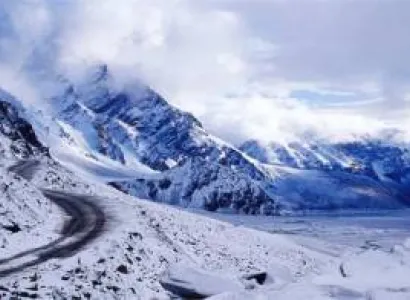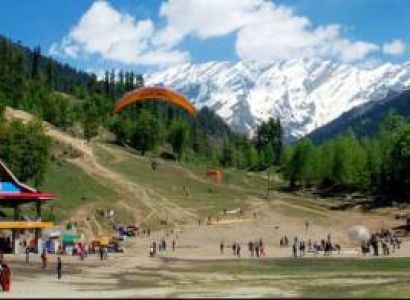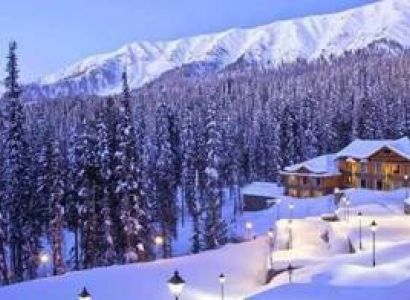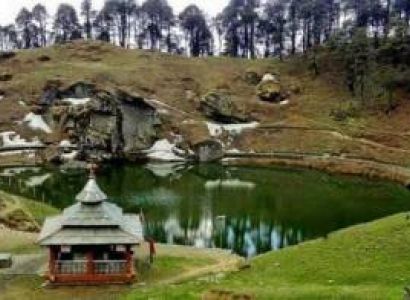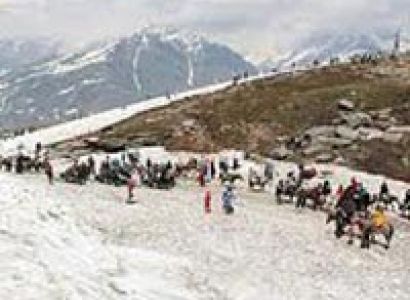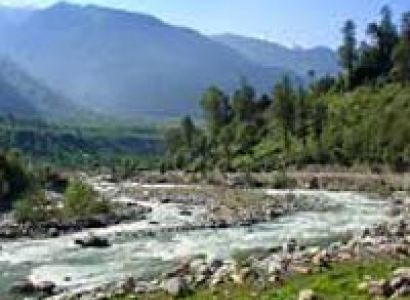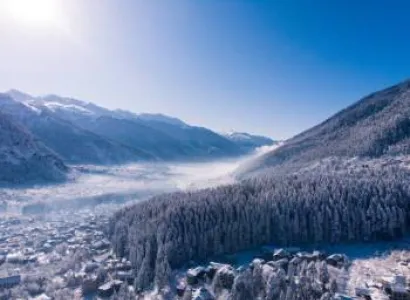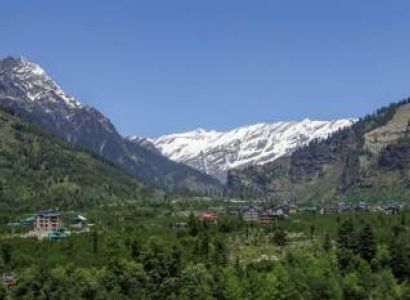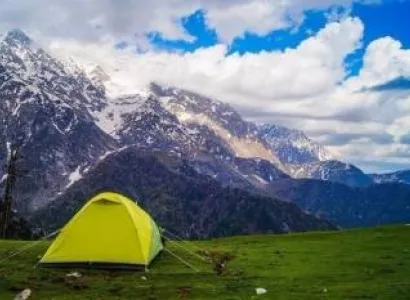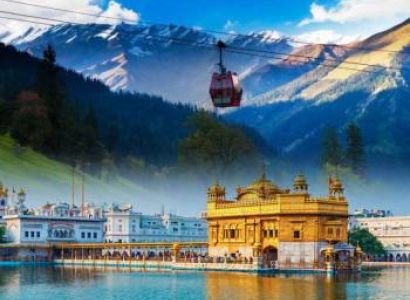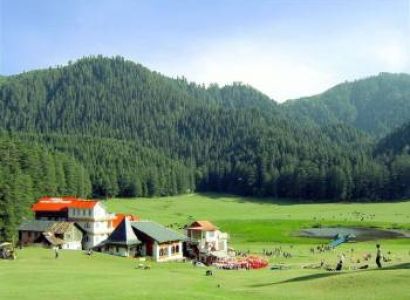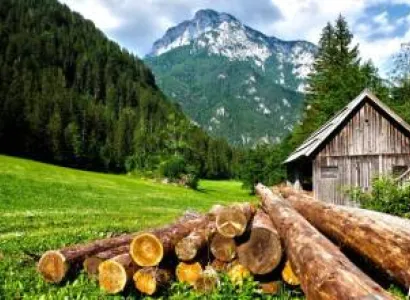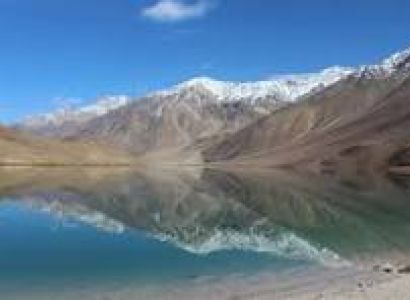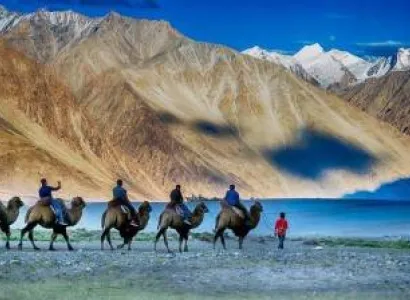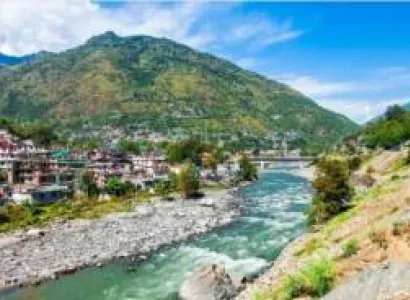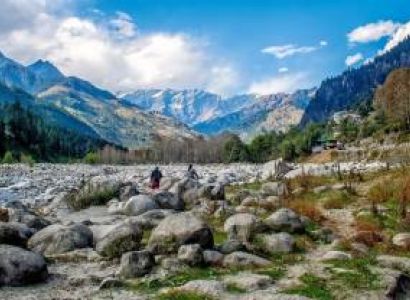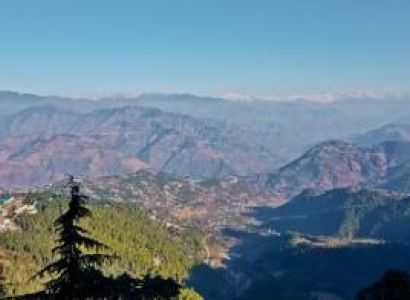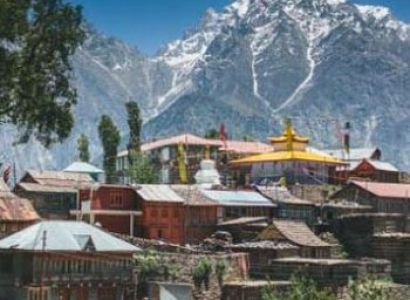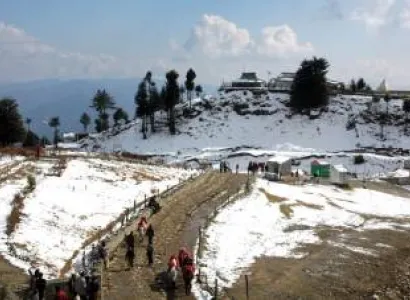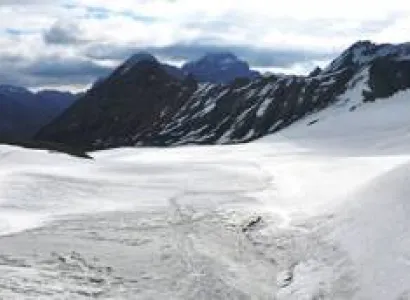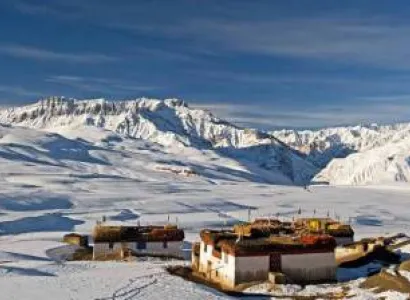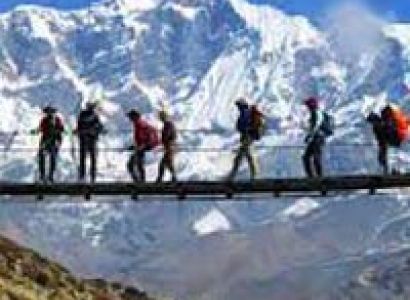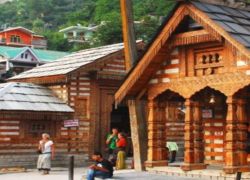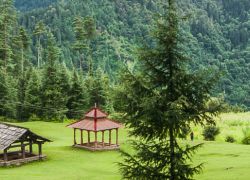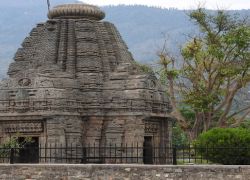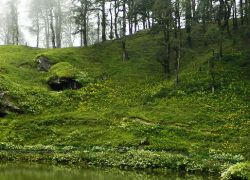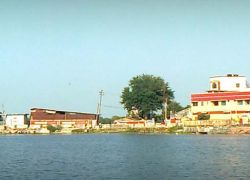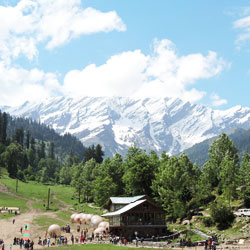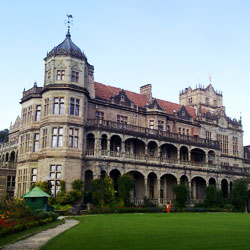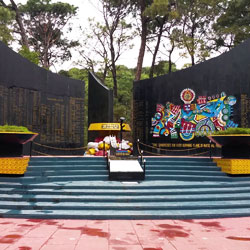
"Adventure through breathtaking mountain landscapes."
About Great Himalayan National Park
The Great Himalayan National Park, located in Kullu district of Himachal Pradesh, is a UNESCO World Heritage Site known for its diverse range of flora and fauna. Established in 1984, the park covers an area of 754.4 square kilometers and is home to numerous species of plants and animals.
Location and Geographical Overview
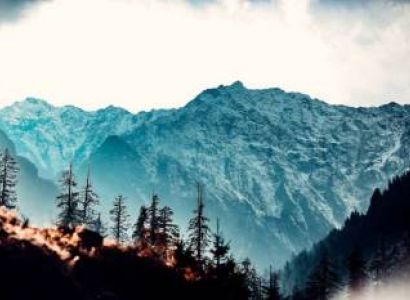
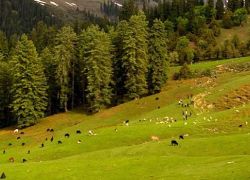
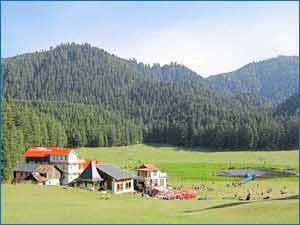
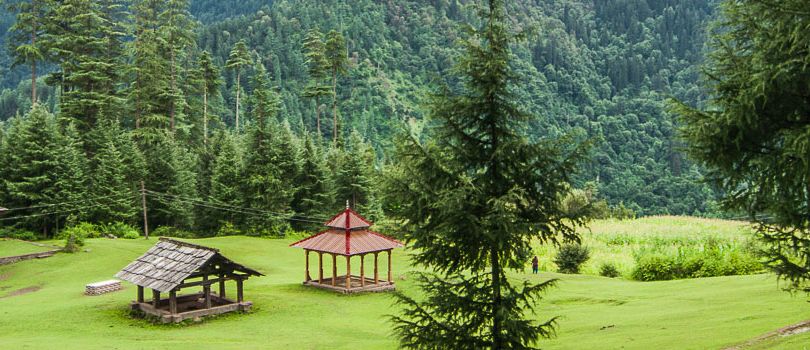
The Great Himalayan National Park is located in the western part of the Himalayan range in Himachal Pradesh, India. It is situated at an altitude ranging from 1500 to 6000 meters above sea level and is surrounded by snow-capped peaks, alpine meadows, and dense forests.
Open and Closing Time
The park is open to visitors from 9:00 am to 5:00 pm every day of the week, including weekends and public holidays. It is closed during the monsoon season, typically from July to September, due to heavy rainfall and the risk of landslides.
Entry Fee
There is an entry fee for visiting the Great Himalayan National Park, which varies for Indian and foreign tourists. The entry fee for Indian adults is INR 50, while for foreign nationals, it is INR 200. Children below the age of 12 years can enter for free.
Species-Flora/Fauna Availability
The Great Himalayan National Park is known for its rich biodiversity, with over 375 species of flora and fauna found within its boundaries. Some of the notable species include the Western Tragopan, Himalayan Tahr, Snow Leopard, and Blue Sheep.
Activities Performed
Visitors to the park can engage in a variety of activities such as trekking, bird watching, nature walks, and camping. The park also offers guided tours and educational programs for those interested in learning more about its wildlife and conservation efforts.
Jeep Safari Charges
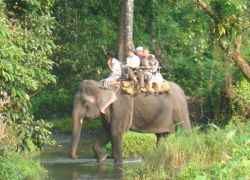
Jeep safaris are available for visitors who wish to explore the park's rugged terrain and spot wildlife from the comfort of a vehicle. The charges for a jeep safari vary depending on the duration and route chosen, with prices starting from INR 1500 per person.
Age Criterion and Entry Fee
Children below the age of 12 years can enter the Great Himalayan National Park for free. The entry fee for male and female adults is INR 50 for Indian nationals and INR 200 for foreign nationals.
Senior Citizen Facilities
Senior citizens above the age of 60 years can avail of a discounted entry fee at the Great Himalayan National Park. They are required to show valid proof of age, such as an ID card or passport, to avail of the concession.
Best Time to Visit
The best time to visit the Great Himalayan National Park is during the summer and autumn months, from April to June and September to November. The weather is pleasant during these months, making it ideal for trekking and wildlife spotting.
Nearby Places to Visit
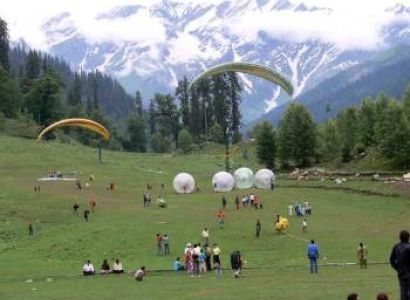
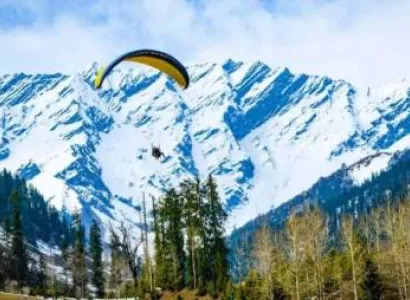
There are several tourist attractions near the Great Himalayan National Park that visitors can explore, including the picturesque town of Manali, the Rohtang Pass, and the Solang Valley. These places offer stunning views of the Himalayan landscape and opportunities for adventure sports.
Vehicle Parking Facility
There is a designated parking area near the entrance of the Great Himalayan National Park where visitors can park their vehicles. The parking facility is secure and well-maintained, with attendants available to assist visitors with parking their cars and bikes.
Rules and Regulations
Visitors to the Great Himalayan National Park are required to follow certain rules and regulations to ensure the safety of themselves and the park's wildlife. Some of the key rules include not littering, not feeding the animals, and staying on designated trails during treks.
How to Reach and Other Related Information
The Great Himalayan National Park is easily accessible by road from major cities such as Delhi and Chandigarh. The nearest airport is in Bhuntar, which is approximately 50 kilometers away, while the nearest railway station is in Joginder Nagar, around 150 kilometers away. Visitors can also hire taxis or take buses to reach the park from nearby towns and cities.