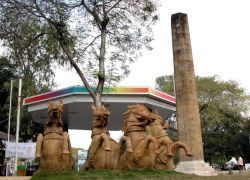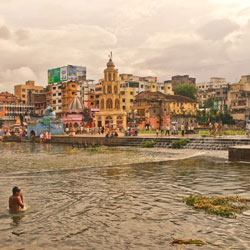
Nagpur, a city rich in history and natural beauty, boasts a unique landmark that holds immense significance - the Zero Mile Stone. This iconic monument marks the geographical center of India and serves as a starting point for all major roads in the country. Situated in the heart of Nagpur, Zero Mile Stone not only serves as a point of reference but also as a symbol of unity and connectivity.
History of Zero Mile Stone
The historical roots of Zero Mile Stone date back to the colonial era when it was established as the central point for the measurement of distances across India. Originally serving as a marker for the Great Trigonometrical Survey, this monument has evolved into a cultural heritage site, showcasing the architectural prowess of the bygone era.
Architecture and Natural Beauty of Zero Mile Stone
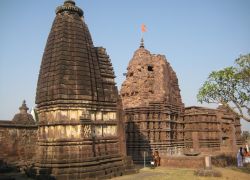
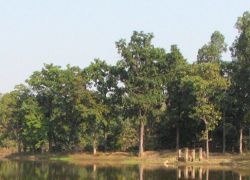
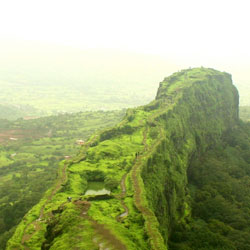
Surrounded by lush greenery and serene landscapes, Zero Mile Stone offers a tranquil escape from the bustling city life. The nearby wetlands and forests provide a habitat for a diverse range of bird species, making it a paradise for birdwatchers and nature enthusiasts. The historic Keoladeo Temple, located in close proximity, adds a spiritual touch to the natural beauty of the surroundings.
Why is Zero Mile Stone Famous?
Zero Mile Stone has gained popularity among tourists, especially birdwatchers, photographers, and wildlife lovers, due to its unique geographical significance and natural allure. The abundance of bird habitats and scenic landscapes make it a must-visit destination for those seeking a blend of history and nature.
How to Reach Zero Mile Stone
Travelling to Zero Mile Stone is convenient with various transportation options available. Visitors can reach Nagpur by air, rail, or road, with the city well-connected to major cities across India. The nearest airport and railway station provide easy access to this iconic landmark.
Weather and Best Time to Visit Zero Mile Stone
Understanding the weather conditions at Zero Mile Stone is crucial for planning a visit. While summers can be hot and humid, the monsoon season brings lush greenery and refreshing showers. The winter months offer pleasant temperatures, making it the best time to explore this attraction.
Timings of Zero Mile Stone
Zero Mile Stone welcomes visitors throughout the year, with varying timings based on seasonal changes. It is advisable to check the official schedule before planning your trip to ensure a seamless experience.
Entry Fee and Visit Details
Entry to Zero Mile Stone is usually free of charge, allowing visitors to explore the monument and its surroundings at their leisure. Guide services, safari options, bicycle rentals, and other visitor facilities are available for a more personalized experience.
Things to Do at Zero Mile Stone
Engaging in popular activities such as birdwatching, photography, cycling, and nature observation can provide a memorable experience at Zero Mile Stone. The walking trails and educational opportunities offer a deeper insight into the biodiversity and cultural significance of this landmark.
Interesting Facts About Zero Mile Stone
Zero Mile Stone is not just a point on the map; it represents a harmonious blend of history, biodiversity, and conservation efforts. The migratory birds that frequent the area, coupled with the conservation achievements, highlight the ecological importance of this site.
Travel Tips for Visiting Zero Mile Stone
When visiting Zero Mile Stone, it is advisable to wear comfortable clothing, carry essential photography equipment, and be respectful of the natural surroundings. Understanding the best seasons for birdwatching and responsible tourism practices can enhance your experience at this iconic location.
Conclusion
In conclusion, Zero Mile Stone in Nagpur stands as a testament to India's diverse heritage and natural beauty. From its historical significance to its ecological importance, this landmark offers a blend of experiences for visitors seeking a unique travel destination. Exploring Zero Mile Stone provides not just a glimpse into the past but also a deeper connection with nature and conservation efforts in the present day.
































Nagpur