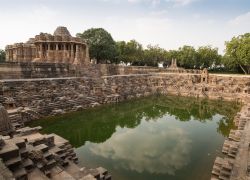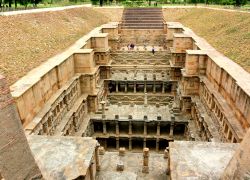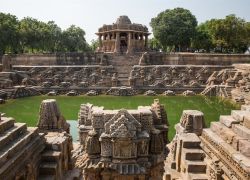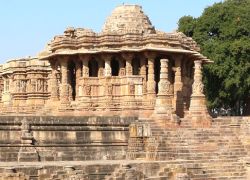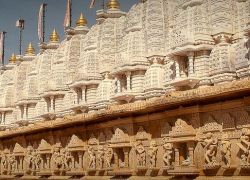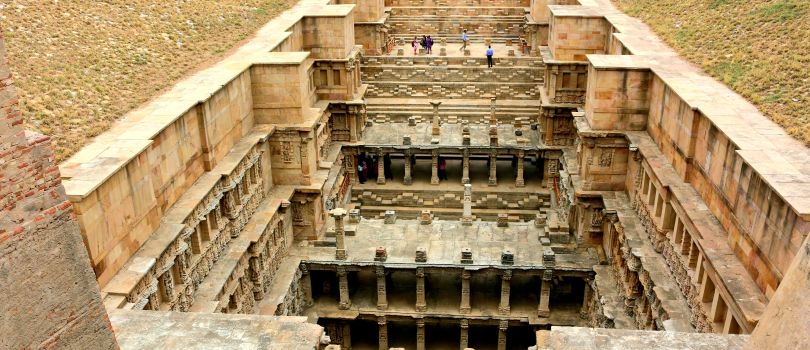
"Architectural marvel showcasing intricate stepwell artistry."
Rani Ki Vav is one of Gujarat's most celebrated architectural wonders, located near the town of Modhera in the Mehsana district. A UNESCO World Heritage Site, this stepwell is a stunning example of ancient Indian architecture and engineering, showcasing intricate design and cultural significance. Built during the 11th century under the rule of the Solanki dynasty, the vav is dedicated to the goddess Amba Mata and is revered for its artistic beauty, religious importance, and historical value.
The Rani Ki Vav, which translates to "Queen’s Stepwell," is believed to have been built by Queen Udayamati, the wife of King Bhimdev I of the Solanki dynasty, around the 11th century. The stepwell was designed as a memorial to her late husband and as a tribute to the religious and cultural practices of the time.
Originally, the stepwell was a part of a larger complex that included a temple and other structures, though most of these have since been lost to time. The structure is an engineering marvel, reflecting the advanced hydraulic and architectural knowledge of the Solanki dynasty. The stepwell was buried under sand for centuries until it was rediscovered in the 1940s and subsequently restored by the Archaeological Survey of India (ASI).
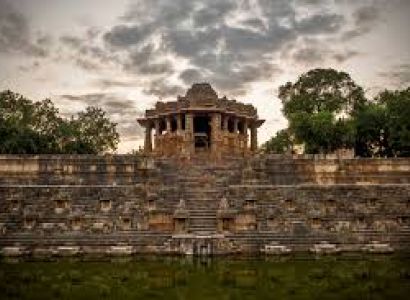
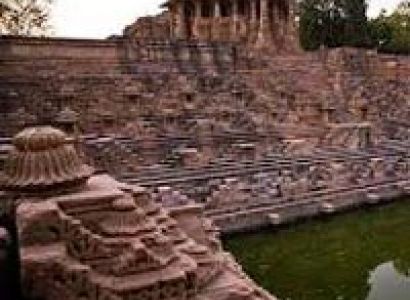
Rani Ki Vav is one of the finest examples of stepwell architecture in India, designed in the Maru-Gurjara style. The stepwell is built to resemble an inverted temple, with its stepped corridors and ornate carvings, which extend down to the water level. The stepwell itself is a seven-story structure that descends about 27 meters (88 feet) deep into the earth.
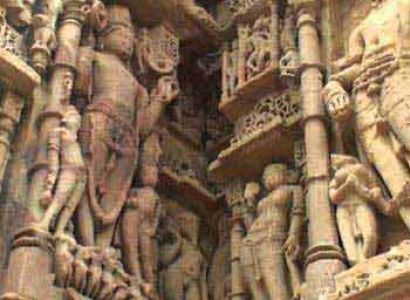
What makes Rani Ki Vav particularly special is its rich decorative carvings. The walls are adorned with thousands of sculptures of gods, goddesses, mythological figures, and elaborate designs. The well is divided into different levels, with each level showcasing a set of carvings and sculptures that depict various themes, including scenes from Hindu mythology, daily life, and religious practices. The main shaft of the stepwell also houses a large idol of Lord Vishnu, further emphasizing the religious significance of the structure.
Rani Ki Vav is famous for its sheer architectural brilliance and the advanced hydraulic engineering techniques it demonstrates. As one of the most well-preserved stepwells in India, it serves as an excellent example of the intricate art and architecture of the 11th century. It is considered a UNESCO World Heritage Site, which adds to its global recognition and attracts thousands of tourists every year.
It is also renowned for its religious and cultural significance. The stepwell was not just a functional water reservoir; it was also a place for spiritual rituals and gatherings. Visitors often come to admire its architectural beauty, the richness of its carvings, and the fascinating glimpse into India’s ancient past.
Rani Ki Vav is located near the town of Modhera in Gujarat, around 30 km from Patan and 100 km from Ahmedabad. The site is easily accessible by road, making it a popular day-trip destination from nearby cities. Here’s how to reach the site:
The weather in Modhera is hot and dry, typical of the region’s semi-arid climate. The best time to visit Rani Ki Vav is during the cooler months, from October to March, when the temperatures are more comfortable for sightseeing.
Rani Ki Vav is open for visitors daily from 8:00 AM to 6:00 PM. It is recommended to visit early in the morning or late in the afternoon to avoid the midday heat, especially during the summer months. The site is well-lit at night during special events and festivals, though daytime visits are generally preferred for better visibility of the intricate carvings.
The entry fee for Rani Ki Vav is nominal, with separate charges for Indian and foreign nationals. The ticket covers entry to both the stepwell and the nearby museum that showcases the history and restoration of the monument.
Guided tours are available for visitors who wish to learn more about the history and significance of the monument. It is advised to book a guide in advance, especially during the peak tourist season (winter months).
Rani Ki Vav is a mesmerizing historical monument that reflects the architectural brilliance of ancient India. Whether you're a history enthusiast, an architecture lover, or a photography fan, Rani Ki Vav is a must-visit destination for anyone traveling to Gujarat.






Modhera