"Explore the legacy of Assamese valor and history."
Lachit Borphukan's Fort, located in the Morigaon district of Assam, is a historically significant site associated with one of Assam’s greatest heroes, Lachit Borphukan. The fort stands as a symbol of bravery, strategic brilliance, and resistance against foreign invasions during the Ahom period. Though modest in structure today, the fort holds immense historical value and reflects the military strength and foresight of the Ahom dynasty. Surrounded by natural beauty and calm rural surroundings, this site attracts history lovers, students, and travelers interested in Assam’s glorious past.
How to Reach Lachit Borphukan's Fort, Morigaon, Assam
Reaching Lachit Borphukan's Fort is fairly convenient as Morigaon is well connected by road, rail, and air to major cities of Assam.
By Air: The nearest airport is Lokpriya Gopinath Bordoloi International Airport in Guwahati, approximately 80–90 kilometers away. From the airport, taxis and buses are available to Morigaon. After reaching Morigaon town, local transport can be used to reach the fort area.
By Train: Morigaon Railway Station is the nearest railhead, located around 5–6 kilometers from the fort. It is connected with Guwahati and other important towns in Assam. Auto-rickshaws and taxis are easily available from the station.
By Road: Morigaon is connected by National Highway to Guwahati and nearby districts. Regular buses, private taxis, and shared vehicles operate daily. The fort can be reached easily from Morigaon town by local transport.
Weather and Best Time to Visit
Morigaon experiences a humid subtropical climate. Summers (March to June) are warm and humid, with temperatures ranging from 25°C to 35°C. Monsoon season (June to September) brings heavy rainfall, which can make travel slightly difficult.
The best time to visit Lachit Borphukan's Fort is from October to March. During this period, the weather remains pleasant with temperatures between 12°C and 25°C, making it ideal for sightseeing and exploring historical sites.
Timing and Entry Details
Lachit Borphukan's Fort is generally open to visitors throughout the day. There are no strict visiting hours, but it is advisable to visit between 8:00 AM and 5:00 PM to explore the site comfortably in daylight.
Currently, there is no entry fee to visit the fort. However, visitors are encouraged to maintain cleanliness and respect the historical importance of the site.
Why is Lachit Borphukan's Fort Famous?
Lachit Borphukan's Fort is famous due to its strong association with Lachit Borphukan, the legendary Ahom general who led the Assamese forces to victory against the Mughal army in the Battle of Saraighat in 1671.
The fort is believed to have been part of the defensive and strategic military system used by the Ahom army. It reflects the military planning, courage, and leadership of Lachit Borphukan, who is remembered as a national hero in Assam. The site is also significant for promoting regional pride and awareness of Assam’s resistance history.
History of Lachit Borphukan's Fort
Lachit Borphukan was one of the most respected commanders of the Ahom kingdom. He played a crucial role in defending Assam against Mughal invasions during the 17th century. The fort in Morigaon is believed to have been used as a military outpost or defensive structure during that period.
The Ahom rulers constructed several forts, embankments, and strategic posts across Assam to safeguard their territory. Lachit Borphukan's Fort stands as a reminder of those times when strategic planning and knowledge of local geography helped the Ahoms defend their land successfully.
Architecture of Lachit Borphukan's Fort
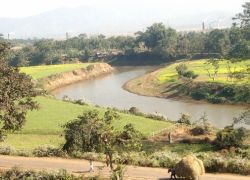
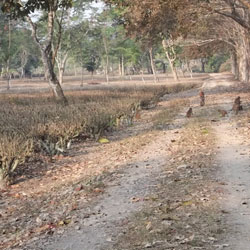
Architecturally, Lachit Borphukan's Fort is simple yet functional. Unlike grand palaces or temples, the fort was built mainly for defense purposes. It features earthen ramparts, natural elevations, and remains of old structures that once served as watch posts and defensive walls.
The fort’s location was chosen strategically, offering a clear view of surrounding areas to monitor enemy movement. The use of local materials such as mud, bricks, and stone reflects traditional Ahom construction techniques focused on durability and practicality rather than decoration.
Things to Do at Lachit Borphukan's Fort
Visitors can engage in several activities while exploring Lachit Borphukan's Fort:
Historical Exploration: Walk around the site to understand its historical significance and imagine the military strategies used during the Ahom period.
Photography: The fort and its natural surroundings offer excellent opportunities for photography, especially for those interested in heritage and landscape photography.
Educational Visits: Students and history enthusiasts can learn about Lachit Borphukan, the Ahom dynasty, and Assam’s resistance against Mughal invasions.
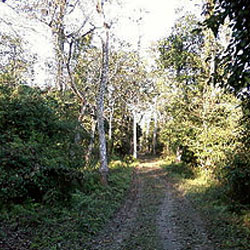
Nature Walks: The peaceful surroundings make it a suitable spot for short walks and quiet reflection.
Facts About Lachit Borphukan's Fort
• Lachit Borphukan is honored annually on Lachit Divas in Assam for his bravery and patriotism.
• The fort is part of the broader Ahom military heritage spread across Upper and Lower Assam.
• Lachit Borphukan is often compared to great military leaders of Indian history for his leadership skills.
• The fort area is still undergoing awareness and preservation efforts.
Tips for Visitors
• Visit during daylight hours for better visibility and safety.
• Wear comfortable footwear, as the terrain may be uneven in some areas.
• Carry drinking water, especially during summer months.
• Respect the historical site and avoid damaging or littering the area.
• Combine your visit with nearby attractions in Morigaon for a complete travel experience.
Conclusion
Lachit Borphukan's Fort in Morigaon, Assam, is more than just a historical structure—it is a symbol of courage, leadership, and Assamese pride. Though simple in appearance, the fort carries stories of resistance and heroism that shaped the history of Assam. For travelers seeking meaningful heritage experiences, this fort offers a deep connection to the legacy of Lachit Borphukan and the glorious Ahom dynasty. A visit here is both educational and inspiring, making it a valuable stop on any Assam travel itinerary.














Morigaon
Morigaon
Morigaon
Morigaon
Morigaon
Morigaon
Morigaon
Morigaon
Morigaon

Morigaon