"Explore spiritual tranquility and historical significance."
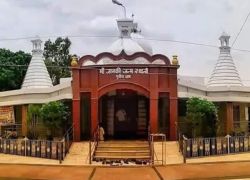
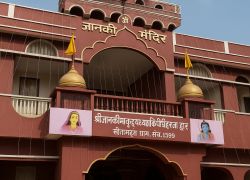
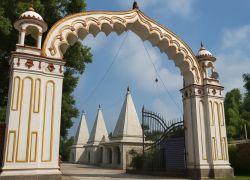
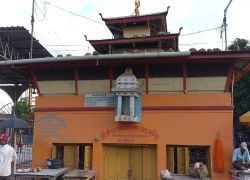
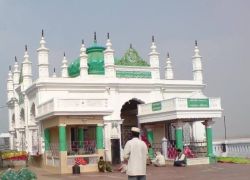
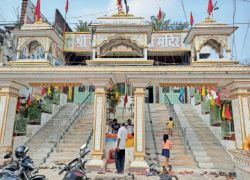
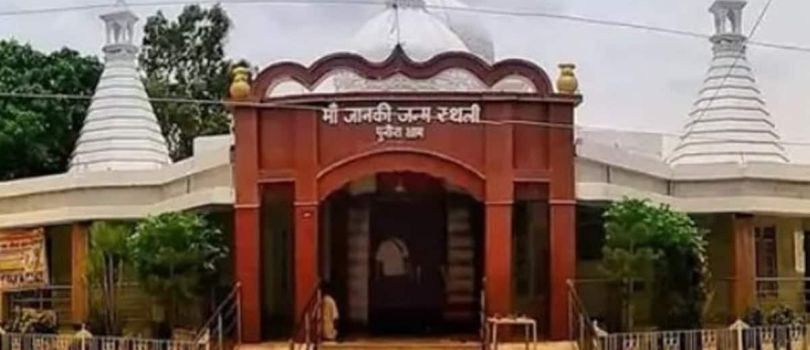
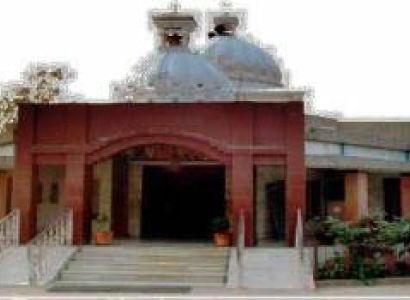
Punaura Dham is one of the most sacred Hindu pilgrimage places in :contentReference[oaicite:0]{index=0}, Bihar. It is widely believed to be the birthplace of Goddess Sita, also known as Janaki, who is a central character in the epic Ramayana. Because of this belief, Punaura Dham holds deep spiritual value for devotees of Lord Rama and Goddess Sita. The temple complex is located a few kilometers away from the main Sitamarhi town and is visited by thousands of pilgrims every year, especially during important Hindu festivals. People come here to pray for family happiness, good health, and peace of mind.
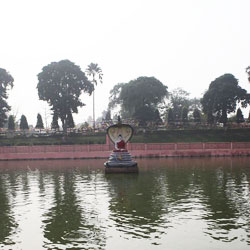
The surroundings of Punaura Dham are calm and open, which makes it a good place for quiet prayer and meditation. The temple area is simple and clean, and the atmosphere becomes very devotional during early morning and evening aarti. Devotees often spend time sitting peacefully in the temple complex, chanting prayers or reading religious texts. The site is important not only for religious reasons but also as part of the cultural identity of Sitamarhi district.
History and Architecture of Punaura Dham, Sitamarhi
According to ancient beliefs and local traditions, King Janak found Goddess Sita while ploughing the field, and this sacred event is believed to have taken place in the region of Punaura Dham. Over time, this place became known as the birthplace of Sita and developed into a holy pilgrimage center. Although there are no exact historical records that clearly prove the event, the belief has been passed down through generations and is deeply rooted in local culture and faith.
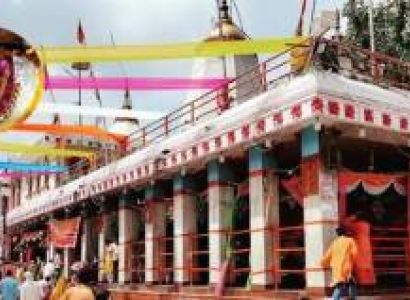
The architecture of Punaura Dham is traditional and simple, designed mainly to serve the needs of pilgrims and devotees. The main shrine has idols of Goddess Sita, and in some sections, idols of Lord Rama and Lakshman can also be seen. The temple complex includes a prayer hall, open courtyard, and pathways for devotees to walk around the shrine. The walls are decorated with religious paintings that show scenes from the Ramayana. The structure is not very large or grand but creates a peaceful and spiritual environment for worship.
How to Reach Punaura Dham, Sitamarhi
Punaura Dham is well connected to Sitamarhi town and can be reached easily by road and rail.
By Train: The nearest railway station is :contentReference[oaicite:1]{index=1}. This station is connected with cities like Muzaffarpur, Darbhanga, and Patna. From the station, you can take an auto-rickshaw or local taxi to reach Punaura Dham in about 15 to 20 minutes.
By Road: Sitamarhi has good road connections with nearby districts of Bihar and parts of Nepal. Regular buses and private vehicles run between Sitamarhi and towns such as Muzaffarpur and Darbhanga. From the main bus stand, Punaura Dham can be reached by local transport.
By Air: The nearest airport is :contentReference[oaicite:2]{index=2} in Patna. From Patna, you can travel to Sitamarhi by train or road, and then take a local vehicle to reach the temple.
Best Time to Visit and Weather in Sitamarhi
Sitamarhi has hot summers, rainy monsoon months, and mild winters. Summer season (April to June) can be very hot, and visiting the temple during midday may be uncomfortable. The monsoon season (July to September) brings greenery but also occasional waterlogging on roads.
The best time to visit Punaura Dham is during winter (October to March), when the weather is pleasant and suitable for walking around and sightseeing. The temple is especially crowded during festivals like Ram Navami and Sita Navami, which are celebrated with great devotion. Early morning and evening visits are always more comfortable, especially in warmer months.
Timings and Entry Details of Punaura Dham, Sitamarhi
Punaura Dham is open to devotees every day. There is no entry fee to visit the temple complex. The temple usually opens early in the morning and remains open until evening. On special religious days and festivals, the temple may remain open for longer hours to allow more pilgrims to visit.
Visitors are expected to follow temple rules, such as removing footwear before entering the main shrine and dressing modestly. Maintaining silence and cleanliness inside the temple premises is important to respect the religious environment. During crowded days, it is better to keep personal belongings safe.
Things to Do at Punaura Dham, Sitamarhi
At Punaura Dham, visitors can take part in daily prayers and special pujas. Many devotees offer flowers, coconuts, sweets, and incense sticks as part of their worship. Walking around the temple complex and spending time in meditation helps visitors feel calm and spiritually refreshed. Some people prefer to sit quietly and reflect on the stories of Goddess Sita and Lord Rama from the Ramayana.
You can also interact with local priests to learn more about the significance of the temple and the rituals performed here. Small shops near the temple sell religious items and souvenirs, which can be taken home as a memory of the visit. Photography is generally allowed in the outer areas, but it is better to avoid taking photos inside the sanctum without permission.
Facts and Tips About Punaura Dham, Sitamarhi
Punaura Dham is believed to be the birthplace of Goddess Sita, making it one of the most important religious places in Bihar. The temple becomes very crowded during major festivals, so it is advisable to visit early in the morning to avoid long queues. Carrying drinking water is helpful, especially in summer. Wearing comfortable footwear is recommended because you may need to walk some distance from parking areas. Respect local customs and avoid loud talking inside the temple premises.
Church of Our Lady, Bruges – History and Architecture
The :contentReference[oaicite:3]{index=3} is one of the most famous churches in :contentReference[oaicite:4]{index=4}, Belgium. This historic church is known for its tall brick tower and fine Gothic architecture. The construction of the church started in the 13th century and continued over many years. The building reflects medieval European architectural style, with high vaulted ceilings, pointed arches, and beautiful stone details.
Inside the church, visitors can see impressive religious artworks, sculptures, and decorative altars. The peaceful interior attracts both worshippers and tourists who are interested in history and art.
Why Church of Our Lady, Bruges is Famous
The Church of Our Lady is world famous for housing the marble sculpture “Madonna and Child” created by :contentReference[oaicite:5]{index=5}. This artwork is one of the few masterpieces by Michelangelo that left Italy during his lifetime. The church is also known for the tombs of important historical personalities, which add to its cultural and historical importance.
Entry and Visit Details – Church of Our Lady, Bruges
The Church of Our Lady is open to visitors on most days. Entry to the church is usually free for prayer, while a small fee may be charged to visit the museum section where important artworks and exhibits are displayed. Visiting hours can change depending on the season and special events, so it is a good idea to check local timings before planning your visit.
Weather in Bruges and Best Time to Visit
Bruges has a mild climate with cool winters and pleasant summers. The best time to visit is from spring to early autumn, when the weather is comfortable for walking around the historic city center and enjoying sightseeing. The canals, old buildings, and peaceful streets of Bruges make the visit memorable.


Sitamarhi
Sitamarhi
Sitamarhi
Sitamarhi
Sitamarhi
Sitamarhi
Sitamarhi
Sitamarhi
Sitamarhi
Sitamarhi