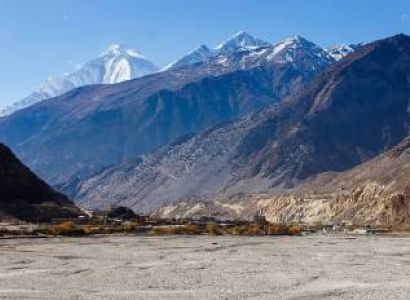
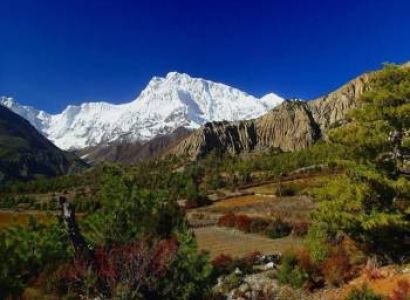
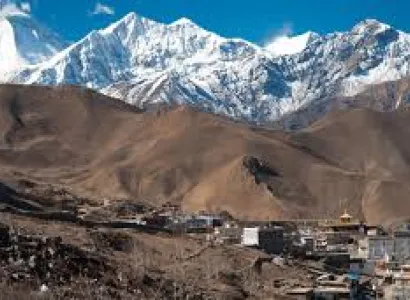
Poon Hill is one of the most popular and scenic viewpoints in the Annapurna region of Nepal. Located at an altitude of approximately 3,210 meters (10,531 feet), it offers a breathtaking panoramic view of the Annapurna and Dhaulagiri mountain ranges. While Poon Hill itself is not directly in Jomsom, it is often included as part of treks that either begin or end in Jomsom, especially for those doing the extended Annapurna Circuit or short treks that pass through Ghorepani.
The beauty of Poon Hill lies in its accessibility, moderate difficulty, and the spectacular sunrise views that draw trekkers from all over the world. Surrounded by rhododendron forests, charming villages, and stunning mountain backdrops, Poon Hill provides a perfect combination of cultural and natural exploration.
How to Reach Poon Hill, Jomsom
There are a few different routes to reach Poon Hill, depending on where your journey starts. Most people begin their trek from Pokhara, the main tourist hub of western Nepal.
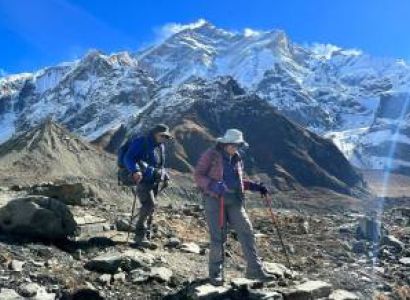
- From Pokhara: Take a jeep or bus to Nayapul (around 1.5 hours), and then begin the trek through Tikhedhunga, Ulleri, and Ghorepani. It usually takes 2-3 days to reach Poon Hill on foot.
- From Jomsom: Trekkers completing the Annapurna Circuit or descending from Muktinath and Jomsom can loop down through Tatopani and reach Ghorepani before hiking to Poon Hill. This route takes 3–5 days depending on pace.
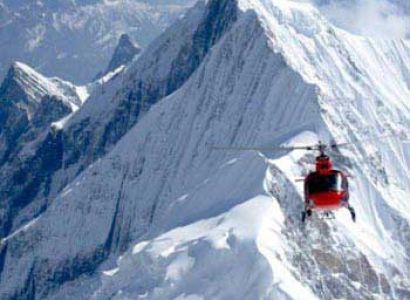
- By Helicopter: Charter flights or helicopters from Pokhara or Kathmandu are possible but very expensive and weather-dependent.
Weather and Best Time to Visit
The weather at Poon Hill varies with seasons, and the best time to visit depends on what kind of experience you're looking for:
- Spring (March to May): One of the best seasons to visit. The skies are generally clear, and rhododendrons bloom along the trail.
- Autumn (September to November): Another excellent season. The weather is stable, visibility is perfect, and mountain views are stunning.
- Winter (December to February): Cold but with very clear skies. The trail can be covered in snow at higher elevations.
- Monsoon (June to August): Not recommended due to leeches, muddy trails, and cloud-covered mountain views.
Why is Poon Hill, Jomsom Famous?
Poon Hill is famous for its incredible sunrise views and relatively easy access compared to other high-altitude viewpoints in the Himalayas.
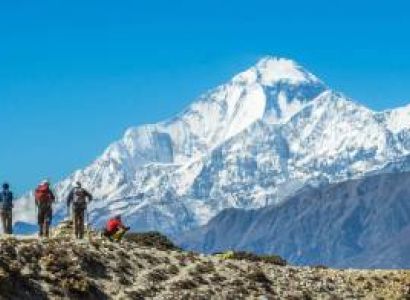
- Stunning Sunrise: Trekkers wake up early to hike to the top of Poon Hill to witness the first rays of sunlight illuminating the peaks of Annapurna I, Annapurna South, Dhaulagiri, Machhapuchhre (Fishtail), and more.
- Panoramic Views: One of the best spots in Nepal for wide-angle mountain vistas without requiring high-altitude climbing.
- Ideal for Beginners: Suitable for trekkers of all ages and experience levels. No technical skills required.
- Cultural Exposure: The trail passes through Gurung and Magar villages, providing insight into local Himalayan lifestyles and traditions.
Entry and Visit Details
Like other trekking regions in Nepal, you’ll need permits to trek to Poon Hill:
- ACAP Permit: Annapurna Conservation Area Project permit is mandatory for all visitors.
- TIMS Card: Trekkers’ Information Management System card is also required for safety and regulation purposes.
- Permits can be obtained in Kathmandu or Pokhara at the Nepal Tourism Board offices.
There are no special restrictions like in Upper Mustang, and no need for a guide, although hiring one is recommended for navigation and cultural insights.
History and Architecture
While Poon Hill itself does not have historical buildings or structures, the trail that leads to it is rich in cultural heritage. Ghorepani, the nearest village to Poon Hill, was once a stop on the ancient salt trade route between Tibet and Nepal. The word "Ghorepani" means "horse water," indicating its past as a resting place for traders and their animals.
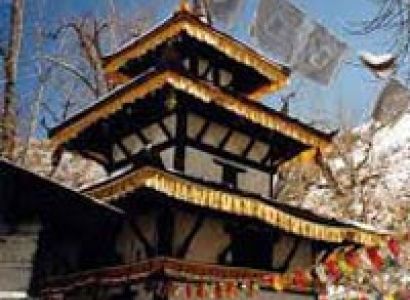
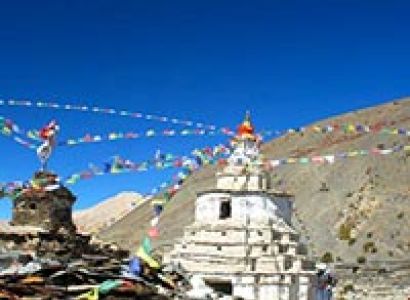
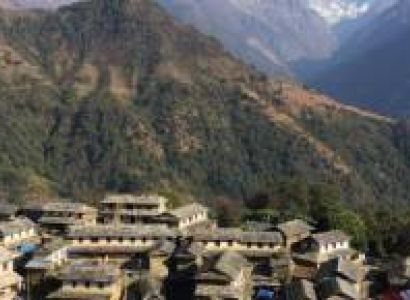
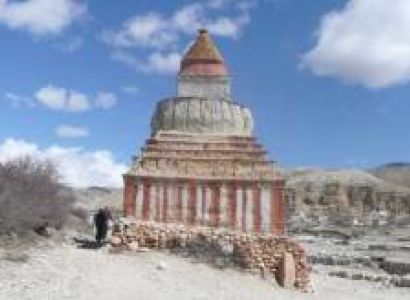
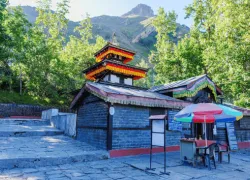
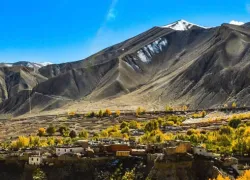
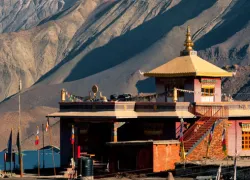
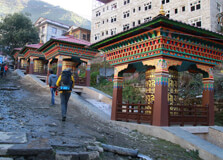
The villages along the trail, including Ghandruk and Ulleri, showcase traditional stone houses, slate-roofed buildings, and terraced farmlands. Buddhist prayer flags, mani walls, and small monasteries along the route highlight the spiritual side of the region.
Things to Do in Poon Hill, Jomsom
- Sunrise Hike: The main attraction is the early morning hike from Ghorepani to the Poon Hill viewpoint to watch the sunrise over the Himalayas.
- Photography: Perfect spot for landscape and nature photography. Sunrise, cloud formations, and mountain views are mesmerizing.
- Cultural Exploration: Interact with local Gurung and Magar people, visit traditional homes, and learn about their customs.
- Nature Walks: Walk through rhododendron forests, birdwatching areas, and scenic trails full of natural beauty.
- Hot Springs at Tatopani: If trekking from Jomsom or heading that way, stop at Tatopani for a refreshing dip in natural hot springs.
- Local Cuisine: Enjoy delicious home-cooked Nepali meals, including dal bhat, thukpa, and momos in teahouses along the trail.
Facts and Tips about Poon Hill, Jomsom
- Poon Hill is at 3,210 meters, which is high enough for amazing views but low enough to avoid most altitude sickness issues.
- The sunrise hike usually starts around 4:30 AM, so bring a headlamp and warm clothes.
- There’s a small ticket fee (around NPR 100–150) collected at the top of Poon Hill for maintenance and upkeep.
- Carry cash, as most villages along the route do not have ATMs or card payment options.
- Weather can change quickly—always carry a rain jacket and warm layers.
- Teahouse accommodation is available in all villages, offering basic but comfortable lodging and food.
- Travel light, but pack essentials like water purification tablets, snacks, sunscreen, and a reusable water bottle.