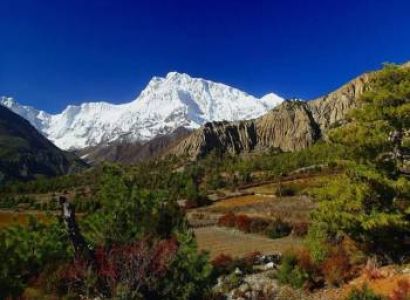
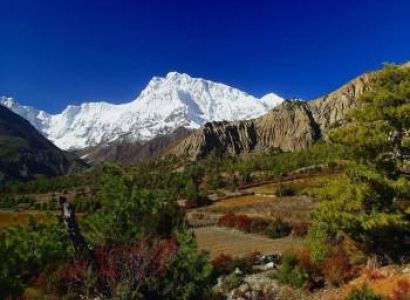
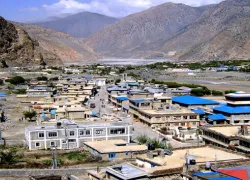
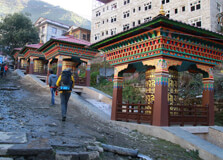
Upper Mustang is a remote and mystical region in the northwestern part of Nepal, located beyond the majestic Himalayan range and close to the border with Tibet. The area is part of the Mustang District, with Jomsom serving as the main entry point and administrative center. Often referred to as the "Last Forbidden Kingdom," Upper Mustang was closed to outsiders until 1992, preserving its ancient Tibetan culture, traditions, and architecture.
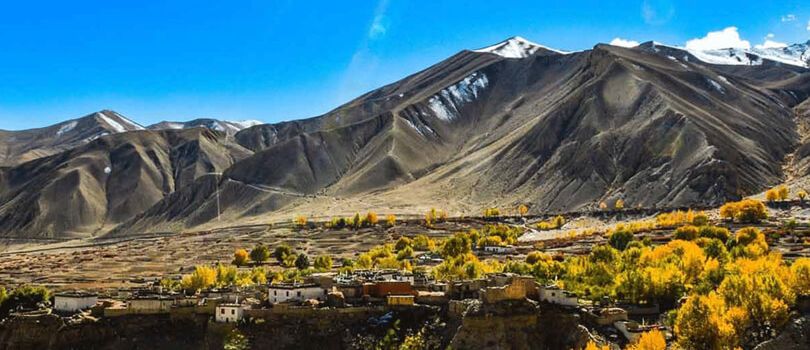
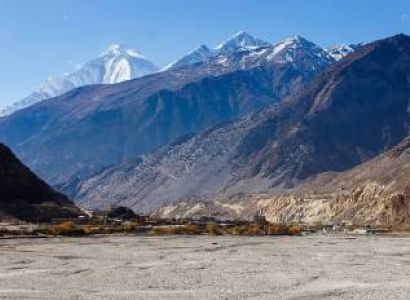
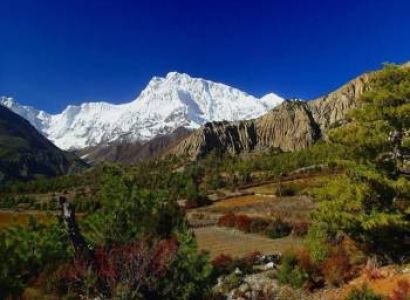
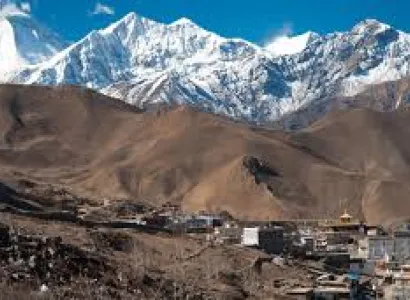
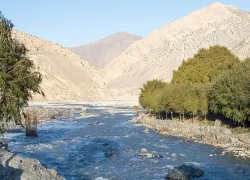
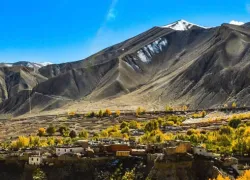
The region is a high-altitude desert plateau, offering dramatic landscapes with red cliffs, barren hills, deep canyons, and ancient cave dwellings carved into rock faces. Its unique environment and rich Tibetan-Buddhist heritage make Upper Mustang a rare destination for travelers seeking cultural exploration and natural beauty.
How to Reach Upper Mustang, Jomsom
Reaching Upper Mustang typically involves multiple modes of transportation, starting from Kathmandu or Pokhara:
- By Air: The most popular route is to fly from Pokhara to Jomsom (20-25 minutes), then begin the trek or jeep journey towards Upper Mustang.
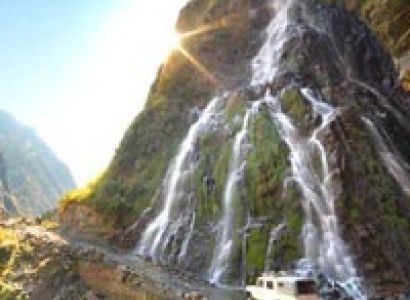
- By Road: You can drive or take a jeep from Pokhara through Beni, Tatopani, Ghasa, and Jomsom. The road is rough and takes 2-3 days to reach Lo Manthang, the capital of Upper Mustang.
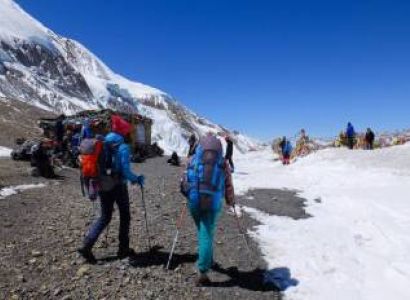
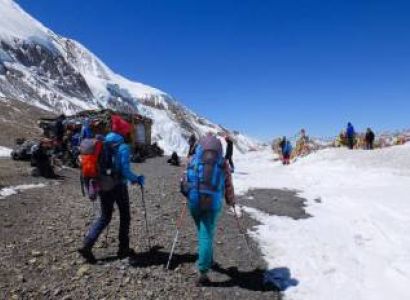
- By Trek: Trekking from Jomsom to Upper Mustang is the traditional way to experience the region. The trek takes about 10-14 days round trip and passes through ancient villages like Kagbeni, Tsarang, and Lo Manthang.
Weather and Best Time to Visit
Upper Mustang lies in the rain shadow of the Himalayas, making it one of the driest areas in Nepal. The weather is arid, with very little rainfall even during the monsoon.
- Spring (March to May): Clear skies, moderate temperatures, and blooming flowers. Ideal for trekking and photography.
- Summer/Monsoon (June to August): Surprisingly good time to visit due to low rainfall in the region.
- Autumn (September to November): The most popular time for treks due to stable weather and excellent mountain views.
- Winter (December to February): Very cold and many locals migrate to lower regions. Travel is possible but challenging.
Why is Upper Mustang, Jomsom Famous?
Upper Mustang is famous for several reasons:
- Ancient Tibetan Culture: The region has preserved Tibetan Buddhist traditions and language, giving it the feel of a living museum.
- Lo Manthang: The walled capital of Upper Mustang, known for its royal palace, monasteries, and whitewashed houses.
- Unique Landscape: The desert-like terrain with colorful rock formations is unlike any other region in Nepal.
- Ancient Caves: Over 10,000 man-made caves have been discovered in cliffs, some of them containing ancient Buddhist paintings and relics.
- Restricted Region: Because of its political and cultural sensitivity, Upper Mustang has limited access, which adds to its exclusivity and mystique.
Entry and Visit Details
Visiting Upper Mustang requires special permits due to its restricted status and proximity to the Tibetan border:
- Restricted Area Permit (RAP): Costs USD $500 per person for the first 10 days and $50 per day thereafter.
- ACAP Permit: Annapurna Conservation Area Project permit is also required.
- Travel in Group: Solo trekking is not allowed. You must travel with at least one other person and be accompanied by a licensed guide.
- Permit Application: Permits are arranged through registered trekking agencies in Nepal and are not issued to individual travelers.
History and Architecture
Upper Mustang was once part of the ancient Kingdom of Lo, which maintained its independence even during the unification of Nepal. Lo Manthang, the walled city, was the royal seat and still houses the royal palace. The region has strong historical ties with Tibet and has remained culturally isolated from mainstream Nepal.
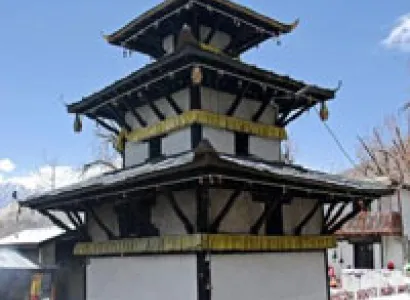
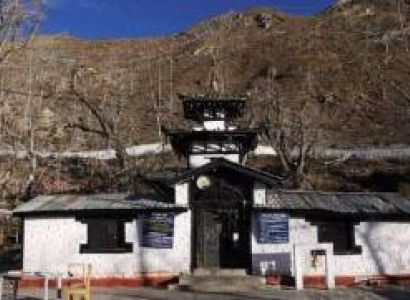
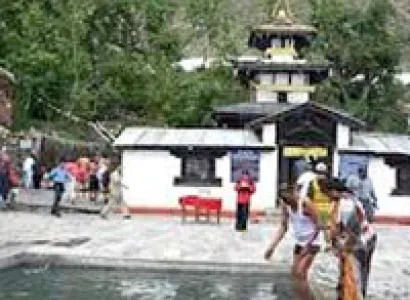
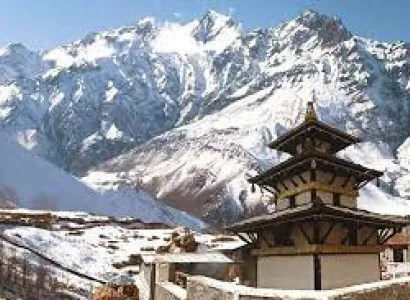
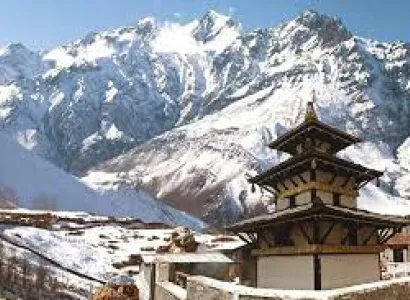
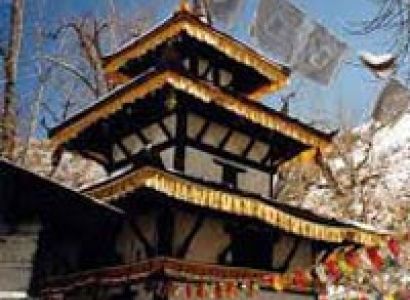
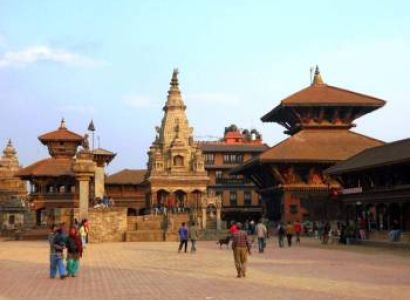
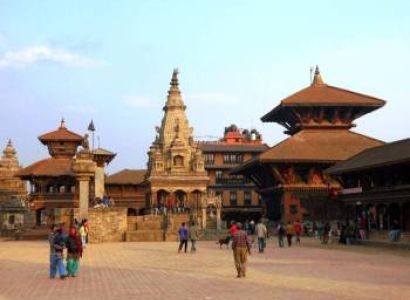
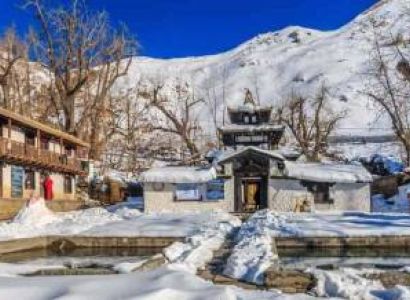
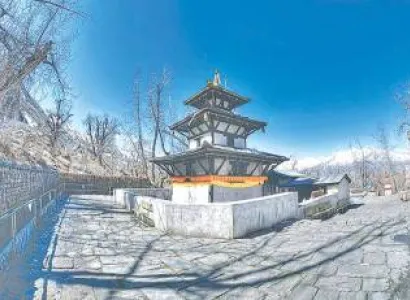
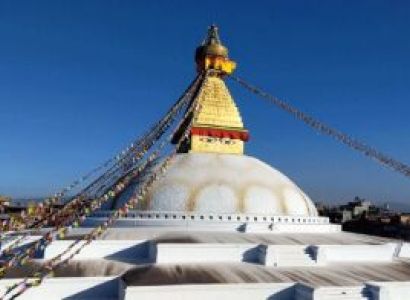
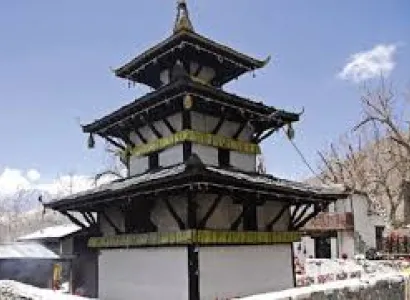
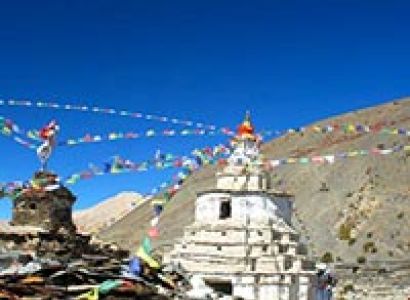
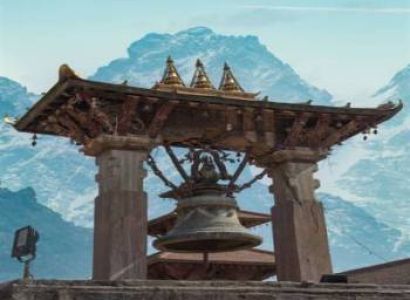
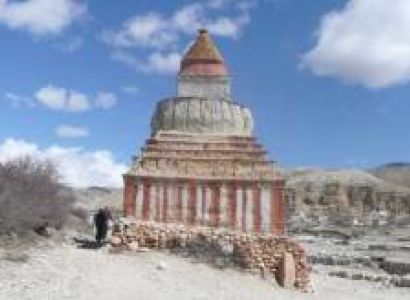
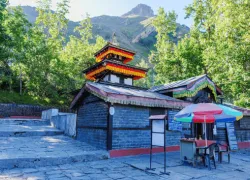
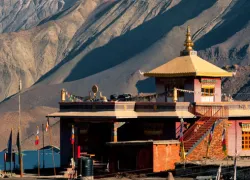
The architecture in Upper Mustang is a fascinating blend of Tibetan and Himalayan styles. Monasteries like Thubchen Gompa and Jampa Lhakhang are adorned with centuries-old murals and intricate wood carvings. Whitewashed houses with flat roofs, prayer flags, and chortens (stupas) dominate the landscape, offering a window into the ancient way of life.
Things to Do in Upper Mustang, Jomsom
- Explore Lo Manthang: Walk through the medieval walled city, visit monasteries, and experience the slow-paced traditional life.
- Visit Ancient Caves: Discover caves in Chhoser that were once used as meditation retreats and homes.
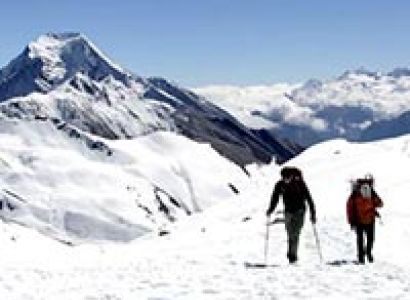
- Trekking: Enjoy breathtaking hikes through unique desert terrain and traditional villages.
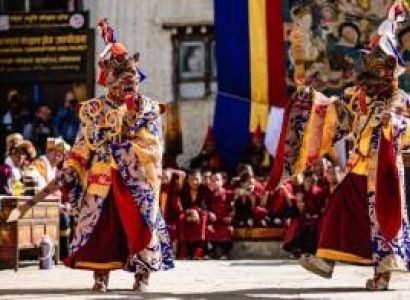
- Tiji Festival: Attend this annual three-day Tibetan Buddhist festival in Lo Manthang, featuring colorful dances and rituals.
- Cultural Interaction: Meet local people, mostly of Tibetan descent, and learn about their customs, language, and beliefs.
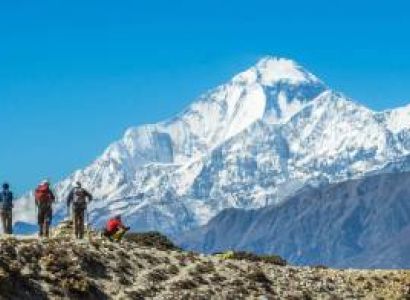
- Photography: Capture the striking contrasts of arid landscapes, ancient architecture, and snow-capped peaks.
Facts and Tips about Upper Mustang, Jomsom
- Upper Mustang sits at an altitude of around 3,800 meters; altitude sickness can occur, so proper acclimatization is essential.
- Internet and mobile signals are limited. Prepare for digital disconnection in many areas.
- Due to its isolation, food and supplies are basic and more expensive than in lower regions.
- Dress modestly and respect local customs and religious practices.
- Carry enough cash, as ATMs are not available in Upper Mustang.
- Jeep tours are available for those unable to trek, but trekking offers a richer experience of the culture and landscape.
- Always travel through a registered trekking agency for permits and guide services.