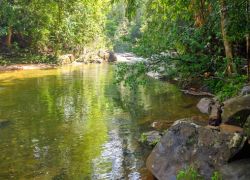
The Sinharaja Forest Reserve is a national park and a biodiversity hotspot located in the southwestern part of Sri Lanka. It is one of the country's last remaining rainforests and is a UNESCO World Heritage Site due to its rich biodiversity and unique ecology. Location and Geographical Overview The Sinharaja Forest Reserve is situated in the Galle District of Sri Lanka, covering an area of approximately 11,187 hectares. It is surrounded by several rivers and streams and is known for its dense vegetation and diverse wildlife. Open and Closing Time The Sinharaja Forest Reserve is open to visitors from 6:00 AM to 6:00 PM daily. It is recommended to visit early in the morning to experience the best of the wildlife and bird watching opportunities. Entry Fee There is an entry fee for visiting the Sinharaja Forest Reserve, which varies for local and foreign tourists. The fee may also include charges for guided tours and activities within the park. Species-Flora/Fauna Availability Sinharaja Forest Reserve is home to a wide variety of plant and animal species, including many endemic species that are found only in this region. Some of the notable flora includes valuable medicinal plants, orchids, and hardwood trees. The forest is also a haven for many bird species, reptiles, and amphibians. Activities Performed Visitors to the Sinharaja Forest Reserve can partake in a range of activities, such as bird watching, nature walks, trekking, and camping. Guided tours are available for those interested in learning more about the biodiversity and conservation efforts in the park. Jeep Safari Charges Jeep safaris are not allowed within the Sinharaja Forest Reserve to minimize disturbance to the wildlife and ecosystem. However, guided walks and treks are available for visitors to explore the park on foot. Age Criterion for Male, Female, Children and their Entry Fee Entry fees for the Sinharaja Forest Reserve may vary based on the age and gender of the visitors. Children and senior citizens may be eligible for discounted rates, while students and local residents may also receive special pricing. Senior Citizen Facilities The Sinharaja Forest Reserve offers facilities for senior citizens, such as rest areas, benches, and accessible paths for those with mobility issues. Special arrangements can be made for elderly visitors to ensure their comfort and enjoyment during their visit. Best Time to Visit The best time to visit the Sinharaja Forest Reserve is during the dry season, which typically runs from December to April. This period offers the most favorable weather conditions for exploring the park and spotting wildlife in their natural habitat. Nearby Places to Visit There are several attractions near the Sinharaja Forest Reserve that visitors can explore, including historical sites, waterfalls, and picturesque villages. Some popular nearby destinations include Udawalawe National Park, Galle Fort, and Horton Plains National Park. Vehicle Parking Facility There is a designated parking area near the entrance of the Sinharaja Forest Reserve where visitors can park their vehicles. It is recommended to arrive early to secure a parking spot, especially during peak tourist seasons. Rules and Regulations Visitors to the Sinharaja Forest Reserve are required to follow certain rules and regulations to protect the park's ecosystem and wildlife. Some common guidelines include staying on designated trails, avoiding littering, and refraining from feeding or disturbing the animals. How to Reach and Other Related Information The Sinharaja Forest Reserve can be reached by road from major cities like Colombo and Galle. Visitors can also take public transportation or hire a private vehicle to reach the park entrance. It is advisable to plan ahead and make reservations for guided tours or accommodations in advance. Overall, the Sinharaja Forest Reserve is a must-visit destination for nature lovers and wildlife enthusiasts seeking to experience the beauty and diversity of Sri Lanka's tropical rainforest ecosystem.
Explore More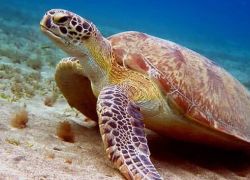
The Kosgoda Turtle Sanctuary, located in the coastal town of Bentota, Sri Lanka, is one of the country's most significant wildlife conservation efforts. The sanctuary is dedicated to protecting endangered sea turtle species and plays an essential role in preserving Sri Lanka’s rich marine life. The facility offers visitors a chance to learn about these fascinating creatures, witness conservation efforts firsthand, and even participate in the release of baby turtles back into the wild. How to Reach Kosgoda Turtle Sanctuary, Bentota, Sri Lanka The Kosgoda Turtle Sanctuary is located about 12 kilometers south of Bentota, along the southwestern coast of Sri Lanka. To reach the sanctuary from Bentota, you can take a short drive via the Galle Road (A2) towards Kosgoda, which will take around 15-20 minutes. If you are traveling from Colombo, it is approximately a 2-hour drive (around 80 km) along the Southern Expressway. Public transportation options, such as buses and tuk-tuks, are also available for a more local experience. Weather in Kosgoda, Bentota The weather in Kosgoda is tropical and typically warm throughout the year, with temperatures averaging around 27-32°C (81-90°F). The best time to visit the Kosgoda Turtle Sanctuary is during the dry season, from December to April, when the weather is pleasant and there is less rain. The monsoon season runs from May to October, with heavy rainfall and occasional storms, making the wet season less ideal for visiting. Timings for Visiting Kosgoda Turtle Sanctuary The Kosgoda Turtle Sanctuary is open to visitors daily from 8:00 AM to 5:30 PM. It is recommended to visit early in the morning or late in the afternoon to avoid the midday heat. If you're lucky, you might even get the chance to witness the release of baby turtles into the ocean during the right season. Be sure to check with the sanctuary staff about the release schedules, as these can vary depending on turtle nesting and hatching patterns. Why Kosgoda Turtle Sanctuary is Famous The Kosgoda Turtle Sanctuary is famous for its dedication to the conservation of endangered sea turtles. The sanctuary is home to several species of sea turtles, including the Olive Ridley, Green Turtle, Hawksbill, and Loggerhead turtles. Each year, the sanctuary collects turtle eggs that are laid along the beach, hatches them in controlled environments, and then releases the baby turtles back into the sea. This process helps protect the vulnerable eggs from predators and the impact of human activities. In addition to its conservation efforts, the sanctuary is also a significant educational center where visitors can learn about the biology, behavior, and ecological importance of sea turtles. By visiting the sanctuary, you support these essential conservation efforts and raise awareness about the need to protect marine life. Entry and Visit Details for Kosgoda Turtle Sanctuary Entry to the Kosgoda Turtle Sanctuary is allowed for a small fee. The standard entry fee for international tourists is around LKR 500-1000, while locals usually pay a reduced fee. This fee helps maintain the sanctuary and fund conservation efforts. The sanctuary offers guided tours where knowledgeable staff will share fascinating details about the turtle species and the work being done to protect them. Visitors are welcome to explore the sanctuary at their own pace, but it is highly recommended to take a guided tour for a more enriching experience. History and Architecture of Kosgoda Turtle Sanctuary The Kosgoda Turtle Sanctuary was established in 1988 by the Turtle Conservation Project, a nonprofit organization dedicated to the protection and conservation of sea turtles. The sanctuary was set up in response to the declining turtle population along Sri Lanka's coastline due to poaching, habitat loss, and environmental pollution. Over the years, the sanctuary has grown into a model for turtle conservation in the region. While the sanctuary itself is relatively simple in terms of architecture, its design is functional and tailored to the needs of the turtles. The sanctuary is equipped with large hatcheries to protect turtle eggs and rearing tanks for the baby turtles. The open-air tanks allow visitors to observe the turtles in their natural state before they are released into the ocean. The facility also includes educational displays and signage, making it an informative stop for nature lovers. Things to Do at Kosgoda Turtle Sanctuary Learn About Turtle Conservation: Take a guided tour to understand the work done to protect sea turtles and the challenges they face. Observe Turtle Hatchlings: Witness baby turtles hatching and making their way to the ocean—a truly magical experience. Release Baby Turtles: Depending on the time of year, you might be able to participate in releasing baby turtles into the sea. Explore the Turtle Museum: The sanctuary has a small museum that features information about different species of sea turtles, their habitats, and conservation efforts. Facts and Tips about Kosgoda Turtle Sanctuary Best Time to Visit: Visit between December and April for the best weather and the chance to see hatchlings being released into the ocean. Dress Comfortably: Wear comfortable clothing and shoes suitable for walking in a tropical environment. A hat and sunscreen are recommended. Respect the Wildlife: While it is exciting to see the turtles, remember that they are wild animals. Be respectful and avoid disturbing them during your visit. Contribute to Conservation: Donations are welcomed at the sanctuary. You can also adopt a turtle or sponsor the release of a turtle as a way to support the sanctuary’s efforts. Photography: Photography is allowed, but avoid using flash when taking pictures of the turtles, as it can disturb them. Conclusion The Kosgoda Turtle Sanctuary in Bentota, Sri Lanka, is a must-visit destination for animal lovers, nature enthusiasts, and anyone interested in contributing to wildlife conservation. With its focus on protecting endangered sea turtles and educating the public about their ecological importance, the sanctuary offers a unique and rewarding experience. Whether you’re learning about turtle biology, observing hatchlings, or participating in a release, the Kosgoda Turtle Sanctuary provides a deeper connection to Sri Lanka’s marine life and natural beauty.
Explore More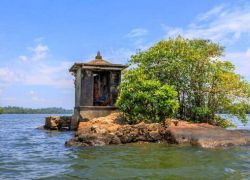
The Madu River Safari, located in Bentota on Sri Lanka’s southwestern coast, is one of the most popular eco-tourism experiences in the country. This safari offers visitors the chance to explore a unique river ecosystem, rich in biodiversity, and surrounded by lush tropical forests. The river is home to various species of flora and fauna, and the safari provides an opportunity to discover the natural beauty of Sri Lanka’s waterways while enjoying a peaceful and scenic boat ride. How to Reach Madu River Safari, Bentota, Sri Lanka The Madu River is situated in the town of Balapitiya, approximately 15 kilometers north of Bentota. To reach the Madu River Safari, visitors can take a short drive from Bentota, which takes about 20-25 minutes by car or tuk-tuk. If you're traveling from Colombo, the distance is around 80 kilometers, and the journey will take approximately 2 hours via the Southern Expressway. Public transportation such as buses and trains also connect Bentota and Balapitiya, and you can hire a tuk-tuk or a local taxi from Balapitiya to the river’s embarkation point. Weather in Madu River, Bentota The weather around Madu River is tropical and typically warm throughout the year, with temperatures ranging from 25°C to 32°C (77°F to 90°F). The best time to visit the Madu River Safari is during the dry season, from December to April, when the weather is pleasant and the water levels are stable for boat rides. The monsoon season, from May to October, can bring heavy rains and swollen river levels, making it less ideal for the safari experience. Visitors should check weather forecasts before planning their trip to ensure optimal conditions. Timings for Visiting Madu River Safari The Madu River Safari operates daily, and the ideal time for a river safari is during daylight hours. Most boat tours are available from 8:00 AM to 5:00 PM, although some operators may offer early morning or late afternoon trips as well. The early morning and late afternoon safaris are particularly appealing due to the cooler temperatures and the chance to witness wildlife more actively during these times. It’s recommended to book your safari in advance, especially during peak tourist seasons, as the tours can fill up quickly. Why Madu River Safari is Famous The Madu River Safari is famous for its rich biodiversity and picturesque surroundings. The Madu River itself is a network of interlocking waterways and islands, making it one of the most biodiverse ecosystems in Sri Lanka. The river is home to over 300 species of birds, including migratory species, as well as reptiles, amphibians, and mammals. In addition to the diverse wildlife, the river’s dense mangrove forests and tranquil waterway make for a peaceful and scenic journey through nature. The river is also famous for its cultural significance, with several small villages along its banks. These villages depend on the river for their livelihood, and visitors can learn about traditional fishing practices and the ways the locals coexist with the river’s ecosystem. The Madu River Safari is an opportunity to explore a blend of natural beauty and Sri Lankan rural life, all while cruising in a traditional boat. Entry and Visit Details for Madu River Safari To participate in the Madu River Safari, visitors are required to pay an entry fee, which includes the boat ride and the services of a guide. The cost of the safari usually ranges from LKR 2000 to LKR 3500 per person, depending on the tour operator and the length of the safari. Most tour operators offer group tours, but private tours can also be arranged for a more personalized experience. The boat ride typically lasts around 1 to 1.5 hours, but longer tours are available, which can take visitors deeper into the river’s ecosystem or include stops at nearby attractions such as the island of Kothduwa Temple or cinnamon plantations. Some operators also offer sunset tours, which provide a different perspective of the river and its surroundings. History and Architecture of Madu River The Madu River is historically significant due to its role in the local community’s livelihood. The river has long been used for fishing, transportation, and trade. In ancient times, it was an important waterway for the transportation of goods between the coastal towns and inland areas. The river’s banks were also settled by fishermen and farmers, many of whom still live in the region today. In terms of architecture, the river is home to several traditional wooden boats used by local fishermen. These boats are still in use today for both commercial and recreational purposes. The island of Kothduwa, located on the river, is home to a Buddhist temple dating back to the 18th century. The temple's architecture, with its simple design and serene setting, reflects the peaceful atmosphere of the river. Visitors to the Madu River can stop by the temple as part of their safari, adding a cultural and historical element to the experience. Things to Do at Madu River Safari, Bentota Wildlife Viewing: The Madu River is a haven for birdwatchers, with over 300 species of birds to spot, including kingfishers, herons, and the endangered purple-faced langur monkey. The river is also home to monitor lizards, crocodiles, and many species of fish. Explore the Mangroves: One of the highlights of the safari is cruising through the lush mangrove forests, which are home to diverse wildlife and contribute to the health of the ecosystem. Visitors can learn about the importance of mangroves in coastal protection and biodiversity. Visit Kothduwa Temple: A stop at Kothduwa Temple offers a chance to experience Sri Lanka’s Buddhist culture while surrounded by the calm beauty of the river. The temple is a peaceful and spiritual place to visit. Cinnamon Plantation Tour: Some tours include a visit to a nearby cinnamon plantation, where you can see how cinnamon is grown and harvested. Sri Lanka is known for its high-quality cinnamon, and the visit offers an interesting cultural insight. Fishing Experience: Experience traditional fishing techniques with the local fishermen along the river. Some tours allow you to try your hand at fishing with local methods. Facts and Tips about Madu River Safari, Bentota Best Time to Visit: The best time to visit is during the dry season, from December to April, when the weather is favorable for boat rides and wildlife sightings. Bring Mosquito Repellent: As the river is surrounded by mangroves and forests, it’s a good idea to bring mosquito repellent to avoid insect bites during your safari. Wear Comfortable Clothing: It’s recommended to wear light, comfortable clothing, a hat, and sunscreen, especially if you plan on spending time outdoors. Don’t forget to bring a camera to capture the beautiful scenery and wildlife. Respect the Environment: Be mindful of the environment and the local wildlife during your safari. Avoid disturbing the animals and follow the guide’s instructions to minimize your impact on the ecosystem. Book in Advance: Since the Madu River Safari is a popular tourist activity, it’s advisable to book your tour in advance, especially during peak tourist seasons. Conclusion The Madu River Safari offers a unique opportunity to explore Sri Lanka's natural beauty and biodiversity while experiencing local culture and history. Whether you’re an avid birdwatcher, a nature enthusiast, or simply looking for a peaceful boat ride through lush mangroves, the Madu River provides an unforgettable adventure. From wildlife sightings to cultural experiences, the safari offers something for everyone, making it a must-do activity when visiting Bentota.
Explore More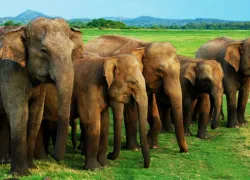
Minneriya National Park is a beautiful protected area located in the North Central Province of Sri Lanka, near the town of Dambulla. Covering an area of 8,889 hectares, the park is known for its rich biodiversity and is particularly famous for its large population of Asian elephants. The park is a haven for wildlife enthusiasts and nature lovers, offering an opportunity to witness wildlife in its natural habitat. It is also recognized as one of Sri Lanka’s most important national parks due to its unique ecosystem, including a mix of dry zone forests, grasslands, and wetlands. How to Reach Minneriya National Park Minneriya National Park is located approximately 15 kilometers (9 miles) from the ancient city of Dambulla, in the central region of Sri Lanka. If you're traveling from Colombo, the capital city, the park is about 200 kilometers (124 miles) away and takes approximately 4 to 5 hours to reach by car. From the cultural city of Kandy, it’s about a 2-hour drive, covering roughly 90 kilometers (56 miles). The park is easily accessible by road from Dambulla or Habarana, both of which have well-developed infrastructure for tourists. Visitors can hire taxis, rent a car, or use tuk-tuks to reach the park. The park’s entrance is well signposted, and local guides are available for hire at the entrance. Weather in Minneriya National Park The climate of Minneriya National Park is typically tropical, with hot and dry conditions most of the year. The average temperature ranges from 25°C (77°F) to 30°C (86°F). The park experiences two main monsoon seasons – the Southwest monsoon from May to September and the Northeast monsoon from November to January. The dry season, from February to April, is the best time to visit, as wildlife is more concentrated around water sources, making it easier to spot animals. During the rainy seasons, the park may be harder to explore due to wet and muddy conditions, but the greenery is lush and the wildlife still thrives in the area. Timings and Entry Details The park is open to visitors daily, from 6:00 AM to 6:00 PM, with morning and evening safaris being the most popular times to visit. During these hours, visitors can enjoy the best wildlife viewing opportunities. A morning safari typically starts around 6:00 AM and lasts for about 3 to 4 hours, while an evening safari begins around 3:00 PM and ends just before the park closes at 6:00 PM. The entry fee for foreign visitors is around 3,000 LKR (Sri Lankan Rupees), while Sri Lankan nationals enjoy a reduced rate. There is an additional fee for safari jeeps, which can be arranged at the entrance. It is recommended to bring cash, as card payments may not always be accepted at the park. Visitors should dress comfortably and wear light, neutral-colored clothing. It is also essential to wear suitable footwear for walking in the park, especially if planning to embark on a safari. Why is Minneriya National Park Famous? Minneriya National Park is best known for its large population of Asian elephants, which is one of the key reasons it has gained international fame. The park is home to the famous “Elephant Gathering,” which occurs during the dry season, particularly from July to September. During this time, over 300 elephants converge around the Minneriya Tank, a large man-made reservoir within the park. This is one of the largest gatherings of elephants in Asia and a spectacular sight for visitors. In addition to elephants, the park is home to various species of wildlife, including sloth bears, leopards, sambar deer, and a rich variety of bird species. The park is also an important wetland area, providing a critical habitat for many migratory birds. Its diverse landscapes, from dense forests to open grasslands and wetlands, contribute to its ecological importance. History and Architecture of Minneriya National Park Minneriya National Park is not only significant for its wildlife but also holds historical importance. The park is named after the Minneriya Tank, a massive reservoir built during the reign of King Mahasen in the 3rd century AD. The tank was an engineering marvel of its time, and its construction played a key role in the development of agriculture in the region. The tank is still functional today, supplying water to the surrounding area and providing a vital water source for wildlife during the dry season. While there is no direct historical structure within the park itself, the ancient Minneriya Tank is considered a testament to ancient Sri Lankan hydraulic engineering. The tank's significance adds a layer of historical interest to the park, making it a unique blend of natural and historical heritage. Things to Do in Minneriya National Park Minneriya National Park offers several exciting activities for visitors to enjoy: Wildlife Safaris: The main activity in the park is going on a wildlife safari. Visitors can explore the park's diverse ecosystems, including its grasslands, wetlands, and forests, to spot various animals like elephants, leopards, and various bird species. Bird Watching: The park is a haven for bird watchers, particularly during the migratory season. Over 160 bird species, including several species of waterfowl, can be seen in the park. Photography: The park offers ample opportunities for nature photography, from the famous Elephant Gathering to the stunning landscapes of the Minneriya Tank. Guided Tours: Hiring a local guide can enhance the safari experience. Guides are knowledgeable about the park's flora and fauna, offering insights into the behavior and habits of the animals. Interesting Facts About Minneriya National Park The “Elephant Gathering” at Minneriya is one of the largest gatherings of wild elephants in Asia, occurring each year during the dry season. The park is home to over 300 species of birds, making it an important site for bird watching and conservation efforts. The Minneriya Tank is one of the oldest and most important irrigation tanks in Sri Lanka, dating back to the 3rd century AD. Besides elephants, the park is also home to many endangered species, including the Sri Lankan leopard and the sloth bear. Tips for Visiting Minneriya National Park Visit during the dry season (July to September) to witness the Elephant Gathering, one of the most unique wildlife spectacles in Asia. Wear light, neutral-colored clothing that blends in with nature and avoid bright colors that might disturb the animals. Bring binoculars for bird watching and a camera to capture the stunning wildlife and landscapes. Book a safari with a knowledgeable guide to maximize your chances of spotting rare wildlife and to learn more about the park's ecosystem. It’s advisable to carry water, sunscreen, and insect repellent, as the sun can be intense, and the park is home to many insects.
Explore More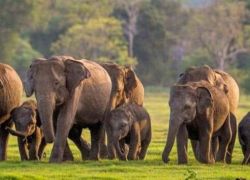
Minneriya National Park, located in the North Central Province of Sri Lanka, near the famous Sigiriya Rock, is one of the country’s most visited wildlife reserves. Known for its rich biodiversity and stunning landscapes, the park is a must-visit destination for nature lovers, wildlife enthusiasts, and photographers. Minneriya is especially famous for its large herds of elephants, which can often be seen during the dry season when they gather near the Minneriya Tank, making it one of the best places to witness Sri Lanka’s iconic elephant gatherings. History of Minneriya National Park Minneriya National Park was established in 1997 to protect the unique flora and fauna of the area, as well as to conserve the Minneriya Tank, an ancient reservoir built in the 3rd century BC by King Mahasena. The park covers an area of 8,889 hectares and is part of the Cultural Triangle of Sri Lanka, which is rich in ancient ruins, temples, and archaeological sites. The Minneriya Tank is not just a water source for the wildlife but also a historical and cultural landmark, as it has been in operation for over two thousand years. Originally, the area was a protected forest reserve, but with the increase in human activities and agricultural expansion in the surrounding areas, it became necessary to establish the park to safeguard its wildlife and natural beauty. Over the years, Minneriya National Park has become one of the most important wildlife sanctuaries in Sri Lanka. Architecture of Minneriya National Park Unlike other historical sites in Sri Lanka, Minneriya National Park doesn’t have architecture in the traditional sense. However, its most significant man-made feature is the Minneriya Tank, an ancient reservoir built by King Mahasena. The tank, which has stood the test of time, serves as the lifeblood of the park, supporting the wildlife and surrounding ecosystem. The intricate system of canals, sluices, and the reservoir itself showcases the ingenuity of ancient Sri Lankan engineering and agricultural practices. In addition to the tank, the park also has several eco-friendly observation platforms and safari tracks that allow visitors to explore the park and view its wildlife without disturbing the natural habitat. These are simple yet effective examples of sustainable development in wildlife tourism. Why Minneriya National Park is Famous? Minneriya National Park is famous for several reasons, the most notable being its annual gathering of wild elephants. The “Gathering,” which occurs during the dry season from June to September, attracts large herds of elephants that converge around the Minneriya Tank to drink water and graze. It is considered one of the largest elephant gatherings in the world and is a major highlight for wildlife enthusiasts and photographers. In addition to elephants, the park is also home to a variety of other wildlife, including: Leopards Sloth bears Crocodiles Bird species such as the Sri Lanka junglefowl, painted storks, and migratory birds Reptiles and amphibians, including monitor lizards and frogs The park is also known for its lush landscapes, which include grasslands, forests, wetlands, and scrublands, making it a haven for both wildlife and plant species. The combination of wildlife and diverse landscapes makes Minneriya a top destination for nature and adventure tourism. How to Reach Minneriya National Park Minneriya National Park is easily accessible from several major cities in Sri Lanka, making it a popular destination for both local and international visitors. Here are the main ways to reach the park: By Air: The nearest international airport is Bandaranaike International Airport in Colombo, located approximately 170 kilometers from the park. From there, visitors can take a taxi or rent a car to reach Minneriya. By Road: Minneriya National Park is located about 13 kilometers from the town of Habarana, and 35 kilometers from Sigiriya, making it easy to visit after exploring the famous Sigiriya Rock Fortress. Visitors can hire a taxi or use public buses from nearby towns like Dambulla or Polonnaruwa. By Train: The nearest railway station is in Habarana, and from there, travelers can take a taxi or tuk-tuk to the park. Weather at Minneriya National Park The climate in Minneriya National Park is tropical, with distinct wet and dry seasons. The best time to visit is during the dry season from May to September when the wildlife congregates around the Minneriya Tank. During the rainy season (October to December), the park becomes lush and green, though wildlife sightings may be more sporadic due to the availability of water sources throughout the park. Average Temperatures: 25°C to 32°C (77°F to 90°F). The weather is warm year-round, so visitors should dress appropriately for the heat and humidity, especially during daytime safaris. Timing of Minneriya National Park The park is open year-round, but the best time for wildlife viewing is during the dry season when the elephants gather around the water. The general visiting hours are: Opening Time: 6:00 AM Closing Time: 6:00 PM Most safari tours operate in the early morning or late afternoon to avoid the midday heat and to take advantage of the cooler temperatures when animals are more active. Entry and Visit Details To visit Minneriya National Park, visitors need to purchase an entry ticket at the entrance. The entry fee varies depending on whether you are a Sri Lankan national or an international tourist. The ticket grants access to the park, including guided safaris and observation platforms. Safari tours are available in jeeps, and it’s advisable to book a guide who can provide in-depth knowledge about the park’s wildlife and history. The tours generally last 3 to 4 hours, and it’s a thrilling experience for anyone interested in wildlife and photography. Things to Do at Minneriya National Park Elephant Watching: The highlight of Minneriya National Park is the chance to witness the famous “Gathering” of elephants, especially during the dry season. Birdwatching: The park is a birdwatcher's paradise, with numerous species of resident and migratory birds to observe. Jeep Safari: Take a jeep safari through the park’s varied landscapes to spot wildlife, including leopards, sloth bears, crocodiles, and various species of birds. Photography: The park offers incredible opportunities for wildlife and landscape photography, especially at sunrise and sunset. Facts About Minneriya National Park The annual elephant gathering is one of the largest in the world. Minneriya was designated as a national park in 1997, although the area has been protected for centuries. The Minneriya Tank, built by King Mahasena in the 3rd century BC, remains an important source of water for wildlife. The park is home to over 160 species of birds, making it a prime spot for birdwatching. Travel Tips for Visiting Minneriya National Park Wear comfortable clothing and sturdy shoes suitable for a jeep safari and walking in the park. Bring sunscreen, a hat, and plenty of water to stay hydrated during your visit. Early morning and late afternoon safaris offer the best wildlife sightings. Respect the wildlife—do not disturb animals or feed them. Book a safari in advance, especially during peak season, to ensure availability. Minneriya National Park is a must-visit for anyone traveling to Sri Lanka. Its wildlife, especially the elephants, and its natural beauty make it a unique and unforgettable experience for nature lovers and wildlife enthusiasts alike.
Explore More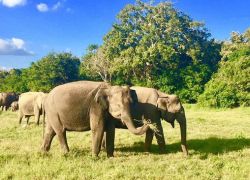
Kaudulla National Park, located in the North Central Province of Sri Lanka, is one of the country’s prime wildlife destinations. Situated near the ancient city of Sigiriya, the park is well-known for its elephant herds, rich biodiversity, and beautiful landscapes. Established in 2002, Kaudulla is one of the newer national parks in Sri Lanka, but it has quickly gained fame due to its vibrant wildlife and scenic beauty. The park’s primary attraction is its large elephant population, which can be seen in the open grasslands surrounding the Kaudulla Tank, especially during the dry season. History of Kaudulla National Park Kaudulla National Park was designated a protected area in 2002 to conserve its unique ecosystems and the wildlife that inhabit it. However, the area has long been significant for its water management systems, particularly the Kaudulla Tank, an ancient irrigation reservoir built in the 3rd century BC by King Mahasena. The tank has played a crucial role in supporting both agriculture and wildlife in the region for over two thousand years. The park's landscape includes forests, grasslands, wetlands, and the tank itself, which has helped shape the environment and attract wildlife, particularly elephants. Before its establishment as a national park, the area was a critical wildlife corridor and a popular destination for elephant sightings due to the proximity to the Minneriya National Park. Today, Kaudulla serves as a haven for wildlife, preserving Sri Lanka’s natural heritage. Architecture of Kaudulla National Park While Kaudulla National Park is not known for traditional architecture, its most significant feature is the Kaudulla Tank. The tank is a remarkable piece of ancient Sri Lankan engineering, built by King Mahasena to support irrigation for agriculture in the region. The tank has survived for over two millennia and remains the primary water source for both wildlife and local communities. It is an excellent example of Sri Lanka's ancient hydraulic engineering, which included canals, sluices, and other systems that helped manage water for agricultural and ecological needs. The park itself has been carefully managed to preserve its natural habitats, with minimal interference to the ecosystem. The park has established walking trails, observation platforms, and eco-friendly safari routes that allow visitors to explore the landscape without disturbing the wildlife. Why Kaudulla National Park is Famous? Kaudulla National Park is most famous for its large elephant herds, which gather around the Kaudulla Tank during the dry season. This phenomenon, known as the “elephant gathering,” is one of the largest gatherings of Asian elephants in the world. The park attracts thousands of visitors annually who come to witness this incredible natural event, especially during the months of September to November when the elephants gather in large numbers. Aside from elephants, Kaudulla is home to a diverse range of wildlife, including leopards, sloth bears, crocodiles, and numerous bird species such as the painted stork, Sri Lanka junglefowl, and migratory birds. The park’s landscape, which includes wetlands, grasslands, and forests, is also home to many species of reptiles, amphibians, and plant life. Kaudulla is also less crowded than some of Sri Lanka's other national parks, such as Yala or Udawalawe, making it an ideal location for those seeking a more peaceful, nature-filled experience. How to Reach Kaudulla National Park Kaudulla National Park is easily accessible from the cultural triangle of Sri Lanka, including popular tourist destinations such as Sigiriya, Dambulla, and Polonnaruwa. Here’s how to reach the park: By Air: The nearest international airport is Bandaranaike International Airport in Colombo, which is approximately 170 kilometers away from the park. From there, visitors can take a taxi or rent a car for the 3-4 hour drive to Kaudulla. By Road: The park is located around 20 kilometers from the historic town of Habarana, which is easily accessible by road from major cities like Dambulla, Polonnaruwa, and Sigiriya. The park is around a 30-minute drive from Sigiriya and can be reached by taxi or private vehicle. By Train: The nearest railway station is in Habarana, approximately 20 kilometers away from Kaudulla National Park. From there, visitors can take a taxi or tuk-tuk to the park. Weather at Kaudulla National Park Kaudulla National Park has a tropical climate, with a mix of dry and wet seasons. The dry season is the best time to visit, as wildlife congregates around the Kaudulla Tank, making it easier to spot animals like elephants. During the dry season (from May to September), temperatures generally range between 27°C to 33°C (81°F to 91°F), and the park experiences minimal rainfall. The wet season, which lasts from October to December, brings heavy rainfall, which makes some of the roads in the park inaccessible. However, the park becomes lush and green, providing a beautiful contrast to the dry months. The best time to visit Kaudulla for wildlife viewing is during the dry season when elephants and other animals gather near the water sources. Timing of Kaudulla National Park Kaudulla National Park is open to visitors year-round, but the best time for elephant sightings is during the dry season, between September and November. The general visiting hours are as follows: Opening Time: 6:00 AM Closing Time: 6:00 PM Safari tours typically operate during the early morning and late afternoon, as this is when animals are most active. It’s best to arrive early in the day for cooler temperatures and better wildlife viewing opportunities. Entry and Visit Details Visitors to Kaudulla National Park must purchase an entry ticket at the park entrance. The entry fee varies depending on whether you are a local or international visitor. The ticket grants access to the park’s main attractions, including jeep safaris and the observation platforms. It is highly recommended to book a safari tour in advance, especially during the peak dry season when the park attracts a lot of visitors. Safari tours are generally conducted in jeeps, and a local guide can be hired to provide detailed information about the wildlife, flora, and the park’s ecosystem. Things to Do at Kaudulla National Park Elephant Watching: The main highlight of the park is the chance to witness the spectacular elephant gathering, particularly during the dry season when herds of elephants congregate around the Kaudulla Tank. Wildlife Safari: Take a jeep safari through the park to see a variety of wildlife, including leopards, sloth bears, crocodiles, and numerous bird species. Birdwatching: The park is home to over 160 bird species, making it a fantastic destination for birdwatchers. You can spot endemic species like the Sri Lanka junglefowl and migratory species during certain seasons. Photography: The park offers excellent opportunities for nature and wildlife photography, particularly during the elephant gathering and at sunrise or sunset when the light is perfect. Facts About Kaudulla National Park The park is part of the Elephant Conservation Project, aiming to protect and preserve Sri Lanka’s wild elephant population. Kaudulla National Park is one of the best places in Sri Lanka to witness the famous “elephant gathering” where large herds of elephants gather around the water during the dry season. The park is home to over 160 species of birds, making it an ideal location for birdwatching. It is also home to a variety of other wildlife, including sloth bears, leopards, crocodiles, and various reptiles. Travel Tips for Visiting Kaudulla National Park Book a safari tour in advance, especially during peak tourist seasons, to ensure availability of vehicles and guides. Wear light, comfortable clothing and sturdy shoes for the safari. Bring water, sunscreen, and a hat for sun protection. Be patient and quiet during your safari to ensure the best chance of spotting wildlife. It’s best to visit in the early morning or late afternoon when the wildlife is most active. Kaudulla National Park is a wonderful destination for wildlife enthusiasts, photographers, and nature lovers. With its large elephant herds, diverse wildlife, and scenic landscapes, it offers a unique and unforgettable experience in Sri Lanka.
Explore More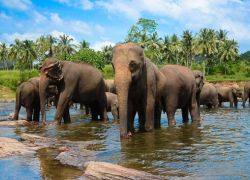
The Pinnawala Elephant Orphanage, located in the village of Pinnawala in Sri Lanka, is one of the most famous and unique wildlife attractions in the country. Established in 1975, the orphanage was created to care for orphaned, injured, and abandoned elephants that have no families to return to in the wild. Over the years, it has become a significant center for elephant conservation, housing one of the largest populations of captive elephants in the world. The orphanage is not only a place for the rehabilitation of elephants but also an educational site that raises awareness about the importance of protecting these majestic animals. History of Pinnawala Elephant Orphanage The Pinnawala Elephant Orphanage was established by the Sri Lanka Department of Wildlife Conservation in 1975 with the aim of caring for orphaned elephants found in the wild. The first elephant to be brought to the orphanage was a baby elephant named "Sama," who had been found abandoned in the wild. Since then, the orphanage has expanded to house more than 80 elephants, including some rescued from various regions of Sri Lanka. Many of these elephants had been injured, orphaned, or lost due to poaching, and they were unable to survive on their own in the wild. In the beginning, the orphanage focused on providing care and rehabilitation for the elephants. Over time, the facility expanded to include breeding programs, and the elephants became a major draw for both locals and international tourists. Today, Pinnawala is recognized as one of the world’s leading elephant sanctuaries and a key player in the conservation of Sri Lanka's national animal. Architecture of Pinnawala Elephant Orphanage The Pinnawala Elephant Orphanage itself is a simple, open-air facility designed to mimic the natural environment of elephants as much as possible. The park is set on an expansive piece of land with grassy fields, trees, and a river running through it, allowing the elephants to roam freely within certain areas. The elephants live in groups, and the orphanage has established separate areas for feeding, bathing, and sleeping. There is also a small museum that houses information about the history of the orphanage, elephant conservation, and the daily life of elephants. The most iconic feature of the orphanage is the river that runs alongside the park. Twice a day, the elephants are taken down to the river for a bath, where visitors can watch them play, splash, and enjoy the water. This daily ritual is one of the most popular attractions for tourists and a highlight of the Pinnawala experience. Why Pinnawala Elephant Orphanage is Famous? Pinnawala Elephant Orphanage is famous for its role in elephant conservation and for offering a rare and up-close opportunity for visitors to interact with these majestic creatures. It is one of the best places in Sri Lanka to see elephants in a semi-wild environment, where they are cared for and protected while being allowed to engage in natural behaviors. Some key reasons for its fame include: Elephant Bathing Sessions: The elephants are taken down to the nearby river twice a day, and visitors can watch them bathe and play in the water. This is a highly engaging activity for tourists and one of the orphanage's biggest attractions. Breeding Program: The orphanage has a successful breeding program that has helped increase the population of elephants in captivity, contributing to the long-term sustainability of the species. Education and Conservation: The orphanage offers a wealth of information about elephant conservation and the challenges facing elephants in the wild, particularly in Sri Lanka, where human-elephant conflict and poaching are major issues. Volunteer Opportunities: Pinnawala offers volunteer programs where people can spend time caring for the elephants, feeding them, and assisting with their daily activities. How to Reach Pinnawala Elephant Orphanage Pinnawala Elephant Orphanage is located in the central part of Sri Lanka, in the Sabaragamuwa Province, around 90 kilometers (56 miles) from Colombo, the capital city. Here are some ways to reach the orphanage: By Air: The nearest international airport is Bandaranaike International Airport in Colombo. From the airport, you can take a taxi or hire a private vehicle to reach the orphanage in approximately 2 to 2.5 hours. By Road: Pinnawala is accessible by car or bus from major cities like Colombo, Kandy, and Negombo. The road trip from Colombo to Pinnawala takes around 2 hours. There are also several bus services that run from Colombo, Kandy, and other nearby towns to Pinnawala. By Train: The nearest railway station to Pinnawala is in Kandy, which is about 30 kilometers (18 miles) away. From Kandy, you can take a taxi or a bus to Pinnawala. Weather at Pinnawala Elephant Orphanage Pinnawala experiences a tropical climate, with a mix of wet and dry seasons. The best time to visit the orphanage is during the dry season, which runs from December to April. During this time, the weather is warm and sunny, and the elephants are more active in the river, making it ideal for sightseeing and photography. During the monsoon season (May to October), the weather is rainy and humid, which may cause some disruptions in outdoor activities. However, this period also brings lush greenery to the surrounding area, making it an ideal time for nature enthusiasts. Timing of Pinnawala Elephant Orphanage The Pinnawala Elephant Orphanage is open every day of the year, allowing visitors to experience the elephants at any time. The general visiting hours are: Opening Time: 8:30 AM Closing Time: 6:00 PM The best times to visit are early in the morning or late in the afternoon when the elephants are most active and the weather is cooler. The bathing sessions usually take place at 10:00 AM and 2:00 PM. Entry and Visit Details Visitors can purchase entry tickets at the main entrance to the orphanage. The ticket price varies for locals and international tourists. The entry fee grants access to the orphanage grounds, elephant viewing areas, and the opportunity to watch the elephants bathe in the river. There are also opportunities to feed the elephants, which is a popular activity for visitors. Guided tours are available for visitors who want more detailed information about the history of the orphanage and the elephants. It is highly recommended to book a guided tour for a richer experience and deeper insight into the conservation efforts and the lives of the elephants at the orphanage. Things to Do at Pinnawala Elephant Orphanage Elephant Bathing: Witness the spectacular sight of elephants bathing in the river, where they splash and play in the water. This is the highlight of the visit and offers excellent photo opportunities. Feeding Elephants: Visitors can feed the elephants with specially prepared food, such as fruits and vegetables, under the supervision of the staff. Explore the Grounds: Walk around the orphanage and watch the elephants in their natural surroundings, including the feeding areas, resting places, and the river. Volunteer: There are opportunities to volunteer at the orphanage, assisting with daily tasks such as feeding and caring for the elephants. Facts About Pinnawala Elephant Orphanage The orphanage was established in 1975 to care for orphaned, injured, or abandoned elephants. Pinnawala is home to over 80 elephants, making it one of the largest elephant sanctuaries in the world. The orphanage has successfully bred elephants in captivity, contributing to the conservation of Sri Lanka’s elephant population. Visitors can watch the elephants bathe in the river, an activity that takes place twice a day and is a major attraction. Travel Tips for Visiting Pinnawala Elephant Orphanage Arrive early in the day to catch the elephants’ morning bath and feeding sessions. Wear comfortable clothing and shoes, as you will be walking around the grounds. Bring a hat, sunscreen, and water to stay cool during your visit. Consider hiring a guide to learn more about the orphanage’s history and elephant conservation efforts. Respect the elephants and staff—do not touch or disturb the animals without permission. Visiting Pinnawala Elephant Orphanage is a truly memorable experience, offering a rare chance to see elephants up close while supporting conservation efforts. Whether you're an animal lover, nature enthusiast, or simply curious about Sri Lanka's wildlife, Pinnawala provides an enriching experience that highlights the importance of protecting one of the world's most magnificent creatures.
Explore More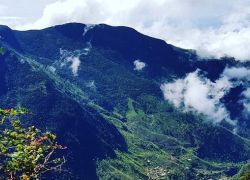
Horton Plains National Park, located in Sri Lanka’s central highlands, is one of the country’s most stunning natural wonders. Known for its picturesque landscapes, diverse flora and fauna, and historical significance, Horton Plains is a must-visit destination for nature enthusiasts, trekkers, and wildlife lovers. The park, which covers over 3,160 hectares, is a UNESCO World Heritage Site and is home to several endemic species of plants and animals. Its cool climate, mist-covered hills, and vast grasslands make it an ideal place for exploration and adventure. History of Horton Plains National Park The history of Horton Plains dates back to ancient Sri Lanka, but it was first officially recognized as a protected area in 1969. The park is believed to have been used as a hunting ground during British colonial times. The area’s rich biodiversity and unique ecosystems led to its designation as a national park in 1988. Today, Horton Plains serves not only as a popular tourist attraction but also as an important ecological and conservation site. Named after Sir Robert Wilmot Horton, a British Governor of Ceylon (now Sri Lanka), the park is a significant part of the central highlands' ecosystem. Its high-altitude montane grasslands and cloud forests provide an important habitat for numerous endemic species, and it plays a crucial role in the island’s water cycle, acting as the source of many rivers, including the Mahaweli, Kelani, and Walawe rivers. Why Horton Plains National Park is Famous? Horton Plains National Park is famous for its breathtaking beauty, its rare and diverse wildlife, and its stunning hiking trails. Some of the key reasons why the park is so well-loved include: World’s End: One of the most iconic features of Horton Plains is the dramatic "World’s End," a sheer cliff that plunges nearly 1,000 meters (3,280 feet) down to the valley below. The view from the edge is absolutely spectacular, offering panoramic vistas of the surrounding mountains and forests. Baker’s Falls: A stunning 20-meter high waterfall located along one of the park’s trekking routes. It’s a popular stop for trekkers, offering a refreshing break during the hike. Flora and Fauna: The park is home to several endemic species of plants and animals, including the Sri Lankan leopard, sambar deer, and purple-faced langur. It is also known for its diverse range of highland flora, such as the unique montane grasses and cloud forests. Ecotourism and Trekking: The park offers various trekking opportunities, including the popular 9.5 km loop trail that passes through scenic grasslands, cloud forests, and leads to World’s End and Baker’s Falls. Conservation: Horton Plains plays an important role in protecting Sri Lanka’s biodiversity and water resources. The park’s conservation efforts help preserve unique species and ecosystems found nowhere else on the island. How to Reach Horton Plains National Park Horton Plains National Park is located about 32 kilometers (20 miles) from Nuwara Eliya, the nearest major town, and is easily accessible by road from various parts of Sri Lanka. By Air: The nearest international airport is Bandaranaike International Airport in Colombo, approximately 180 kilometers away from the park. From Colombo, visitors can take a taxi or a bus to Nuwara Eliya, and then proceed to the park. By Road: From Nuwara Eliya, the park can be accessed by car or taxi in about 1 to 1.5 hours. The roads are relatively well-maintained, and there are signboards guiding visitors toward the park entrance. Alternatively, public buses from Nuwara Eliya to the park are available but may require a transfer. By Train: Nuwara Eliya is accessible by train from Colombo. The train ride through Sri Lanka's hill country is one of the most scenic train journeys in the world. Once you arrive at the Nuwara Eliya railway station, you can take a taxi to the park. Weather at Horton Plains National Park The weather at Horton Plains is typically cool and temperate, due to its high altitude. The climate can be unpredictable, with frequent mist and fog covering the plains, adding to the park’s mystical beauty. Best Time to Visit: The best time to visit Horton Plains is during the dry season, from December to April. This is when the weather is clearer, and visitors can enjoy unobstructed views from World’s End and other scenic spots. The rainy season, from May to November, often brings heavy rainfall and mist, which can obscure the views, especially from World’s End. Temperature: The average temperature in the park ranges between 10°C to 20°C (50°F to 68°F), making it cooler than the lowland areas of Sri Lanka. It’s important to dress warmly, especially in the early morning or late afternoon. Timing of Horton Plains National Park The park is open every day of the week, but it’s advisable to visit early in the morning to avoid the crowds and enjoy the best weather conditions for sightseeing and trekking. Opening Hours: 6:00 AM – 6:00 PM It is recommended to start the trek to World’s End early in the morning, as fog often sets in later in the day, obscuring the views. Entry and Visit Details Entry to Horton Plains National Park requires a ticket, which can be purchased at the entrance. International visitors are required to pay a higher entry fee compared to locals. Entry Fees: • International visitors: $15 USD • Sri Lankan locals: 60–100 Sri Lankan Rupees Visitors are encouraged to bring water, snacks, and sunscreen, as the park does not have many facilities. There are a few small kiosks at the park entrance where basic refreshments can be purchased. Guided Tours: While the park is accessible on your own, it is recommended to hire a local guide for a more enriching experience. The guides provide valuable information about the flora, fauna, and the history of the park. Things to Do at Horton Plains National Park Trekking: The main activity at Horton Plains is trekking. The 9.5 km loop trail is the most popular route, taking visitors through dense cloud forests, grasslands, and past Baker’s Falls before leading to World’s End. The trek takes about 3–4 hours to complete, and visitors are rewarded with breathtaking views of the plains and surrounding mountains. Visit World’s End: One of the park’s most famous attractions, World’s End offers a sheer drop of nearly 1,000 meters and panoramic views of the surrounding valleys and forests. It’s a must-see for any visitor. Visit Baker’s Falls: A beautiful waterfall located along the trek, Baker’s Falls is a scenic spot where visitors can rest and enjoy the refreshing sound of the water cascading down the rocks. Birdwatching: Horton Plains is home to several endemic bird species, including the Sri Lanka bush warbler and the yellow-eared bulbul. Birdwatching enthusiasts can enjoy spotting various species during their trek. Photography: The park offers incredible opportunities for photography, especially at sunrise and sunset, when the mist and fog create a mystical atmosphere around the landscapes. Facts About Horton Plains National Park Horton Plains National Park is the only national park in Sri Lanka that is located entirely in the highlands. It is home to many endemic species of plants and animals, including the Sri Lankan leopard and the purple-faced langur. The park is the source of three major rivers: the Mahaweli, Kelani, and Walawe Rivers. The park’s climate varies significantly due to its altitude, with temperatures ranging from 10°C to 20°C. Travel Tips for Visiting Horton Plains National Park Start your visit early in the morning to enjoy the best weather and avoid the crowds. Wear sturdy shoes for trekking, as the trails can be uneven and muddy, especially after rainfall. Dress in layers, as the weather can be chilly in the morning and warmer in the afternoon. Bring a camera to capture the stunning views, but be aware of the mist that can sometimes obscure the landscapes. Carry water and snacks, as there are no major food outlets inside the park. Horton Plains National Park is one of Sri Lanka’s most cherished natural destinations. Whether you're a nature lover, adventure enthusiast, or simply looking to escape into a peaceful, unspoiled environment, Horton Plains offers something for everyone. With its beautiful landscapes, rich biodiversity, and historic significance, it's a must-visit for anyone traveling through Sri Lanka's central highlands.
Explore More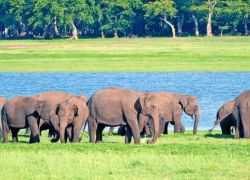
Minneriya National Park, located in the North Central Province of Sri Lanka, is one of the country’s most popular and ecologically significant wildlife reserves. Spanning over 8,800 hectares, the park is home to a rich variety of flora and fauna, including elephants, which are its main attraction. Situated near the historic city of Polonnaruwa, the park offers visitors an opportunity to experience Sri Lanka’s natural beauty and wildlife, especially during the annual gathering of elephants in the dry season. Whether you're a wildlife enthusiast, a photographer, or simply someone looking to experience Sri Lanka's biodiversity, Minneriya National Park is a must-visit destination. History of Minneriya National Park Minneriya National Park was established in 1997 to protect the Minneriya Tank (reservoir) and its surrounding ecosystems. The area has long been recognized for its importance in maintaining the region's biodiversity, especially as a wetland habitat for migratory birds. The Minneriya Tank itself dates back to the 3rd century AD and was built by King Mahasena, who used it for irrigation purposes to support agriculture in the area. Over time, the tank became an essential water source for both wildlife and local communities. Today, the park is a protected area that helps conserve wildlife, particularly elephants, which are drawn to the tank during the dry season. It is also important for the conservation of a wide range of other animals, including several endangered species, as well as for maintaining the natural beauty and ecological balance of the region. Wildlife and Flora of Minneriya National Park Minneriya National Park is best known for its large population of Sri Lankan elephants (Elephas maximus maximus). The park is famous for hosting the "Great Elephant Gathering," which occurs annually between July and September. During this time, hundreds of elephants congregate at the Minneriya Tank to drink water, bathe, and socialize, making it one of the largest gatherings of wild elephants in the world. The park is also home to a variety of other wildlife species, including: Leopard: A rare but occasional sighting in the park. Sloth Bear: Known for its nocturnal habits, the sloth bear is also found in the park. Deer: Spotted deer, sambar deer, and barking deer are commonly seen in the park. Birds: The park is an important bird sanctuary, home to species such as the painted stork, purple heron, and various species of eagles. Reptiles: Crocodiles, monitor lizards, and several species of snakes are found in the park’s wetlands and grasslands. The park is also rich in plant life, with a combination of tropical dry zone forests, wetlands, and grasslands. The vegetation provides essential cover and sustenance for many of the park’s animal inhabitants. Why Minneriya National Park is Famous? The primary reason Minneriya National Park is famous is the "Great Elephant Gathering," which draws wildlife enthusiasts from all over the world. This event occurs during the dry season, when elephants from the surrounding areas converge on Minneriya Tank to quench their thirst and engage in social behavior. The spectacle offers a rare opportunity for photographers and nature lovers to observe these majestic creatures in their natural habitat. In addition to elephants, the park is renowned for its diverse ecosystems and abundant wildlife, which make it an important site for biodiversity conservation in Sri Lanka. The park’s historical and cultural significance, linked to the ancient Minneriya Tank, also adds to its appeal. How to Reach Minneriya National Park Minneriya National Park is located approximately 20 kilometers northeast of Polonnaruwa, in the North Central Province of Sri Lanka. It is easily accessible by road from both the cultural city of Polonnaruwa and the city of Habarana. By Road: The most common way to reach Minneriya is by road. From Polonnaruwa, it is a 30-minute drive, and from Habarana, it is about 15 minutes. Taxis and private vehicles can be hired from these nearby towns to reach the park. By Train: The nearest railway station is in Habarana, about 10 kilometers from the park. From there, travelers can hire a taxi or take a bus to reach the park. By Air: The nearest airport is Bandaranaike International Airport in Colombo, which is around a 4.5-hour drive from the park. Alternatively, visitors can fly to the domestic airport at Sigiriya and drive from there. Weather at Minneriya National Park The climate at Minneriya is tropical and warm year-round, with a distinct dry season during which the elephant gathering occurs. The best time to visit is during the dry season, from May to September, when wildlife is most concentrated around the Minneriya Tank. The temperature during this time ranges from 28°C to 34°C (82°F to 93°F). Monsoon Season: From October to April, the park experiences the wet monsoon season. During this time, the area becomes lush and green, but some areas may be inaccessible due to heavy rains and flooding. Timing of Minneriya National Park The park is open daily from: Opening Time: 6:00 AM Closing Time: 6:00 PM It is recommended to visit early in the morning or late in the afternoon to avoid the heat of midday and to see the wildlife when it is most active. The elephant gathering is best observed during the late afternoon when elephants are most likely to be at the tank. Entry and Visit Details To enter Minneriya National Park, visitors need to purchase an entry ticket at the park’s entrance. The ticket fee includes access to the park and the services of a guide if needed. Ticket Prices: The entry fee for international visitors is generally around USD 25-30, while local visitors pay a reduced fee. Safari Tours: Visitors can opt for a jeep safari to explore the park and observe wildlife. The safaris are available throughout the day and can be booked through local tour operators or at the park entrance. Visitors should be prepared for a bumpy ride as the park’s roads can be uneven, and it’s recommended to bring water, sunscreen, and a hat for sun protection. Things to Do at Minneriya National Park Elephant Watching: The primary attraction is observing the elephants during the Great Elephant Gathering, especially around the Minneriya Tank. Bird Watching: The park is a haven for bird enthusiasts, with a variety of species to spot, including migratory birds. Jeep Safari: Take a safari through the park’s diverse ecosystems, from the wetlands to the dry forests, for a chance to see a variety of wildlife. Photography: The park offers fantastic opportunities for nature and wildlife photography, particularly during the elephant gatherings and at sunrise or sunset. Facts About Minneriya National Park The Great Elephant Gathering, which occurs between July and September, is one of the largest gatherings of wild elephants in the world. The park was designated as a national park in 1997 to protect the Minneriya Tank and its surrounding ecosystems. Minneriya is part of the cultural triangle, close to UNESCO World Heritage Sites such as Polonnaruwa and Sigiriya. In addition to elephants, the park is home to leopards, sloth bears, and numerous species of birds and reptiles. Tips for Visiting Minneriya National Park Visit early in the morning or late in the afternoon to avoid the midday heat and increase your chances of spotting wildlife. Wear comfortable clothing and sturdy shoes, as you may need to walk or travel over rough terrain during the safari. Bring a camera with a zoom lens to capture wildlife from a safe distance, especially elephants. Carry sufficient water, sunscreen, and a hat to protect yourself from the sun. Respect the wildlife and keep a safe distance from the elephants and other animals. Whether you're an avid wildlife enthusiast or simply looking for an adventure in Sri Lanka's pristine natural environment, Minneriya National Park is a fantastic destination. With its impressive elephant gatherings, rich biodiversity, and scenic beauty, the park offers an unforgettable experience for nature lovers.
Explore More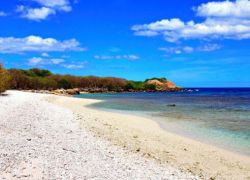
Pigeon Island National Park is a stunning marine park located just off the coast of Trincomalee, Sri Lanka. Known for its vibrant coral reefs, clear turquoise waters, and diverse marine life, Pigeon Island offers an incredible opportunity for nature lovers, divers, and adventure enthusiasts to explore Sri Lanka’s rich underwater world. The park is home to an array of marine species, including the endangered blacktip reef sharks, making it one of the most important conservation areas in Sri Lanka. How to Reach Pigeon Island National Park Getting to Pigeon Island National Park is relatively easy from Trincomalee. The park is situated about 1 km off the coast of Nilaveli Beach, and the most common way to reach the island is by boat. There are several boat tours and local fishermen who provide boat services to the island. The boat ride takes about 15 to 20 minutes, offering stunning views of the surrounding coastline and the blue waters of the Indian Ocean. To reach Trincomalee, you can take a bus, train, or drive from Colombo. The journey from Colombo to Trincomalee takes about 6-7 hours by road. Once you are in Trincomalee, head to Nilaveli Beach, where most boat services to Pigeon Island are available. It’s advisable to arrange your boat ride through a local hotel or tour operator in advance. Weather at Pigeon Island National Park The climate around Pigeon Island National Park is tropical, with warm temperatures throughout the year. The best time to visit is during the dry season, which lasts from May to September. During this period, the weather is sunny and perfect for outdoor activities such as snorkeling, diving, and swimming. The temperature during these months generally ranges between 25°C to 30°C. The monsoon season, from October to December, can bring heavy rain and rough seas, which may affect boat services and visibility for underwater activities. It’s recommended to check the weather forecast and plan your trip accordingly, especially if you want to enjoy snorkeling or diving. Timing of Pigeon Island National Park Pigeon Island National Park is typically open to visitors from 8:00 AM to 5:00 PM daily. The best time to visit is early in the morning or late afternoon when the weather is pleasant and the park is less crowded. Many tour operators offer guided trips to the island, including snorkeling sessions, which typically last for a few hours. Since the park is a popular tourist destination, it's advisable to arrive early to avoid the crowds and enjoy a more peaceful experience. The boat ride to the island can also be more comfortable in the cooler morning hours. Why Famous for Pigeon Island National Park, Trincomalee, Sri Lanka? Pigeon Island National Park is famous for its rich marine biodiversity and crystal-clear waters. It is one of the few places in Sri Lanka where you can explore healthy coral reefs and see an array of marine life, including fish, sea turtles, and even the endangered blacktip reef sharks. The island is also home to a variety of bird species, particularly the Nicobar pigeon, which is where the park gets its name. The park is one of the top destinations in Sri Lanka for snorkeling and scuba diving, offering visitors an opportunity to explore vibrant coral reefs that are home to a wealth of marine life. It’s also a protected area, ensuring that the natural beauty and marine ecosystem remain preserved for future generations. Entry and Visit Details To visit Pigeon Island National Park, you need to pay an entry fee. The fees are used for conservation efforts to protect the marine life and the environment of the park. Entry to the park is typically included in the price of boat tours that take visitors to the island. Visitors should be aware of the following guidelines when visiting the park: Respect the park's rules by not touching the coral or disturbing the marine life. Wear reef-safe sunscreen to protect both your skin and the delicate marine ecosystem. Bring appropriate snorkeling or diving gear, although rentals are available from local operators. Wear comfortable clothing and shoes for walking around the island, as the terrain can be rocky in places. There are no accommodations on Pigeon Island itself, but several hotels and resorts are located near Nilaveli Beach, where visitors can stay during their trip. Most visitors spend a few hours exploring the island before returning to the mainland. History of Pigeon Island National Park Pigeon Island National Park was established in 2003 and covers an area of about 470 hectares, with most of it being marine. The island is part of Sri Lanka’s effort to protect its marine biodiversity and preserve its coral reefs, which are under threat from various environmental factors, including climate change and human activities. Historically, the island was used by fishermen and local communities, but it has been transformed into a protected area in recent years due to its ecological significance. The park is named after the Nicobar pigeon, which is found on the island, and it serves as an important habitat for various species of birds, marine animals, and coral ecosystems. Things to Do at Pigeon Island National Park While visiting Pigeon Island, there are several activities that you can enjoy. Some of the most popular things to do include: Snorkeling: The clear, shallow waters around Pigeon Island are perfect for snorkeling. Visitors can explore the vibrant coral reefs and see a variety of tropical fish, sea turtles, and other marine creatures. Scuba Diving: For diving enthusiasts, Pigeon Island offers some of the best dive spots in Sri Lanka. The coral reefs around the island are home to a rich diversity of marine life, making it an ideal location for underwater exploration. Bird Watching: The island is home to a variety of bird species, including the rare Nicobar pigeon. Birdwatchers can explore the island and spot several different species of birds in their natural habitat. Relaxing on the Beach: While the island is known for its marine life, visitors can also enjoy the peace and tranquility of the beach. It’s a great spot to relax and take in the natural beauty of the surroundings. Architecture Around Pigeon Island National Park Pigeon Island is a natural paradise, and there are no man-made structures on the island except for basic facilities for visitors. The island's architecture is focused on maintaining the environmental integrity of the park. The nearest facilities for tourists, including boat services and accommodations, are located in Nilaveli Beach, which is a short boat ride away. The surrounding areas of Trincomalee and Nilaveli feature a mix of modern and traditional architecture, but the island itself remains largely untouched, preserving its natural beauty and ecological value. Facts and Tips About Pigeon Island National Park The island is home to some of the healthiest coral reefs in Sri Lanka, making it a prime destination for snorkeling and diving. Pigeon Island is a protected area, so visitors are advised to respect the park's guidelines to help preserve its natural environment. The Nicobar pigeon, which is found on the island, is a rare species and a significant part of the island’s ecosystem. While visiting the island, bring plenty of water, sunscreen, and appropriate gear for snorkeling or diving. The island can be crowded during peak tourist season, so it’s best to visit early in the day for a more relaxed experience. Conclusion Pigeon Island National Park is a true gem in Sri Lanka, offering a unique opportunity to explore the island’s rich marine life and natural beauty. Whether you’re an adventure seeker looking to dive into the depths of the Indian Ocean or simply want to enjoy a peaceful day on the beach, Pigeon Island has something for everyone. Its pristine coral reefs, abundant wildlife, and stunning landscapes make it a must-visit destination for nature lovers and travelers to Sri Lanka.
Explore More
Sinharaja Forest Reserve is one of the most treasured natural wonders of Sri Lanka, located in the Ratnapura district. It is the last large surviving area of tropical rainforest in the country and has been recognized as a UNESCO World Heritage Site due to its rich biodiversity and ecological importance. The forest is densely packed with evergreen trees, wildlife, waterfalls, and scenic landscapes that offer a unique nature experience for travelers. Known for its mystical atmosphere, vibrant biodiversity, and adventure trekking trails, Sinharaja attracts nature lovers, wildlife photographers, bird watchers, and researchers from all over the world. The forest spans across over 11,000 hectares and is home to many endemic species of plants, animals, and birds. Nearly 60% of the trees within Sinharaja are endemic and rare, while the wildlife includes mammals, reptiles, amphibians, and a large number of endemic birds. As an untouched rainforest, Sinharaja has a calm and deep natural charm that makes it one of the most peaceful destinations in Sri Lanka. Tourism here is limited and managed carefully to preserve the natural ecosystem, allowing visitors to experience the forest in its original form. History and Formation of Sinharaja Forest Reserve Sinharaja Forest Reserve has a history dating back millions of years. It is believed to be part of the ancient Gondwana supercontinent, making it one of the oldest surviving rainforests in Asia. The name “Sinharaja” translates to “Lion King,” suggesting an ancient connection to the cultural and historical legends of Sri Lanka. For centuries, the forest served as a protective natural barrier and a resource base for medicinal plants and natural products used by indigenous communities. In 1978, Sinharaja was declared a National Heritage Wilderness Area, and in 1988, it received UNESCO World Heritage status. The forest is protected under strict conservation laws, and its infrastructure is minimal to maintain ecological balance. Although not architecturally developed like historical monuments, its natural “architecture” is striking. The towering trees, thick canopy layers, and forest floor vegetation form a living structure that reflects the ancient rainforest’s evolution and complex ecosystem. How to Reach Sinharaja Forest Reserve Sinharaja Forest Reserve can be reached through several entry points, and the most commonly used ones are through Kudawa, Weddagala, and Pitadeniya. The nearest major town is Ratnapura, located approximately 50–70 km from the forest entrances, depending on the route. Travelers arriving from Colombo can reach Ratnapura by bus, car, or private taxi. From Ratnapura, local buses and tuk-tuks are available to reach the forest access points, although hiring a private vehicle is more convenient due to the winding roads. Visitors may also arrive via Matugama or Deniyaya, depending on their accommodation and preferred route. Though the journey involves narrow and hilly paths, the scenic drive through tea plantations and rural landscapes is part of the adventure. Weather at Sinharaja Forest Reserve Sinharaja experiences a tropical rainforest climate with high humidity and frequent rainfall throughout the year. The average temperature ranges from 20°C to 30°C, with cooler conditions inside the forest due to shade and dense canopy cover. The heaviest rains occur during the southwest monsoon season from May to September, while the driest months are January to March. However, even during the dry season, short showers are common. Visitors are advised to carry lightweight raincoats, waterproof bags, and suitable trekking footwear to handle slippery paths. The weather contributes to the lush greenery and rich ecosystem, making Sinharaja a year-round destination for nature lovers. Timings of Sinharaja Forest Reserve The reserve is open daily from early morning until late afternoon. The best time to visit is from 7:00 AM to 4:00 PM. Guided tours are recommended for safety and educational value, as guides help visitors spot wildlife, identify plants, and navigate trails. Entering the forest without a registered guide is usually not permitted. Why Sinharaja Forest Reserve is Famous Sinharaja is famous for its rich biodiversity, ecological research importance, and rare wildlife sightings. The forest is home to over 50% of Sri Lanka’s endemic wildlife species. It is one of the best places for birdwatching, with species like the Sri Lankan Blue Magpie, Red-Faced Malkoha, and Sri Lanka Hanging Parrot commonly spotted. Many travelers also visit Sinharaja for trekking through dense nature trails, encountering natural pools, and experiencing pristine jungle scenery untouched by modern development. Entry and Visit Details Visitors must purchase an entry ticket at the designated entrances. Ticket prices vary for locals, foreign tourists, and students. Hiring an official guide is generally mandatory, and guide charges are based on group size. The forest authorities regulate visitor access to prevent over-tourism and environmental damage. Photography is permitted, but drones are usually not allowed without special authorization. Visitors are requested to follow eco-friendly rules such as not disturbing animals, not collecting plants, and carrying back any waste. Things to Do in Sinharaja Forest Reserve The forest offers several activities for visitors, including: 1. Jungle Trekking: Exploring the forest trails is the most popular activity. Treks vary in difficulty and duration, allowing visitors to choose routes based on interest. 2. Bird Watching: Sinharaja is one of Sri Lanka’s top birdwatching destinations, especially during early mornings. 3. Wildlife Photography: Photographers can capture rare reptiles, amphibians, butterflies, and plants in their natural habitat. 4. Waterfalls and Streams: Natural pools and small waterfalls provide scenic resting points during treks. 5. Nature Education: Guided tours provide knowledge about forest ecology, medicinal plants, and wildlife behavior. Interesting Facts About Sinharaja Forest Reserve - Sinharaja is home to more than 60% of Sri Lanka’s endemic trees. - Over 147 bird species have been recorded inside the forest. - The forest is estimated to be more than 100 million years old. - It is one of the few rainforests in the world with minimal human interference. - Many Sri Lankan streams and rivers originate from the Sinharaja range. Travel Tips for Visiting Sinharaja Forest Reserve - Wear lightweight and breathable outdoor clothing suitable for trekking. - Carry insect repellent, rain protection, and enough drinking water. - Hire a licensed guide for safety and a better experience. - Avoid touching unknown plants or insects, as some may be harmful. - Respect wildlife and avoid loud noises to prevent disturbance. - Start your trek early to get the best weather and wildlife sightings. - Follow all forest rules to help preserve this natural treasure. A visit to Sinharaja Forest Reserve offers a peaceful escape into one of the world’s most untouched tropical rainforests. Whether you are a nature lover, wildlife enthusiast, photographer, or adventurer, this remarkable destination promises an unforgettable and enriching experience.
Explore More
Kumana National Park, located on the southeastern coast of Sri Lanka and accessible from Batticaloa, is one of the most precious wildlife sanctuaries in the country. Spread across thick forests, wetlands, lagoons, grasslands, and open plains, Kumana is especially famous for its rich birdlife and natural ecosystem that remains undisturbed and pristine. Known historically as Yala East National Park, it is a paradise for wildlife photographers, birdwatchers, nature lovers, and adventure seekers who want to explore the raw beauty of the Sri Lankan wilderness. The park is home to elephants, crocodiles, leopards, turtles, jackals, and many other species, but what makes it truly unique is the large population of migratory and endemic birds that gather here throughout the year. Kumana National Park is regarded as one of the best places in Sri Lanka for bird watching, especially during the breeding and migratory seasons when thousands of birds arrive to nest around the lagoons and marshes. The famous Kumana Bird Sanctuary, located within the park, covers more than 200 hectares and serves as the breeding ground for large colonies of pelicans, painted storks, spoonbills, herons, egrets, ibises, and many other species. The quiet environment, abundant water sources, and natural protection make the park an ideal habitat for birdlife, making it a dream destination for professional and amateur birdwatchers alike. How to Reach Kumana National Park Kumana National Park can be reached from Batticaloa by road. The distance is approximately 180–200 km, depending on the route taken, and the journey usually takes around 4 to 5 hours. Visitors can hire a private taxi, rent a vehicle, or join an organized tour that includes transportation and safari arrangements. The park entrance is located near Okanda, which is also an important landmark for travelers heading to the Kudumbigala Monastery and the Okanda Hindu Temple. If traveling from Batticaloa, the most common route is through Kalmunai and Pottuvil, passing through beautiful coastal landscapes, rural villages, and green fields. From Colombo, travelers can reach the region by overnight bus or private vehicle, after which local jeeps can be hired for the safari. Inside the park, private vehicles are not permitted unless specifically authorized, so most visitors must use safari jeeps arranged at the entrance or through tour providers. Weather at Kumana National Park Kumana National Park experiences tropical weather throughout the year. The dry season, which lasts from March to September, is considered the best time to visit because wildlife sightings are more frequent when animals gather near water sources. Daytime temperatures usually range from 28°C to 34°C. The park receives rainfall primarily from the northeast monsoon between October and January, which brings lush greenery and refills the lagoons and ponds. Even during the rainy season, the park retains its natural beauty, though some internal roads may become difficult to navigate. Mornings and evenings are usually cooler and more comfortable for safaris. Noon temperatures can be quite warm, so sun protection such as hats, sunglasses, and sunscreen is highly recommended for visitors. Timing of Visit Kumana National Park is generally open daily from sunrise to sunset. Safari excursions are conducted in two main time slots – early morning and late afternoon. Morning safaris usually begin between 6:00 AM and 6:30 AM, offering the best chance of spotting active wildlife and colorful birdlife. Evening safaris typically start around 2:30 PM and continue until closing. Visitors are not permitted to remain inside the park after dark, and entry timings may change slightly based on seasonal conditions and wildlife regulations. It is recommended to check with local authorities or tour operators before planning your visit. Why Kumana National Park is Famous Kumana National Park is best known for its incredible bird populations, particularly migratory species that arrive from regions as far as North India, Europe, and Central Asia. The Kumana Villu, a natural swamp lake located within the park, attracts thousands of nesting birds annually and is considered one of the most important bird breeding sites in Sri Lanka. In addition to birds, the park is also famous for its wildlife diversity. Elephants, crocodiles, wild boar, spotted deer, golden jackals, and sloth bears can be seen during safari drives. Though rare, leopards also inhabit the park, contributing to its status as a major wildlife conservation area. The park’s scenery – from wetlands to scrub jungles, rocky outcrops, and wild plains – offers a rich visual experience that is deeply appreciated by nature lovers. Entry and Visit Details Entry to Kumana National Park requires a valid ticket purchased at the entrance gate. Fees may include vehicle charges, park entry charges, and the cost of hiring a safari jeep with a licensed guide. SAFARI booking can be done in advance through tour providers or arranged upon arrival, though peak seasons may require early booking. There are designated safari routes inside the park to ensure minimal disturbance to wildlife. Visitors must follow park rules strictly, including guidelines against littering, feeding animals, getting down from the vehicle in unsafe zones, or disturbing wildlife. Basic facilities such as washrooms and parking areas are available near the entry point, but there are limited shops inside, so visitors should carry water and refreshments before entering. History and Background Kumana National Park has a long history as a protected wildlife region. Originally part of Yala National Park, it was designated as a separate protected area in 1969 due to its unique role in bird conservation. The park has been inhabited by wildlife for thousands of years, and ancient inscriptions found in the area suggest that early Buddhist monks once used nearby forests and caves as meditation retreats. The region has also played a part in ancient trade routes and maritime history due to its coastal proximity. While Kumana is not known for monumental architecture, the natural landscape itself is a living historical record of Sri Lankan ecology and heritage. Things to Do at Kumana National Park Visitors can enjoy several exciting activities inside the park, including: - Jeep safaris for wildlife and birdwatching - Photography and videography - Nature walks in designated safe areas - Observing traditional rural life at villages near the park - Exploring natural wetlands, grasslands, and lagoons - Visiting nearby attractions like Kudumbigala Monastery and Okanda Temple Interesting Facts About Kumana National Park - Over 250 bird species are recorded in the park. - During peak season, up to 20,000 birds may gather for nesting. - Kumana Villu is the most famous bird breeding ground in Sri Lanka. - The park is home to elephants, crocodiles, and leopards. - Once part of Yala National Park, it is now a protected reserve on its own. Tips for Visiting Kumana National Park - Plan safaris early in the morning or late afternoon for the best sightings. - Carry sun protection, binoculars, and plenty of drinking water. - Wear comfortable, light clothing in neutral colors. - Do not disturb wildlife or make loud noises during safaris. - Book safaris in advance during peak seasons. - Keep the park clean and follow conservation rules. - Travel with licensed guides for a safe and informative experience.
Explore More7 Night - 8 Days Sri Lanka Tour Package
8 Days/ 7 Night
Colombo - Kandy - Nuwara Eliya - Bentota
Sri Lanka - Wonder Of Asia 04 Nights - 05 Days Tour
5 Days/ 4 Night
Kandy - Nuwara Eliya - Bentota
7 Night - 8 Days Trip To Sri Lanka
8 Days/ 7 Night
Colombo - Kandy - Nuwara Eliya - Bentota - Galle
Sri Lanka 7N - 8D Tour
8 Days/ 7 Night
Colombo - Kandy - Nuwara Eliya - Bentota