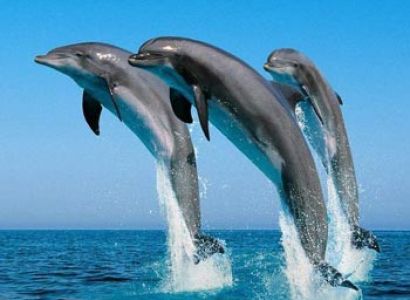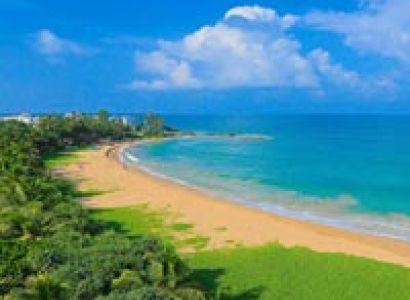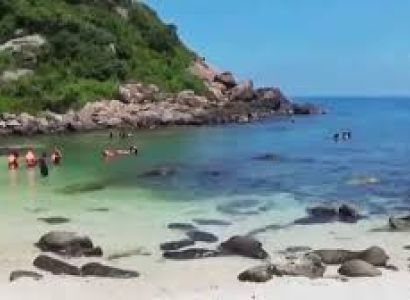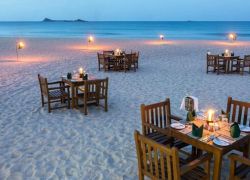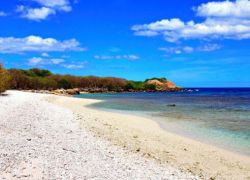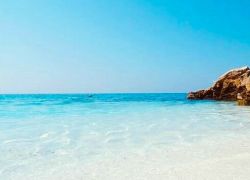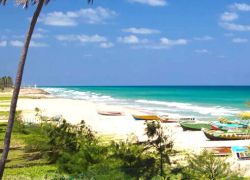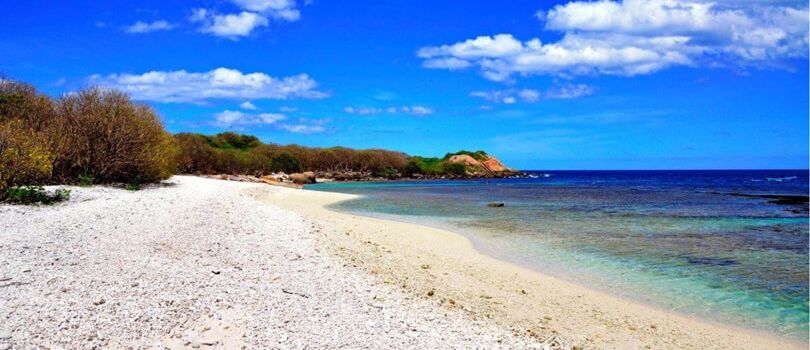
"Explore vibrant marine life and stunning beaches."
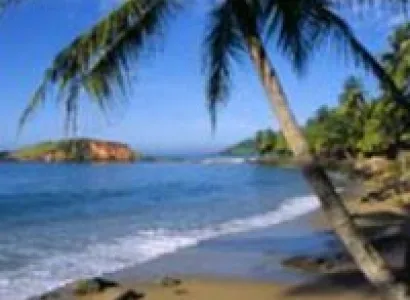
Pigeon Island National Park is a stunning marine park located just off the coast of Trincomalee, Sri Lanka. Known for its vibrant coral reefs, clear turquoise waters, and diverse marine life, Pigeon Island offers an incredible opportunity for nature lovers, divers, and adventure enthusiasts to explore Sri Lanka’s rich underwater world. The park is home to an array of marine species, including the endangered blacktip reef sharks, making it one of the most important conservation areas in Sri Lanka.
How to Reach Pigeon Island National Park
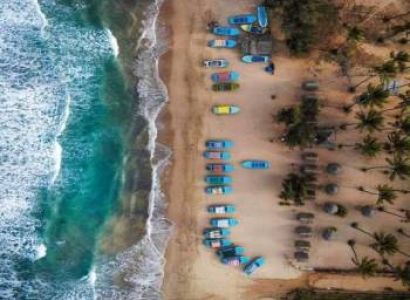
Getting to Pigeon Island National Park is relatively easy from Trincomalee. The park is situated about 1 km off the coast of Nilaveli Beach, and the most common way to reach the island is by boat. There are several boat tours and local fishermen who provide boat services to the island. The boat ride takes about 15 to 20 minutes, offering stunning views of the surrounding coastline and the blue waters of the Indian Ocean.
To reach Trincomalee, you can take a bus, train, or drive from Colombo. The journey from Colombo to Trincomalee takes about 6-7 hours by road. Once you are in Trincomalee, head to Nilaveli Beach, where most boat services to Pigeon Island are available. It’s advisable to arrange your boat ride through a local hotel or tour operator in advance.
Weather at Pigeon Island National Park
The climate around Pigeon Island National Park is tropical, with warm temperatures throughout the year. The best time to visit is during the dry season, which lasts from May to September. During this period, the weather is sunny and perfect for outdoor activities such as snorkeling, diving, and swimming. The temperature during these months generally ranges between 25°C to 30°C.
The monsoon season, from October to December, can bring heavy rain and rough seas, which may affect boat services and visibility for underwater activities. It’s recommended to check the weather forecast and plan your trip accordingly, especially if you want to enjoy snorkeling or diving.
Timing of Pigeon Island National Park
Pigeon Island National Park is typically open to visitors from 8:00 AM to 5:00 PM daily. The best time to visit is early in the morning or late afternoon when the weather is pleasant and the park is less crowded. Many tour operators offer guided trips to the island, including snorkeling sessions, which typically last for a few hours.
Since the park is a popular tourist destination, it's advisable to arrive early to avoid the crowds and enjoy a more peaceful experience. The boat ride to the island can also be more comfortable in the cooler morning hours.
Why Famous for Pigeon Island National Park, Trincomalee, Sri Lanka?
Pigeon Island National Park is famous for its rich marine biodiversity and crystal-clear waters. It is one of the few places in Sri Lanka where you can explore healthy coral reefs and see an array of marine life, including fish, sea turtles, and even the endangered blacktip reef sharks. The island is also home to a variety of bird species, particularly the Nicobar pigeon, which is where the park gets its name.
The park is one of the top destinations in Sri Lanka for snorkeling and scuba diving, offering visitors an opportunity to explore vibrant coral reefs that are home to a wealth of marine life. It’s also a protected area, ensuring that the natural beauty and marine ecosystem remain preserved for future generations.
Entry and Visit Details
To visit Pigeon Island National Park, you need to pay an entry fee. The fees are used for conservation efforts to protect the marine life and the environment of the park. Entry to the park is typically included in the price of boat tours that take visitors to the island.
Visitors should be aware of the following guidelines when visiting the park:
There are no accommodations on Pigeon Island itself, but several hotels and resorts are located near Nilaveli Beach, where visitors can stay during their trip. Most visitors spend a few hours exploring the island before returning to the mainland.
History of Pigeon Island National Park
Pigeon Island National Park was established in 2003 and covers an area of about 470 hectares, with most of it being marine. The island is part of Sri Lanka’s effort to protect its marine biodiversity and preserve its coral reefs, which are under threat from various environmental factors, including climate change and human activities.
Historically, the island was used by fishermen and local communities, but it has been transformed into a protected area in recent years due to its ecological significance. The park is named after the Nicobar pigeon, which is found on the island, and it serves as an important habitat for various species of birds, marine animals, and coral ecosystems.
Things to Do at Pigeon Island National Park
While visiting Pigeon Island, there are several activities that you can enjoy. Some of the most popular things to do include:
Architecture Around Pigeon Island National Park
Pigeon Island is a natural paradise, and there are no man-made structures on the island except for basic facilities for visitors. The island's architecture is focused on maintaining the environmental integrity of the park. The nearest facilities for tourists, including boat services and accommodations, are located in Nilaveli Beach, which is a short boat ride away.
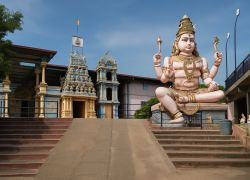
The surrounding areas of Trincomalee and Nilaveli feature a mix of modern and traditional architecture, but the island itself remains largely untouched, preserving its natural beauty and ecological value.
Facts and Tips About Pigeon Island National Park
Conclusion
Pigeon Island National Park is a true gem in Sri Lanka, offering a unique opportunity to explore the island’s rich marine life and natural beauty. Whether you’re an adventure seeker looking to dive into the depths of the Indian Ocean or simply want to enjoy a peaceful day on the beach, Pigeon Island has something for everyone. Its pristine coral reefs, abundant wildlife, and stunning landscapes make it a must-visit destination for nature lovers and travelers to Sri Lanka.