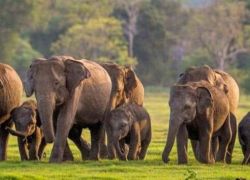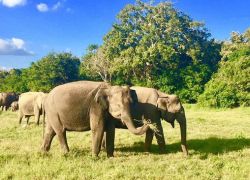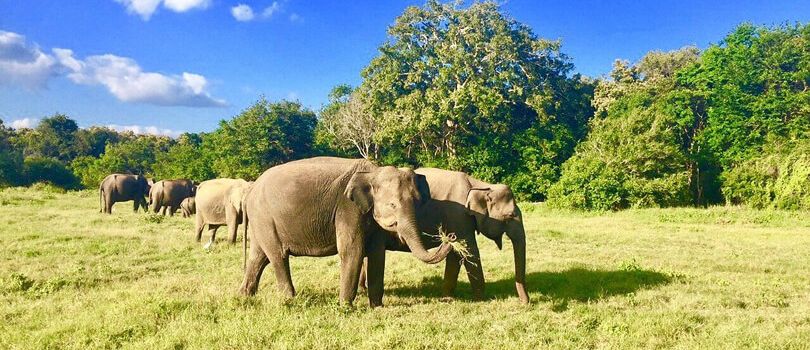
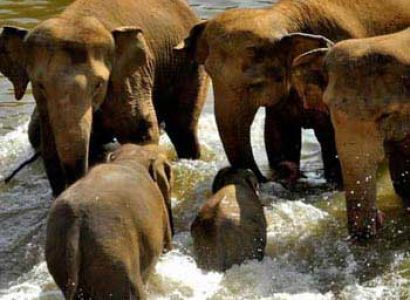
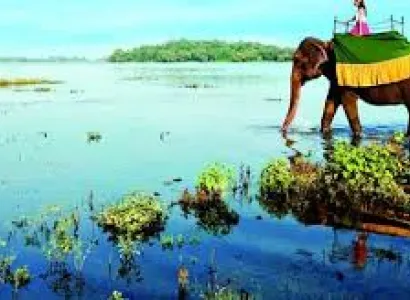
"Witness elephants in their natural habitat."
Kaudulla National Park, located in the North Central Province of Sri Lanka, is one of the country’s prime wildlife destinations. Situated near the ancient city of Sigiriya, the park is well-known for its elephant herds, rich biodiversity, and beautiful landscapes. Established in 2002, Kaudulla is one of the newer national parks in Sri Lanka, but it has quickly gained fame due to its vibrant wildlife and scenic beauty. The park’s primary attraction is its large elephant population, which can be seen in the open grasslands surrounding the Kaudulla Tank, especially during the dry season.
History of Kaudulla National Park
Kaudulla National Park was designated a protected area in 2002 to conserve its unique ecosystems and the wildlife that inhabit it. However, the area has long been significant for its water management systems, particularly the Kaudulla Tank, an ancient irrigation reservoir built in the 3rd century BC by King Mahasena. The tank has played a crucial role in supporting both agriculture and wildlife in the region for over two thousand years.
The park's landscape includes forests, grasslands, wetlands, and the tank itself, which has helped shape the environment and attract wildlife, particularly elephants. Before its establishment as a national park, the area was a critical wildlife corridor and a popular destination for elephant sightings due to the proximity to the Minneriya National Park. Today, Kaudulla serves as a haven for wildlife, preserving Sri Lanka’s natural heritage.
Architecture of Kaudulla National Park
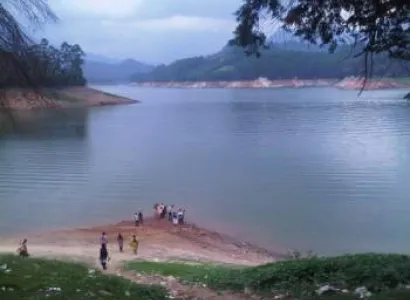
While Kaudulla National Park is not known for traditional architecture, its most significant feature is the Kaudulla Tank. The tank is a remarkable piece of ancient Sri Lankan engineering, built by King Mahasena to support irrigation for agriculture in the region. The tank has survived for over two millennia and remains the primary water source for both wildlife and local communities. It is an excellent example of Sri Lanka's ancient hydraulic engineering, which included canals, sluices, and other systems that helped manage water for agricultural and ecological needs.
The park itself has been carefully managed to preserve its natural habitats, with minimal interference to the ecosystem. The park has established walking trails, observation platforms, and eco-friendly safari routes that allow visitors to explore the landscape without disturbing the wildlife.
Why Kaudulla National Park is Famous?
Kaudulla National Park is most famous for its large elephant herds, which gather around the Kaudulla Tank during the dry season. This phenomenon, known as the “elephant gathering,” is one of the largest gatherings of Asian elephants in the world. The park attracts thousands of visitors annually who come to witness this incredible natural event, especially during the months of September to November when the elephants gather in large numbers.
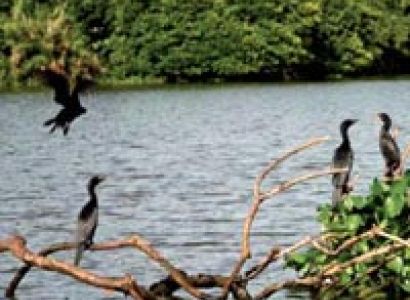
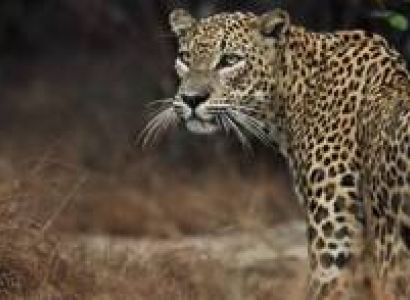
Aside from elephants, Kaudulla is home to a diverse range of wildlife, including leopards, sloth bears, crocodiles, and numerous bird species such as the painted stork, Sri Lanka junglefowl, and migratory birds. The park’s landscape, which includes wetlands, grasslands, and forests, is also home to many species of reptiles, amphibians, and plant life.
Kaudulla is also less crowded than some of Sri Lanka's other national parks, such as Yala or Udawalawe, making it an ideal location for those seeking a more peaceful, nature-filled experience.
How to Reach Kaudulla National Park
Kaudulla National Park is easily accessible from the cultural triangle of Sri Lanka, including popular tourist destinations such as Sigiriya, Dambulla, and Polonnaruwa. Here’s how to reach the park:
By Air: The nearest international airport is Bandaranaike International Airport in Colombo, which is approximately 170 kilometers away from the park. From there, visitors can take a taxi or rent a car for the 3-4 hour drive to Kaudulla.
By Road: The park is located around 20 kilometers from the historic town of Habarana, which is easily accessible by road from major cities like Dambulla, Polonnaruwa, and Sigiriya. The park is around a 30-minute drive from Sigiriya and can be reached by taxi or private vehicle.
By Train: The nearest railway station is in Habarana, approximately 20 kilometers away from Kaudulla National Park. From there, visitors can take a taxi or tuk-tuk to the park.
Weather at Kaudulla National Park
Kaudulla National Park has a tropical climate, with a mix of dry and wet seasons. The dry season is the best time to visit, as wildlife congregates around the Kaudulla Tank, making it easier to spot animals like elephants. During the dry season (from May to September), temperatures generally range between 27°C to 33°C (81°F to 91°F), and the park experiences minimal rainfall.
The wet season, which lasts from October to December, brings heavy rainfall, which makes some of the roads in the park inaccessible. However, the park becomes lush and green, providing a beautiful contrast to the dry months. The best time to visit Kaudulla for wildlife viewing is during the dry season when elephants and other animals gather near the water sources.
Timing of Kaudulla National Park
Kaudulla National Park is open to visitors year-round, but the best time for elephant sightings is during the dry season, between September and November. The general visiting hours are as follows:
Opening Time: 6:00 AM
Closing Time: 6:00 PM
Safari tours typically operate during the early morning and late afternoon, as this is when animals are most active. It’s best to arrive early in the day for cooler temperatures and better wildlife viewing opportunities.
Entry and Visit Details
Visitors to Kaudulla National Park must purchase an entry ticket at the park entrance. The entry fee varies depending on whether you are a local or international visitor. The ticket grants access to the park’s main attractions, including jeep safaris and the observation platforms.
It is highly recommended to book a safari tour in advance, especially during the peak dry season when the park attracts a lot of visitors. Safari tours are generally conducted in jeeps, and a local guide can be hired to provide detailed information about the wildlife, flora, and the park’s ecosystem.
Things to Do at Kaudulla National Park
Facts About Kaudulla National Park
Travel Tips for Visiting Kaudulla National Park
Kaudulla National Park is a wonderful destination for wildlife enthusiasts, photographers, and nature lovers. With its large elephant herds, diverse wildlife, and scenic landscapes, it offers a unique and unforgettable experience in Sri Lanka.




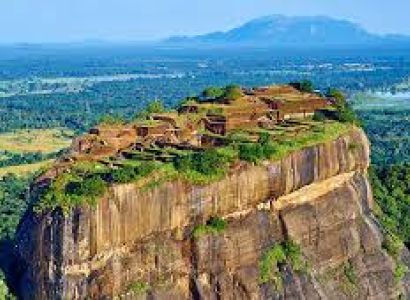





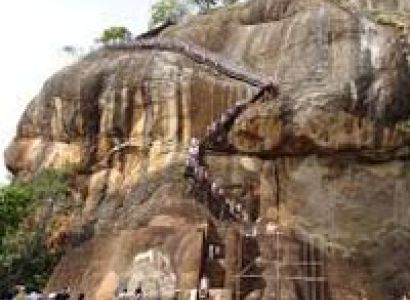


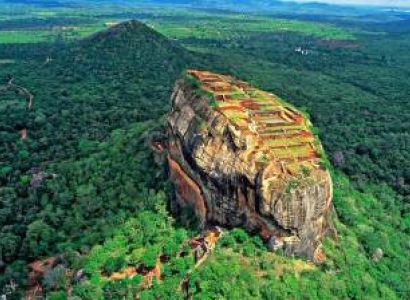


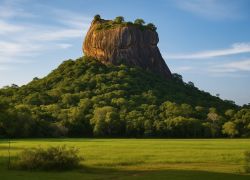
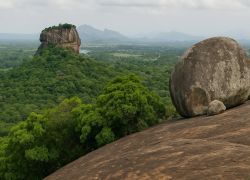
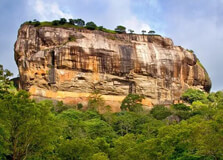
Sigiriya
Sigiriya