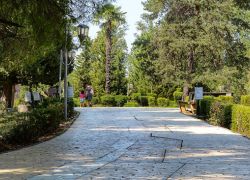
Grand Park of Tirana, also known as Parku i Madh, is one of the largest and most beautiful green spaces in Albania's capital. This lush urban park, which stretches over 230 hectares, is a popular destination for both locals and tourists. It offers a peaceful retreat from the bustling city life, providing a perfect escape for nature lovers, families, joggers, and those simply looking to enjoy a leisurely day in the outdoors. With its well-maintained walking paths, serene lake, and rich history, the Grand Park is a must-visit for anyone exploring Tirana. How to Reach Grand Park, Tirana, Albania Grand Park is conveniently located in the southern part of Tirana, and it is easy to reach from various parts of the city. If you are staying in the city center, the park is approximately a 20-minute walk from Skanderbeg Square, the main hub of Tirana. From Skanderbeg Square, you can head south along Rruga e Dajti, and you will eventually find yourself at the entrance to the park. For those who prefer public transportation, there are several bus lines that pass by or near the park, making it easy to reach. Taxis are also widely available throughout the city, and a taxi ride to the park from the city center is relatively inexpensive. Additionally, there are bike rental stations around the city, and since the park features several bike-friendly paths, cycling can be a pleasant way to reach and explore the park. Weather in Tirana Tirana experiences a Mediterranean climate with hot, dry summers and mild, wet winters. The best times to visit Grand Park are during the spring (April to June) and fall (September to November), when the weather is pleasant and mild, making outdoor activities particularly enjoyable. During the summer months (June to August), temperatures can reach up to 30°C (86°F), so visitors should plan to visit early in the morning or later in the evening to avoid the intense midday heat. In winter (December to February), Tirana experiences mild temperatures, usually between 5°C and 10°C (41°F and 50°F), although it can occasionally dip lower. The park's trees and foliage still offer a beautiful environment, even in the colder months. However, it's recommended to check the weather forecast before visiting during winter, as rain is more frequent during this season. Why is Grand Park Famous? Grand Park is famous for being a major recreational area in Tirana, offering a peaceful escape from the hectic urban environment. It is especially renowned for its large artificial lake, which is one of the park’s most prominent features. The lake, with its surrounding walking paths and picturesque views, serves as a relaxing spot for visitors to take in nature, go boating, or simply unwind. The park is also home to the President’s Palace and the impressive Tirana Zoo, which is located at the southeastern end of the park. Moreover, the park’s spacious grounds are ideal for activities such as jogging, cycling, or picnicking. It is also a popular place for families and children due to its playgrounds, open-air cafes, and grassy areas. During spring and summer, the park is particularly vibrant, with a wide variety of plants and flowers in full bloom, attracting both nature enthusiasts and photographers. Entry and Visit Details about Grand Park, Tirana, Albania Visiting Grand Park is free of charge, and the park is open to the public year-round. There are no specific opening or closing hours, as it is an open-air park, so visitors can explore it at their leisure. However, it's worth noting that certain amenities, such as cafes and the zoo, may have set operating hours. While there is no formal entry fee for the park itself, certain activities, such as renting a boat on the lake or entering the zoo, may require a small fee. The park is well-maintained, with clearly marked paths and green spaces, making it a safe and enjoyable environment for visitors. There are also several benches and shaded areas for rest, as well as clean restrooms located near popular spots within the park. History and Architecture of Grand Park The Grand Park of Tirana was officially established during the 1950s, although the land on which it sits has been used for recreational purposes for much longer. Initially, the park was part of a larger plan to develop a green space for the people of Tirana, offering a contrast to the growing urbanization of the city. The artificial lake was created as a central feature, and over time, the park grew to encompass lush gardens, wooded areas, and walking paths. Architecturally, the park features a combination of natural beauty and human-made structures. The most notable of these is the large artificial lake, which is surrounded by benches, paths, and vegetation. The park also houses the Presidential Palace, a significant structure that reflects Albania's political history. The zoo, which was built more recently, adds an educational component to the park, making it a destination for families and animal lovers. Things to Do at Grand Park Grand Park offers a variety of activities that appeal to visitors of all ages. Some of the best things to do in the park include: Stroll Around the Lake: The artificial lake is the heart of Grand Park, and it’s perfect for a leisurely walk, boat ride, or a relaxing time by the water. There are pedal boats available for rent, allowing visitors to enjoy the lake from a different perspective. Jog or Cycle: The park is a popular spot for jogging and cycling. There are designated paths for both activities, making it a great place to stay active and enjoy nature at the same time. Visit the Zoo: Located on the southeastern side of the park, the Tirana Zoo is home to a range of animals, including deer, wild boar, birds, and more. It’s a fun and educational experience for families and children. Picnic in the Park: There are numerous grassy areas and shaded spots in the park, making it ideal for picnics. You can bring your own food or grab a snack from one of the park’s cafes. Relax at the Cafes: The park has a number of outdoor cafes where you can relax with a coffee or enjoy a light meal while soaking in the beautiful surroundings. Photography and Birdwatching: With its diverse plant life and the lake attracting various species of birds, the park is an excellent place for photography and birdwatching, particularly in spring and fall when migration seasons are in full swing. Interesting Facts about Grand Park The artificial lake in Grand Park was created in the 1950s as a way to improve the park's aesthetic value and serve as a recreational space for locals. The park is home to a wide variety of flora and fauna, including both native and non-native plant species, making it an important ecological area within Tirana. The Tirana Zoo, located within the park, is one of the oldest in Albania, providing a unique opportunity for visitors to observe local and exotic wildlife. The park was originally a swampy area before it was transformed into the beautiful green space it is today. The park serves as a popular location for events, concerts, and cultural gatherings, particularly during the summer months. Tips for Visiting Grand Park Wear Comfortable Shoes: Grand Park is large and offers many walking paths, so it’s a good idea to wear comfortable shoes if you plan to explore the park extensively. Bring Sunscreen: The park can get quite sunny during the summer months, especially around the lake, so be sure to bring sunscreen, a hat, and water to stay cool and protected. Visit in the Morning or Evening: To avoid the crowds and enjoy the cooler temperatures, it’s best to visit Grand Park in the morning or late afternoon. Bring Snacks and Water: While there are cafes in the park, it’s always a good idea to bring your own snacks and water if you plan to spend a long time in the park. Respect Nature: Grand Park is a beautiful natural area, so be sure to respect the environment by disposing of trash properly and being mindful of wildlife.
Explore More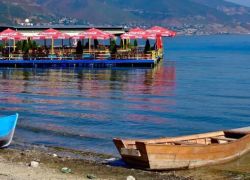
Lake Ohrid, located in the town of Pogradec in Albania, is one of the oldest and most beautiful lakes in Europe. Known for its stunning natural beauty, rich biodiversity, and historical significance, Lake Ohrid attracts visitors from all over the world. The lake spans both Albania and North Macedonia, with the town of Pogradec being one of the most popular spots on its Albanian shores. It is a UNESCO World Heritage site, recognized for its unique ecosystem and cultural heritage. This guide will take you through everything you need to know about Lake Ohrid in Pogradec, including how to reach it, its history, and things to do in the area. How to Reach Lake Ohrid, Pogradec Pogradec, the town located on the shores of Lake Ohrid, is easily accessible by car or bus from several major cities in Albania, including Tirana, the capital. The town is located approximately 140 kilometers southeast of Tirana, making it a popular destination for both local and international tourists. If you are traveling from **Tirana**, the drive takes about 2 to 2.5 hours, depending on traffic. The route follows the SH3 highway, which offers beautiful views of the Albanian countryside. From Tirana to Pogradec: You can take a bus from Tirana to Pogradec, with several buses departing daily from the main bus terminal in Tirana. The journey takes around 2.5 hours. Taxis are also available for more convenient travel, though they can be more expensive. From Ohrid (North Macedonia) to Pogradec: If you're coming from Ohrid in North Macedonia, you can reach Pogradec by crossing the border at the **Border Crossing of Qafa e Thanës**. The drive takes around 1 hour. Public transport options are available, but taxis and private transfers are the easiest way to reach the town from Ohrid. Weather and Best Time to Visit Lake Ohrid Lake Ohrid has a Mediterranean climate with hot, dry summers and mild, wet winters. The area enjoys a pleasant climate throughout the year, but the best time to visit is during the spring (April to June) and autumn (September to October). During these seasons, the weather is mild and ideal for outdoor activities like hiking and boat tours. The summer months (July and August) can be quite hot, with temperatures reaching around 30°C (86°F), but the lake provides a refreshing escape. Winter: Winters are generally mild, with temperatures averaging around 5°C (41°F). While the region is less crowded during this season, it can still be an enjoyable time to visit for those seeking a more peaceful atmosphere. Why Famous for Lake Ohrid, Pogradec, Albania? Lake Ohrid is famous for its immense natural beauty, being one of the oldest and deepest lakes in Europe. It is home to a unique and diverse ecosystem, with numerous endemic species of plants and animals. The lake is also significant for its historical and cultural importance. It has been inhabited since prehistoric times, and ancient cities like **Ohrid** in North Macedonia, and **Pogradec** on the Albanian side, have flourished around it for centuries. One of the most notable features of the lake is its biodiversity. It is home to over 200 species of fish, many of which are endemic, making it an essential location for biologists and nature enthusiasts. The lake’s clear, blue waters and picturesque landscapes make it a popular spot for both relaxation and adventure. As a UNESCO World Heritage site, Lake Ohrid is recognized not only for its natural wonders but also for its rich historical and cultural value. Entry and Visit Details Visiting Lake Ohrid is free, as it is a natural site with public access. While the lake itself is open year-round, the best time to visit is during the spring and summer when the weather is ideal for outdoor activities and boat tours. Attractions around Lake Ohrid: Visitors to Lake Ohrid can enjoy a wide range of activities, including relaxing on the lake’s beaches, hiking in the nearby hills, and exploring the town of Pogradec itself. Additionally, there are various cultural and historical sites around the lake that add to its allure, such as the **St. Naum Monastery**, located at the southern end of the lake, and the **ancient city of Apollonia**, located inland from Pogradec. History and Architecture around Lake Ohrid Lake Ohrid has a long and fascinating history. It is believed to have formed around 3 to 4 million years ago, making it one of the oldest lakes in the world. The lake has been inhabited since prehistoric times, and numerous ancient civilizations have settled around its shores. In fact, it was an important center of culture and learning during the **Byzantine Empire** and **Ottoman Empire** periods. Architecturally, the area around Lake Ohrid is home to many important landmarks. The **St. Naum Monastery**, a key cultural site, dates back to the 9th century and is located on the southern edge of the lake. The monastery is known for its beautiful frescoes and its tranquil setting by the water. Other notable sites include **Pogradec's Old Bazaar**, where visitors can stroll through the narrow streets lined with traditional Albanian shops, and **Drilon Springs**, where fresh water from the lake creates a serene environment perfect for relaxation. Things to Do at Lake Ohrid Boating and Water Sports: Lake Ohrid is a great destination for boating. Visitors can rent boats or take guided tours around the lake, which offers spectacular views of the surrounding hills and ancient cities. Fishing is also popular in the lake. Hiking and Nature Walks: The area around Lake Ohrid is perfect for hiking. Trails wind through forests and along the lake, offering breathtaking views of the water and the surrounding Albanian countryside. Visit St. Naum Monastery: Located on the lake's southern shores, this historical and religious site is a must-visit. The monastery is famous for its peaceful surroundings and stunning frescoes. Swimming: In the summer, the warm and clear waters of Lake Ohrid are perfect for swimming. The lake is surrounded by several beaches where visitors can relax and enjoy the sunshine. Explore Pogradec: The town of Pogradec itself is charming, with a pleasant lakeside promenade and restaurants serving fresh fish and local Albanian cuisine. It’s a great place to wander around and enjoy the atmosphere. Facts and Tips about Lake Ohrid, Pogradec UNESCO World Heritage Site: Lake Ohrid is a UNESCO World Heritage site due to its unique ecosystem and cultural significance. It’s one of the few places in the world that has remained ecologically intact for millions of years. Endemic Species: The lake is home to over 200 species of fish, many of which are found nowhere else in the world. It’s a haven for biologists and environmentalists. Bring Comfortable Shoes: If you plan to hike around the lake or explore the nearby hills, make sure to bring comfortable shoes for walking. Pack Swimwear: Lake Ohrid is perfect for swimming, so don’t forget your swimwear if visiting during the summer months. Local Cuisine: Pogradec is known for its fresh fish dishes, particularly **trout** from the lake. Make sure to try the local delicacies when visiting the town. Conclusion Lake Ohrid in Pogradec, Albania, is a stunning destination that offers visitors a unique blend of natural beauty, rich history, and outdoor adventure. Whether you’re interested in exploring ancient monasteries, hiking through the beautiful countryside, or simply relaxing by the water, Lake Ohrid has something for everyone. The lake’s clear waters, peaceful surroundings, and historical landmarks make it one of the most picturesque places in Albania, and a must-see for anyone visiting the region.
Explore More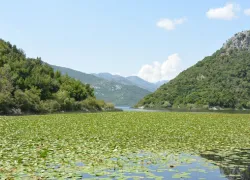
Lake Shkodra, one of the largest lakes in the Balkans, is a picturesque and serene destination located in northern Albania, near the city of Shkoder. This beautiful freshwater lake is shared by Albania and Montenegro, with approximately two-thirds of it lying within Albanian territory. Known for its stunning landscapes, rich biodiversity, and historical significance, Lake Shkodra is a popular spot for both nature lovers and tourists seeking a peaceful retreat. How to Reach Lake Shkodra Lake Shkodra is easily accessible from the city of Shkoder, which is the closest urban center to the lake. The lake is located just a few kilometers from the city center, and visitors can reach it by car, taxi, or bus. The lake can also be accessed via a short drive or bike ride from Shkoder, which makes it a convenient day trip for those staying in the city. If you are coming from other parts of Albania or even Montenegro, you can take a bus to Shkoder and then use local transportation to reach the lake. For those arriving by car, the journey to Lake Shkodra is well-signposted and offers scenic views of the surrounding countryside. Weather The climate around Lake Shkodra is Mediterranean, with hot, dry summers and mild, wet winters. The best time to visit Lake Shkodra is in the spring (April to June) and fall (September to October) when the weather is mild and pleasant. Summer months (July and August) can be hot, with temperatures sometimes exceeding 30°C (86°F), making it perfect for swimming or enjoying the lake's cooling breeze. Winters are relatively mild, although it can get chilly during December and January. Timing Lake Shkodra is accessible throughout the year, and its tranquil beauty makes it a great spot for visitors at any time. However, the best months to visit are from May to October when the weather is warmer and activities such as boating, swimming, and fishing are at their peak. While the lake is open year-round, the winter months are quieter, and many of the lakeside hotels or cafes might have reduced hours. Why Famous for Lake Shkodra, Shkoder, Albania? Lake Shkodra is famous for its natural beauty, rich biodiversity, and historical significance. The lake is not only one of the largest in the Balkans but also one of the oldest. It is a haven for a variety of wildlife, particularly birds, making it a popular destination for birdwatching enthusiasts. The surrounding landscape, with its lush green hills and mountainous backdrop, adds to the lake’s allure. In addition to its natural beauty, Lake Shkodra holds cultural and historical importance. The lake has been a part of the region's history for centuries, and it has witnessed many civilizations, including the Romans and Ottomans. Today, the lake remains an essential part of local life, with fishing and agriculture playing significant roles in the economy. Entry and Visit Details about Lake Shkodra, Shkoder, Albania Unlike many tourist attractions, Lake Shkodra does not have an entrance fee, making it an accessible destination for travelers on a budget. Visitors can enjoy the lake’s beauty by walking along the shores, taking boat tours, or simply relaxing by the water. The nearby villages and lakeside areas offer a peaceful setting for picnics, photography, and nature walks. For those interested in a more structured visit, there are several tour operators offering boat tours, fishing trips, and even guided birdwatching tours. The local area also has a number of guesthouses and hotels, especially around the village of Shkodra, where you can stay overnight and enjoy the tranquil atmosphere of the lake. History and Architecture Lake Shkodra has a long history, and it is thought to have been formed during the Pleistocene era, millions of years ago. The lake has been an important geographical feature in the region for centuries. Its shores have been inhabited since ancient times, with evidence of early settlements found in the surrounding areas. The lake is home to several historical sites, including the remains of ancient Roman fortifications and the castle of Rozafa, which overlooks the lake. These sites offer visitors a glimpse into the rich history of the area and the strategic importance of Lake Shkodra in the past. The architecture around the lake is also influenced by various cultures, including Roman, Byzantine, and Ottoman, with many charming old villages scattered around the shore. Things to Do Boat Tours: Take a boat ride on the lake to explore its beauty from a different perspective. Many local operators offer tours, some of which include stops at small islands or historical sites around the lake. Birdwatching: Lake Shkodra is a haven for birdwatchers, especially during the migration seasons. The lake is home to a variety of bird species, including herons, swans, and migratory birds. Fishing: The lake is rich in fish, and local fishermen offer boat rentals for those looking to try their hand at fishing. Hiking: The hills and mountains around Lake Shkodra provide excellent hiking opportunities with stunning views of the lake and surrounding landscape. Swimming: During the summer, the lake's clear waters are perfect for swimming and relaxing by the shore. Photography: The natural beauty of the lake, along with its historical sites, makes it a fantastic place for photographers looking to capture Albania’s scenic landscapes. Facts and Tips about Lake Shkodra, Shkoder, Albania Lake Shkodra spans an area of about 370 square kilometers, making it one of the largest lakes in the Balkans. The lake is shared by Albania and Montenegro, with the majority of the lake lying in Albanian territory. It is a prime location for birdwatching, with more than 270 species of birds recorded around the lake. The lake's waters are rich in fish, including trout, carp, and eel, making it a popular spot for fishing. Wear comfortable shoes for walking or hiking around the lake, as the terrain can be uneven in some areas. For the best experience, visit the lake in the early morning or late afternoon when the light is perfect for photography. If you are interested in exploring the surrounding villages, consider hiring a local guide to get the most out of your visit. In conclusion, Lake Shkodra is a destination that offers a perfect blend of natural beauty, rich history, and cultural significance. Whether you are interested in outdoor activities, wildlife, or simply enjoying the tranquil setting, Lake Shkodra is an ideal place to relax and immerse yourself in the beauty of Albania’s northern landscape.
Explore More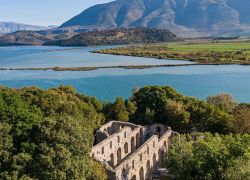
Butrint Archaeological Park, located near the town of Sarande in southern Albania, is one of the country’s most important and well-preserved archaeological sites. A UNESCO World Heritage site since 1992, Butrint offers an exceptional glimpse into the ancient civilizations that once thrived in this region. The site spans more than 2,500 years of history, with ruins from the Greek, Roman, Byzantine, and Ottoman periods, making it a must-visit destination for history enthusiasts and travelers alike. The park is set in a lush, verdant landscape, surrounded by dense forests and the shimmering waters of the Ionian Sea. Butrint’s stunning natural beauty is complemented by its rich archaeological heritage, making it one of the most significant cultural sites in Albania and the Balkans. Visitors to Butrint can explore its ancient ruins, including temples, baths, theaters, and city walls, all of which offer a fascinating journey through the past. How to Reach Butrint Archaeological Park Butrint Archaeological Park is located approximately 18 kilometers (11 miles) south of Sarande, a coastal city that serves as a gateway for visitors to the park. The site is easily accessible by car, taxi, or organized tours, with a direct road leading from Sarande to Butrint. The drive takes around 30 minutes, and visitors can enjoy scenic views of the Albanian countryside along the way. If you are staying in Sarande, you can take a local bus or taxi to the park. Alternatively, boat trips from the town to the park are available during the warmer months, offering a picturesque approach to the archaeological site from the water. If you are visiting from other parts of Albania, such as Tirana or Vlore, you can reach Sarande by bus or car, and from there, continue your journey to Butrint. Weather The climate in Sarande and Butrint is Mediterranean, characterized by hot, dry summers and mild, wet winters. The best time to visit Butrint Archaeological Park is during the spring (April to June) and fall (September to October), when the temperatures are mild and comfortable for outdoor exploration. During the summer months (July and August), temperatures can soar above 30°C (86°F), so visitors should be prepared for the heat, especially when exploring the ruins in direct sunlight. Winter in the region is relatively mild, with occasional rainfall, but it is still a good time for visiting the site if you prefer fewer crowds. Regardless of the season, it's recommended to wear comfortable shoes and bring water, especially during the warmer months, as the park's layout involves some walking and climbing. Timing Butrint Archaeological Park is generally open daily, with visiting hours from 8:00 AM to 6:00 PM during the peak season (April to October) and reduced hours during the off-season (November to March). The park is closed on some national holidays, so it is recommended to check the official website or contact the park for up-to-date information on opening hours before your visit. The best time to visit Butrint is in the early morning or late afternoon to avoid the midday heat and crowds. If you want to capture the most stunning photos of the ruins and surrounding landscapes, the early morning light is especially beautiful, casting long shadows and highlighting the details of the ancient structures. Why Famous for Butrint Archaeological Park, Sarande, Albania? Butrint Archaeological Park is famous for its extensive collection of ruins that span multiple civilizations, providing insight into the region’s complex history. The site was first established as a Greek colony in the 6th century BC and later expanded under Roman and Byzantine rule, making it a melting pot of different cultures. Butrint is also one of the best-preserved ancient cities in the Mediterranean, showcasing an impressive range of architectural styles and urban planning techniques. What sets Butrint apart is the variety of ancient structures that can be seen throughout the site. Highlights include the well-preserved Roman theater, the Baptistery with its stunning mosaics, the ancient city walls, and the grand temple dedicated to Asclepius, the Greek god of healing. The ruins are set against a stunning backdrop of lush greenery and clear blue waters, making Butrint not only a historical treasure but also a breathtaking natural wonder. Entry and Visit Details about Butrint Archaeological Park, Sarande, Albania The entrance fee for Butrint Archaeological Park is generally around 700 Albanian lek (approximately 6 Euros) for adults, with discounted rates available for students, children, and senior citizens. Tickets can be purchased at the entrance to the park, and guided tours are available for an additional fee. Guided tours are highly recommended for visitors who want to learn about the history and significance of the ruins in detail. The park is well-maintained, with clear signage in both Albanian and English, making it easy for visitors to navigate. It is advised to allocate at least 2-3 hours for a leisurely visit, though those with a deep interest in archaeology and history may wish to spend longer exploring the various ruins and learning about their significance. Visitors can also bring their own food and drinks, as there are no food stalls within the park, though there are several cafes and restaurants near the entrance where you can enjoy a meal before or after your visit. History and Architecture Butrint’s history dates back to the Greek period, when it was founded in the 6th century BC as a colony of the Greek city of Corcyra (modern-day Corfu). The city grew in importance over the centuries and became a major center of trade and culture in the Mediterranean world. In the 3rd century BC, Butrint was incorporated into the Roman Empire, and the ruins from this period include impressive public buildings, temples, and baths. Under Roman rule, Butrint flourished as an important administrative and military center. In the Byzantine period, Butrint continued to be a significant city, with the construction of Christian churches and the famous Baptistery with its intricate mosaics. The city’s importance declined during the Ottoman period, and by the 18th century, it had fallen into ruin. Today, the archaeological site offers a window into the ancient civilizations that once called Butrint home, and its varied architecture reflects the cultural influences of the Greeks, Romans, and Byzantines. Things to Do Explore the Ancient Ruins: The main attraction at Butrint is its extensive collection of ruins, including the well-preserved Roman theater, the Byzantine Baptistery, the Temple of Asclepius, and the ancient city walls. Take your time to wander through these historical structures and imagine life in this once-thriving city. Visit the Butrint Museum: Located at the entrance to the park, the Butrint Museum showcases many artifacts uncovered during excavations at the site. The museum provides a deeper understanding of Butrint’s history and the people who lived there. Enjoy the Natural Beauty: Butrint is set in a stunning landscape of lush forests, lakes, and wetlands. Take a walk around the park’s scenic trails, where you can spot wildlife and enjoy views of the surrounding nature. Photography: With its combination of ancient ruins and stunning natural beauty, Butrint is a photographer’s paradise. Don’t forget to capture the striking views and architectural details during your visit. Relax by Lake Butrint: After exploring the ruins, take some time to relax by Lake Butrint, where you can enjoy a peaceful moment by the water, take a boat ride, or observe the local birdlife. Facts and Tips about Butrint Archaeological Park, Sarande, Albania Butrint Archaeological Park is a UNESCO World Heritage site, recognized for its historical significance and well-preserved ruins. Visitors can purchase tickets at the entrance, and guided tours are available in multiple languages, including English and Albanian. The best time to visit is during the spring and fall, when the weather is mild and the crowds are smaller. Bring comfortable shoes for walking, as the site covers a large area with uneven terrain. Make sure to bring water and sun protection, especially during the summer months when it can get quite hot. There are several nearby hotels and restaurants in Sarande, making it easy to combine a visit to Butrint with a stay in the coastal town. Photography is allowed, but be mindful of the preservation of the ruins and avoid climbing on the structures. In conclusion, Butrint Archaeological Park is one of Albania’s most treasured sites, offering a rich historical experience set in a beautiful natural landscape. Whether you’re a history lover, nature enthusiast, or photography buff, Butrint provides a memorable experience that combines the best of ancient history and stunning surroundings. A visit to Butrint is an opportunity to walk in the footsteps
Explore More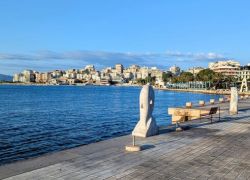
The Saranda Promenade is a beautiful waterfront area in the city of Sarande, located along the Ionian Sea in southern Albania. The promenade stretches along the coast, offering stunning views of the turquoise waters and the nearby Greek island of Corfu. This picturesque promenade has become one of the most popular destinations for both locals and tourists, serving as the heart of Sarande’s tourism. Whether you're looking to take a leisurely stroll, enjoy a meal with a view, or simply relax by the sea, Saranda Promenade offers something for everyone. With its wide sidewalks, lush greenery, and numerous cafes, restaurants, and shops, the promenade is a great place to spend an afternoon or evening in Sarande. The area is especially vibrant in the summer months when the city comes alive with visitors from around the world. The promenade also offers stunning views of the nearby hills, making it an ideal location for photography, sunset watching, or just enjoying the pleasant Mediterranean climate. How to Reach Saranda Promenade Saranda Promenade is located in the heart of Sarande, making it easily accessible from virtually anywhere in the city. If you are staying in a hotel or guesthouse within Sarande, you can simply walk to the promenade as it is situated along the waterfront near the city center. The promenade is about a 5-10 minute walk from Sarande’s central bus station, which is the main transport hub for visitors arriving by bus from other parts of Albania or neighboring Greece. If you're traveling from nearby towns or cities, such as Vlore or Tirana, you can take a bus to Sarande and then use a local taxi or walk to the promenade. Sarande is also well-connected by ferry from the Greek island of Corfu, with regular boat trips running in the summer season. Upon arrival at the Sarande harbor, the promenade is just a short walk away, making it convenient for visitors arriving by sea. Weather The climate in Sarande is Mediterranean, with hot, dry summers and mild, wet winters. The best time to visit Saranda Promenade is during the spring (April to June) and fall (September to October) when the weather is pleasant, and the city is not as crowded. Summer months (July and August) are the peak tourist season, with temperatures reaching over 30°C (86°F), so if you’re visiting during this time, it’s best to come in the early morning or late afternoon to avoid the heat. During the winter, the weather remains relatively mild, with temperatures rarely dropping below 10°C (50°F). While the promenade is less busy in the winter, it can still be a pleasant place for a walk on sunny days, especially if you prefer a quieter atmosphere. Whether visiting in summer or winter, the charm of Saranda Promenade is timeless, offering a perfect escape from the hustle and bustle of everyday life. Timing Saranda Promenade is open year-round and accessible to visitors at all hours. However, the best time to visit is during the late afternoon or early evening when the promenade is at its liveliest, and the weather is most comfortable for a stroll. Many cafes and restaurants along the promenade stay open late into the night, offering a perfect place to enjoy a meal or a drink while watching the sunset over the Ionian Sea. If you are visiting during the summer months, be aware that the promenade can get quite crowded, especially in the evenings when both locals and tourists gather to enjoy the cool breeze and the views. If you prefer a quieter experience, consider visiting early in the morning or during the off-season (from November to March), when there are fewer tourists around. Why Famous for Saranda Promenade, Sarande, Albania? The Saranda Promenade is famous for its breathtaking beauty and its central role in the social and cultural life of Sarande. The promenade is a popular gathering spot for both locals and tourists, offering a perfect blend of relaxation, sightseeing, and entertainment. One of the main attractions of the promenade is the view it offers of the Ionian Sea, with its crystal-clear waters and the Greek island of Corfu visible just across the water. The promenade is also famous for its vibrant atmosphere, with a wide variety of cafes, restaurants, and bars that line the waterfront. Whether you’re in the mood for a coffee, a seafood dinner, or a refreshing cocktail, you’ll find plenty of options to suit your taste. In the evenings, the promenade comes alive with music and the sounds of conversation as people gather to watch the sunset and enjoy the cool sea breeze. Moreover, the promenade serves as the focal point for many of Sarande’s events and festivals, including open-air concerts, markets, and cultural performances. Its popularity as a leisure destination, combined with its proximity to the city’s historical sites, makes the Saranda Promenade a must-visit spot for anyone traveling to the region. Entry and Visit Details about Saranda Promenade, Sarande, Albania There is no entry fee to visit Saranda Promenade, making it an ideal destination for those looking to enjoy the natural beauty of the area without any cost. The promenade is open to the public at all times, and you can visit it at your leisure. However, some of the restaurants, cafes, and bars along the promenade may have their own operating hours, usually opening around 8:00 AM and staying open until midnight or later, especially during the summer season. While walking along the promenade, visitors will find numerous benches and shaded areas where they can sit and enjoy the view. The promenade is also well-maintained, with clean pathways and plenty of greenery, making it a pleasant spot for families, couples, and solo travelers. In addition to restaurants and cafes, you’ll also find shops selling souvenirs, local crafts, and beachwear, adding to the promenade’s lively atmosphere. History and Architecture The Saranda Promenade has a rich history that reflects the development of Sarande as a coastal town and tourist destination. The promenade itself is relatively modern, having been developed over the past few decades to cater to the growing number of tourists visiting the city. However, Sarande has a long history dating back to ancient times, and the town itself was known as the Greek city of Onchesmus in antiquity. While the promenade itself is a modern development, it is built in a way that respects the natural landscape and the coastal heritage of the region. The area is lined with palm trees, benches, and flowering plants, which contribute to the relaxed atmosphere. Along the promenade, you will also notice some older buildings, including traditional Albanian houses and a few Ottoman-era structures, adding historical charm to the modern setting. Things to Do Take a Stroll Along the Waterfront: The most popular activity along the promenade is simply walking, taking in the views of the sea, the mountains, and the nearby Greek island of Corfu. The wide, well-maintained path makes it ideal for walking, jogging, or cycling. Relax at a Café or Restaurant: With numerous cafes and restaurants offering al fresco seating along the promenade, you can enjoy a coffee, a traditional Albanian meal, or a refreshing drink while watching the boats go by. Watch the Sunset: The promenade is one of the best spots in Sarande to watch the sunset. As the sun sets over the Ionian Sea, the sky is painted with brilliant colors, offering a perfect opportunity for photography or simply soaking in the beauty of the moment. Shop for Souvenirs: Along the promenade, there are several shops selling local handicrafts, jewelry, and souvenirs. It’s a great place to pick up a gift or something to remember your trip by. Attend Local Events: In the summer months, the promenade is often the site of cultural events, including live music, festivals, and art exhibitions. Check the local event calendar to see if any special events are taking place during your visit. Facts and Tips about Saranda Promenade, Sarande, Albania The promenade is free to visit and open year-round, though it is busiest in the summer months. The best time to visit is in the early morning or late afternoon when the temperatures are more pleasant, and the crowds are thinner. Wear comfortable shoes for walking, especially if you plan to explore the entire length of the promenade. Don’t forget to bring sunscreen, especially during the summer months, as the sun can be quite intense. For the best sunset views, head to the promenade around 7:00 PM in the summer, but check the exact time for the sunset during your visit. Consider visiting the promenade after dinner, as many of the cafes and restaurants along the waterfront offer a lively atmosphere in the evening. In conclusion, Saranda Promenade is a must-visit destination for anyone traveling to Sarande. Whether you're looking to enjoy a leisurely stroll along the coast, sample some delicious Albanian cuisine, or simply relax by the sea, the promenade offers something for everyone. Its beautiful views, vibrant
Explore More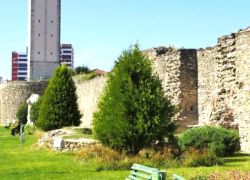
The Elbasan City Park, located in the heart of Elbasan, Albania, is one of the most beloved recreational spots in the city. Offering both natural beauty and a tranquil escape from urban life, the park is a popular destination for both locals and tourists. Whether you're looking for a peaceful walk, a spot for a family picnic, or a place to relax and enjoy nature, the Elbasan City Park has something to offer. History and Architecture of The Elbasan City Park The Elbasan City Park is not just a modern creation; it has a rich history that ties closely to the development of the city itself. Elbasan, historically an important urban center in Albania, was once a strategic location for both trade and defense. The park was established as a public space to give locals and visitors a place to unwind amidst nature, but it has also been a site for several historical events throughout the years. Architecturally, the park features a variety of landscape designs, from tree-lined pathways to open green spaces and water features. The park's layout is designed to offer both wide-open areas for gatherings and more intimate spaces for quiet reflection. The park's strategic placement near the center of Elbasan further emphasizes its importance as a social and cultural hub. How to Reach The Elbasan City Park Elbasan is easily accessible by car or public transport from Tirana, the capital of Albania. The park is centrally located within the city, making it a convenient destination for both locals and tourists. To reach Elbasan from Tirana, you can take the SH2 highway, which connects the two cities. The drive typically takes around 1.5 to 2 hours, depending on traffic conditions. Once in Elbasan, the City Park is easily accessible by foot from most parts of the city center. It’s also well-served by local buses, and there are plenty of taxis available for a direct ride to the park. The central location makes the park an easy stop for those exploring Elbasan’s historic sites and other attractions. Weather in Elbasan The climate in Elbasan is Mediterranean, with hot, dry summers and mild, rainy winters. Summer temperatures can reach highs of 30-35°C (86-95°F), making it a popular time for outdoor activities in the park. The cooler months of autumn and spring bring mild temperatures, typically ranging from 15-20°C (59-68°F), ideal for walking and picnicking in the park. Winter temperatures can drop to around 5-12°C (41-54°F), but the park remains a pleasant place to visit even during the cooler months due to its peaceful atmosphere. Timing and Opening Hours The Elbasan City Park is open year-round and is accessible to the public at all hours. However, the best time to visit is during daylight hours when you can fully appreciate the beauty of the park and its surroundings. The park is a popular spot for morning jogs, afternoon strolls, and evening relaxation. While there are no official opening hours for the park, it’s recommended to visit during the daytime for a more enjoyable experience. Why is The Elbasan City Park Famous? The Elbasan City Park is famous for being a peaceful retreat in the middle of a busy city. It is a beloved spot for locals who visit regularly to relax, walk their dogs, or meet friends and family. The park's extensive green spaces and variety of trees make it a natural sanctuary, especially for those looking to escape the hustle and bustle of Elbasan's city center. In addition to its natural beauty, the park is also famous for its role in the community. It is a place where people gather for various social events, cultural activities, and celebrations. The park is often used for public festivals, open-air performances, and other cultural events, contributing to its status as a social hub in Elbasan. Entry and Visit Details Visiting the Elbasan City Park is completely free of charge. There are no entry fees or special tickets required to enjoy the park, making it an affordable destination for anyone. The park is maintained by the local municipality, which ensures that the grounds are kept clean and well-kept for visitors. During your visit, you’ll find benches, walking paths, and green areas for resting and enjoying the surroundings. Things to Do at The Elbasan City Park There are plenty of activities you can enjoy at the Elbasan City Park: Walking and Jogging: The park is perfect for a morning jog or a relaxing walk along its many pathways. The fresh air and serene atmosphere make it ideal for outdoor exercise. Picnicking: With ample open spaces and shaded areas, the park is a great spot for a picnic with family or friends. You can bring your own food and enjoy a leisurely meal amidst nature. Photography: The park offers beautiful landscapes and photo opportunities, especially during sunset when the colors of the sky reflect off the water features. Children's Play Area: The park has a dedicated play area for children, making it a family-friendly location. Children can enjoy swings, slides, and other fun activities. Relaxing and Reading: For those seeking peace and quiet, the park has plenty of spots to sit back, relax, and read a book or simply enjoy the surroundings. Interesting Facts about The Elbasan City Park The park is one of the largest green spaces in Elbasan and is a popular place for both residents and tourists alike. It is home to a variety of tree species, including pines, oaks, and willows, making it a great spot for nature lovers. The park features several small ponds and water features, which add to its serene ambiance and attract birds and other wildlife. During the warmer months, the park hosts various cultural events, including outdoor concerts and performances by local artists. Elbasan City Park has become a symbol of the city's growth, blending nature with urban life in a way that promotes sustainability and well-being. Tips for Visiting The Elbasan City Park Bring sunscreen and a hat during the summer months, as the sun can be intense, especially in the afternoon. Carry a bottle of water to stay hydrated while walking or enjoying the park’s activities. If you're planning to picnic, be sure to bring a blanket and some snacks to enjoy the park’s relaxing atmosphere. Keep an eye on the weather forecast, especially during the winter months when rain is more frequent. Consider visiting the park early in the morning or late in the afternoon to avoid the crowds and enjoy a more peaceful experience. Conclusion The Elbasan City Park is an essential part of Elbasan, offering both locals and visitors a peaceful haven in the midst of a bustling city. Whether you're looking to relax, enjoy outdoor activities, or simply connect with nature, this park has something for everyone. With its history, architecture, and cultural significance, the Elbasan City Park continues to be a central spot for relaxation and recreation, making it a must-visit destination for anyone exploring the city of Elbasan.
Explore More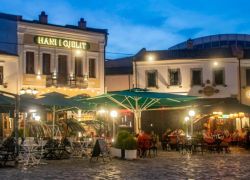
Korça's City Park is one of the most loved public spaces in Korca, Albania, offering a peaceful green retreat in the middle of the city. Known locally as a place for relaxation, social gatherings, and daily walks, the park reflects the calm and cultured lifestyle of Korca. With tree-lined paths, open lawns, and well-maintained surroundings, Korça's City Park is a perfect destination for both locals and tourists who want to enjoy nature without leaving the city. Why Korça's City Park Is Famous Korça's City Park is famous for being the main recreational area of the city and a popular meeting point for residents of all ages. It is well known for its clean environment, fresh air, and beautifully landscaped spaces. Families visit the park for leisure time, children enjoy the play areas, and elderly residents often come for quiet walks and conversations. The park is also famous for hosting cultural events, public celebrations, and seasonal activities. During festivals and holidays, the park becomes lively with music, performances, and local gatherings, making it an important social and cultural center in Korca. History of Korça's City Park The history of Korça's City Park dates back to the period when Korca began developing as a modern city. As urban planning expanded, the need for public green spaces became clear, leading to the creation of the city park as a place for relaxation and community interaction. Over the years, the park has undergone several improvements and renovations to meet the needs of the growing population. Despite these changes, it has maintained its original purpose as a peaceful and accessible space for everyone. Today, Korça's City Park stands as a symbol of the city’s commitment to quality of life and environmental care. Architecture and Design of Korça's City Park The architecture of Korça's City Park focuses on natural landscaping rather than buildings. The design includes wide walking paths, shaded areas with mature trees, flower beds, and open green lawns. Benches are placed along the paths, offering comfortable spots to rest and enjoy the surroundings. Decorative elements such as small fountains, sculptures, and lighting fixtures add to the park’s charm, especially in the evening. The layout is simple and welcoming, making it easy for visitors of all ages to move around and enjoy the space. How to Reach Korça's City Park Korça's City Park is centrally located and easily accessible from different parts of the city. Visitors staying in the city center can reach the park on foot within a few minutes. The park is also well connected by local roads, making it easy to reach by taxi or bicycle. For travelers coming from outside Korca, the city is connected by road to major Albanian cities such as Tirana. Once you arrive in Korca, local transport or a short walk will take you directly to the park. Its central location makes it a convenient stop during a city tour. Weather and Best Time to Visit Korça's City Park Korca experiences a continental climate, with cold winters and warm summers. During winter, the park often looks charming under a light layer of snow, although temperatures can be quite low. Summers are pleasant, with warm days and cooler evenings, making the park a popular place to relax. The best time to visit Korça's City Park is during spring and autumn. From April to June and September to October, the weather is mild, and the park is at its most colorful, with blooming flowers and fresh greenery. Early mornings and late afternoons are especially enjoyable. Timing and Entry Details Korça's City Park is open daily and accessible throughout the year. As a public park, there are no strict opening or closing hours, although daylight visits are recommended for comfort and safety. Entry to Korça's City Park is completely free, making it an inclusive space for everyone. Visitors can enter at any time and spend as long as they wish enjoying the peaceful environment. Things to Do at Korça's City Park Walking and jogging are among the most popular activities in the park. The well-maintained paths are ideal for morning exercise or evening strolls. Many visitors also come to read, relax, or simply enjoy the natural surroundings. Families often visit with children, who can enjoy open spaces for play. The park is also a great place for photography, especially during spring and autumn when the scenery is at its best. During special occasions, visitors can enjoy cultural events and public celebrations held in the park. Interesting Facts About Korça's City Park Korça's City Park plays an important role in daily life in the city, serving as a social meeting place for residents. It is often included in city tours as a place to understand the local lifestyle and community culture. The park is also known for its cleanliness and regular maintenance, reflecting the pride locals take in preserving their public spaces. Seasonal decorations and lighting add a festive atmosphere during holidays. Tips for Visiting Korça's City Park Visitors are encouraged to keep the park clean by using trash bins and respecting the environment. Comfortable footwear is recommended if you plan to walk or explore the entire park. If you want a quiet experience, visit early in the morning. For a lively atmosphere, evenings and weekends are ideal. Combine your park visit with nearby cafes or attractions to enjoy a complete Korca city experience. Conclusion Korça's City Park, Korca, Albania, is a refreshing green space that reflects the city’s peaceful character and strong sense of community. With its pleasant design, central location, and welcoming atmosphere, the park offers something for everyone. Whether you are looking for relaxation, light activity, or a glimpse into local life, Korça's City Park is a wonderful place to visit and enjoy during your time in Korca.
Explore More
Lake Prespa is one of the most beautiful and peaceful natural attractions near Korca, in southeastern Albania. Nestled at a high altitude and surrounded by mountains, Lake Prespa is shared by three countries: Albania, North Macedonia, and Greece. The Albanian part of the lake lies close to Korca and is known for its untouched nature, quiet villages, and rich biodiversity. Far less crowded than other European lakes, Lake Prespa offers visitors a calm and authentic experience away from mass tourism. With its clear waters, scenic landscapes, and traditional rural life, Lake Prespa is an ideal destination for nature lovers, photographers, and travelers seeking relaxation. The lake is also an important ecological area, making it valuable not only for tourism but also for environmental conservation. Why Lake Prespa Is Famous Lake Prespa is famous for its natural beauty, peaceful environment, and unique ecological importance. It is one of the highest tectonic lakes in the Balkans and is known for its clean waters and surrounding mountain scenery. The lake is particularly famous for its birdlife, including rare species such as pelicans, herons, and various migratory birds. Another reason Lake Prespa is well known is its traditional lakeside villages, where visitors can experience authentic Albanian rural culture. The calm atmosphere, combined with stunning sunsets and unspoiled landscapes, makes Lake Prespa a hidden gem in the Korca region. History of Lake Prespa The history of Lake Prespa goes back thousands of years. Archaeological evidence suggests that the area around the lake has been inhabited since ancient times. Due to its strategic location and fertile surroundings, the lake region attracted various civilizations, including ancient Illyrians and later medieval communities. Throughout history, Lake Prespa served as a source of water, food, and transportation for local populations. During medieval times, the region held religious and cultural importance, with churches and settlements developing around the lake. Today, the lake remains an important symbol of shared natural heritage among the three neighboring countries. Natural Landscape and Environment Unlike architectural landmarks, Lake Prespa’s main attraction lies in its natural design. The lake is surrounded by mountains, green hills, and agricultural land, creating a diverse and picturesque landscape. Reeds and wetlands along the shoreline provide habitats for birds and aquatic life. Seasonal changes add to the lake’s charm. In spring and summer, the area is lush and green, while autumn brings warm colors to the surrounding hills. Winter often transforms the region into a quiet and peaceful landscape, sometimes with snow-covered mountains in the background. How to Reach Lake Prespa Lake Prespa is located about 50 kilometers from Korca and can be reached by car, taxi, or local transport. The road from Korca to Prespa passes through scenic countryside and small villages, making the journey enjoyable. Visitors traveling from other parts of Albania can first reach Korca by bus or car from Tirana or other major cities. From Korca, it usually takes around one to one and a half hours to reach the Albanian side of Lake Prespa. Private transport is recommended for flexibility, as public transport options may be limited. Weather and Best Time to Visit Lake Prespa Lake Prespa has a continental mountain climate. Summers are generally mild and pleasant, with cooler temperatures compared to lowland areas. Winters can be cold, with occasional snowfall, especially in the surrounding mountains. The best time to visit Lake Prespa is from May to September. During these months, the weather is comfortable for outdoor activities such as walking, cycling, and photography. Spring is ideal for birdwatching, while summer offers perfect conditions for relaxation by the lake. Autumn is also beautiful, with fewer visitors and colorful scenery. Timing and Entry Details Lake Prespa is a natural destination and is accessible at any time of the day. There are no official opening or closing hours, and visitors are free to explore the lakeside areas throughout the year. There is no entry fee to visit Lake Prespa. However, certain activities such as guided tours, boat rides, or local accommodations may involve costs. Visitors are encouraged to respect the natural environment and local communities during their visit. Things to Do at Lake Prespa One of the most popular activities at Lake Prespa is nature walking and hiking along the lakeshore. The quiet paths and scenic views make it perfect for relaxation and photography. Birdwatching is another major attraction, as the lake is home to many rare and protected bird species. Visitors can also explore nearby villages, where traditional houses, local cuisine, and friendly hospitality offer an authentic cultural experience. Cycling, picnicking, and enjoying sunset views by the lake are other enjoyable activities. Some areas also allow fishing, following local regulations. Interesting Facts About Lake Prespa Lake Prespa is actually part of a system of two lakes: Big Prespa and Small Prespa. The Albanian side mainly borders Big Prespa. Interestingly, the lake is hydrologically connected to Lake Ohrid through underground channels, making it important for regional water balance. The lake is protected under international environmental agreements due to its ecological significance. It is considered one of the most important wetland areas in the Balkans and plays a vital role in biodiversity conservation. Tips for Visiting Lake Prespa Visitors should bring comfortable walking shoes, especially if planning to explore the shoreline or nearby trails. Carrying water, sunscreen, and light snacks is recommended, as facilities may be limited in some areas. Respect nature by not littering and avoiding disturbance to wildlife, especially birds. Visiting during daylight hours is ideal for safety and better views. Combining your visit to Lake Prespa with a trip to Korca or nearby cultural sites can make your journey more rewarding. Conclusion Lake Prespa, near Korca, Albania, is a peaceful and scenic destination that offers a perfect blend of natural beauty, history, and cultural charm. With its calm waters, rich biodiversity, and authentic rural surroundings, the lake provides a refreshing escape for travelers seeking tranquility. Whether you visit for nature exploration, photography, or simple relaxation, Lake Prespa promises a memorable and enriching experience in southeastern Albania.
Explore More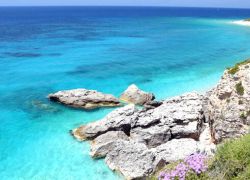
The Llogara Pass is one of the most spectacular mountain passes in Albania, located near Dhermi along the famous Albanian Riviera. Sitting at an elevation of around 1,027 meters above sea level, the pass connects the coastal areas of southern Albania with the inland regions. It is best known for its breathtaking panoramic views, dramatic mountain scenery, and winding road that descends toward the turquoise Ionian Sea. For many travelers, the Llogara Pass is not just a route but an experience in itself. As you travel through this mountain gateway, you witness a striking contrast between dense pine forests, rugged cliffs, and the deep blue sea below. It is considered one of the most scenic drives in the Balkans and a must-visit destination for nature lovers and photographers. Why the Llogara Pass Is Famous The Llogara Pass is famous for its stunning viewpoints overlooking the Ionian Sea and the Albanian Riviera, including the beaches of Dhermi, Himara, and beyond. The dramatic descent from the mountains to the coast offers unforgettable views, especially on clear days when the horizon seems endless. It is also well known for being part of the Llogara National Park, a protected natural area rich in biodiversity. The pass is popular among road trip travelers, hikers, paragliders, and those seeking cooler mountain air during the hot summer months along the coast. History of the Llogara Pass The Llogara Pass has played an important role in Albania’s history as a natural route connecting coastal communities with inland settlements. For centuries, it was used by traders, shepherds, and travelers moving goods such as olive oil, salt, and agricultural products between regions. During different historical periods, including Roman, Byzantine, and Ottoman times, the pass served as a strategic route for communication and movement. Though modern roads have improved access, the Llogara Pass still follows ancient pathways that reflect Albania’s long-standing connection between mountains and sea. Natural Landscape and Architecture The Llogara Pass is surrounded by dramatic natural landscapes rather than traditional architecture. The area is characterized by steep limestone mountains, dense pine and fir forests, and open meadows. These natural features create a refreshing environment, especially compared to the warmer coastal areas below. Along the road, visitors will find scenic viewpoints, small roadside restaurants, and rest areas built simply to blend with the environment. These structures use stone and wood, maintaining harmony with the surrounding national park rather than dominating the landscape. How to Reach the Llogara Pass The Llogara Pass is located along the SH8 highway, which connects Vlora with Dhermi, Himara, and Saranda. From Dhermi, the pass is approximately 15 kilometers away and can be reached by car, motorcycle, taxi, or bus. From Tirana, travelers usually drive to Vlora and then continue south along the SH8 road, passing through the Llogara Pass. The journey takes around four to five hours by car. Public buses traveling between Vlora and southern coastal towns also pass through the Llogara Pass, making it accessible even without private transport. Weather and Best Time to Visit The Llogara Pass has a cooler climate compared to the coast due to its higher elevation. Summers are mild and refreshing, with temperatures often ranging between 18°C and 25°C, while coastal areas below may experience much higher heat. Winter can bring cold temperatures, fog, and occasional snowfall, which adds beauty but may make driving conditions challenging. The best time to visit the Llogara Pass is from April to October, when the weather is generally clear and ideal for sightseeing, hiking, and outdoor activities. Timing and Entry Details The Llogara Pass is open year-round, as it is part of a public highway and national park area. There are no fixed opening or closing hours, and visitors can pass through at any time of day. There is no entry fee to drive through the Llogara Pass. However, some areas within Llogara National Park may have small parking or service fees, depending on facilities used. Most viewpoints and stops are freely accessible. Things to Do at the Llogara Pass One of the main activities at the Llogara Pass is enjoying the scenic viewpoints. Several stops along the road allow visitors to take photos of the Ionian coastline, mountain ridges, and forests. These viewpoints are especially popular at sunrise and sunset. Hiking and nature walks are also popular within Llogara National Park. The area offers trails through pine forests and mountain terrain. Paragliding is another well-known activity, as the strong air currents and high viewpoints make the pass an ideal launch location for flights over the coast. Interesting Facts About the Llogara Pass The Llogara Pass marks the transition between northern and southern Albania in terms of landscape and climate. It is often described as the gateway to the Albanian Riviera. The pass is home to unique wildlife, including deer, wild boar, and various bird species. Its forests are considered some of the most beautiful in southern Albania and are protected as part of the national park. Tips for Visiting the Llogara Pass Drivers should be cautious, as the road includes sharp turns and steep slopes. It is best to drive during daylight hours, especially for first-time visitors. Bring warm clothing even in summer, as temperatures can be cooler at the top. Stop at designated viewpoints rather than roadside edges for safety. Respect nature by not leaving litter and staying on marked trails while hiking. Conclusion The Llogara Pass, near Dhermi, Albania, is a remarkable destination that combines dramatic mountain scenery with unforgettable coastal views. As both a vital route and a natural attraction, it offers travelers a unique opportunity to experience Albania’s diverse landscapes in a single journey. Whether you are driving through, stopping for views, or exploring the surrounding national park, the Llogara Pass is an essential highlight of any trip to the Albanian Riviera.
Explore More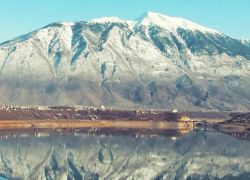
Lake Kukës is a picturesque artificial lake located near the town of Kukës, in the northern part of Albania. Surrounded by stunning mountain landscapes, the lake offers a serene atmosphere that draws visitors seeking natural beauty, outdoor activities, and peaceful reflection. The lake was created in the late 20th century with the construction of the Kukës Hydroelectric Power Plant, and it now serves as an important water reservoir. Today, Lake Kukës has become a popular destination for both nature lovers and those interested in exploring the history and culture of the region. How to Reach Lake Kukës Lake Kukës is located near the town of Kukës, which lies in the northernmost part of Albania, near the border with Kosovo and Montenegro. The easiest way to reach the lake is by car. From the capital city of Tirana, it takes approximately 3 to 4 hours (around 180 km) to drive to Kukës. Visitors traveling from Kosovo or Montenegro can also easily access the lake, as Kukës is conveniently situated near the international borders. If you're traveling by public transport, there are buses and minibuses that connect Tirana to Kukës, with regular departures from the main bus station in Tirana. Once you arrive in the town of Kukës, you can take a short taxi ride or drive to the lake, which is located just outside the town. The lake is well-signposted, and local guides or taxi drivers can easily direct you to the best viewing points. Weather in Kukës The weather around Lake Kukës is Mediterranean, characterized by hot, dry summers and cool, wet winters. The best time to visit Lake Kukës is during the spring (April to June) and fall (September to November), when the temperatures are moderate, and the surrounding landscapes are lush and green. Summer temperatures can reach highs of 30°C to 35°C (86°F to 95°F), while winters can be cold, with temperatures ranging from 0°C to 10°C (32°F to 50°F). During the winter months, the area may experience occasional snowfall, especially in the surrounding mountain regions. Visiting in the spring or fall will allow you to enjoy pleasant temperatures while avoiding the peak tourist season. However, if you enjoy winter landscapes, the snow-capped mountains around the lake can create a magical atmosphere, perfect for photography or hiking. Timing of the Visit Lake Kukës is open to visitors year-round, but the timing of your visit depends on the activities you'd like to do. During the warmer months, the lake is ideal for boating, fishing, and hiking, while the cooler months offer a chance to enjoy the tranquility of the lake and the snow-covered surroundings. The best time to visit is between April and October, with the peak tourist season occurring in the summer. If you prefer to avoid crowds, visiting in the shoulder months of spring or fall is highly recommended. Why Is Lake Kukës Famous? Lake Kukës is famous for its natural beauty and its role in Albania's energy infrastructure. The lake was formed by the construction of the Kukës Hydroelectric Power Plant, which began in the 1970s and was completed in the 1980s. The lake serves as a reservoir for the power plant, which generates electricity for the region. Despite being an artificial lake, it has become a popular destination for nature lovers due to its scenic views, surrounding mountains, and serene atmosphere. Besides its technical importance, Lake Kukës is also known for its role in the local community and its contribution to the region’s development. The surrounding area is rich in flora and fauna, and the lake itself is a perfect spot for those looking for peace and natural beauty. The town of Kukës, with its mix of modern and traditional elements, adds another layer of interest for those who wish to explore the local culture and history. Entry and Visit Details Access to Lake Kukës is free of charge, as it is a natural public area. Visitors can explore the lake's shoreline, enjoy the views, and engage in various outdoor activities such as hiking, bird watching, and photography. There are no formal entry gates or visitor centers around the lake, but the surrounding area is well-maintained and accessible. If you want to enjoy a boat ride on the lake or go fishing, there are local services available for rentals. It’s a good idea to inquire locally or through your accommodation in Kukës for boat rental options, as well as fishing permits. The best time to visit for these activities is during the warmer months, from late spring to early autumn. However, be prepared to bring your own equipment if you plan on engaging in fishing, as rentals may be limited. History and Architecture of Lake Kukës Lake Kukës has an interesting history, as it was artificially created in the 1970s as part of the construction of the Kukës Hydroelectric Power Plant. The purpose of the lake was to serve as a reservoir for the plant, which provides electricity to the region. The project led to the flooding of the valley below, which submerged several villages that had existed in the area for centuries. The creation of the lake and the hydroelectric plant significantly altered the landscape of the region but also provided economic benefits by boosting energy production in the country. While the lake itself is not an ancient historical site, it holds great significance in terms of Albania's modernization during the communist era. The construction of the power plant and the artificial lake was part of the country’s industrialization efforts, which also included the building of roads, infrastructure, and new towns. Things to Do at Lake Kukës Visiting Lake Kukës offers several activities that allow you to enjoy the natural surroundings and engage in outdoor adventures. Some of the top things to do include: Boating: The lake is perfect for boating, and there are rental services available during the warmer months. You can explore the calm waters and enjoy panoramic views of the surrounding mountains. Fishing: Lake Kukës is home to several species of fish, making it an ideal location for fishing enthusiasts. You can try your luck from the shore or rent a boat for a more immersive experience. Hiking: The surrounding mountains offer excellent hiking opportunities, with trails that provide stunning views of the lake and the surrounding landscapes. Photography: The scenic beauty of the lake and the surrounding area makes it a great place for photographers to capture the natural beauty of Albania’s north. Picnicking: There are several peaceful spots along the shore of the lake where you can set up a picnic and enjoy the tranquility of the area. Interesting Facts about Lake Kukës The lake was created by the construction of the Kukës Hydroelectric Power Plant, which began in the 1970s and was completed in the 1980s. The flooding of the valley to create the lake resulted in the submersion of several villages that had existed for centuries. The lake serves as an important water reservoir for the hydroelectric plant, which generates electricity for the region. The surrounding area is rich in natural beauty, with forests, mountains, and diverse wildlife that attract nature lovers and outdoor enthusiasts. Despite being an artificial lake, Lake Kukës has become a popular destination for tourists seeking peace, outdoor activities, and scenic views. Tips for Visiting Lake Kukës Bring comfortable shoes, as you may want to explore the surrounding mountains and walk along the shoreline. If you plan on fishing, bring your own gear, or check with local rental services for equipment. During summer, it’s recommended to wear sunscreen and bring plenty of water, as the temperatures can rise quite high. Visit the lake in the early morning or late afternoon to enjoy the peaceful atmosphere and avoid the midday heat. If you’re planning to go boating, inquire about rental options in advance to ensure availability during peak tourist season.
Explore More
The Bajkaj River Valley is one of the most scenic and serene natural landscapes in northern Albania, located near the town of Kukës in the Kukës County. This valley is home to the Bajkaj River, a tributary of the larger Drin River, and is surrounded by breathtaking mountain views, dense forests, and rich biodiversity. The Bajkaj River Valley offers a unique opportunity to experience the beauty of Albania’s rugged north, making it a must-visit destination for nature lovers, hikers, and those seeking to explore Albania’s natural heritage. The valley is known for its peaceful atmosphere, offering visitors a retreat from the hustle and bustle of city life. How to Reach Bajkaj River Valley The Bajkaj River Valley is located approximately 15 kilometers to the north of the town of Kukës, making it easily accessible by car. From Kukës, visitors can take the Rruga e Kombit (Highway of the Nation) and follow the signs leading to the valley. The drive is relatively short, taking around 20-30 minutes depending on road conditions and the specific route taken. If you're traveling from Tirana, the capital of Albania, you will need to drive for around 4-5 hours (approximately 170 km) to reach Kukës, which is the nearest major town to Bajkaj River Valley. From Kukës, you can hire a taxi or rent a vehicle to take you directly to the valley. For those traveling by bus, there are regular services between Tirana and Kukës, and upon reaching Kukës, you can find local transport options to the valley. Weather in Bajkaj River Valley The weather in the Bajkaj River Valley is influenced by its location in the Albanian Alps, which gives it a continental climate. The summers in the valley are generally warm, with temperatures ranging from 25°C to 30°C (77°F to 86°F), especially in the lower altitudes. However, the high mountain regions surrounding the valley provide cooler temperatures, especially in the mornings and evenings, making it an ideal summer destination. Winters in the Bajkaj River Valley can be quite cold, with temperatures often dipping below freezing. Snowfall is common, particularly at the higher elevations, making the valley a beautiful winter landscape. During the winter months (December to February), the area can experience heavy snowfall, which may impact road access, so it's advisable to check weather conditions before traveling during this period. The best time to visit the Bajkaj River Valley is during spring (April to June) and autumn (September to November), when the weather is mild, and outdoor activities such as hiking and sightseeing are most enjoyable. These seasons provide pleasant weather and fewer tourists, allowing for a more peaceful visit. Timing of the Visit There are no specific visiting hours for the Bajkaj River Valley as it is a natural area, but it is recommended to visit during daylight hours for safety reasons. The valley is a peaceful, quiet place, perfect for a full day trip to explore its surroundings. During the summer, it can get busy with tourists and locals alike, so planning your visit early in the day is a good idea to avoid crowds. For those looking to enjoy the natural beauty of the valley and its river, an ideal visit would last a few hours or even a full day. Visitors can enjoy the lush landscapes, walk along the riverbanks, or take part in activities like hiking and birdwatching. In winter, it’s advisable to visit during the middle of the day when temperatures are slightly warmer, as mornings and evenings can be quite chilly. Why Is Bajkaj River Valley Famous? The Bajkaj River Valley is famous for its untouched natural beauty, peaceful atmosphere, and the variety of outdoor activities it offers. The valley is often described as one of Albania’s hidden gems, far from the bustling tourist destinations. The clear waters of the Bajkaj River, along with its surrounding lush green forests and towering mountains, create a stunning environment that attracts nature lovers and photographers. What makes the valley particularly famous is its diverse flora and fauna. The region is home to various species of plants and animals, including birds, deer, and other mountain wildlife. The river itself, with its crystal-clear waters, adds to the charm of the valley, and visitors often come to admire the natural surroundings or enjoy a peaceful day by the water. Entry and Visit Details about Bajkaj River Valley As a natural site, there is no entry fee to visit the Bajkaj River Valley. The valley is open to the public year-round, with access available via the main road from Kukës. Visitors can either hike to the valley or drive through the surrounding mountainous terrain. If you are planning a longer visit or want to explore the area more deeply, it is advisable to bring supplies such as food, water, and appropriate clothing, especially if you plan to hike or trek. While there are no specific visitor facilities in the valley, you will find some accommodations and small local shops in Kukës, where you can stay or buy supplies for your trip. Kukës offers a variety of accommodations, including hotels, guesthouses, and even eco-lodges that allow visitors to experience the local culture and nature. The town is also home to a few restaurants that serve traditional Albanian dishes, which can be a great way to end your day after exploring the valley. History and Architecture of Bajkaj River Valley The Bajkaj River Valley itself is a natural site, and as such, it doesn’t have a distinct history or architecture in the traditional sense. However, it is deeply connected to the culture and history of the Kukës region. The valley and the river have historically been vital resources for the people who live in the surrounding areas, providing water for agriculture, animal husbandry, and daily life. The valley is also part of the larger ecosystem that supports the traditional mountain lifestyle, where local families have lived for generations. The architecture of the region reflects this heritage, with houses made from local materials such as stone and wood. Visitors to the valley can also explore nearby villages to see examples of traditional Albanian mountain architecture. Things to Do in Bajkaj River Valley The Bajkaj River Valley offers several activities for visitors looking to connect with nature and enjoy the outdoors. Some of the most popular things to do in the area include: Hiking: The valley is a paradise for hikers, with several scenic trails that allow visitors to explore the area’s diverse landscapes. From river walks to mountain treks, there’s something for all levels of experience. Fishing: The Bajkaj River is known for its crystal-clear waters and offers excellent opportunities for fishing. Visitors can fish for local species in a tranquil, picturesque setting. Photography: The natural beauty of the valley, including its mountains, forests, and river, makes it a great destination for photography enthusiasts. Sunrise and sunset provide particularly stunning lighting for capturing the landscape. Wildlife Watching: The valley is home to a range of wildlife, including various bird species, deer, and other animals. Birdwatchers will find plenty of opportunities to spot unique species in the area. Picnicking and Relaxing: The peaceful environment of the valley is perfect for a relaxing picnic by the river. Many visitors simply come to enjoy the natural surroundings, read a book, or unwind after a long day. Interesting Facts about Bajkaj River Valley The Bajkaj River is a tributary of the Drin River, which is one of the longest rivers in Albania. The valley is located in the foothills of the Albanian Alps, which are known for their rugged beauty and biodiversity. The area around Bajkaj River Valley is home to several small villages, many of which still practice traditional farming methods that have been passed down through generations. Despite its natural beauty, the valley remains relatively undiscovered by mass tourism, making it a perfect destination for those seeking tranquility and authenticity. Tips for Visiting Bajkaj River Valley Wear appropriate hiking shoes if you plan on exploring the valley on foot, as the terrain can be rough in some areas. Bring plenty of water and snacks, especially if you plan to hike or spend several hours in the area. If visiting during the winter months, check road conditions beforehand, as snow and ice may make travel difficult. Respect the local environment and wildlife, and make sure to leave no trace during your visit to preserve the beauty of the valley for future generations. Consider hiring a local guide to get more insight into the flora, fauna, and history of the area, especially if you are unfamiliar with the region.
Explore More