"Discover the quirky symbol of Brussels' charm."
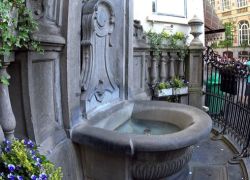
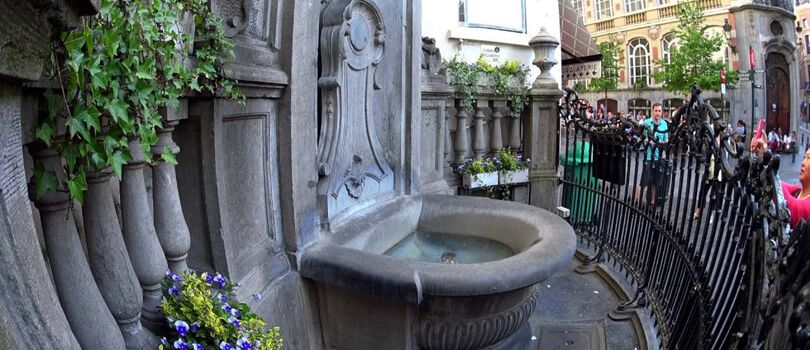
Manneken Pis is one of the most iconic landmarks in Brussels, Belgium. This small bronze statue of a young boy urinating into a fountain is located at the junction of Rue de l'Étuve and Rue du Chêne, near the Grand Place. Despite its small size, Manneken Pis has become a symbol of the irreverent and rebellious spirit of the Belgian capital.
How to Reach Manneken Pis
Getting to Manneken Pis is quite easy as it is located in the heart of Brussels. If you're traveling by train, you can take the Brussels Central Station (Bruxelles-Central), which is only a 10-minute walk from the statue. Alternatively, you can take the Brussels Metro Line 1 or 5 and get off at the "De Brouckère" station, from where it’s a short walk. The statue is also within walking distance of many other famous landmarks like the Grand Place and the Brussels Town Hall.
Weather in Brussels
The weather in Brussels tends to be temperate and mild throughout the year, with cool winters and mild summers. During the winter, temperatures can drop to around 0°C (32°F), while summer temperatures generally hover between 15°C and 25°C (59°F-77°F). Rain is common, so it’s a good idea to carry an umbrella when visiting. The best time to visit Manneken Pis is from April to October when the weather is more favorable for outdoor exploration.
Why Manneken Pis is Famous
Manneken Pis is famous for being an emblem of the city's irreverent attitude. The statue was originally erected in 1619 and has become a symbol of the city’s humor, freedom, and independence. Over the centuries, it has been dressed in numerous costumes, often linked to special events, festivals, or even national holidays. The statue has also been stolen several times throughout history, but it was always recovered, adding to its legend and mystique.
Things to Do at Manneken Pis
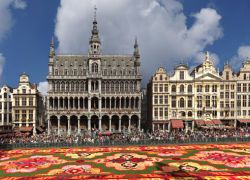
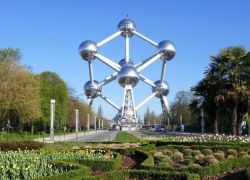
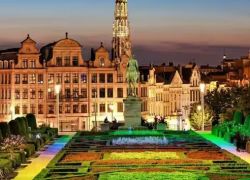
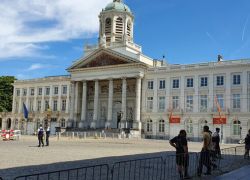
While visiting Manneken Pis, you can take pictures with this iconic figure. The surrounding area is full of cafes, shops, and chocolate boutiques where you can experience local flavors. Many tourists also explore nearby attractions like the Grand Place, the Atomium, and the Royal Palace of Brussels. Occasionally, you might even find the statue dressed up in one of its many costumes, making it a fun and photo-worthy experience.
Facts and Tips About Manneken Pis
Church of Our Lady, Bruges
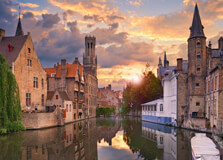
The Church of Our Lady (Onze-Lieve-Vrouwekerk) is one of the most important landmarks in Bruges, a city located approximately 100 kilometers (62 miles) north-west of Brussels. This stunning Gothic church is renowned for its towering spire, which is one of the tallest brick structures in the world, reaching a height of 122 meters (400 feet).
How to Reach Church of Our Lady
To reach the Church of Our Lady from Brussels, you can take a direct train from Brussels Central Station to Bruges, which takes around 1 hour. Once you arrive in Bruges, the church is just a 10-minute walk from the train station. You can easily navigate through the charming medieval streets of the city to reach this magnificent church.
Weather in Bruges
The weather in Bruges is similar to that of Brussels, with mild winters and cool summers. The best time to visit Bruges is between May and September, when the weather is typically pleasant for sightseeing and walking around the historic city center. Winters can be cold, with temperatures ranging from 0°C to 5°C (32°F to 41°F), so visitors should pack accordingly during the colder months.
Why Church of Our Lady is Famous
The Church of Our Lady is famous not only for its architectural grandeur but also for its impressive art collection. The church houses the famous statue of the Madonna and Child by Michelangelo, which was donated by a wealthy Bruges merchant. The church is also known for its stunning stained glass windows and its association with the rich history of Bruges as a medieval center of art and culture.
Entry and Visit Details About Church of Our Lady
The Church of Our Lady is open to visitors daily, and there is a small entrance fee for those wishing to explore its interiors. The church is free to enter for those who only wish to attend services. The fee for visiting the church is typically around €6, with discounts available for students and groups. It is also worth noting that the church is a functioning place of worship, so visitors should be respectful of any ongoing services or religious activities.
History and Architecture of Church of Our Lady
The Church of Our Lady was built between the 13th and 15th centuries, making it one of the oldest churches in Bruges. The church is a fine example of Gothic architecture, with its soaring arches, intricate carvings, and high vaulted ceilings. The church is also renowned for its brick construction, a hallmark of Bruges' medieval buildings. Its most striking feature is the 122-meter-high spire, which can be seen from almost any part of the city.
Things to Do at Church of Our Lady
While visiting the Church of Our Lady, be sure to admire the Michelangelo Madonna, a masterpiece of Renaissance sculpture. You can also explore the church's crypt, which contains the tombs of many prominent figures, including the Dukes of Burgundy. Additionally, visitors can enjoy the peaceful atmosphere of the church and take time to reflect on its rich history and artistic beauty.
Facts and Tips About Church of Our Lady